The One Thing North Carolina Cucumber Plants Need In June Or Bacterial Wilt Will End Your Season
Bacterial wilt ends cucumber seasons fast, and North Carolina’s warm June temperatures create exactly the conditions that allow it to move through a planting with very little warning.
The striped cucumber beetle carries and spreads this disease, and the relationship between beetle pressure and wilt infection means that what you do about one directly determines your exposure to the other.
Most gardeners who lose cucumbers to bacterial wilt every summer are missing one specific protective step that needs to happen in June, before beetle populations build to the threshold where infection becomes almost inevitable.
Getting this right does not require a complicated spray schedule or expensive intervention.
It requires understanding the timing, knowing what to watch for, and acting within the window that actually makes a difference for the rest of the season.
1. June Is Cucumber Beetle Watch Time In North Carolina
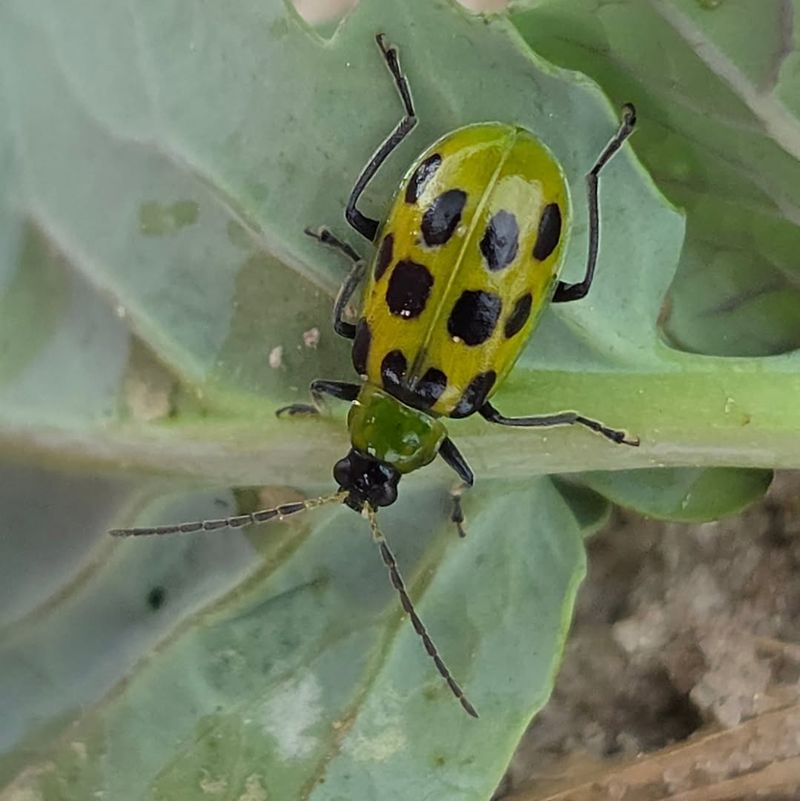
Warm June days in North Carolina are perfect growing weather for cucumbers, but they also signal prime time for cucumber beetle activity. As soon as soil temperatures rise and plants push out fresh leaves, beetles show up fast.
Young transplants and seedlings are especially easy targets because their stems and leaves are soft and full of moisture.
Cucumber beetles feed on leaves, stems, and flowers, causing direct damage that weakens plants. More importantly, their feeding creates small wounds that allow harmful bacteria to enter the plant.
Waiting until you see obvious wilting means the damage is already done, so early action is everything.
The smart move is to start protecting plants the moment they go into the ground. Whether you are transplanting starts or watching seedlings push through the soil, beetle pressure can begin almost immediately in North Carolina’s warm June climate.
Checking plants every day or two during this window makes a real difference. A small beetle population caught early is manageable.
A large one that has been feeding for two weeks is a much bigger challenge. Building your protection plan before beetles show up, rather than after, puts you firmly in control of the season ahead.
2. Bacterial Wilt Travels Through Cucumber Beetles
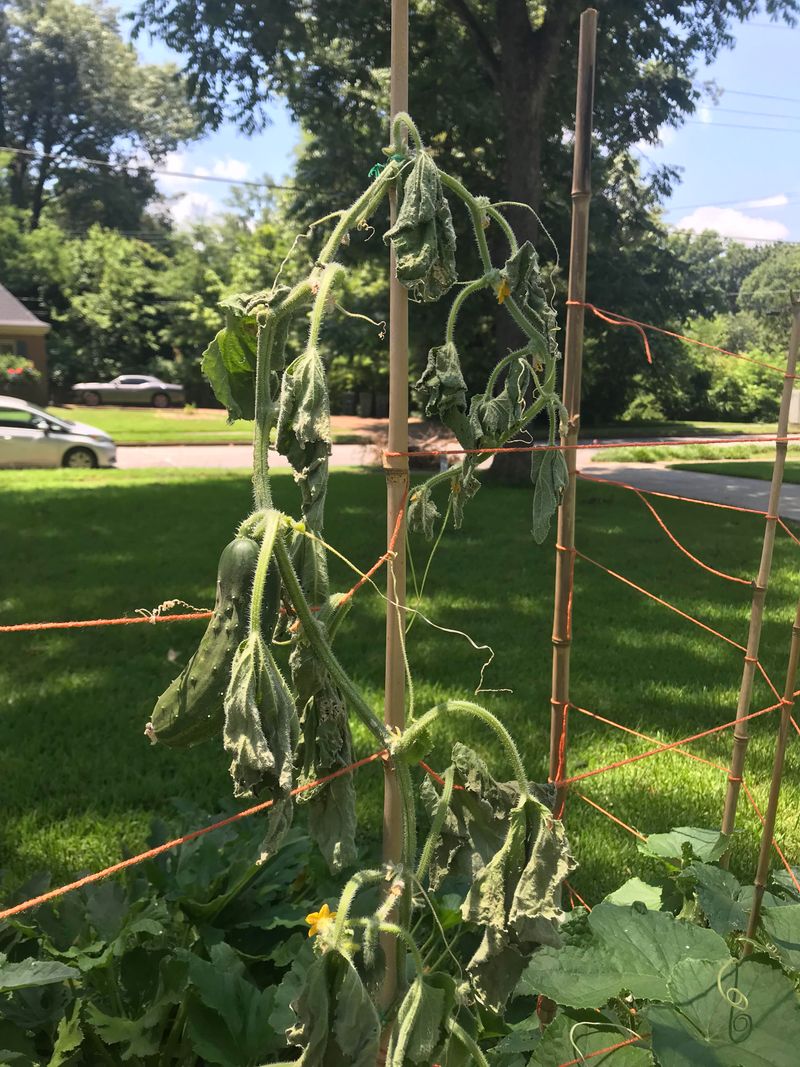
Bacterial wilt is one of the most frustrating problems cucumber growers face, and cucumber beetles are directly responsible for spreading it.
Both striped cucumber beetles and spotted cucumber beetles can carry the bacteria Erwinia tracheiphila in their digestive systems.
When they feed on a plant, the bacteria moves into the feeding wounds and works its way into the plant’s water-carrying tissue.
Once inside, the bacteria multiplies and blocks the flow of water through the stems. Leaves begin to wilt during the day even when the soil has plenty of moisture.
A simple test gardeners use is the stem test: cut a wilted stem near the base, press both cut ends together, then pull them slowly apart. If you see thin, thread-like strings stretching between the cut ends, bacterial wilt is the likely cause.
There is no spray or treatment that reverses bacterial wilt once a plant is infected. Removing infected plants quickly helps prevent beetles from feeding on them and spreading the bacteria further.
Your North Carolina Garden Changes Every Week. Your Plan Should Too.
Gardening in North Carolina changes quickly throughout the season. Every Friday you’ll receive a simple weekly plan showing exactly what to plant, prune, fertilize, harvest, and protect so you never miss the right timing.
This is why beetle management is so closely tied to bacterial wilt prevention. Fewer beetles feeding on your plants means far less opportunity for the bacteria to enter.
Keeping beetle numbers low throughout June is genuinely one of the most powerful tools a North Carolina gardener has against this disease.
3. Row Cover Is The Best Early Barrier
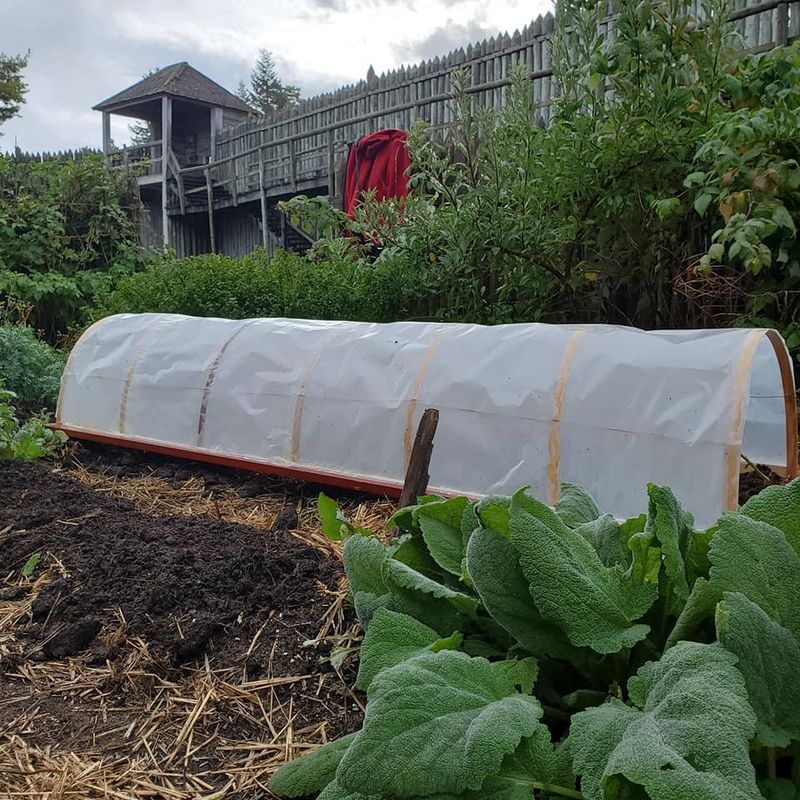
Floating row cover is one of the most reliable tools a gardener can reach for when cucumber plants are young and vulnerable. It works as a physical barrier, simply keeping cucumber beetles off the plants before they get a chance to feed.
Lightweight, breathable fabric lets in sunlight, water, and air while blocking insects from landing on leaves and stems.
Putting row cover on at planting time gives your cucumbers a protected window of growth during the most critical early weeks. The cover needs to be secured well at every edge.
Beetles are persistent crawlers, and any gap at the soil line is an invitation. Burying the edges with soil, pinning them down firmly with garden staples, or weighing them with boards all work well to keep the seal tight.
One of the great things about row cover is that it also gives plants a slight temperature boost, which cucumbers love in early June when nights can still be cool.
It reduces wind stress and keeps leaves from getting battered during storms. Many North Carolina gardeners who use row cover consistently report healthier, more vigorous plants at flowering time compared to uncovered beds nearby.
Starting with this one simple tool can genuinely change the outcome of your cucumber season without requiring a lot of extra time or expense.
4. Covers Must Come Off When Pollination Is Needed

Row cover does a great job protecting young cucumber plants, but there comes a point when keeping it on actually works against you.
Cucumber plants produce separate male and female flowers, and female flowers need pollinator visits to set fruit.
Bees and other pollinators cannot reach the flowers through solid row cover, so fruit production stalls if the cover stays on too long.
Watching your plants closely is the key to getting the timing right. Male flowers usually appear first, followed by female flowers that have a small swollen base that looks like a tiny cucumber.
Once female flowers start opening, it is time to remove the cover so pollinators can do their work. Removing it in the morning on a calm day gives bees the best access during peak flower hours.
Some gardeners choose to hand pollinate instead of removing covers, using a small paintbrush or their fingertip to transfer pollen from male to female flowers. This works well for small plantings but takes more time.
Parthenocarpic cucumber varieties, which set fruit without pollination, are another option if you want to keep covers on longer.
Whatever approach you choose, the goal is to balance that early beetle protection with the plant’s need for successful fruiting.
Getting this timing right is one of the more satisfying parts of growing cucumbers with intention and care.
5. Frequent Scouting Catches Beetles Early
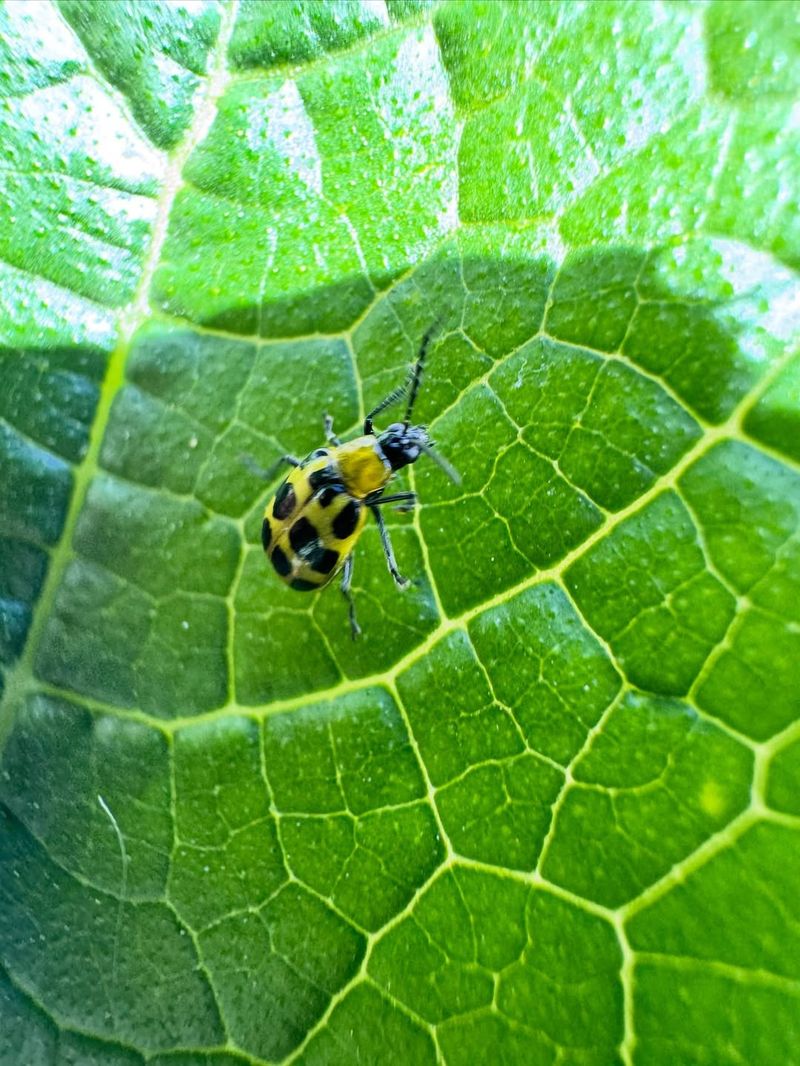
Scouting your cucumber plants regularly in June is one of the simplest and most effective habits you can build.
Cucumber beetles are not always easy to spot at first glance because they hide under leaves, tuck into flowers, and rest along stems where they blend in surprisingly well.
Making a habit of checking plants every two or three days gives you a real edge.
When you scout, flip leaves over and look carefully at the undersides where beetles often rest. Check around the base of stems near the soil and look inside open flowers, which beetles find especially attractive.
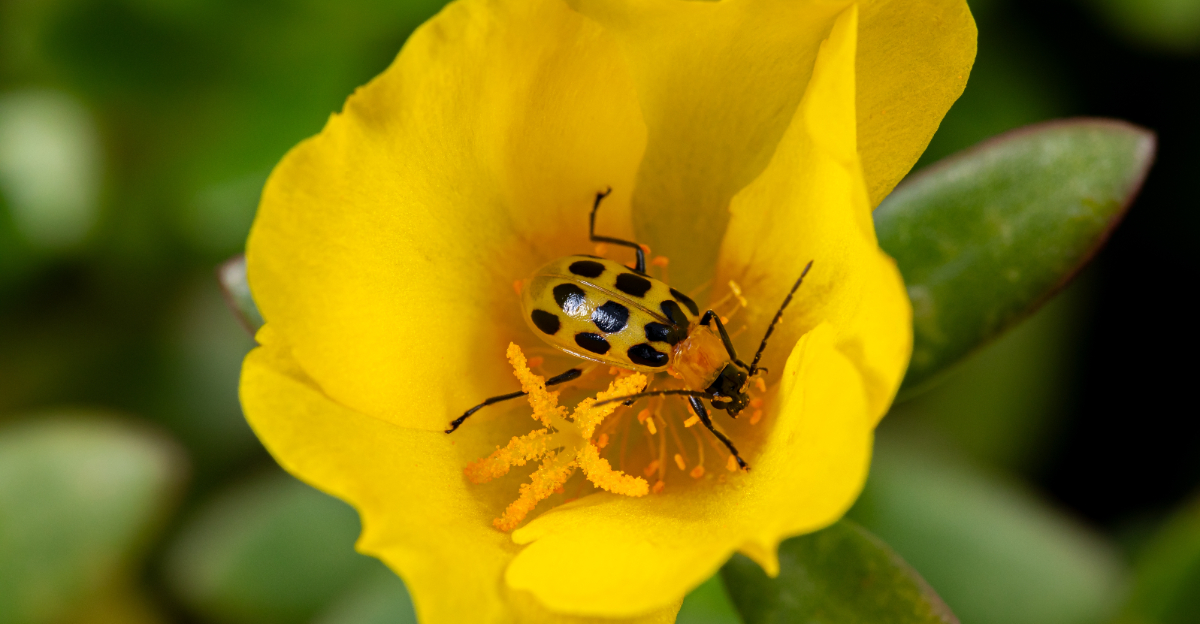
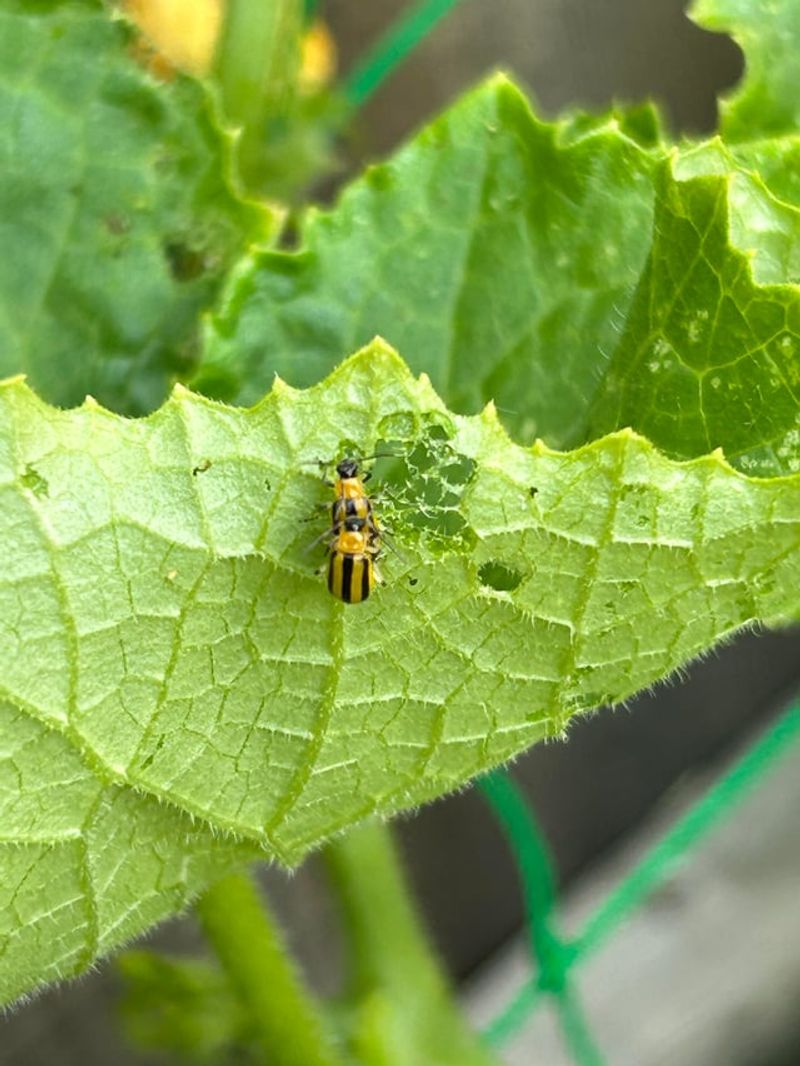
Striped cucumber beetles are about a quarter inch long with yellow and black stripes running down their backs. Spotted cucumber beetles are similar in size but have black spots on a yellow-green body.
Finding one or two beetles is very different from finding ten or twenty. Early scouting gives you time to act before populations grow large enough to cause serious feeding damage.
It also helps you notice the first signs of wilting or feeding wounds before they spread through the planting.
Some North Carolina gardeners keep a simple notebook to track what they see each visit, which helps them spot trends over the season.
Consistent scouting is genuinely one of the most valuable free tools available, requiring nothing more than your eyes and a few extra minutes in the garden each week.
6. Yellow Sticky Traps Can Help Monitor Activity
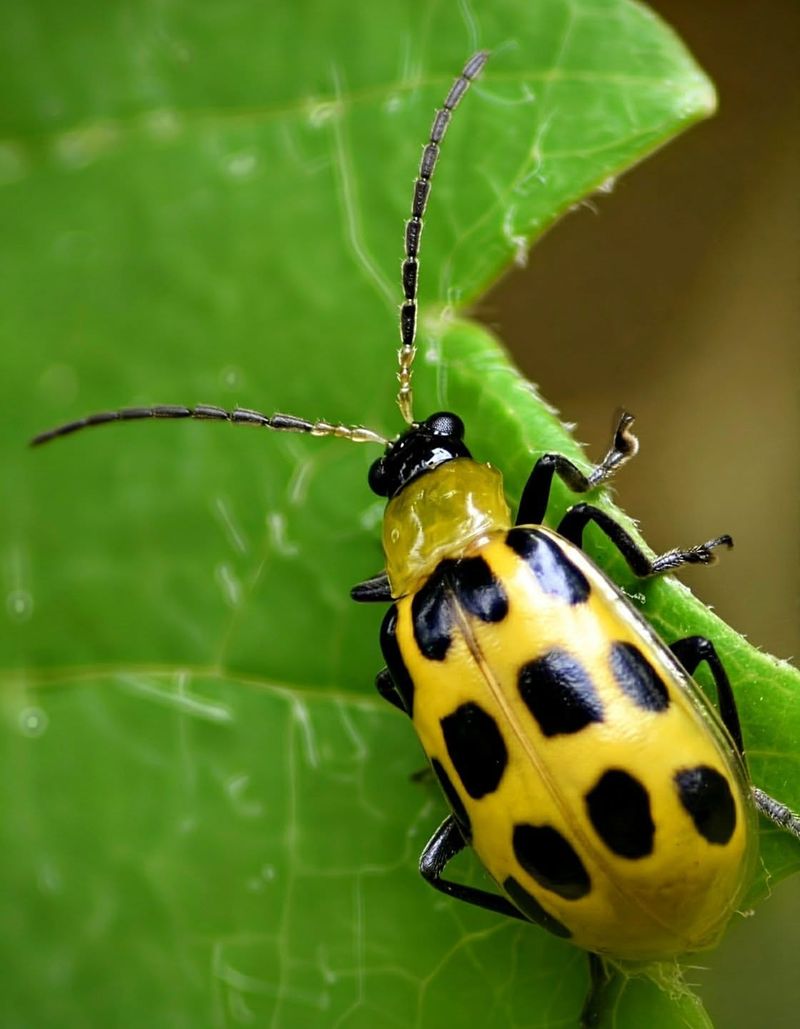
Yellow sticky traps are a handy monitoring tool that many gardeners overlook. Cucumber beetles are attracted to yellow, and traps placed near cucumber beds can catch beetles and give you an early heads-up that populations are building nearby.
Seeing beetles on your traps before you spot them on plants is a useful warning that it is time to step up your protection.
Placement matters quite a bit with sticky traps. Set them at plant height rather than high above the canopy, since beetles tend to fly and move low around garden beds.
Check them every few days and note how many beetles you are catching. A sudden jump in numbers is a clear signal that beetle pressure is increasing and your other management steps need to be in full swing.
It is worth being honest about what sticky traps can and cannot do. They will not catch enough beetles to protect your plants on their own. Their real value is as a monitoring tool that helps you make smarter decisions about timing.
One thing to keep in mind is that sticky traps can also catch beneficial insects like predatory wasps and hoverflies, which are helpful in the garden.
Placing traps thoughtfully and removing them when beetle pressure drops helps reduce unintended impact on good insects.
Used alongside scouting and row cover, sticky traps become a genuinely useful part of a well-rounded cucumber beetle management approach.
7. Trap Crops Can Pull Beetles Away From Cucumbers

Trap cropping is a clever strategy that works by giving cucumber beetles something they prefer even more than your cucumbers.
Some cucurbits are far more attractive to beetles than others, and planting a highly preferred variety near your main crop can draw beetles away before they reach the plants you are trying to protect.
Blue Hubbard squash is one of the most commonly recommended trap crops for cucumber beetles. Beetles tend to find it irresistible and will often cluster on it in large numbers.
Planting Blue Hubbard around the perimeter of your cucumber bed or at the edges of your garden creates a kind of beetle magnet that keeps pressure lower on your main planting.
Some research from university extension programs supports this approach as a practical option for home gardeners.
The important thing to understand is that trap crops require active management. A patch of Blue Hubbard loaded with beetles can eventually become a source of more beetles rather than a solution, especially if populations grow unchecked.
Checking the trap crop regularly and taking action to reduce beetle numbers there keeps the strategy working in your favor.
Trap cropping works best as one piece of a larger management plan alongside row cover, scouting, and clean bed practices.
For gardeners with enough space to try it, this approach adds a creative and genuinely effective layer to protecting North Carolina cucumber plantings in June.
8. Clean Edges Make Beetle Management Easier

A tidy garden is not just about looks. When it comes to cucumber beetle management, keeping the area around your cucumber beds clean and open actually makes a practical difference.
Weedy growth, thick mulch piles, old plant debris, and tangled edges all create hiding spots where beetles can shelter, breed, and move toward your plants undetected.
Clearing the ground around cucumber beds before planting and keeping it tidy through June reduces the number of places beetles can hide close to your crop.
Open paths between rows make it much easier to walk through and scout plants thoroughly without disturbing vines.
When you can see clearly around and under plants, you catch problems faster.
Old cucurbit debris from previous seasons is worth removing completely before planting, since beetles can overwinter in garden litter and emerge right where you do not want them.
Keeping edges trimmed back at least a foot or two from the cucumber bed removes grassy areas where beetles often rest before moving onto plants.
Some gardeners also find that a layer of reflective mulch, such as silver plastic mulch, around young cucumber plants helps confuse and deter beetles.
While clean edges alone will not stop every beetle, they make every other management tool you use more effective.
A well-maintained planting area simply gives beetles fewer advantages and gives you more control over what happens in your garden.
9. Resistant Varieties Add Another Layer Of Protection

Choosing the right cucumber variety before the season starts is one of the most underrated moves a North Carolina gardener can make.
While no cucumber variety is completely immune to bacterial wilt, some have been bred to show better tolerance, meaning they can handle some beetle feeding without wilting as quickly or as severely as standard varieties.
County Fair is one well-known example of a variety that has shown tolerance to bacterial wilt and is also parthenocarpic, meaning it sets fruit without needing pollinator visits.
This double benefit makes it especially useful for gardeners who want to keep row cover on longer into the season.
Other varieties listed by university extension programs and reliable seed companies as wilt-tolerant are worth seeking out when planning your planting.
Reading seed catalog descriptions carefully pays off here. Look specifically for language mentioning bacterial wilt resistance or tolerance rather than just general disease resistance, since those are two different things.
A variety listed as disease resistant may not address bacterial wilt at all. Even with a tolerant variety in the ground, cucumber beetle management still matters throughout June.
Tolerant plants hold up better under pressure, but they are not a reason to skip scouting, row cover, or clean bed practices.
Think of variety choice as an added layer of support that works best when combined with everything else you are already doing to protect your crop.
10. Late Rescue Is Not The Best Plan
By the time cucumber plants show obvious wilting from bacterial wilt, the window for effective action has already closed. Infected plants cannot be saved with sprays, fertilizers, or extra watering.
The bacteria blocks water movement inside the stems, and no product on the market reverses that process. Removing wilted plants promptly is the right move, but prevention is always the better strategy.
Everything that works against cucumber beetles in North Carolina works best when it starts early.
Row cover applied at planting, consistent scouting from day one, clean and open bed edges, trap crops set up before beetles arrive, and resistant or tolerant varieties in the ground from the start all add up to a strong defense.
Waiting until plants look stressed before acting means beetle populations have already been feeding and potentially spreading bacteria for days or even weeks.
June is genuinely the most important month for cucumber beetle management in North Carolina. The decisions you make during these weeks shape the entire rest of the season.
Gardeners who protect plants early and stay consistent with scouting and barriers almost always end up with healthier vines, better fruit set, and fewer heartbreaking losses.
The good news is that none of these steps require expensive equipment or complicated techniques.
A little row cover, sharp eyes, and a regular walk through the garden is often all it takes to keep bacterial wilt from ending your cucumber season before it really begins.