The One Thing North Carolina Cucumbers Need In August Or They Will Stop Producing Entirely
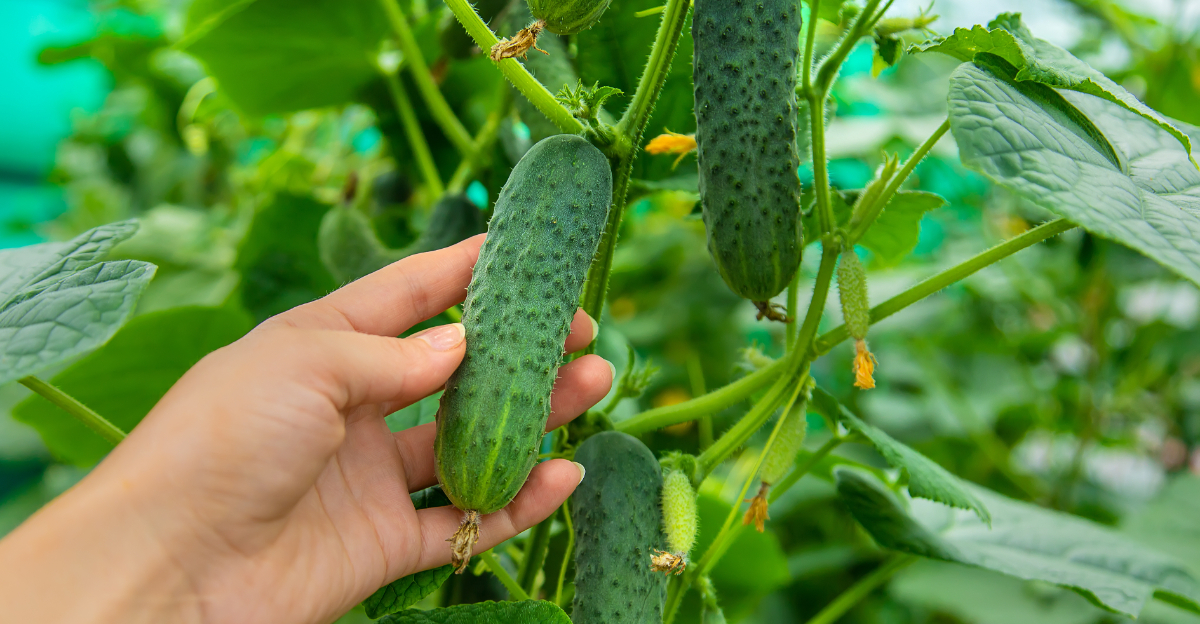
Consistent watering becomes absolutely essential for North Carolina cucumbers in August, especially as heat and humidity both reach their peak.
Irregular watering during this stretch often causes plants to abort flowers, halting production even when vines still look healthy.
Deep, steady watering encourages strong root development that helps cucumbers handle intense afternoon heat without excessive stress.
Mulching around the base helps retain soil moisture, reducing the dramatic swings that stress plants and stop production.
Harvesting mature cucumbers regularly also signals the plant to keep producing rather than slowing down prematurely. Checking soil moisture a few inches down gives a far more accurate read than judging by the surface alone.
Feeding plants with a balanced fertilizer supports continued fruit development through the rest of the season. Staying consistent with watering now can be the difference between a plant that keeps producing and one that quits early.
1. Mature Cucumbers Left On The Vine Halt New Fruit Production
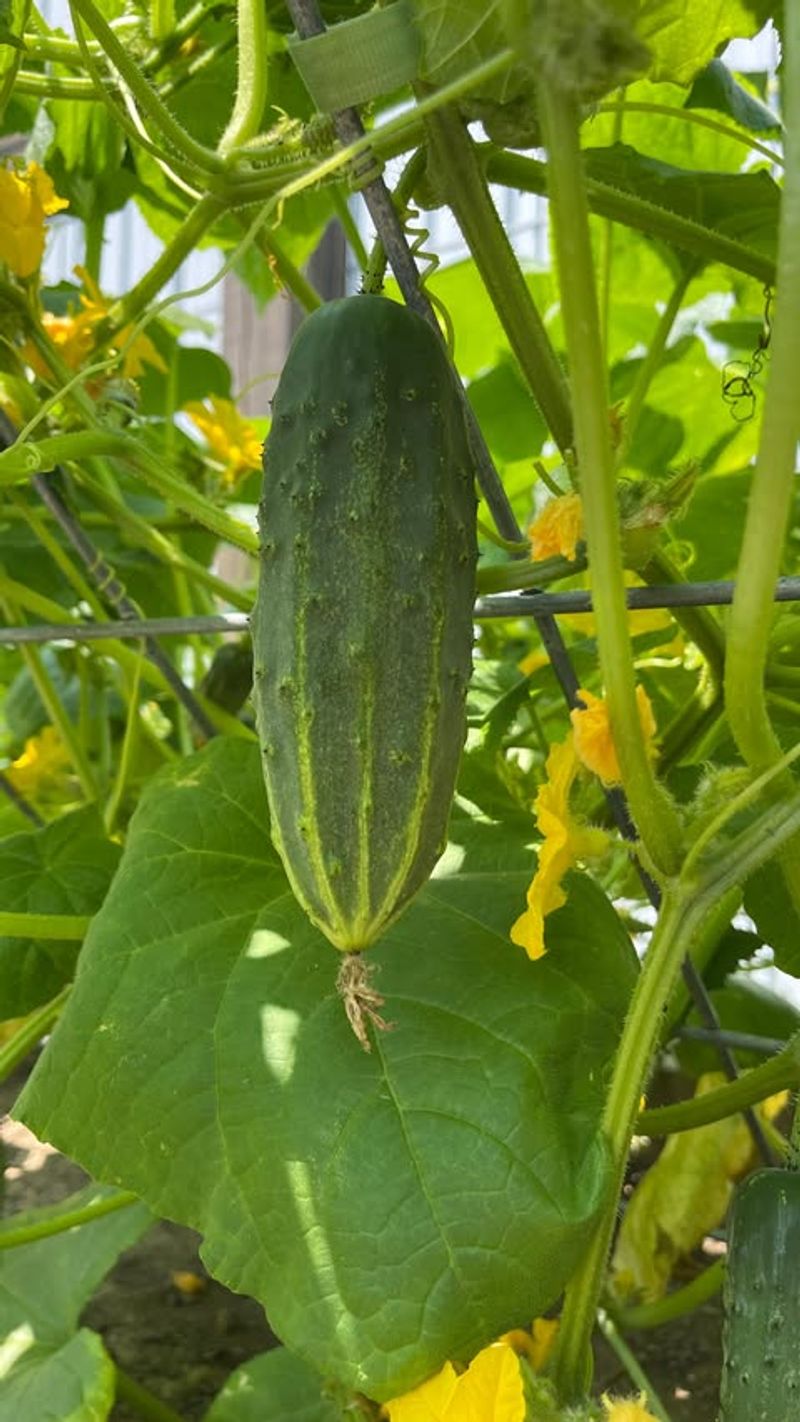
Picture this: your cucumber vine looks healthy, the leaves are full, and you feel good about the garden. Then you reach behind a cluster of leaves and find a cucumber the size of a small football.
That one overlooked fruit could be the reason your plant has nearly stopped sending out new cucumbers entirely.
When a cucumber matures fully on the vine, the plant shifts its focus. Instead of putting energy into flowering and forming new fruit, it redirects everything toward ripening seeds inside that overgrown cucumber.
The plant essentially believes its job is done for the season. From the plant’s point of view, it has successfully produced seed, so there is no urgency to keep going.
Even a single mature cucumber quietly hiding on the vine sends a strong biological signal. Studies on cucurbit plants confirm that seed development triggers hormonal changes that suppress new flower and fruit formation.
North Carolina gardeners dealing with August heat already have enough challenges without a hidden cucumber working against them.
Checking vines thoroughly at every harvest is the most reliable way to prevent this from happening. Search under large leaves, near the base of the plant, and along every stem.
The moment you spot a cucumber that has grown beyond its ideal harvest size, remove it right away. Do not wait until your next scheduled garden visit.
Prompt removal tells the plant that its reproductive mission is not yet complete, which keeps flowers coming and production moving forward through the rest of the growing season.
2. Cucumbers Should Be Harvested Four Or Five Times Each Week
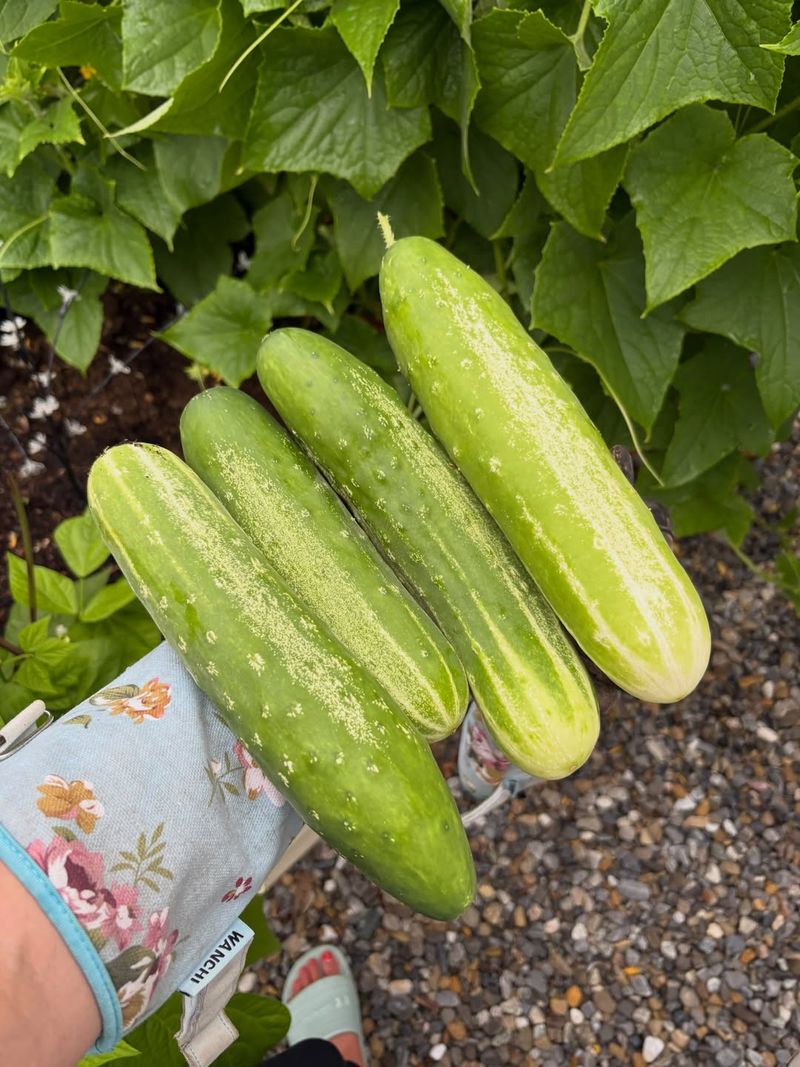
North Carolina summers are no joke. Temperatures in August can push cucumbers from a perfectly pickable size to an oversized, seed-filled fruit in just a day or two.
That is why waiting until the weekend to check your vines is a strategy that almost always backfires during the hottest weeks of the year.
Harvesting four to five times per week is not excessive. It is actually the sweet spot that keeps production rolling.
Warm soil temperatures and long daylight hours accelerate cucumber growth significantly, so what looked like a two-inch baby cucumber on Monday might be pushing six inches by Wednesday.
Your North Carolina Garden Changes Every Week. Your Plan Should Too.
Gardening in North Carolina changes quickly throughout the season. Every Friday you’ll receive a simple weekly plan showing exactly what to plant, prune, fertilize, harvest, and protect so you never miss the right timing.
Regular picking removes the signal that tells the plant to slow down, and instead keeps it in active production mode.
For gardeners with especially vigorous vines loaded with fruit, a daily check is worth the few minutes it takes.
You do not need to harvest every single day, but looking over the plant lets you catch any cucumber that is approaching its ideal size before it crosses into overripe territory.
Think of it like checking your email. Missing one or two days is usually fine, but a whole week without checking leads to a backlog you did not want.
Set a simple schedule and stick to it. Early morning is a great time to harvest because the fruit is cool and firm, the foliage is often dry, and you can spot cucumbers more easily before the sun is directly overhead.
Consistency is everything when August heat is pushing your plants hard.
3. Cucumbers Should Be Picked Before Yellow Coloring Appears
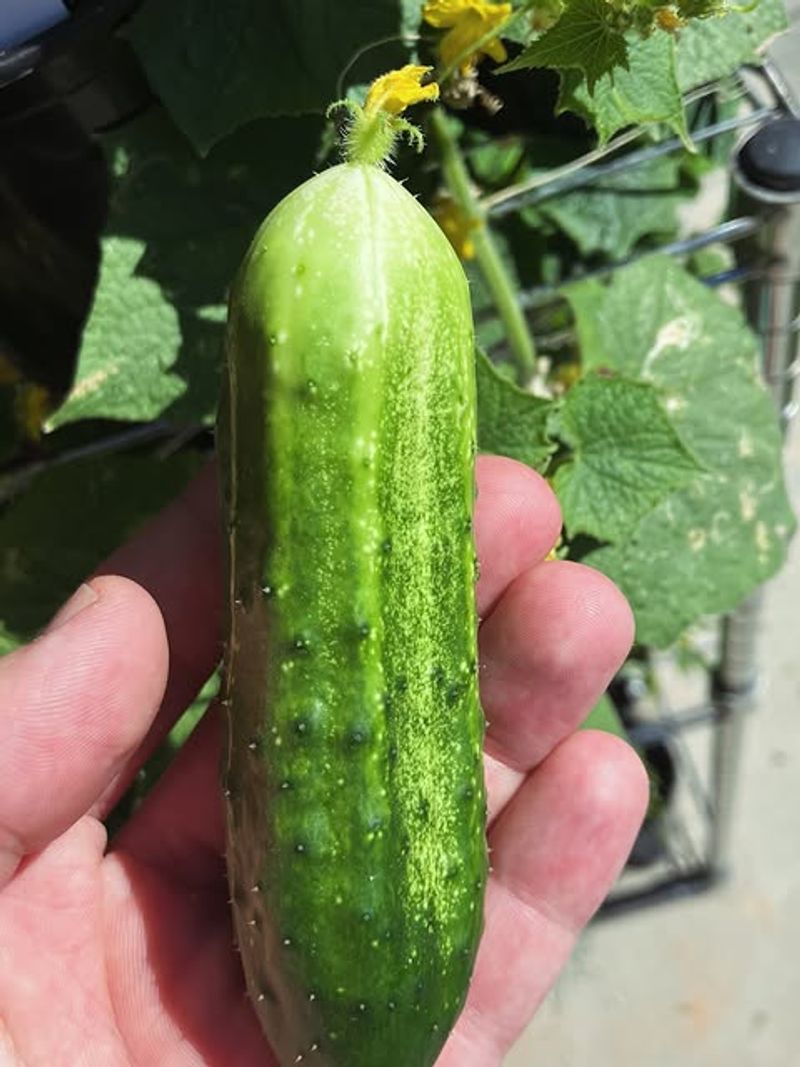
Color is one of the easiest ways to tell whether a cucumber is ready to pick or already past its prime. A cucumber at its best is deep, solid green from tip to tip.
The moment you notice any yellow creeping in along the sides or at the blossom end, that fruit has been on the vine too long.
Yellowing is a sign that the cucumber has fully matured. Inside, the seeds have grown large and tough, the flesh has softened, and the flavor has turned bitter and watery.
Nobody wants to eat that, and more importantly, the plant does not want to keep producing when that fruit is still attached.
Yellow cucumbers are essentially a red flag from your garden, signaling that the harvest schedule needs to get more frequent and more thorough.
Slicing varieties like Straight Eight or Marketmore are at their best when harvested between six and eight inches, well before any yellowing starts. Pickling types should come off the vine even earlier.
Catching cucumbers at peak green color means better flavor on your plate and a stronger production signal sent back to the plant.
A helpful tip is to look at the bottom third of each cucumber first. That section tends to show color changes before the rest of the fruit.
If you spot even a faint hint of yellow there, pick it immediately. Train yourself to harvest on color and firmness rather than size alone, and your vines will reward you with a longer, more productive August season.
4. Hidden Cucumbers Must Be Found Beneath Dense Leaves
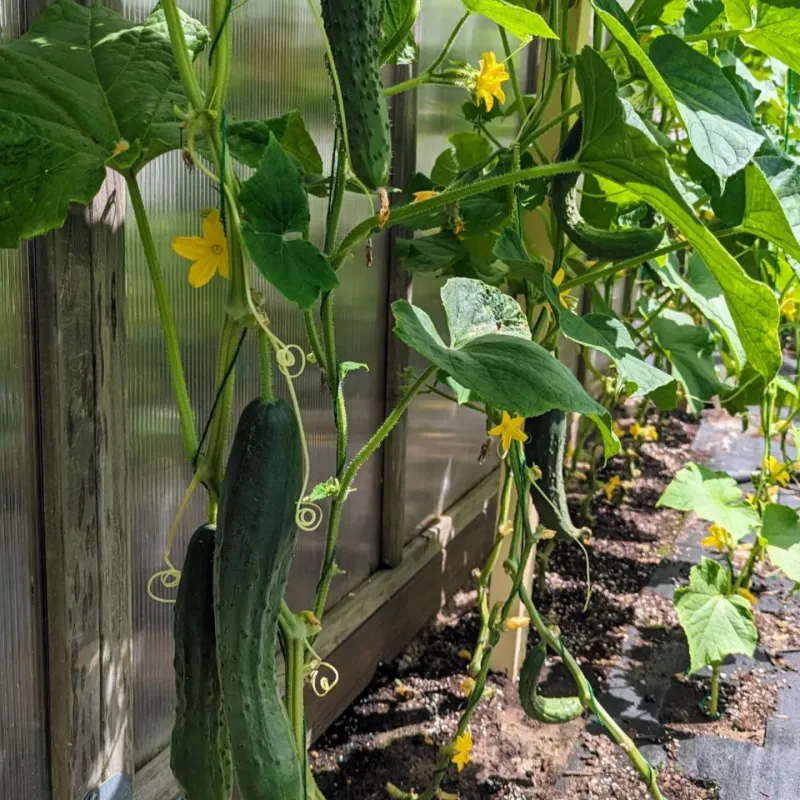
Cucumber plants are surprisingly good at hiding their fruit.
The broad, overlapping leaves that keep the soil cool and protect developing cucumbers from harsh August sun also make it remarkably easy to miss a fruit that has been quietly growing in the shadows for days.
One overlooked cucumber can undo a week of careful harvesting. Every time you harvest, make a habit of lifting leaves deliberately and checking both sides of the trellis or row.
Cucumbers can rest against the soil, grow parallel to a stem, or tuck themselves behind a thick cluster of foliage in ways that make them nearly invisible from a standing position.
Getting low, crouching down, and actually looking up into the canopy of the plant gives you a completely different view of what is growing there.
Trellised vines are slightly easier to inspect than sprawling ground plants, but neither is foolproof. With ground-grown cucumbers, fruit can press flat against the soil and blend into the brown and green background with ease.
Checking both the underside of leaves and the ground beneath the plant takes only an extra minute but can make a major difference in what you find.
A good harvest is a thorough harvest. Treat each vine like a puzzle where you need to find every piece before you walk away.
If you have a particularly dense plant, consider gently tying back some of the larger leaves temporarily so you can see into the center of the vine more clearly. Finding every cucumber, even the hidden ones, is the whole game in August.
5. Each Cucumber Type Has A Different Ideal Harvest Size
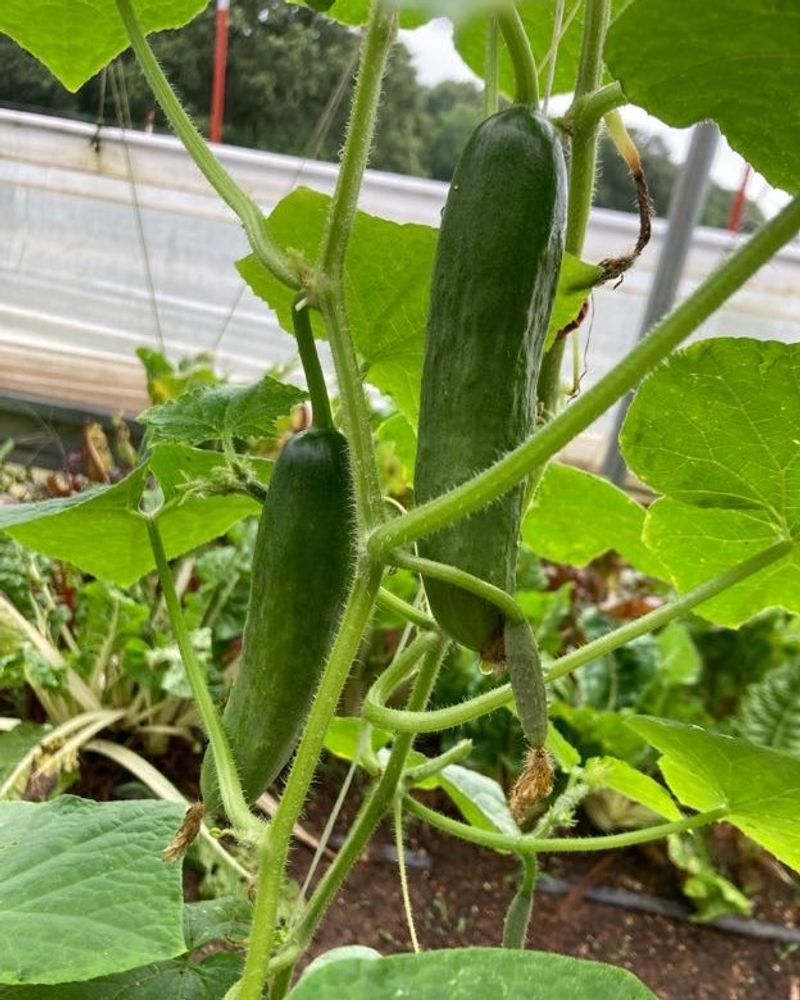
Not all cucumbers are the same, and treating them like they are will cause problems with both quality and production. The size at which you should harvest depends almost entirely on what type of cucumber you planted.
Picking too late for one variety might actually be right on time for another, so knowing your cultivar matters more than most gardeners realize.
Sweet pickle cucumbers are typically harvested when they reach about two to three inches long. At that size, they are crisp, tender, and perfectly suited for the pickling jar.
Dill pickling cucumbers are usually collected at around five to six inches, when they have developed enough flesh to hold up through the pickling process without becoming mushy.
Slicing cucumbers, the kind most people eat fresh, are generally best between six and eight inches, firm and full of mild flavor.
Here is where things get interesting: some modern compact or mini cucumber varieties are bred to top out at four or five inches even at full maturity. Waiting for those to reach eight inches means waiting forever and probably losing production in the process.
Always check the seed packet or plant tag for the expected mature size of your specific variety.
When in doubt, harvest on the earlier side. A cucumber picked slightly before peak size is still excellent to eat and does far less damage to future production than one left too long.
Learning the right size for your particular plants is one of the most practical skills a North Carolina cucumber grower can develop for a strong August harvest.
6. Smaller Cucumbers Can Be Harvested Without Harming Production
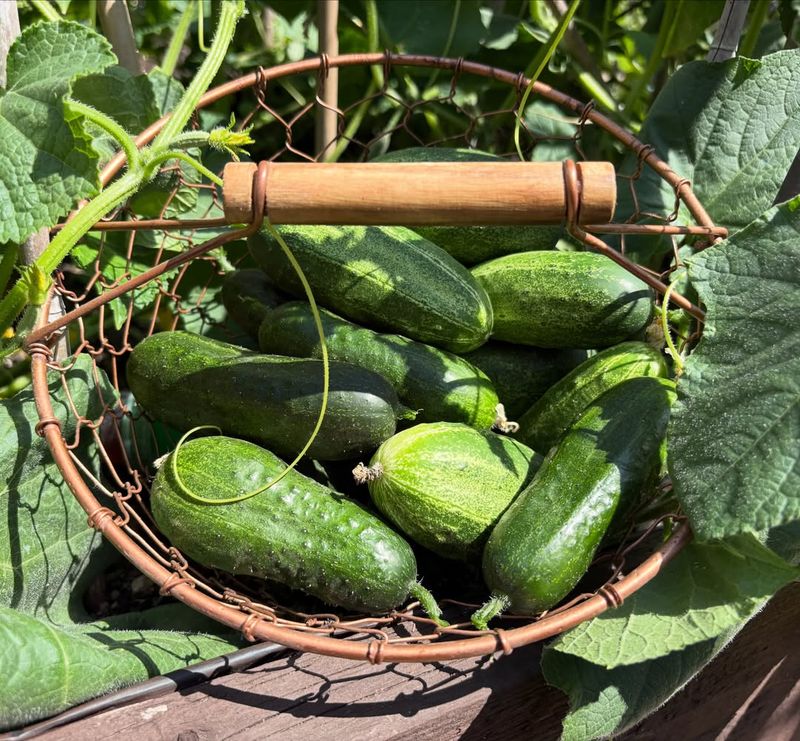
There is a common belief in the garden that bigger always means better, especially when it comes to vegetables. With cucumbers, that idea needs to be tossed out entirely.
Harvesting at a smaller size is not only acceptable, it is often the smarter move for keeping your vines productive well into August and beyond.
Cucumbers do not need to reach their maximum possible size before they come off the vine. A slicing cucumber at five inches is still tender, flavorful, and perfectly usable in a salad or on a sandwich.
Picking it at that size instead of waiting for it to hit eight inches removes the fruit earlier, which means the plant gets the signal to push out new flowers and fruit sooner.
That kind of rhythm is what keeps production consistent during the hottest part of the summer.
Smaller cucumbers also tend to have thinner skin, smaller seeds, and a crunchier texture than their oversized counterparts. Many experienced gardeners actually prefer harvesting on the smaller end of the ideal range for exactly those reasons.
You get better quality on the plate and better performance from the plant at the same time.
The key thing to watch for is firmness. A cucumber that is small but still rock solid and deep green is ready to pick whenever you want it.
If it feels soft or shows any color change, it has already waited too long regardless of size. Harvest with confidence at whatever size works for your kitchen, and your vines will keep rewarding that decision throughout the month.
7. Cucumbers Should Be Removed Without Disturbing The Vine
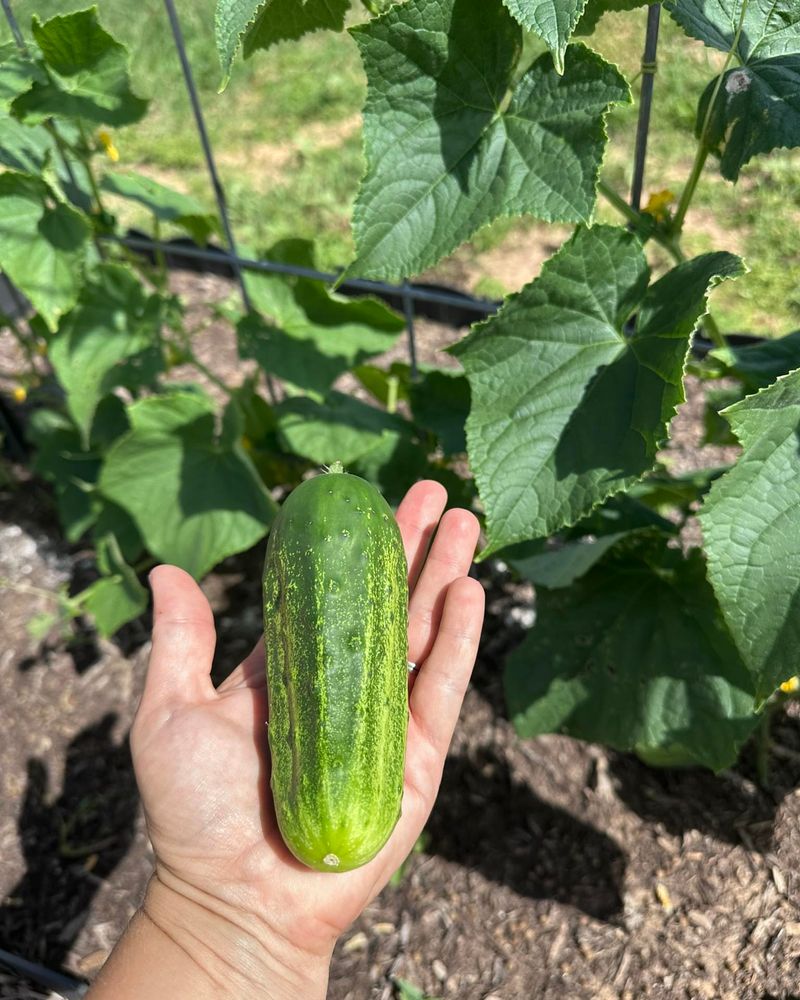
How you pick a cucumber matters almost as much as when you pick it. Yanking fruit off a vine with a hard twist or a sharp tug might seem fast and easy, but it can cause real damage to a plant that still has weeks of production ahead of it.
Cucumber stems are more fragile than they look, and the vine joints where roots sometimes form along the ground can be disturbed or broken with rough handling.
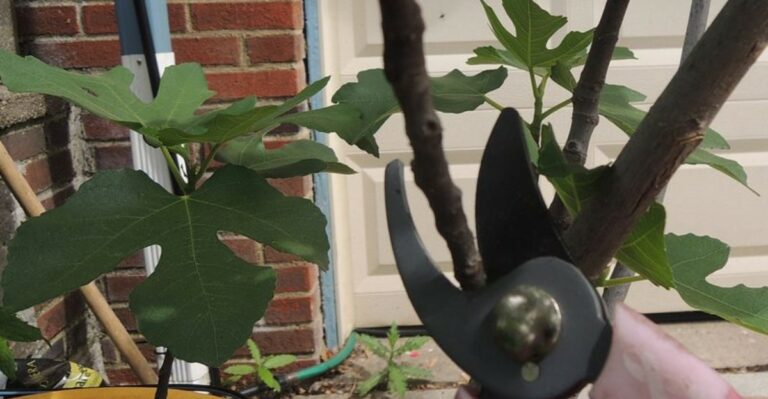
The right tool for the job is a pair of clean garden scissors or small pruning shears. Snip the stem about a quarter inch above the fruit rather than pulling the cucumber free by hand.
That short stub of stem left on the cucumber actually helps the fruit stay fresh longer after harvest, and the clean cut reduces stress on the vine itself. Sharp, clean tools also lower the chance of spreading disease from plant to plant during the harvest process.
Timing your harvest when the foliage is dry is another detail worth paying attention to.
Wet leaves and stems carry fungal spores more easily, and brushing through a damp plant while collecting fruit can spread problems like powdery mildew or downy mildew faster than they would spread on their own.
Morning harvests after any dew has dried off are generally ideal in August. Move through the vine calmly and deliberately. Give each plant the same careful attention you would want someone to give a fragile houseplant.
A cucumber vine treated with care during harvest will hold up stronger through the rest of the season than one that gets handled roughly every few days.
8. Frequent Harvesting Works Best With Consistent August Care
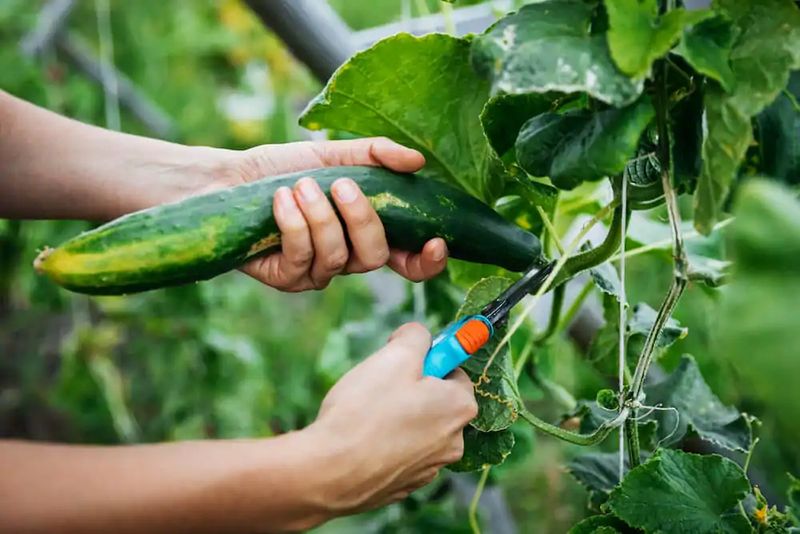
Frequent harvesting is the engine that keeps cucumber production running in August, but it works best when the rest of the plant’s needs are also being met.
Picking cucumbers every few days sends the right signal to the plant, but if the soil is bone dry, the roots are stressed, or pollination has stalled out, no amount of harvesting will fully compensate for those problems.
Soil moisture is one of the biggest factors. Cucumbers are mostly water, and they need consistent soil moisture to form new fruit properly.
In North Carolina’s August heat, that often means watering deeply every two to three days, or using drip irrigation to keep the root zone steadily moist without wetting the leaves.
Uneven watering leads to bitter fruit and poor fruit set, which harvesting alone cannot fix. Sunlight, drainage, and healthy foliage round out the picture. Cucumber plants need at least six to eight hours of direct sun each day to stay productive.
Good drainage prevents root problems that can quietly undermine an otherwise healthy-looking vine. Keeping leaves free from severe insect damage or disease gives the plant the photosynthesis capacity it needs to keep pushing out new fruit.
Pollination also plays a quiet but critical role. Without bees and other pollinators visiting the flowers, new cucumbers simply will not form no matter how often you harvest.
Planting pollinator-friendly flowers nearby and avoiding pesticide use during bloom hours supports the natural pollination your vines depend on.
Combine all of these habits with a consistent harvest schedule, and your August cucumber garden will perform at its best.