The Meaning Behind Seeing Giant Wasps In Your Ohio Yard Right Now
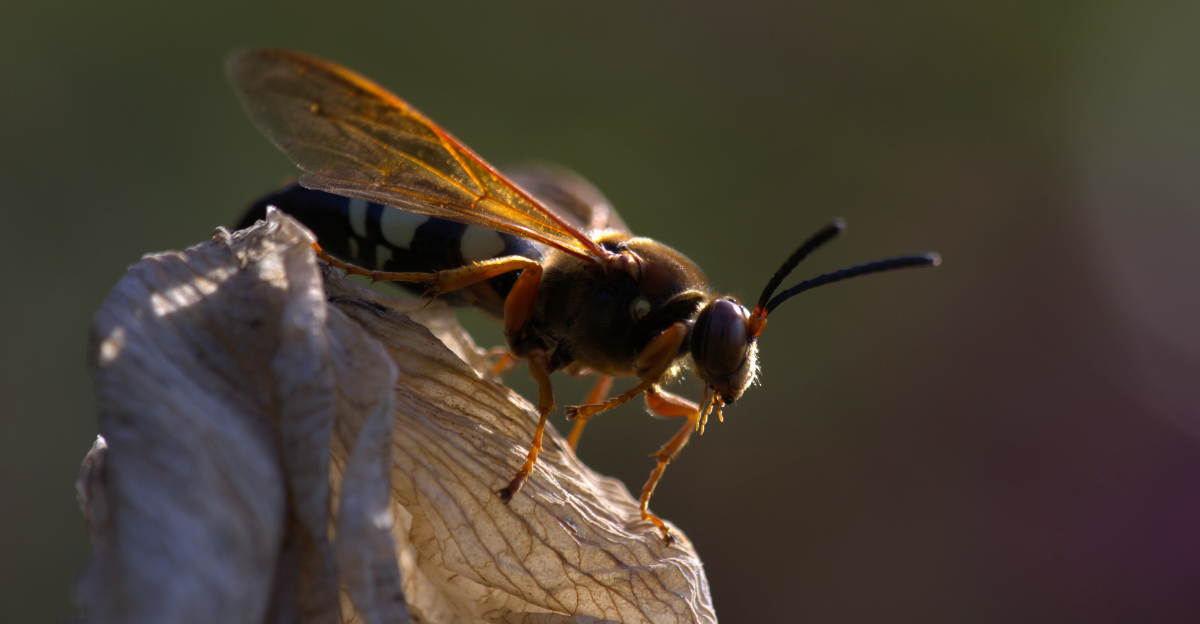
A wasp the size of a thumb hovering over an Ohio lawn in August stops people mid-stride. The size alone triggers something primal.
Whatever that is, it needs to go, and it needs to go immediately. That reaction is understandable.
It is also aimed at entirely the wrong target. The giant wasps appearing in Ohio yards right now are not a threat, not a colony, and not something that requires intervention of any kind.
They are doing something specific in the soil that most homeowners have never heard explained, and a yard that has them is in better ecological shape than one that does not.
What they actually are, what August brings them to the surface, and why an Ohio lawn full of them is worth leaving completely alone is a story that changes the reaction from alarm to something closer to appreciation.
Put the spray down. Then read on.
1. Read The Giant Wasp As A Cicada Season Clue
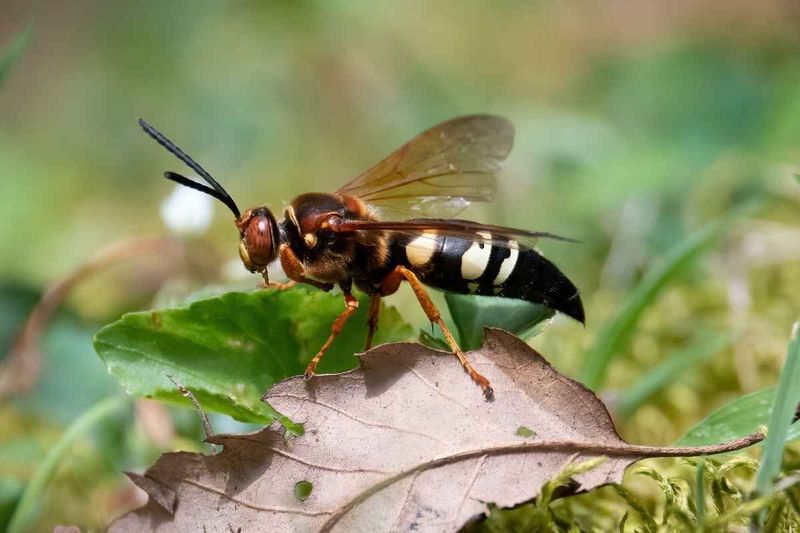
A huge striped insect flying low over dry grass in July or August is one of late summer’s most reliable ecological signals. What you may be seeing is the eastern cicada-hunter wasp, a large native solitary wasp found throughout Ohio and much of eastern North America.
OSU Extension entomology guidance notes that these wasps become active during peak cicada season, which typically runs from mid-summer into early fall in this region.
The connection is direct. Female cicada-hunting wasps hunt annual cicadas, paralyze them with a sting, and carry them underground to provision nest cells for their larvae.
Spotting one can suggest cicadas are active nearby. It can also mean your soil has the open, sunny, dry conditions these wasps prefer for nesting.
Watching from a safe distance is the best first move. Look for the wasp flying low over bare or thinly grassed soil, especially in sunny spots near sidewalks or lawn edges.
Check nearby trees for signs of cicada activity, such as shed skins or buzzing sounds. The presence of this wasp is an ecological clue, not a guaranteed danger signal.
Identification should come before any other decision.
2. Know These Wasps Are Not Yellow Jackets
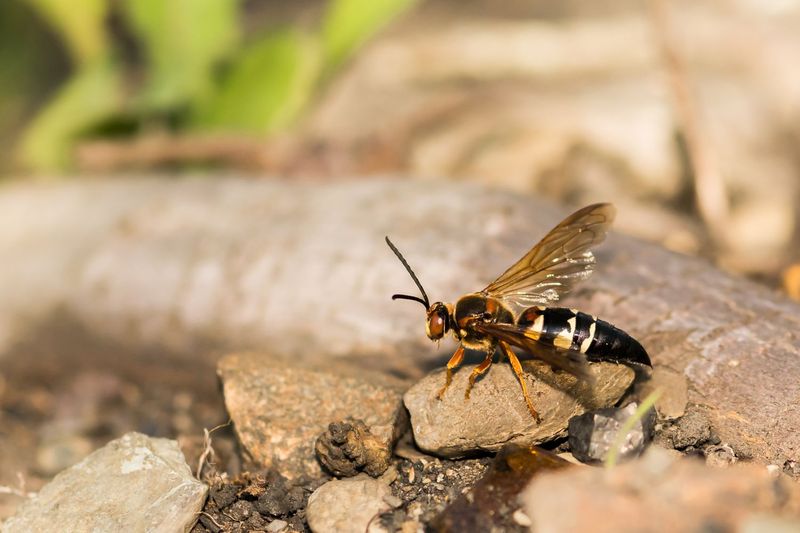
Grabbing a can of spray the moment you see a large wasp is understandable, but it can lead to a costly mistake if you misidentify the insect. Eastern cicada-hunting wasps are much larger than yellow jackets, often reaching one to one-and-a-half inches in length.
Their coloring includes rusty-orange and yellow banding, and their overall size alone sets them apart from the smaller, more slender yellow jacket.
Behavior is another key difference. Yellow jackets are social wasps that live in colonies and can defend nest entrances with real intensity, especially in late summer when colonies are large.
Cicada-hunting wasps are solitary. Each female digs and provisions her own burrow.
University extension insect guidance explains that solitary wasps do not have a colony to protect, which changes their defensive behavior considerably.
From a safe distance, watch for a single burrow entrance rather than a busy cluster of insects flying in and out of one spot. A single large wasp working near a mound of loose soil is a very different picture from a stream of yellow jackets entering a ground nest.
Your Ohio Garden Changes Every Week. Your Plan Should Too.
Gardening in Ohio changes quickly throughout the season. Every Friday you’ll receive a simple weekly plan showing exactly what to plant, prune, fertilize, harvest, and protect so you never miss the right timing.
Never swat at or provoke any wasp you cannot clearly identify. Calm observation from several feet away is always the safest approach.
3. Watch For Burrows In Dry Thin Lawn Spots
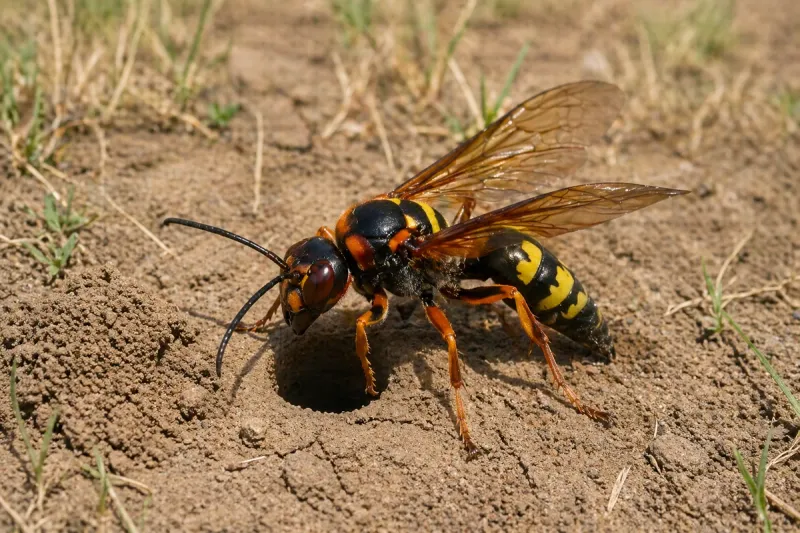
A small mound of loose soil beside a sidewalk or in a bare lawn patch can be easy to miss. It may be the clearest sign of cicada-hunting wasp activity in your yard.
Female wasps dig individual burrows in soil that is dry, sunny, sandy, or thinly vegetated. Ohio Department of Natural Resources resources describe ground-nesting wasps as preferring well-drained soils in open, sun-exposed areas.
Common nesting spots include lawn edges near driveways, thin turf along fence lines, bare patches under trees, and exposed soil strips between sidewalk sections.
The burrow entrance is typically about the width of a thumb and may be surrounded by a small crescent of loose excavated soil.
You might notice one burrow or several scattered nearby, since multiple females sometimes nest in the same general area without sharing a communal nest.
Checking these spots from a comfortable distance is all you need to do. Do not dig into burrows, pour anything into them, or flood the area.
Simply note where the activity is concentrated so you can keep foot traffic and pets away. Knowing where the burrows are located helps you manage the space calmly without unnecessary disruption to the insects or your lawn routine.
4. Notice Males Patrolling Without Stingers
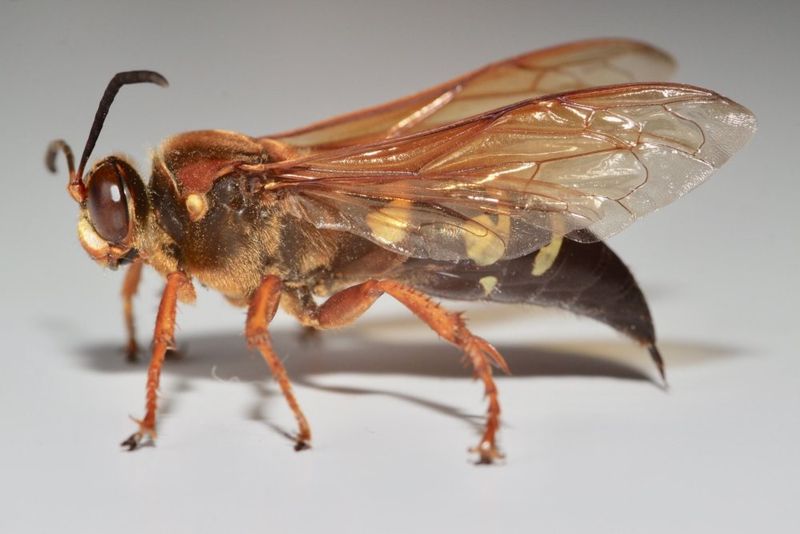
Seeing a large wasp zoom toward you as you walk across the yard can feel alarming, even if you know a little about these insects. Male cicada-hunting wasps are known to patrol territories around nesting areas, flying toward movement and sometimes hovering close to people or animals.
Entomology experts confirm that this behavior is territorial posturing, not a prelude to attack.
Here is the key fact: male wasps do not have stingers. The stinger in bees and wasps is a modified egg-laying structure, which means only females possess one.
A male cicada-hunting wasp may fly toward your face or hover near your head, but he physically cannot sting you. Understanding this can transform a frightening encounter into something much less stressful.
Still, staying calm and walking around active patrol areas is the smart move. Swinging at the wasp or running through the area repeatedly will only keep the interaction going.
Teaching children to walk calmly past the area and to avoid chasing or swatting at the insects is genuinely helpful. Females are the ones capable of stinging, so anyone near burrow entrances should still give the area respectful space.
The goal is coexistence, not confrontation, with any insect you cannot safely identify.
5. Keep Kids And Pets Away From Nesting Areas
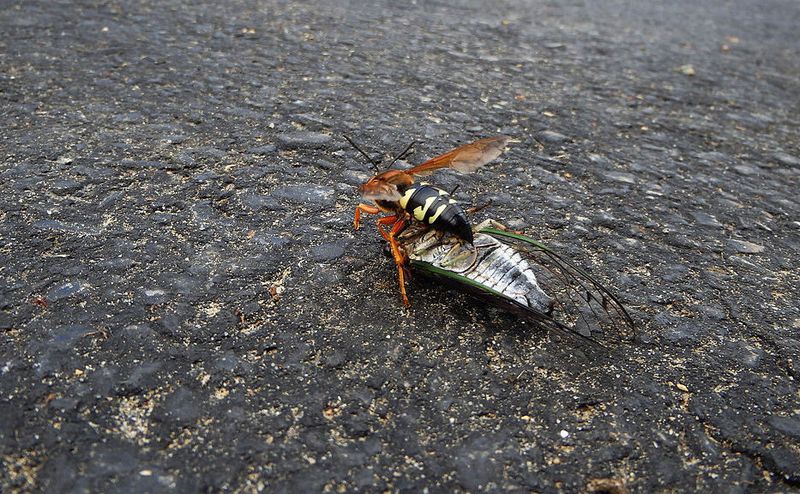
Even a solitary, generally non-aggressive wasp deserves a wide berth when it is actively working near its burrow. Female cicada-hunting wasps are focused on hunting and nesting, but they are capable of stinging if they feel directly threatened or are handled.
Around kids and pets, that risk becomes more relevant simply because curious hands and paws tend to get too close.
Marking off active nesting areas temporarily is a practical and low-effort step. A few small flags, a ring of garden stakes, or even a casual redirection of play toward another part of the yard can reduce accidental encounters.
Keep dogs from sniffing or digging near burrow mounds. A pet pawing at an active burrow can provoke a defensive response from a female wasp.
Barefoot traffic through known nesting zones is also worth avoiding during peak activity. Anyone with known concerns about sting reactions or insect allergies should be especially cautious and should consult medical guidance about appropriate precautions.
Public-health guidance recommends seeking prompt medical attention for any severe or unusual reaction to a sting. The nesting season for these wasps is temporary, so a few weeks of redirected yard use is usually all that is needed to get through it safely.
6. Thicken Turf To Make Digging Less Inviting
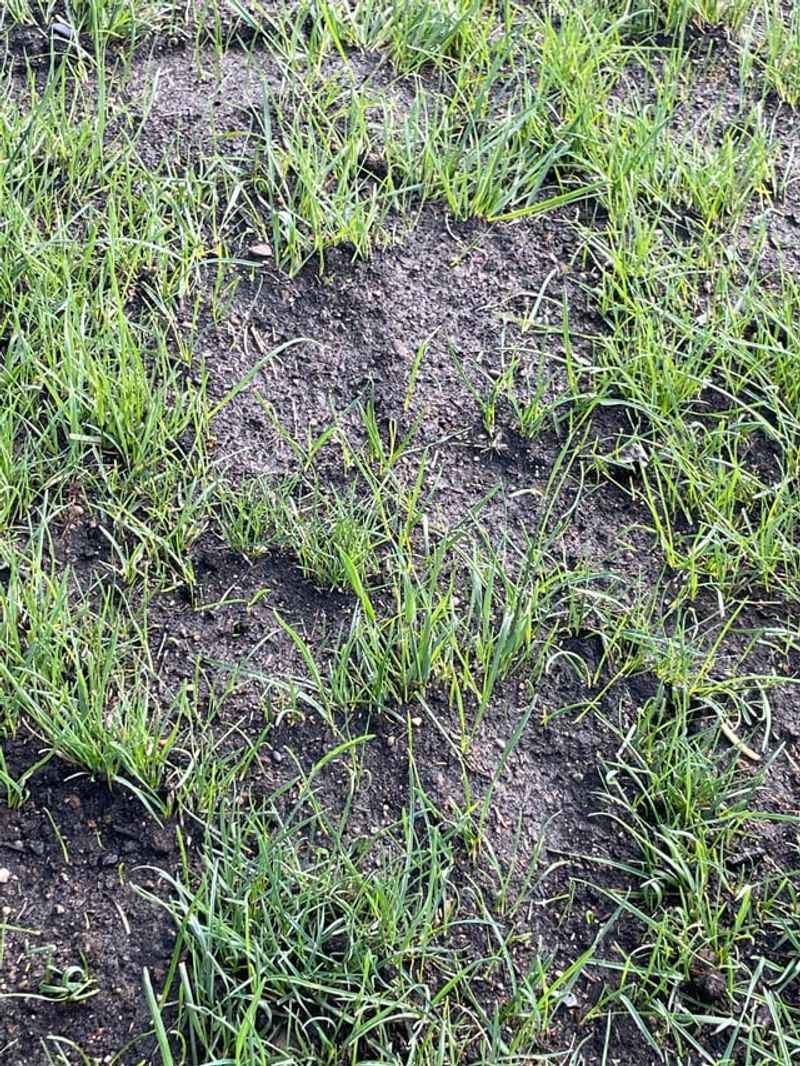
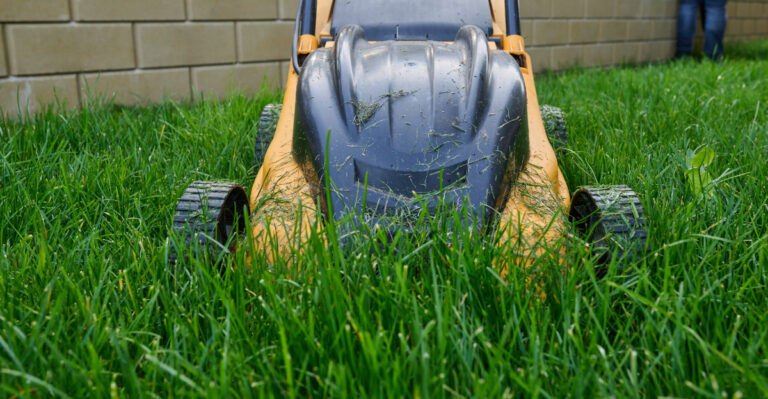
Bare soil and thin turf are essentially an open invitation for ground-nesting wasps. Dense, healthy grass makes it much harder for female cicada-hunting wasps to excavate burrows, since they strongly prefer loose, dry, exposed soil.
University extension lawn-care guidance notes that improving turf density is one of the most effective long-term strategies for discouraging ground-nesting insects.
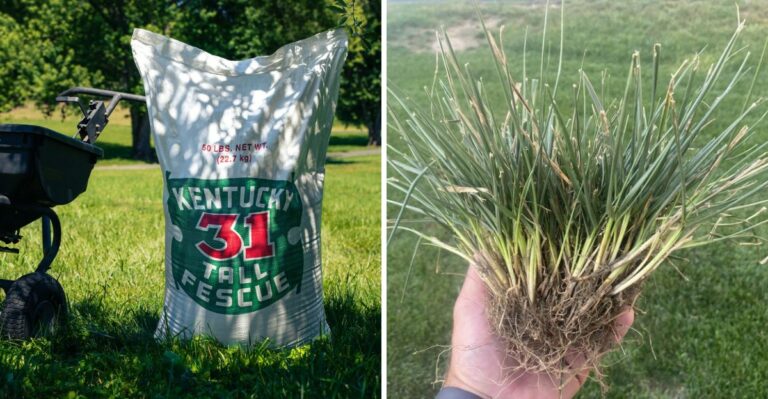
Overseeding thin patches is the core step. Fall is generally the best time to overseed cool-season grasses in Ohio, allowing new grass to establish before the following summer’s nesting season.
Choosing a grass variety suited to your soil type and sun exposure will give the new turf the best chance of filling in quickly. Watering new seed consistently during germination is essential, since thin spots that dry out quickly will not fill in well.
Filling open sunny patches with low-growing groundcover plants is another option for areas where grass struggles to thrive. Reducing bare soil overall, whether through plants, mulch, or turf repair, limits the spots these wasps find suitable.
Keep in mind that lawn repair is a long-term prevention step. It will not move or stop an active nesting site this season, but it can meaningfully reduce nesting interest in future summers.
Patience and consistent lawn care are the most reliable tools here.
7. Avoid Panic Sprays Before You Identify Them
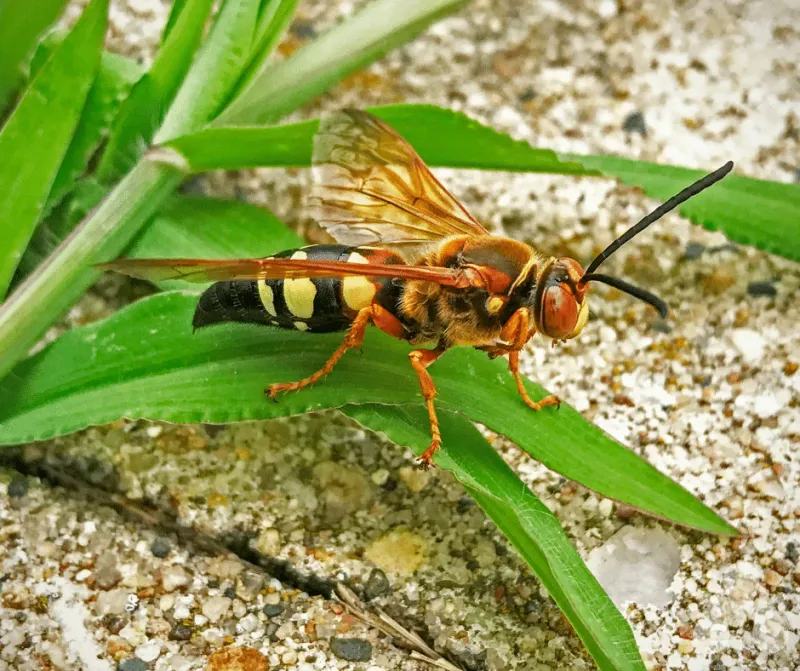
Reaching for spray when you spot a large wasp is a human reaction. But acting before you know what you are dealing with can create more problems than it solves.
Broad-spectrum insecticides applied outdoors can harm beneficial insects. That includes pollinators, ground beetles, and other native species sharing the same lawn habitat.
Wasted product and unnecessary chemical exposure are real costs too.
OSU Extension entomology guidance encourages Ohio homeowners to identify insects before treating. If you are unsure whether it is a cicada-hunting wasp, yellow jacket, or another species, send a photo for identification.
Your local OSU Extension office or a university insect clinic can help. Many counties offer free identification help online or by email.
When a true safety concern exists, treatment decisions should follow extension recommendations, product label directions, and any applicable local regulations.
Non-chemical habitat changes, like improving turf density or redirecting foot traffic, are worth trying first for solitary ground-nesting wasps.
Spraying should be a last resort tied to a confirmed identification and a genuine risk, not a reflexive response to a large insect. Taking a moment to observe, identify, and consult before acting protects both your yard and the local insect community.
8. Let Native Wasps Do Their Summer Job
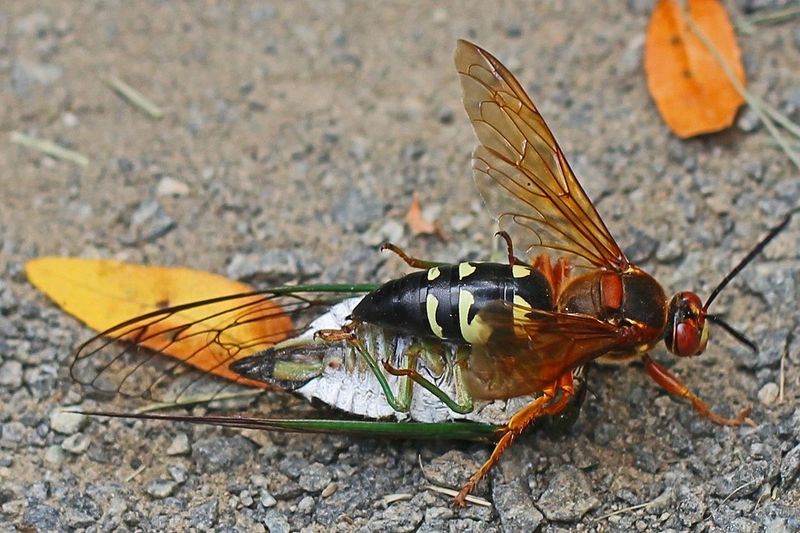
Late summer in Ohio has its own rhythm, and native cicada-hunting wasps are part of it. These large solitary wasps have been hunting cicadas and nesting in local soils long before suburban lawns arrived.
Entomology experts describe them as beneficial insects. They help cycle cicada populations and support the broader health of the yard ecosystem during their short active season.
Giving them space to complete their work is the most practical thing most Ohio homeowners can do. Keep children and pets away from active burrow areas.
Walk around nesting zones rather than through them. Avoid spraying unless a confirmed identification and real safety concern justify it.
After the season ends, usually by early fall, the adults are gone and the burrows become inactive at the surface.
That is the right time to overseed thin patches, smooth out disturbed soil, and work on building a denser turf for next year. The whole episode, from first sighting to empty burrow, typically lasts just a few weeks.
A giant wasp cruising over your lawn in August is not a sign of danger moving in. More often, it is a signal that cicadas are active, the soil is warm and open, and a native insect is doing exactly what it evolved to do.
That is worth a moment of appreciation, not a panicked spray.