The One Thing North Carolina Gardeners Should Do Before Japanese Beetles Lay Eggs In The Lawn
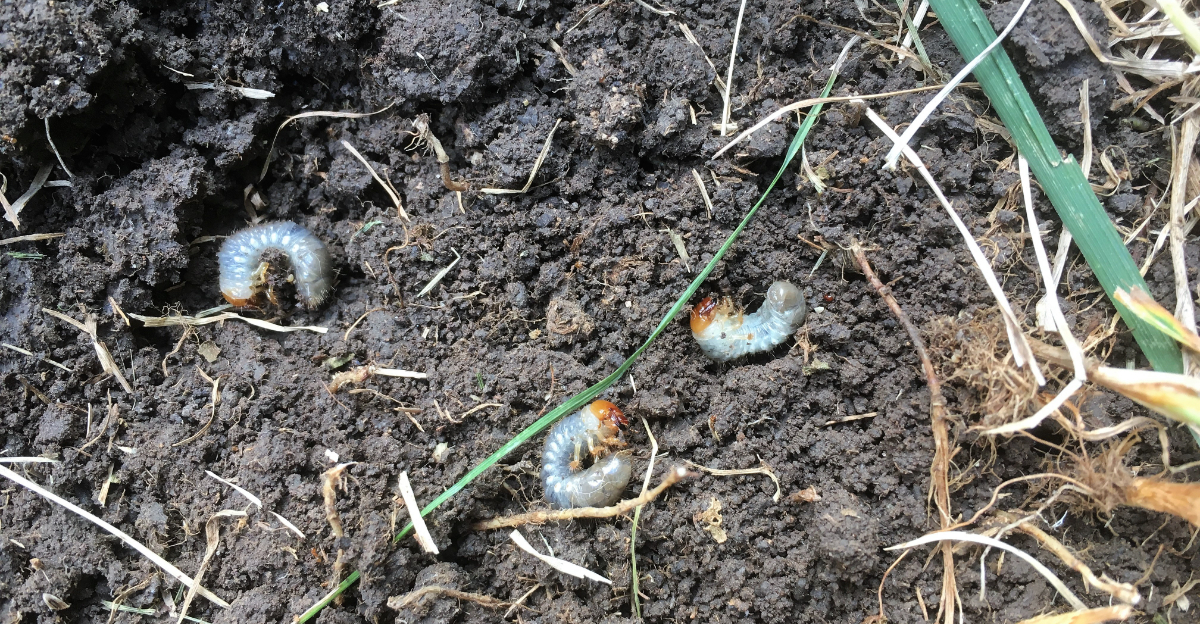
Japanese beetle adults get most of the attention because their feeding damage is visible and immediate.
The larvae developing in North Carolina lawns through late summer and fall are a quieter problem with longer-term consequences that show up the following season as turf damage and a new generation of adults ready to start the cycle again.
There is a window before egg-laying begins where one specific action meaningfully reduces the number of larvae that successfully establish in the soil, and that window is easier to work within than most gardeners realize.
Acting before eggs go in the ground is substantially more effective than trying to address grub populations after they are already established beneath the surface and feeding on grass roots through fall.
1. Stop Keeping The Lawn Extra Wet In July
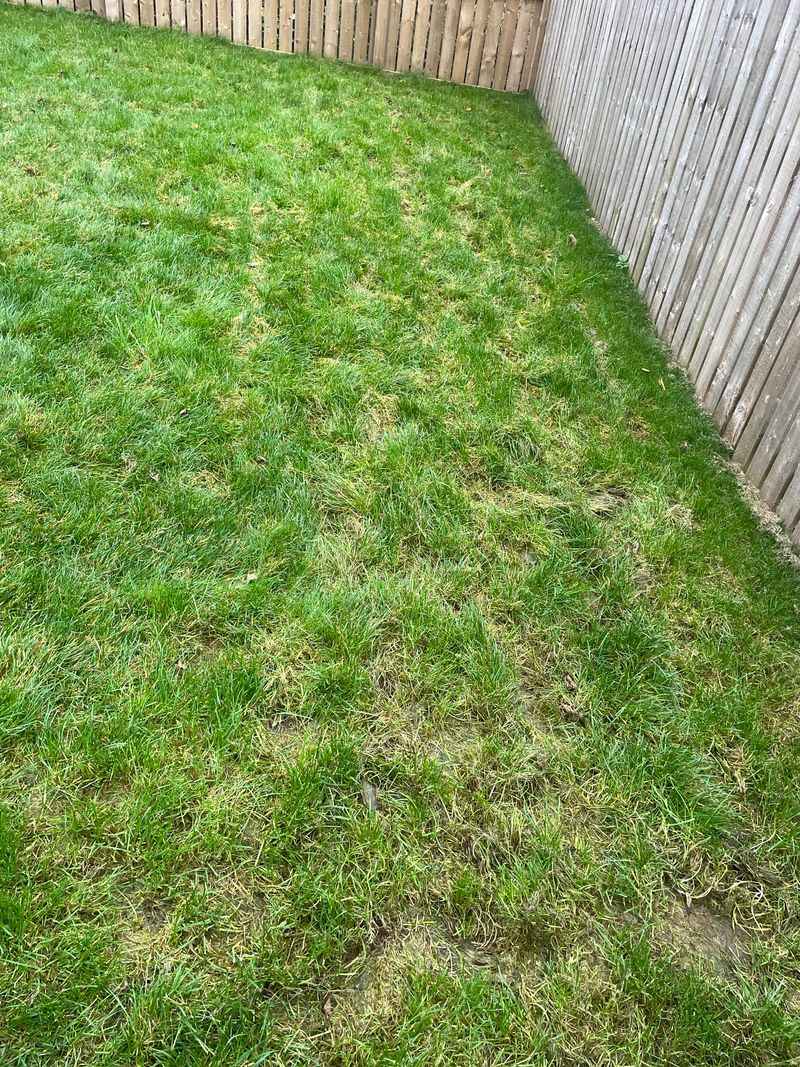
Most gardeners water their lawns heavily in summer hoping for that thick, lush green look. It makes sense on the surface, but during July and August in North Carolina, that habit can quietly work against you in a big way.
Female Japanese beetles are actively searching for the perfect spot to lay their eggs, and consistently moist, soft soil is exactly what they prefer.
Adult beetles will fly across your yard, probe the turf with their bodies, and choose spots where the soil is easy to enter and stays damp enough to support egg survival.
If your lawn feels like a welcome mat for egg-laying, you are essentially inviting next season’s grub problem before it even starts.
Cutting back on unnecessary watering during this critical window removes one of the biggest factors that makes your lawn attractive to them.
This does not mean you should let your grass struggle or turn brown. The goal is simply to avoid overwatering just for appearances.
Watering based on what the lawn actually needs rather than a fixed schedule is a smarter move. Skipping a few irrigation sessions when the soil is already holding enough moisture can make your yard noticeably less favorable for egg-laying beetles.
Small changes in your watering habits during this short summer window can pay off in a much healthier lawn come fall and into the following spring season.
2. Understand Why Moist Lawn Soil Matters
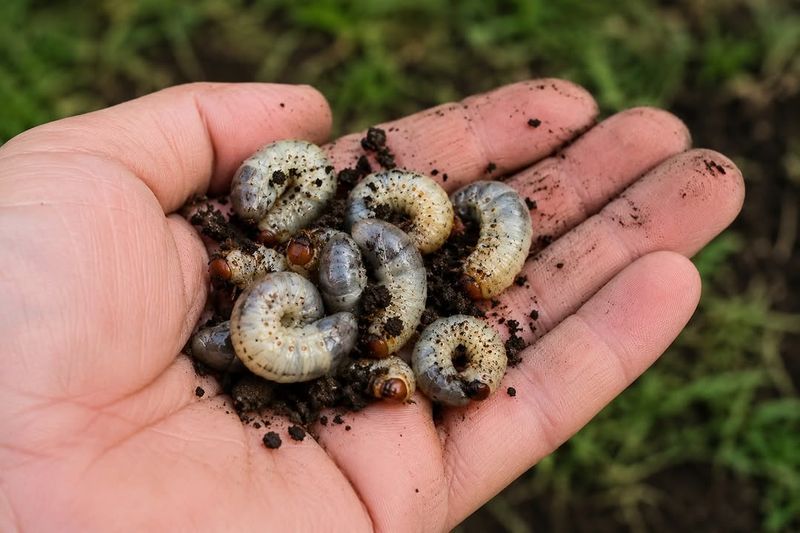
Here is something that surprises a lot of gardeners: the adult beetles you see chewing your plants are not actually the main lawn problem. The real issue starts underground, after those adults lay eggs in your soil.
Once the eggs hatch, the young grubs begin feeding on the roots of your grass, and that is when you start seeing brown patches, spongy turf, and sections of lawn that pull up like a loose carpet.
Female Japanese beetles are drawn to soft, moist soil because it makes egg-laying easier and gives the eggs a better chance of surviving. Dry or firm soil is harder to penetrate and less supportive for egg development.
That biological preference is actually useful information for gardeners, because it means you have some control over how attractive your lawn looks to a laying female beetle.
Your North Carolina Garden Changes Every Week. Your Plan Should Too.
Gardening in North Carolina changes quickly throughout the season. Every Friday you’ll receive a simple weekly plan showing exactly what to plant, prune, fertilize, harvest, and protect so you never miss the right timing.
Understanding this cycle helps you think about lawn care differently. You are not trying to stop adult beetles from visiting your yard entirely, because they will travel from neighboring properties regardless.
What you are doing is making your lawn a less ideal nursery for the next generation.
Keeping soil moisture lower during the egg-laying period, roughly mid-July through mid-August in North Carolina, is one of the most practical and low-cost things any homeowner can do.
No special products are needed for this step, just a smarter approach to your regular summer irrigation routine that works with nature rather than against it.
3. Water Only When The Lawn Truly Needs It
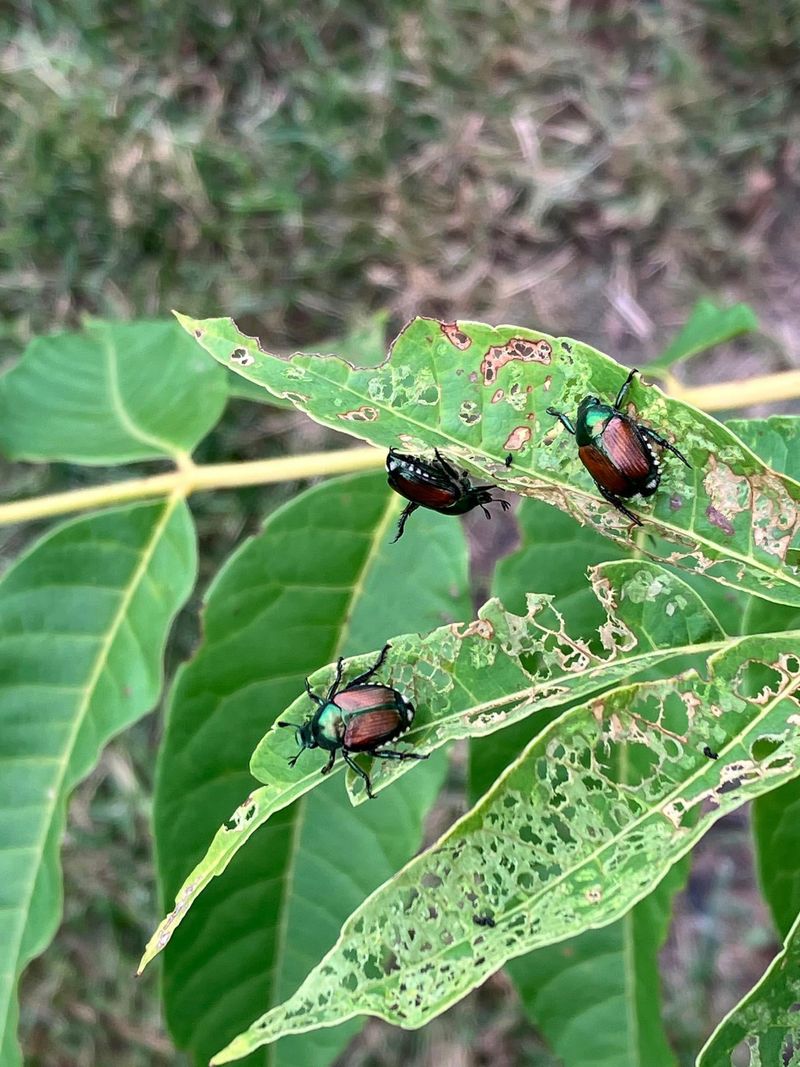
One of the most common lawn care mistakes in summer is watering on autopilot. Sprinkler timers are convenient, but they do not know whether it rained yesterday or whether your soil is already holding plenty of moisture.
Running irrigation on a fixed schedule during July can keep the soil surface consistently wet, which is exactly the kind of environment that makes your lawn more inviting for Japanese beetles to lay their eggs.
A smarter approach is to check what your lawn actually needs before turning on the water. Press a screwdriver or your finger a few inches into the soil. If it still feels moist below the surface, your grass does not need water yet.
Waiting until the turf shows mild signs of stress, like a slight bluish tint or blades that do not spring back after being walked on, tells you the lawn is ready for irrigation without being kept in a constant state of wetness.
North Carolina summers bring unpredictable rain, and many weeks in July will deliver enough natural moisture to keep your grass healthy without any supplemental irrigation at all.
Paying attention to what the sky is already providing means you can skip watering sessions confidently.
Your lawn will not suffer from a few extra dry days between waterings, but it will benefit from reduced grub pressure the following season.
Letting nature lead and only stepping in when the grass genuinely needs help is both water-smart and beetle-smart gardening practice.
4. Let The Surface Dry Between Waterings
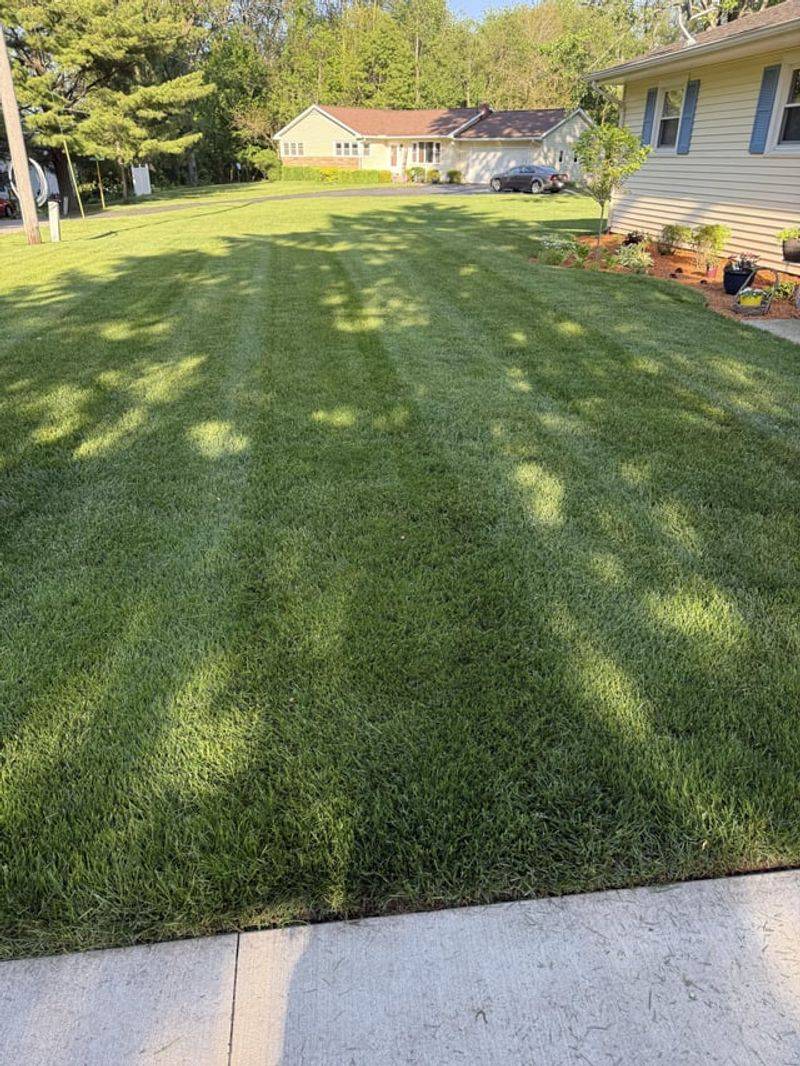
Watering lightly every single day might seem like a kind thing to do for your grass, but it actually creates a shallow, consistently moist surface layer that is difficult to resist for a female Japanese beetle searching for a place to lay her eggs.
Light, frequent watering keeps the top inch or two of soil in a perpetual state of dampness, and that upper zone is exactly where beetles prefer to deposit their eggs during summer.
A better strategy is to water less often but more deeply when you do irrigate. Allowing the surface to dry out between waterings encourages grass roots to grow deeper in search of moisture, which makes for a stronger, more resilient lawn overall.
It also means the top layer of soil dries out between sessions, making it less attractive and less physically accessible to egg-laying beetles during those critical summer weeks.
Think of it this way: beetles are not going to work hard to push through firm, dry soil when softer options might be nearby.
Giving your lawn a chance to dry on the surface between waterings does not harm the grass, and it naturally discourages one of the most damaging parts of the Japanese beetle life cycle from gaining a foothold in your yard.
Deep, infrequent watering is actually the recommended approach for most warm-season grasses in North Carolina anyway, so this habit benefits your turf in multiple ways beyond just beetle management all summer long.
5. Watch For Adult Beetles As A Timing Clue
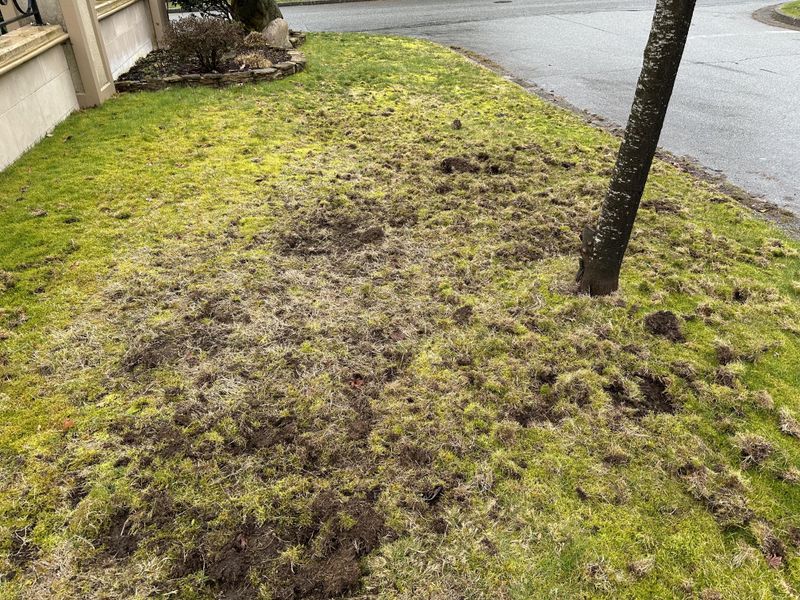
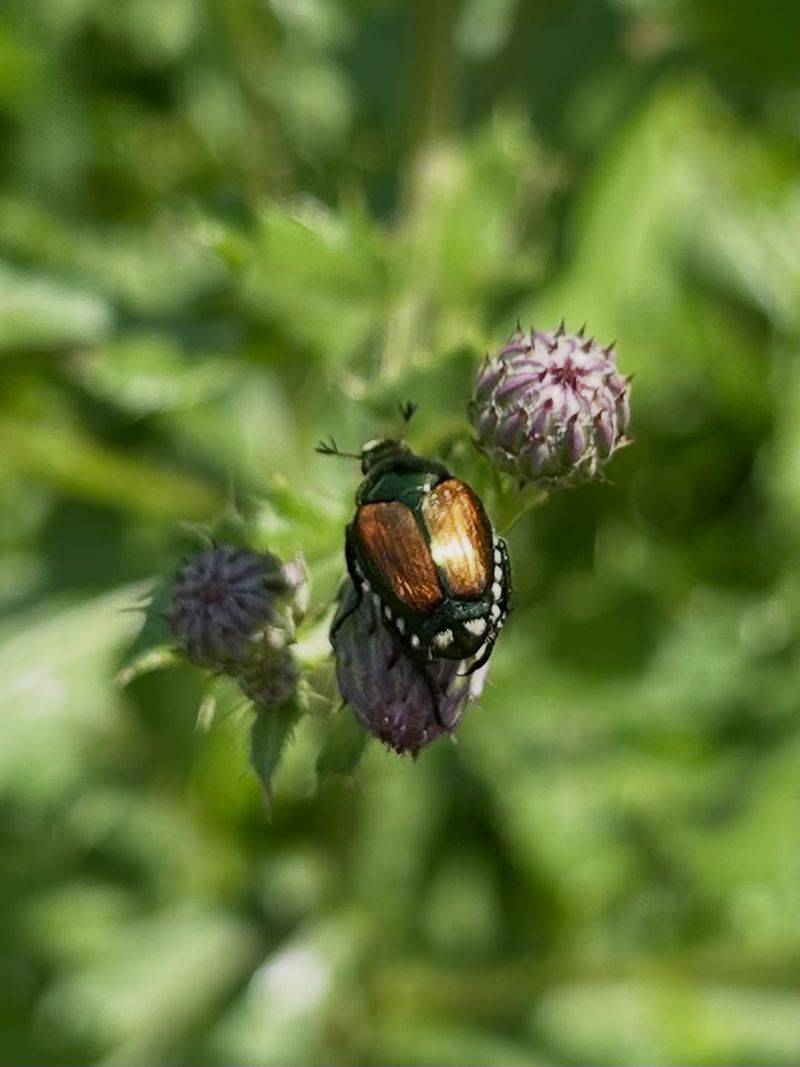
Adult Japanese beetles are not subtle. When they show up in your garden, they announce themselves by clustering on roses, grape vines, basil, fruit trees, and other favorite plants, chewing leaves down to a lacy skeleton in a matter of days.
As frustrating as that is to watch, it is also a very useful signal. The moment you spot adults feeding heavily on your plants, the egg-laying season has officially begun in your area.
Female beetles feed during the day and then move into nearby turf areas to lay eggs, often returning to the same lawn repeatedly over several weeks.
That feeding-to-egg-laying pattern means that the lawn closest to your most beetle-attractive plants is the highest-risk area for egg deposits.
Roses near a lawn edge, for example, can make that whole section of turf a prime target during July and August.
Using adult beetle activity as your personal timing alert is a smart and completely free monitoring tool.
When you start seeing them gather on your plants, that is your cue to back off irrigation in nearby lawn areas and let the surface dry out as much as possible without stressing the grass. You do not need to panic or immediately reach for products.
Simply adjusting your watering habits around that visible adult activity window can meaningfully reduce how many eggs end up in your soil, and that translates directly into fewer grubs and less turf damage when fall arrives across North Carolina.
6. Do Not Rely On Beetle Traps Near The Garden
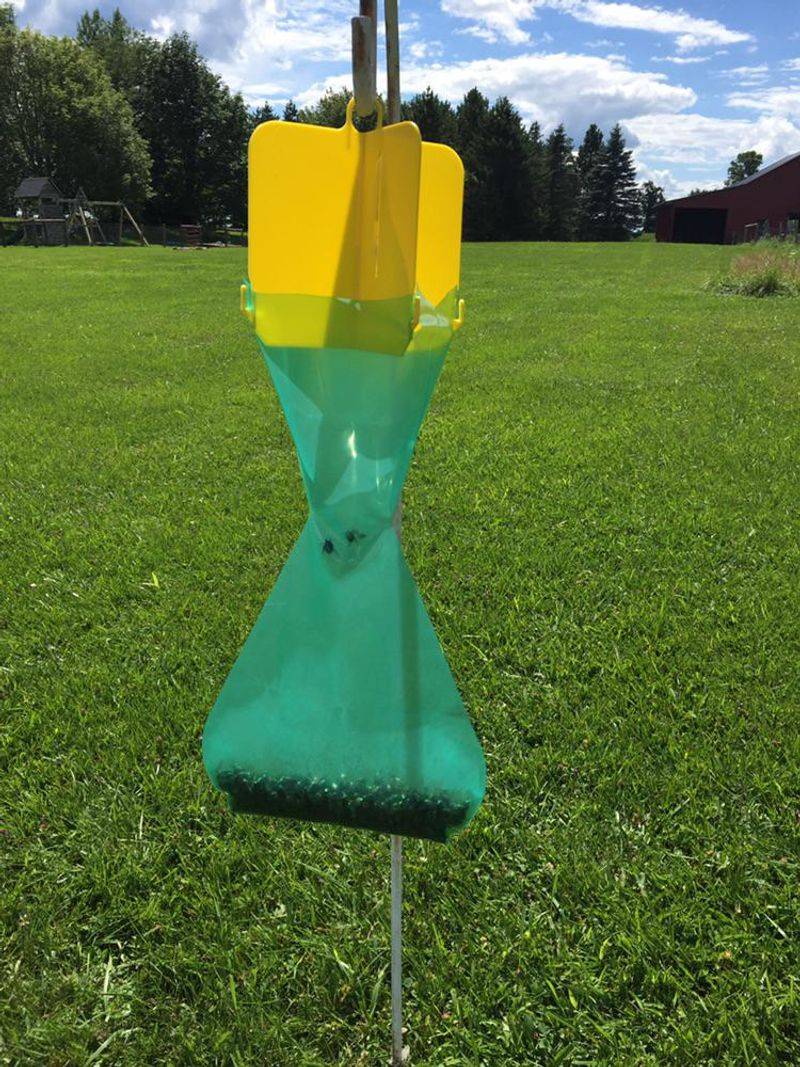
Beetle traps are one of the most popular products sold during Japanese beetle season, and the packaging makes them look like a complete solution.
The traps use floral and sex-based lures that are genuinely effective at attracting beetles, sometimes drawing in hundreds over just a few days.
That sounds like a win, but research from university extension programs has shown that traps can actually pull more beetles into your yard than they capture, especially when placed too close to plants you care about.
If you want to use a trap, placement is everything. Set it as far from your garden beds and lawn edges as possible, ideally at the far boundary of your property or even across a fence line.
The goal is to lure beetles away from your most valuable plants and turf, not toward them. A trap sitting five feet from your rose bush is basically a flashing invitation sign for every beetle in the neighborhood to visit your garden first.
For most North Carolina homeowners, traps work best as a monitoring tool rather than a primary control method. They help you confirm that beetles are active in your area and give you a rough sense of population pressure.
Once you know they are present and feeding, your focus should shift to the moisture management strategies that reduce egg-laying success in your lawn.
Traps alone will not protect your turf from grubs, but used wisely and placed strategically, they can complement the smarter watering habits you are already building into your summer routine.
7. Keep The Lawn Strong Without Overwatering

A lawn that is stressed, compacted, or cut too short is actually more vulnerable to grub damage later in the season, not less.
Strong, deep-rooted turf can handle some grub feeding without showing the dramatic brown patches that a weakened lawn would display.
Building that kind of resilience starts with good summer practices that do not include keeping the soil constantly soaked.
Mowing at the right height is one of the easiest things you can do. For most warm-season grasses common in North Carolina, keeping the blade height higher during summer heat reduces stress and encourages deeper root growth.
Avoid the temptation to fertilize heavily during peak heat, because pushing lush growth in high temperatures stresses the grass and increases the need for more water, which loops right back into the overwatering problem you are trying to avoid.
Core aeration is another helpful practice to work into your seasonal routine. Compacted soil holds surface moisture longer and can make it easier for beetles to probe the turf when laying eggs.
Aerating in late summer or early fall helps the lawn breathe, allows water to move deeper rather than pooling near the surface, and supports healthier root development overall.
Combining smart mowing, need-based watering, and occasional aeration helps your lawn stay green through summer.
This approach avoids creating the moist, soft conditions that make North Carolina yards a preferred egg-laying destination for Japanese beetles.
8. The Takeaway For North Carolina Gardeners
Pulling all of this together, the single most impactful thing North Carolina gardeners can do before Japanese beetles lay eggs in the lawn is simply this: stop overwatering during July and August. It sounds almost too simple, but it is backed by real beetle biology.
Moist, soft soil is the preferred environment for egg-laying females, and reducing that moisture during the egg-laying window directly lowers the number of eggs that successfully get placed in your turf.
Pair that watering adjustment with a few other smart habits and you have a genuinely effective seasonal approach. Watch for adult beetle activity on your plants as a timing signal.
Let the lawn surface dry between irrigation sessions. Water deeply and infrequently rather than lightly and daily.
Keep your turf healthy through proper mowing and smart fertilization so it can handle whatever grub pressure does occur. And if you use beetle traps, place them far from your garden and treat them as a monitoring tool rather than a cure.
None of these steps require expensive products or complicated schedules. They just require paying attention to what is happening in your yard and making small, intentional adjustments during a short but important seasonal window.
North Carolina summers are tough on lawns already, and the last thing your turf needs is extra moisture that invites a second problem underground.
Stay observant, water wisely, and give your lawn the best possible foundation heading into fall with a grub-smart summer strategy that genuinely works.