What Arizona Lantana Needs To Keep Flowering When Temperatures Climb
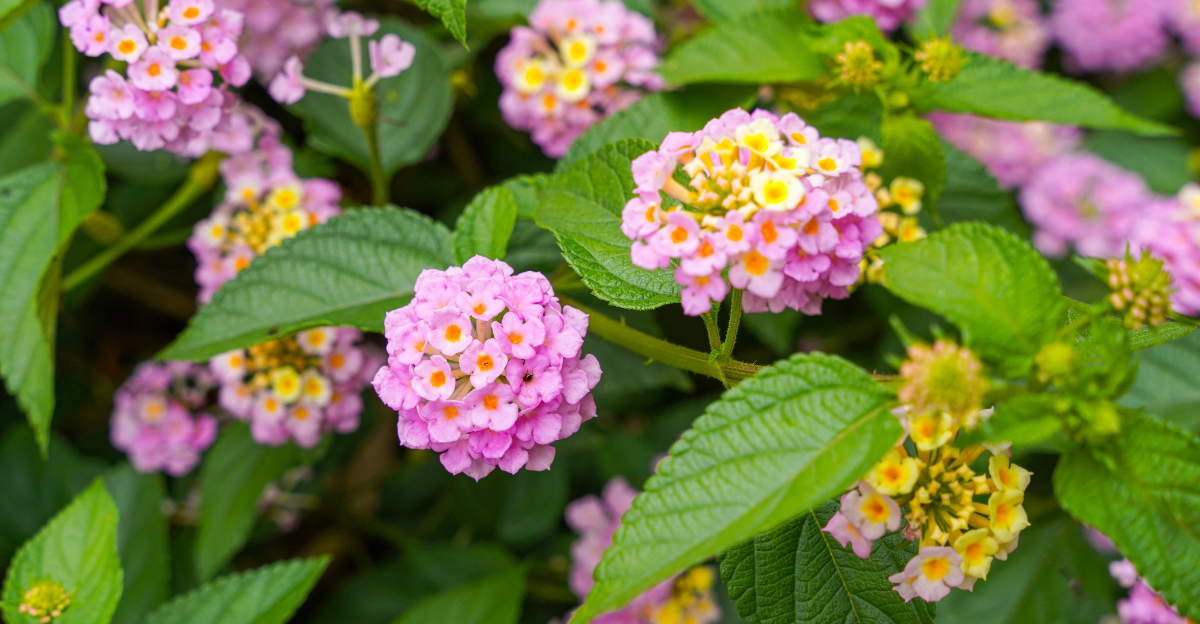
Nothing brightens a yard quite like flowers that keep blooming while the summer heat settles in.
You give a plant the same care it always receives, yet it suddenly seems less colorful than it did a few weeks earlier.
That change can be disappointing because the hottest part of the season is often when you want the landscape to look its best. A healthy plant does not always stay at its peak without a little extra attention.
Small adjustments at the right time can make a much bigger difference than most gardeners expect. Those simple changes often help a favorite plant keep its color much longer through the season.
Lantana reaches that point for many gardeners in Arizona once temperatures begin to climb.
Giving it what it needs during the hottest weeks can help the plant stay full of blooms instead of slowing down too early.
1. Full Sun Keeps New Flowers Coming
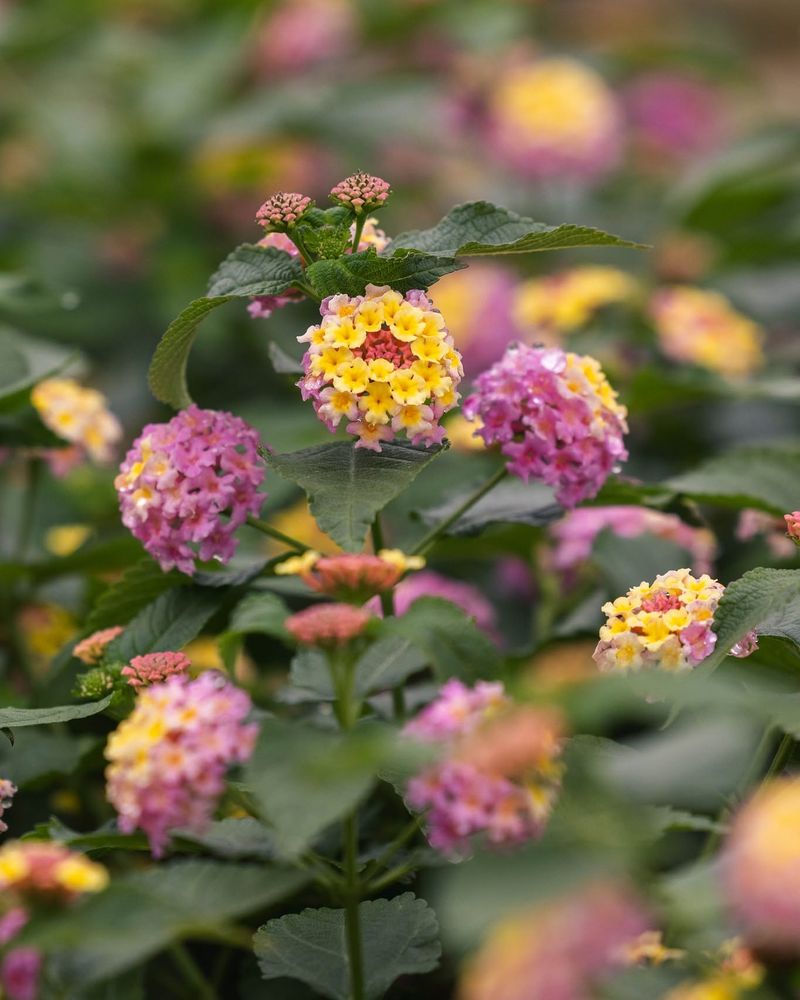
Shading your lantana, even partially, can quietly slow its flowering more than most people expect. Lantana is wired for full sun.
It evolved in warm, open environments where sunlight hits hard and long. Pull it into too much shade and flower production drops noticeably.
In hot desert gardens, full sun means at least six to eight hours of direct light daily. South-facing and west-facing exposures work especially well.
East-facing spots can work if afternoon shade is limited, but results vary depending on how much reflected heat the plant receives.
One thing worth knowing is that lantana actually uses heat and light together to trigger new bud formation. More sun generally means more blooms, up to a point.
Extreme afternoon heat above 110 degrees can stress even lantana, so some gardeners in low desert areas give plants a brief afternoon break with a shade cloth during peak summer weeks.
Placement matters a lot. Planting near a south-facing wall boosts both heat and reflected light.
Lantana planted under trees or near structures that cast shade for several hours a day tend to bloom less reliably. Moving a container plant to a sunnier spot can sometimes restart flowering within a week or two.
Full sun is not a suggestion for lantana. It is the foundation everything else builds on.
2. Heat Does Not Stop Healthy Lantana From Blooming
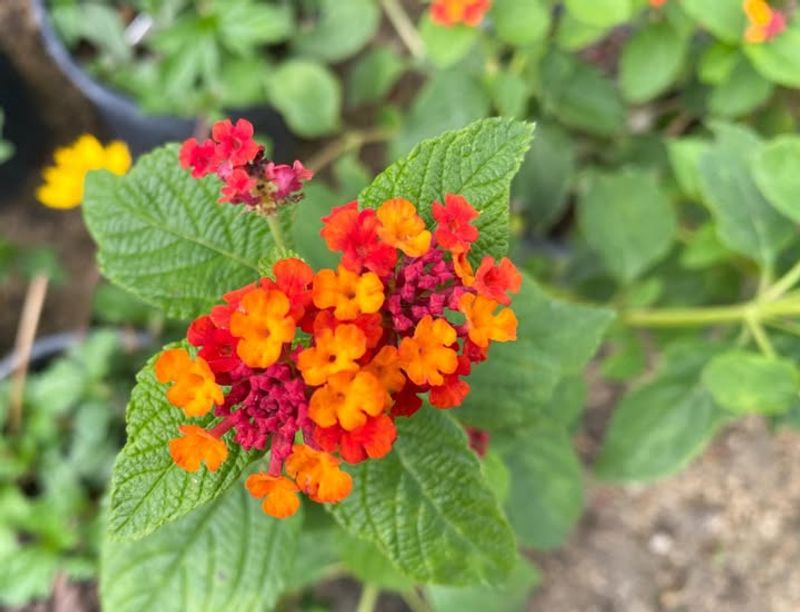
A lot of gardeners assume triple-digit temperatures shut lantana down. That assumption leads to neglect right when the plant actually needs attention.
Healthy, well-established lantana can handle intense heat without dropping its flower production significantly.
The key word is healthy. A plant stressed by underwatering, poor soil drainage, or pest damage will struggle in heat.
But a lantana with good root establishment, steady moisture, and clean foliage tends to push through hot spells without missing a beat. Heat alone is rarely the main problem.
Root depth plays a big role here. Plants that have been in the ground for a full growing season develop deeper root systems.
Those roots can access moisture further down in the soil, which buffers the plant against surface heat. Newly planted lantana in its first summer needs more attention because roots have not had time to spread.
Your Arizona Garden Changes Every Week. Your Plan Should Too.
Gardening in Arizona changes quickly throughout the season. Every Friday you’ll receive a simple weekly plan showing exactly what to plant, prune, fertilize, harvest, and protect so you never miss the right timing.
Wilting in the afternoon is normal and does not signal a serious problem on its own. Lantana often droops slightly during peak afternoon heat, then recovers by evening.
If wilting persists into the next morning, that is a clearer sign the plant needs water. Watching how quickly your plant bounces back after hot afternoons tells you a lot about its overall health.
3. Spent Flower Clusters Should Be Removed
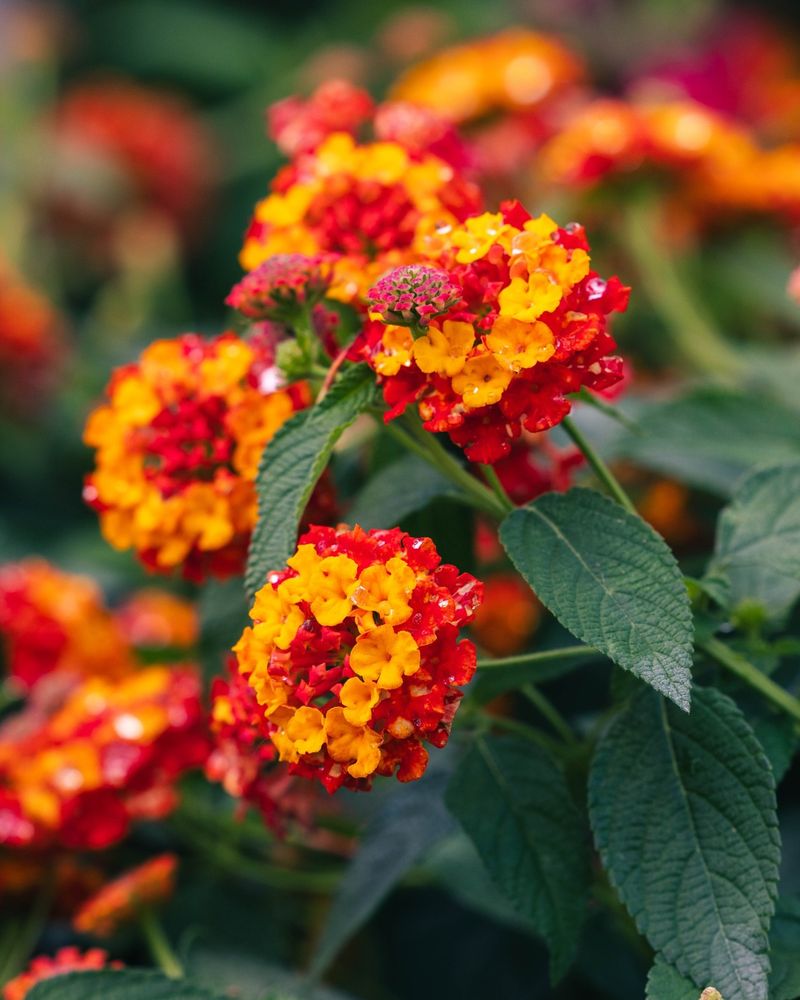
Deadheading is one of those small tasks that pays off fast. Once a lantana flower cluster finishes blooming, it starts forming a seed.
Energy that could go toward new buds gets redirected into that seed instead. Removing spent clusters before seeds form keeps the plant focused on producing more flowers.
You do not need special tools. Pinching off faded clusters by hand works fine for light maintenance.
For larger plants or thick stems, a small pair of pruning snips makes the job quicker. Either way, the goal is to get rid of the brown or faded heads before they fully mature into berries.
In hot summer gardens, lantana can cycle through flower clusters quickly. Checking plants every week or ten days and clearing out the old growth keeps the cycle moving.
Some gardeners combine deadheading with a light shaping trim, which also encourages branching and more flowering sites along new growth.
One practical note: lantana berries are toxic if eaten, so removing spent flowers also reduces berry formation around areas where children or pets spend time. That is a useful bonus beyond just improving bloom counts.
Skipping deadheading for several weeks during summer often results in a plant that looks full of green growth but produces noticeably fewer new flowers.
Staying consistent with this one habit makes a measurable difference across the whole blooming season.
4. Too Much Fertilizer Reduces Flower Production
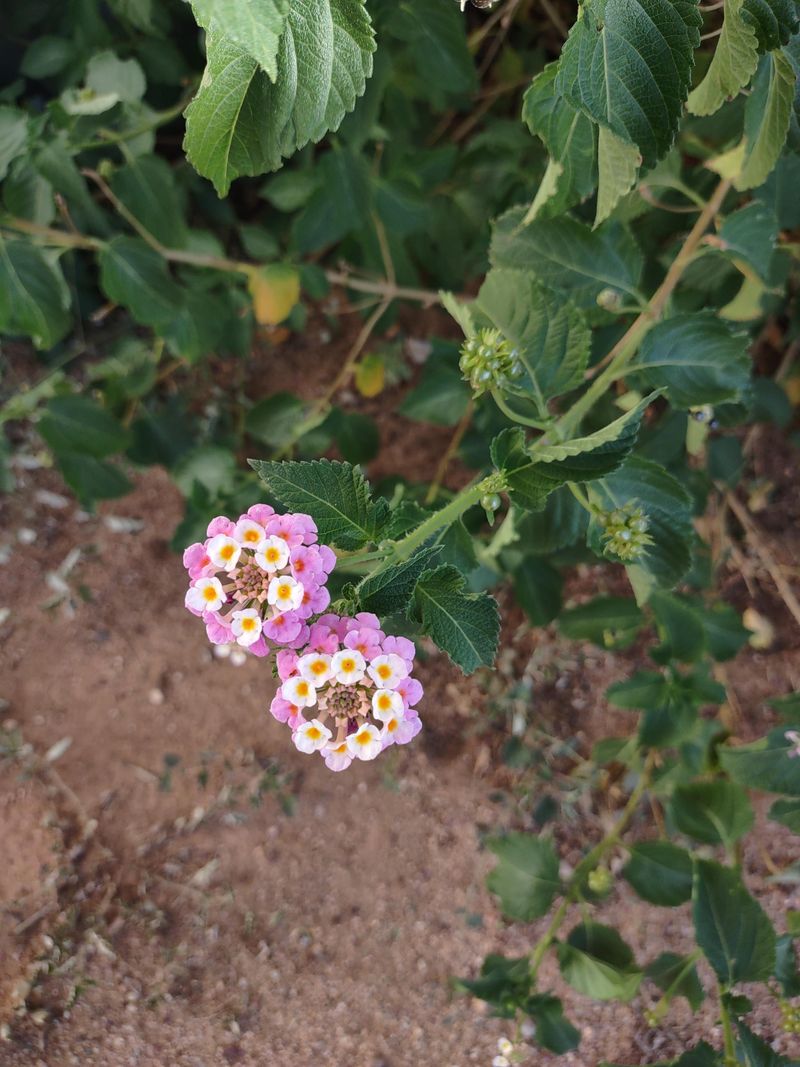
Fertilizer feels like help, but with lantana, more is rarely better. Overfeeding pushes the plant into heavy leaf and stem production at the expense of flowers.
A lantana pumped full of nitrogen looks lush and green but can sit there for weeks without opening a single new bloom.
Lantana is naturally adapted to lean soils. In the wild, it grows in places where nutrients are limited.
Rich, heavily amended soil or frequent fertilizer applications can actually work against flowering by signaling the plant to grow vegetation rather than reproduce through blooms.
If you want to fertilize, a light application of a balanced, slow-release fertilizer in early spring is usually enough to support the whole season.
Some gardeners skip fertilizing entirely once plants are established and still get strong flowering results, especially in native or amended desert soils that already hold some nutrients.
Container plants are the one exception worth noting. Potted lantana gets watered more frequently, which flushes nutrients out of the soil faster.
A diluted, balanced liquid fertilizer applied once a month during the growing season can help container plants maintain steady flowering without overloading them. Watch the foliage.
Deep green, fast-growing leaves with few flowers usually signal too much nitrogen.
5. New Growth Produces The Most Blooms
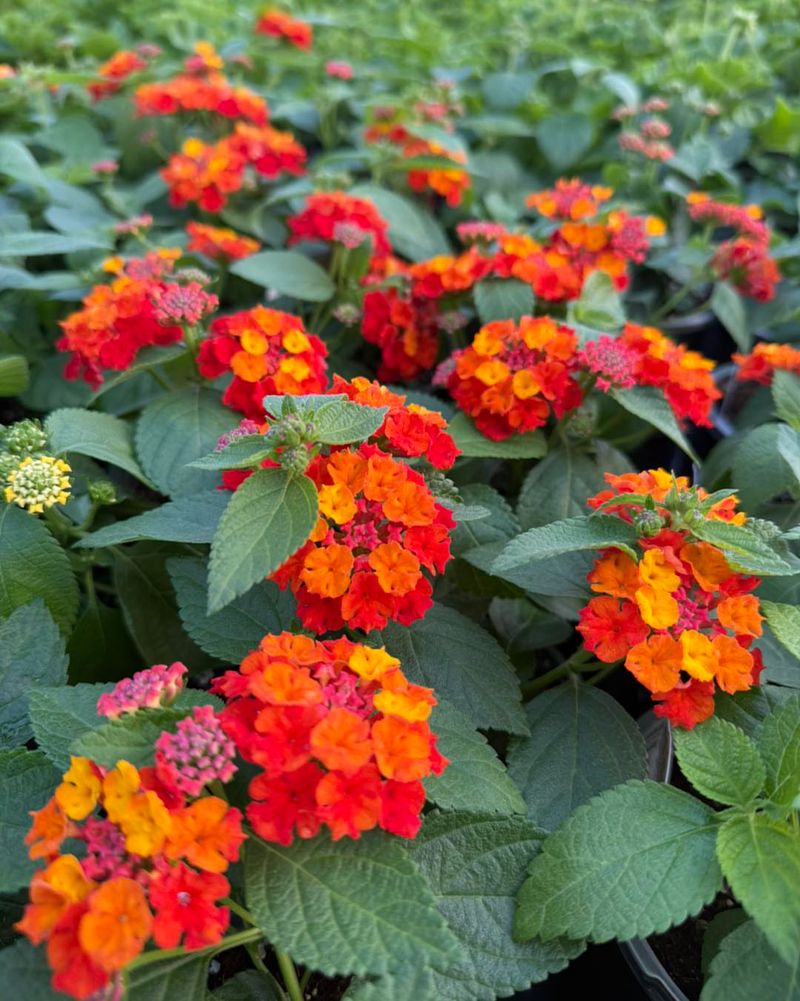
Old, woody stems on lantana do not produce many flowers. New green growth is where the action happens.
Buds form at the tips of fresh shoots, so encouraging the plant to push new growth consistently is one of the most effective ways to keep blooms coming through summer.
Light trimming helps with this. Cutting back the tips of stems by a few inches removes old growth and stimulates branching.
Each cut creates two or more new shoot tips, and each tip is a potential flowering site. Over several weeks, a lightly trimmed plant can develop significantly more flowering points than one left untouched.
Timing matters. In hot desert climates, a moderate trim in late spring before peak heat sets in gives plants time to push new growth before temperatures become extreme.
A second light trim in late summer, around August, can refresh the plant and set up a strong fall flush of flowers as temperatures ease back down.
Avoid cutting too deep into old woody growth during summer. Heavy pruning during peak heat stresses the plant and can slow recovery significantly.
Stick to trimming just the green, flexible tips rather than cutting back into brown or gray woody stems.
6. Container Plants Need More Frequent Watering
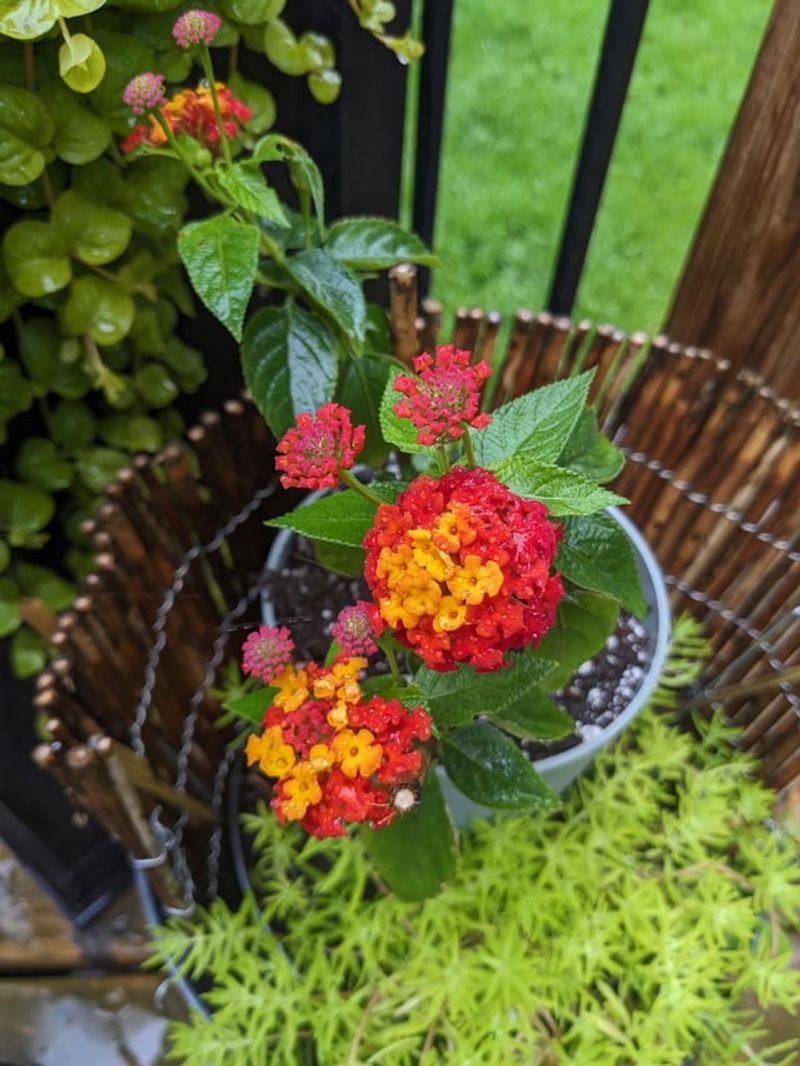
Growing lantana in a container changes the watering equation completely. Pots heat up fast in direct sun, and soil in containers dries out much quicker than in-ground soil.
During peak summer heat in desert climates, a container lantana may need water every day or every other day to stay healthy and flowering.
Pot size matters more than most people realize. Small pots dry out faster and give roots less room to spread.
A larger container, at least 12 to 14 inches in diameter, holds more soil volume and retains moisture longer.
Dark-colored pots absorb more heat and can raise root-zone temperatures significantly, so light-colored or insulated containers tend to work better in full sun.
Check soil moisture by pressing a finger about an inch into the soil. If it feels dry at that depth, water thoroughly until it drains from the bottom.
Shallow watering encourages shallow roots, which makes the plant even more vulnerable to heat stress between waterings.
Grouping container plants together slightly reduces moisture loss by creating a small microclimate around the pots.
Setting containers on a surface that does not reflect intense heat, like wood decking instead of concrete, also helps moderate root-zone temperatures.
Container lantana can bloom just as well as in-ground plants when watered consistently.
7. Mulch Helps Roots Stay Cooler
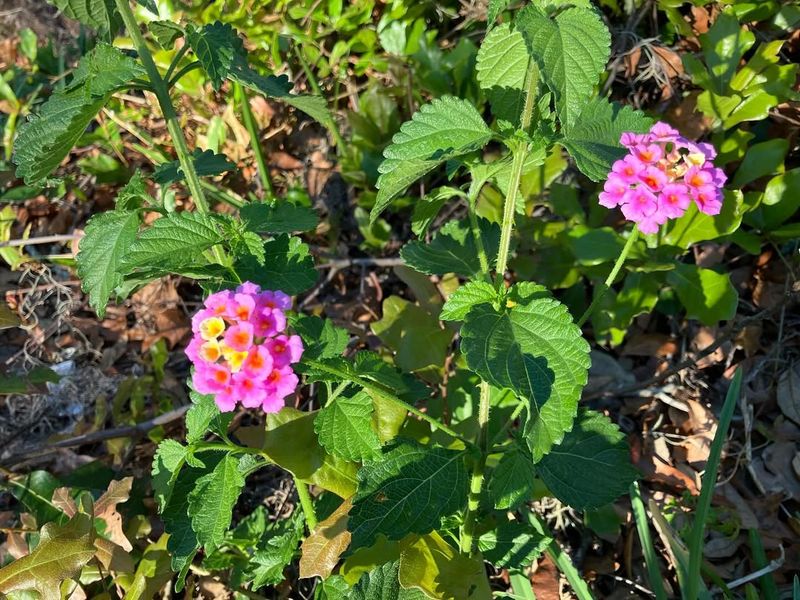
Soil temperature has a direct effect on root health, and root health drives everything else including flowering. When surface soil bakes in direct sun during summer, roots near the surface can experience stress that slows the whole plant down.
A layer of mulch breaks that cycle effectively.
Applying two to three inches of organic mulch around the base of lantana helps insulate the soil. Wood chips, shredded bark, or even gravel work in desert settings.
Organic mulches break down over time and add some nutrient value, while gravel reflects heat differently and drains fast, which suits desert soils well.
Keep mulch a few inches away from the main stem. Piling mulch directly against the stem traps moisture against the bark and can invite rot or fungal problems over time.
A small gap around the base lets the stem breathe while still protecting the surrounding soil.
Mulch also slows evaporation from the soil surface, which means watering less frequently without sacrificing root moisture.
In a hot Southwest garden, that combination of cooler roots and slower moisture loss can make a real difference in how consistently lantana flowers through the hottest weeks.
Some gardeners in Arizona report that mulched plants hold blooms longer into summer compared to unmulched ones in the same beds.