The One Thing North Carolina Ginger Needs Before September Ends
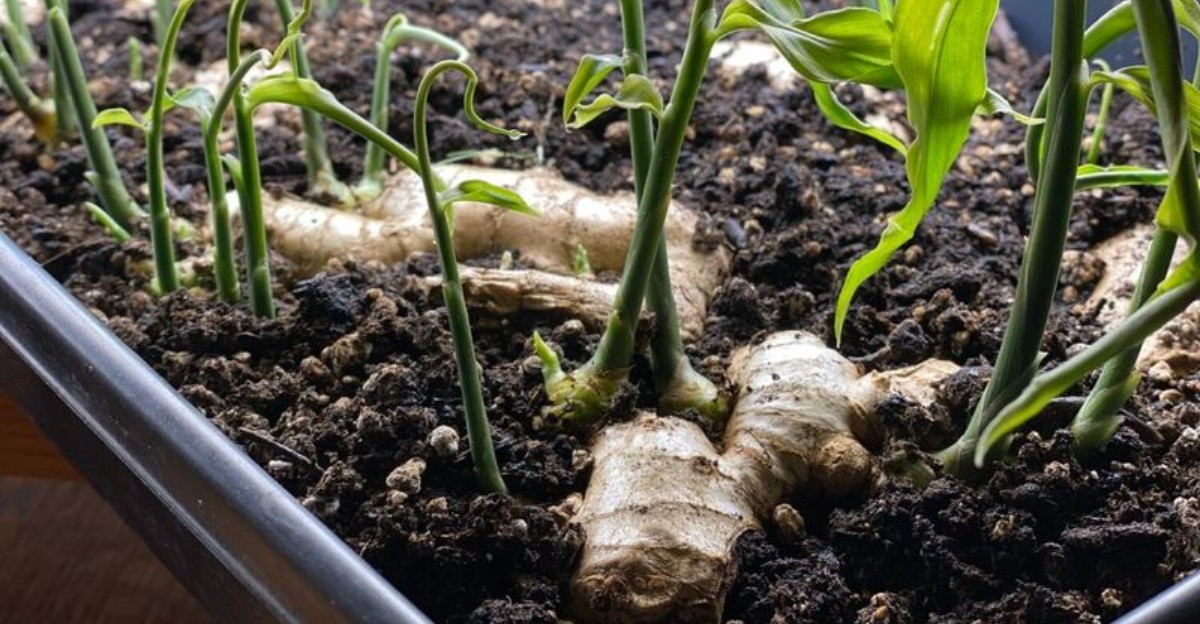
Ginger has become an increasingly popular crop in North Carolina gardens, but this tropical plant isn’t naturally equipped to handle the state’s colder months without some help.
As September winds down, there’s a narrowing window to take one important action before conditions start working against the plant’s survival.
Because ginger is sensitive to cold temperatures, an early freeze can damage the foliage and reduce the harvest if plants are not protected.
What works fine during warm, humid summer weather becomes far less forgiving as fall progresses toward the first real cold snap. Getting this step right before the month ends gives North Carolina gardeners their best shot at a full, healthy ginger harvest.
1. Keep The Soil Consistently Moist
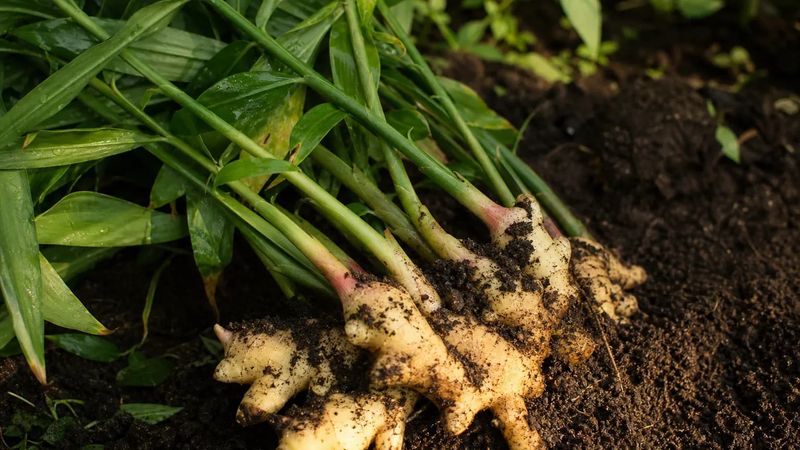
Ginger loves steady moisture, and late September is when it really counts. The rhizomes underground are swelling and getting bigger, and they need water to keep that growth going strong.
When soil dries out again and again, the plant slows down. Every time it stresses from thirst, it stops focusing on making those thick underground stems you want. That means a smaller harvest for you later.
Think of moisture like fuel for a race car. If the tank keeps running low, the car cannot go full speed. Ginger works the same way, and it needs a reliable supply of water while it finishes its busy season.
Try to keep the soil feeling like a wrung-out sponge, damp but not soggy. Push your finger an inch or two into the ground and check. If it feels dry down there, it is time to add water.
North Carolina weather can bounce around in September, with warm days that dry things out quickly. On those hot afternoons, your ginger may need extra attention.
Morning watering works well because it gives the plant a good drink before the sun climbs high.
Consistency beats guessing every time. Instead of watering only when you remember, build a simple routine and stick with it. Your ginger will reward that steadiness with plumper, healthier rhizomes.
Keeping moisture even also helps the roots stay comfortable and stress-free. A calm, well-watered plant grows better than one riding a rollercoaster of wet and dry days.
2. Water Deeply Instead Of Shallowly
A quick splash of water might feel helpful, but it barely reaches where ginger really needs it. Shallow sprinkling only wets the top layer, leaving the deeper roots dry and thirsty.
Deep watering moistens a larger portion of the root zone and supports healthier root growth.
Picture pouring water slowly until it sinks several inches into the soil. That kind of thorough soaking beats five tiny sprinkles a day. Roots follow moisture, so if you only wet the surface, they stay near the top and struggle when heat hits.
Before you water again, do a quick check. Stick your finger into the soil about two inches deep. If it still feels moist, wait a bit longer.
If it feels dry, give it another good soak.
Your North Carolina Garden Changes Every Week. Your Plan Should Too.
Gardening in North Carolina changes quickly throughout the season. Every Friday you’ll receive a simple weekly plan showing exactly what to plant, prune, fertilize, harvest, and protect so you never miss the right timing.
You can also use a small trowel to peek at the soil below the surface. This helps you avoid overwatering while making sure the deeper layers stay damp.
In North Carolina’s late-summer heat, deep watering helps ginger ride out warm spells without wilting. The moisture stored down low acts like a backup supply on scorching days.
Watering less often but more thoroughly also saves you time. Instead of running out with the hose constantly, you give one solid soak that lasts. Your ginger stays happier, and your schedule stays simpler, which is a win for both of you.
3. Do Not Keep Ginger Waterlogged
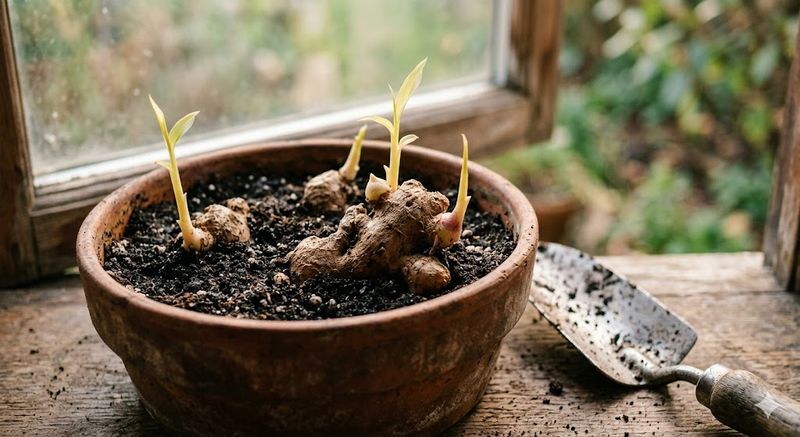
Ginger enjoys moisture, but there is such a thing as too much of a good thing. When soil stays soaked all the time, the rhizomes and roots can start to have serious problems.
Constantly wet ground pushes out air that roots need to breathe. Without that air, the underground parts can rot and turn mushy, which ruins the harvest you worked so hard for.
Good drainage is the secret to keeping the balance right. You want water to soak in, feed the plant, and then drain away instead of pooling around the roots. Sandy or loamy soil mixed with compost drains nicely.
If you grow ginger in a container, make sure it has holes in the bottom. A pot without drainage traps water and turns into a swampy mess that harms the plant.
Raised beds also help because they let extra water flow out naturally. In areas of North Carolina that get heavy rain, this small step makes a big difference during wet stretches.
After a big storm, check that water is not sitting on the surface for long. If puddles linger, your soil may need more compost or better drainage to loosen it up.
The goal is simple: moist but never mucky. Think of a squeezed sponge again, damp and springy rather than dripping wet.
By protecting your ginger from soggy conditions, you keep those precious rhizomes firm and healthy. A little care with drainage now guards your whole harvest later.
4. Mulch To Hold Moisture
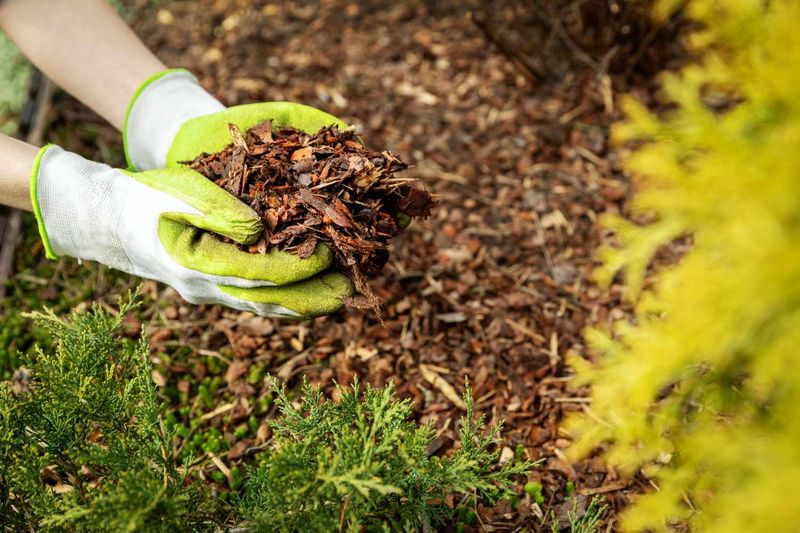
Mulch might be the easiest trick for keeping ginger comfortable in late September. A moderate layer of organic material spread over the soil does a lot of quiet work for you.
The main job of mulch is slowing down evaporation. On warm days, water leaves the soil fast, but a blanket of straw or shredded leaves keeps that moisture locked in longer.
Mulch also helps steady the soil temperature. When afternoons heat up, the ground underneath stays cooler and calmer, which keeps the roots from getting stressed.
Use materials like straw, chopped leaves, or wood chips, and spread them a couple of inches thick. Avoid piling mulch right against the stems, since a little breathing room prevents trouble.
In North Carolina, late summer can swing between muggy heat and sudden dry spells. Mulch acts like a buffer during these ups and downs, smoothing out the moisture your ginger receives.
Another bonus is weed control. A good mulch layer blocks sunlight from reaching weed seeds, so fewer unwanted plants pop up to steal water and nutrients.
Over time, organic mulch breaks down and feeds the soil, adding gentle nutrition as it decomposes. That means healthier ground for your ginger with almost no extra effort.
Watering also becomes less of a chore because the moisture sticks around longer. You will find yourself reaching for the hose less often during hot weeks.
With one simple layer, you protect moisture, cool the roots, and boost your soil all at once. That is a lot of payoff for such a small step.
5. Watch For Heat And Drought Stress
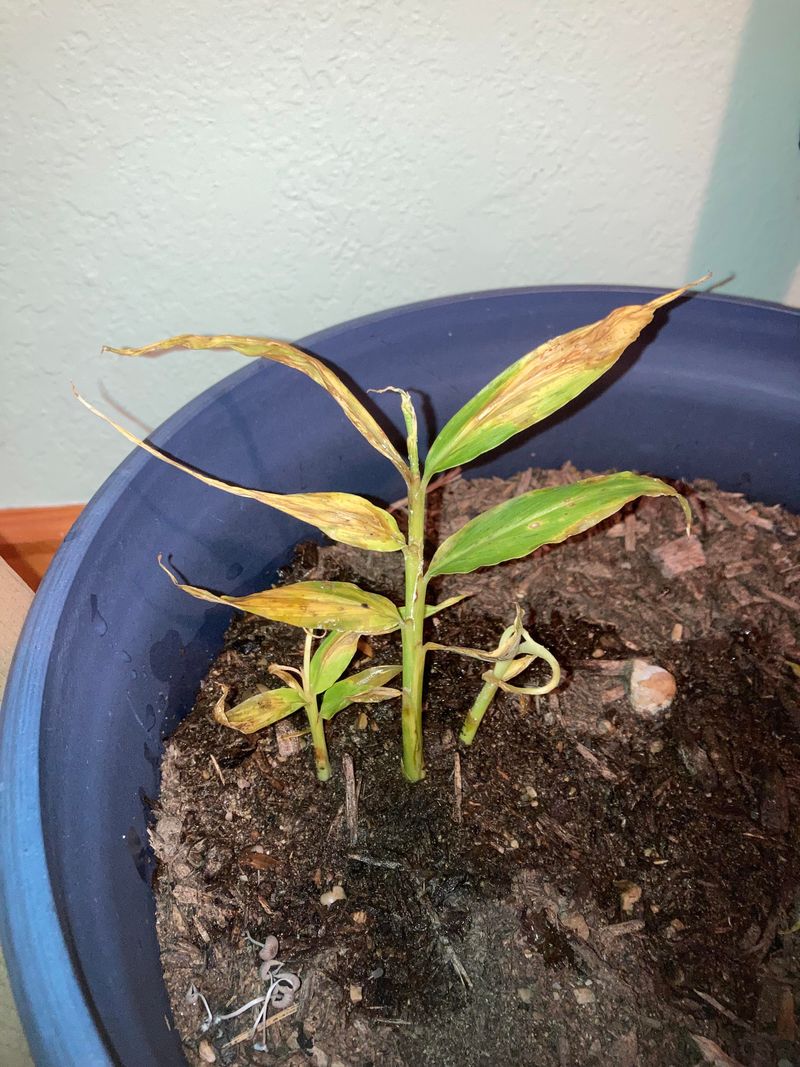
Hot, dry days can be tough on ginger, and its leaves will tell you when it is unhappy. Wilting foliage that droops in the afternoon is often the first sign of stress.
When the air stays dry and the sun beats down, water evaporates quickly from both the soil and the leaves. If the roots cannot keep up, the plant starts to sag.
Keeping the root zone moist becomes extra important during these stretches. A well-watered plant can handle heat far better than one running low on moisture.
Check your ginger in the morning and again in the late afternoon during hot spells. Slight wilting in the peak of the day can be normal, but plants should perk back up once things cool down.
If the leaves stay droopy even in the evening, that is a signal the soil is too dry. Give it a deep, slow soak to help it recover.
North Carolina can serve up surprise heat waves in September, so stay alert as the month rolls on. A shady spot or a bit of afternoon protection can ease the pressure on stressed plants.
Mulch teams up nicely here, keeping the ground cooler and holding moisture close to the roots. Together, watering and mulching form a strong defense against heat.
Paying attention to your plant’s body language saves you from surprises. When you catch stress early, a quick response keeps the rhizomes growing strong and your harvest on track.
6. Avoid Excessive Late Fertilizer
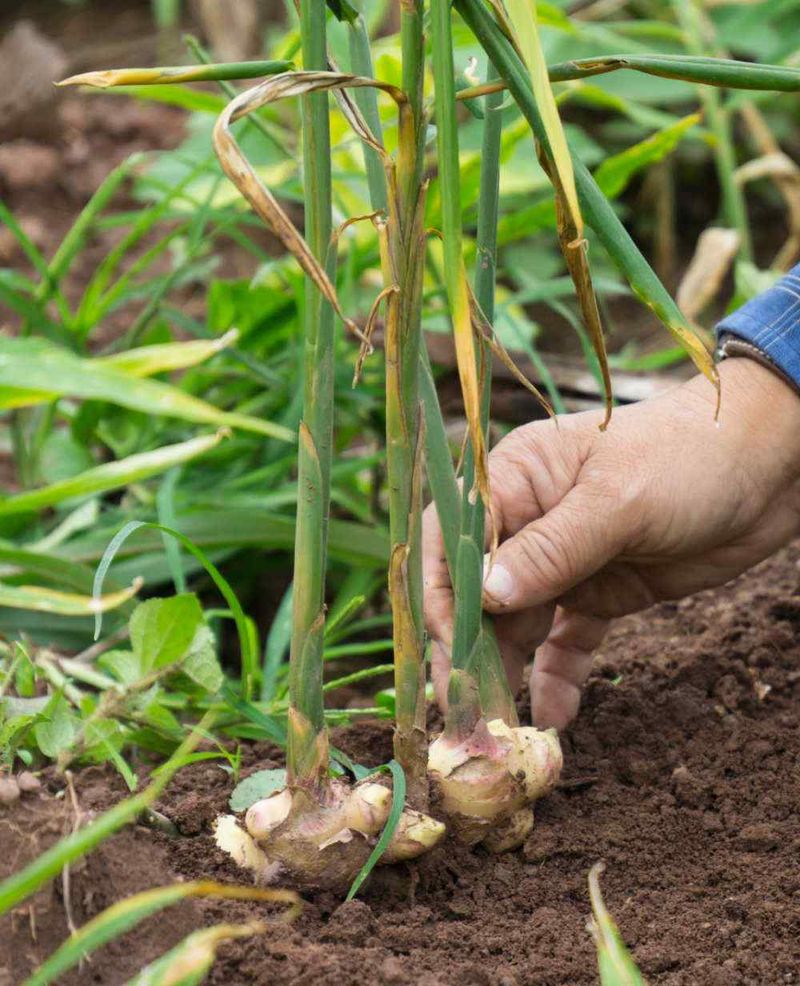
It might feel tempting to dump extra fertilizer on your ginger for a final push, but late season is not the time for heavy feeding. Too much nitrogen right now can cause problems instead of helping.
Nitrogen mainly fuels leafy green growth. When you pile it on late in the season, the plant spends energy making new foliage instead of finishing those valuable rhizomes underground.
What you really want by late September is strong, healthy growing conditions, not a burst of fresh leaves. Steady moisture, good soil, and a little patience matter far more than a big feeding.
If your ginger already looks green and healthy, it probably has what it needs. Adding a heavy dose of fertilizer at this point can throw off its natural rhythm.
A gentle, balanced approach works best if you feel the plant needs a small boost. Light applications earlier in the season set things up nicely, so late feeding usually is not necessary.
Overfeeding can also lead to soft, weak growth that struggles when cooler weather arrives. That tender new foliage is not built to handle the changing season ahead.
Instead of chasing extra leaves, focus on the basics that keep the whole plant thriving. Consistent watering and healthy soil do more for your harvest than any last-minute fertilizer.
Think of it like resting before a big finish rather than sprinting at the wrong time. By easing off the nitrogen, you let your ginger direct its energy where it truly counts, into those plump rhizomes you are waiting for.
7. Check The Rhizomes Before Harvesting
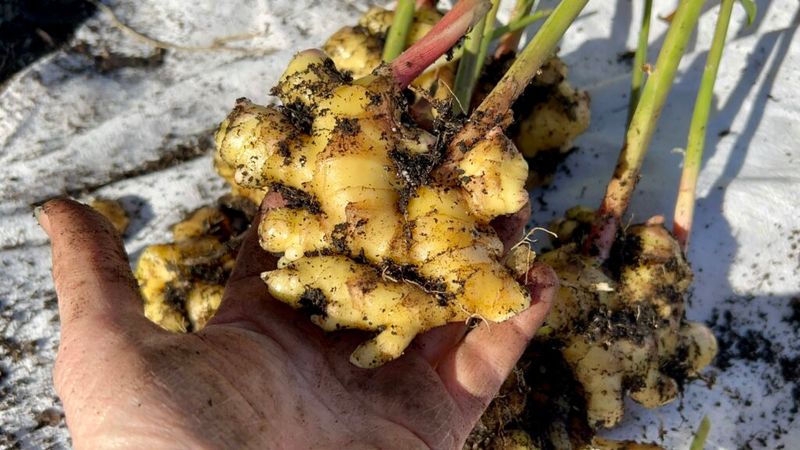
Excitement about harvesting is totally normal, but digging up ginger too soon can shortchange you. If you want mature, flavorful rhizomes, patience pays off big time.
Ginger keeps growing underground as long as the plant stays healthy and the weather stays warm. Pulling it early means smaller, thinner pieces with less punch.
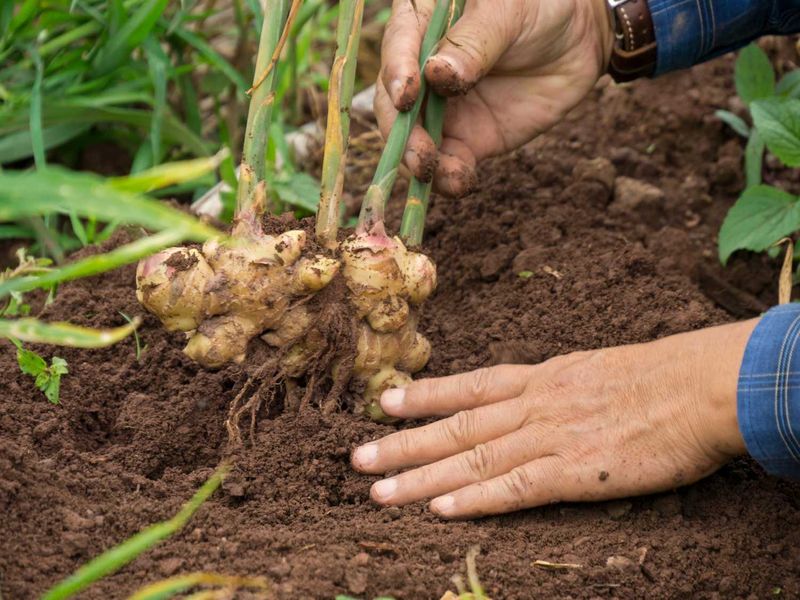
Before you grab a shovel, gently brush away a little soil near the base to peek at the rhizomes. This lets you check their size without disturbing the whole plant.
If the pieces still look small and pale, give them more time. Mature ginger tends to be plumper and more developed, with a fuller shape.
The plant’s growth stage offers helpful clues too. When the foliage is still lush and green, the ginger is usually still bulking up below the surface.
Local weather should guide your timing as well. In North Carolina, cooler fall days signal that the growing window is closing, which helps you decide when to dig.
Young ginger can be harvested for a milder taste, but full-sized rhizomes need those extra weeks to mature. Knowing your goal helps you pick the right moment.
Try to resist the urge to check constantly, since too much digging disturbs the roots. One gentle peek is usually enough to guide your decision.
By waiting for the right stage and watching the weather, you give your ginger the chance to reach its full potential. That patience rewards you with bigger, tastier rhizomes worth the wait.
8. Prepare For Cooler Weather
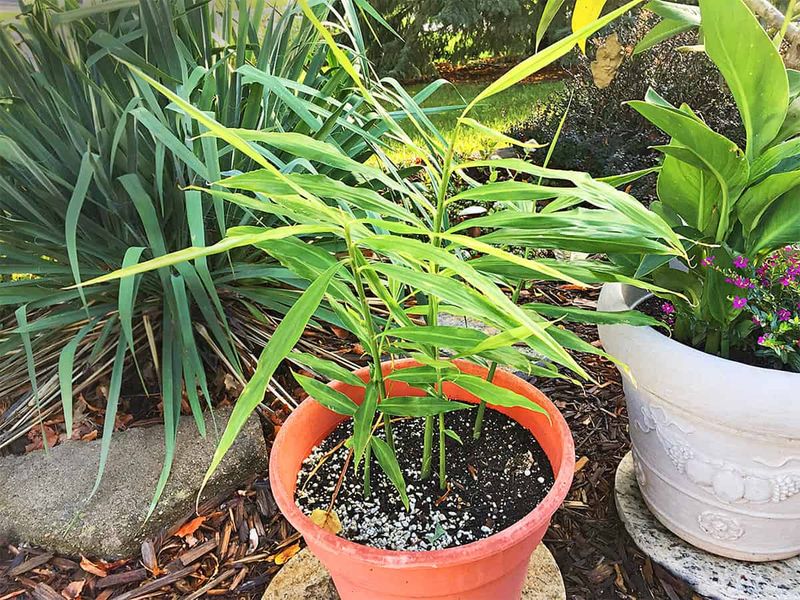
As September winds down, cooler air starts drifting into North Carolina, and your ginger needs a gentle transition. Getting ahead of the change keeps the plant comfortable and protected.
Ginger is a warm-weather lover, so falling temperatures can slow its growth. Preparing early helps it handle the shift without a shock.
Keep watering appropriately as the weather cools, but expect the plant to need a little less than during peak heat. Adjust your routine based on how the soil feels rather than sticking to summer habits.
Try to reduce unnecessary disturbance around the roots during this time. The less you poke and prod, the more energy the plant can put toward finishing its rhizomes.
Container-grown ginger deserves special attention as nights get chilly. Pots lose warmth faster than garden beds, so the roots feel cold sooner.
When temperatures start approaching the plant’s cold limit, move containers to a sheltered spot. A porch, garage, or sunny indoor window keeps them cozy and safe.
Mulch continues helping here by insulating the soil and steadying temperatures. A good layer acts like a warm blanket for the roots as the season turns.
Watch the local forecast closely once fall settles in. Knowing when a cold snap is coming gives you time to react before your ginger feels the chill.
Easing your plant into cooler weather protects all the hard work you put in this season. With a few thoughtful steps, you guide your ginger safely toward harvest and set the stage for a rewarding finish.