Grow New Succulents From Single Leaves on Your Windowsill This Winter in North Carolina
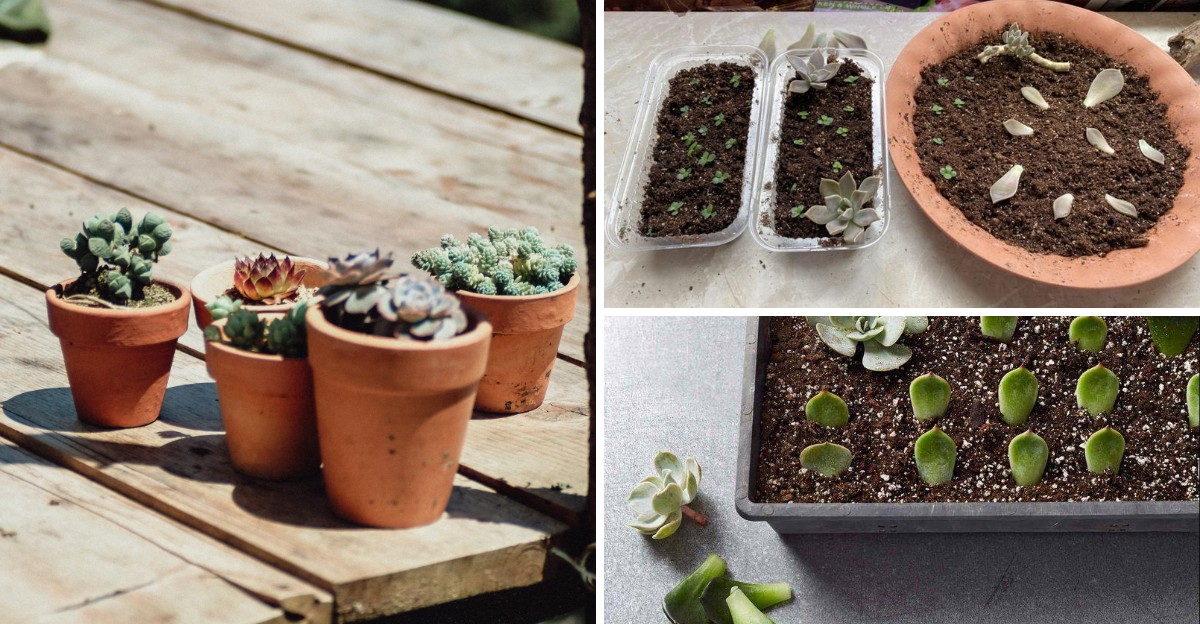
A single fallen leaf can grow roots and a brand new baby plant while it sits on dry soil. No seeds, no fancy tools, and no green thumb required. I still grin every time I spot those first pink threads poking out.
One thing I love about this trick is how it turns winter clutter into treasure. Those leaves that snap off when you bump a pot are not trash at all. Each one carries everything it needs to start over.
Here in North Carolina, January skies can feel gray and the garden outside sleeps hard. Your windowsill, though, keeps running warm and bright. That cozy little ledge can act like a tiny nursery while frost coats the lawn.
I tend to think winter is the perfect season for a slow, quiet project. So how many new plants could you raise from leaves you might have tossed?
1. That Plump Succulent Leaf Holds a Hidden Baby Plant
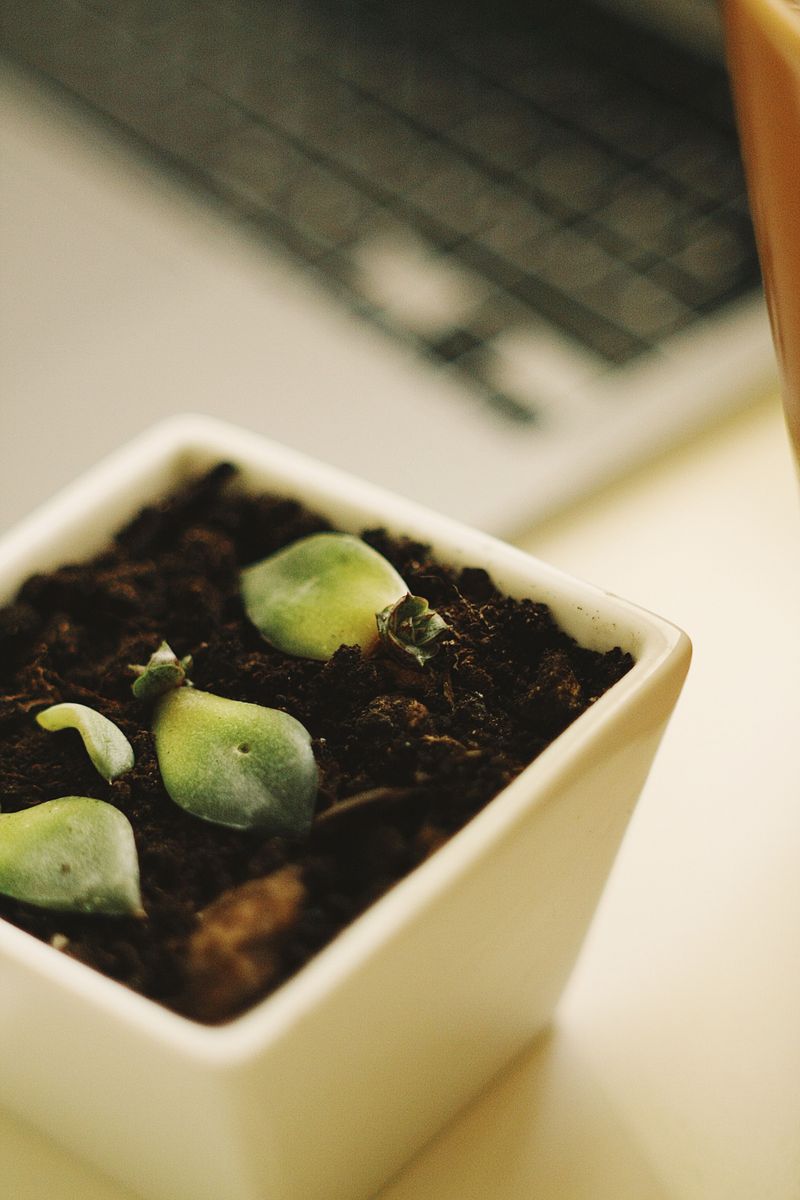
Plant scientists call it adventitious growth, and it sounds far fancier than it looks. Certain succulent leaves can form new roots and shoots right from the spot where they joined the stem.
Each leaf stores water and food in its thick tissue. That stash feeds the tiny plant while it gets started, a bit like a packed lunch for a long trip.
Not every succulent plays along, so picking the right kind matters. Echeveria, Graptopetalum, Sedum, Pachyphytum, and many Kalanchoe types are known as reliable leaf growers. Jade plants work too, though they can be slower.
Here’s something you might not expect. Aloe, Haworthia, and most Agave rarely sprout from a single leaf. Those plants do better when you separate the little pups that pop up around their base.
One leaf may give you one baby or a small cluster. Some leaves simply shrivel without sprouting, and that is normal.
I like to start with at least ten leaves at once. That way a few slowpokes or no-shows won’t sting. Your odds stay high, and you’ll likely end up with more babies than you have pots ready for them.
2. Twist Off Echeveria Leaves Gently So the Base Stays Whole
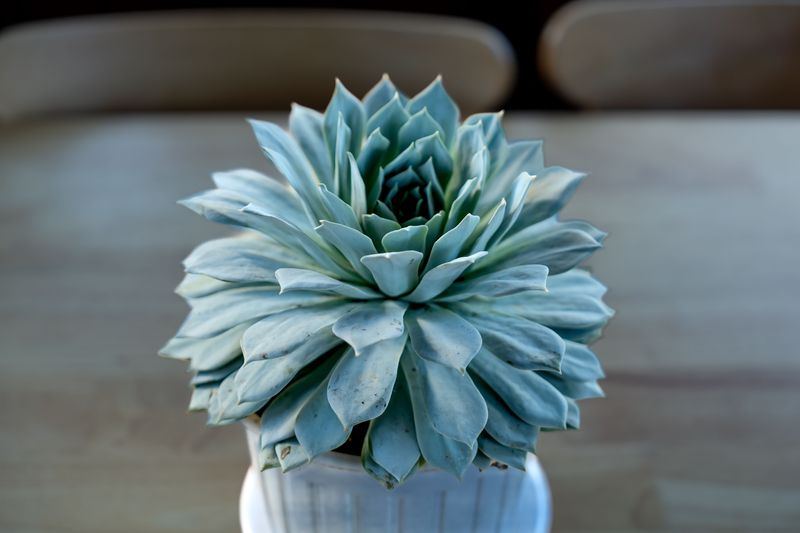
A torn leaf is the number one reason propagation flops. The tiny growth point sits right at the base, so a clean break matters more than anything else.
Choose firm, healthy leaves from the lower part of the plant. Hold one between your fingers and wiggle it side to side until it pops free. A gentle twist works well too.
Look at the end you just removed. You want a smooth, slightly cupped base with no bits left stuck on the stem. If part of the leaf stays behind, set that one aside and try another.
Skip leaves that look wrinkled, mushy, or spotted. Those usually lack the stored energy a new plant needs.
A stretched or leggy plant gives you a bonus chance here. Leaves on long stems often come off easily, and you can root the leftover top as a stem cutting too.
Removing a handful of lower leaves won’t harm the mother plant. In fact, it can tidy up a crowded rosette. Just leave plenty of healthy foliage so the parent keeps growing strong through the rest of winter.
3. Let Those Leaf Cuttings Scab Over Before They Touch Soil
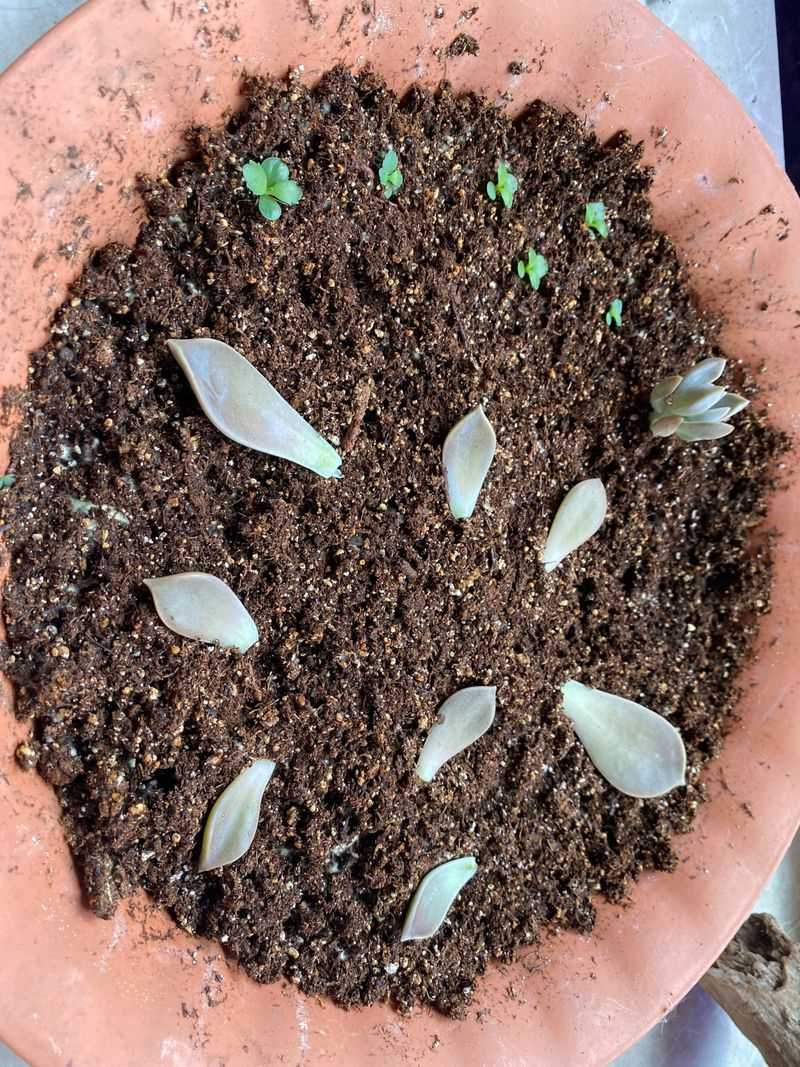
Patience starts on day one. Fresh leaves have a small open wound, and moisture can slip right in and cause rot.
The fix is simple. Lay your leaves on a paper towel or dry tray in a bright spot out of harsh sun, then wait three to seven days.
During that time, the cut end dries and forms a callus. It looks a little darker and feels dry when you touch it gently. Think of it as a natural seal.
Indoor heat during a North Carolina winter tends to make the air quite dry. That works in your favor, since leaves often callus faster inside a heated house than on a humid summer porch.
Fleshy leaves like Pachyphytum may need a few extra days. Thin Sedum leaves might be ready sooner.
I know how tempting it is to rush this part. Skipping it, though, often leads to soft, brown ends within a week. A few days of waiting saves a lot of disappointment and keeps your little leaves on track for strong roots later.
4. Gritty Cactus Mix in a Shallow Tray Makes the Best Nursery Bed
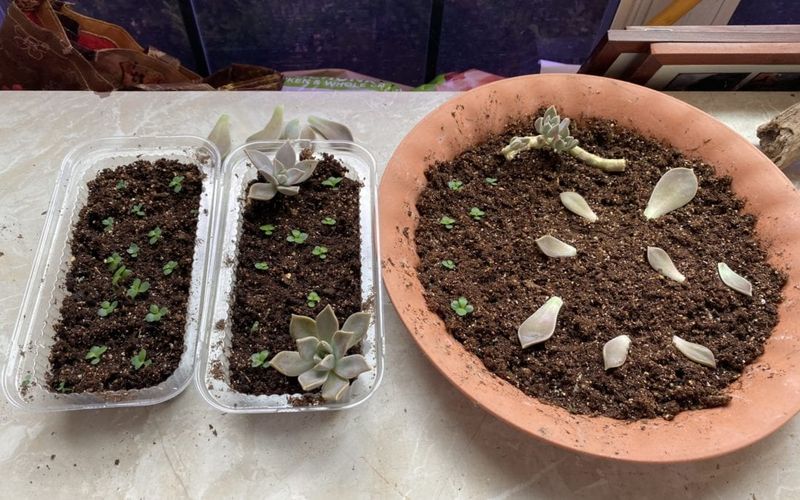
Leaves don’t want to be buried. They want to rest on top of loose, fast-draining soil where air can move around them.
Fill a shallow tray, pot, or even a clean takeout container with drainage holes. Use a bagged cactus and succulent mix, or stretch regular potting soil with perlite or coarse sand at roughly half and half.
Lay each callused leaf flat on the surface. Keep the cut end touching the soil or tucked very slightly against it. Some growers prop the tip up a bit so roots find the mix easily.
Leave a little space between leaves. Crowding traps moisture and makes it harder to spot trouble.
Heavy garden soil is a poor pick here. Much of North Carolina sits on dense red clay, which holds water like a sponge and stays soggy far too long.
A label on each tray helps more than you’d guess. Write the plant name and the date you set the leaves out. Months later, you’ll love knowing which tiny rosette came from which parent and how long it took.
5. A Sunny South Window or Grow Light Keeps Baby Rosettes Compact
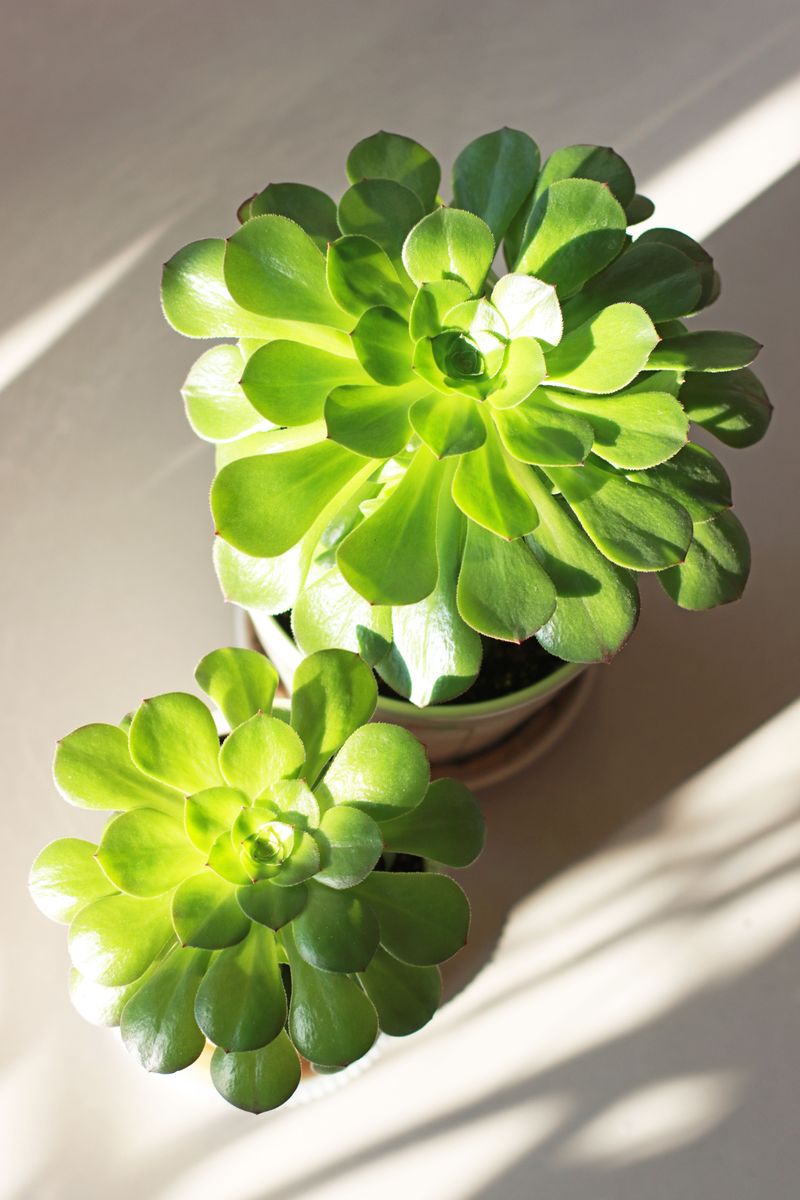
Light is the make-or-break piece of winter propagation. Short days mean your baby plants get far less sun than they would in May.
A south-facing window usually gives the brightest winter light in a North Carolina home. East or west windows can work, but growth may be slower.
Bright, indirect light suits fresh leaves best at first. Strong, direct afternoon rays can scorch them before roots form. Once tiny rosettes appear, they can handle more sun.
Pale, stretched babies are a sign they are reaching for light. If you see that, add an inexpensive LED grow light. Run it 12 to 14 hours a day and keep it several inches above the tray.
A simple outlet timer makes this easy. You won’t have to remember to flip the switch every morning.
Turn your tray every week or so. Plants lean toward the glass, and rotating keeps them growing straight and evenly shaped. That small habit pays off later when your young succulents look full and tidy instead of lopsided.
6. Cold Window Glass Can Chill Your Succulent Leaves Overnight
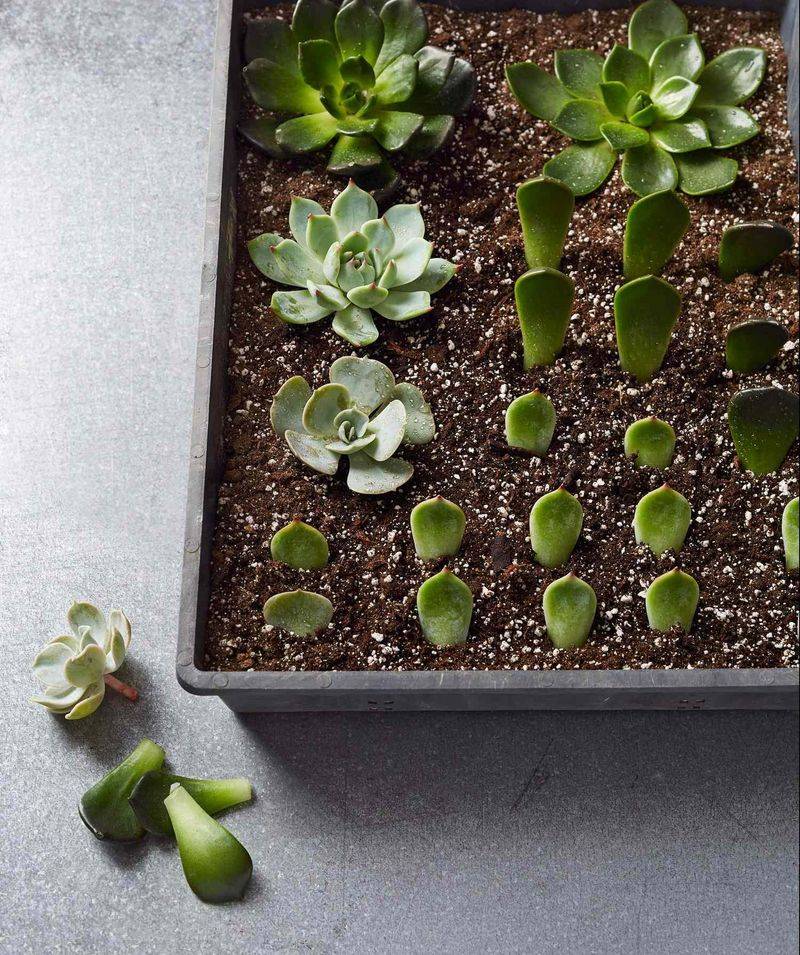
That bright windowsill has a sneaky downside. On frosty nights, the area right against the glass can run much colder than the rest of the room.
Winter lows across much of the state dip below freezing, especially in the mountains. The Piedmont and coast stay milder, yet frosty mornings still show up.
Rooting tends to go best when temperatures sit roughly between 60 and 75 degrees. Below that, leaves slow down and may sit for weeks without doing anything.
Keep trays a few inches away from the glass. Leaves that press against a cold pane can turn mushy or show damage.
Heat brings its own trouble. Avoid placing trays right above a heating vent or beside a space heater, since blasting warm air dries tender leaves too fast.
A cheap indoor thermometer on the sill tells you a lot. I was surprised how chilly my own window got at 5 a.m. If yours drops low overnight, slide the tray back toward the room at dusk and return it to the light each morning.
7. Hold Off on Watering Until Pink Roots Appear
Overwatering ruins more leaf cuttings than any other mistake. Fresh leaves are living off their own stored water, so they need very little help.
Leave the soil dry until roots show up. In winter, that may take two to four weeks or sometimes longer.
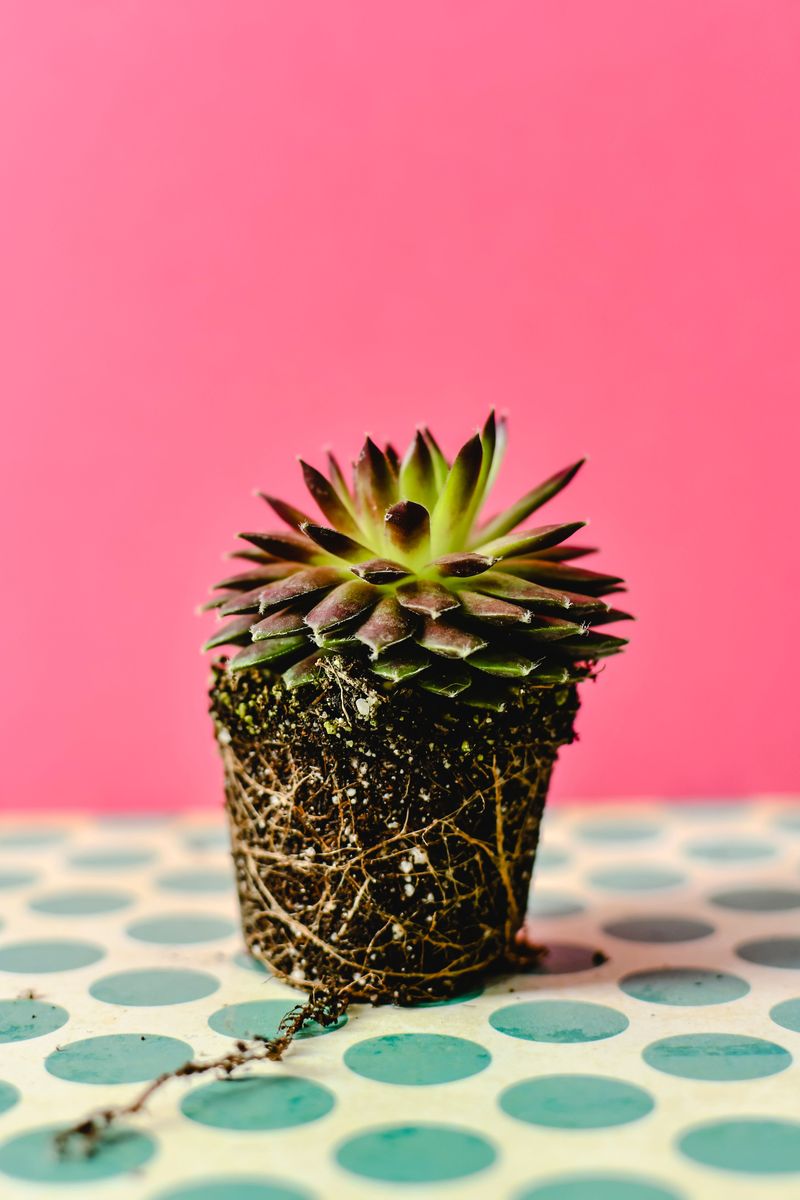
Those first roots are usually thin and pinkish red. They look a bit like tiny threads reaching toward the soil. Seeing them is your cue to start light watering.
Mist the soil surface or use a spoon to wet the mix around the roots every few days. The goal is barely damp, not wet. Let the top dry out between sprinkles.
Bare roots that wave in the air are fine. Gently tuck them against the soil or sprinkle a little mix over them. Watch for warning signs.
A leaf that turns translucent, black, or squishy has likely rotted and should be removed so the problem doesn’t spread. Wrinkling, on the other hand, often just means the leaf is passing its energy to the new plant, which is exactly what you want.
8. Baby Succulents Get Their Own Little Pots by Early Spring
Slow and steady wins the windowsill race. Winter babies often take two to three months to reach a size worth potting.
Wait until the mother leaf shrivels and the little rosette has a few sets of leaves plus a decent root clump. At that point, the original leaf usually pops off with a light touch.
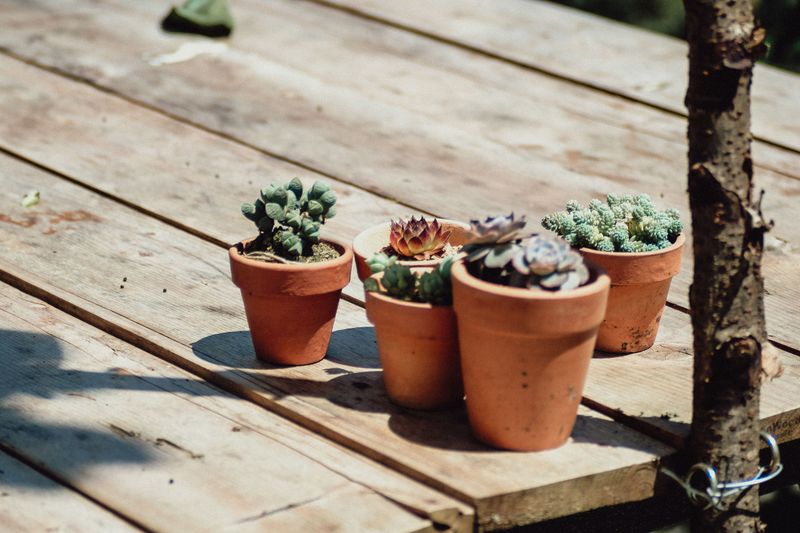
Plant each baby in a small pot, around two inches wide, with a drainage hole. Fill it with the same gritty cactus mix you used before. Terracotta works nicely because it breathes and dries quickly.
Water when the soil is fully dry. Young plants slowly shift toward a normal succulent schedule as they grow.
Once outdoor nights stay above about 50 degrees, usually in spring for most of the state, you can ease them outside. Start in shade for a week, then give them more sun bit by bit to prevent sunburn.
My favorite part comes now. A tray of homegrown babies makes wonderful gifts for friends, teachers, and neighbors. One plant can quietly turn into a whole windowsill collection, and next winter you can start the fun all over again.