The Meaning Behind Seeing Cardinals In Your Texas Yard
There you are, going about your morning, and then a flash of brilliant red lands on the fence and everything just stops for a second. That’s the cardinal effect, and if you’ve experienced it in your Texas yard, you already know exactly what that feels like.
These birds have a presence that is genuinely hard to ignore, and it’s no surprise that so many people across the state connect cardinal sightings with something deeper.
Love, comfort, hope, the feeling that someone you miss might be saying hello.
Those meanings are real and personal, and they’ve been passed down through generations for good reason.
But there’s also a very practical side to why cardinals keep showing up in certain yards and not others.
Your outdoor space might just be offering exactly what they’re looking for.
1. Love Or Comfort May Be The Personal Meaning
Few moments feel quite as quietly meaningful as watching a cardinal land just a few feet away while you are sitting on your Texas porch with a cup of coffee. For many people, that kind of close encounter carries a strong emotional weight.
Cardinals are often connected to feelings of love, comfort, or the sense that a late family member or friend is somehow close by.
This type of meaning is personal and cultural rather than something science has confirmed. Many traditions across the United States associate cardinals with messages of reassurance or spiritual connection.
While there is no biological evidence that birds carry messages, the emotional comfort people feel when they see one is completely real and valid.
In Texas, cardinals are common enough that many residents see them regularly, which may be part of why the connection feels so familiar.
If a cardinal keeps returning to your yard, it is most likely responding to food, cover, or a reliable habitat rather than delivering a message.
Still, whatever meaning you attach to the visit is yours to keep, and there is nothing wrong with letting a beautiful bird bring a little comfort to your day.
2. Bright Red Color Can Feel Like Hope Or Joy
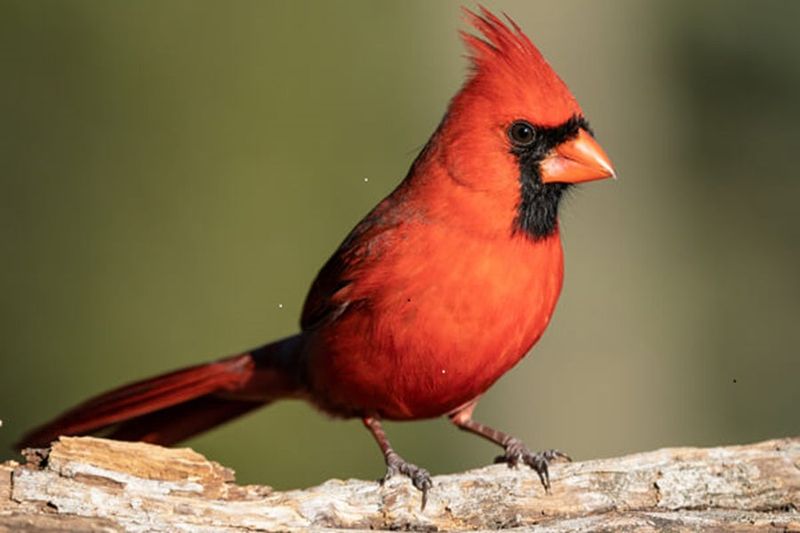
That flash of red against a gray winter sky or a dry Texas landscape can genuinely lift your mood. The male cardinal’s color is one of the most striking in the bird world, and it tends to catch the eye even from a distance.
Many people describe seeing that red as a small burst of joy during an otherwise ordinary or difficult day.
Culturally, bright red is often linked to energy, warmth, and vitality. When that color appears unexpectedly on a backyard feeder or fence line, it can feel like a hopeful sign.
These emotional responses are personal interpretations, but they are common enough that cardinals have become one of the most symbolically recognized birds in the United States.
From a practical standpoint, the male cardinal’s red color comes from pigments in the foods he eats, particularly carotenoids found in berries and fruit. Texas yards that offer native fruiting plants or berry-producing shrubs may naturally attract more vibrant males.
Your Texas Garden Changes Every Week. Your Plan Should Too.
Gardening in Texas changes quickly throughout the season. Every Friday you’ll receive a simple weekly plan showing exactly what to plant, prune, fertilize, harvest, and protect so you never miss the right timing.
So if you want to keep seeing that hopeful splash of red, planting natives like possumhaw holly or beautyberry can help support the birds while making your yard more colorful and wildlife-friendly throughout the year.
3. Your Yard May Offer Sunflower Seeds Or Fruit
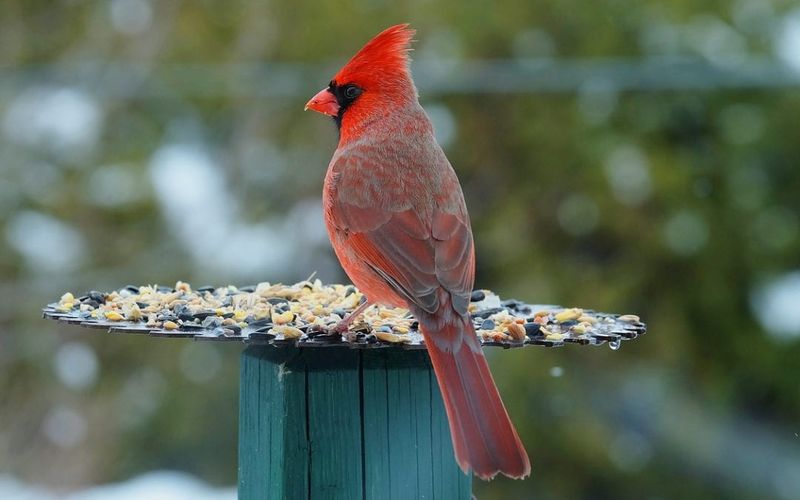
Sunflower seeds are one of the most reliable ways to bring cardinals to a Texas yard, and if you are seeing them regularly, your feeders or plants may already be doing the work.
Cardinals have strong, cone-shaped bills built for cracking open seeds, and black oil sunflower seeds rank among their top food choices.
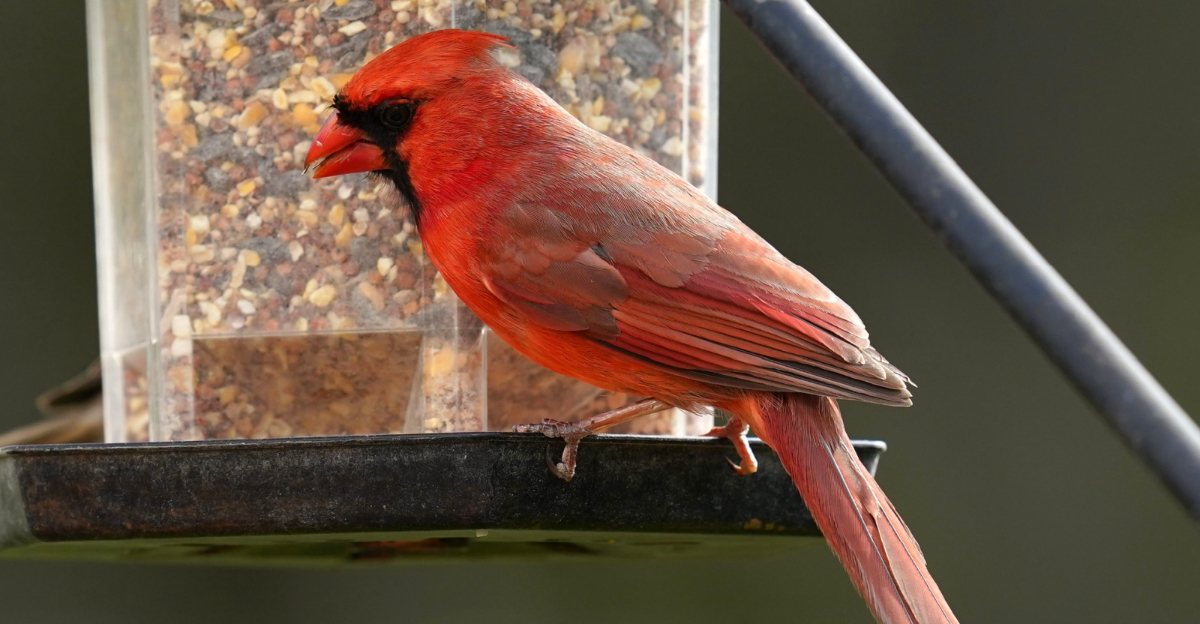
Platform feeders or hopper-style feeders tend to work well because cardinals prefer to perch while they eat rather than cling to narrow feeders.
Beyond seeds, cardinals also eat wild berries, small fruits, and insects when they are available. In Texas, native plants like yaupon holly, beautyberry, and eastern red cedar naturally produce fruit that cardinals find appealing throughout the year.
A yard that mixes seed feeders with fruiting natives offers a well-rounded food source that keeps birds coming back consistently.
Insects also make up a meaningful part of the cardinal’s diet, especially during nesting season when protein matters more. Reducing pesticide use in your yard can help protect the insect populations that cardinals and other birds depend on.
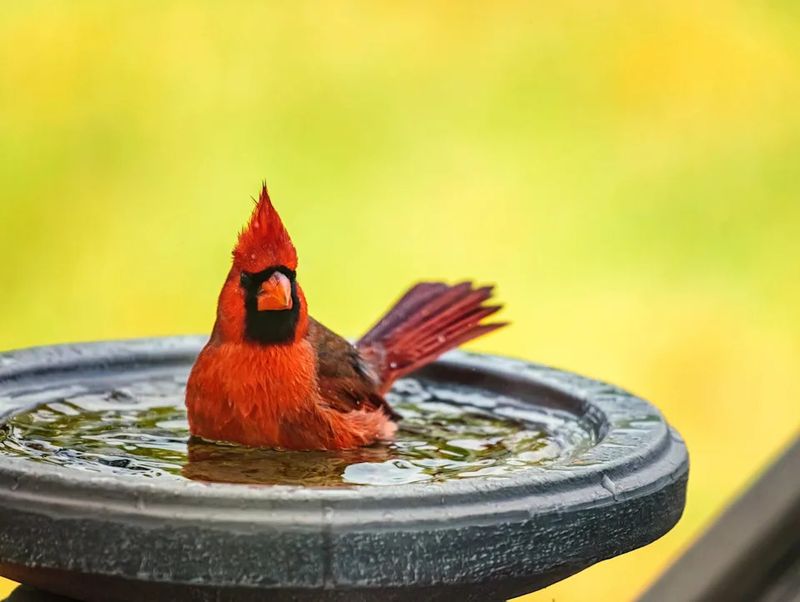
Offering a clean water source nearby rounds out the habitat and makes your Texas yard even more attractive to these colorful visitors season after season.
4. Dense Shrubs May Be Providing Shelter
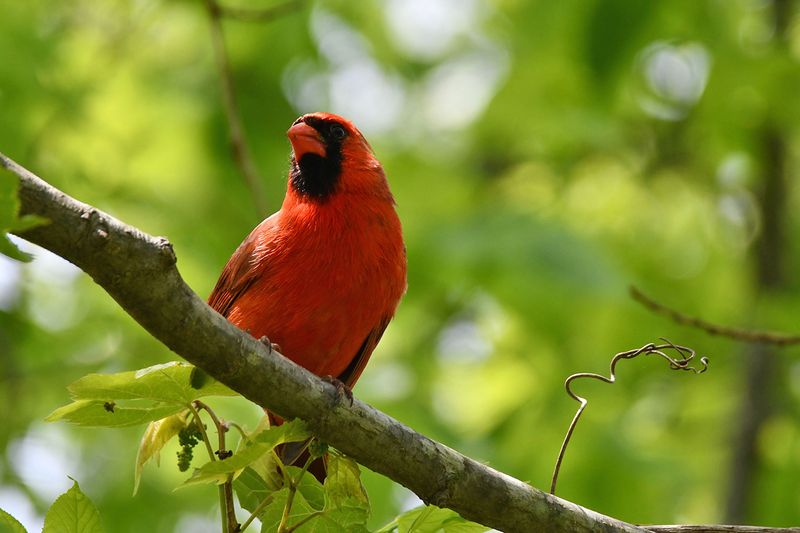
Cardinals are not open-field birds. They tend to stay close to thick cover, and a Texas yard with dense shrubs, hedgerows, or tangled plantings gives them exactly the kind of shelter they prefer.
If you have noticed cardinals hopping in and out of your shrubs, they may be using that cover for protection from predators, wind, or temperature swings.
In Texas, native shrubs like yaupon holly, American beautyberry, and native viburnums provide both shelter and food in one package.
Cardinals often roost in dense evergreen shrubs during colder months, huddling in the interior branches where wind cannot reach them as easily.
A yard that has a mix of shrub layers, from low groundcover up to mid-height dense plantings, tends to attract more birds overall.
If your yard feels a little bare or open, adding a few native shrubs along a fence line or property edge can make a noticeable difference.
Cardinals tend to move along edges rather than crossing wide open spaces, so planting shrubs in connected rows or clusters helps them feel safer while moving through your yard.
Shelter is one of the most practical reasons a cardinal may be visiting, even if the visit feels meaningful on a personal level.
5. A Nearby Nesting Spot May Be Drawing Them In
Watching a cardinal carry nesting material through your Texas yard is one of the more rewarding signs that your outdoor space is genuinely bird-friendly.
Cardinals typically nest in dense shrubs or small trees, building cup-shaped nests from twigs, bark strips, grass, and leaves.
The female does most of the nest building, and she tends to choose spots that offer thick cover close to a reliable food source.
In Texas, cardinals may raise more than one brood per year, so nesting activity can show up at different times from spring through late summer.
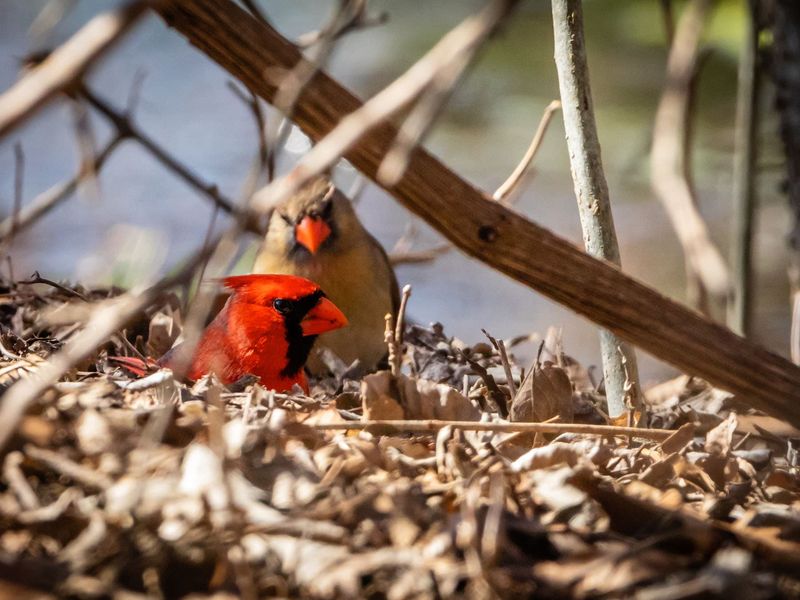
If you are seeing a pair of cardinals visiting your yard frequently and one seems to be gathering material or staying low in your shrubs, there is a reasonable chance nesting is underway nearby.
Supporting nesting cardinals does not require birdhouses since they are cavity nesters by preference rather than open-cup nesters.
Instead, leaving dense native shrubs in place, avoiding heavy pruning during nesting season, and reducing disturbance near active shrub areas gives them the best chance.
A yard that holds both food and nesting cover becomes a consistent destination for cardinals across multiple seasons, which may explain why some homeowners see them year after year in the same spots.
6. Their Song May Signal Territory Or Pair Bonding
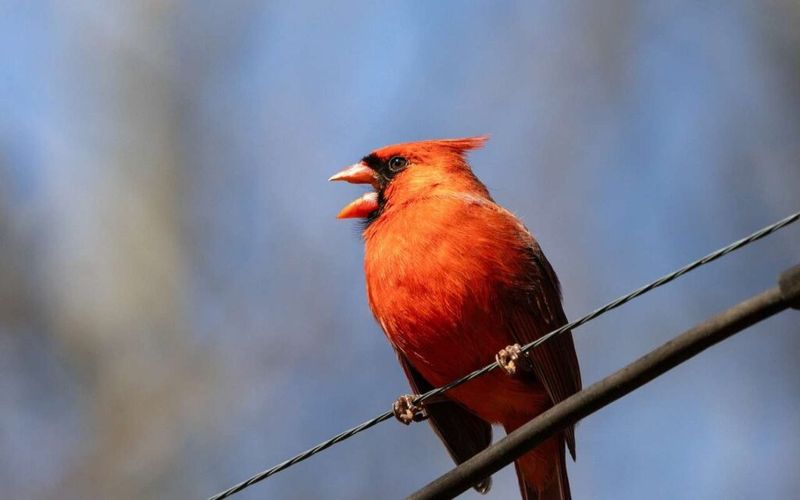
That clear, whistling song coming from the top of a small tree or fence post in your Texas yard is not just pleasant background music. Cardinals use their songs to communicate in specific and purposeful ways.
Males sing to establish and defend territory, letting other males know that a particular yard, shrub cluster, or feeding area is already claimed.
Both male and female cardinals sing, which is somewhat unusual among North American songbirds. Females sometimes sing from the nest, and paired birds occasionally engage in song exchanges that researchers associate with pair bonding and coordination.
If you hear two cardinals calling back and forth in your yard, you may be witnessing that kind of communication rather than a random performance.
Cardinals in Texas can begin singing early in the year, sometimes as early as late winter when longer days trigger hormonal changes that prepare them for breeding season.
Hearing a cardinal song in January or February in a Texas yard is not unusual.
If you want to attract singing cardinals, offering a yard with elevated perches like small native trees, fence posts, or tall shrubs gives them the kind of visible singing spots they tend to prefer when announcing their presence to other birds in the area.
7. A Pair Of Cardinals May Reflect Normal Mated Behavior
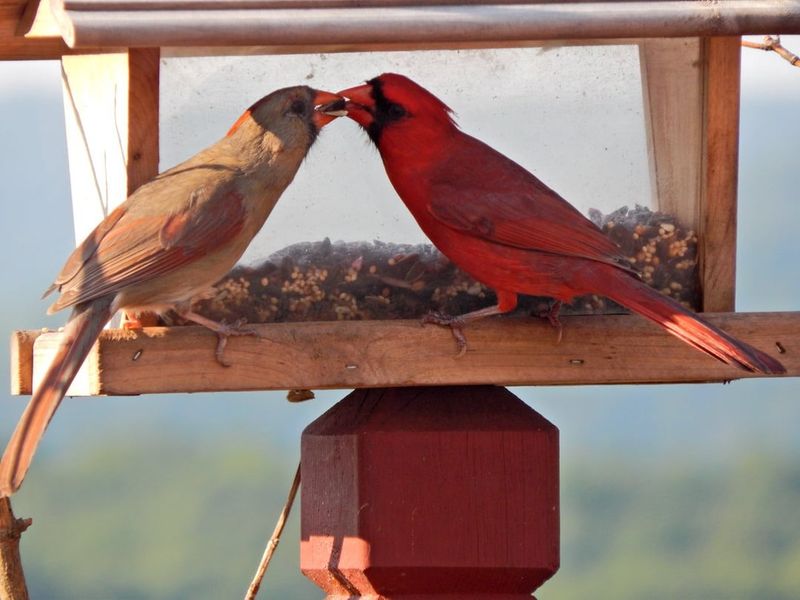
Seeing two cardinals together in a Texas yard, one bright red and one warm brownish-red with colored accents, is a fairly common sight during much of the year.
Cardinals form monogamous pairs during the breeding season, and mated pairs often stay within the same general territory.
Spotting them together at a feeder or in a shrub usually reflects normal paired behavior rather than anything unusual.
Male cardinals sometimes feed females during courtship in a behavior called mate-feeding, where the male passes a seed directly to the female beak to beak. This behavior strengthens the pair bond and is occasionally visible at backyard feeders in Texas.
It is one of those small moments that can feel surprisingly tender to watch.
After the breeding season, cardinals may form loose flocks with other cardinals and mixed bird species, especially during fall and winter.
You might see several cardinals at once during those months, which can feel like an unexpected treat.
A yard that consistently offers seeds, shelter, and water tends to attract not just individual birds but small groups, particularly in cooler months when food sources become more competitive and birds benefit from foraging together in familiar, reliable spaces.
8. Native Plants May Be Making The Yard More Useful
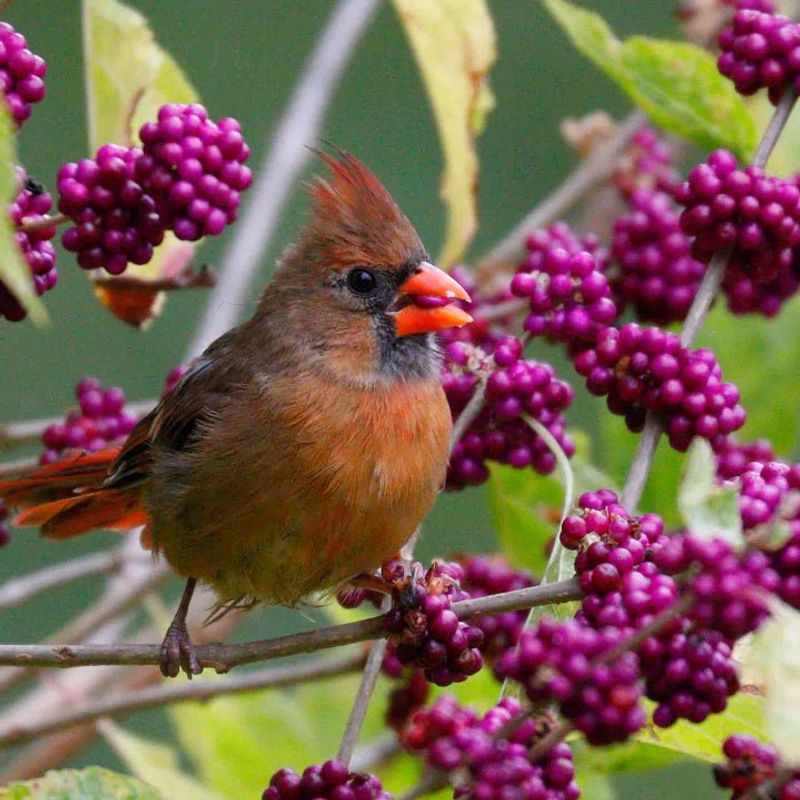
A yard planted with Texas natives quietly becomes one of the most useful spaces a cardinal can find. Native plants tend to produce the seeds, berries, and insects that local wildlife already recognizes and depends on.
Cardinals in Texas are well adapted to foraging on native fruiting shrubs, and a yard that includes those plants offers a natural food source that requires very little maintenance once established.
Plants like possumhaw holly, American beautyberry, native sunflowers, and eastern red cedar provide food and cover throughout different seasons. Possumhaw holly holds its berries through winter, giving birds a reliable source when other food is scarce.
Beautyberry produces striking purple fruit in late summer and fall that cardinals and other species readily eat.
Beyond food, native plants support the insect communities that cardinals depend on during nesting season. Caterpillars and other invertebrates that feed on native foliage become important protein sources for adult birds and nestlings alike.
Replacing even a portion of a traditional Texas lawn or ornamental planting with native shrubs, grasses, or flowering perennials can meaningfully increase the habitat value of your yard.
Cardinals may begin visiting more consistently once the plants are established and producing, making native plantings one of the most practical long-term investments for a bird-friendly Texas yard.
9. Bird Feeders May Be Encouraging Repeat Visits
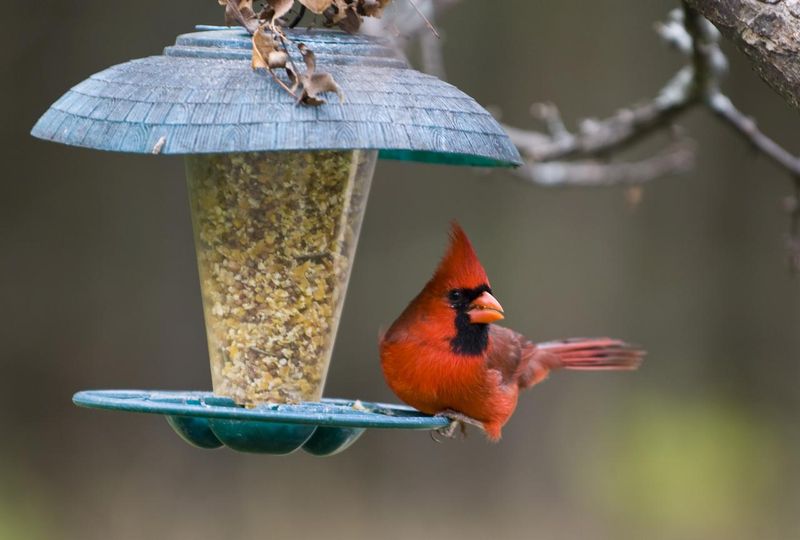
A well-placed bird feeder can turn an occasional cardinal sighting into a regular one. Cardinals tend to be creatures of habit, and once they find a reliable food source in a Texas yard, they often return to it on a consistent schedule.
Many Texas backyard birders report seeing cardinals at the same feeder at roughly the same time each morning and evening.
Platform feeders and hopper feeders work particularly well for cardinals because they provide a stable surface with enough room for the bird to perch comfortably while eating.
Tube feeders with small perches can be harder for cardinals to use since they prefer a more open feeding surface.
Filling feeders with black oil sunflower seeds, safflower seeds, or a quality mixed seed blend gives them the food they are most drawn to.
Keeping feeders clean and consistently stocked matters more than most people realize. Wet or moldy seed can be harmful to birds, so checking feeders after rain and refreshing seed regularly helps keep the space safe and appealing.
Placing feeders near shrubs or trees gives cardinals a quick escape route if a predator approaches, which makes them feel more comfortable staying longer.
A feeder set up with those details in mind can become a reliable gathering spot for cardinals in your Texas yard across every season.
10. A Cardinal Visit May Be Common In Texas
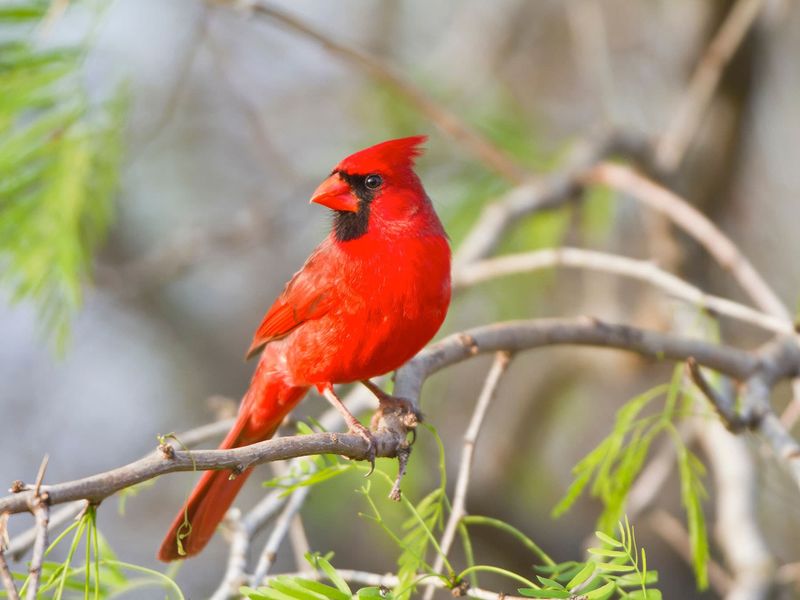
One of the most grounding things to know about cardinal sightings in Texas is that they are genuinely common.
The Northern Cardinal is a year-round resident across most of the state, meaning it does not migrate and stays in the same general area throughout all four seasons.
Texas offers the warm climate, native vegetation, and open woodland edges that cardinals tend to prefer, which is part of why they are so widespread here.
From the piney woods of East Texas to the Hill Country and the suburbs of major cities, cardinals show up in a wide range of Texas landscapes.
They adapt reasonably well to suburban and urban yards as long as those spaces offer food, water, and some form of dense cover.
A yard that meets those basic needs has a realistic chance of hosting cardinals on a regular basis.
Knowing that cardinal visits are common in Texas does not make them any less meaningful on a personal level. Many people find that understanding the practical reasons behind a visit adds to rather than takes away from the experience.
Whether you see the bird as a symbol of something personal or simply enjoy it as a beautiful piece of Texas wildlife, the cardinal has earned its place as one of the most recognized and appreciated backyard birds in the state.