The One Thing North Carolina Snapdragons Need In October To Keep Blooming
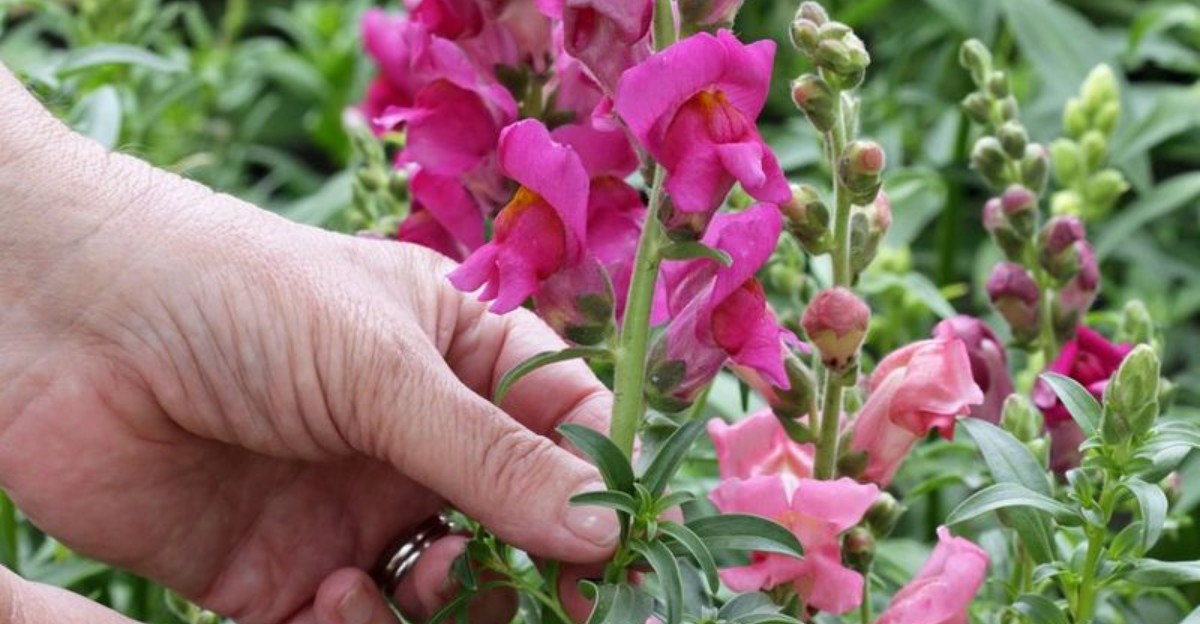
Snapdragons have a reputation for pushing through cooler weather better than most flowering annuals, but one specific need in October determines whether that resilience actually translates into continued blooms.
As temperatures drop and daylight hours shorten, the plant’s priorities shift in ways that change what it requires to keep producing flowers rather than simply surviving.
Overlooking this adjustment can mean a snapdragon that stops blooming weeks earlier than it’s actually capable of, even though the plant itself looks perfectly healthy.
Because snapdragons are more cold-tolerant than people assume, meeting this one need often extends their colorful display well past when most other annuals have already given out.
Getting this right in October can mean weeks of extra blooms from a plant many gardeners write off too soon.
1. Regular Removal Of Spent Flower Spikes
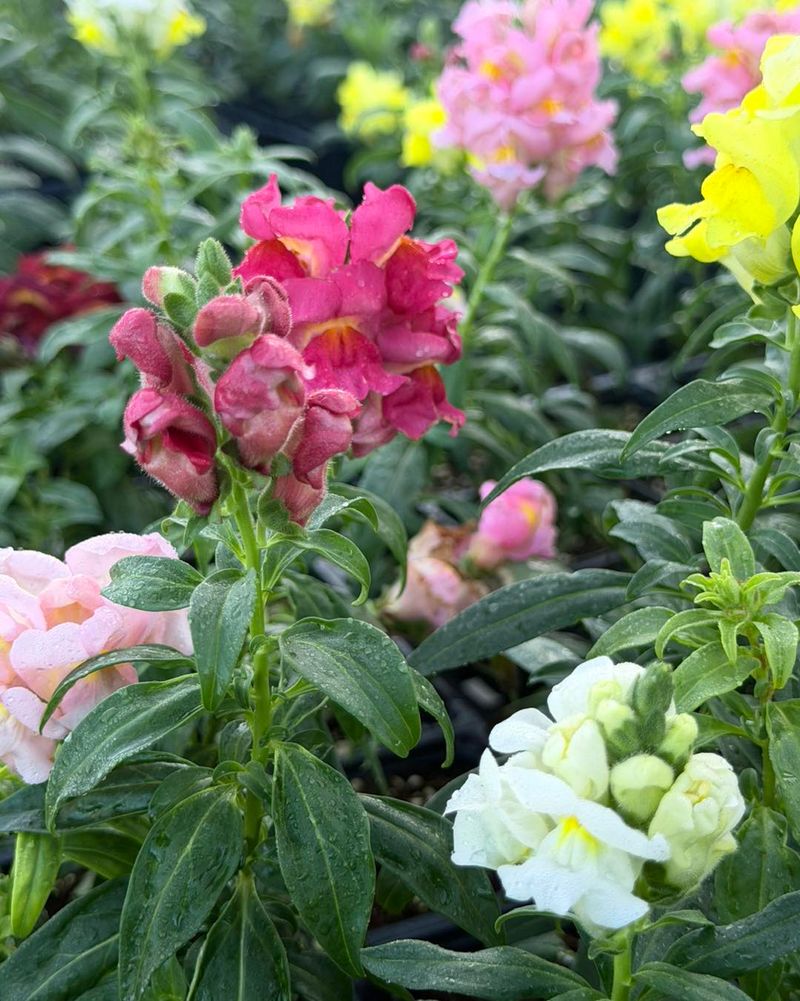
Ask any seasoned North Carolina gardener about snapdragons, and you will hear the same advice. Keep cutting off the old flowers. Gardeners call it deadheading, and it is the single most helpful thing you can do in October.
Every snapdragon has one big goal, and that goal is making seeds. Once a flower spike finishes blooming, the plant starts pouring its energy into little green seed pods.
When you snip that faded spike away, the plant gets a second chance, so it sends that energy into new side shoots that carry fresh blooms.
The routine is easy to fit into your week. Walk through your garden every few days and look closely at each spike. When most of the flowers on a spike have faded and small, round seed pods begin to swell near the bottom, it is time to cut.
A quick trick helps you spot the right moment. Look at the lowest flowers first, since snapdragons open from the bottom up. If the bottom blooms look papery and the top ones are fading too, that spike has done its job.
North Carolina gives snapdragons a real advantage here. Plants set out in late summer or early fall enjoy mild days and cool nights, which is exactly the weather they love.
With steady deadheading, many gardens across the state stay bright with snapdragon color through much of autumn.
Think of each cut as a small promise of more flowers to come. A few minutes with your pruners now can mean weeks of extra blooms, plus a tidier garden that looks cared for every time you step outside.
2. Cut Just Above A Healthy Set Of Leaves
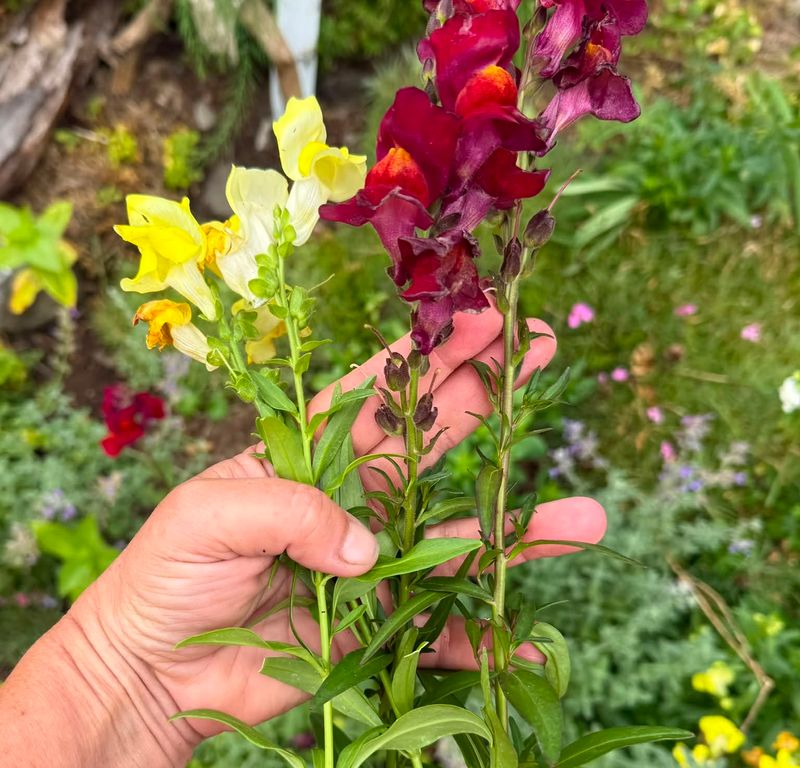
Where you snip matters just as much as when you snip. A cut in the wrong spot can leave a bare stick that does nothing for weeks. A cut in the right spot can bring new flowers back surprisingly fast.
Here is how snapdragons work. Along the stem, leaves grow in pairs, and the spot where each leaf meets the stem is called a leaf joint. Tiny buds wait in those joints, ready to grow into new flowering side shoots once the old spike is gone.
Your North Carolina Garden Changes Every Week. Your Plan Should Too.
Gardening in North Carolina changes quickly throughout the season. Every Friday you’ll receive a simple weekly plan showing exactly what to plant, prune, fertilize, harvest, and protect so you never miss the right timing.
So trace the faded spike down with your eyes. Find the first healthy pair of leaves or a small shoot that is already peeking out. Make your cut just above that point, leaving about a quarter inch of stem.
Good tools make the job easier and safer for the plant. Use clean, sharp pruners or garden scissors so the cut is smooth instead of crushed. Wiping the blades with rubbing alcohol between plants is a simple habit that helps keep germs from spreading.
One mistake to skip is cutting deep into bare stem that has no leaves at all. Without leaf joints, the plant has no buds to push out, so that stem may just sit there. Stay close to the green and your snapdragons will thank you.
North Carolina fall weather is a real helper here. Mild October days let clean cuts heal quickly, and new shoots often appear within a few weeks. Before you know it, fresh spikes in pink, gold, or deep red are rising right where you trimmed.
3. Pinch Young Plants For More Flower Spikes

Sometimes the best way to get more flowers is to remove a little growth first. It sounds backward, but pinching young snapdragons is one of the oldest tricks in the flower garden.
Cut flower growers have used it for generations to fill their buckets with extra stems. A young snapdragon naturally wants to grow one tall main stem. When you remove the growing tip, the plant responds by sending out several branches instead.
Each of those branches can make its own flower spike, so one plant turns into a full, bushy bouquet.
Timing makes pinching work. Wait until your transplants are a few inches tall and have several sets of leaves. Then use your fingertips or small scissors to remove the top of the stem just above a pair of leaves.
You might feel nervous the first time, and that is normal. The plant bounces back quickly, and within a week or two you should see tiny new shoots forming along the stem. Those little shoots are your future flowers.
There is one exception to keep in mind. If a plant is already showing flower buds and you want color right away, skip the pinch. You will get blooms sooner, though the plant may stay a bit slimmer.
Fall planting in North Carolina gives pinched plants plenty of time to fill out. Warm soil and cool air help roots and branches grow before the chilly weeks slow things down.
Come spring, those well-branched plants often put on the biggest show in the whole garden.
4. Give Them As Much Sun As Possible
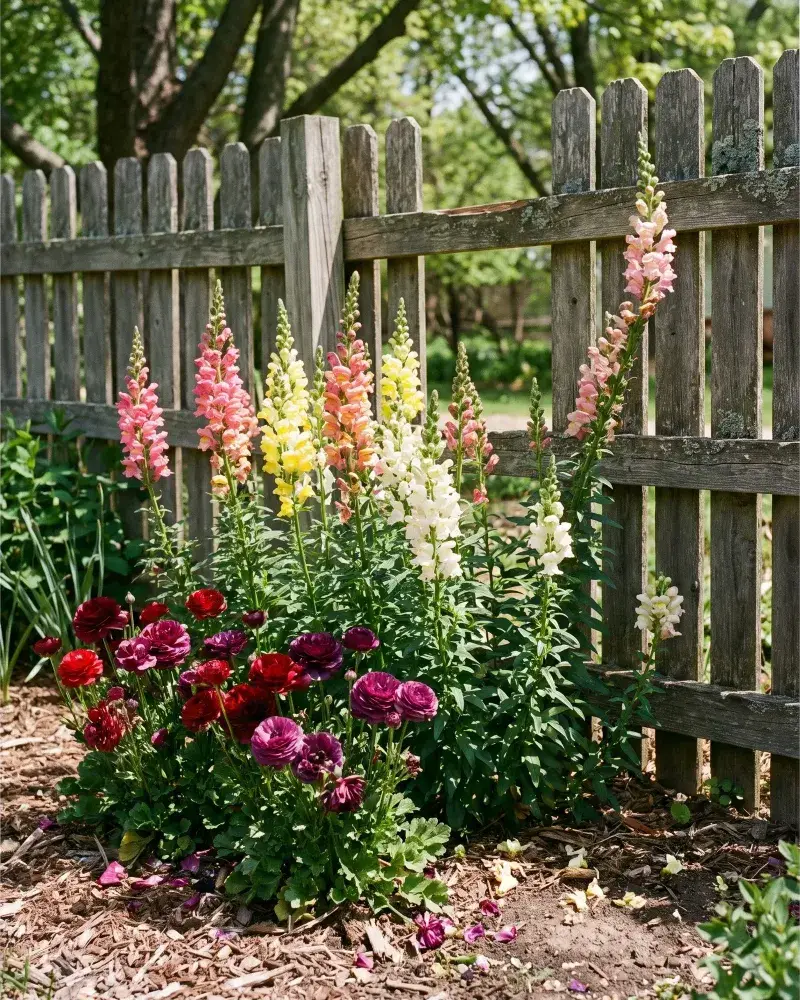
Sunlight is the fuel behind every snapdragon spike. The more light a plant soaks up, the more energy it has for flowers. In October, that fuel supply starts to shrink.
Days grow noticeably shorter as fall moves along. Snapdragons in a sunny spot handle the change well, but plants in partial shade often slow down. They may stretch toward the light, grow tall and floppy, and produce fewer and smaller blooms.
Aim for at least six hours of direct sun each day. More is even better during fall. If you are unsure how much light a spot gets, check it a few times on a clear day and note when shadows move in.
Small changes can open up a lot of light. Pull back overgrown summer plants, like tired zinnias or sprawling basil, that lean over your snapdragons. Rake away fallen leaves that pile up around the base too, since they block light and trap dampness.
Container gardeners have a special advantage. You can simply pick up your pots and move them to the brightest corner of the patio or porch. A south-facing spot usually catches the most fall sunshine.
North Carolina gardeners often notice a surprise this time of year. The sun sits lower in the sky, so a bed that was bright in July can land in tree shade by October.
Take a fresh look at your garden now, because the light has changed, and your snapdragons will bloom best where the sunshine still reaches them.
5. Keep The Soil Evenly Moist
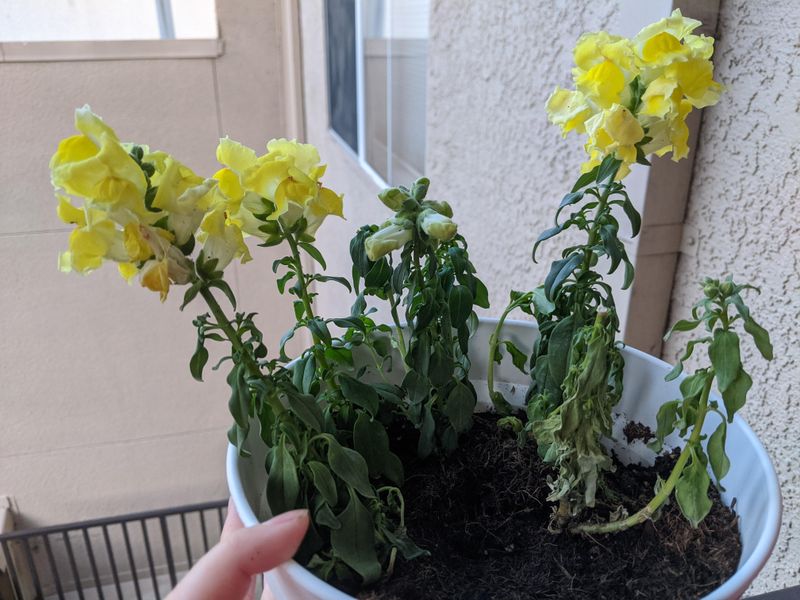
October in North Carolina often brings clear blue skies and very little rain. That lovely weather feels perfect for us, but it can leave snapdragons thirsty. In fact, October is often one of the driest months of the year across much of the state.
Snapdragons like a steady middle ground. When the soil gets too dry, the plants feel stressed and stop making new flower spikes. When the soil stays soggy, roots can rot, so the goal is moisture that stays even and never extreme.
The finger test is your best friend. Push a finger into the soil about an inch deep near the plant. If it feels dry, grab the hose or watering can and give the plant a deep, slow drink at its base.
Morning is the best time to water. Any splashes on the leaves have all day to dry in the sun, which helps keep leaf diseases away. Evening watering, on the other hand, leaves plants damp overnight.
Mulch works like a cozy blanket for the soil. Spread 1 to 2 inches of pine straw or shredded bark around your plants, keeping it a little away from the stems. It holds moisture, cuts down on weeds, and keeps soil temperatures steady.
Pine straw is a classic choice in North Carolina, and it is easy to find in most garden centers. With a light layer of mulch and a quick soil check every few days, your snapdragons can keep blooming happily even through a long dry spell.
6. Feed Lightly Through Fall

Blooming takes a lot of work for a plant. Every new spike uses up nutrients from the soil, and a busy snapdragon can run low over time. A light snack now and then keeps it going strong.
More food is not always better, though. Too much nitrogen, the nutrient that pushes green growth, makes snapdragons grow big leafy stems with fewer flowers. You end up with a lush plant that forgets its main job.
You have two easy options. The first is mixing a balanced slow-release fertilizer into the soil at planting time, which feeds plants gently for weeks. The second is using a diluted liquid fertilizer every few weeks during fall.
Whichever you choose, follow the label directions closely. Those rates are there for a reason, and extra fertilizer can burn roots or waste money. If the label gives a range, starting at the lower end is a smart move for fall.
As winter gets closer, ease off on feeding. Plants slow down in cold weather and cannot use much fertilizer then. Heavy feeding late in the season can push soft growth that cold snaps easily damage.
North Carolina snapdragons have a long season ahead of them. They grow through fall, rest a bit in winter, and pick up again in spring.
That is why steady, gentle feeding beats one big dose, since it matches the plant’s natural rhythm and keeps flowers coming without overloading the soil.
7. Watch For Rust And Gray Mold
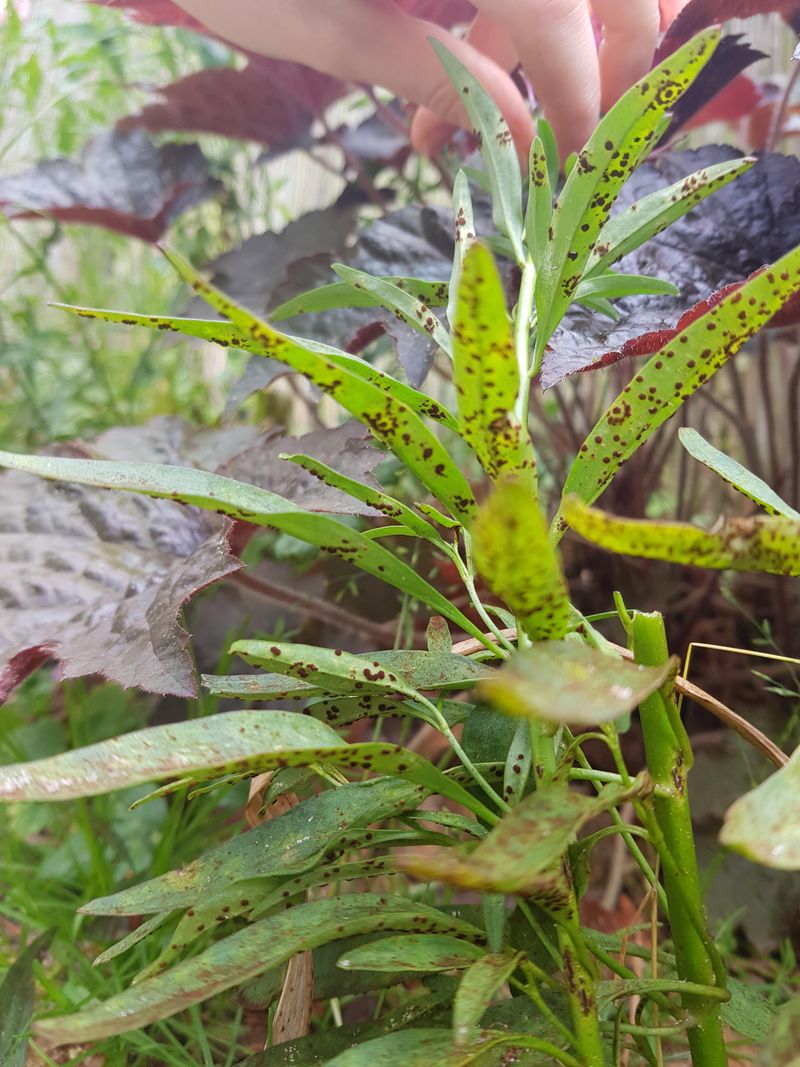
Heavy morning dew sparkles beautifully on a fall garden. Unfortunately, fungal diseases love that dampness as much as we love the view. Two troublemakers in particular can stop snapdragon blooms in their tracks.
The first is snapdragon rust. Flip a leaf over and look for small reddish brown bumps, called pustules, on the underside. Leaves may turn yellow and drop, and the weakened plant puts out fewer flowers.
Gray mold is the second problem. It turns flowers and stems brown and mushy, often topped with fuzzy gray growth. Faded blooms left on the plant are a favorite starting point for this fungus.
Prevention is far easier than fixing a sick plant. Give each snapdragon enough room so air can move freely between plants, usually about 8 to 12 inches apart. Water at the soil line instead of over the leaves, so foliage stays as dry as possible.
Quick cleanup matters too. Remove any spotted leaves and spent flowers as soon as you notice them, and bag them up rather than tossing them in the compost. Rake away fallen petals and leaves around the base, since spores can hide there.
North Carolina’s fall weather sets the stage for both diseases. Humid days, cool nights, and long hours of leaf wetness give fungi a big head start. A quick peek under a few leaves each time you deadhead helps you catch problems early, while the fix is still simple.
8. Expect A Winter Pause And A Spring Comeback
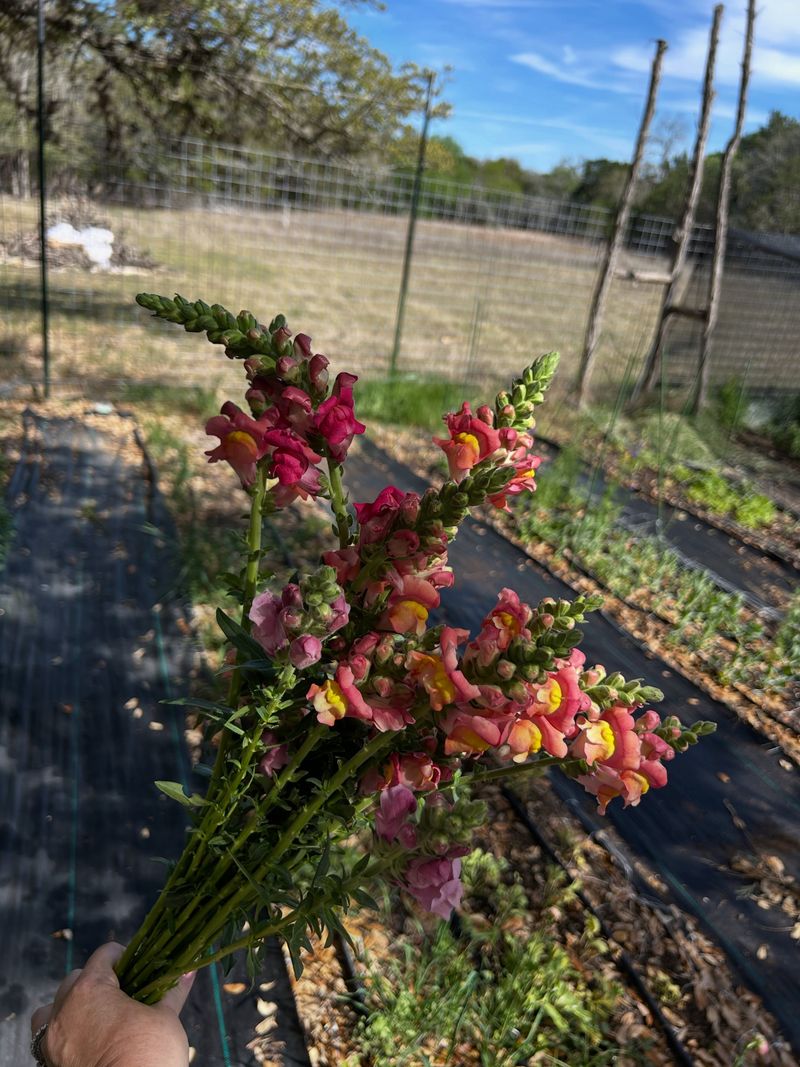
Many flowers bow out when the first frost arrives, but snapdragons play a longer game. These tough cool season plants can handle light freezes. That toughness gives North Carolina gardeners a real bonus.
As winter settles in, you will likely see blooming slow down or stop during the coldest weeks. That is completely normal. The plant is simply resting, keeping its roots and leaves alive while it waits for warmer days.
Keep up your deadheading as long as flowers keep appearing. Once blooms stop, spread a light layer of mulch around the base to protect the roots from hard cold. Pine straw or shredded leaves work well and are easy to pull back later.
Then comes the exciting part. As days lengthen in late winter, fresh green growth appears. Start regular care again with watering, light feeding, and snipping spent spikes, and your plants may reward you with their heaviest flowering of the year.
Where you live in the state makes a difference. Snapdragons often come through winter nicely in the Coastal Plain and Piedmont, where cold snaps are usually short.
In the Mountains, colder temperatures make survival less reliable, so a thicker mulch layer or a sheltered spot can help.
Spring-blooming snapdragons that grew roots all winter often look stronger than anything planted fresh in March. That is the quiet magic of fall planting. The care you give in October pays you back twice, once with autumn color and again with a bold spring show.