The One Thing North Carolina Soil Needs In October To Keep Winter Weeds Out Of Your Yard
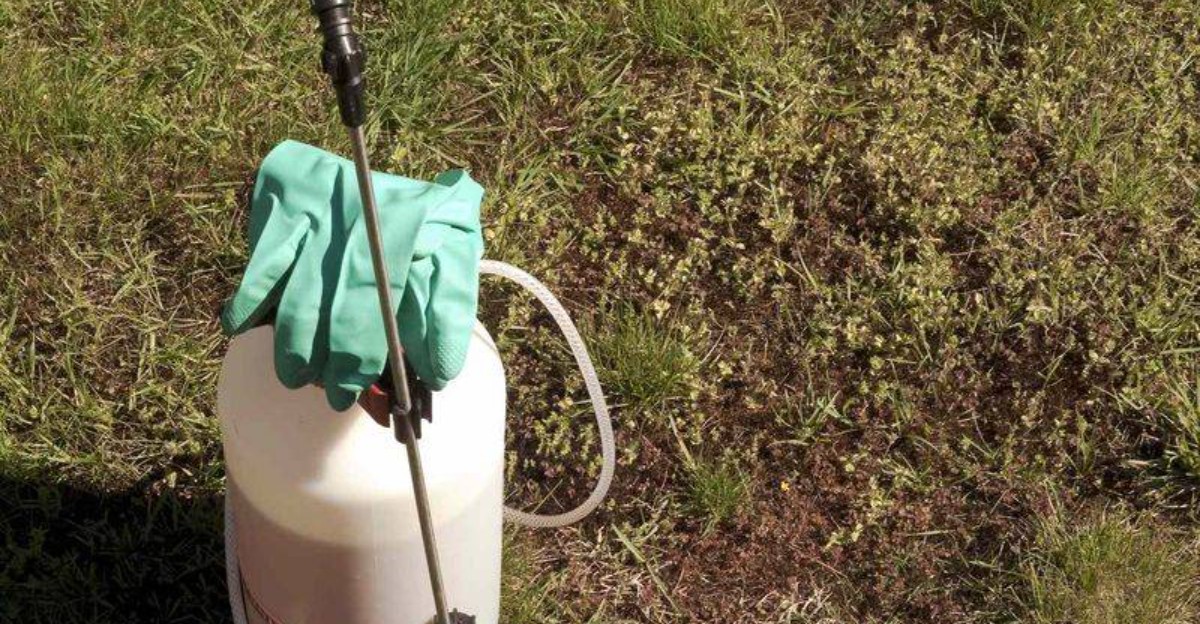
Winter weeds get their start far earlier than most North Carolina homeowners realize, often germinating in October while lawns and garden beds still look deceptively quiet and weed-free.
One specific soil treatment applied during this window can interrupt the germination process before these weeds ever have a chance to establish visible growth.
Missing this timing means dealing with an established weed population that’s significantly harder and more time-consuming to manage once late winter and early spring arrive.
Because this treatment works by targeting seeds before they sprout rather than destroying existing plants, timing matters more than almost any other factor in how effective it ultimately proves to be.
Getting this step right in October can mean the difference between a clean, weed-free yard next spring and months of frustrating cleanup instead.
1. A Pre-Emergent Barrier Before Winter Weeds Sprout
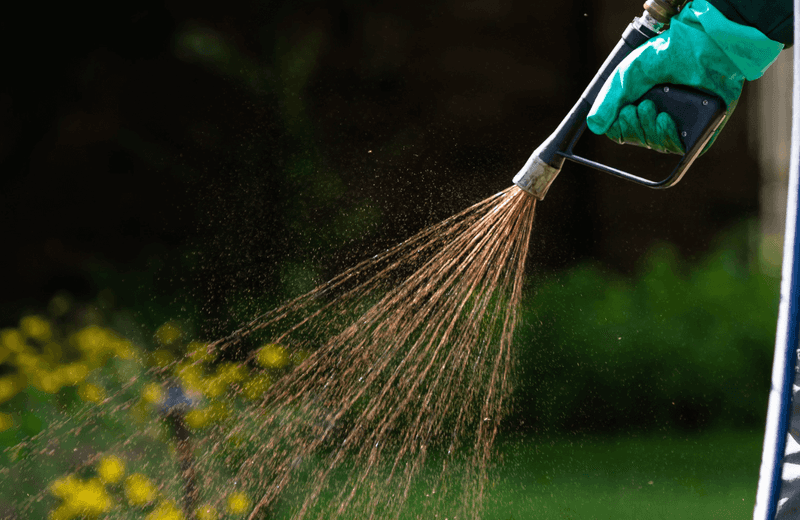
Think of it as a shield you can’t see. A pre-emergent herbicide is the one thing your soil needs in October, and it works quietly in the top layer of dirt where weed seeds are getting ready to grow.
Once applied, the product forms a thin barrier near the surface. When a seed starts to sprout, its tiny root and shoot run into that treated zone and simply can’t develop.
The weed never gets a foothold, so you never have to pull it, spray it, or stare at it all winter. Getting started is pretty simple. First, pick a product labeled for your lawn type, whether you grow bermudagrass, zoysia, centipede, St. Augustine, or tall fescue.
Next, check that the label lists the weeds you want to stop, since each product controls a slightly different group.
Spread it evenly at the rate printed on the bag. A broadcast spreader makes this easy on lawns, and walking in overlapping passes helps you avoid bare strips. More is not better here, because extra product can stress your grass and waste money.
Don’t forget your landscape beds, either. Many winter weeds love the open soil around shrubs and perennials, so choose a product labeled for ornamental beds and treat those spots too.
Here in North Carolina, winter annual weeds sprout in fall, grow slowly through the cold months, and then burst into flowers and seed heads by early spring. Stopping them at the starting line means you skip that messy spring surprise entirely.
2. The Winter Weeds It Stops
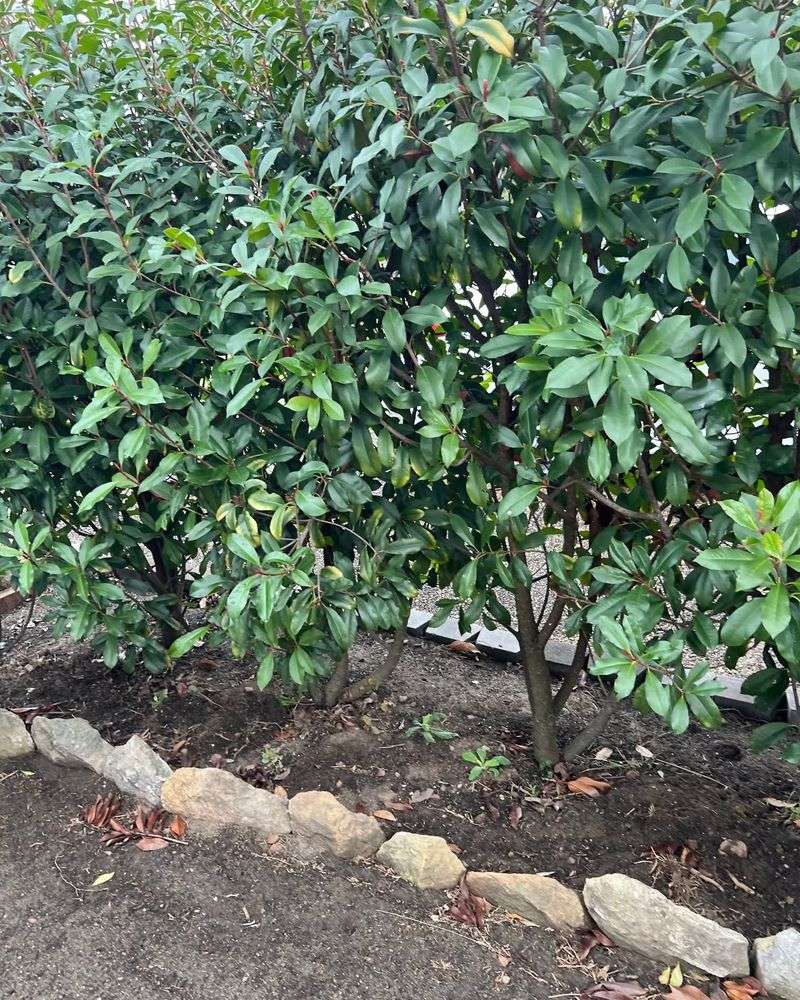
Ever notice purple fuzz spreading across a brown lawn in March? That’s the work of winter annual weeds, and North Carolina has plenty of them.
These sneaky plants sprout as the soil cools in fall. They stay low and green all winter, then flower and drop thousands of seeds in spring. Each year you skip prevention, the seed supply in your soil grows bigger.
Henbit is one of the easiest to spot. It has square stems, scalloped rounded leaves that hug the stem, and small pink to purple tube-shaped flowers.
Purple deadnettle looks similar, but its upper leaves are pointed, tinted purple, and stacked like a little pagoda.
Your North Carolina Garden Changes Every Week. Your Plan Should Too.
Gardening in North Carolina changes quickly throughout the season. Every Friday you’ll receive a simple weekly plan showing exactly what to plant, prune, fertilize, harvest, and protect so you never miss the right timing.
Common chickweed forms soft mats of small, smooth, oval leaves with tiny white star-shaped flowers. Annual bluegrass, often called Poa annua, is a light green grass that sends up whitish seed heads, even when mowed short.
Hairy bittercress grows in a flat rosette of small, rounded leaflets. It sends up thin stems with tiny white flowers, then seed pods that snap open and fling seeds several feet when touched.
Corn speedwell is low and creeping, with small toothed leaves and tiny blue flowers. Many North Carolina homes, especially in the Coastal Plain and Sandhills, have warm season grass like bermudagrass or zoysia, which turns tan in winter.
Against that brown backdrop, bright green weeds stand out like confetti on a carpet. A fall barrier keeps your dormant lawn looking tidy instead of spotted and patchy.
3. Timing Makes Or Breaks The Results
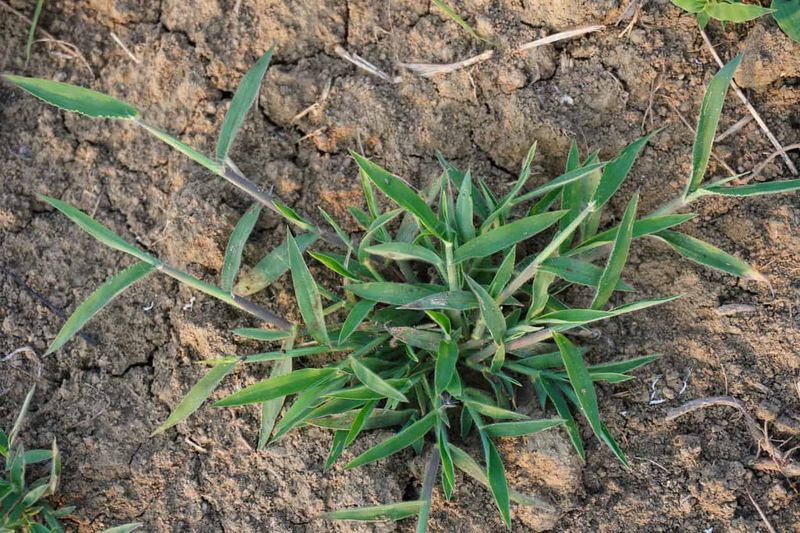
Miss the window by a few weeks, and even the best product loses its punch. Pre-emergents only work on seeds that haven’t sprouted yet, so a late application lets many weeds slip through and settle in.
The magic number is soil temperature, not the calendar. Winter weeds start waking up when the soil at a 4-inch depth drops to about 70 degrees.
A cheap soil thermometer from the garden center tells you exactly when that happens in your yard.
North Carolina is a long state with big changes in elevation, so timing shifts depending on where you live. The Mountains cool off first, often by early to mid September.
In the Piedmont, the sweet spot usually runs from September into early October. Down in the Coastal Plain, warm soil hangs on longer. Late September through October is often the right time there.
Your county Extension office also shares soil temperature data online, which takes the guesswork out.
What if you’re running a little behind? An October application still helps, even in cooler areas where some weeds have already popped up.
Many winter weeds keep sprouting in waves through fall, so a late barrier still blocks those later arrivals.
Mark your calendar now for next year, and set a reminder to check soil temperatures in early September. A few minutes of planning can save you hours of pulling henbit on your knees in spring. Good timing turns a decent result into a great one.
4. Water It In To Activate The Barrier
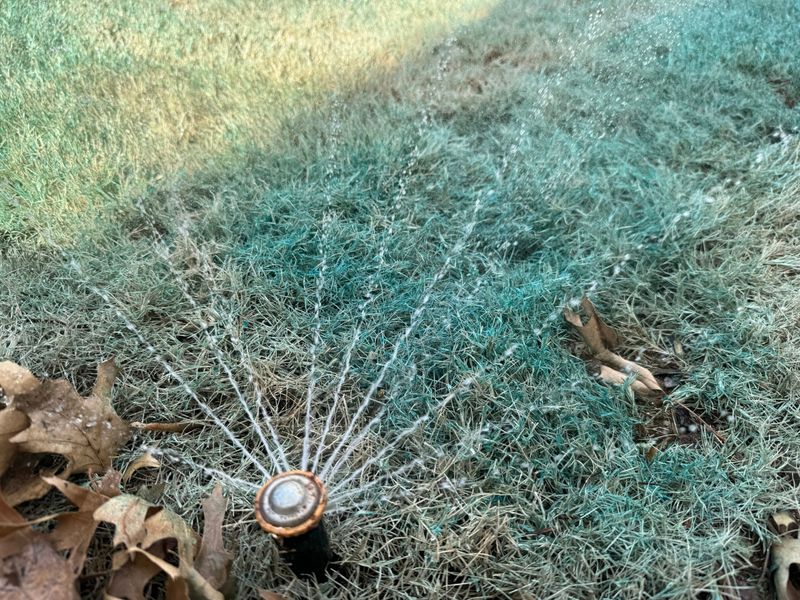
Granules sitting on top of your grass are about as useful as an umbrella left in the closet. Most pre-emergents need water to move into the soil and start doing their job.
Rain or irrigation washes the product off grass blades and mulch. It carries it down into the top layer of soil, right where weed seeds are waiting.
Once it settles there, the barrier forms and starts blocking those tiny sprouts. Always read the label first, since products vary. Many call for about a half inch of water within a few days of spreading.
If you’re not sure how much your sprinkler puts out, set an empty tuna can on the lawn and time how long it takes to fill halfway.
Keep an eye on the weather, too. A gentle rain is perfect, but a heavy downpour right after you spread can wash granules onto driveways, sidewalks, and streets.
From there, they can flow into storm drains and local creeks, which nobody wants. A quick tip helps a lot here. After spreading, sweep or blow any stray granules off hard surfaces and back onto the lawn.
It saves product and protects nearby water. North Carolina falls often bring surprisingly dry stretches, especially in October. Without rain, the product can sit on the surface for days and lose strength.
So if the forecast looks dry, drag out the hose and give your yard a good soaking yourself.
5. It Won’t Stop Weeds Already Growing
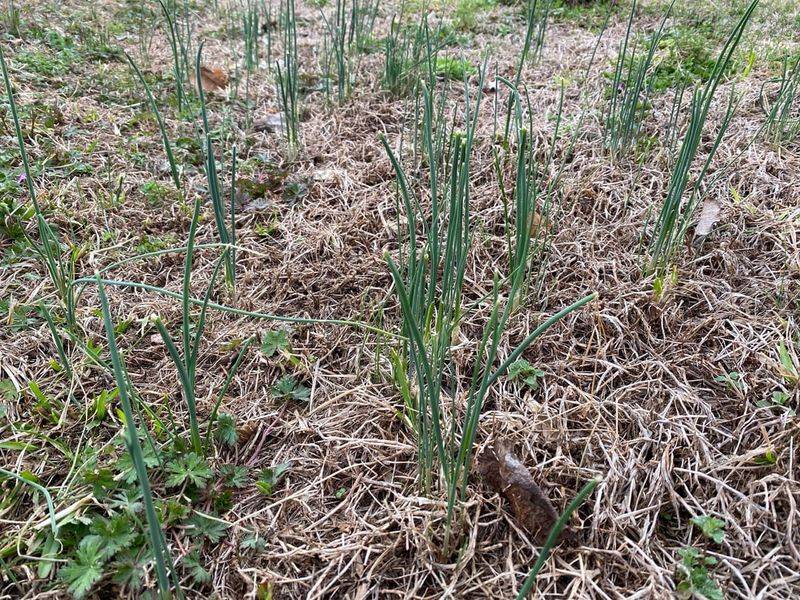
Here’s the honest truth that surprises many homeowners. A pre-emergent does nothing to weeds that have already sprouted, and it won’t touch perennial weeds that come back from roots or bulbs.
The barrier only affects seeds as they germinate. Once a weed has roots in the ground, it simply grows right past the treated layer.
That means any henbit or chickweed already showing leaves will keep on growing unless you step in.
Young weeds are easy to handle. Pull them by hand after a rain, when the soil is soft and the roots slide out cleanly. A small weeding fork makes the job faster and saves your back.
For bigger or widespread weeds, use a post-emergent product labeled for your lawn type. Spot treat just the problem areas instead of spraying the whole yard.
Warm season and cool season grasses react differently to these products, so the label really matters.
Then there’s wild garlic and wild onion, the thin, grassy clumps that smell like a kitchen when you mow them. They grow from small underground bulbs, and pre-emergents don’t control them at all.
Dig out the entire clump with a trowel, and make sure you remove those little bulbs, since any left behind will sprout again.
In North Carolina, wild garlic and wild onion rank among the most common winter lawn weeds. Tackling them by hand or with a labeled spot spray keeps your October barrier from getting blamed for something it was never built to handle.
6. Skip It Where You’re Seeding Grass
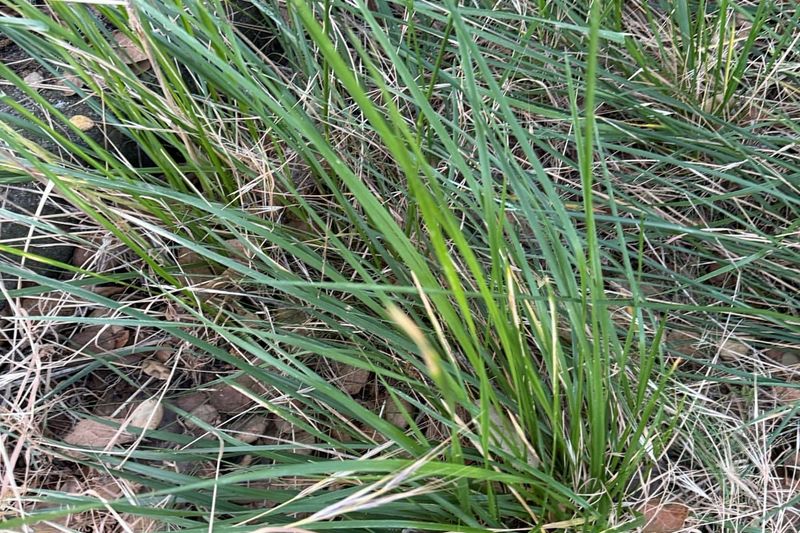
Grass seed and weed seed have one thing in common: both are seeds. That’s exactly why most pre-emergents and new grass don’t mix.
The same barrier that stops henbit from sprouting also stops fescue from coming up. Spread it over a freshly seeded lawn, and you could end up with bare dirt and a wasted bag of seed. Few garden mistakes sting quite as much.
If you plan to overseed tall fescue this fall, put the seed down first. Let the new grass grow in and become established, and wait until you’ve mowed it several times.
After that, it’s usually safe to add a pre-emergent to keep weeds from moving in later. Another option is choosing a product specifically labeled as safe for new seedings. Some are designed to block weeds while letting certain grass seeds sprout.
Read the label carefully, though, since each one lists which grasses it protects and how long you need to wait.
That waiting period is the key detail. Some products require several weeks or even months between application and seeding. Ignore it, and your new lawn may never fill in the way you hoped.
Tall fescue is the go-to lawn grass across the Piedmont and Mountains of North Carolina. Homeowners there commonly overseed in early fall, right when weed prevention is also on the to-do list.
A little planning lets you have thick new grass and fewer weeds, without one ruining the other.
7. Don’t Disturb The Soil After Applying

Imagine building a fence and then cutting holes in it. That’s basically what happens when you break up the soil after spreading a pre-emergent.
The barrier lives in a thin layer near the surface. Aerating, tilling, or heavy raking pokes openings in that layer, and weed seeds can sprout right through those gaps.
Suddenly your careful work has weak spots all over the yard. The fix comes down to order. If your lawn needs core aeration, do it first, then apply the pre-emergent afterward.
That way the product settles into the ground, including the little holes, and the barrier stays whole.
Garden beds need the same gentle touch. Once you’ve treated them, skip digging, hoeing, or cultivating the soil for the rest of the season.
Light leaf raking on top of mulch is fine, but avoid scraping into the dirt below. Planning to add mums, pansies, or new shrubs? Dig only the hole you need, and move as little soil as possible around it.
Put any extra dirt back neatly instead of spreading it across the bed. Some gardeners plant first and treat beds afterward, which keeps things even simpler.
Fall is prime time in North Carolina for aerating lawns and filling beds with cool season color. Those are great projects, and they help your yard thrive.
With a little smart scheduling, you can enjoy them without giving winter weeds a secret back door.
8. Thick Lawns And Mulched Beds Keep Weeds Out Longer
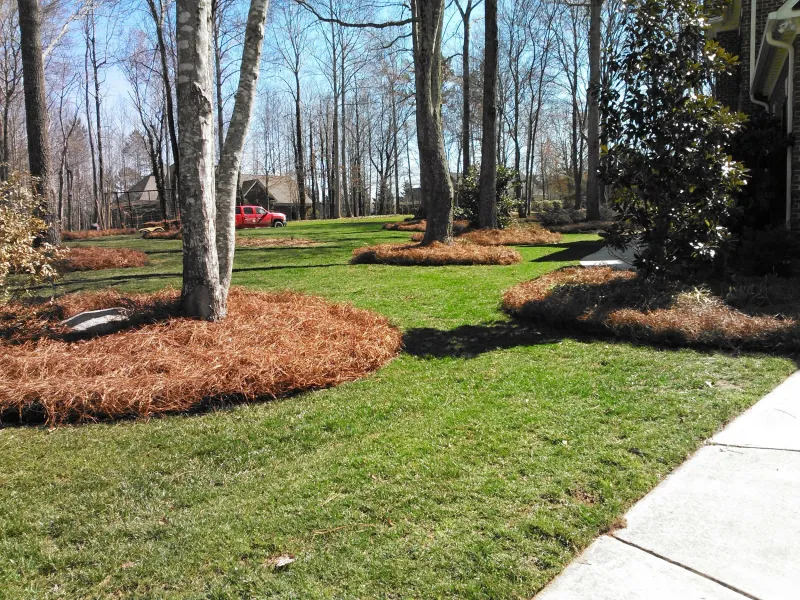
Weeds are opportunists. They look for sunny, open soil, and a thick lawn or fresh mulch leaves them very few places to land.
Most weed seeds need light and bare ground to sprout. Dense grass shades the soil like a living blanket, while mulch blocks sunlight in your beds.
Paired with a pre-emergent, these habits create a double defense that lasts much longer. Start with your mower. Cutting at the right height for your grass type helps it grow thick and strong.
Tall fescue likes about 3 to 4 inches, while bermudagrass and zoysia prefer shorter cuts during their growing season.
Feeding matters too, and timing counts. Fertilize warm season grasses like bermudagrass, zoysia, and centipede only while they’re actively growing in late spring and summer.
Cool season tall fescue is the opposite, since it does best when fed in fall. Out in your beds, keep 2 to 3 inches of shredded bark or pine straw spread across the soil. Pine straw is a Southern classic that stays in place well on slopes.
Top it off each fall as the old layer breaks down. Walk around any North Carolina neighborhood in February, and you’ll see the pattern. Thin lawns, bare patches, and unmulched corners are the first places winter weeds show up.
Keep your grass thick and your soil covered, and your October barrier gets a strong partner that works all year.