What To Do When Skunks Keep Showing Up In Your Pennsylvania Yard
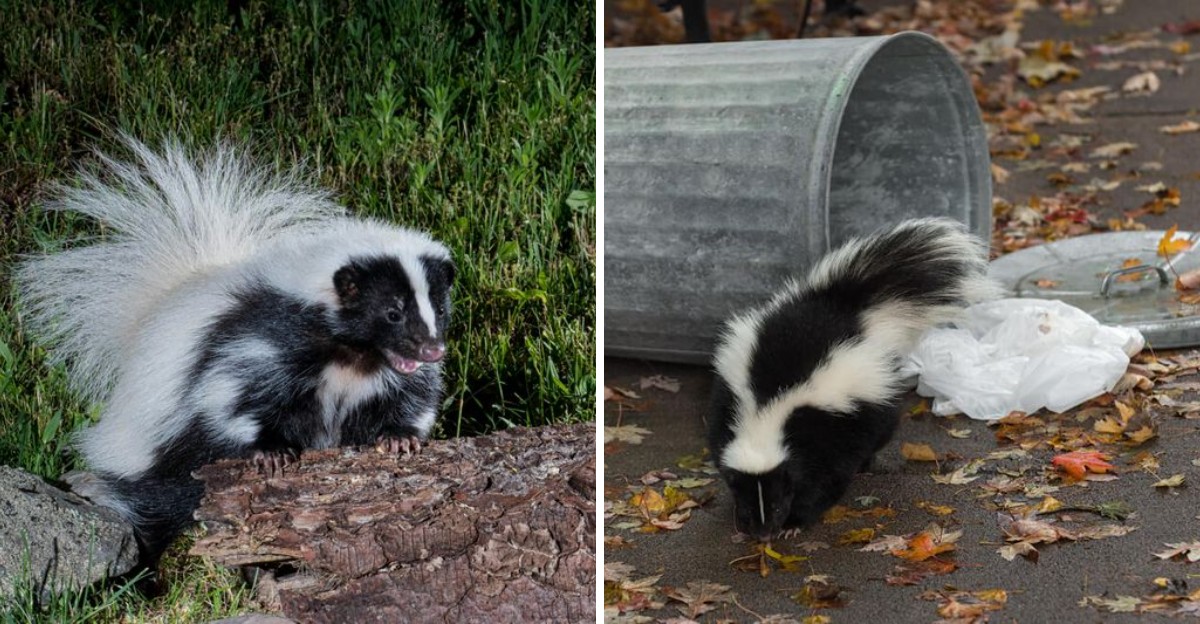
It starts with the smell. That sharp, eye-watering drift across the lawn that hits you before you even make it off the porch.
Then come the clues. Tiny holes in the grass overnight, a trash can that looks like it hosted an unsupervised event, and your dog suddenly very interested in whatever is happening under the shed.
Welcome to skunk season in Pennsylvania, and honestly, you are in good company.
Striped skunks are remarkably comfortable around residential neighborhoods, and once a yard starts offering food, water, and a decent hiding spot, word apparently gets around fast.
The encouraging part is that skunks are also pretty reasonable to discourage when you know what actually pulls them in.
A few practical, well-timed steps can make your yard considerably less appealing and give you your peaceful evenings back.
1. Figure Out Why Your Yard Feels Like Home
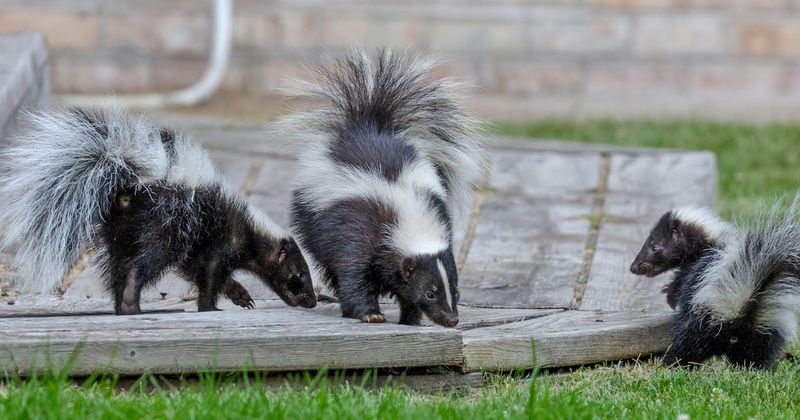
A skunk is not wandering into your yard randomly. Food, water, and a cozy hiding spot are all it really needs to decide your property is worth visiting regularly.
Across Pennsylvania, striped skunks roam cities, farms, and quiet suburbs alike. They wander at night, sniffing for easy meals and safe places to rest during the day.
Start by walking your yard like a detective. Look for small, cone-shaped holes in the lawn, which often mean a skunk has been digging for grubs.
Check under decks, porches, and sheds for open gaps or fresh dirt. A musky smell near one spot is a strong hint that someone is bunking there.
Next, think about snacks. Pet food left outside, fallen fruit, open compost, and bird seed on the ground can all ring the dinner bell.
Water counts too. Leaky hoses, birdbaths, and puddles give thirsty critters a reason to stop by and stay a while.
Skunks have a well-developed sense of smell that helps them locate grubs and insects in the soil, which is a big part of why a grub-rich lawn can draw repeated visits even when no obvious food is left out. Understanding what pulls them in is the first step toward making your yard a less appealing destination.
Once you know what is pulling them in, the fix gets much easier. Removing just one or two attractions can make a big difference in how often they visit.
2. Lock Down Trash Cans Around Your Home
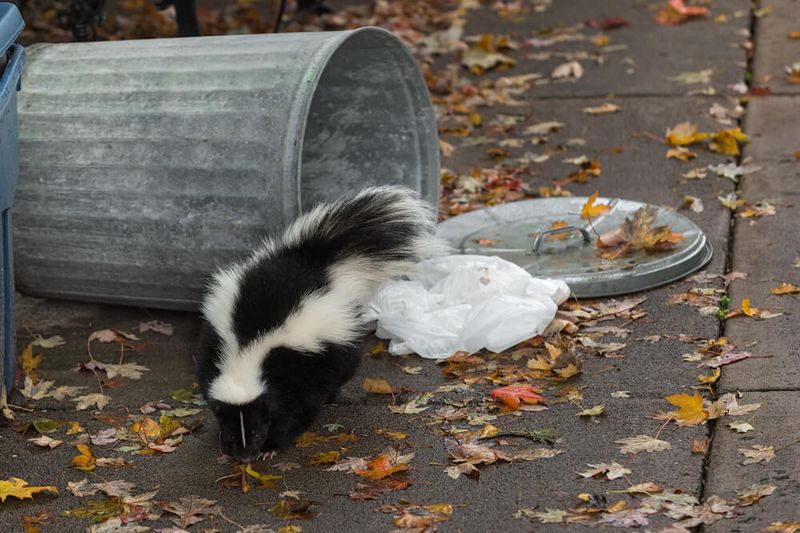
Garbage night might be the most exciting night of the week for a hungry skunk. One loose lid, and suddenly your leftovers become their midnight feast.
Skunks are not strong climbers, but they are clever. They will nose through bags left on the ground or tip over light cans to reach the goodies inside.
Switch to heavy plastic or metal cans with tight lids. If your lids pop off easily, add bungee cords or locking straps to keep them firmly shut.
Store your cans in a garage or shed whenever you can. If that is not possible, set them on a flat surface where they are harder to knock over.
Your Pennsylvania Garden Changes Every Week. Your Plan Should Too.
Gardening in Pennsylvania changes quickly throughout the season. Every Friday you’ll receive a simple weekly plan showing exactly what to plant, prune, fertilize, harvest, and protect so you never miss the right timing.
Wait until the morning of pickup to roll cans to the curb. Many Pennsylvania neighborhoods have early collection, so this small change keeps food out of reach all night.
Rinse cans every few weeks with soapy water. Old food smells linger, and a clean can simply sends out fewer invitations.
Compost bins need attention too. Use a closed bin instead of an open pile, and skip adding meat, dairy, or greasy scraps.
Honestly, it can feel like a chore at first. After a few weeks, though, you will likely notice fewer tipped cans and far less mess to clean up.
3. Bring Pet Food And Bird Seed Inside
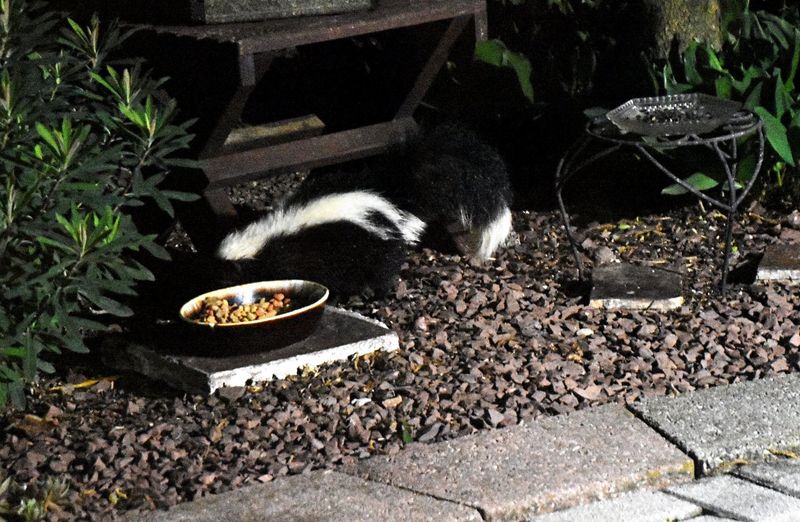
Your cat is not the only one who loves that bowl of kibble on the porch. A skunk will happily clean the dish while your pet naps inside.
Leaving pet food outdoors is one of the most common reasons skunks keep coming back. It is an easy, reliable meal, and wild animals remember where they found it.
Feed pets indoors if you can. If they eat outside, pick up the bowls as soon as they finish, especially before the sun goes down.
Bird feeders are sneaky troublemakers too. Birds are messy eaters, and the seeds they drop pile up on the ground below the feeder.
Try a seed tray under the feeder to catch spills. You can also switch to no-mess blends, like hulled sunflower hearts, that leave less waste behind.
Rake up fallen seed every few days. Pennsylvania backyard birders often find this also cuts down on visits from mice and raccoons.
Fallen fruit from apple, pear, or cherry trees deserves the same treatment. Gather it up quickly during late summer and fall.
Leaving even a small amount of overripe fruit on the ground overnight is enough to bring a skunk back to the same spot repeatedly once it learns the source.
Think of it like closing the kitchen after dinner. When the free buffet shuts down, most skunks shrug and wander off to look somewhere else.
4. Seal Up Decks And Sheds Before Babies Arrive
Timing matters more than most people realize. Skunk mating season runs from about February to March, and babies usually arrive in May or June.
That means spring is prime house-hunting time. A dark, dry space under your deck looks perfect to a mother skunk getting ready for a family.
Before sealing anything, make sure nobody is home. Sprinkle a thin layer of flour at the entrance and check for tracks the next morning.
You can also loosely stuff the hole with newspaper. If it stays untouched for two or three nights, the space is likely empty.
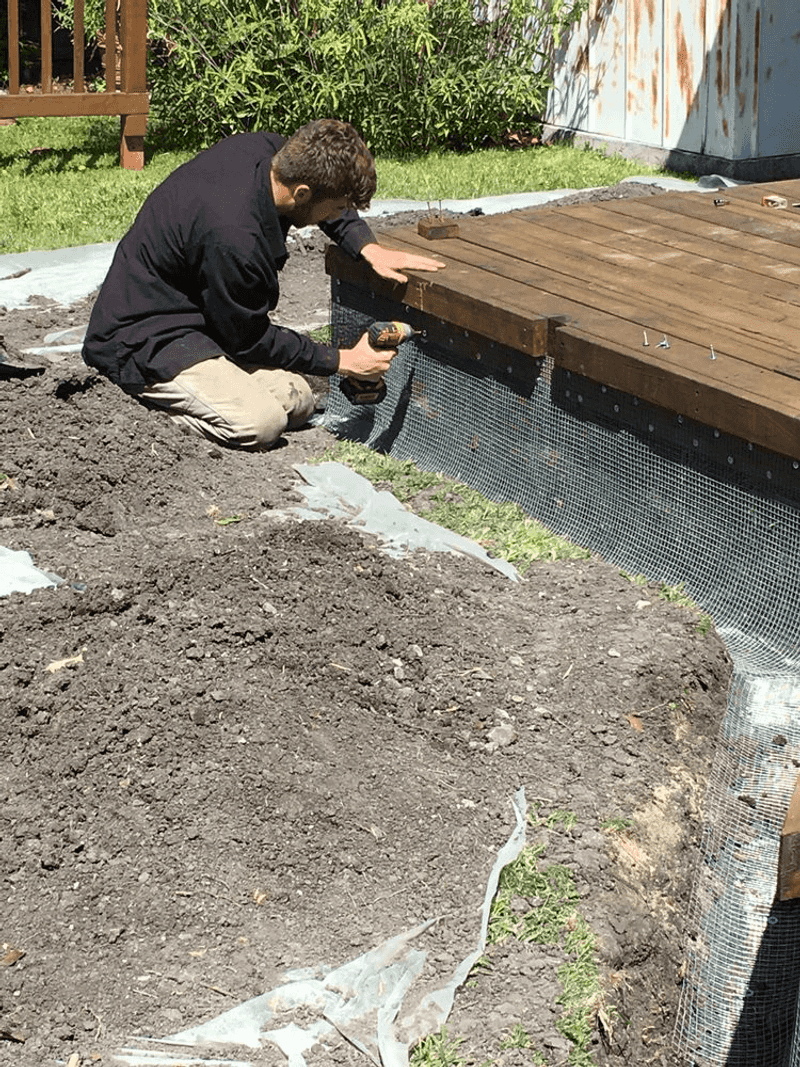
Once it is clear, use galvanized hardware cloth with half-inch holes. Bury the bottom edge about a foot deep and bend it outward in an L shape.
Skunks are diggers, and that L-shaped footer stops them from tunneling right under your hard work. It is a trick many Pennsylvania wildlife pros swear by.
If you spot babies, hold off for a few weeks. The family will usually move on by late summer once the kits can travel.
Sealing too early can trap little ones inside. Patience here saves you from a much bigger, smellier problem down the road.
5. Treat Grubs To Make Lawns Less Tasty
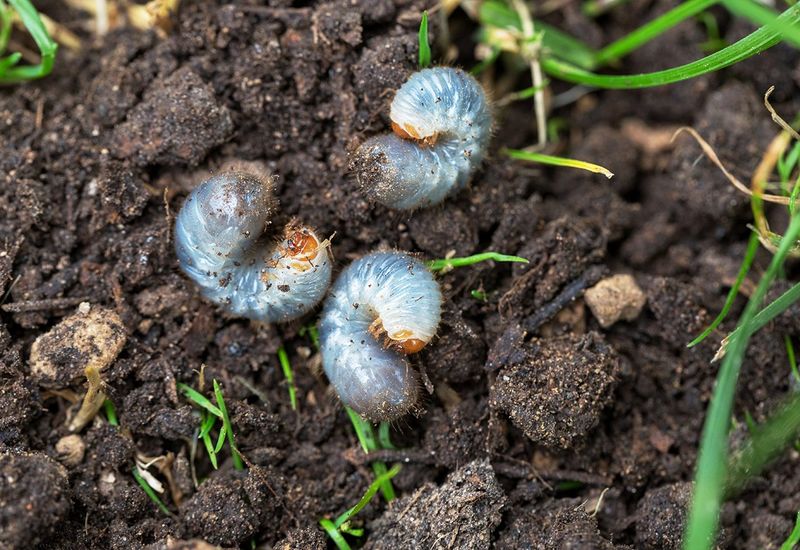
Ever wake up to a lawn that looks like tiny golfers practiced chip shots all night? Those little divots are often the work of a skunk hunting grubs.
Grubs are the young of beetles, like Japanese beetles, which are very common in Pennsylvania. They live just under the grass and munch on roots.
To check for them, cut a one-foot square of turf and peel it back. Penn State Extension recommends treatment when you find more than ten grubs per square foot, which is the threshold that suggests a population large enough to cause real lawn damage and attract persistent foraging.
One friendly option is beneficial nematodes. These tiny worms are natural and hunt grubs in the soil without harming pets or people.
Milky spore is another choice for Japanese beetle grubs. It takes a couple of seasons to build up, but it can last for years.
Timing helps a lot. Late summer, when grubs are small and close to the surface, is usually the best time to treat.
Healthy lawn habits also help. Mowing a bit higher and watering deeply but less often makes grass tougher and less inviting to beetles.
Once the grub population drops below that treatment threshold, the digging tends to slow down noticeably. Staying on top of annual checks helps you catch a building population before skunks find it first.
6. Use Lights And Smells That Skunks Dislike
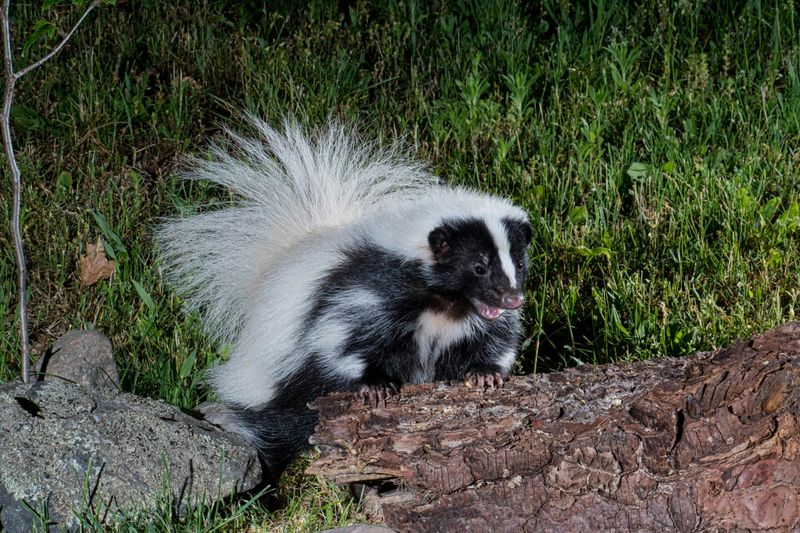
Skunks are night owls with a shy streak. Suddenly flipping on the spotlight is a lot like crashing their private party.
Motion-activated lights are a simple way to make your yard feel less welcoming. When a bright beam snaps on, many skunks decide to leave.
Motion-activated sprinklers work even better for some folks. A surprise splash of cold water is harmless, but skunks really do not enjoy it.
Smell can be a tool too. Some people have luck with rags soaked in ammonia or citrus peels placed near spots skunks visit.
Store-bought repellents with castor oil may also help, especially on lawns. Just follow the label and reapply after rain.
Be honest with yourself about results, though. These tricks work best when food and shelter are already gone, not as the only fix.
Switch things up now and then. Pennsylvania skunks, like most wild animals, can get used to the same light or smell over time.
Rotating between a light deterrent one week and a scent-based option the next gives you a better chance of keeping them genuinely unsettled rather than comfortably adjusted.
Quick tip: never place ammonia near pets or kids. Keep your homemade repellents out of reach and away from gardens where you grow food.
7. Stay Safe Around Skunks And Pets
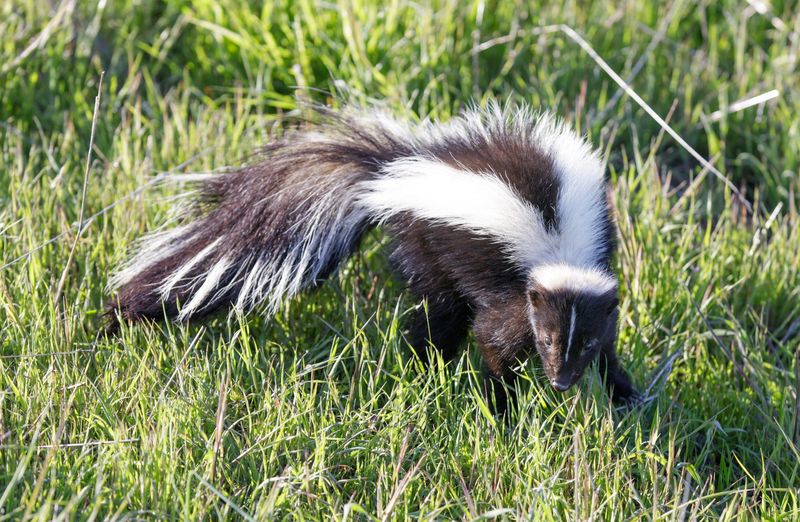
Nobody forgets their first skunk spray. The smell clings to fur, clothes, and memories for days.
Luckily, skunks give warnings before they spray. They stomp their front feet, raise their tails, and sometimes hiss or turn sideways.
If you see those signs, back away slowly and calmly. Skunks prefer to avoid trouble, and they only have a limited amount of spray to use.
Before letting dogs out at night, flip on a porch light and clap or talk loudly. That little heads-up gives any nearby skunk time to scoot away.
Keep dogs on a leash after dark during spring and summer. Curious pups are the most likely to get a face full of spray.
If your pet does get sprayed, skip the tomato juice. Mix one quart of hydrogen peroxide, a quarter cup of baking soda, and a teaspoon of dish soap instead.
Scrub gently, avoid the eyes, and rinse well. Never store that mix in a closed bottle, since it can build pressure.
Rabies is also a concern in Pennsylvania. Keep pets up to date on shots and stay away from any skunk acting strangely during daylight.
A skunk that appears disoriented, moves erratically, or approaches without hesitation during the day should be reported to your local animal control office rather than handled or approached.
8. Call A Licensed Wildlife Pro When Needed
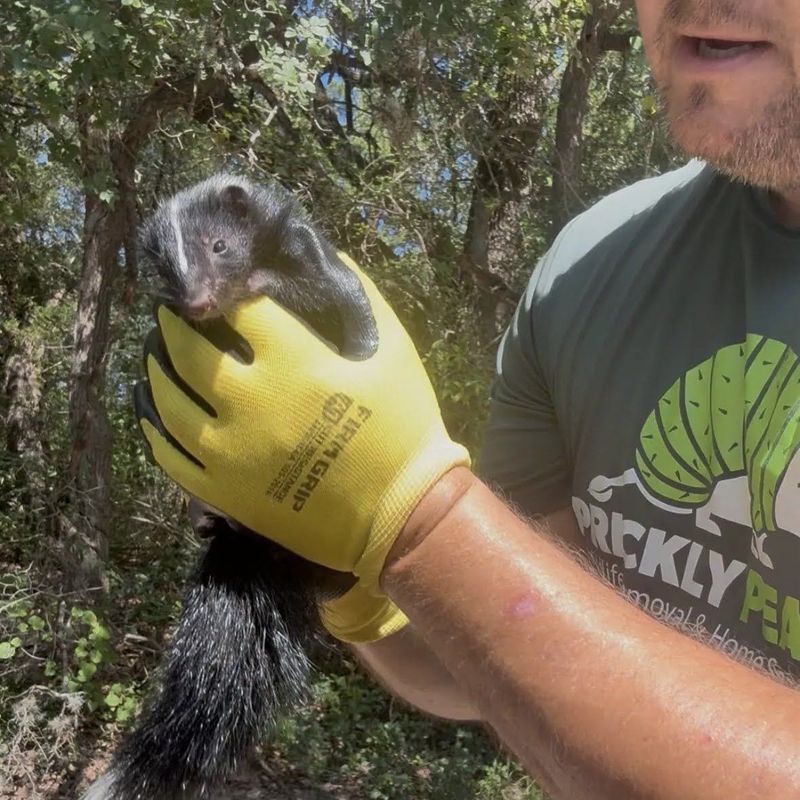
Sometimes the smartest move is picking up the phone. Some skunk problems are just too tricky to handle alone.
If a skunk is living under your home, inside a crawl space, or keeps returning after all your efforts, it may be time for help. Signs of sickness also call for a pro.
In Pennsylvania, skunks are protected as furbearers. Trapping and moving them has rules, so doing it yourself can land you in trouble.
A licensed nuisance wildlife control operator knows the laws. They can remove animals safely and help seal your home the right way.
Ask questions before hiring. Find out if they use one-way doors, check for babies, and offer a warranty on exclusion work.
A reputable operator should also be able to explain exactly how they plan to handle the situation before any work begins, so you know what to expect at every step.
The Pennsylvania Game Commission website is a helpful place to start. It can point you toward local contacts and basic wildlife guidance.
Costs vary, but good exclusion work often pays off. Once your home is properly sealed, you are less likely to face repeat visitors.
Think of it like calling a plumber for a big leak. A little expert help now can save you plenty of stress, stink, and money later.