The One Thing Ohio Gardeners Add To Compost In August That Speeds Everything Up
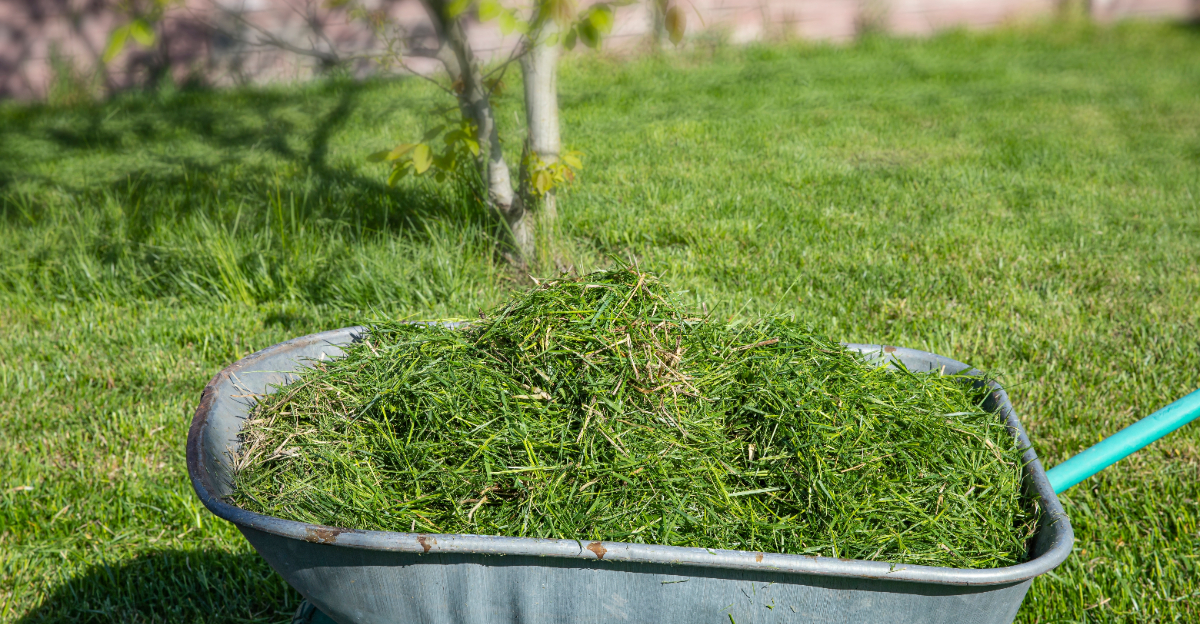
August in Ohio means sticky afternoons, stressed-out lawns, and compost piles working overtime. Yours is probably already warm in the middle, quietly doing its thing.
But there’s one ingredient sitting in your grass catcher every time you do mow that most people just bag up and forget. Used the right way, it can push your pile from slow-cooking to genuinely fast.
The catch is technique. Dump it in carelessly and you get a soggy, smelly clump instead of rich compost. Layer it correctly, and that same material becomes a serious boost for decomposition.
Ohio gardeners who know this trick are pulling finished compost weeks ahead of everyone else. Here’s exactly what it is, and how to use it without wrecking your pile.
Grass Clippings Are The Nitrogen Boost Ohio Compost Piles Need Right Now
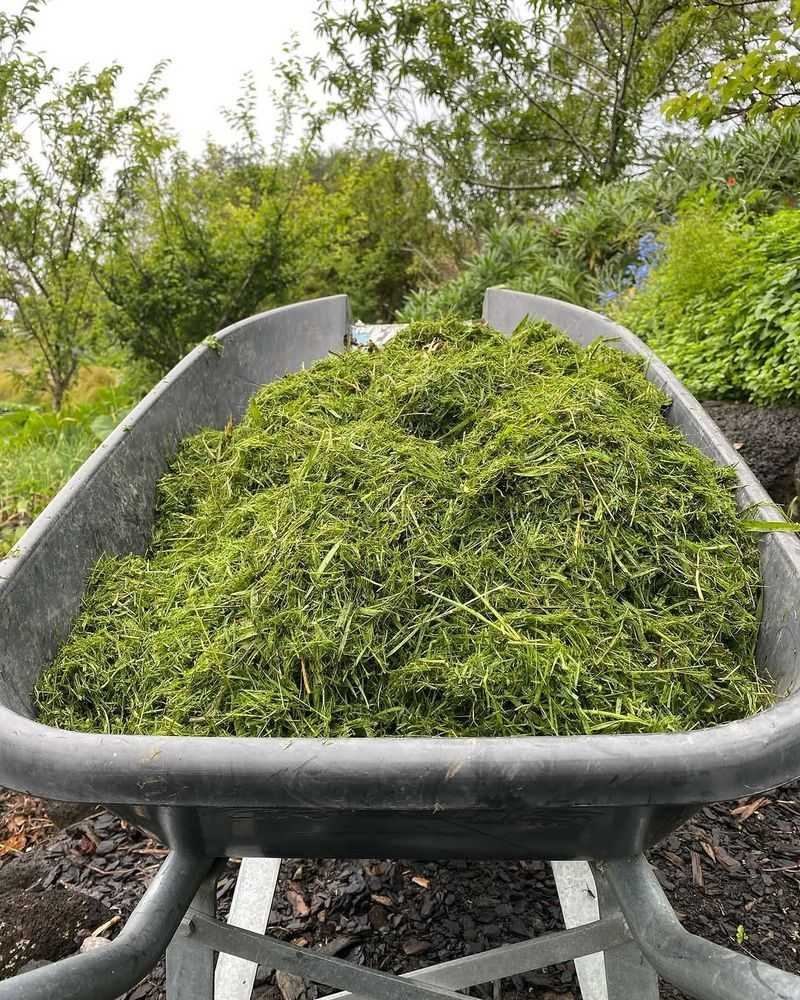
Your compost pile runs on two fuels: nitrogen and carbon. Grass clippings are one of the richest nitrogen sources sitting right in your own backyard.
Fresh clippings can contain up to 4% nitrogen by weight, which is significant for something most people bag and toss without a second thought.
Ohio’s cool-season lawns slow down during August heat, but a good rain still triggers quick bursts of new growth. Those bursts are exactly when clippings are freshest and most useful.
Microbes inside the compost are the real workers here. They consume nitrogen-rich material and use it to multiply, generate heat, and break everything down faster.
Without enough nitrogen, those microbes slow to a crawl. The pile just sits there, doing very little, no matter how often it gets turned.
Adding clippings after a rain-driven growth spurt works in your favor, since warm, humid air already helps the pile hold heat longer.
One thing Ohio gardeners rely on in August is fresh clippings from untreated lawns, added in manageable batches rather than all at once.
Organic clippings, managed well, break down within weeks rather than months. That means finished compost and a healthier garden bed well before the first frost arrives.
Each mowing session becomes a small, free delivery for the pile. The heat rising from the center afterward is proof the material is doing its job.
The Right Way To Add Fresh Clippings Without Creating A Slimy Mess
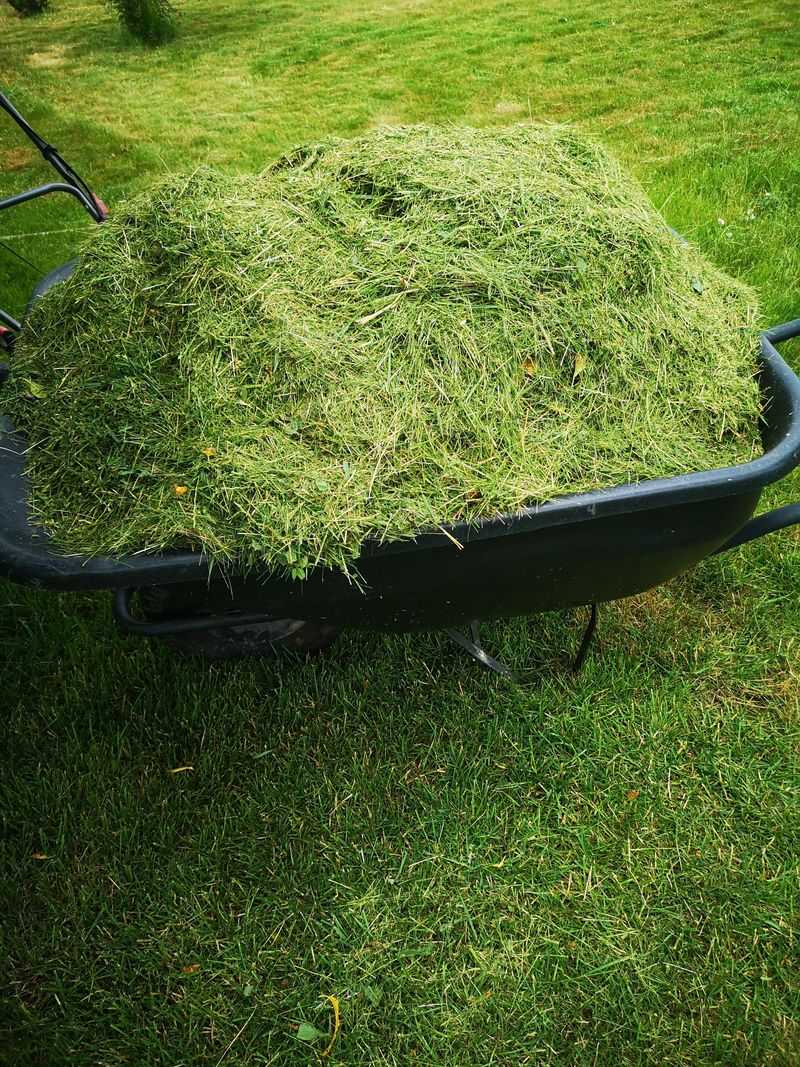
Fresh clippings straight from the mower bag look harmless enough, but dumping too many at once turns the pile into a wet, compacted layer within days.
Thick mats of grass block airflow almost immediately. Without oxygen, the pile slides into anaerobic conditions that produce an unmistakable sour smell.
The fix comes down to layering, not luck. Spread clippings no more than two to three inches deep, then move to a different section next time.
Fluffing the layer lightly with a pitchfork as you add it keeps air pockets intact from the very start.
Ohio’s August humidity already pushes moisture levels higher than most other months. Thin layering matters more right now than during a drier stretch of the year.
A pile that’s already damp from the air doesn’t need extra help turning soggy. Timing the addition helps too.
Your Ohio Garden Changes Every Week. Your Plan Should Too.
Gardening in Ohio changes quickly throughout the season. Every Friday you’ll receive a simple weekly plan showing exactly what to plant, prune, fertilize, harvest, and protect so you never miss the right timing.
Adding clippings right after mowing, while they’re still loose, makes the spreading process faster and far less clumpy overall.
Bagged clippings left sitting for a day tend to mat together before they even reach the pile. That head start on clumping works against the goal.
If a section does turn slimy, mixing in a handful of dry leaves or shredded cardboard right on top usually corrects it within a day or two.
Thin layers, quick turning, and dry material on hand keep this ingredient working for the pile, not against it.
Pairing Grass Clippings With Brown Material For Faster Breakdown
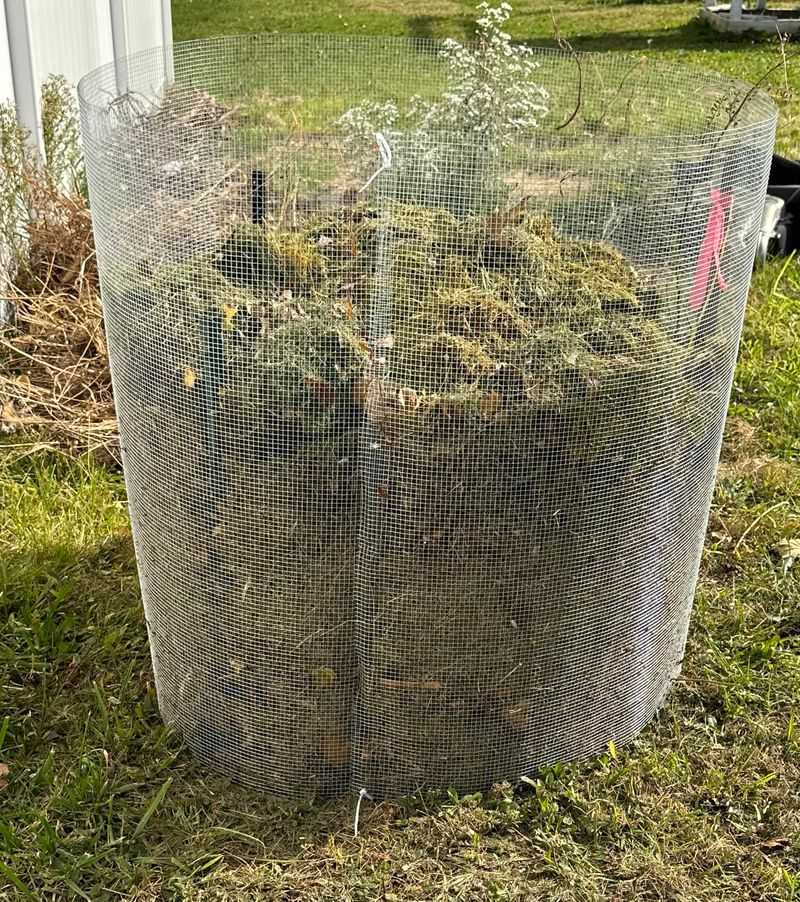
Grass clippings only do half the job on their own. Carbon-rich materials, often called browns, give the pile structure and airflow that green material alone can’t provide.
Dried leaves, shredded cardboard, and straw are common brown options sitting around most Ohio yards this time of year.
Each one absorbs excess moisture from fresh clippings, which keeps the pile from turning into the soggy mat described earlier.
A ratio of roughly one part clippings to two or three parts brown material works well across most home setups.
Piles leaning too heavily toward greens often develop an ammonia smell, a clear sign more carbon needs to go in right away.
Ohio gardeners have a built-in advantage here. Leftover dried leaves from the previous fall, stored in a bin or corner of the yard, make ideal pairing material through summer.
Running a mower over stored leaves before adding them breaks them into smaller pieces that blend more evenly with fresh clippings.
Cardboard works in a pinch too, as long as it’s shredded rather than added in large flat sheets. Flat cardboard blocks airflow almost as badly as a thick mat of grass.
Keeping a stash of brown material within reach means every batch of fresh clippings gets balanced right away instead of sitting green for days.
That small habit, more than any single ingredient, is what keeps a pile moving steadily toward finished compost.
The Mistake That Turns Clippings Into A Problem Instead Of A Fix
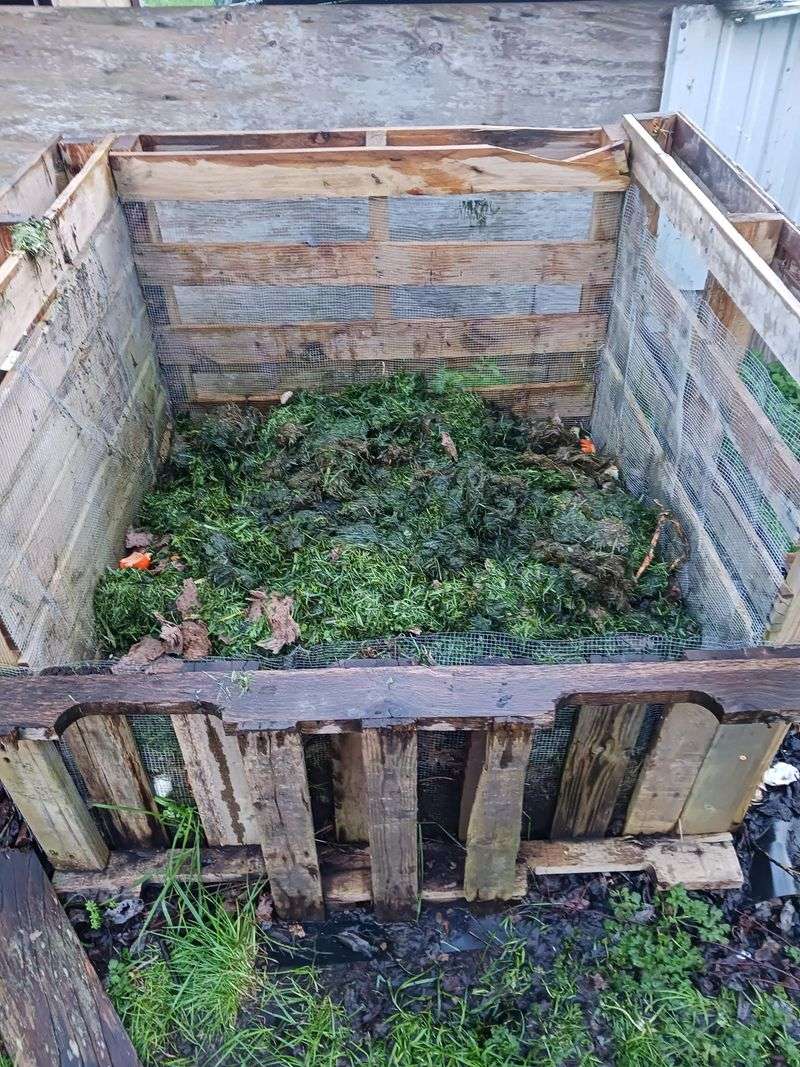
One common composting mistake in August involves clippings from a recently treated lawn. If a yard was sprayed with herbicide for broadleaf weeds, that chemical doesn’t disappear once the grass gets cut.
Herbicide residue can linger in clippings long enough to harm the microbial life a compost pile depends on for breakdown.
In some cases, certain persistent herbicides can survive the composting process entirely and go on to damage garden plants once the finished compost gets used.
The safest approach is checking the product label from whatever treatment was applied. Waiting periods vary significantly between different herbicide types and brands.
Some products break down within a few mowings, while others are formulated to persist in plant tissue for a full growing season or longer.
When in doubt, setting treated clippings aside in a separate pile, away from anything meant for the garden, avoids the guesswork entirely.
That separate pile can still break down over time. It just shouldn’t end up feeding vegetable beds or flower borders where sensitive plants are growing.
Untreated lawns don’t carry this risk, which is one more reason chemical-free clippings remain the easiest nitrogen source available this time of year.
That single label check takes less time than mowing the lawn itself.
August Mowing Habits That Keep The Pile Supplied All Season
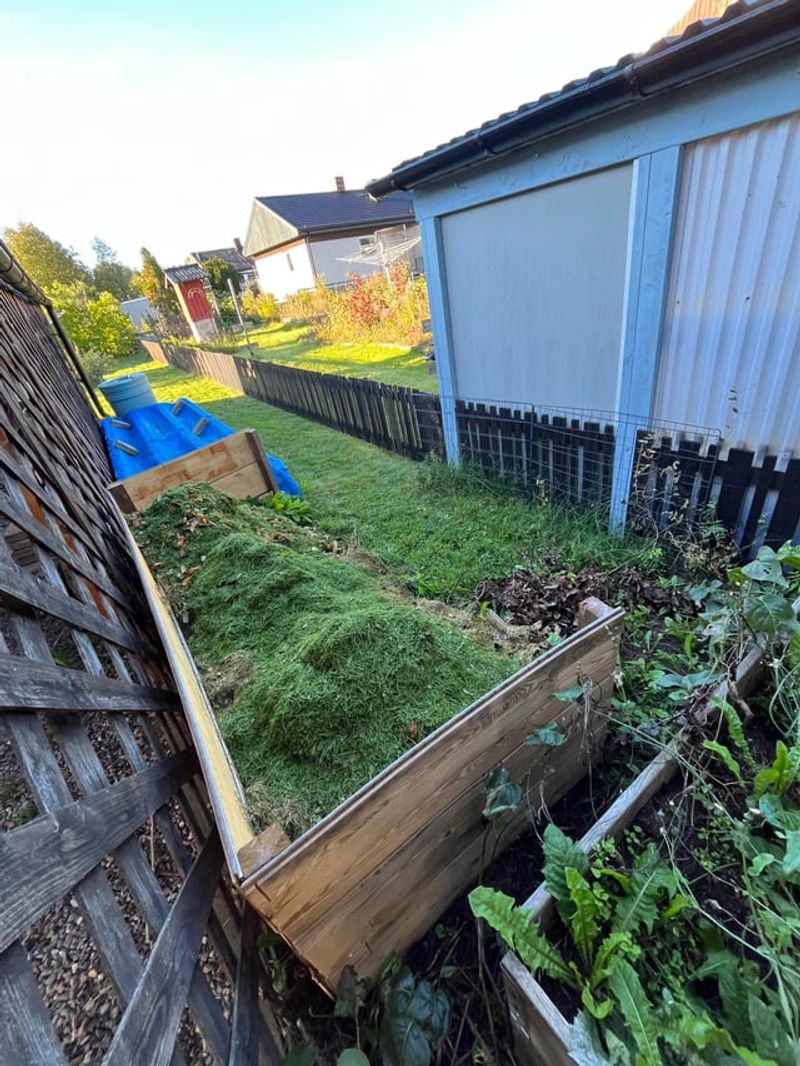
Ohio lawns don’t grow at the steady pace they did back in May, since summer heat and dry stretches tend to slow cool-season grasses down.
A good rain, though, can trigger a quick flush of growth within a day or two. That burst is worth capturing for the compost pile.
Mowing on a five to seven day rhythm, adjusted around rainfall rather than the calendar, keeps a steady trickle of clippings coming in.
Watching the lawn after a storm and mowing sooner rather than later catches that growth spurt while it’s still fresh.
Cutting when the grass is dry rather than wet makes a real difference in how clippings behave once they reach the pile.
Wet grass clumps together instantly and resists spreading, while dry clippings scatter more evenly into thin, workable layers.
Collecting smaller batches throughout the week, rather than saving up a mower bag’s worth, keeps the nitrogen supply steady instead of arriving in spikes.
A pile fed a little at a time tends to stay more consistently active than one flooded occasionally and left alone in between.
Adjusting mowing height slightly higher during hot, dry stretches protects the lawn itself while still generating usable clippings whenever growth picks back up.
Signs Your Compost Pile Is Already Responding
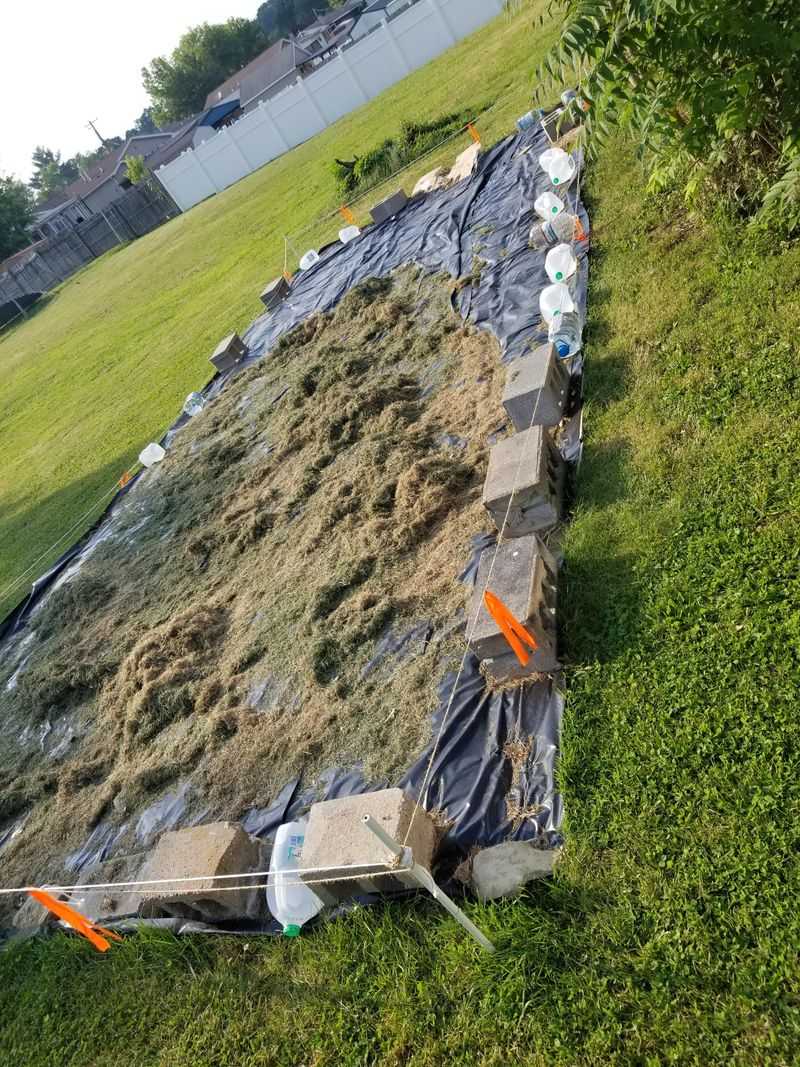
A pile that’s actually working gives off clear, physical signals worth paying attention to. The most noticeable one is heat.
Sliding a hand near the center within a day or two of adding fresh clippings should reveal a noticeable jump, often between 130 and 160 degrees Fahrenheit.
That heat comes from microbial activity working through the nitrogen just added. It tends to fade within a few days once that batch gets consumed.
A follow-up addition of clippings restarts the cycle, which is part of why steady, small batches work better than one large dump.
Shrinking volume is another sign worth watching for. A pile that visibly settles and compresses over a week or two means materials are breaking down.
Smell offers a simpler check than either of those. A balanced, active pile tends to carry an earthy, almost forest-floor scent after a rain.
That pleasant smell is different from the sour or ammonia-heavy odor that shows up when the ratio of greens to browns drifts off balance.
Seeing all three signs together, rising heat, shrinking volume, and an earthy smell, is a strong signal the August routine is paying off.
Compost built this way is often ready well before the first frost arrives, giving garden beds a head start heading into next season.