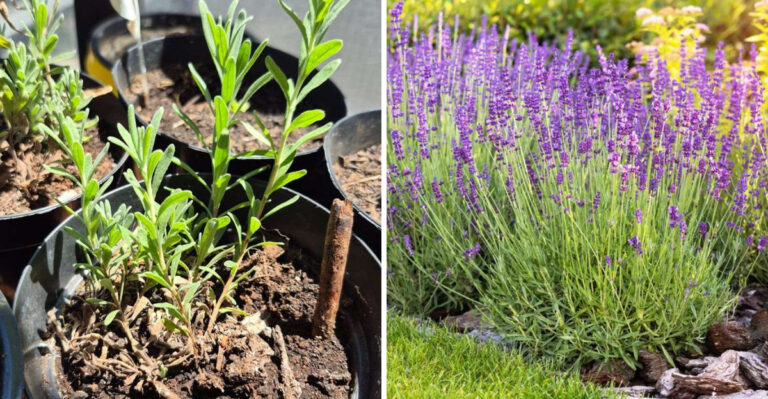
The Underrated Patio Plant Behind A Tick Repellent That Outperformed DEET
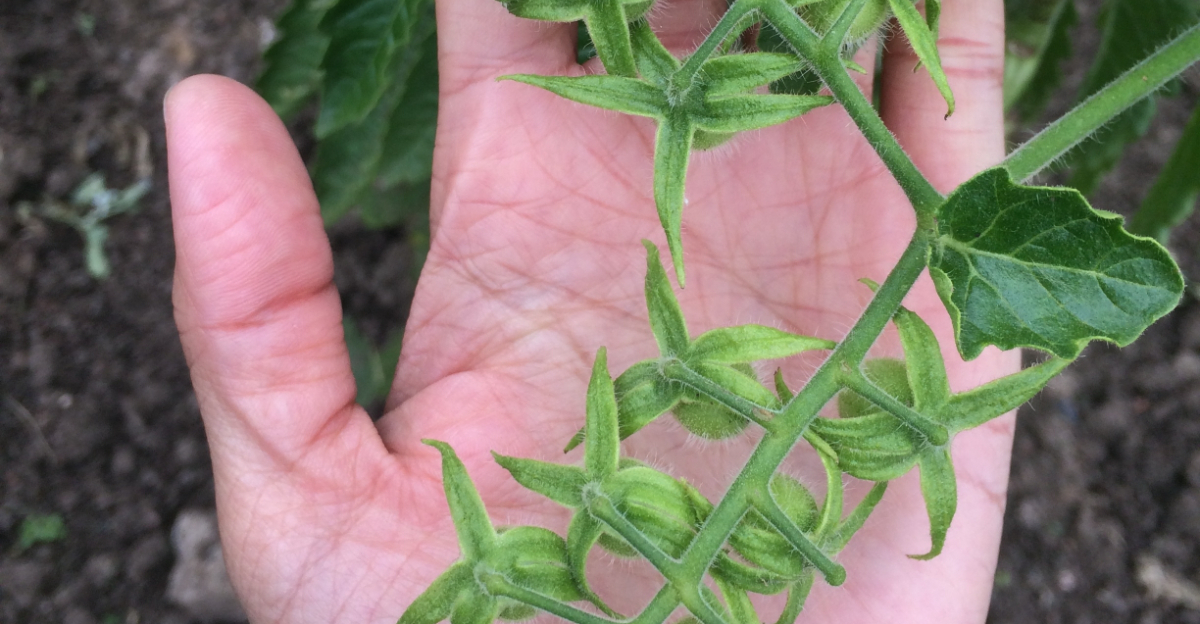
Researchers set out to find something that worked better than DEET on ticks. They found it.
The source was not a synthetic compound or a pharmaceutical breakthrough. It traced back to a single plant that most people walk past without a second look.
The study was peer-reviewed. The numbers were not close.
DEET lost. The compound required lab processing to become a usable repellent.
The plant that produced it does not require anything except a pot and a sunny patio spot. That repellent never made it to a store shelf.
The science got published, the research community took note, and the product pipeline went nowhere. The plant grows well in Ohio.
It is sitting in nurseries right now without a single label mentioning what researchers found inside it. That is the part of the story worth knowing.
1. Wild Tomato Leaves Hide The Chemistry Behind The Repellent
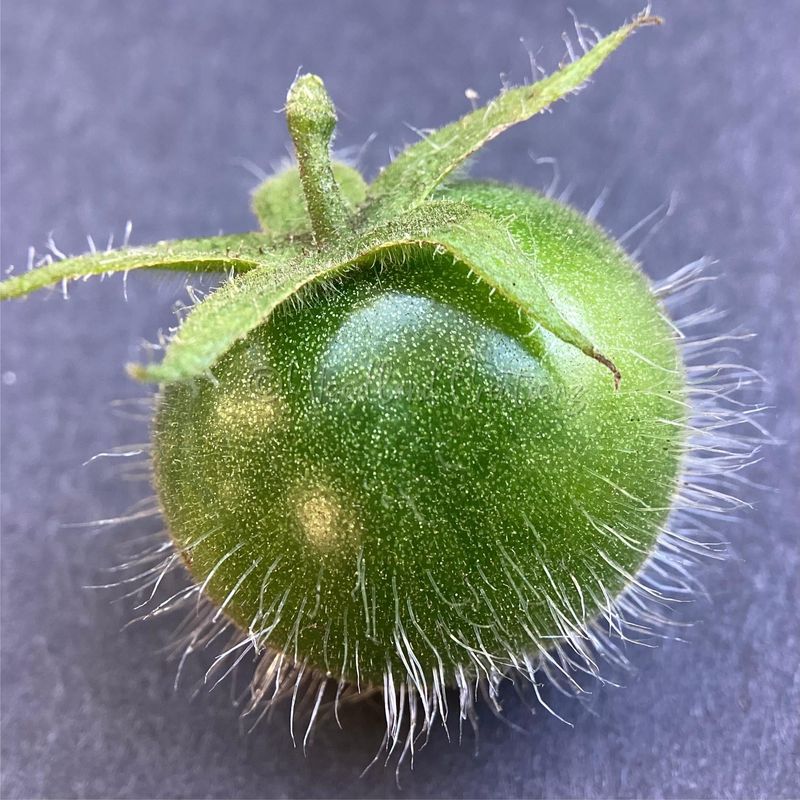
Tiny hair-like structures cover the leaves of Solanum habrochaites, and those hairs carry serious chemistry. Called glandular trichomes, they are essentially microscopic factories that produce and store methyl ketone compounds.
The most studied of these compounds is 2-undecanone.
Researchers found that certain accessions of Solanum habrochaites produce notably high concentrations of methyl ketones in their trichomes. The compound sits in the tips of those glandular hairs, ready to release when disturbed by a passing insect.
Wild tomatoes evolved these chemical defenses over millions of years to deter herbivores like spider mites and aphids.
Solanum habrochaites was previously known by the synonym Lycopersicon hirsutum. Both names appear in older research literature, so gardeners searching for seeds may encounter either.
Not every accession produces the same level of methyl ketones. Chemistry varies significantly among individual plant populations, which matters when connecting any seed packet to the research.
The trichome chemistry in one Peruvian accession may differ greatly from a plant grown from a generic labeled packet.
2. 2-Undecanone Became The Compound Researchers Put To The Test
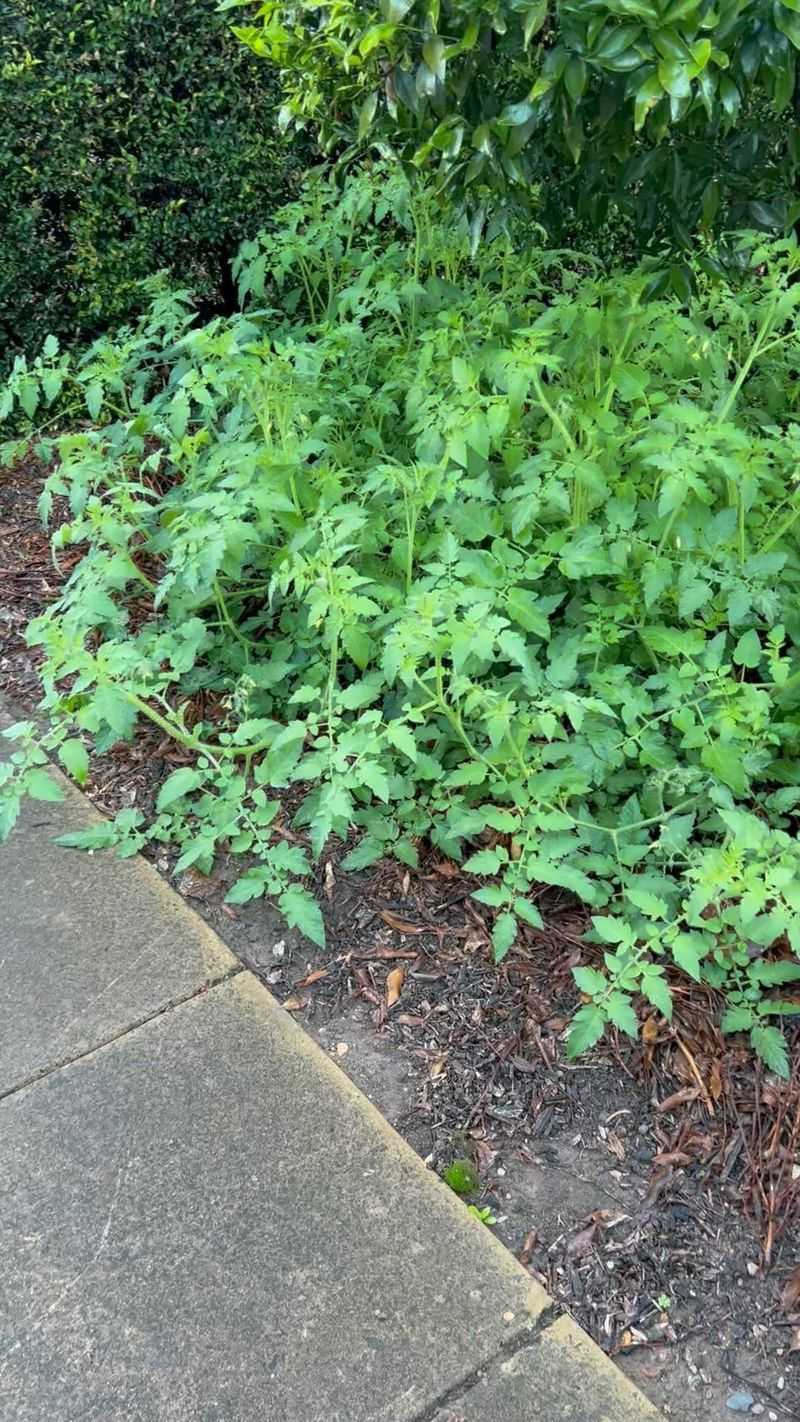
Researchers examining wild tomato chemistry noticed that certain methyl ketones had properties worth exploring beyond plant biology. 2-undecanone stood out because of its volatility and its apparent ability to deter arthropods.
Scientists moved it from plant observation into controlled laboratory testing.
The compound itself is a naturally occurring ketone with an eleven-carbon chain. It can be produced through several methods, including synthesis.
The commercial ingredient used in repellent formulations is not simply squeezed from garden tomato leaves. A formulated repellent product is a carefully engineered preparation with a specific active-ingredient concentration, carriers, and stabilizers.
The product known as BioUD was developed to deliver 2-undecanone at a consistent and tested concentration. Published research confirmed BioUD contained 7.75% 2-undecanone as its active ingredient.
That precise level matters because a trace amount of a compound in a leaf tissue is a very different exposure than a measured dose in a skin-applied repellent. Home gardeners should not attempt to extract or concentrate 2-undecanone from plants.
The process requires proper chemistry equipment and safety controls far beyond any backyard setup.
3. Tick Trials Put Tomato-Derived Chemistry Against DEET
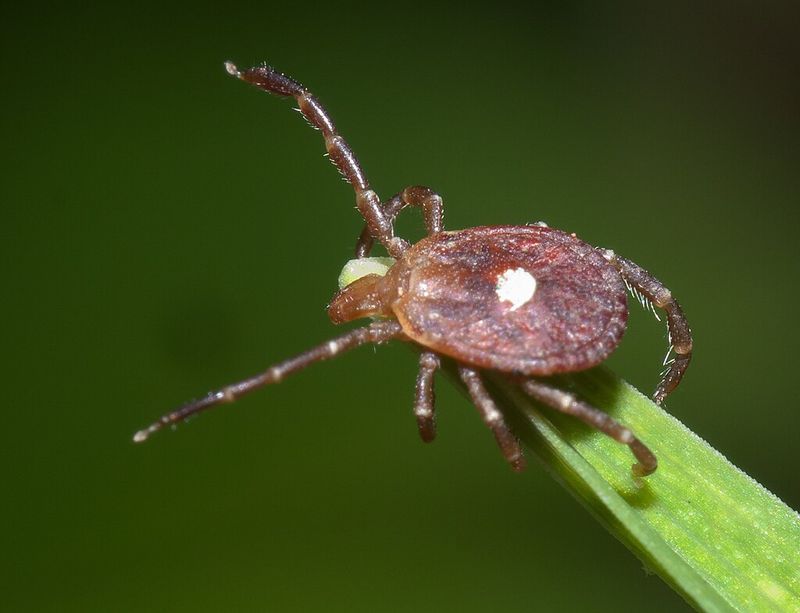
Controlled laboratory experiments compared BioUD, containing 7.75% 2-undecanone, against a standard DEET-based repellent.
Your Ohio Garden Changes Every Week. Your Plan Should Too.
Gardening in Ohio changes quickly throughout the season. Every Friday you’ll receive a simple weekly plan showing exactly what to plant, prune, fertilize, harvest, and protect so you never miss the right timing.
Researchers tested the formulations against Ixodes scapularis, the black-legged tick commonly called the deer tick, and Amblyomma americanum, the lone star tick.
Both species are medically significant in the eastern United States, including Ohio.
The laboratory design measured how many ticks crossed a treated zone compared to an untreated control. Repellency, not toxicity, was the focus.
The tests measured whether ticks avoided the treated area, not whether the compound harmed them directly.
Results showed BioUD performed strongly against both tick species under those specific laboratory conditions. The comparison DEET product used in those experiments was at a lower concentration than the highest-strength DEET products available to consumers.
Laboratory outcomes reflect controlled conditions that do not automatically mirror real-world patio or yard use. Variables like wind, sweat, clothing, and ambient temperature all affect how a repellent performs on skin.
The findings were meaningful and peer-reviewed. However, they describe one set of tested conditions rather than a universal verdict on every DEET product in all situations.
4. Some Lab Tests Gave The Tomato Repellent The Edge
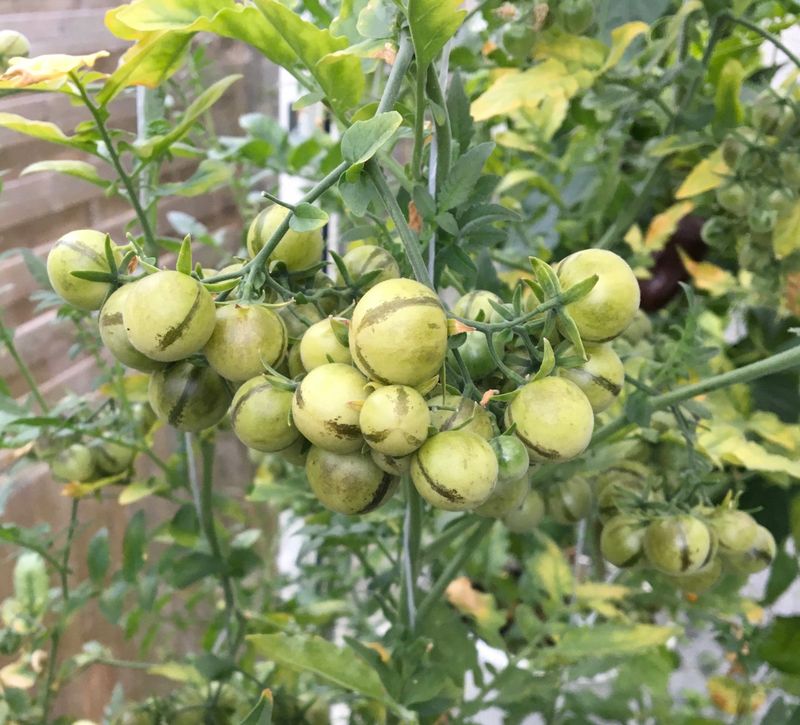
Published results from the BioUD tick studies showed a repellency advantage that surprised many researchers.
Under the tested laboratory conditions, BioUD demonstrated roughly two to four times stronger repellency than the DEET comparison product against certain tick species.
That range came directly from the study data and applied specifically to those tested conditions.
Calling this result a blanket win over all DEET products would misread the science. The comparison involved a specific DEET concentration, specific tick species, and a controlled laboratory environment.
Higher-concentration DEET products, different tick species, or outdoor field conditions could produce very different numbers.
Repellent performance depends on formulation chemistry, active-ingredient dose, how the product is applied to skin, and the biology of the target species. Duration of protection is another key factor.
The BioUD studies examined repellency during the tested exposure period, and those findings were statistically significant within that scope. Readers should treat the two-to-four-fold figure as a specific laboratory result.
It is not a promise about how any 2-undecanone product will perform on a hiking trail in summer heat. The research was genuinely promising, and it earned BioUD EPA registration as a repellent ingredient.
5. A Living Wild Tomato Is Not A Ready-Made Repellent
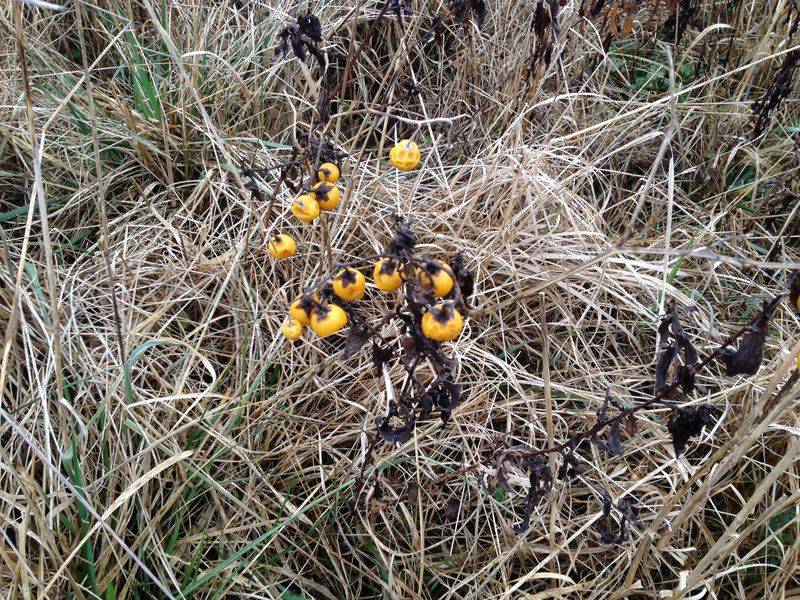
Placing a potted Solanum habrochaites beside a patio chair is a tempting thought after reading about 2-undecanone. The plant looks wild and interesting, and the chemistry connection feels like it should translate directly into backyard protection.
That translation does not hold up under scrutiny.
A living leaf does not deliver a standardized dose of 2-undecanone to exposed skin. The compound stays locked in trichome tips until physical contact releases it, and even then the amount released is variable and unmeasured.
There is no evidence that the plant’s aroma creates a protective zone around a seating area.
Crushing leaves, rubbing foliage on clothing, or spreading leaf material around a patio are not safe or proven practices. Solanum habrochaites belongs to a plant family with members known to cause skin sensitivity in some people.
Contact with the hairy stems and leaves may cause irritation for sensitive individuals. For personal tick protection, EPA-registered repellents applied according to label directions remain the recommended approach.
Tick checks after outdoor time, wearing long sleeves and pants, and tucking pants into socks are proven prevention steps that no potted plant can replace.
6. Specialty Seeds Make This Unusual Tomato Growable At Home
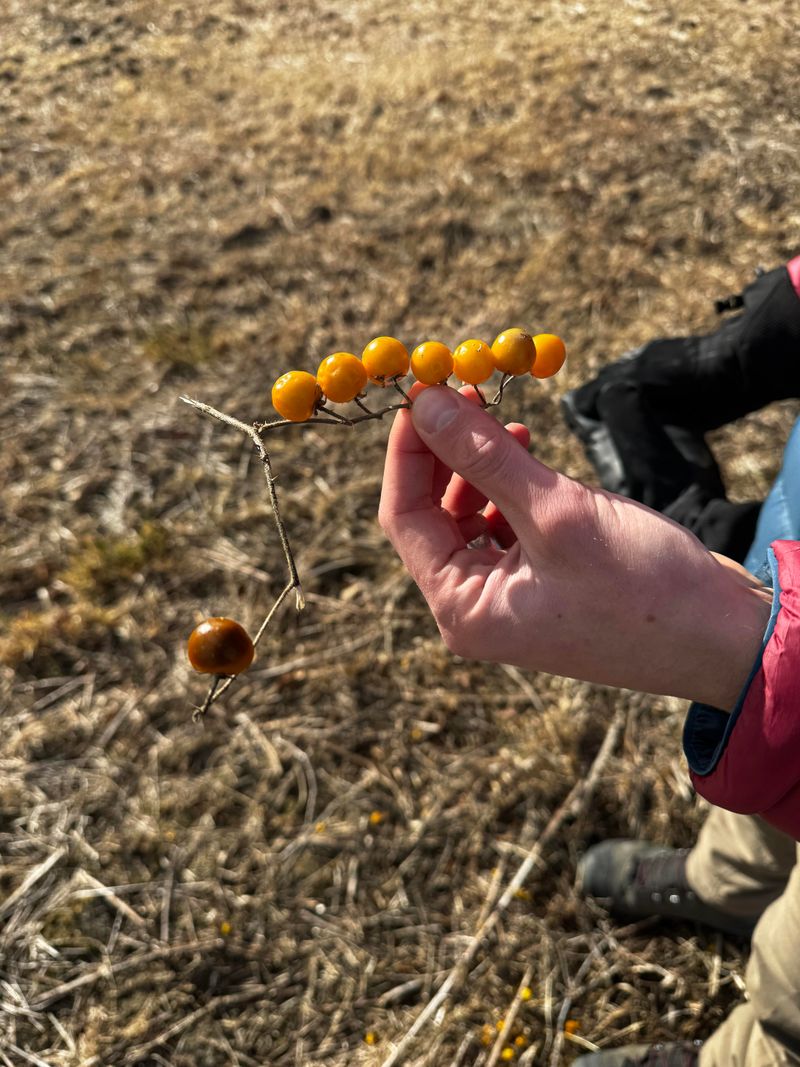
Solanum habrochaites is not a plant you will find at a typical Ohio garden center or big-box store. Specialty seed companies focused on rare vegetables, wild tomato relatives, and heirloom genetics do carry the species.
Searching for the botanical name rather than a common name gives the best results when browsing online seed catalogs.
The UC Davis Tomato Genetics Resource Center maintains germplasm collections of Solanum habrochaites accessions for research use. That collection is a scientific resource, not a retail seed source for home gardeners.
Specialty seed companies sometimes offer the species for growing enthusiasts, though availability can vary by season and supplier.
Buyers should confirm the full botanical name, Solanum habrochaites, on any packet before ordering. A generic listing may not correspond to the specific accession studied for high methyl-ketone production.
Researchers working with wild tomato chemistry used particular plant populations with documented chemical profiles.
A seed packet from a specialty retailer offers the species for growing interest, but it does not guarantee the same chemical output as a research accession.
Growing it as an unusual ornamental or science-interest plant is a reasonable goal. Expecting it to replicate laboratory repellent chemistry is not.
7. A Large Patio Pot Gives The Vigorous Vine Room To Sprawl
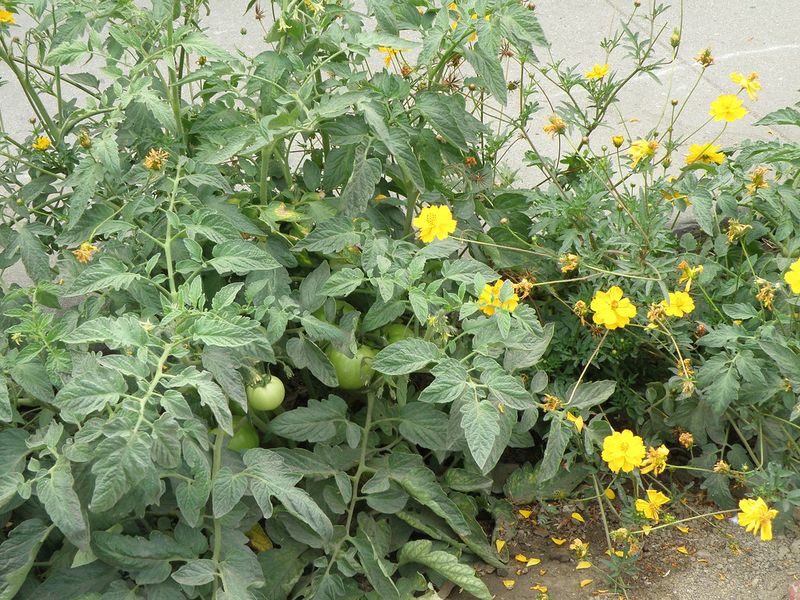
Solanum habrochaites grows as a sprawling, indeterminate vine with a vigorous habit that surprises gardeners used to compact patio tomatoes. The plant can extend several feet in a single season and needs sturdy support to stay manageable.
A large container with drainage holes provides a workable home on a patio or deck.
Container size matters for root health and plant stability. Aim for a pot large enough to anchor the vine without tipping.
A heavy container also handles Ohio’s summer wind better than a lightweight plastic pot. Drainage holes prevent waterlogged soil, which wild tomatoes handle poorly.
Full sun suits this species well. At least six hours of direct sunlight daily supports healthy growth.
Ohio gardeners should wait until nighttime temperatures stay reliably above 50 degrees Fahrenheit before moving frost-tender tomato relatives outdoors. That timing varies from early May in southern Ohio to late May in northern parts of the state.
Staking, caging, or tying the vine to a trellis keeps growth directed and prevents sprawl across adjacent containers. Container soil dries faster than garden beds in hot weather, so check moisture levels regularly rather than following a fixed watering schedule.
The fruit is small and not considered a standard edible crop.
8. Grow It For The Science, Not As Your Only Tick Defense
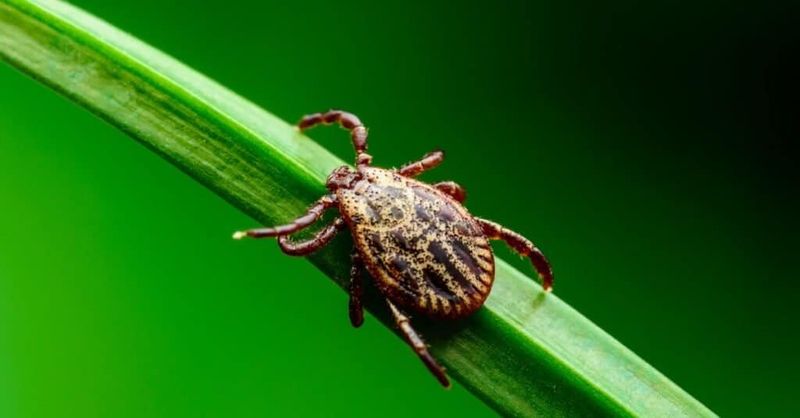
Solanum habrochaites earns its place on a patio as a genuine conversation starter. Guests who hear that its leaf chemistry inspired a laboratory-tested tick repellent tend to look at a tomato plant differently.
That connection to real peer-reviewed science makes it more than just another vine in a pot.
Treating it as a protective barrier, though, would give the plant credit it has not earned in real-world use. Personal tick protection still relies on EPA-registered repellents applied to exposed skin, appropriate clothing, and thorough tick checks after time outdoors.
Tucking pants into socks and wearing light-colored clothing makes ticks easier to spot. Keeping lawn areas trimmed and leaf litter cleared reduces tick habitat near a home.
The CDC recommends EPA-registered repellents containing ingredients such as DEET, picaridin, IR3535, or oil of lemon eucalyptus for skin application.
BioUD, containing 2-undecanone, is also EPA-registered and available to consumers seeking a plant-derived option.
No single measure covers every risk, so layering multiple precautions works best. Growing Solanum habrochaites is a way to bring a piece of repellent research history into your garden.
The surprising link between an obscure wild tomato and modern tick science is reason enough to give it a spot in the sun.