The California Arboretum With One Of The Oldest Tree Collection In The State
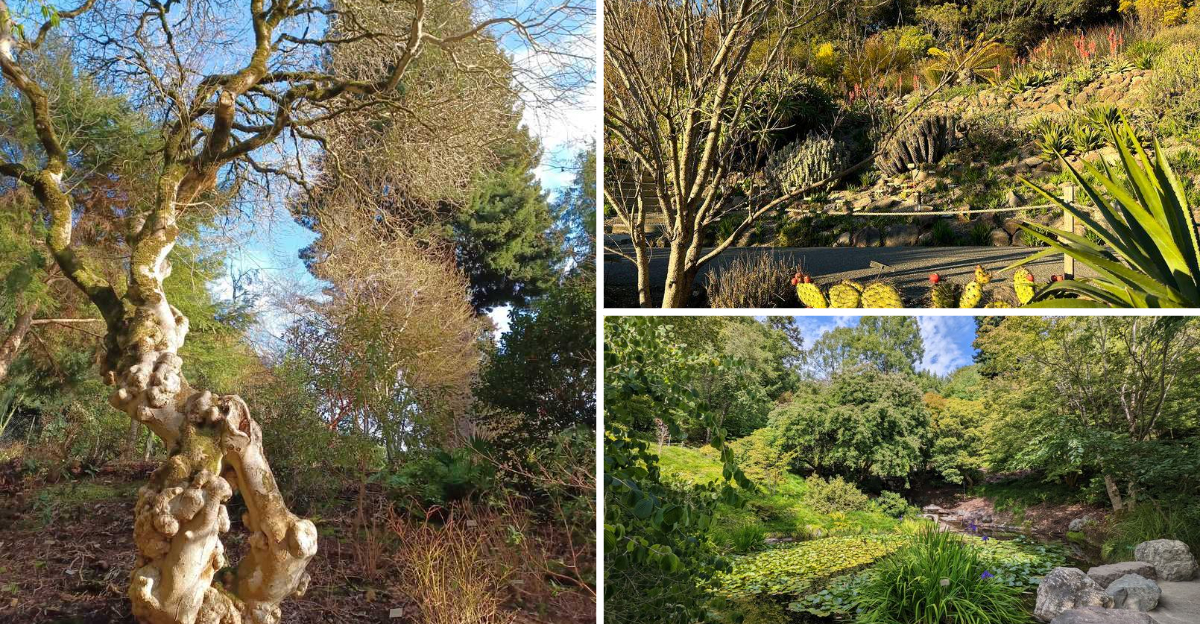
Somewhere on a university campus, a forgotten plot became something extraordinary. Nobody warns you this ground has outlasted entire eras of change.
Botanists chose this site before California had freeways worth mentioning. Visitors expect a quiet campus corner, then you find living history instead.
Six hundred species filled this ground within just two years of founding. Researchers documented specimens you won’t find anywhere else nearby.
Decades later, administrators tore down the original conservatory and moved everything. Most collections would have died during a transition like that.
This one survived intact, carrying its records across an entire relocation. Every path here still connects back to that same founding ambition.
Nothing about this garden’s endurance happened by accident or simple luck. You will not find another California collection with this exact history.
A California Garden That Predates Most Of Its Neighbors
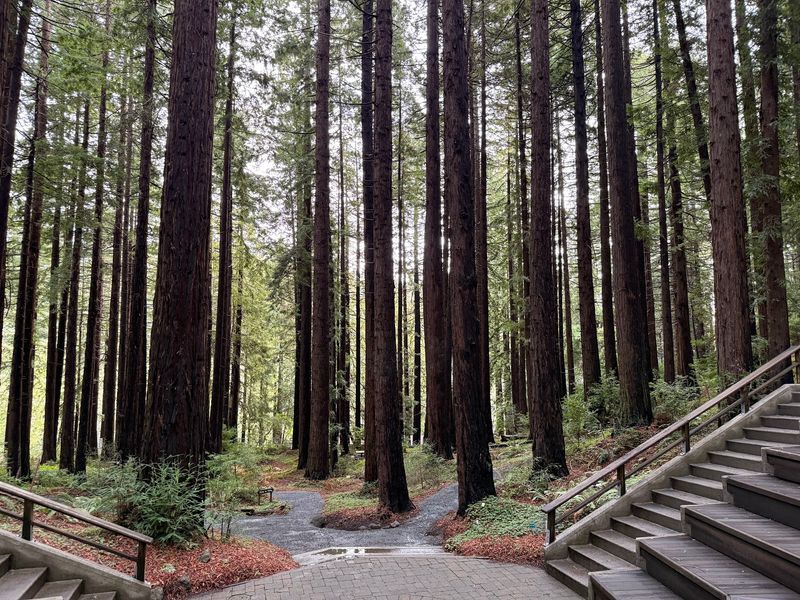
Long before most public gardens in California existed, a small plot on a university campus quietly took shape. A botany professor named Edward Greene took charge of the project in 1890.
His goal was preserving native plants before nearby development took over. Within two years, the collection already held six hundred species.
That address, near 200 Centennial Drive in Berkeley, California, sits tucked into a canyon overlooking the bay. Few visitors realize how much history surrounds that particular stretch of hillside.
Students and faculty used the space for research long before the public gained access. That restriction lasted for several decades afterward.
Many gardens from that same era got paved over or folded into other campus projects. This one kept expanding instead of shrinking as each decade passed.
By the time it finally opened to visitors, the garden already carried a century of documented history. Few institutions in the state can claim a similar timeline.
Curators today treat the collection as a living archive rather than a static display. Every new addition builds on decades of prior research instead of standing apart.
That continuity remains rare even among long-running botanical institutions nationwide. Few founders build something meant to outlast them so completely.
Thousands Of Species Gathered From Every Continent
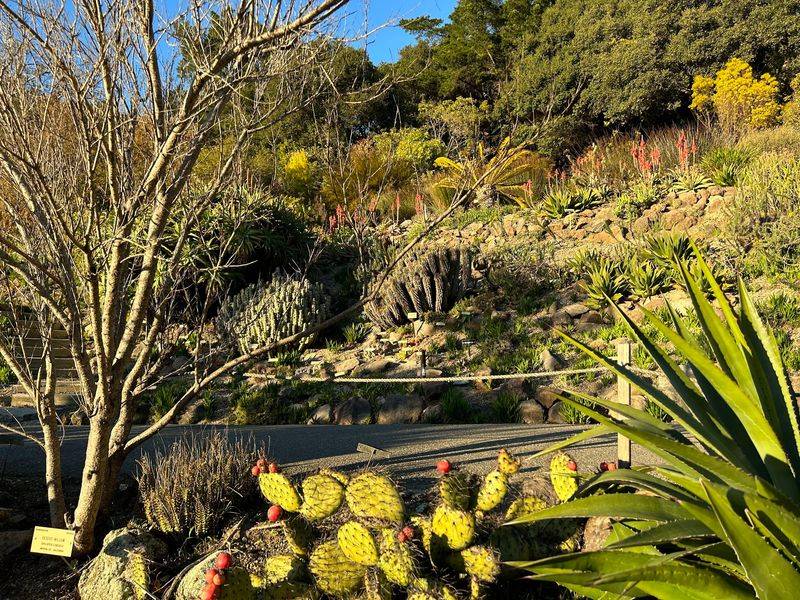
What started as a regional project expanded far beyond its original scope within a few short years. Curators began adding specimens pulled from distant climates worldwide.
That decision reshaped the entire mission of the garden going forward. Plants from South Africa, Australia, Asia, and South America eventually joined the native collection.
Each region received its own dedicated section, organized by geography rather than mixed randomly. Visitors can trace entire continents just by walking a single path.
The number of species eventually climbed past ten thousand across the property. Rare and endangered plants make up a significant share of that total.
Some specimens exist in cultivation nowhere else across the entire country. That rarity draws researchers from far outside the immediate region.
Four particular groups earned national recognition for their depth: cycads, ferns, magnolias, and oaks. Each collection took decades to build through careful acquisition.
Your California Garden Changes Every Week. Your Plan Should Too.
Gardening in California changes quickly throughout the season. Every Friday you’ll receive a simple weekly plan showing exactly what to plant, prune, fertilize, harvest, and protect so you never miss the right timing.
Mediterranean climate regions became a focus under later directors and curators. Chile, South Africa, and parts of Australia share striking parallels with California’s landscape.
Comparing those regions side by side gives scientists a genuine research advantage. Few visitors realize how much of the world fits inside thirty four acres.
The diversity here rivals collections many times its physical size. That scale developed one careful addition at a time, never all at once.
One Of The Nation’s Oldest Living Plant Collections
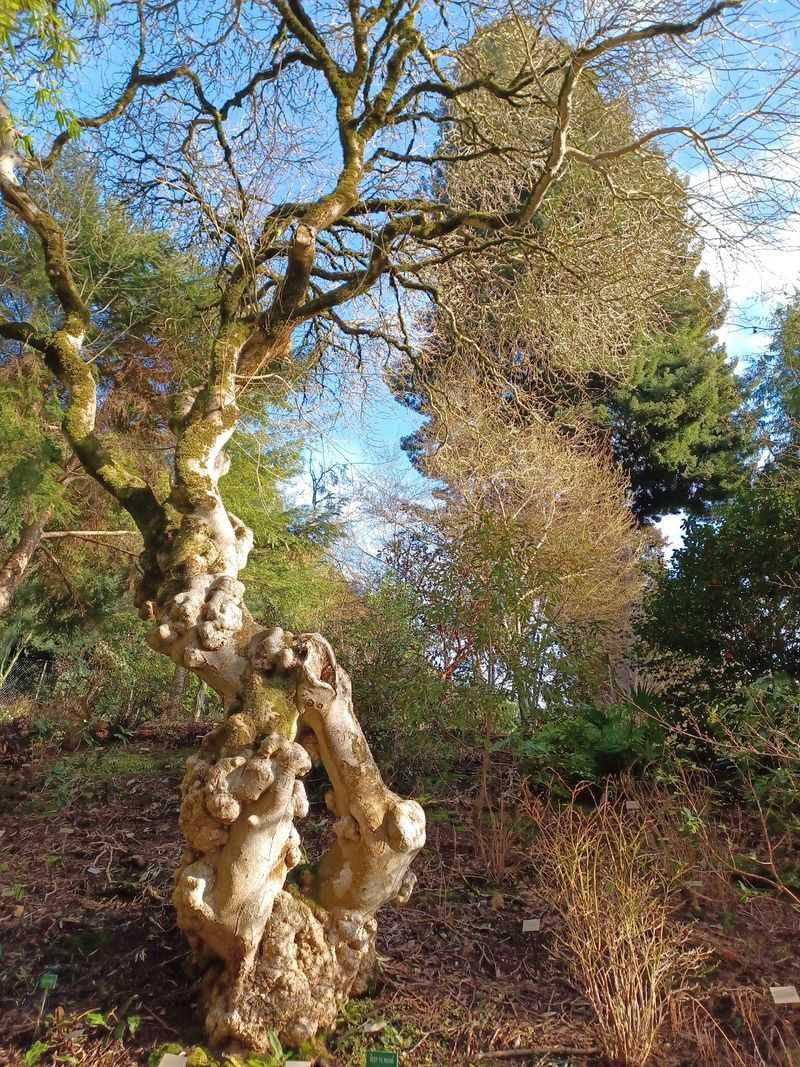
Age alone does not make a collection significant, but this one pairs longevity with real scientific weight. Researchers regularly rank it among the oldest and most diverse living collections nationwide.
That distinction did not happen overnight or by simple coincidence. Documentation stretches back over a century, giving scientists an unusually long record.
Climate change research benefits enormously from that kind of continuous historical data. Few institutions anywhere can offer comparable depth across so many decades.
The garden has also served less obvious purposes throughout its history. It functioned as a refuge for endangered plants rescued from illegal trafficking operations.
Rare specimens found safety here when few other options existed elsewhere. That protective role rarely gets mentioned outside academic circles.
Seed banking became a quiet priority as conservation concerns grew across the state. Storing genetic material protects species even after wild populations disappear completely.
That insurance policy took decades of careful planning to build properly. Researchers have also studied hummingbird behavior and biomagnetism using the grounds directly.
Students conduct fieldwork alongside professional researchers throughout the entire year. Few public gardens double as functioning laboratories at this particular scale.
California flora receives particular attention within the broader collection overall. That regional focus covers roughly a quarter of the state’s native plant diversity, connecting directly back to the founding mission from 1890.
Inside The University Of California Botanical Garden
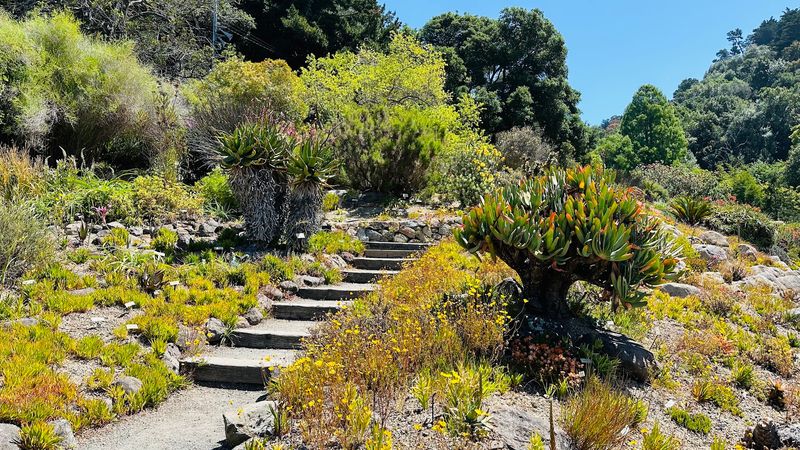
The University of California Botanical Garden anchors this collection today, carrying the founding vision forward into the present. Its full name reflects the institution behind it rather than any single donor or founder.
Visitors enter through paths organized by geographic region rather than by plant type alone. That layout lets people walk from California chaparral into South African fynbos within minutes.
Nine distinct regions unfold across the property, each mimicking its native climate and terrain. Signage throughout explains origins, adaptations, and the research tied to specific specimens.
A historic building designed in 1911 now overlooks the California section of the grounds. It was relocated here decades after its original construction elsewhere on campus.
Constructed from old growth redwood, the structure blends into its surroundings almost seamlessly. Visitors often pause there before continuing deeper into the geographic sections beyond.
Docent-led tours became a regular offering starting in the 1970s under a new director. That program opened the garden’s research depth to casual visitors for the first time.
Magnolia, oak, fern, and cycad collections draw particular attention from specialists and hobbyists alike. Each grouping represents genetic diversity that took generations of careful curation to assemble.
Ethnobotanical sections add another layer, showcasing plants tied to human history and traditional use. Crops, medicinal herbs, and culturally significant species round out an already sprawling collection.
Nothing about the layout feels arbitrary once visitors understand the logic behind it. Every section connects back to decades of documented research and careful planning.
A Site That Moved But Kept On Growing
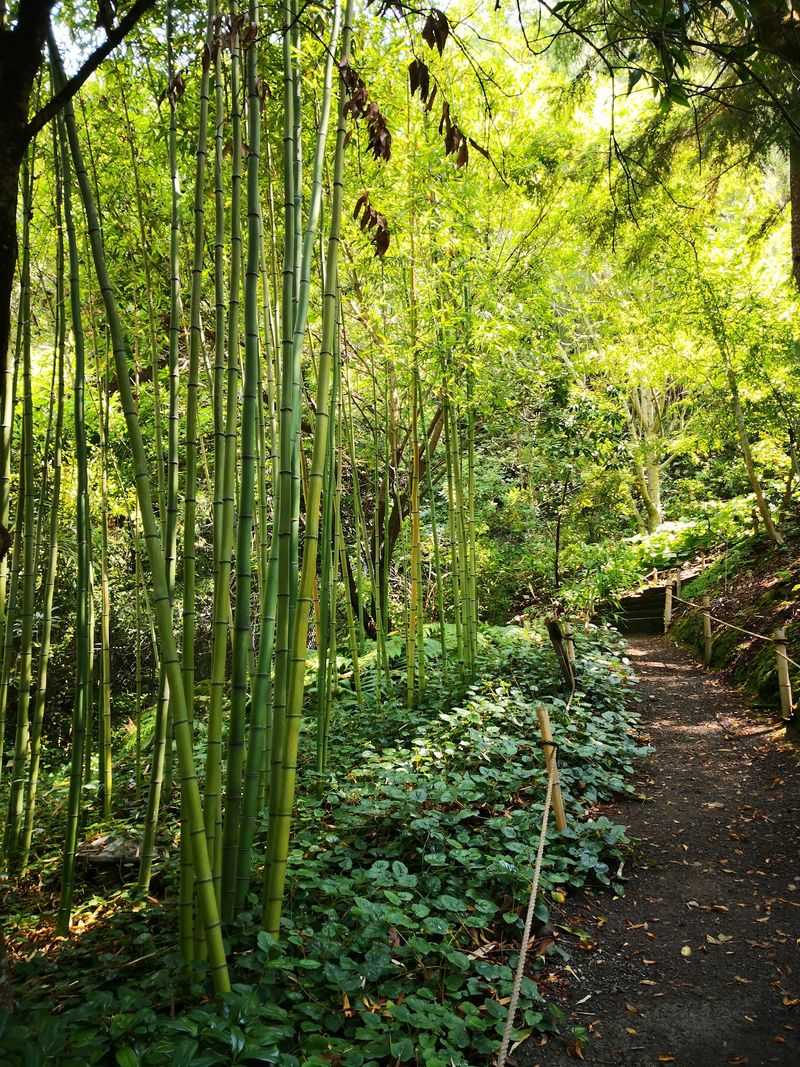
The garden’s story includes a major relocation that reshaped its entire future. Its original home sat near the northern side of the central campus.
A glass conservatory modeled after London’s Crystal Palace once anchored that first location. Built in 1894, it housed towering palms within an elegant, light-filled structure.
That conservatory came down in the 1920s to make room for campus expansion. Losing it forced administrators to reconsider where the garden’s future belonged entirely.
Strawberry Canyon became the new site, offering more space and fewer development pressures nearby. The move finished by the mid-1920s, giving the collection room to grow further.
Thirty four acres replaced the cramped original footprint near the main campus buildings. That extra space allowed curators to organize plants by climate and geography properly.
Despite the disruption, the garden’s mission stayed close to its founding purpose. Preservation, research, and public education remained constant priorities through every transition.
Later directors expanded the collection’s global reach far beyond its original regional focus. Robert Ornduff, appointed director in 1974, pushed particularly hard toward mediterranean climate regions.
His interest in South Africa, Chile, and Australia reshaped entire sections of the property. That expansion cemented the garden’s reputation as a genuinely international collection.
Few institutions survive a relocation and still claim continuous, documented history afterward. This one did exactly that, carrying its records and reputation across the move intact.
Planning A Visit To This Historic Ground
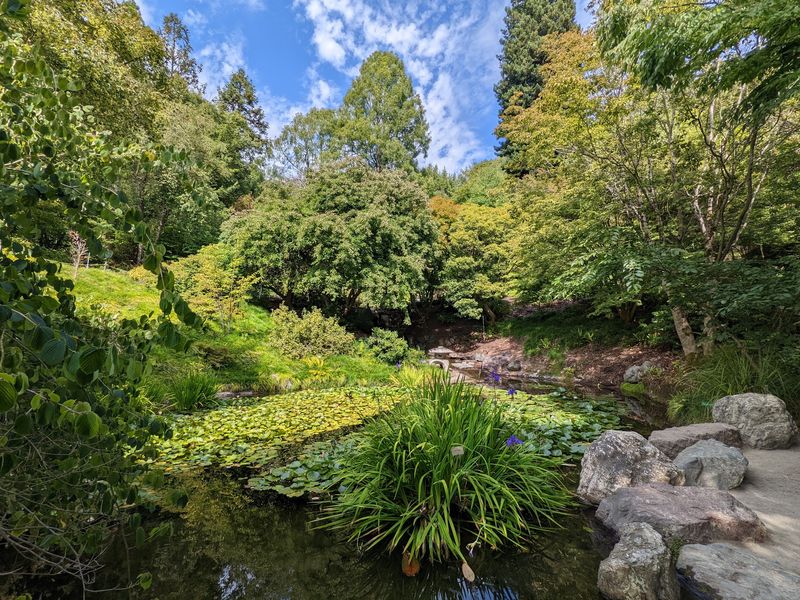
Visitors today can explore a collection built across more than a century of careful work. Location matters here, since the garden sits within Strawberry Canyon overlooking San Francisco Bay.
That setting offers views rarely found alongside this level of botanical diversity. Few gardens combine sweeping bay vistas with ten thousand distinct plant species.
Admission requires a ticket, and staying within marked paths keeps plant beds protected. Photography without special equipment is generally permitted throughout most sections of the grounds.
Guided tours remain available for visitors wanting deeper context beyond posted signage. Docents often highlight specimens tied to specific research projects or historical milestones.
Seasonal blooms shift throughout the year, giving repeat visitors new reasons to return. Spring and early summer tend to showcase the widest range of flowering species.
Families, students, and researchers all share the same grounds without much overlap in experience. Each group tends to focus on different sections depending on their particular interest.
The magnolia and oak collections draw visitors specifically interested in rare cultivated specimens. Ethnobotanical sections appeal more to those curious about plants tied to human history.
Parking and access points connect directly to the broader Berkeley hills area nearby. Public transit options exist but require some additional walking from the nearest stop.
Anyone curious about California’s botanical history will find rare context here. Few sites combine this much documented history with such an accessible public setting today.