Plants You Should Divide In Michigan Before June Ends
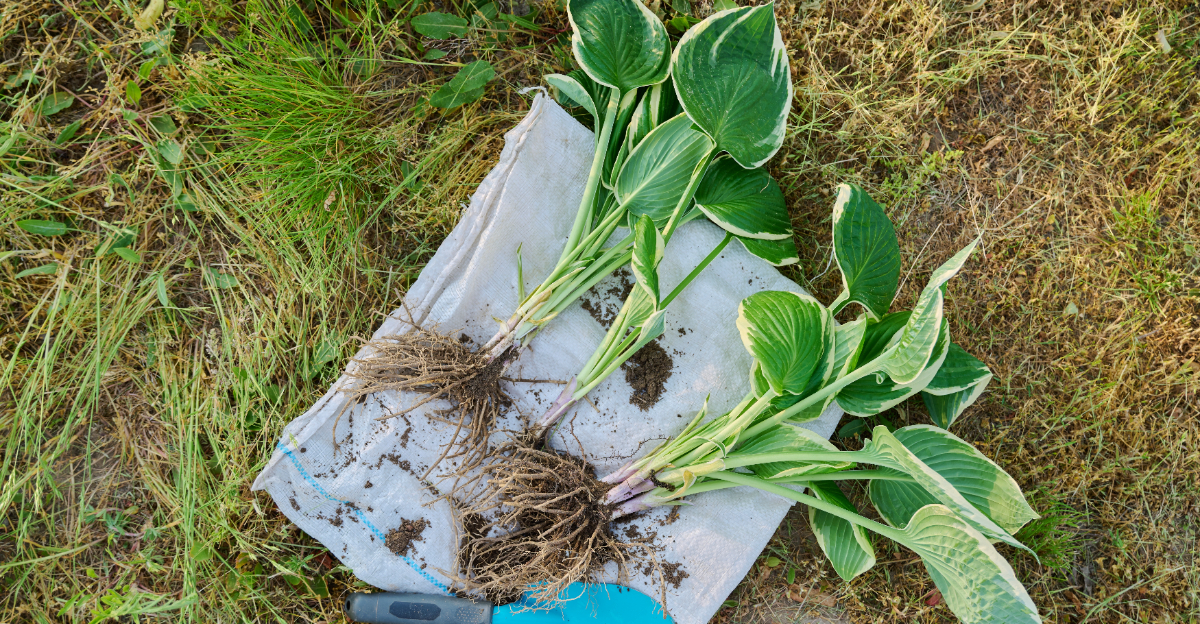
Dividing plants at the right time makes a much bigger difference than most gardeners ever realize.
In Michigan, the window just before the end of June is one of the best opportunities all year to split up overcrowded perennials while the soil is still workable and summer heat has not fully settled in across the state.
Plants that have been sitting undisturbed in the same spot for three or four years often stop performing the way they once did.
Crowded roots compete heavily for nutrients, blooms get noticeably smaller, and the overall shape of the plant starts to deteriorate.
A clean division done right now gives each new section enough time to establish strong, healthy roots well before fall temperatures begin dropping.
1. Daylilies
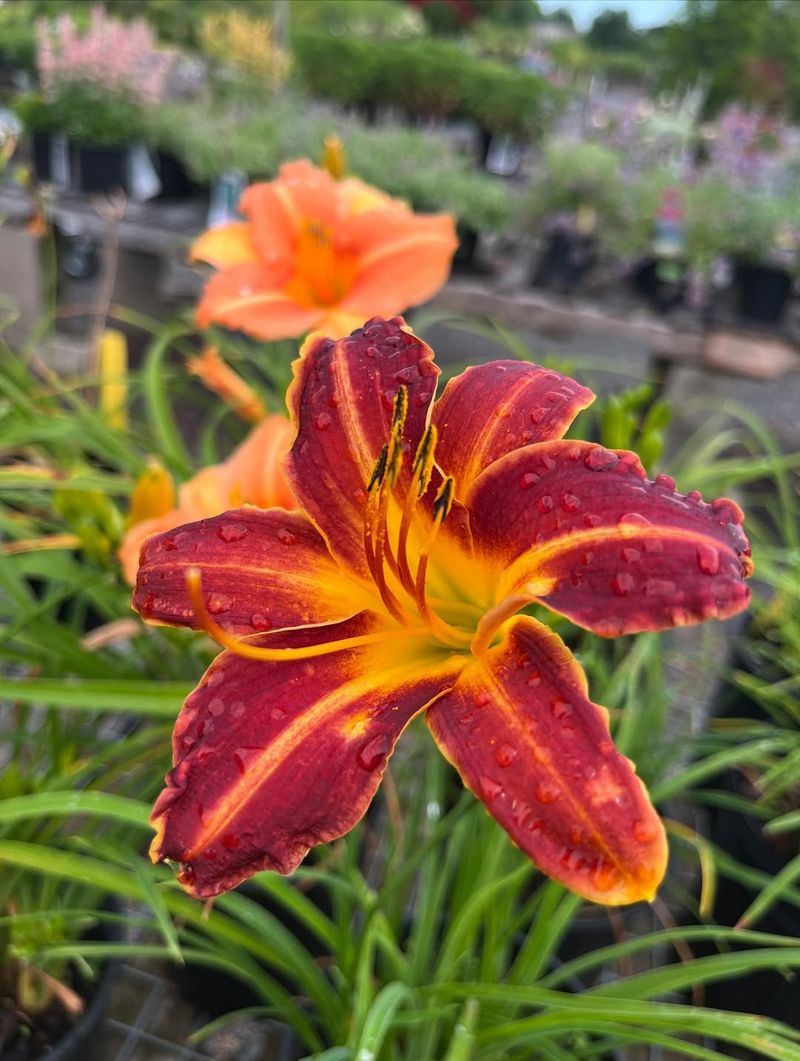
Few plants reward a Michigan gardener quite like daylilies. These tough, cheerful bloomers can go years without attention, but once a clump gets too crowded, you will notice fewer flowers and smaller blooms.
Dividing them before June ends gives each new section time to root properly before the hottest weeks arrive.
To get started, use a garden fork to loosen the soil around the outside of the clump. Lift the entire root mass, then use your hands or two forks back-to-back to tease apart sections that each have several fans of leaves and a healthy cluster of roots.
Sections with three to five fans tend to reestablish the fastest. Prepare your new planting spots by loosening the soil about twelve inches deep and mixing in compost to improve drainage.
Michigan soils can range from heavy clay to sandy loam, so adding organic matter almost always helps.
Plant each division so the crown sits about an inch below the soil surface, and space clumps at least eighteen to twenty-four inches apart.
Water thoroughly right after planting and keep the soil consistently moist for the first two weeks. Daylilies are surprisingly tough once established, but fresh divisions need a little extra care early on.
A light layer of mulch around the base helps hold moisture and keeps weeds down through summer.
You may not get a full flush of blooms in the first year after dividing, but by next summer, your newly settled plants should put on a show that makes all the effort completely worth it.
2. Hostas
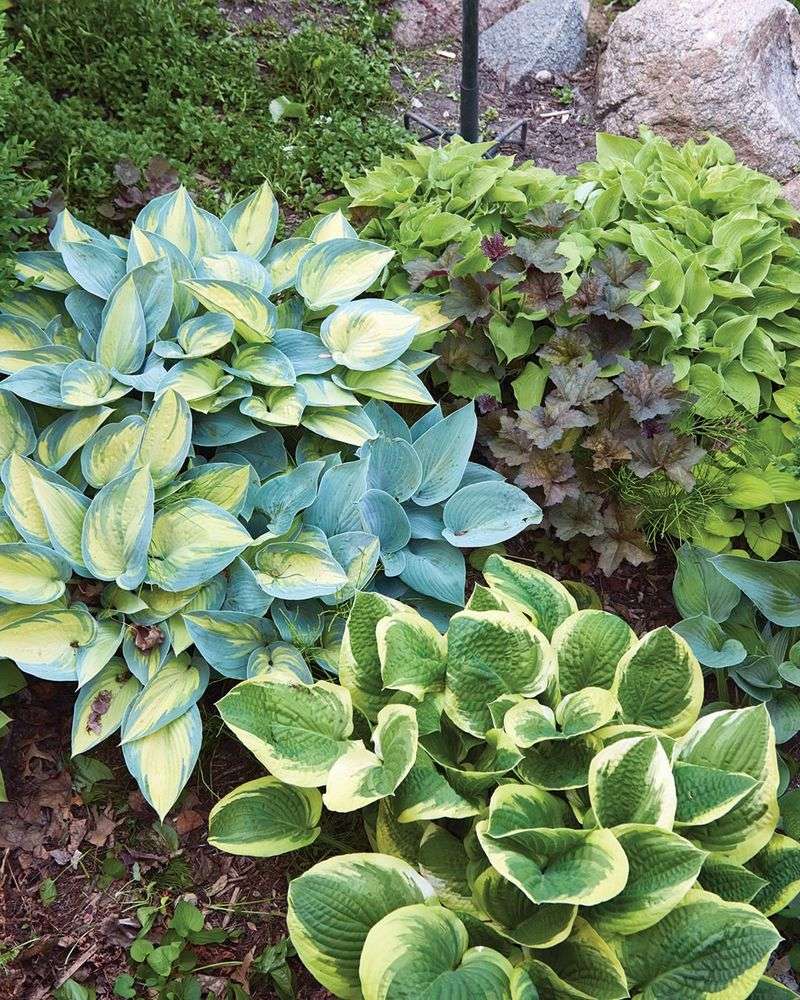
Hostas are the backbone of countless Michigan shade gardens, and they are remarkably forgiving plants.
Over time though, a single hosta can grow into a dense mound so packed with roots that the center starts to look tired and the leaves shrink in size.
Splitting crowded clumps before late June gives each division a full season to recover and build vigor before winter.
Start by watering the plant well the day before you plan to divide it. This makes the root mass easier to work with and reduces stress on the plant.
Use a sharp spade or garden knife to cut straight down through the crown, slicing the clump into sections. Each piece should have at least two or three growth points, which look like small pointed buds emerging from the base.
Your Michigan Garden Changes Every Week. Your Plan Should Too.
Gardening in Michigan changes quickly throughout the season. Every Friday you’ll receive a simple weekly plan showing exactly what to plant, prune, fertilize, harvest, and protect so you never miss the right timing.
Replant divisions at the same depth they were growing before, which is usually with the crown just at or slightly below the soil surface. Hostas prefer rich, well-draining soil with plenty of organic matter worked in.
In Michigan, spacing plants about two to three feet apart allows good airflow, which is important because crowded hostas are more prone to fungal issues during humid summer stretches.
After replanting, water deeply and add a two-inch layer of mulch to keep roots cool and moist. Hostas appreciate consistent moisture, especially during the first month after division.
Avoid planting in spots that receive harsh afternoon sun, as newly divided plants are more sensitive to heat and light than established ones. With a little patience, your new hostas will fill in beautifully by late summer.
3. Bee Balm
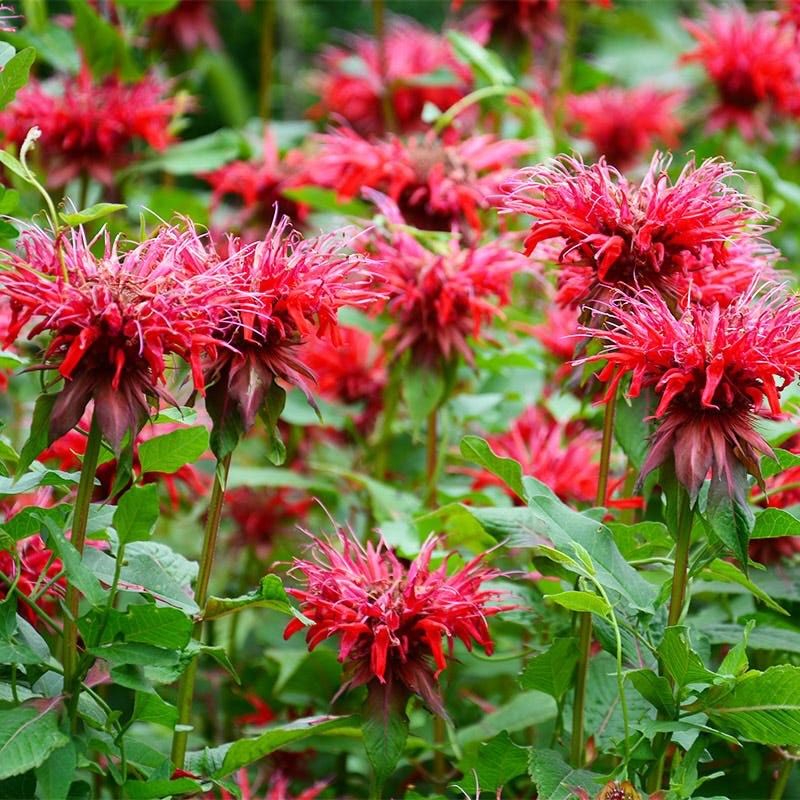
Bee balm is one of those plants that pollinators absolutely love, and Michigan gardeners tend to fall for it too.
The bold red, pink, and purple flowers attract hummingbirds and bees from midsummer onward, but bee balm spreads quickly through underground runners.
Without regular division, clumps become overcrowded, airflow drops, and powdery mildew becomes a real problem.
Dividing bee balm before the end of June catches the plant early enough in the season that new divisions have plenty of time to settle before flowering begins in earnest.
The outer edges of an established clump tend to be the most vigorous, so focus on digging those sections rather than the woody center.
Use a sharp spade to cut sections free, making sure each piece has several healthy stems and a good chunk of roots attached.
Bee balm thrives in full sun to partial shade and prefers consistently moist, well-drained soil. When replanting, space divisions at least eighteen to twenty-four inches apart.
That spacing is not just a suggestion. It genuinely makes a difference in how much powdery mildew your plants develop during Michigan’s humid summer months.
Work some compost into the planting hole before settling each division in place, and water generously right after planting. Keep soil moisture steady for the first couple of weeks as roots establish.
Mulching around the base helps retain moisture without smothering the stems. Bee balm divided and replanted now will reward you with a full, healthy display of blooms that both you and your local pollinators will enjoy all season long.
4. Black-Eyed Susan
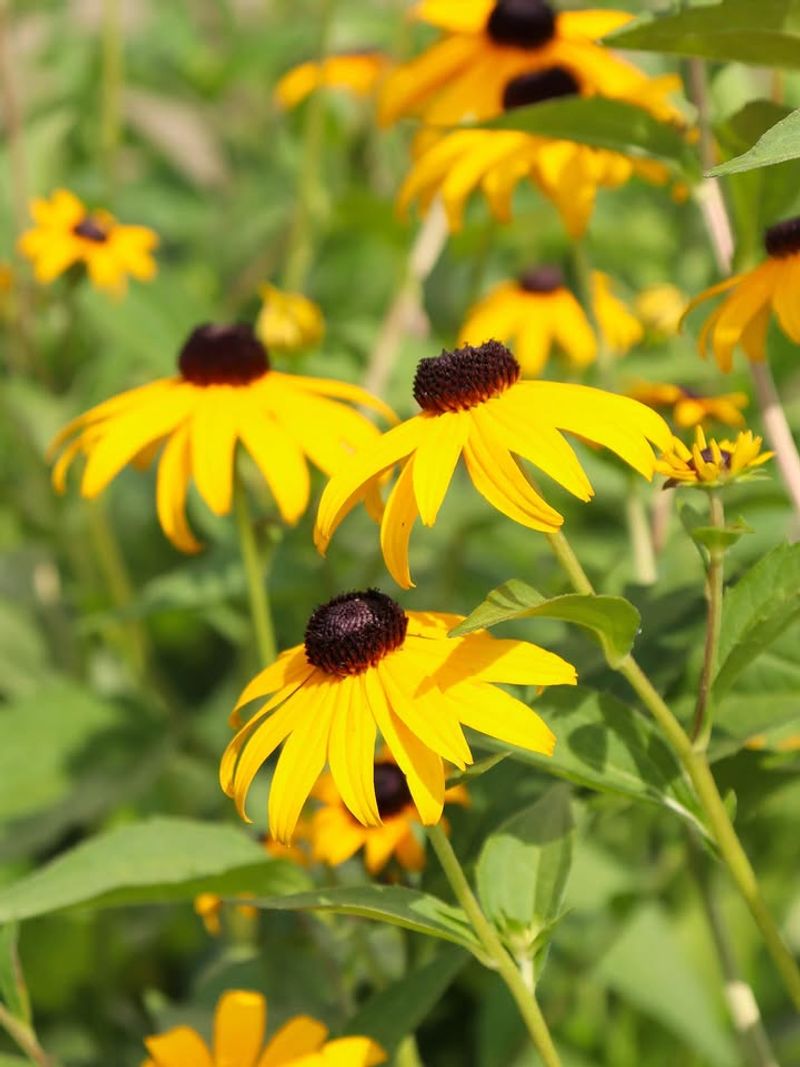
Black-eyed Susans are practically synonymous with Michigan summers.
Their golden yellow petals and dark centers pop up in gardens across the state from mid-July through September, and they require almost no fussing to perform well.
That said, older clumps that have been in place for four or five years can start to thin out in the center and produce noticeably fewer blooms.
Division is not always necessary for black-eyed Susans, but when a clump looks congested or the center appears hollow and unproductive, splitting it before late June is a smart move.
The plant responds well to being divided at this time because it still has a full growing season ahead to recover and set buds for late summer flowering.
Wait too long and you risk disrupting the blooming cycle entirely.
To divide, dig up the entire clump and shake off excess soil so you can see the root structure clearly. Pull or cut the clump into sections, keeping pieces that have strong, healthy crowns and several stems.
Discard any sections that look weak or have very little root growth attached. Replant divisions about fifteen to eighteen inches apart in well-draining soil with full sun exposure.
Black-eyed Susans are drought-tolerant once established, but fresh divisions benefit from regular watering for the first two to three weeks.
Adding compost to the planting hole gives each new section a nutritional boost that supports early root development.
A thin layer of mulch around the base rounds out the care routine nicely. These plants are tough, adaptable, and one of the easiest summer perennials to keep thriving in Michigan gardens.
5. Iris
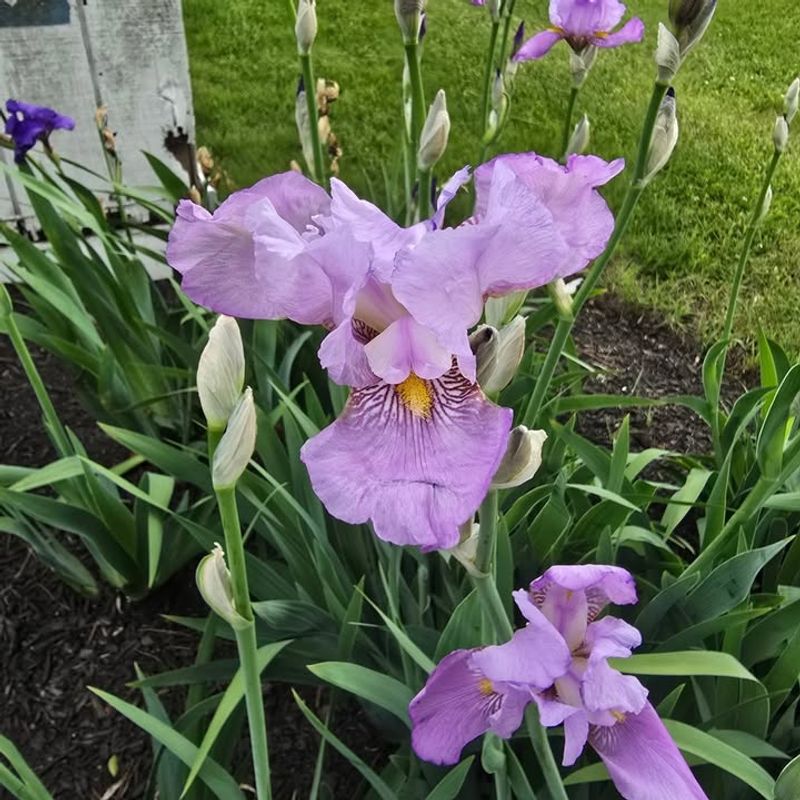
Bearded and Siberian irises are among the most dramatic bloomers in any Michigan garden, but they have a reputation for getting out of hand fast.
Bearded iris rhizomes spread outward each year, and when they overlap and crowd each other, bloom production drops significantly.
Siberian irises form dense, fibrous clumps that can become almost impossible to separate if left too long without attention.
The window right after blooming, which typically falls in late May through June in Michigan, is the ideal time to divide both types.
Bearded iris rhizomes should be lifted and cut into sections, with each piece retaining a healthy fan of leaves and a firm, plump rhizome.
Trim the leaf fans down to about four to six inches to reduce moisture loss while roots reestablish.
For Siberian irises, use two garden forks placed back-to-back to pry the dense clump apart into smaller sections. Each division should include a generous portion of roots and several healthy stems.
Siberian irises prefer moist, slightly acidic soil with good drainage, conditions that match many Michigan garden beds quite well when compost is worked in before planting.
Plant bearded iris rhizomes at or just at the soil surface, never deeply buried, as they need sunlight to bloom well. Siberian irises can go slightly deeper.
Space all divisions about twelve to eighteen inches apart to allow room for the next few seasons of growth. Water well after planting and keep soil moderately moist through the rest of the growing season.
Well-divided irises almost always reward gardeners with noticeably more flowers the following spring.
6. Coral Bells
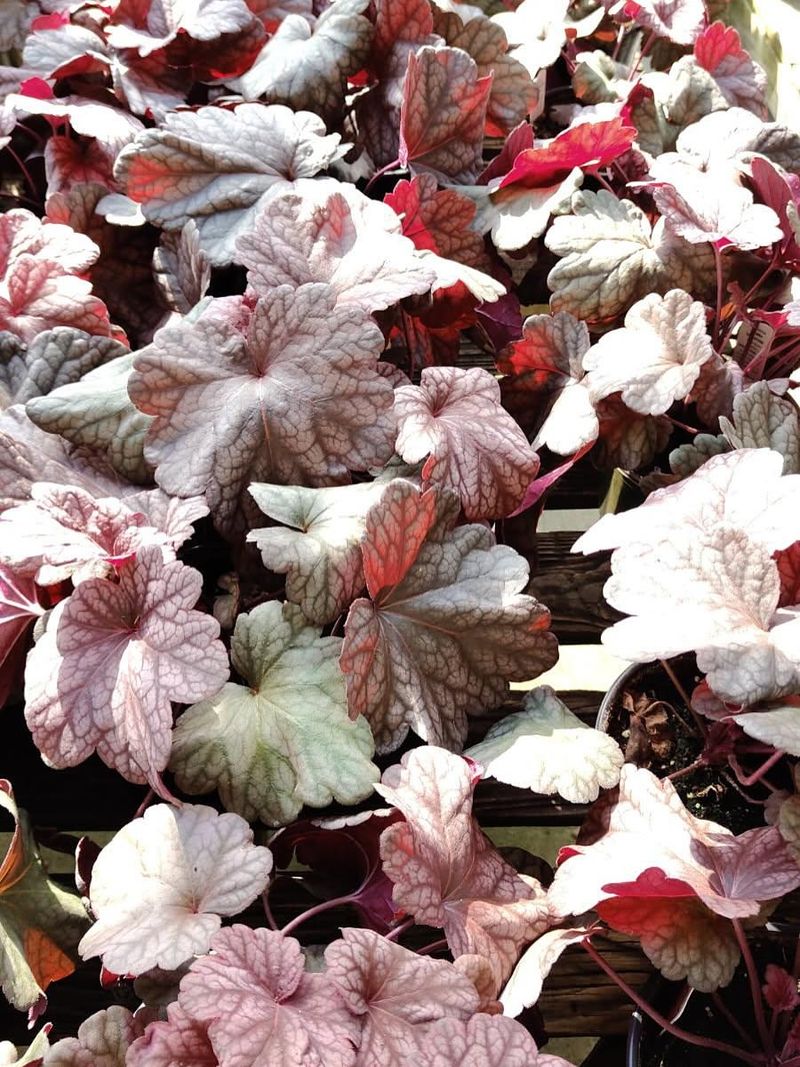
Coral bells bring some of the most stunning foliage color to Michigan gardens, with varieties ranging from deep burgundy and caramel to lime green and silver.
Over three or four years, the woody crown of a heuchera tends to push itself upward out of the soil, which weakens the plant and causes the older leaves to look less vibrant.
Dividing before June ends gives fresh sections the entire summer to root down and recover.
Start by carefully loosening the soil around the plant and lifting the entire crown. You will likely notice that the base is woody and the healthiest growth is concentrated at the tips of the branches.
Use a sharp knife to cut those healthy outer rosettes free, making sure each piece has some roots attached. The woody center section can be set aside, as it rarely performs well after replanting.
Coral bells prefer well-drained soil with a slightly acidic to neutral pH, which suits many Michigan garden conditions.
They grow well in partial shade to full sun, though varieties with darker foliage often hold their color better with some afternoon shade during Michigan’s hottest weeks.
Work compost into the planting area and set each division so the crown sits just at or slightly above the soil surface to prevent rot.
Water consistently for the first few weeks after planting, and avoid letting the soil dry out completely during the establishment period. A light mulch layer helps regulate soil temperature without burying the crown.
Coral bells divided now will flush out with fresh, colorful leaves by late summer and arrive at fall looking better than they have in years.
7. Native Michigan Ferns
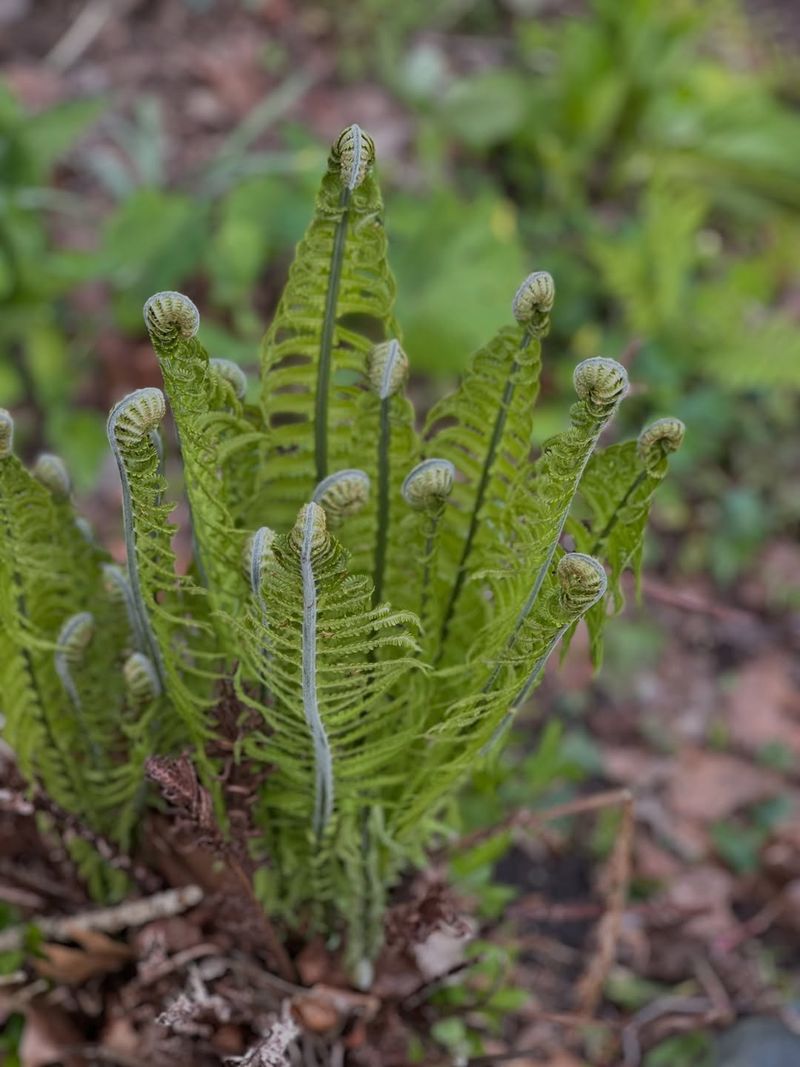
Native Michigan ferns like the stately ostrich fern and the elegant cinnamon fern are some of the most beautiful plants you can grow in a shaded yard.
They spread steadily through underground rhizomes, forming lush colonies that look incredible in naturalized areas.
But over time, those colonies can crowd out other shade plants and become so dense that frond quality actually starts to decline.
June is a sweet spot for dividing ferns because the new fronds have fully unfurled but the summer heat has not yet set in.
Ferns are sensitive to heat stress when their roots are disturbed, so acting before temperatures climb into the upper eighties gives each division the best chance of settling in without struggle.
The cooler, moister conditions of early summer in Michigan are genuinely ideal for this kind of work.
To divide, use a sharp spade to cut sections free from the outer edge of the colony. Each section should include a generous clump of roots and several healthy fronds.
Avoid cutting into the very center of an old colony, as the inner root mass can be woody and slow to recover. Replant divisions promptly, keeping them at the same depth they were originally growing.
Ferns thrive in consistently moist, humus-rich soil with good shade coverage. If you are planting in a new location, work in plenty of leaf compost or aged wood chips to mimic the forest floor conditions these plants love.
Water thoroughly after planting and keep the soil evenly moist through the rest of the summer. With the right care, divided ferns will establish quickly and fill their new space with gorgeous, arching fronds before the season ends.