The One Thing You Must Do To Texas Lilacs Before September Ends
Texas lilacs have a narrow margin for error in this climate, and September is where that margin matters most.
These plants are already working harder than lilacs anywhere with cooler summers, and the decisions made in the final weeks of September directly affect how they come through the coming months and what they deliver in next spring’s bloom.
Most Texas lilac growers treat September as a maintenance month. It isn’t. There is one specific action that needs to happen before September ends.
Skipping it sends the plant into fall unprepared in ways that show up clearly when spring bloom season arrives and the flowers you were expecting simply don’t appear.
It doesn’t take long. But the window is closing faster than most people realize.
Cut Off The Spent Flower Spikes
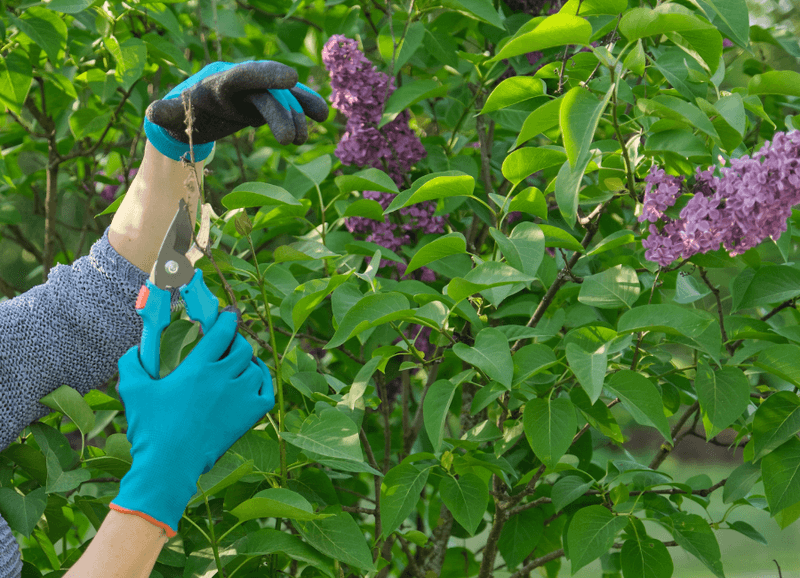
Here is the simple answer you came for. Remove the faded flower spikes from your Texas lilac before September ends. Doing this one task helps the plant put its energy where it counts.
When those purple blooms fade, they turn brown and start forming seeds. Cutting them off before the month is over signals the plant to keep working on flowers instead of finishing seeds. In warm areas, this can lead to another lovely round of color.
The timing matters more than you might think. Late September is a sweet spot because the weather is often still warm enough for growth. Waiting too long means the plant slows down naturally and may not respond as well.
You do not need to trim the whole shrub. Focus only on the spent flower spikes at the tips of the branches. This keeps the plant looking neat while pushing it to bloom again.
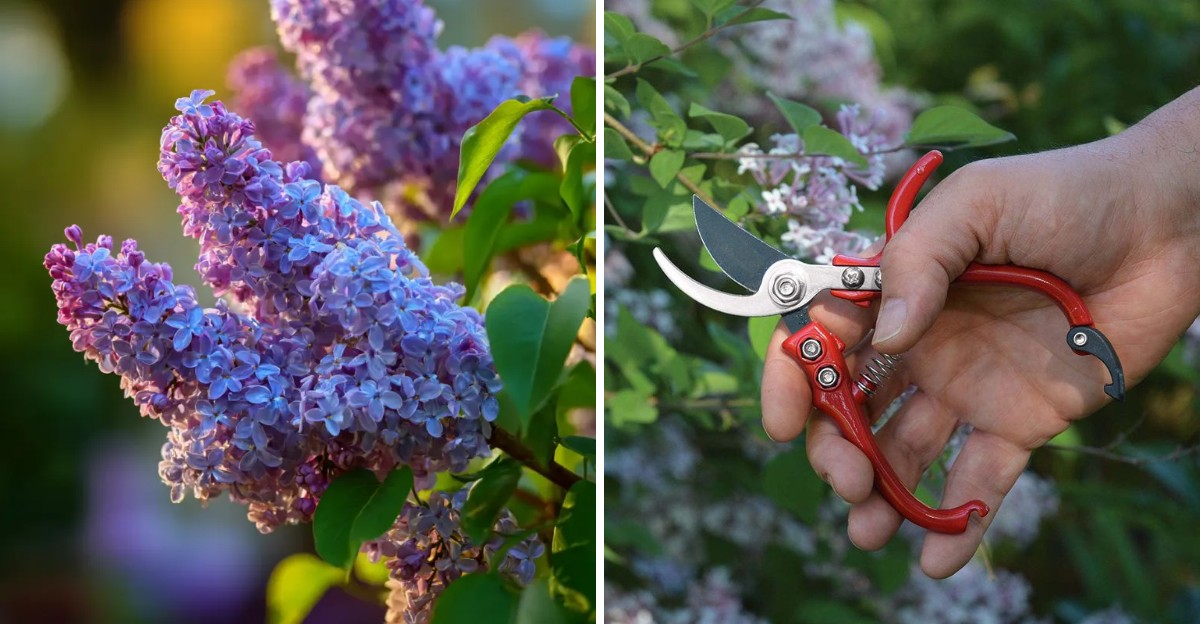
Grab a clean pair of pruners and take a slow walk around your Vitex. Snip each brown, tired-looking spike near the top of its stem. It goes quickly once you get the hang of it.
Think of it like giving your shrub a light haircut. You are tidying up and encouraging fresh, healthy growth at the same time.
Many gardeners are surprised by how much better their Texas lilac looks right after this small chore. The shrub appears brighter, cleaner, and ready to keep performing.
So before the calendar flips to October, set aside a few minutes. This tiny bit of effort can reward you with more of those beautiful blooms you love.
Why Cutting Spent Flowers Helps Vitex

Ever wonder why removing old blooms actually does anything? The reason comes down to how plants spend their energy. A Texas lilac only has so much fuel to give, and it decides where that fuel goes.
Once a flower fades, the plant starts making seeds. Seed production takes a lot of effort. When your shrub is busy building seeds, it has less energy left over for growing new flowers.
By clipping off those spent spikes, you stop the seed-making process early. The plant then shifts its energy back toward fresh blooms and leafy growth instead.
Your Texas Garden Changes Every Week. Your Plan Should Too.
Gardening in Texas changes quickly throughout the season. Every Friday you’ll receive a simple weekly plan showing exactly what to plant, prune, fertilize, harvest, and protect so you never miss the right timing.
This trick is called deadheading, and gardeners use it on many flowering plants. Vitex responds especially well because it naturally likes to bloom more than once when conditions are right.
Warm regions give the biggest payoff. If your area still has plenty of heat and sunshine, your shrub may reward you with another flush of purple spikes after you trim.
There is a tidiness bonus too. Old brown flowers can make even a healthy plant look worn out. Removing them instantly refreshes the whole appearance.
Fewer seeds also means fewer surprise seedlings popping up around your yard. Some gardeners find volunteer Vitex plants sprouting where they did not plant them. Deadheading helps keep that in check.
Think of the plant as a worker with limited time. You are simply redirecting its efforts toward the results you want most.
Understanding this reason makes the task feel worthwhile. You are not just snipping randomly. You are guiding your Texas lilac toward more color and better health for the rest of the season.
How To Identify Spent Flower Spikes

Spotting the right spikes to cut is easier than it seems. Take a close look at the tips of your branches where the flowers grow. The differences become clear once you know what to search for.
Fresh blooms are bright purple, soft, and full of tiny open flowers. Spent spikes look totally different. They turn brown or tan, feel dry, and often show little seed pods forming along the stem.
If a spike has lost its color and looks crispy, that is your target. Those are the ones ready to come off.
Sometimes a single spike has a mix of fading flowers and a few open ones. In that case, it is fine to remove it if most of the bloom is done. The plant will move on to fresher spikes.
Follow the spent flower cluster down its stem with your eyes. You want to find a good spot to make your cut, which usually means just above a set of healthy leaves or a small side shoot.
Avoid cutting into thick, woody, healthy branches. You only need to trim the flowering stem, not major limbs. Removing too much can slow the plant down instead of helping it.
Look for pairs of leaves growing along the stem. Cutting right above them encourages new growth to branch out from that point.
Take your time on this step. Walking around the whole shrub first helps you see the pattern of old versus new blooms.
Once you can tell spent spikes apart at a glance, the actual trimming goes fast. Good identification makes the whole job smooth and stress-free.
The Best Way To Deadhead Texas Lilac
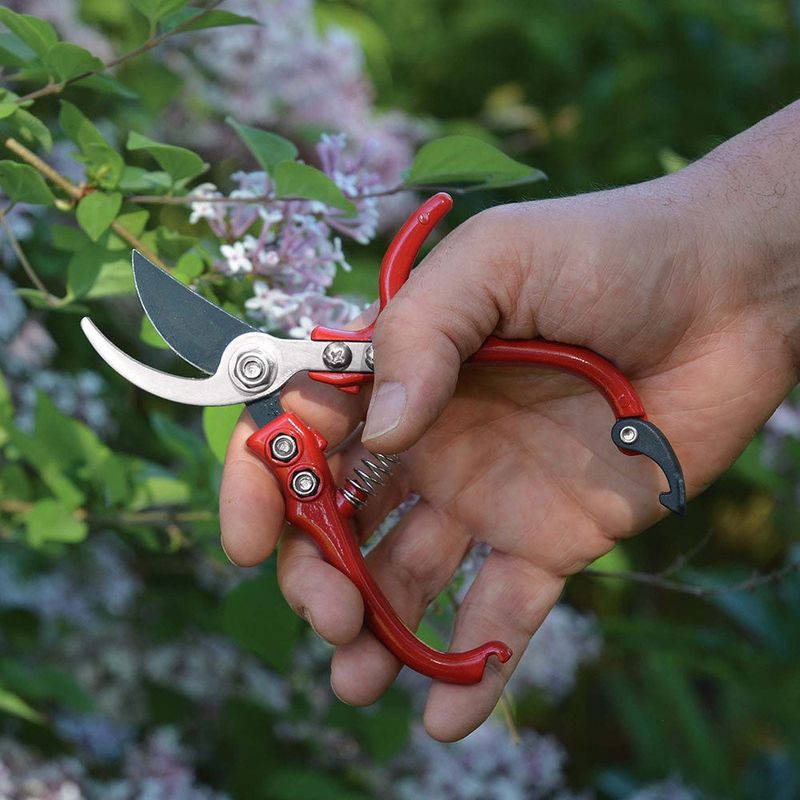
Good tools make this job simple and clean. Start with a pair of sharp bypass pruners. Dull blades crush stems, while sharp ones make smooth cuts that heal nicely.
Cleanliness matters too. Wipe your pruners with rubbing alcohol or a little soapy water before you begin. This keeps any plant illness from spreading between branches.
Now for the actual technique. Find a spent flower cluster and trace its stem downward. Make your cut just above the first set of healthy leaves or a small side branch.
Snip at a slight angle if you can. An angled cut helps water slide off instead of sitting on the fresh wound.
Work one spike at a time. There is no rush, and going slowly helps you avoid nicking branches you meant to keep.
Try not to leave long, bare stems sticking up. Cutting back to a leafy point looks neater and encourages new shoots to form there.
Collect the trimmings as you go. Dropping them in a bucket or bag keeps your garden tidy and makes cleanup quick.
If your shrub is large, take breaks and step back now and then. Looking at the whole plant helps you keep its shape balanced and pleasing.
Avoid heavy pruning at this time of year. You are only removing spent flowers, not reshaping the entire shrub. Save big cuts for late winter or early spring.
Once you finish, your Texas lilac should look cleaner and more open. That fresh, tidy shape sets the stage for new growth.
With practice, this simple routine becomes second nature every blooming season.
Keep Texas Lilac Healthy After Deadheading

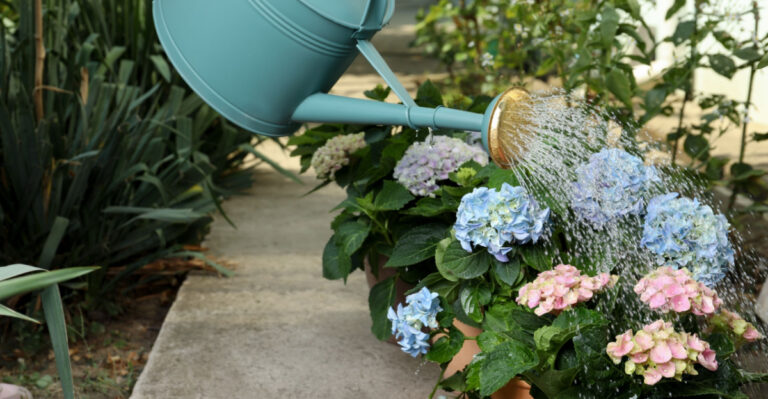
After trimming, a little follow-up care goes a long way. Your shrub just used energy on new growth, so support it with steady watering. Deep, slow drinks work better than quick sprinkles.
Check the soil around the base with your finger. If the top couple inches feel dry, it is time to water. Vitex likes moisture but does not enjoy soggy roots.
Good drainage keeps the plant comfortable. If water pools around the base, ease up a bit and let things dry between waterings.
Keep an eye on the leaves over the next couple of weeks. Bright green, firm leaves are a great sign that your shrub is bouncing back happily.
Watch for any pests hiding under the leaves. A quick spray of water usually knocks off small bugs before they cause trouble.
Skip heavy feeding this late in the season. As fall approaches, the plant naturally begins slowing down, and too much fertilizer can push growth at the wrong time.
A thin layer of mulch around the base helps hold moisture and keeps roots cozy. Just keep the mulch a few inches away from the main stems.
Give your shrub plenty of sunlight if possible. Texas lilac loves full sun and grows strongest when it gets six or more hours a day.
Stay observant as the weather cools. Noticing changes early lets you adjust care before small issues grow bigger.
Simple, steady attention is all it takes. With good watering and a watchful eye, your Vitex will settle in nicely and stay strong heading into the cooler months ahead.
What To Expect After Deadheading
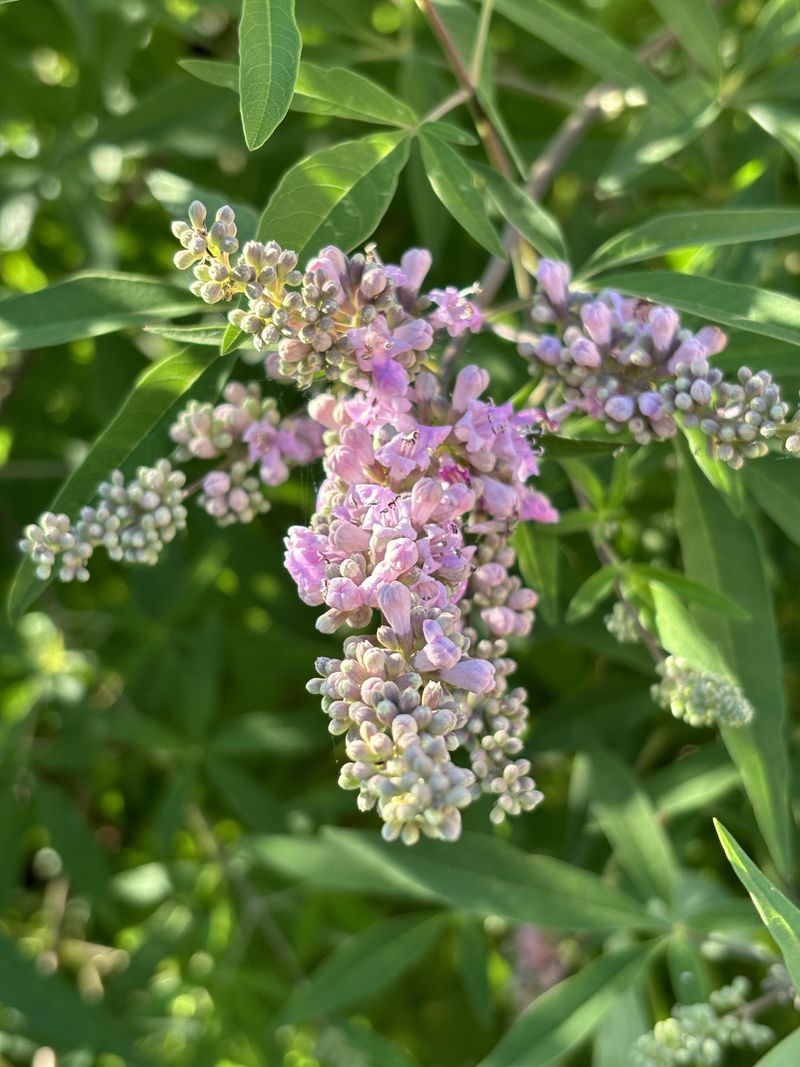
So what happens once the old spikes are gone? In many cases, the fun part begins. When the weather stays warm, your Texas lilac often pushes out fresh growth within a few weeks.
New shoots may appear near your cuts. These little green sprouts are a happy sign that the plant liked the trim and is getting back to work.
With luck and enough heat, some of those shoots turn into brand-new flower spikes. A second showing of purple blooms is a wonderful reward for such a small effort.
Results depend a lot on your local climate. Warmer regions with a long growing season usually see the best rebloom. Cooler spots may get less, and that is perfectly okay.
Even without new flowers, your shrub will look neater and healthier. Removing the tired, brown clusters alone makes a big visual difference.
Be patient during this stretch. Plants work on their own schedule, and rushing them does not help. Give it a couple of weeks before expecting big changes.
Keep watering steadily and watching the leaves. Consistent care during this period supports whatever growth your Vitex decides to make.
As fall settles in, the shrub will eventually slow down for the year. That is normal and healthy, part of its natural rhythm.
Take pride in what you accomplished. A few minutes with your pruners gave your plant a real boost right when it needed one.
Come next season, this simple habit will feel routine. Your Texas lilac will thank you with bright, cheerful blooms year after year.