Why Feeding Wildlife in Your Arizona Yard Can Lead to a Fine
A bowl of pet food on the patio can bring a fine in parts of Arizona, while a seed feeder may be perfectly fine. The rules depend on your county, your city, and the animal involved.
Arizona’s state law exempts birds and tree squirrels, but local rules can still matter. Let’s sort out what applies to your yard so you can enjoy your visitors without surprises.
The Fine Depends on Where You Live
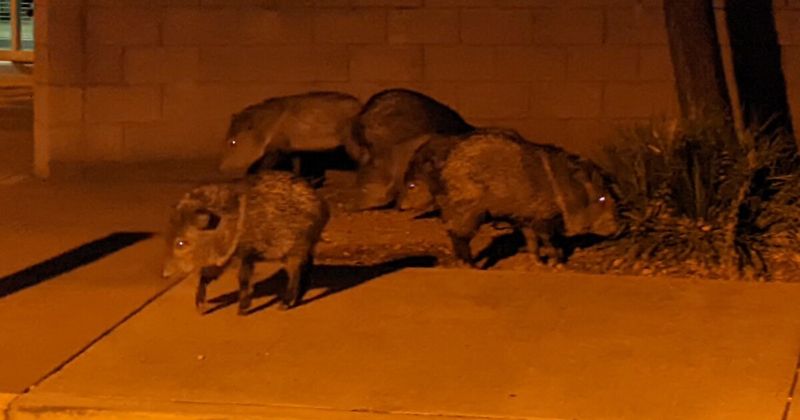
Feeding wildlife can lead to a fine in some parts of Arizona, though not in every county. Location and animal type both matter, so a one-size-fits-all rule would steer you in the wrong direction.
The state’s wildlife feeding law, found in Arizona Revised Statutes section 13-2927, applies only in counties with populations over 280,000. It makes intentional, knowing, or reckless feeding, attracting, or enticing of wildlife a petty offense under state law.
Arizona Game and Fish lists Maricopa, Pinal, and Pima counties as the ones covered by that law. If you live in one of them, the statute is a real part of your yard rulebook.
Other Arizona cities and counties may have their own separate feeding restrictions, with different conditions and penalties attached. A city outside those three counties can still regulate what you put out in your yard.
So the smartest first step is checking the rules for the city and county where your property sits. A quick call to city hall or a web search beats a surprise citation on your doorstep.
What Counts as Feeding or Attracting Wildlife?
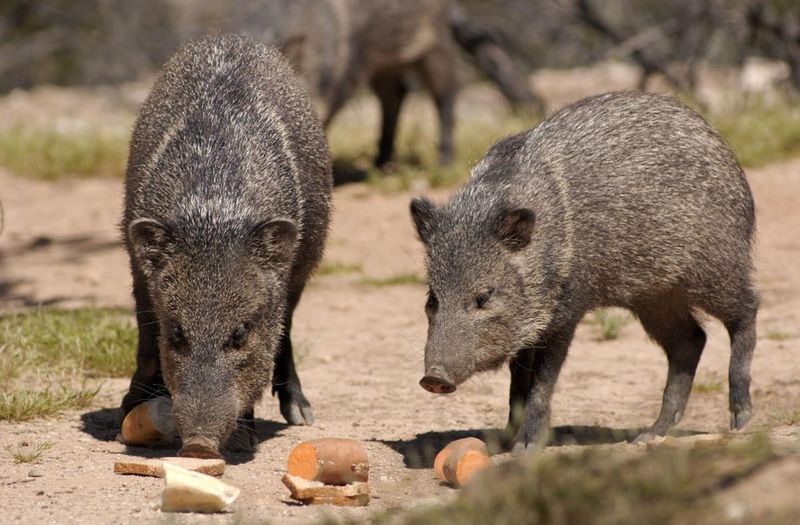
The state statute covers feeding, attracting, or enticing wildlife when someone acts intentionally, knowingly, or recklessly. That last word matters, because you can be reckless without meaning to draw a single animal.
Edible material left where animals can reach it is the core issue, such as pet food or table scraps. A bowl of kibble on the porch overnight is a better example than a shrub in the corner.
Ordinary landscaping and natural habitat sit in a different category from setting out food for animals. Nothing I found suggests that planting native shrubs or keeping a natural garden automatically breaks the law.
Yavapai County’s ordinance shows how a local rule can define terms for itself within its own borders. It describes feeding and attracting in terms of placing edible material, which fits the focus on food.
That definition applies to Yavapai County, not to the whole state, so check your own jurisdiction’s wording. A plain reading of local code beats guessing based on what a neighbor heard at a barbecue.
Bird Feeders Have an Exception, With Limits
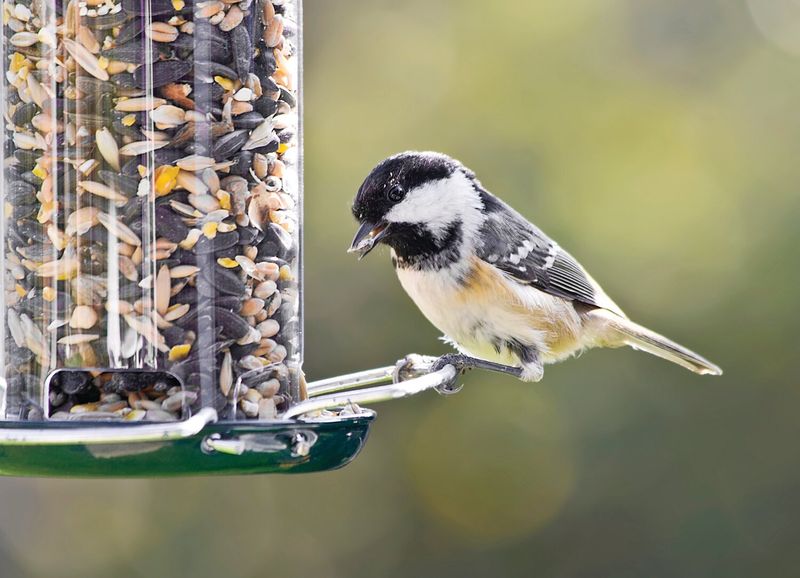
Backyard birders get a welcome break, because the state statute expressly exempts birds and tree squirrels. That exception is real, but it is not a free pass for any feeder setup anywhere.
Local rules may still regulate feeder placement or nuisance conditions, and spilled seed can draw other animals. A feeder that is fine under state law may still run into trouble under a local nuisance rule.
Chandler offers a useful local example in its bird-feeding ordinance, which lists specific nuisance conditions for residents. Its stated effective date is July 11, 2026, so check its current status before relying on it.
The ordinance treats visible or odorous droppings that affect neighboring property as prohibited nuisance behavior there. Attracting rodents or other wildlife, or placing feeders below five feet, is also on the list.
None of this is a statewide bird-feeding ban, and Chandler’s rule is not yet effective before July 11, 2026. It simply shows that a state exception can sit alongside separate local rules about nuisance conditions.
Local Ordinances Can Set Different Penalties

Yavapai County Ordinance 2025-14 is a handy case study in how a local rule sets its own terms. It took effect 30 days after November 19, 2025, and it applies only in that county.
The ordinance prohibits intentional, knowing, or reckless feeding, attracting, or enticing of wildlife within the county. Its exemption for bird and tree-squirrel feeding applies only when food is placed where other wildlife cannot access it.
The ordinance’s civil fines come with specific conditions attached rather than arriving as one flat number. The largest amount, up to $300, applies in one particular post-contact situation involving unsecured attractants.
Repeated intentional or knowing violations can bring a fine of up to $200 under the ordinance. Repeated reckless violations carry a lower ceiling, with fines of up to $100 under the same ordinance.
Compare that with the state offense, which is classified as a petty offense in covered counties. Arizona Game and Fish describes a maximum fine of $300, and notes a separate criminal-nuisance citation may be possible.
Why Wildlife Officials Discourage Feeding
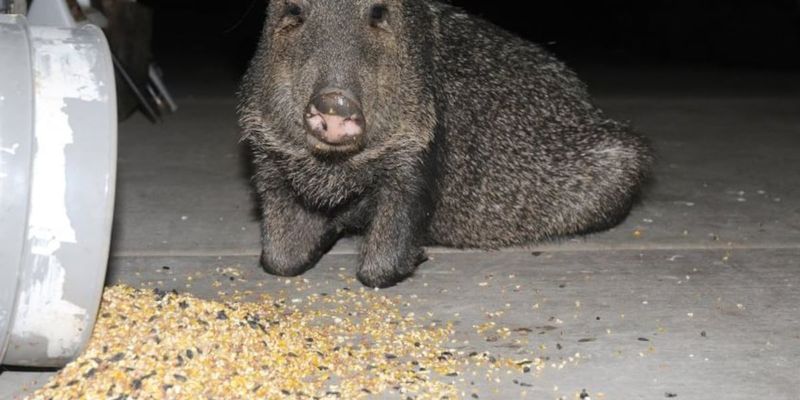
Arizona Game and Fish cites habituation, property damage, and safety concerns as reasons not to feed wildlife. Those are possible risks, not guaranteed outcomes, and they do not explain any single wildlife encounter.
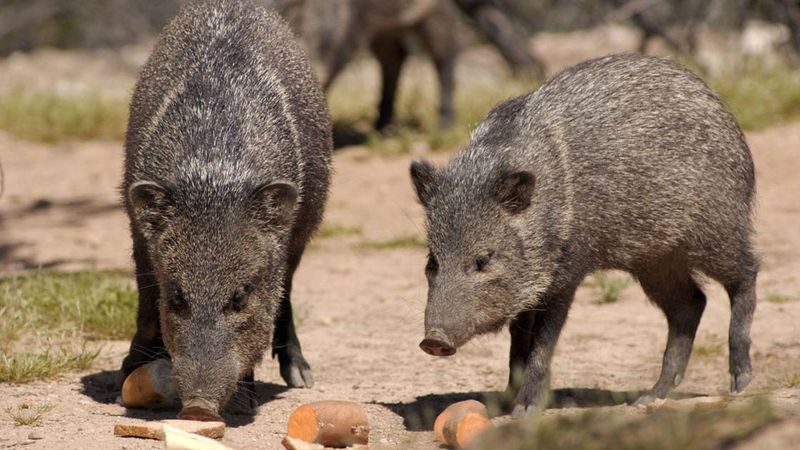
Habituation means animals lose some of their natural wariness around people when food is easy to find. A javelina that expects a snack may linger in places where you would rather it did not.
Property damage and safety worries are framed as risks, since animals drawn to a yard may linger there. The agency presents these as risks to weigh, not proof that feeding caused any particular encounter.
Federal Fish and Wildlife Service guidance says feeders can concentrate birds and spread disease when they are not maintained. A dirty feeder is a bit like a crowded buffet with no one wiping the tables.
That same guidance also notes little indication that backyard feeding generally harms birds’ diet or behavior. So the takeaway is balance: keep feeders clean, and do not panic about a tidy sunflower feeder.
Keep Yard Food Sources Out of Wildlife’s Reach
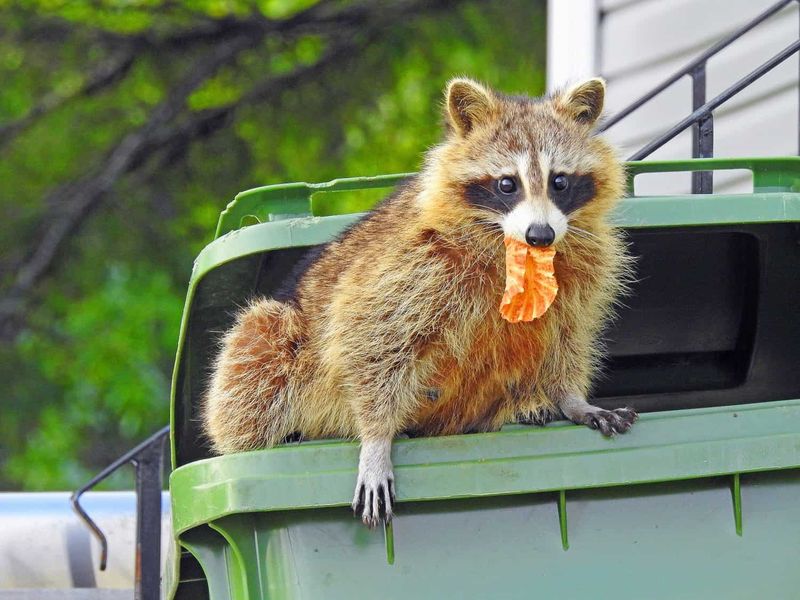
Each tip below is an agency recommendation, not a legal requirement, so treat it as friendly yard hygiene. Arizona Game and Fish suggests starting with garbage, since an open bin is basically a dinner invitation.
Secure your trash, and feed pets indoors or pick up any leftovers promptly after every meal. A forgotten bowl of kibble on the patio sends the same message as a sign reading open late.
For bird feeders, keep birdseed off the ground and add a catch platform below the feeder. Less spilled seed means fewer uninvited diners, from rodents to larger animals that wander in at night.
Water may be allowed under local rules, but it can attract javelina or predators, says Arizona Game and Fish. If a water source is contributing to a conflict, the agency recommends removing it from your yard.
University of Arizona Cooperative Extension advises cleaning feeders and birdbaths twice monthly and clearing old seed and hulls. It also suggests spacing feeders apart to reduce crowding and disease transmission among the birds that visit.
Check Your Local Rules Before You Change the Yard
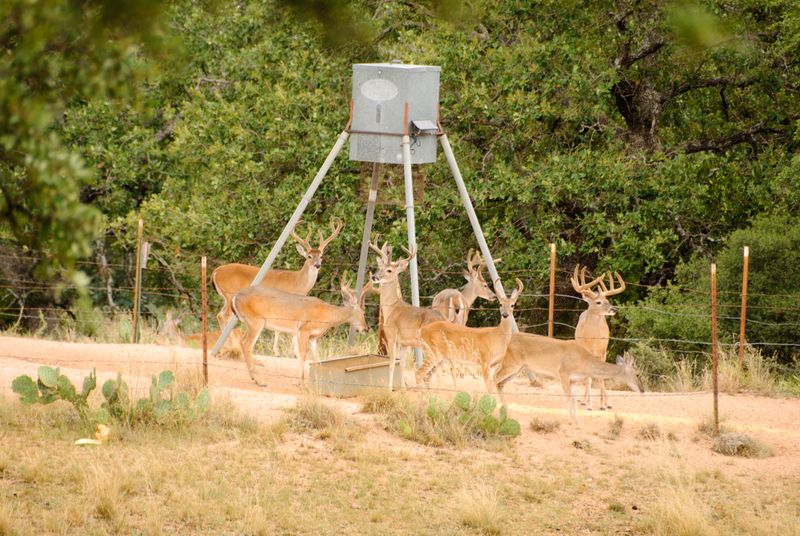
Before you move a feeder or change your yard, look up current rules for your city and county. Arizona Game and Fish says several cities and counties have their own feeding restrictions with varying penalties.
Then ask whether food in your yard is accessible to wildlife in a way that could meet the statute’s standard. That standard covers intentional, knowing, or reckless conduct, so spilled seed and open trash deserve a look.
A wildlife-friendly yard is not automatically illegal, and native plants alone are not the problem here. Keep the welcome mat out for good neighbors, and keep the snack bar closed to uninvited ones.