The Only Native Texas Plant You Need If You Want Scorpions To Find Your Yard Less Attractive
Scorpion management in Texas tends to involve a rotating combination of sprays, barrier treatments, and the kind of vigilance that gets exhausting to maintain through a long summer.
Most of these approaches deal with scorpions that are already present rather than making the yard less appealing to them in the first place.
There is a native Texas plant that takes a fundamentally different approach, producing compounds and scents that scorpions find genuinely off-putting and that influence where they choose to move, shelter, and spend their time.
This plant is already growing across parts of Texas in its natural habitat, asking nothing of the landscape and delivering real results for the ecosystem around it.
In a residential yard, positioned in the right spots along foundations, borders, and entry points, it creates a passive deterrent that works continuously without any effort after planting.
Texas heat actually intensifies what this plant produces, making it more effective here than it would be in almost any other climate.
Meet Texas Sage
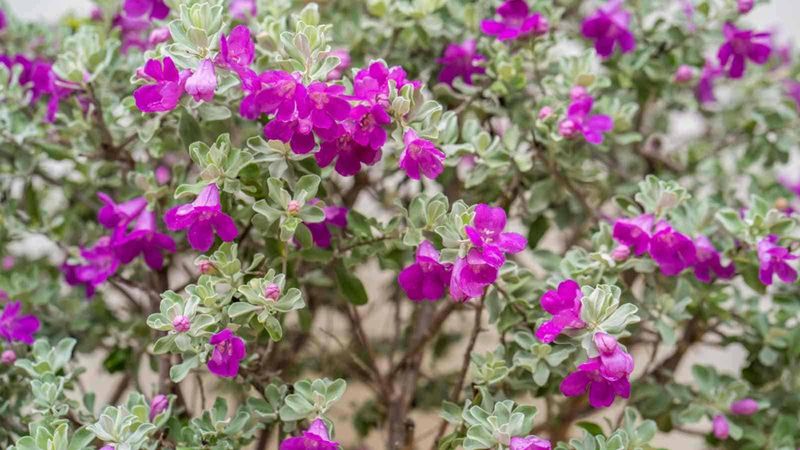
Walk through almost any Texas neighborhood during a summer rainstorm, and you will likely spot a burst of purple blooms appearing almost overnight.
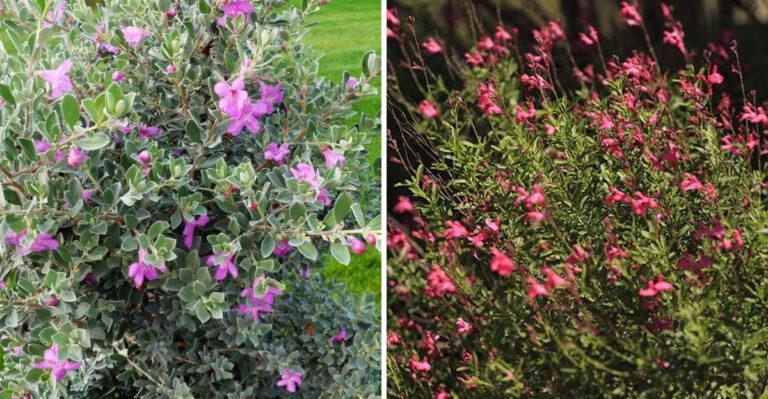
That plant is Leucophyllum frutescens, better known as Texas Sage, and it is one of the most beloved native shrubs in the Lone Star State.
Locals sometimes call it the Barometer Bush because it blooms shortly after rainfall or high humidity, almost like nature’s own weather forecast.
Texas Sage is a medium-sized shrub that typically grows between four and eight feet tall. Its leaves are small, oval-shaped, and covered in fine silvery-white hairs that give the plant a soft, almost fuzzy look.
Those same hairs help the plant reflect intense sunlight and hold onto precious moisture during dry spells. This adaptation makes Texas Sage one of the most heat-tolerant and drought-resistant plants available to Texas gardeners.
Originally native to the Chihuahuan Desert region spanning West Texas and northern Mexico, Texas Sage has proven itself across a wide range of Texas climates. It handles rocky, poor soil with ease and actually prefers well-drained ground over rich, moist garden beds.
Overwatering is one of the few things that can actually cause problems for this resilient plant.
For homeowners who want a yard that looks great without constant upkeep, Texas Sage is a dream come true. It fits naturally into xeriscape designs, foundation plantings, and informal hedges.
Beyond its beauty and toughness, Texas Sage brings something extra to the table: natural properties that make your yard significantly less attractive to scorpions. That combination of good looks and pest deterrence makes it a standout choice for any Texas landscape.
Dense Foliage Discourages Scorpions
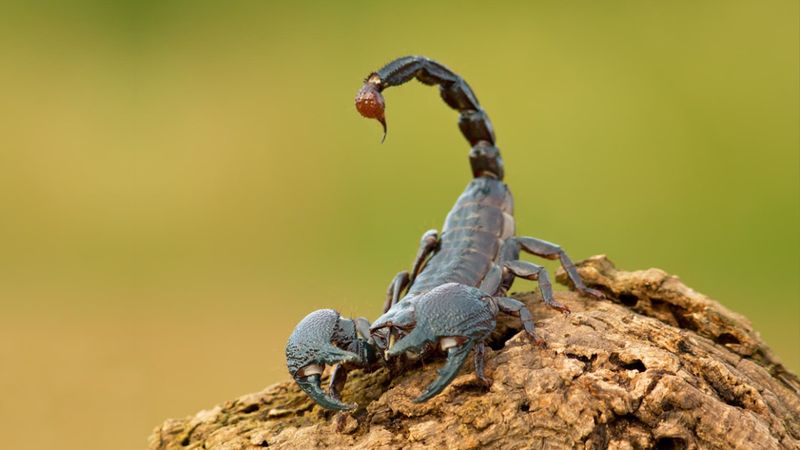
Scorpions are not adventurous explorers. They are cautious, secretive creatures that rely on dark, sheltered hiding spots to rest during the day and ambush prey at night.
Loose soil under garden debris, gaps along fence lines, and sparse plantings all create perfect scorpion real estate. When you eliminate those cozy hideouts, scorpions have far fewer reasons to stick around your yard.
Your Texas Garden Changes Every Week. Your Plan Should Too.
Gardening in Texas changes quickly throughout the season. Every Friday you’ll receive a simple weekly plan showing exactly what to plant, prune, fertilize, harvest, and protect so you never miss the right timing.
Texas Sage grows into a dense, bushy form that fills in tightly from the ground up. Unlike open, airy shrubs that leave plenty of shadowy space underneath, a well-placed Texas Sage hedge creates a solid wall of foliage.
That thick coverage removes the dark, cool gaps that scorpions actively seek out. Without easy access to shelter, they are far more likely to move on to a more hospitable location.
Along patios, garden beds, and fence lines, a row of Texas Sage shrubs acts almost like a living barrier. The plants grow wide and full when spaced correctly, creating continuous coverage that limits scorpion movement through those areas.
Many Texas homeowners have reported noticing fewer scorpions near areas where they planted dense native shrubs, including Texas Sage.
Pairing the dense growth habit of Texas Sage with good yard maintenance makes the strategy even more effective. Removing woodpiles, debris piles, and loose rock formations near the home takes away other hiding spots scorpions might use.
Together, these steps create an environment that is simply unwelcoming for scorpions. The goal is not to make your yard a fortress but to make it consistently unappealing so scorpions choose somewhere else to settle.
Aromatic Leaves Are Unappealing
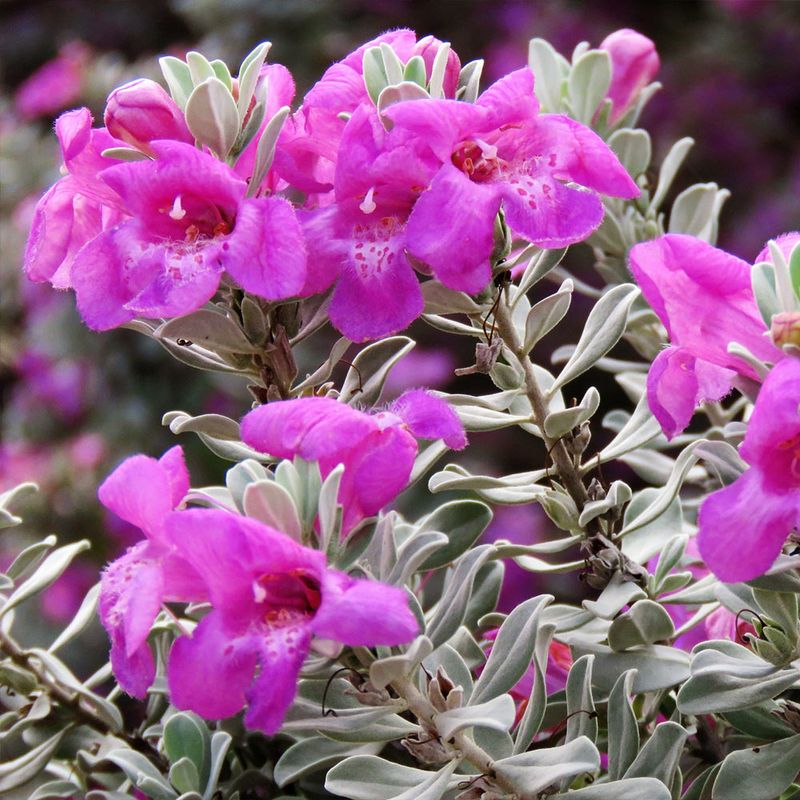
Rub a Texas Sage leaf between your fingers and you will notice something right away: a distinct, earthy, slightly herbal scent that lingers on your skin. That fragrance comes from natural essential oils stored within the plant’s tiny leaf hairs.
For humans, the smell is pleasant and a little reminiscent of a cool desert breeze. For scorpions and many other garden pests, it is a different story entirely.
Many insects and arthropods, including scorpions, rely heavily on chemical signals to navigate their environment. Strong aromatic compounds can disrupt those signals, making an area feel unfamiliar or threatening.
While Texas Sage is not a guaranteed scorpion repellent in the way a chemical spray might claim to be, its natural fragrance adds an extra layer of environmental discouragement that works alongside its dense growth habit.
Beyond scorpions, the aromatic oils in Texas Sage leaves also make the plant unattractive to certain garden pests like aphids and spider mites. Pest pressure on surrounding plants can actually decrease when Texas Sage is nearby.
That gives you a dual benefit: a yard that smells wonderful to you and your family while quietly pushing unwanted guests toward the exit.
Gardeners who have planted Texas Sage near entryways, patios, and outdoor seating areas often comment on how pleasant the scent is during warm evenings, especially after a light rain when the oils become more active.
It is one of those rare situations where a plant does something genuinely useful while also making your outdoor space more enjoyable.
Fragrance as pest deterrence is a quiet superpower that Texas Sage carries without any extra effort on your part.
Low-Maintenance Landscaping
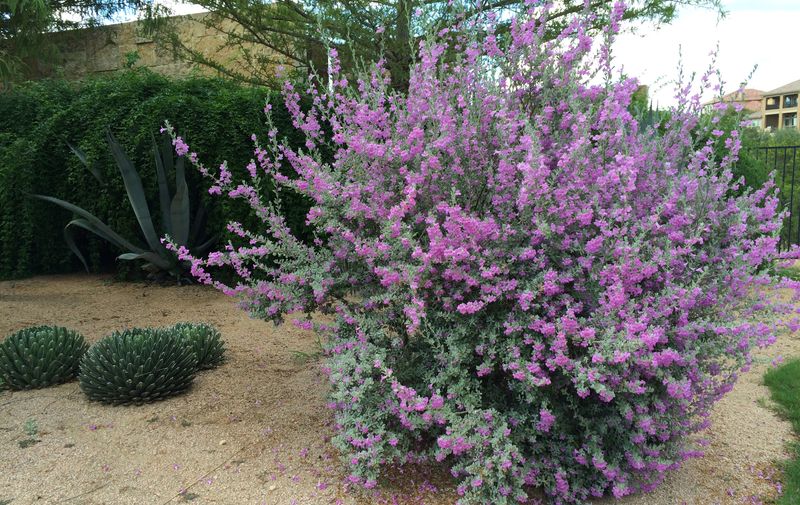
Not everyone has the time or energy to babysit a garden. Between work, family, and everything else life throws at you, a plant that demands constant watering, fertilizing, or pruning can quickly become more of a burden than a blessing.
Texas Sage was practically designed for people who want a beautiful yard without the extra hassle. Once it is established, it thrives almost entirely on its own.
Full sun is where Texas Sage truly shines. It loves open, exposed locations and handles Texas summer heat without complaint.
In fact, giving it too much shade or too much water can actually work against the plant. Well-drained soil and a dry environment are all it really needs to stay healthy and full.
Many experienced Texas gardeners say the hardest part of growing Texas Sage is resisting the urge to overwater it.
Pruning is minimal with Texas Sage. A light trim once or twice a year helps maintain a tidy shape, but the plant naturally grows into a pleasing rounded form without much intervention.
It does not spread aggressively or require replanting each season like many annuals do. Plant it once, give it a little time to settle in, and it will reward you for years with almost no extra effort.
For hedges, borders, or foundation plantings, Texas Sage is a practical and attractive choice. It holds its shape well, stays evergreen in mild winters, and fills in gaps quickly during the growing season.
Homeowners looking to reduce yard maintenance while also making their outdoor space less hospitable to scorpions will find that Texas Sage checks both boxes without any complicated gardening routines required.
Supports Pollinators Without Attracting Pests
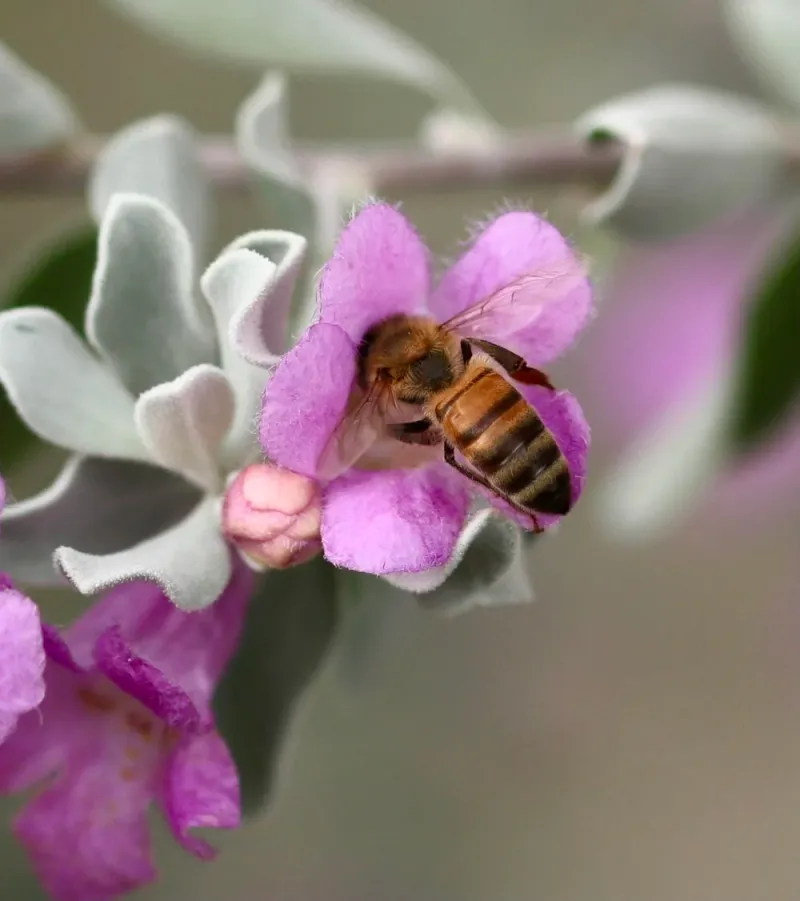
Picture a warm Texas afternoon with purple blooms swaying gently in the breeze and butterflies drifting from flower to flower. That is the kind of garden moment Texas Sage makes possible.
When it blooms, usually triggered by humidity or rain, it becomes a magnet for some of the most beneficial visitors a garden can have: bees, butterflies, and even hummingbirds. These pollinators play a critical role in keeping your entire garden healthy and productive.
Bees love the tubular purple flowers of Texas Sage because they are perfectly shaped for easy nectar access. Monarch butterflies, which pass through Texas during their famous migration, are also known to visit Texas Sage blooms.
Hummingbirds occasionally stop by as well, drawn in by the bright color and accessible nectar. Welcoming these visitors into your yard helps pollinate vegetables, fruits, and flowering plants nearby.
Here is the part that makes Texas Sage especially smart: while it attracts helpful pollinators, it does not create conditions that encourage scorpions or harmful pests.
Many flowering plants attract a wide range of insects, some of which become food sources that draw scorpions closer to your home.
Texas Sage keeps the equation balanced by supporting beneficial insects without building up the insect populations that scorpions hunt most aggressively.
Planting Texas Sage as part of a pollinator-friendly garden is a win on multiple levels. You get beautiful blooms, active wildlife, and a healthier overall ecosystem in your yard.
At the same time, you are quietly discouraging scorpions from setting up camp nearby. Supporting nature’s helpful players while pushing away the unwanted ones is exactly the kind of balance a smart Texas garden should aim for.
Planting Tips For Maximum Protection
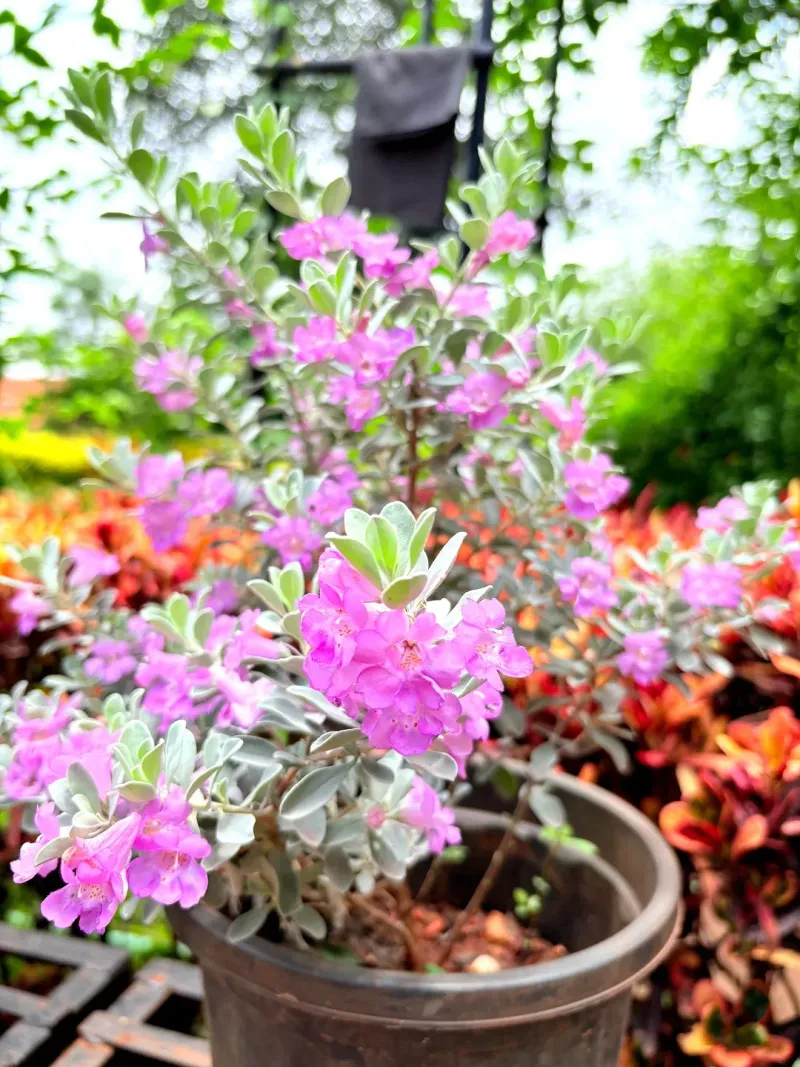
Knowing which plant to choose is only half the battle. Where and how you plant Texas Sage determines how effective it will be at making your yard less welcoming to scorpions.
Placement matters just as much as the plant itself, and a little planning upfront can make a big difference in the long run. Start by identifying the areas of your yard where scorpions are most likely to travel or hide.
Fence lines are one of the best spots to plant Texas Sage. Scorpions often travel along fence bases looking for entry points into yards or homes.
A row of dense Texas Sage shrubs planted along the fence creates a natural barrier that disrupts that movement. Patios, garden edges, and the perimeter of the home are also excellent locations.
Space plants about four to five feet apart to allow them to fill in fully without overcrowding each other.
Soil preparation is simple but important. Texas Sage strongly prefers well-drained, slightly rocky or sandy soil.
If your yard has heavy clay soil, amend it with gravel or coarse sand before planting. Adding a gravel mulch layer around the base of each plant instead of traditional wood mulch is a smart move.
Wood mulch retains moisture and creates dark hiding spots, both of which are attractive to scorpions.
Avoid planting Texas Sage in low spots where water collects after rain. Standing water stresses the plant and can attract moisture-seeking insects that scorpions feed on.
Combine your Texas Sage planting with regular yard cleanup: remove debris piles, seal cracks in walls, and keep grass trimmed short.
Together, these habits and your new native shrubs create a yard environment that scorpions will consistently find unappealing and move away from.