The Only Soil Amendment Worth Adding To Michigan Garlic Beds This October
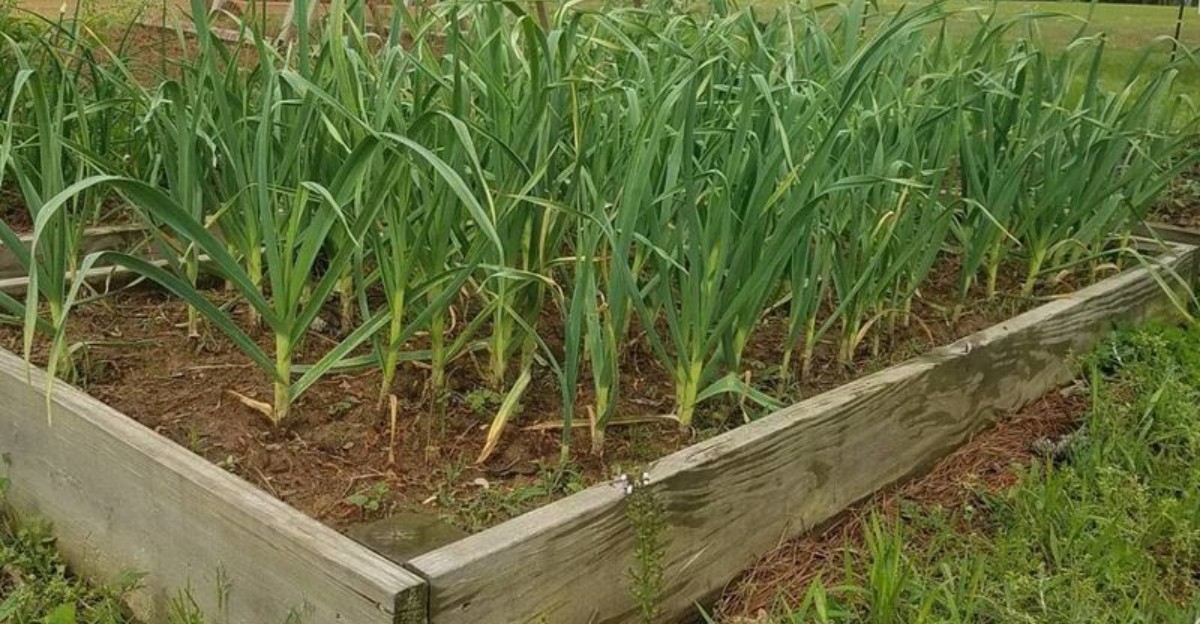
Garlic stays in the ground for about nine months, so the bed has to carry it the whole way. That makes October preparation matter more than almost any other garden job.
Garden stores sell shelves of amendments, and most are not needed. Some are even harmful at this time of year.
Fresh manure can burn cloves and spread disease. Fertilizers heavy in nitrogen push leafy growth that winter will damage.
Michigan’s heavy, wet soils add one more worry, since cloves hate sitting in water. One simple amendment improves drainage and feeds the soil slowly without causing those problems.
It costs little, and many gardeners already have it. Add it now, plant the cloves, and the bed is ready to work for you all winter and spring.
1. Compost Is The One Amendment That Does It All
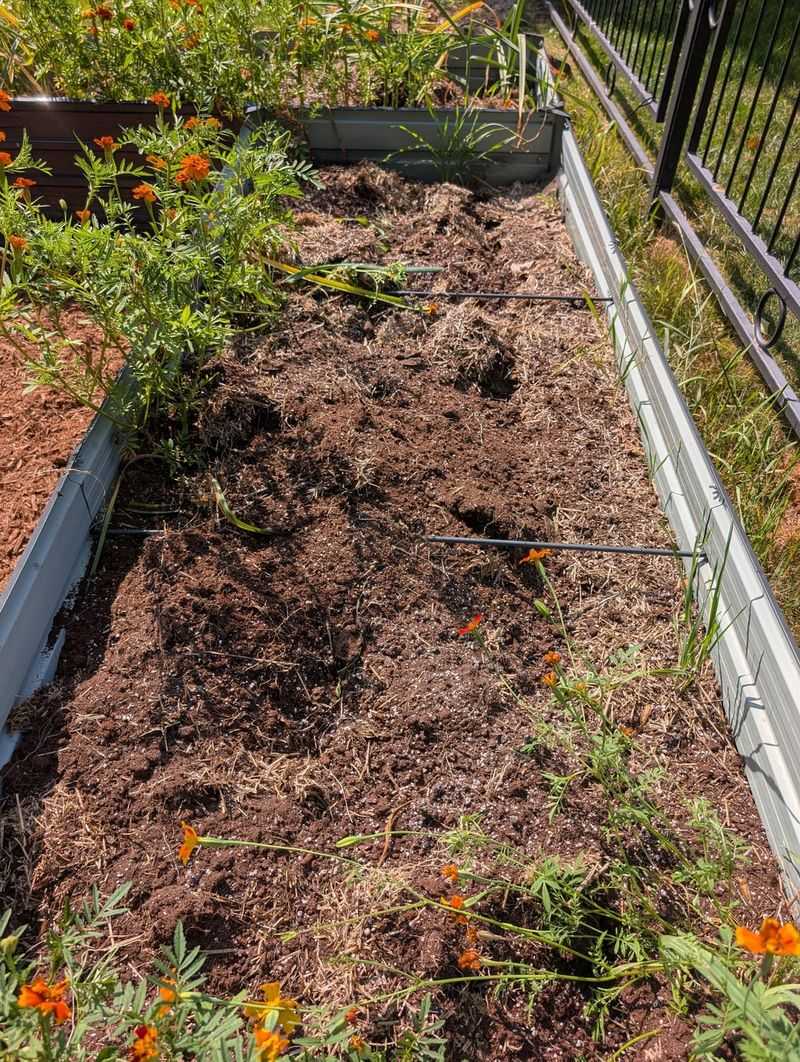
Ask a seasoned Michigan grower what goes into the garlic bed each fall, and you will often hear one word: compost. Finished compost is the single amendment that fixes several soil problems at once.
Garlic, known to botanists as Allium sativum, rewards that kind of care with bigger, firmer bulbs.
Here is why it works so well. Compost improves soil structure, which means it helps tiny soil pieces clump together into crumbs with air pockets between them.
In heavy soil, those pockets let water drain away, and in sandy soil, the organic matter helps hold moisture where roots can reach it.
Nutrients matter too. Compost releases food slowly as soil microbes break it down, so fall-planted cloves get a gentle start.
They can grow roots before the ground freezes without being pushed into a burst of leafy growth that winter would only damage.
Quality makes a big difference, so look closely before you spread anything. Good finished compost is dark brown, crumbly, and smells like a forest floor after rain. If you still see eggshells, carrot tops, or chunks of leaves, the pile needs more time.
Unfinished compost can tie up nitrogen while it keeps breaking down, and it may carry seeds or disease. Bagged compost from a garden center or a well-managed home pile both work fine when they pass the look and smell test.
Michigan garlic spends roughly nine months in the ground, sitting through snow, sleet, and frozen weeks. Healthy soil acts like a cozy, well-built home during that long wait.
When spring arrives, cloves rooted in rich, crumbly earth wake up quickly and start building the bulbs you planted them for.
2. It Helps Heavy Soil Drain Through Winter
Soggy feet are the quickest way to ruin a garlic crop. Cloves that sit in waterlogged soil through winter and spring snowmelt often turn soft and rot before they ever send up green shoots.
Heavy clay is usually the troublemaker behind those losses. Clay particles are extremely tiny and pack together tightly, leaving little room for water to move through. Compost changes that.
Its rough, spongy bits wedge between clay particles and open up channels, so extra water can drain away from your cloves instead of pooling around them.
Your Michigan Garden Changes Every Week. Your Plan Should Too.
Gardening in Michigan changes quickly throughout the season. Every Friday you’ll receive a simple weekly plan showing exactly what to plant, prune, fertilize, harvest, and protect so you never miss the right timing.
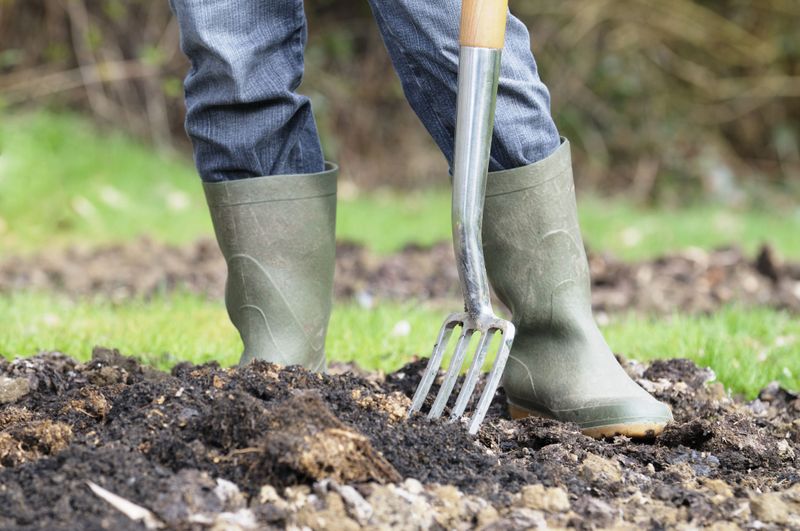
Getting the amount right is easy to remember. Spread 2 to 3 inches of compost across the whole bed, then work it into the top 8 to 12 inches of soil with a garden fork or spade.
Mixing it through the entire bed, not just into each planting hole, keeps water from collecting in little compost-filled pockets.
Timing counts, though. Grab a handful of soil and squeeze it before you dig. If it forms a sticky, shiny ball that will not crumble, wait a few dry days, because working wet clay crushes the air spaces you are trying to create.
Some yards simply hold water no matter what. Walk out after a heavy rain and watch the bed.
If puddles linger for hours, build a raised bed about 8 to 12 inches tall and fill it with a mix of native soil and compost.
Much of southeast Michigan and other parts of the state sit on dense clay that stays soaked when snow melts in March and April. A well-drained bed keeps your garlic dry enough to survive those slushy weeks and grow strong as temperatures climb.
3. It Helps Sandy Soil Hold Moisture And Nutrients
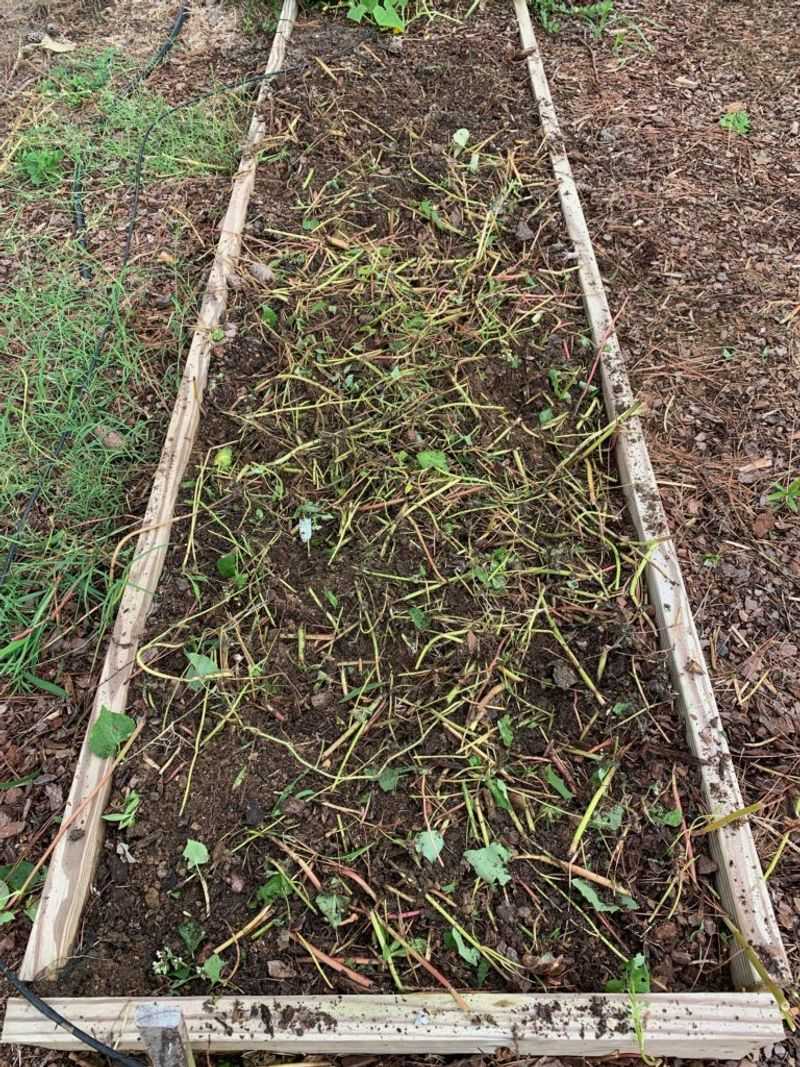
West Michigan gardeners know the feeling. You water the garden in the morning, and by afternoon the sandy soil looks bone dry again. That fast drainage is great for avoiding rot, but it creates a different problem for garlic.
Sand grains are large, with big gaps between them. Water rushes right through those gaps, and it carries dissolved nutrients down past the reach of young roots. Your garlic ends up thirsty and hungry, even when you are doing your best to care for it.
Compost works like a kitchen sponge in sandy ground. Organic matter can soak up and hold several times its weight in water, and it also grabs onto nutrients so they stay put. Roots can then sip what they need over days instead of minutes.
Mixing is the key step. Spread compost over the bed and blend it thoroughly into the top several inches, so the whole root zone gets the benefit. A thin layer sitting on top will not do nearly as much as compost worked deep into the sand.
After planting, check the soil with your finger. If it feels dry an inch or two down, give the bed a good soaking so the cloves can settle in and start rooting. Fall rains often handle this job, but a dry October can leave sandy beds parched.
Once the soil cools, a layer of mulch locks in that moisture for the winter. Sandy soils are common along the Lake Michigan shoreline and across much of northern Michigan.
With compost mixed in, those quick-draining beds can still grow plump, flavorful garlic bulbs year after year.
4. Steady Nutrients Beat A Big Fall Feeding
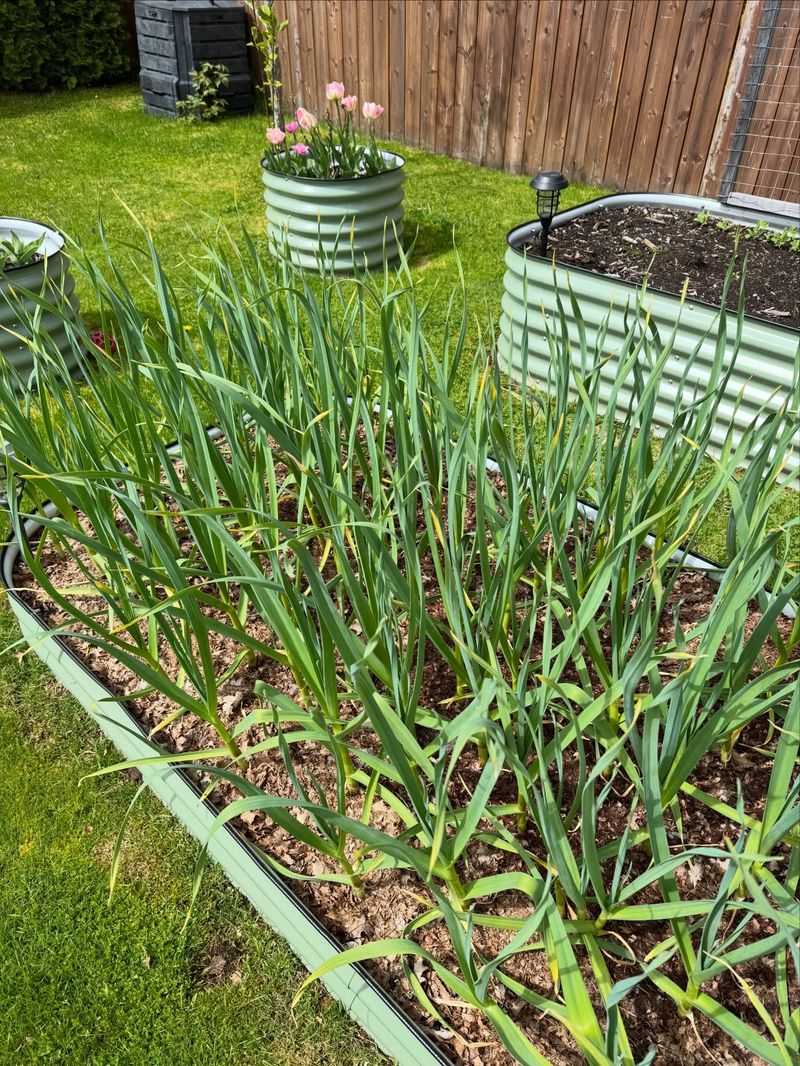
More fertilizer does not mean more garlic, at least not in October. Plenty of gardeners load up the bed with a heavy dose at planting, hoping to give cloves a head start.
Unfortunately, much of that feeding goes to waste. Garlic has a schedule of its own. In fall, cloves mostly grow roots and maybe a little top growth before winter.
The plant’s real hunger for nitrogen kicks in during spring, when leaves stretch out quickly and each leaf adds to the size of the future bulb.
Nitrogen added in fall moves easily with water. Over a wet Michigan winter, much of it can wash below the root zone before garlic ever uses it.
Too much nitrogen early may also push tender green growth that cold weather can damage.
Compost offers a smarter approach. It supplies a small, steady trickle of nutrients as it breaks down, which is just right for cloves settling in. Think of it as a light snack now, with the main meal saved for later.
That main meal comes in early spring. Once shoots are a few inches tall and growth picks up, side-dress the rows with a nitrogen fertilizer by sprinkling it along the sides and watering it in.
Many growers feed again a few weeks later, but a soil test report gives the best guidance on amounts.
Michigan springs bring warming soil and active roots ready to absorb what you give them. Feeding then puts nutrients to work right away, building leaves that power bulb growth.
Your wallet and your local waterways both benefit when fertilizer goes where plants can actually use it.
5. Skip Fresh Manure
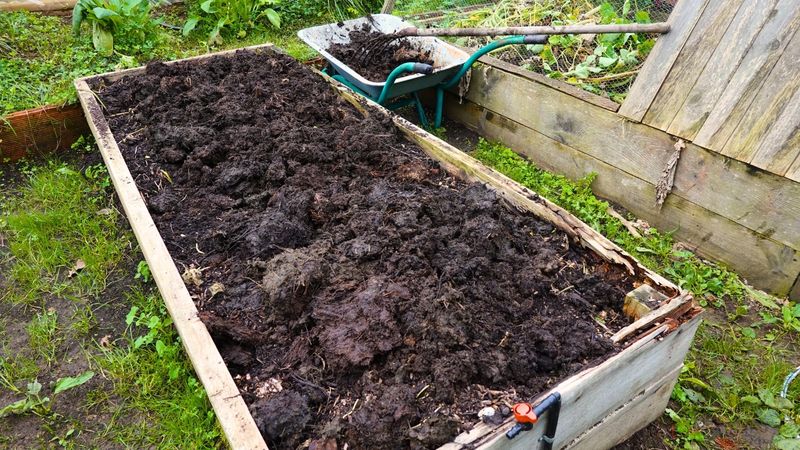
Michigan’s farm country makes it easy to find a neighbor with a pile of manure to share. Free fertilizer sounds like a bargain, and in time it can be. Fresh manure, however, does not belong in your garlic bed this October.
Salt and ammonia are the first concerns. Fresh manure often carries high levels of both, and they can burn delicate new roots as cloves try to get established.
A clove that struggles to root in fall will have a hard time surviving winter. Weeds come next. Animals eat hay and grasses, and many seeds pass right through them unharmed.
Spread fresh manure, and you may spend next spring pulling weeds that crowd your garlic and steal its water.
Food safety matters most of all. Garlic grows right in the soil, and the bulbs you eat touch that soil for months.
Fresh manure can contain harmful bacteria, which is why food safety experts recommend using only aged or composted manure in vegetable gardens.
So what works instead? Choose well-aged manure that has sat for many months, or better yet, manure that has been properly composted and looks dark and crumbly. Finished garden compost is just as good and often easier to find.
Whatever you use, work it into the soil well before you plant. Mixing it in a week or two early gives everything time to settle.
When that farm neighbor offers a fresh load, say thank you, pile it up to compost, and save it for next year’s garlic.
6. Don’t Add Sand To Clay
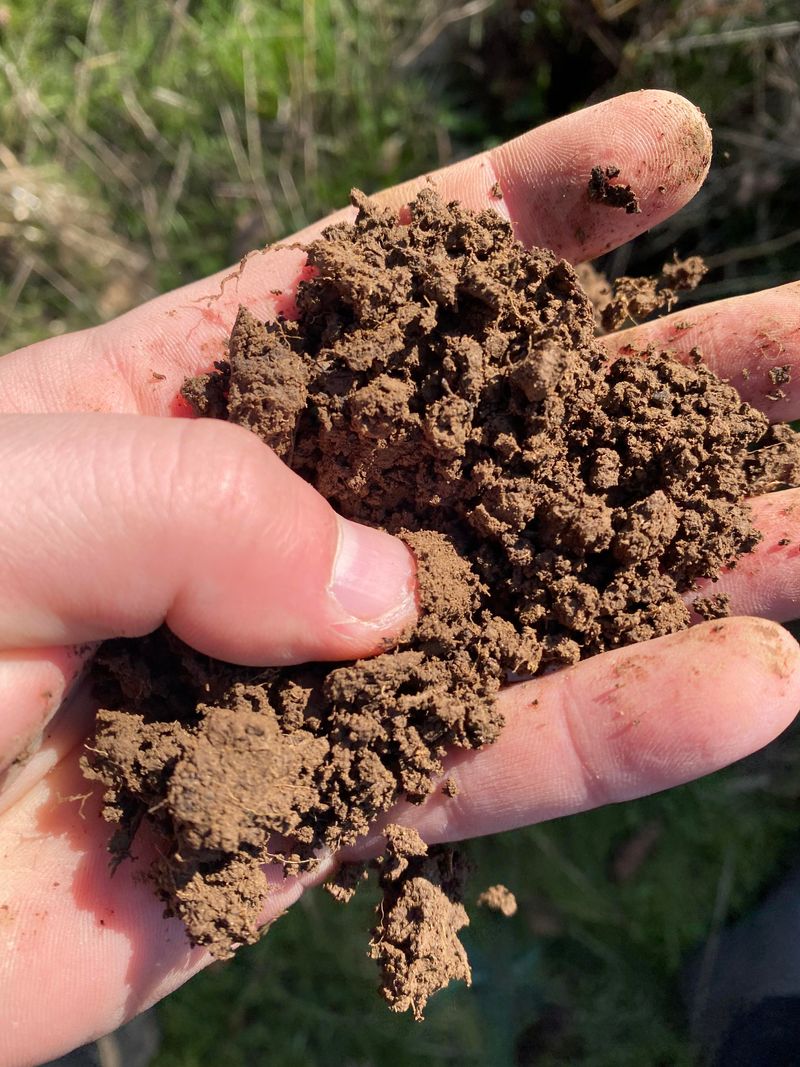
It seems like common sense. Clay holds too much water, sand drains fast, so mixing them should create the perfect middle ground. Sadly, garden science tells a very different story.
Small or moderate amounts of sand often make clay worse. The fine clay particles fill in the spaces between sand grains, creating a dense, hard mix that some gardeners compare to concrete.
Water drains even more slowly, and garlic roots struggle to push through. To truly change clay with sand, you would need enormous amounts, often enough that sand makes up around half or more of the soil.
For a typical backyard bed, that means truckloads of material and a lot of sore muscles. Even then, results can be disappointing.
Compost does the job far better. Organic matter helps clay particles group together into larger crumbs, opening space for air and water. Every year you add compost, the soil gets a little looser and easier to dig.
Very heavy clay calls for a second step. Raised beds lift garlic above soggy ground and let you fill the space with a rich blend of soil and compost. Even a bed just 8 inches tall can make a noticeable difference.
Location also matters. Low spots in the yard collect runoff and snowmelt, so pick a higher, sunny area for your garlic.
Adding sand to clay is a common mistake across Michigan, especially in subdivisions built on heavy ground. Skip the sand, grab the compost, and your future self will thank you every time you plant.
7. A Soil Test Guides Anything Beyond Compost
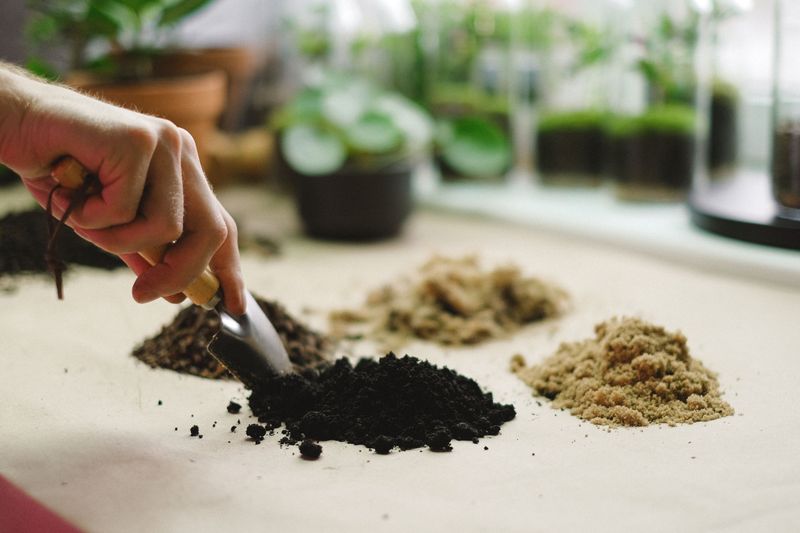
Guessing costs money. Without a soil test, many gardeners buy lime, bone meal, or potash their beds never needed. A simple test takes the mystery out of what your garlic really wants.
Garlic grows best in soil with a pH between about 6.0 and 7.0, which is slightly acidic to neutral. If your soil falls outside that range, nutrients become harder for roots to absorb. A test tells you whether to add lime to raise pH, sulfur to lower it, or nothing at all.
Michigan State University Extension makes testing easy with its soil self-test kit, available online and through county offices. The kit includes clear directions, a sample bag, and a mailer to send your soil to the MSU lab.
Results usually arrive by email with plain-language recommendations. Sampling the right way gives you useful results. Use a clean trowel to dig small slices of soil from several spots across the garlic bed, usually down to about 6 inches.
Mix them together in a clean bucket, remove rocks and roots, and fill the bag as the kit directs.
Once the report arrives, follow it closely. It may suggest how much nitrogen to apply in spring and whether any other nutrients are low. Testing every few years keeps you on track.
Here is a surprise for many gardeners. Lots of Michigan garden soils already hold plenty of phosphorus and potassium, often from years of all-purpose fertilizer.
Adding more wastes money and can wash into lakes and streams, so let the test guide you beyond compost.
8. Mulch Finishes The Job After Planting
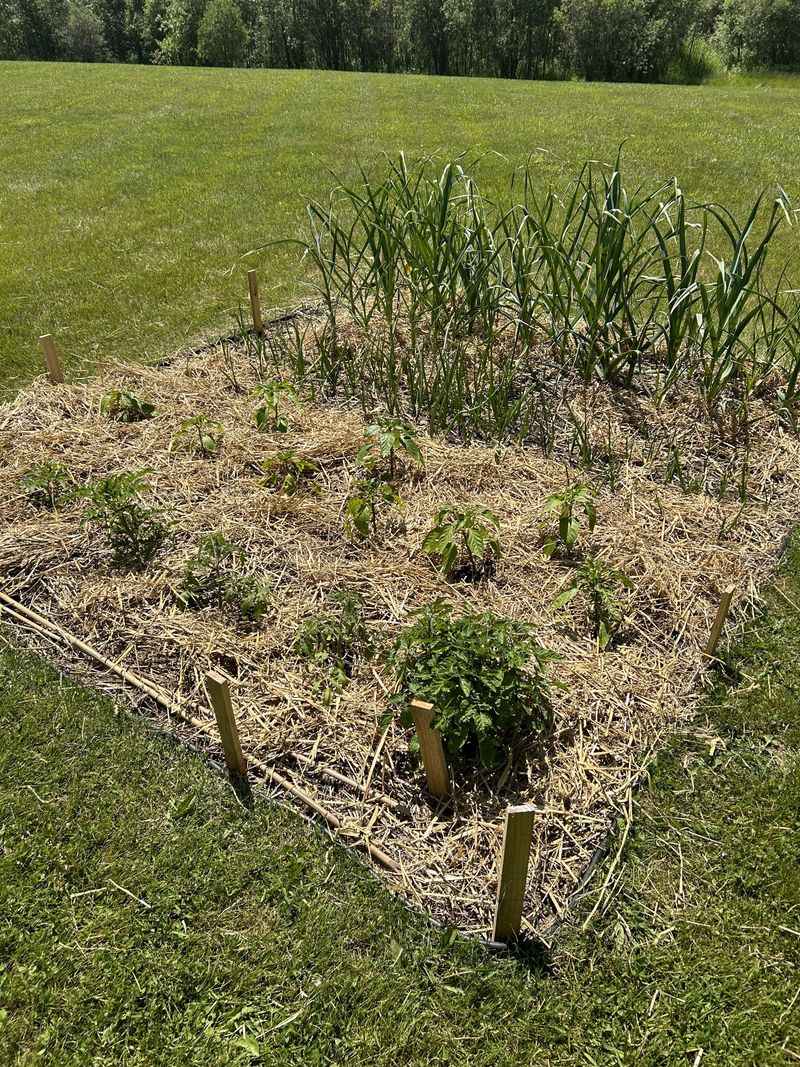
Think of compost and mulch as a team. Compost works below the surface, building soil that drains and feeds roots well.
Mulch sits on top like a warm blanket, guarding everything underneath through the cold months ahead.
Planting comes first. Set cloves pointy side up about 2 inches deep and 4 to 6 inches apart, then cover them with soil. Leave a little extra space between rows so you can weed and side-dress easily in spring.
Patience pays off next. Wait until the soil has cooled and the ground starts to freeze, often in November across much of Michigan. Mulching too early can keep soil warm and invite rodents to move in for the winter.
When the time is right, spread 4 to 6 inches of clean straw or shredded leaves over the whole bed. Avoid hay, which is often full of seeds.
Shredded leaves from your own yard make a free, excellent choice. That fluffy layer does a lot. It insulates the soil, holds moisture, and keeps spring weeds from sprouting.
Most importantly, it helps prevent heaving, which happens when soil freezes and thaws over and over, pushing cloves up and out of the ground.
Michigan winters bring plenty of those swings, with January thaws followed by hard freezes. Come spring, pull back some mulch as green shoots poke through so the soil can warm.
Leave the rest in place to keep weeds down, and watch your well-fed, well-protected garlic take off toward a fine summer harvest.