The Oregon Berries Birds Depend On As Summer Turns To Fall
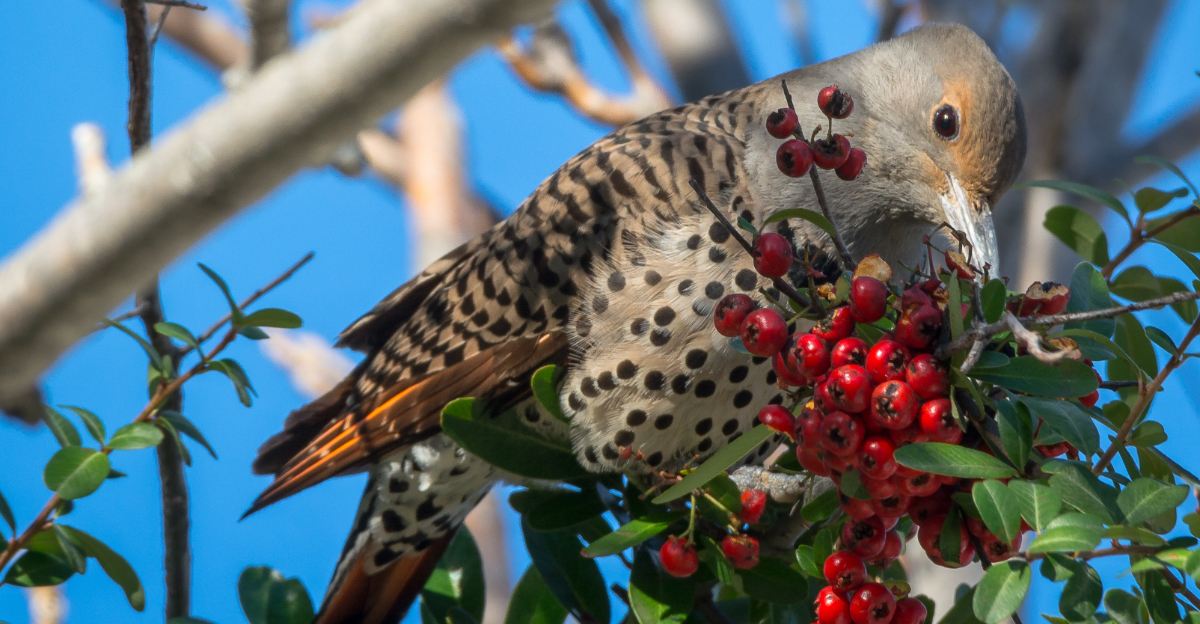
A berry-covered shrub can become one of the busiest spots in an Oregon yard once the season starts to shift.
Birds that barely seemed interested a few weeks earlier may suddenly arrive in quick bursts, hopping through branches and stripping fruit with impressive efficiency.
That activity is not just a pretty backyard moment. As insect numbers change and familiar summer foods become less reliable, wild berries can take on new importance for birds preparing for cooler weather, migration, or the tougher months ahead.
Gardeners may notice the change almost overnight. One morning a shrub is loaded with color, and a few days later it looks like the local birds held a buffet without leaving a tip.
The plants already growing around a yard can play a bigger seasonal role than their appearance suggests. Some berries provide exactly the kind of food birds seek as summer winds down.
Keeping the right fruiting plants in the landscape can turn an ordinary Oregon garden into a valuable stop on the seasonal food circuit, with plenty of feathered traffic as a bonus.
1. Snowberries Give Birds Food As Summer Fades
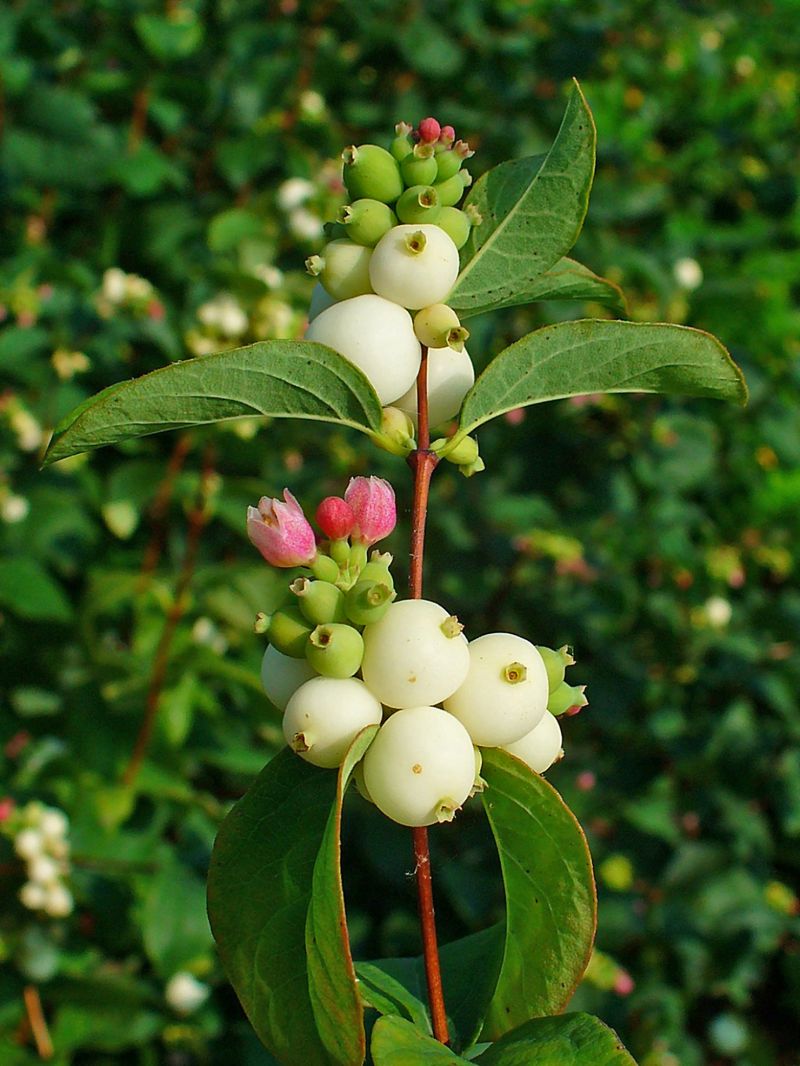
Few plants look quite as striking as a snowberry shrub loaded with bright white fruit. Those round, waxy berries might not look like much to us, but to birds like robins, waxwings, and grosbeaks, they are a welcome meal.
Snowberries ripen in late summer and often stay on the branches well into fall and even winter.
The berries contain compounds that make them mildly unpleasant for humans to eat, but birds have no such problem. Their digestive systems handle snowberries just fine.
This makes the plant especially useful because it does not compete with human foraging and stays available for wildlife longer.
Snowberry shrubs grow in a wide range of habitats. You can find them along stream banks, in open woodlands, and at the edges of meadows.
They are tough, adaptable plants that do not need a lot of care. If you want to support birds in your yard, planting a snowberry shrub is a solid choice.
It grows quickly, handles shade well, and starts producing berries reliably each year. Birds tend to visit snowberry plants in groups, especially when other food sources start running low.
Watching a flock of waxwings strip a snowberry bush clean is one of the more exciting sights of early fall. The plant grows back strong the following season, ready to feed another round of hungry birds.
2. Red Elderberries Feed Birds Before Fall Fully Arrives
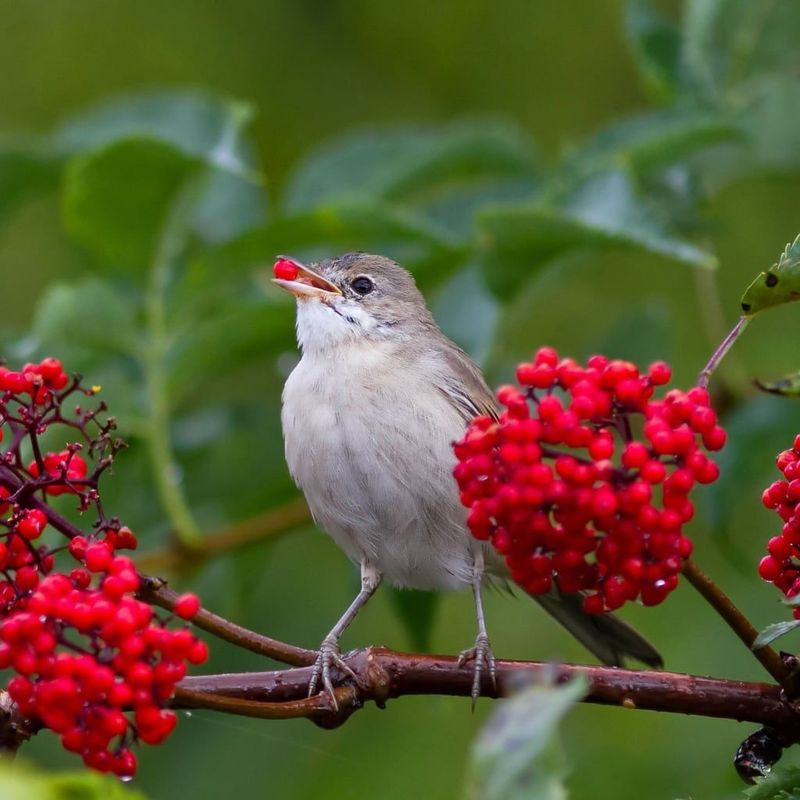
Red elderberry is one of the most productive berry shrubs you will find in the Pacific Northwest. It produces enormous clusters of small, bright red berries that ripen in mid to late summer.
Birds cannot seem to get enough of them. Thrushes, warblers, tanagers, and many other species flock to elderberry shrubs when the fruit is ripe.
What makes red elderberry so valuable is its timing. The berries ripen before many other fall fruits are ready.
This makes the shrub an early and critical food source for birds that are beginning to bulk up for migration. A single shrub can feed dozens of birds in just a few days when the berries are at their peak.
Your Oregon Garden Changes Every Week. Your Plan Should Too.
Gardening in Oregon changes quickly throughout the season. Every Friday you’ll receive a simple weekly plan showing exactly what to plant, prune, fertilize, harvest, and protect so you never miss the right timing.
Growing red elderberry is not complicated. The shrub prefers moist soil and partial shade, making it a great fit for low spots in a yard or near a water feature.
It grows fast and can reach impressive heights in just a few seasons. Birds are attracted to the plant not just for its fruit but also for the cover it provides.
Dense elderberry thickets give small birds a safe place to rest and hide from predators. Planting one near a window can give you a front-row seat to some of the most active bird feeding you will ever see during the late-summer months.
3. Serviceberries Can Still Draw Plenty Of Late-Summer Visitors
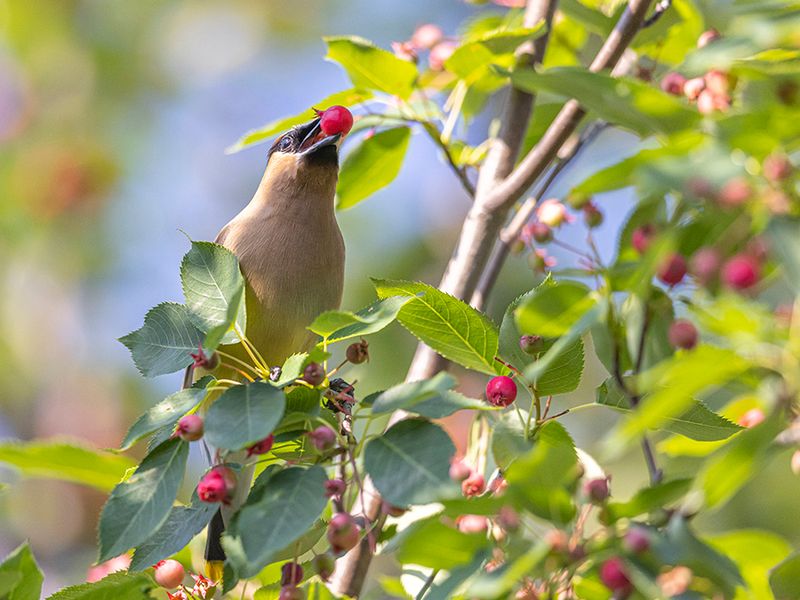
Ripe serviceberries have a flavor somewhere between a blueberry and a mild cherry. Birds figured this out long before humans did.
Cedar waxwings, American robins, and orioles are among the many species that target serviceberry shrubs the moment the fruit turns dark purple. The berries ripen in mid to late summer, and a well-loaded shrub can attract a surprising number of visitors in a short time.
Serviceberry is also called Juneberry in some parts of the country, though in the Pacific Northwest the fruit often ripens a bit later. The shrubs are beautiful year-round.
They produce white flowers in early spring, offer rich green foliage through summer, and turn brilliant shades of orange and red in fall. That means you get wildlife value and visual interest across multiple seasons.
One of the best things about serviceberry is how well it fits into a home landscape. It can grow as a large shrub or a small tree depending on how you manage it.
It handles both sun and partial shade and does well in average garden soil. Planting serviceberry near a birdbath or feeder can create a natural gathering spot that keeps your yard busy with activity.
Even after the main berry crop is gone, birds continue to visit the plant for insects and shelter. Few native shrubs offer as much value to backyard wildlife as serviceberry does through the late-summer transition.
4. Salal Berries Keep Woodland Birds Coming Back
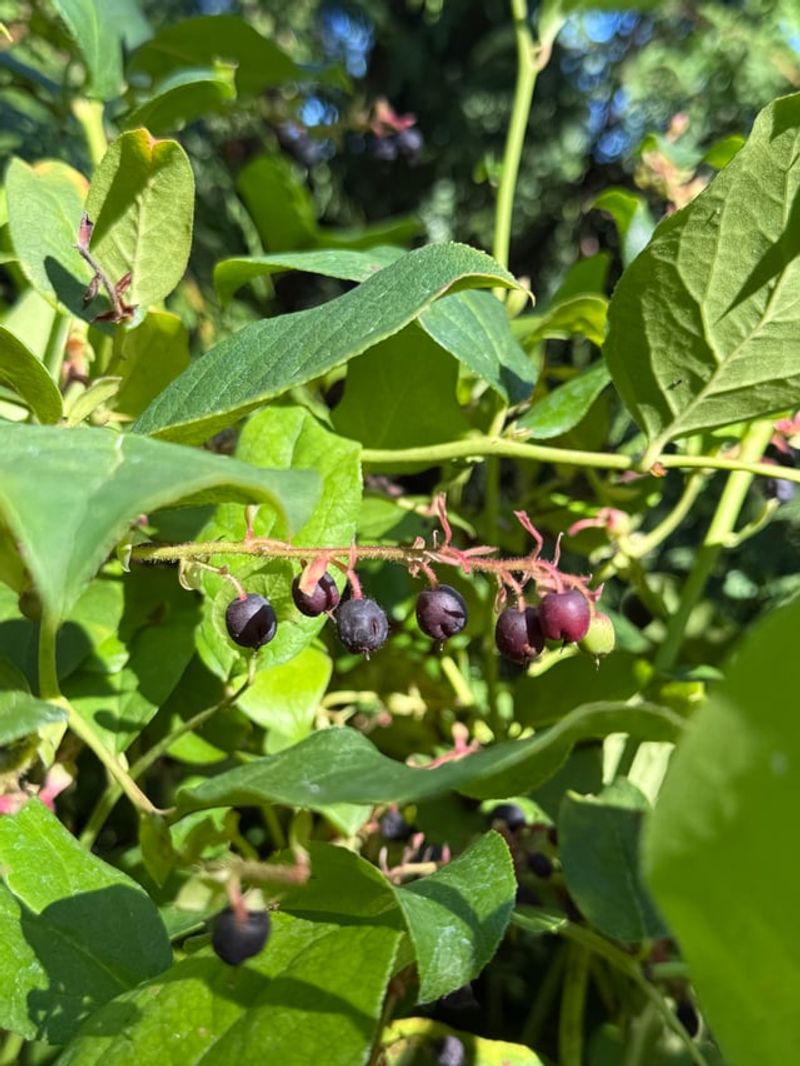
Walk through almost any coastal forest in the Pacific Northwest and you will find salal growing thick along the forest floor.
Its waxy, dark green leaves are instantly recognizable, and by late summer the plant is loaded with deep purple berries that birds find irresistible.
Varied thrushes, Swainson’s thrushes, and band-tailed pigeons are among the regular visitors.
Salal berries are not just plentiful, they are also nutritious. They have a higher sugar content than many other native berries, which makes them a great energy source for birds preparing for migration or heading into cooler weather.
The berries ripen gradually over several weeks, which extends the feeding window and keeps birds returning to the same patches repeatedly.
Salal is a tough, low-maintenance plant that thrives in shaded, acidic soil. It spreads slowly through underground runners and can form dense, wide patches over time.
In a home garden setting, it works beautifully as a ground cover under tall trees or along a shaded fence line. Once established, it needs very little water or attention.
Birds use salal not just for food but for cover as well. The dense foliage provides excellent shelter from wind and predators.
If you have a shaded corner of your yard that feels bare, salal is one of the best native plants you can add to support local wildlife through the fall season.
5. Evergreen Huckleberries Offer A Valuable Late-Season Snack
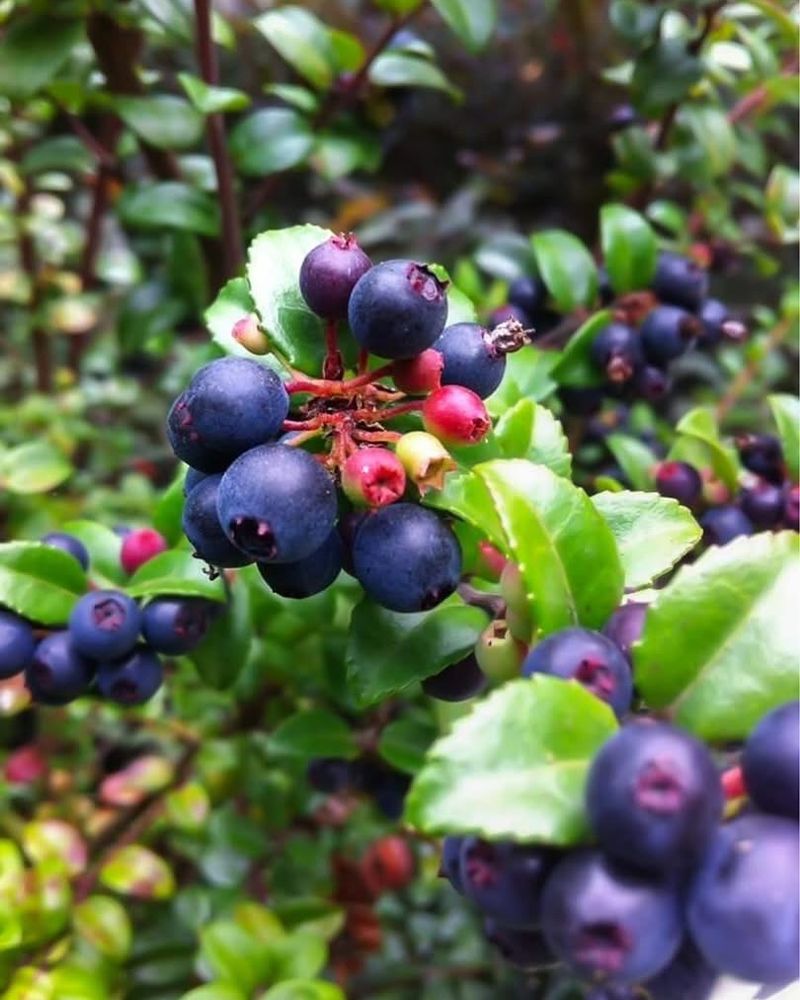
Most people know about huckleberries, but the evergreen huckleberry is something special. Unlike its relatives that drop their leaves in fall, this species stays green all year.
That alone makes it stand out. But what really matters to birds is the fruit, small dark blue berries that ripen from late summer into early fall and sometimes linger even longer.
Hermit thrushes, fox sparrows, and rufous-sided towhees are just a few of the birds that seek out evergreen huckleberry patches. The berries are sweet and calorie-rich, exactly what a bird needs when temperatures start dropping and food becomes harder to find.
Because the plant holds its fruit longer than many other native shrubs, it fills an important gap in the late-season food supply.
In a garden setting, evergreen huckleberry is a standout choice. It grows well in partial to full shade and prefers the kind of moist, acidic soil that is common in the Pacific Northwest.
The plant has a naturally tidy, rounded shape that looks attractive even without pruning. It can grow several feet tall over time and works well as a hedge or border plant.
Bees love the small pink flowers in spring, and birds take over when the berries ripen. Adding evergreen huckleberry to a yard creates layered wildlife value that stretches across most of the year, making it one of the most rewarding native shrubs you can grow.
6. Oregon Grape Berries Help Bridge The Seasonal Food Gap
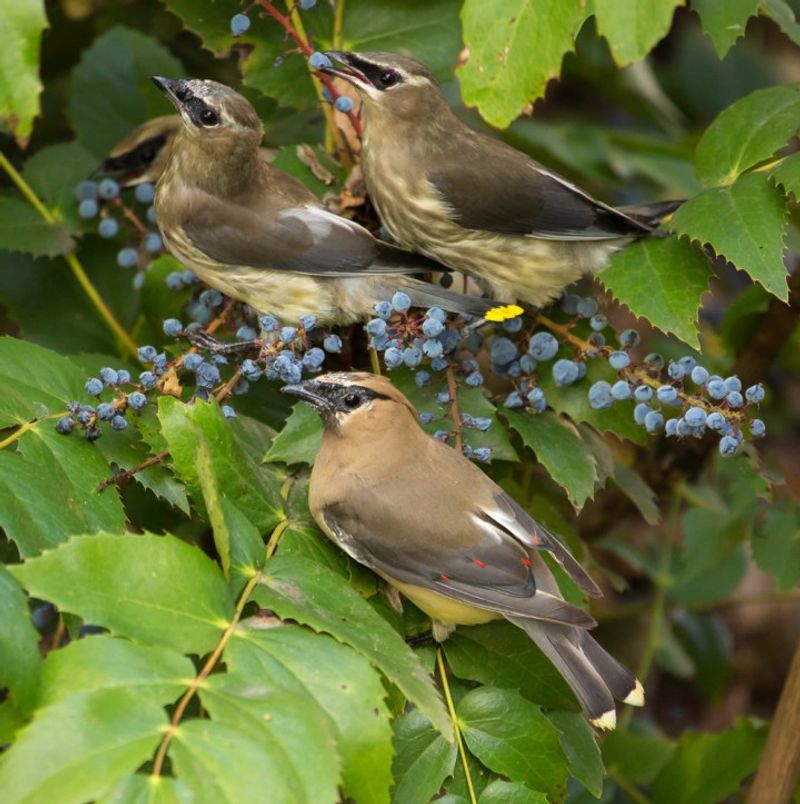
This is the state flower of Oregon, and it earns its place in the natural landscape for more than just looks.
By late summer, the plant produces hanging clusters of small, dusty blue berries that look a bit like tiny grapes.
The berries are tart and not particularly popular with humans, but birds feel very differently about them.
Robins, starlings, and waxwings are among the species most likely to visit Oregon grape plants when the berries ripen.
The fruit provides a useful bridge between the earlier summer berries and the heavier fall crops that come later.
For birds managing a tight energy budget during late summer, every reliable food source counts.
Oregon grape comes in two main forms. The tall variety can grow over six feet high and works well as a background shrub or informal hedge.
The low-growing variety stays under two feet and works nicely as ground cover. Both produce the same blue berries and offer similar value to birds.
The plant is incredibly tough. It handles drought, poor soil, and deep shade better than most native shrubs.
Once established, it needs almost no care at all. The spiny leaves also provide good cover for small birds that need a safe place to hide.
Few plants in the Pacific Northwest pack as much ecological value into such a low-maintenance package as Oregon grape does through the changing seasons.
7. Nootka Rose Hips Start Becoming Important As Other Fruit Disappears
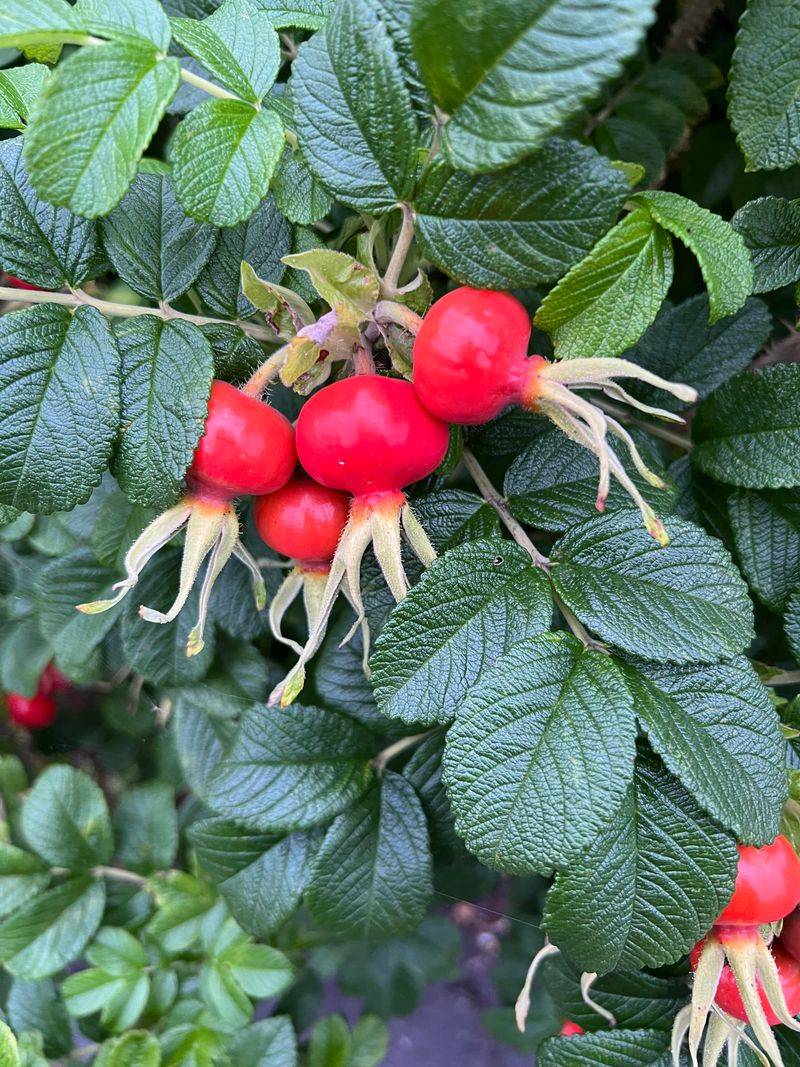
Rose hips might not be the flashiest berry in the forest, but they are one of the most reliable. Nootka rose, a native wild rose of the Pacific Northwest, produces plump red hips that ripen in late summer and persist well into winter.
When other berry crops have been eaten or have fallen from the branches, rose hips are often still hanging there, ready to feed hungry birds.
American robins, evening grosbeaks, and pine siskins are among the birds that turn to rose hips when options get slim. The hips are packed with vitamin C and other nutrients, making them a genuinely healthy food source.
Birds tend to return to the same rose bushes repeatedly throughout fall and into the colder months, stripping the hips gradually as their hunger grows.
Nootka rose grows naturally along stream banks, roadsides, and forest edges. In a home landscape, it works well as a thorny barrier hedge or a naturalistic border plant.
The fragrant pink flowers bloom in early summer and attract pollinators before the hips form. The plant spreads by root suckers, so give it room to grow.
Birds appreciate the thorny canes as much as the fruit because the dense structure offers excellent protection from cats and hawks.
Planting Nootka rose along a fence line or property edge creates both a practical boundary and a wildlife-friendly food source that keeps giving long after summer ends.
8. Twinberry Honeysuckle Provides Dark Berries Birds Notice Fast
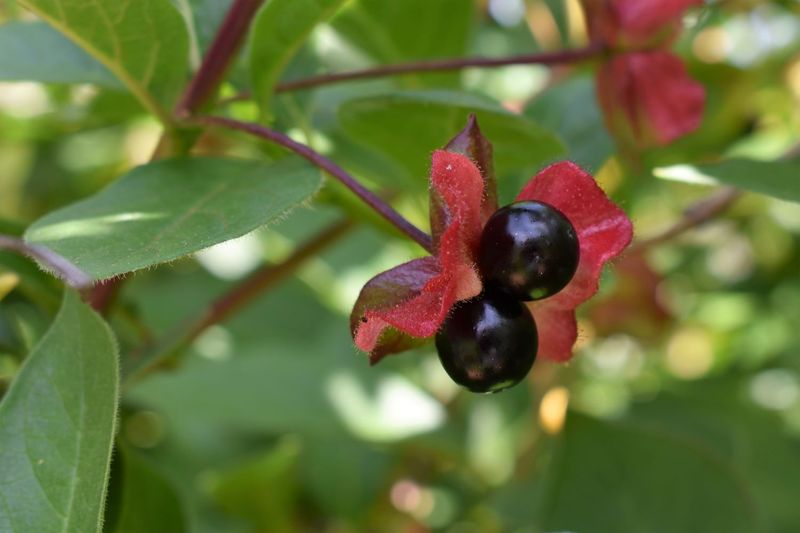
The berries grow in pairs, each one shiny and jet black, sitting inside a pair of bold red or purple bracts that frame them like a tiny stage curtain. Birds notice this plant quickly, and for good reason.
The berries ripen in mid to late summer and do not last long once the local bird population discovers them.
Warblers, thrushes, and hummingbirds all visit twinberry plants. Hummingbirds are drawn to the yellow tubular flowers earlier in the season, but other bird species take over when the berries appear.
The high moisture content of the fruit makes it especially attractive during dry late-summer stretches when water can be hard to find.
Twinberry honeysuckle grows naturally in wet areas like stream banks, pond edges, and marshy spots. In a garden, it does best with consistent moisture and partial shade.
It can grow quite tall, reaching eight feet or more in ideal conditions. The plant fills space quickly and provides excellent cover for nesting and roosting birds.
Because it fruits earlier than many other native shrubs, it acts as an important early provider in the late-summer food chain.
Adding twinberry to a moist or shaded part of your yard gives birds an early boost of nutrition right when they need it most, before the main fall berry season gets fully underway.
9. Pacific Crabapple Fruit Can Stay Available Into Cooler Weather
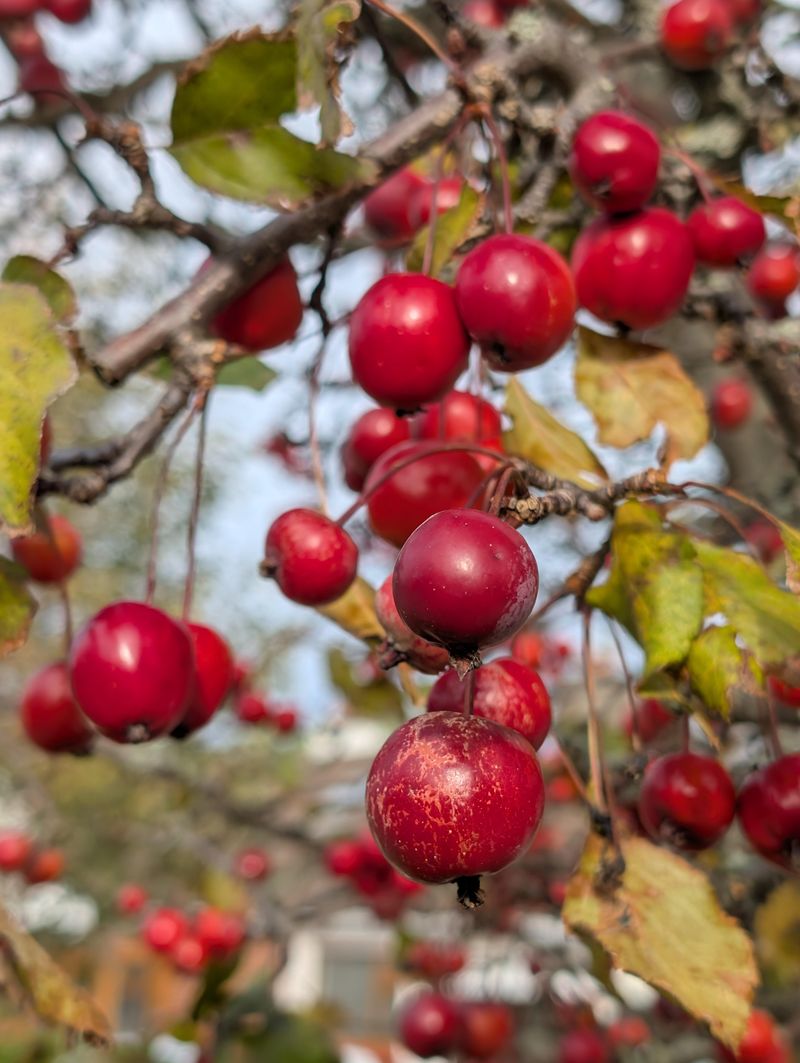
Pacific crabapple is one of the most generous trees in the bird world. The small, tart fruit ripens in late summer and can hang on the branches through fall and into early winter, giving birds a long window to take advantage of the crop.
Few native trees offer that kind of extended availability, which is what makes crabapple so important as the season shifts.
Band-tailed pigeons, waxwings, and thrushes are especially fond of crabapple fruit. The birds often arrive in flocks and work through the tree systematically, eating their fill before moving on.
A mature crabapple tree can produce an enormous amount of fruit, enough to feed many birds over many weeks without running out.
Pacific crabapple grows naturally along stream banks and forest edges throughout the region. In a yard, it works well as a small to medium ornamental tree that offers four-season interest.
The white flowers in spring attract bees and other pollinators. The summer foliage provides shade and cover.
Then the fruit takes center stage in fall, drawing in birds from a wide area. The tree is not fussy about soil as long as it has decent drainage and reasonable sunlight.
Planting one near a seating area lets you watch the bird activity up close without disturbing the animals.
For anyone serious about supporting birds through the seasonal transition, Pacific crabapple is one of the best investments you can make in your landscape.