What Oregon Gardeners Should Do The First Week Of September
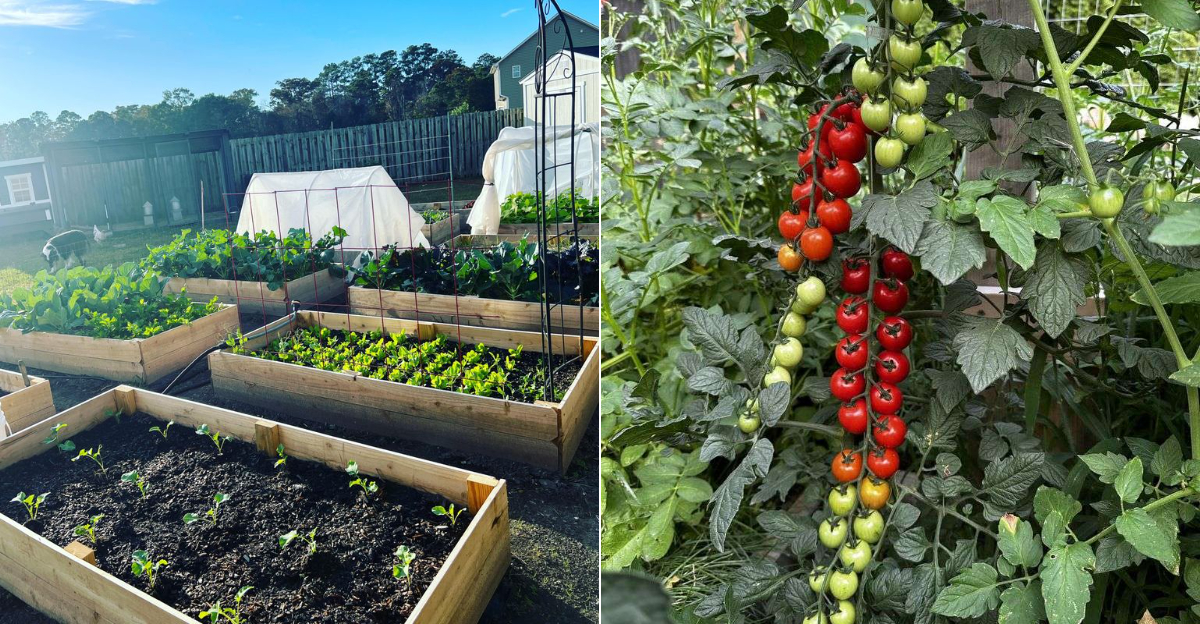
The first week of September has a funny way of making an Oregon garden feel caught between two seasons.
Tomatoes may still be ripening, flowers can keep pushing out color, and warm afternoons might suggest summer has plenty of life left.
Then the mornings cool down, daylight shifts, and suddenly the garden starts dropping hints that fall is not far behind.
This is one of those weeks when a little attention can go a long way. Beds that looked fine a few days ago may need a different kind of care, while certain plants are quietly moving into their next stage.
The garden calendar is changing, even if the weather has not fully committed yet. That makes early September a useful moment to walk the yard with fresh eyes.
Some jobs are about wrapping up summer, while others help prepare plants and soil for what comes next.
Think of it as the garden’s seasonal handoff. A few smart moves now can make the transition smoother and save you extra work once cooler, wetter Oregon weather settles in.
1. Keep Watering While The Soil Is Still Dry
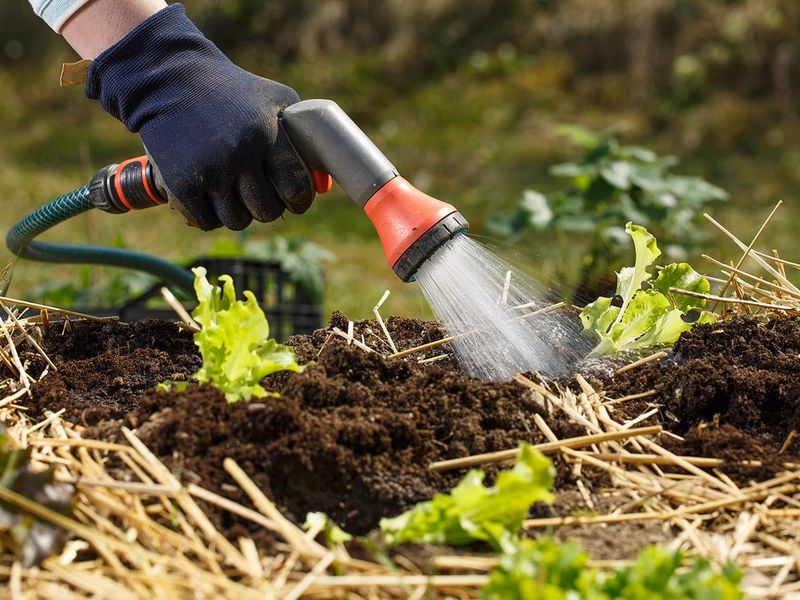
Late summer soil can be deceiving. The surface might look slightly moist from morning dew, but just a few inches below, the ground is often bone dry.
Many gardeners make the mistake of cutting back on watering too early in September, and their plants pay the price.
Warm days and low rainfall mean your garden still needs regular moisture. Most vegetables, flowering plants, and young shrubs need about one inch of water per week.
Without it, plants get stressed and stop producing fruit or blooms. Stressed plants are also weaker and more likely to struggle later in the season.
Water deeply and less often rather than giving shallow sprinkles every day. Deep watering encourages roots to grow down into the soil, which makes plants stronger overall.
The best time to water is in the early morning so the leaves dry out before nightfall. Wet leaves overnight can invite mold and disease.
Check the soil by pushing your finger about two inches into the ground near your plants. If it feels dry at that depth, it is time to water.
Use a soaker hose or drip system if you have one, since these methods deliver moisture directly to the roots without wasting water on the surface. Keeping up with watering this week protects everything you have worked hard to grow all summer long.
2. Harvest Tomatoes Before They Get Overripe
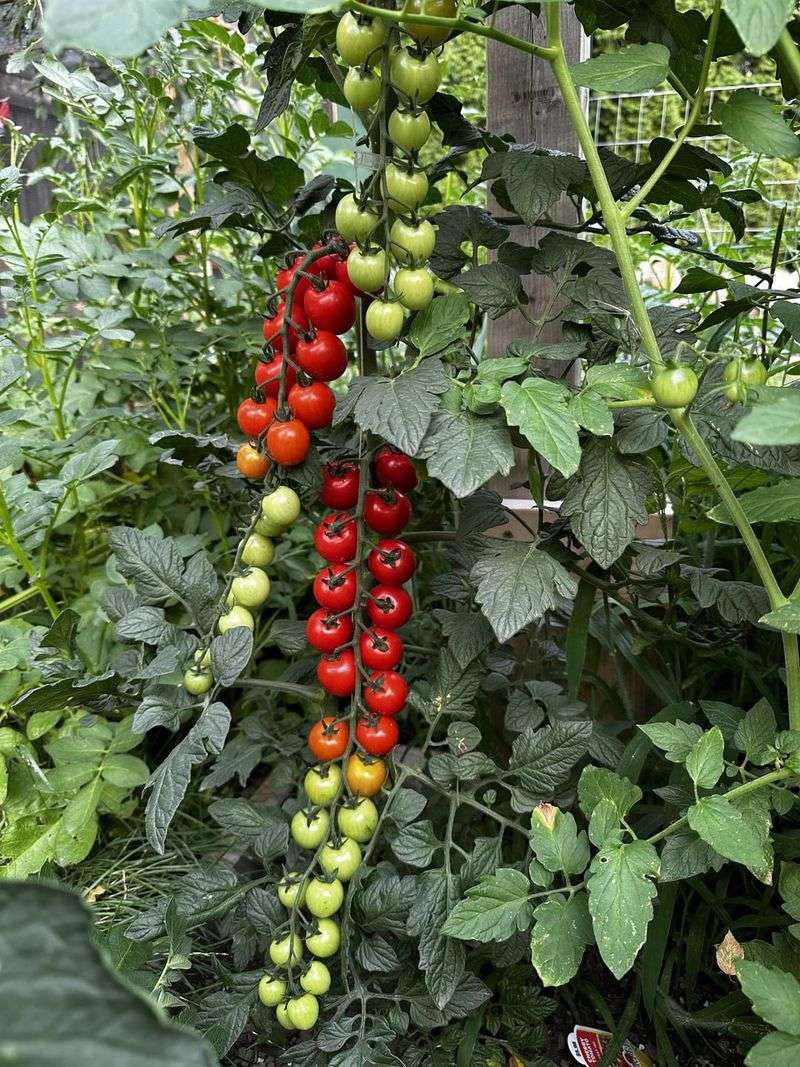
Few things are more satisfying than a perfectly ripe tomato fresh from the garden. But timing your harvest is everything.
Leaving tomatoes on the vine too long leads to cracking, rotting, and pest problems that can spread to other fruit nearby.
By early September, most tomato plants have been producing for several weeks. Check your plants every single day this time of year.
Look for tomatoes that have turned fully red, orange, or yellow depending on the variety. Give them a gentle tug.
Your Oregon Garden Changes Every Week. Your Plan Should Too.
Gardening in Oregon changes quickly throughout the season. Every Friday you’ll receive a simple weekly plan showing exactly what to plant, prune, fertilize, harvest, and protect so you never miss the right timing.
If they come off the vine easily, they are ready. If you have to pull hard, wait another day or two.
Do not wait for every tomato to be perfectly ripe on the plant. You can pick them when they have just started showing color and let them ripen indoors on a countertop.
Room temperature ripening actually preserves more flavor than refrigeration. Never put unripe tomatoes in the fridge because cold temperatures stop the ripening process and make them mealy.
If your plant has a lot of green tomatoes still on it, that is okay. Green tomatoes ripen quickly once the temperatures drop.
You can also use green tomatoes in recipes like fried green tomatoes or green salsa. Harvesting regularly also signals to the plant to keep putting energy into any remaining fruit, which means you get a better overall yield before the first frost arrives.
3. Pick Apples And Pears As They Reach Maturity
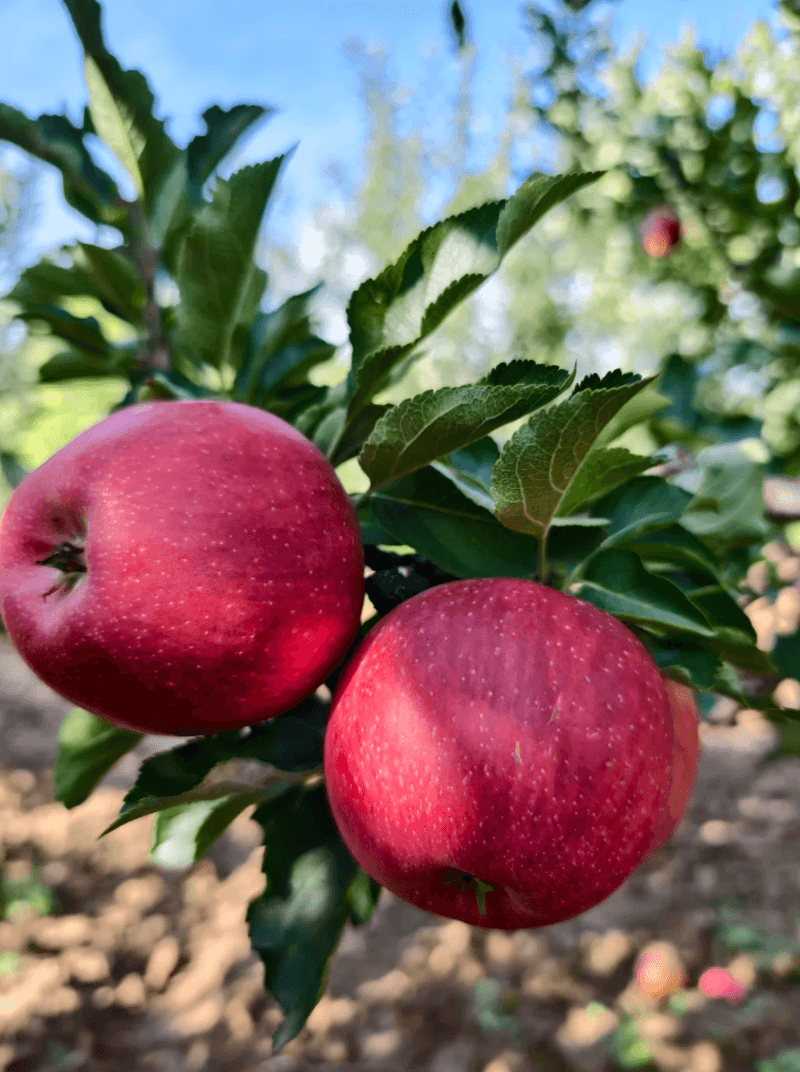
Fruit trees need attention in early September, especially apples and pears. Leaving fruit on the tree too long causes it to become soft, mealy, or damaged by birds and insects.
Knowing when to pick is a skill that makes a big difference in the quality of what ends up in your kitchen.
For apples, the best test is to cup the fruit in your hand and twist it gently. A ripe apple will release from the branch with just a slight turn.
The seeds inside a mature apple are usually dark brown rather than pale or white. Taste is the final judge. If it is sweet and firm, it is ready.
Pears are a little different because they ripen better off the tree. Most pear varieties should be picked while they are still firm and slightly green.
Set them on a countertop at room temperature and check them every day. They will be ready to eat in just a few days once they give slightly when you press near the stem.
Fallen fruit on the ground should be picked up right away. Rotting apples and pears attract wasps, deer, and other pests.
They can also spread fungal diseases to the soil and nearby plants. A clean yard under your fruit trees is one of the easiest ways to keep the whole garden healthier. Collect fallen fruit daily and compost it away from the main garden area.
4. Stop Heavy Fertilizing On Most Garden Plants
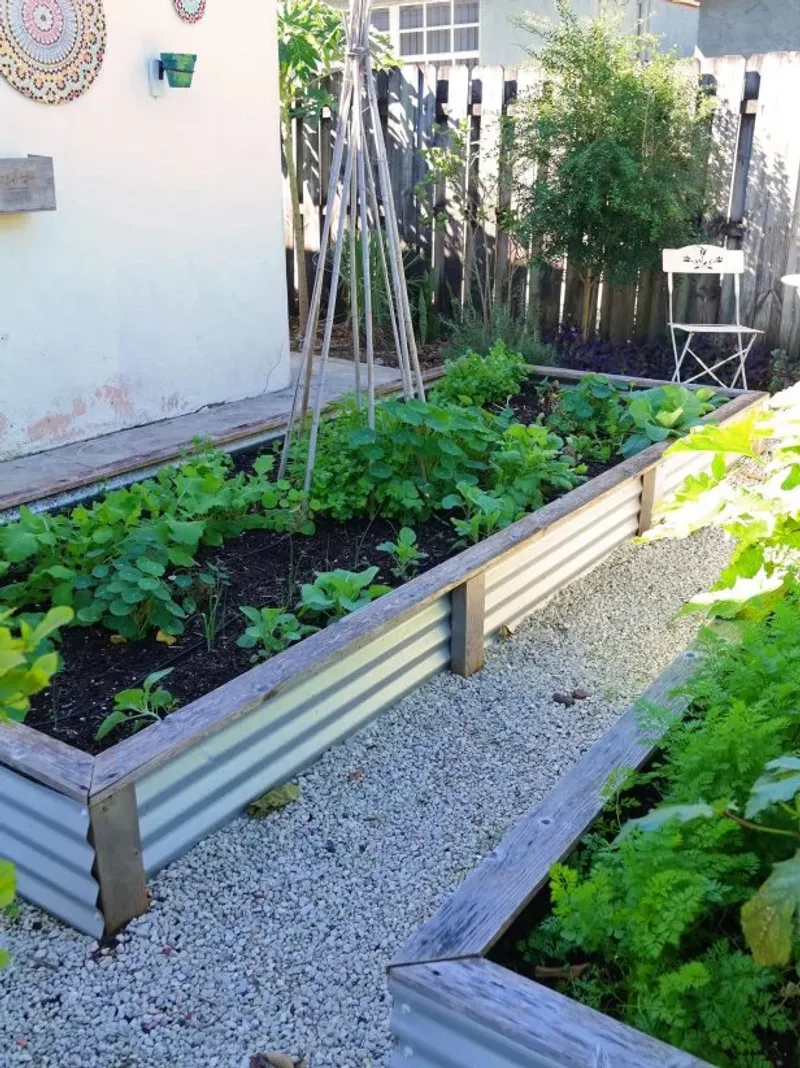
Fertilizing feels productive, but doing it at the wrong time can actually hurt your plants. By early September, most garden plants are winding down their active growing season.
Pushing them with heavy fertilizer now encourages soft new growth that cannot handle cooler temperatures ahead.
Tender new shoots that sprout in response to late fertilizing are vulnerable. When temperatures drop suddenly, that soft growth gets damaged easily.
This is especially true for shrubs, perennials, and fruit trees that need to start hardening off for winter. Feeding them now sends the wrong signal to the plant.
That said, a light dose of a low-nitrogen, high-phosphorus fertilizer can still benefit some plants. Phosphorus supports root development and helps plants prepare for cooler months.
Avoid anything high in nitrogen right now, since nitrogen is the nutrient that pushes leafy, fast green growth.
Cool-season vegetables like kale, lettuce, and spinach are an exception. If you are planting or establishing fall greens this week, a gentle balanced fertilizer can help them get started.
But for tomatoes, peppers, squash, and most flowering plants that have been in the ground all summer, it is time to ease off. Let them slow down naturally.
Focus your energy on harvesting, cleaning up, and preparing beds for fall planting instead of trying to squeeze out more growth with fertilizer this late in the season.
5. Deadhead Flowers You Want Blooming A Little Longer
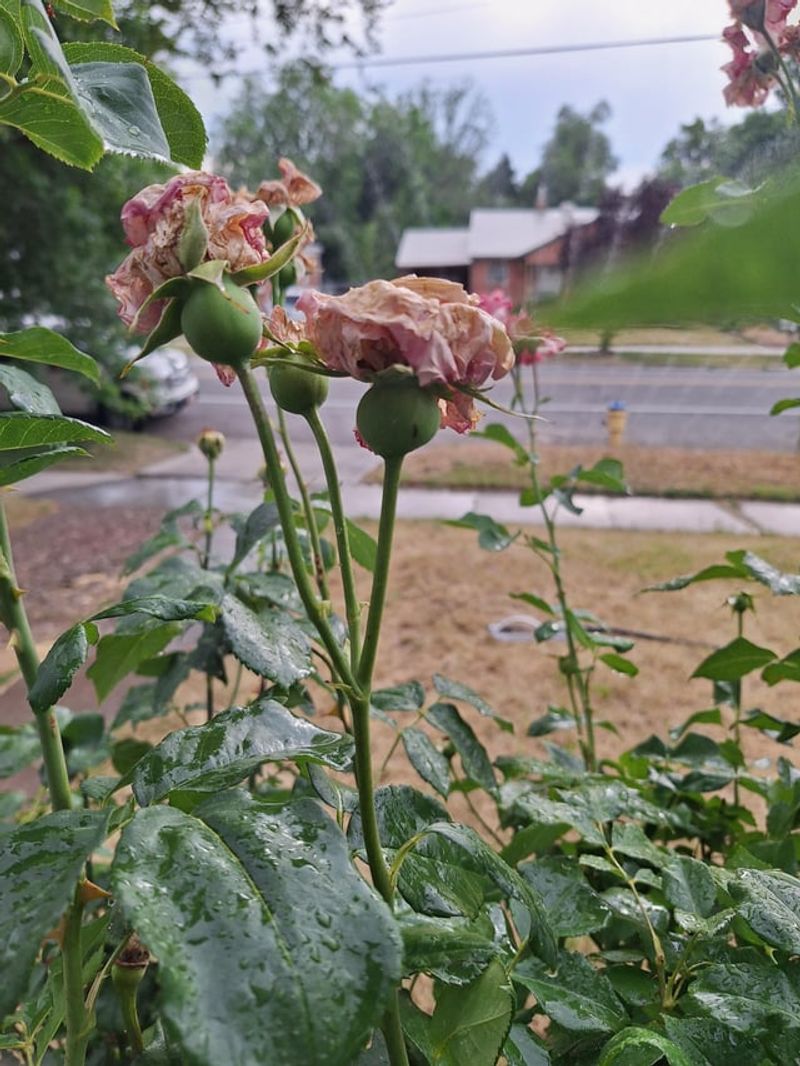
There is something almost magical about a Oregon garden that keeps blooming well into fall. The secret behind it is simple: deadheading.
Removing spent flowers from your plants encourages them to produce new blooms instead of putting energy into making seeds.
Flowers like zinnias, marigolds, dahlias, and petunias respond really well to regular deadheading. All you need is a pair of sharp scissors or pruning shears.
Snip off the faded flower just below the bloom, right above a set of healthy leaves. This small action tells the plant to send up another flower to replace the one you removed.
Do this every few days for the best results. If you let spent blooms sit on the plant for too long, the plant shifts into seed production mode.
Once that happens, blooming slows down or stops entirely. Catching flowers right as they start to fade gives you the most time to extend the show.
Not all flowers need deadheading. Some plants, like coneflowers and black-eyed Susans, are better left alone in fall because their seed heads feed birds through the winter months.
Know which plants in your garden benefit from deadheading and which ones are better left to go to seed naturally.
A little attention to your flowers this week can keep your garden looking full and colorful for several more weeks before the cold weather finally settles in for good.
6. Start Cleaning Up Diseased Leaves And Fallen Fruit
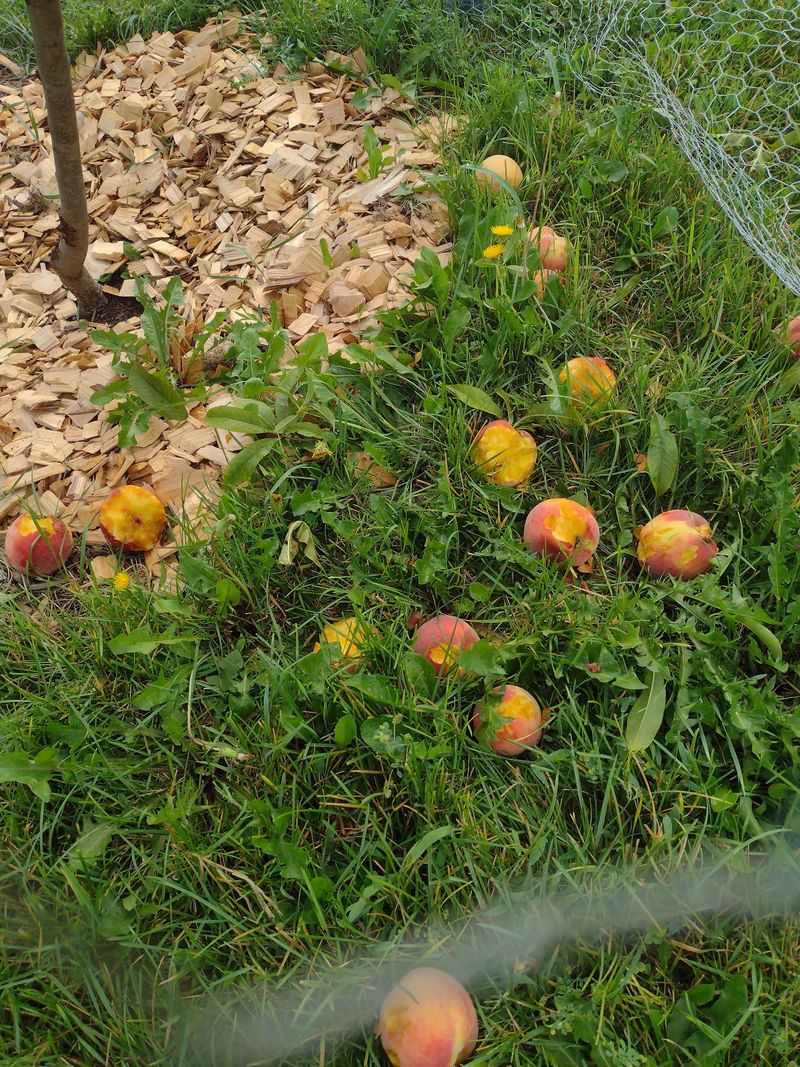
A tidy Oregon garden is a healthier garden. One of the best habits you can build in early September is cleaning up any leaves, fruit, or plant debris that shows signs of disease.
Leaving infected material on the ground is like leaving a problem behind for next year.
Fungal diseases, in particular, spread through fallen leaves and rotting fruit. Spores from infected plant material can survive in the soil through winter and reinfect your plants again in spring.
Removing that material now breaks the cycle before it gets a chance to repeat itself. Look for leaves with dark spots, yellowing edges, or powdery white coatings. These are common signs of fungal issues.
Remove them by hand and place them in a trash bag rather than your compost pile. Diseased material should not go into home compost because most backyard compost piles do not get hot enough to destroy fungal spores.
Fallen fruit is another priority. Rotting apples, pears, or tomatoes on the ground attract pests and spread disease fast.
Pick them up daily and dispose of them away from your garden. Once you have cleared out the obvious problem areas, give the soil a light rake to expose any hidden debris.
This also improves air circulation around the base of your plants. Clean-up work done now saves you a lot of trouble and extra effort when planting season rolls back around next spring.
7. Check Irrigation Before Cooler Weather Arrives
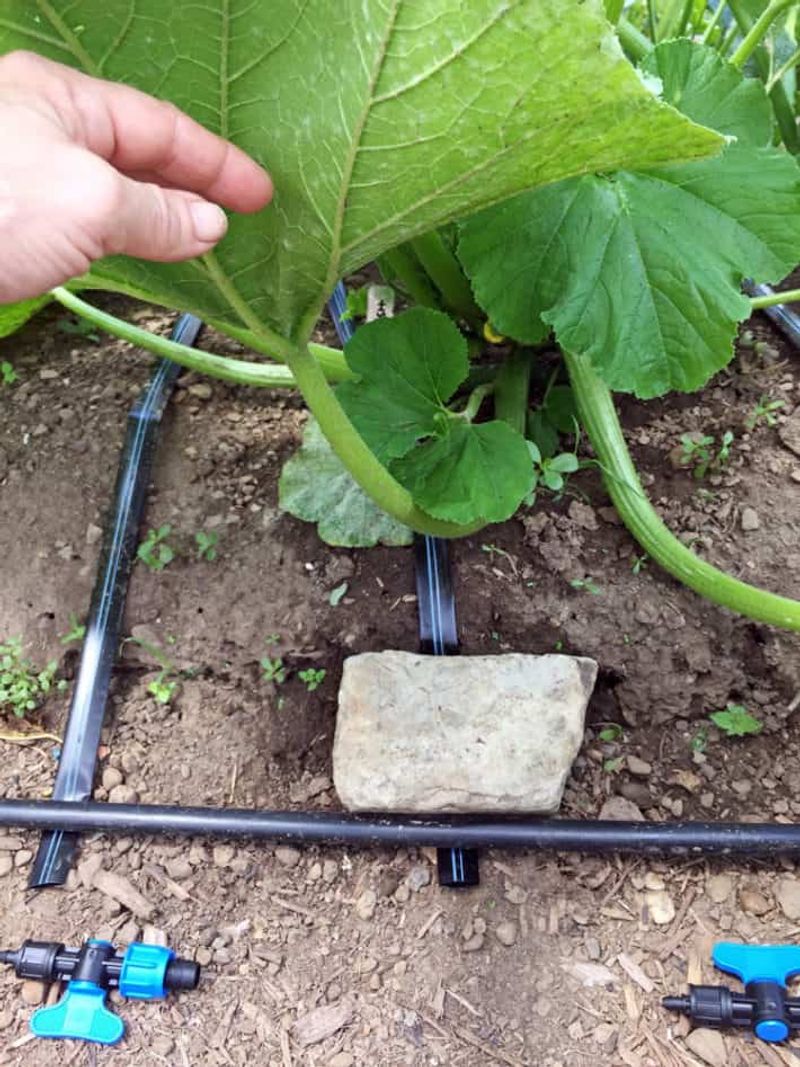
Your irrigation system has been working hard all summer. Before the rainy season returns to the Pacific Northwest, the first week of September is the right time to give it a thorough check.
Small problems now can turn into bigger headaches if they go unnoticed. Walk through your garden and run each irrigation zone one at a time. Watch closely for sprinkler heads that are clogged, tilted, or spraying in the wrong direction.
Check drip lines for any cracks, leaks, or emitters that have stopped working. Even a small leak wastes a surprising amount of water over time.
Clear any debris that has built up around emitters or sprinkler heads. Mulch, roots, and soil can block the flow and leave certain areas of your garden dry while others get too much water.
Uneven watering leads to uneven plant health, which is frustrating when you have put in so much effort all season.
Also take a look at your timer or controller settings. As days get shorter and temperatures drop, your garden will need less frequent watering.
Adjust your schedule now so you are not overwatering into fall. Too much moisture in cooler weather encourages root rot and mold.
If you have an older irrigation system, this is also a good time to note any parts that may need replacing before next spring.
A well-functioning system makes everything easier and keeps your garden thriving through the season change.
8. Plant Cool-Season Greens For A Fall Harvest
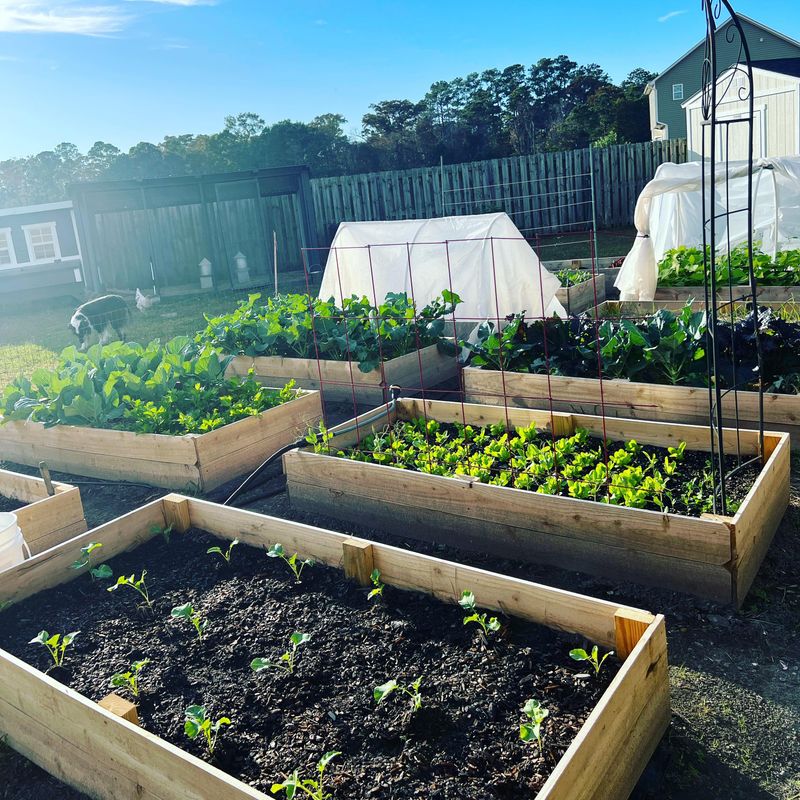
Early September is one of the best times of year to plant cool-season vegetables. The soil is still warm from summer, which helps seeds germinate quickly, but the cooler air temperatures ahead are perfect for leafy greens to grow strong and sweet.
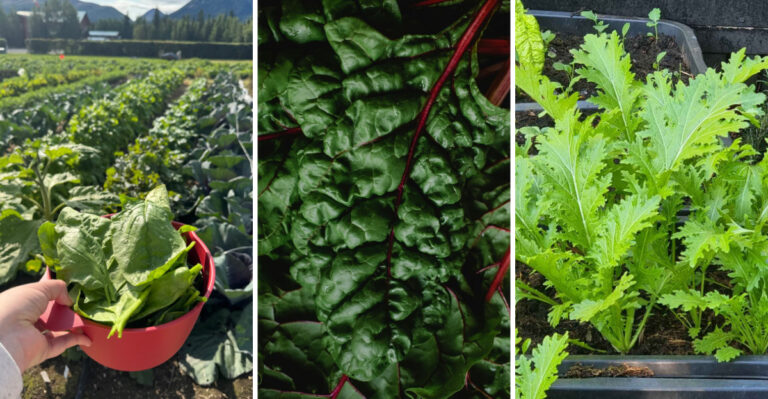
Lettuce, spinach, kale, arugula, and Swiss chard are all excellent choices for a fall garden. These plants actually taste better after a light frost because the cold converts some of their starches into sugar.
That means your fall harvest can be more flavorful than your summer one. Plant seeds directly in the ground or use transplants for a faster start.
Choose a spot that gets at least four to six hours of sunlight per day. Prepare the bed by loosening the soil and mixing in a little compost to give the seedlings a good foundation.
Water gently after planting and keep the soil consistently moist until the seeds sprout. Once they are up and growing, they need less attention than summer crops.
Check the days-to-maturity on your seed packets before planting. Most cool-season greens take between 30 and 60 days to reach harvest size.
Planting in early September gives you plenty of time before temperatures drop too low. Row covers or a simple cold frame can extend your harvest even further into October and November.
Growing greens in fall is one of the most rewarding things a home gardener can do with the last warm weeks of the year.