The Oregon Fruit Trees That Still Need A Late-Summer Check
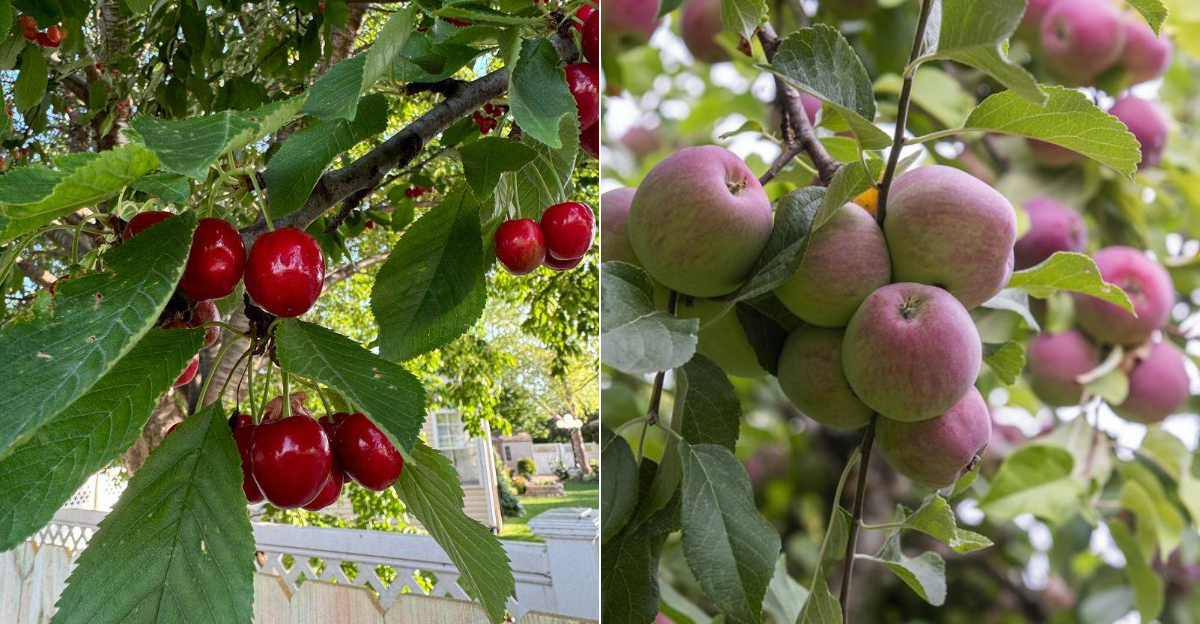
Fruit trees can make a garden feel incredibly rewarding, especially when branches are carrying the results of months of care.
But the weeks before harvest are not a time to completely walk away and assume everything will sort itself out.
A quick look now can reveal details that are much easier to handle before the season moves on.
Oregon fruit trees go through a lot during the growing season. They deal with changing weather, heavy fruit loads, summer stress, and the usual collection of garden surprises that seem to appear when you least expect them.
A tree can look productive from a distance while still needing a little attention up close.
This is also when small changes can become easier to notice. The leaves, branches, fruit, and overall shape of the tree can all provide clues about how the season is going.
Before baskets come out and harvest gets underway, take a walk around your trees and give them a closer inspection.
A few minutes of checking now could help you catch issues, protect your crop, and finish the season on a stronger note.
1. Apple Trees Need A Final Pest And Fruit Check
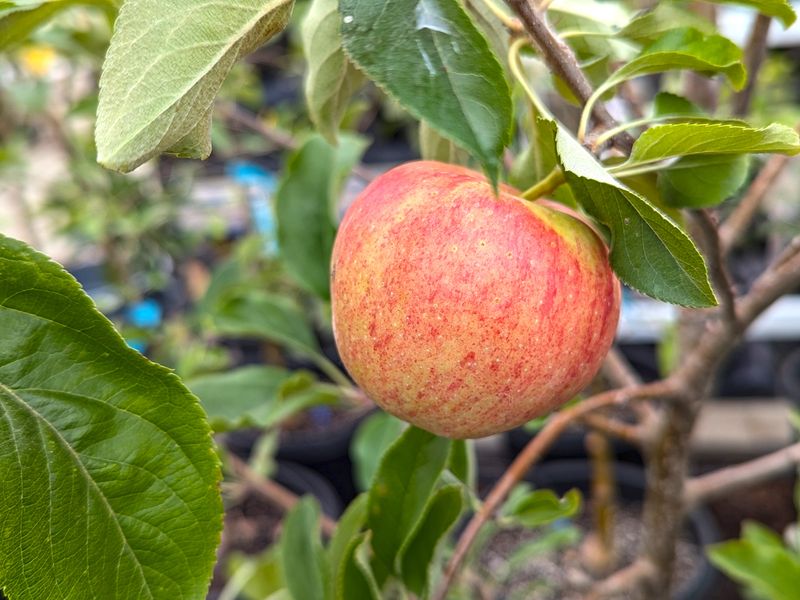
Apple trees can look perfectly fine from a distance, but up close, late summer often tells a different story. Codling moths are one of the biggest problems at this stage.
Their larvae tunnel into fruit, leaving behind small entry holes and brown, damaged flesh inside.
Walk along each tree and pick up any apples that have already fallen. Fallen fruit left on the ground draws more pests and can spread disease to healthy apples still on the branch.
Removing it quickly is one of the simplest and most effective things you can do right now.
Check the skin of fruit still hanging on the tree. Look for soft spots, small holes, or discolored patches.
Any apple showing these signs should come off the tree right away. Do not leave damaged fruit in place hoping it will recover.
Also look at the leaves. Powdery mildew shows up as a white, dusty coating.
Apple scab creates dark, rough spots on both leaves and fruit. Both issues spread quickly in warm, humid conditions, which late summer often provides.
Thinning out any remaining clusters where fruit is touching can also help. Apples that press against each other trap moisture and create ideal conditions for rot.
Giving each apple a little breathing room goes a long way toward keeping the rest of your harvest healthy and clean through to picking day.
2. Pear Trees Can Hide Problems Before Harvest
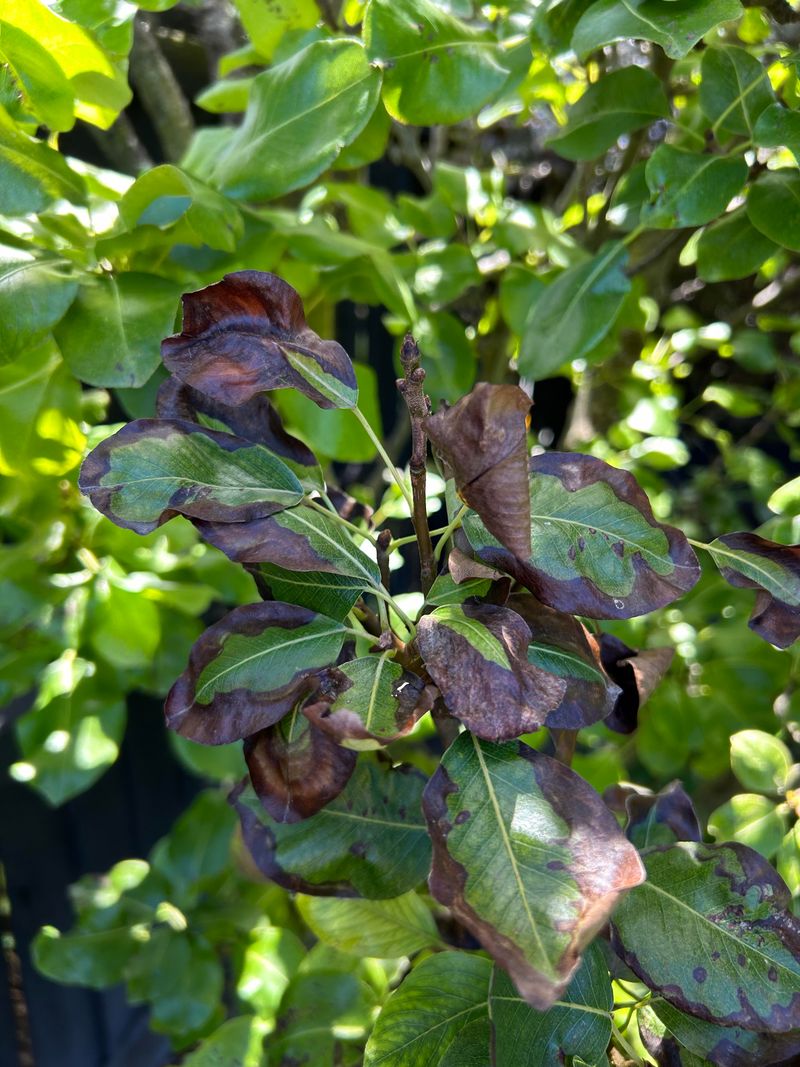
The fruit can look beautiful on the outside while serious problems are developing just beneath the surface. Late summer is exactly when those hidden issues start showing up, and catching them now makes a real difference.
Fire blight is one of the most damaging diseases that affects pears. It causes branches and shoots to turn brown or black and droop downward, almost like they got scorched.
If you spot this on your tree, prune out the affected branch well below the damaged area. Clean your pruning tool between each cut so you do not spread the bacteria to healthy wood.
Your Oregon Garden Changes Every Week. Your Plan Should Too.
Gardening in Oregon changes quickly throughout the season. Every Friday you’ll receive a simple weekly plan showing exactly what to plant, prune, fertilize, harvest, and protect so you never miss the right timing.
Pear psylla is another pest to watch for. These tiny insects suck sap from the tree and leave behind a sticky substance called honeydew.
Black sooty mold often grows on this residue. Check the undersides of leaves and along young stems for signs of activity.
Give your pears a gentle squeeze. Ripe pears do not soften on the tree the way other fruit does.
Most varieties are ready to pick when they come off easily with a slight upward twist, even if they still feel firm. Leaving them on the tree too long often leads to gritty, mushy centers.
Check the base of the tree as well. Pear drops near harvest time are common, but heavy dropping can signal stress. Make sure the tree has enough water as it finishes ripening its crop.
3. Plum Trees Need Watching After Heavy Fruit Set
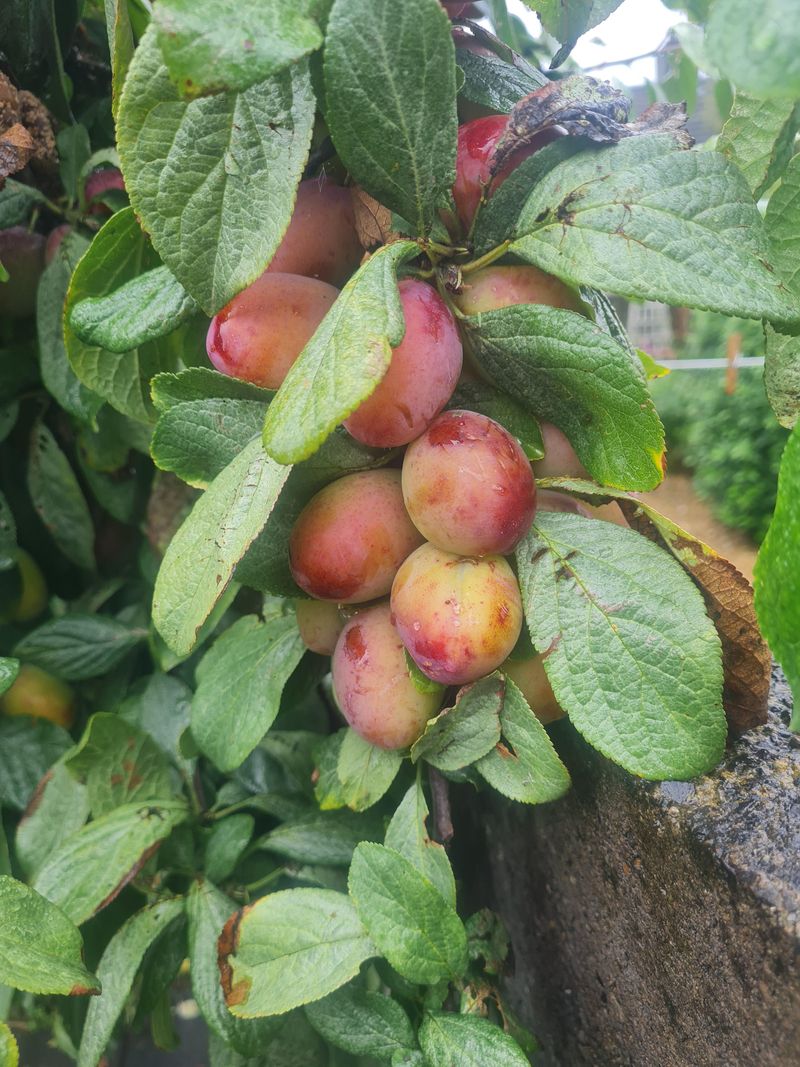
A big plum crop sounds like great news, but heavy fruit set puts a lot of stress on the tree. Branches were not designed to hold unlimited weight, and late summer is when that pressure really builds.
Plum trees that had an abundant year need a careful check right now. Start by looking at how the branches are sitting. If any are bending significantly under the weight of the fruit, they need support before they snap.
A simple wooden stake or a forked branch wedged underneath can hold things up until harvest. This is a quick fix that prevents a lot of damage.
Brown rot is a major concern for plums in late summer. It starts as a small brown spot on the fruit and spreads fast, especially in warm and humid weather.
Infected fruit shrivels up and can remain hanging on the tree through winter, spreading spores the following season. Remove any affected plums right away and do not compost them.
Plum curculio is a beetle that lays eggs in developing fruit. Look for small crescent-shaped scars on the skin of your plums.
Fruit that has been attacked often drops early. Collecting and removing these dropped plums every day reduces the number of larvae that make it into the soil.
Water is also important right now. Consistent moisture helps prevent fruit from cracking.
Cracked plums are open invitations for insects and disease, so keep the soil evenly moist through the final weeks before picking.
4. Cherry Trees May Need Cleanup Around Fallen Fruit
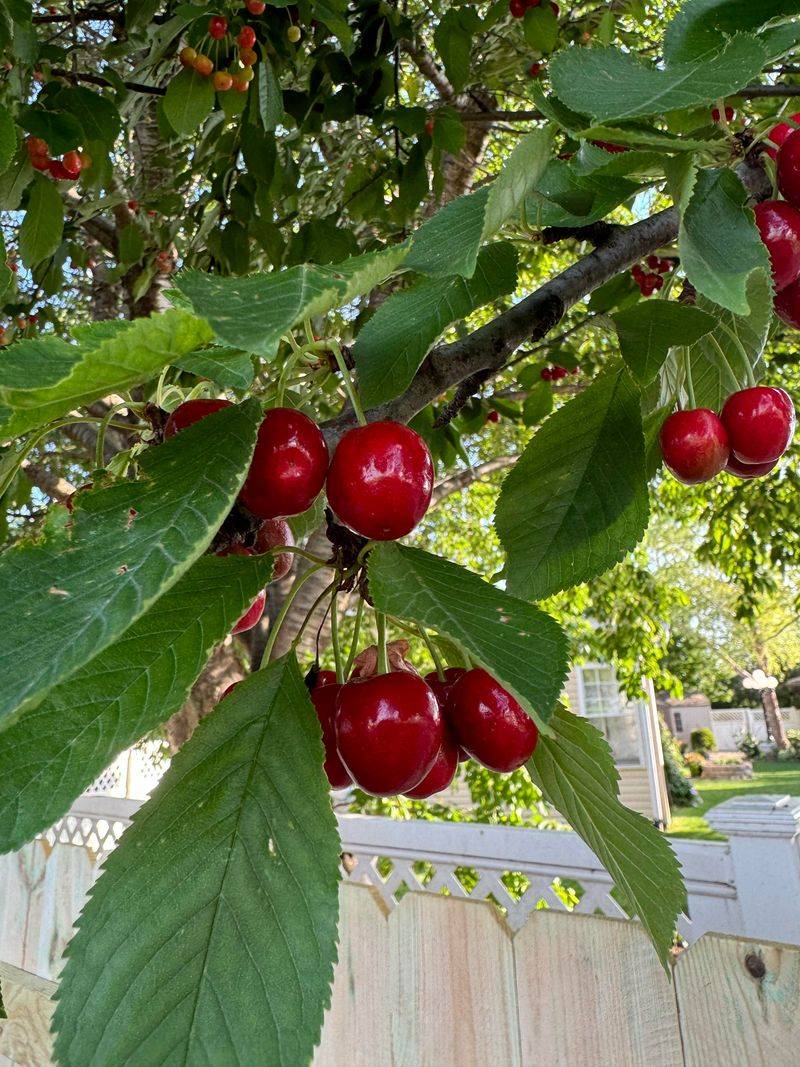
Most cherry harvests happen earlier in the season, but late summer still brings some important cleanup tasks that growers should not skip.
Cherries that were missed during picking or that dropped early can cause problems if they are left sitting under the tree.
Fallen cherries rot quickly and attract yellow jackets, fruit flies, and other insects. These pests do not just stay near the ground.
They move up into the tree and can damage any remaining fruit or cause issues for next year’s growth. A daily sweep under the tree takes only a few minutes and makes a noticeable difference.
Check the bark of your cherry tree while you are out there. Look for any areas where sap is oozing out in a gummy, amber-colored blob.
This is called gummosis, and it can be caused by a boring insect, a bacterial infection, or physical damage to the bark. Note where it is and monitor it over the coming weeks.
Late summer is also a good time to look at the tree’s overall shape. If any branches are crossing and rubbing against each other, that friction creates wounds where disease can enter.
You do not need to prune heavily right now, but marking problem branches to address in late fall or early spring is a smart move.
Keep the area around the base of the tree clear of weeds and debris. Good airflow at the base helps reduce fungal pressure and keeps the root zone healthier heading into fall.
5. Fig Trees Can Attract Wildlife As Fruit Ripens
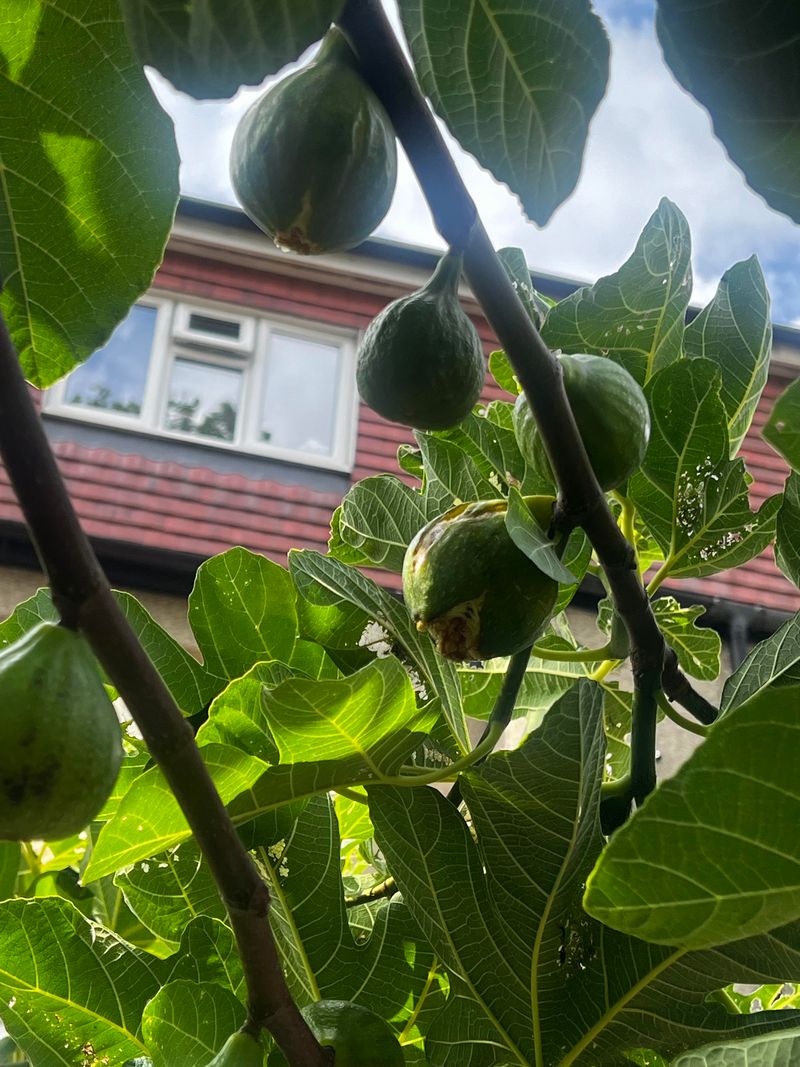
Few things in an Oregon garden smell as sweet as ripe figs. That sweetness is exactly what makes fig trees a magnet for wildlife during late summer.
Birds, squirrels, and wasps all want a share of the harvest, and they are not shy about taking it.
Bird netting is one of the most effective ways to protect your figs. Drape it loosely over the tree so birds cannot reach the fruit through the mesh.
Make sure the netting reaches all the way to the ground or is secured at the base so animals cannot get underneath.
Figs ripen unevenly, which means you need to check the tree every couple of days. A ripe fig will droop slightly, feel soft when gently squeezed, and may show a small drop of sugary liquid at the base.
Picking ripe figs promptly means fewer go to waste and fewer pests are drawn in.
Watch for souring, which is a condition where the fruit ferments on the tree. It is caused by a combination of yeasts, bacteria, and insects entering through the fig’s eye, the small opening at the base.
Figs with a sour or fermented smell should come off the tree right away. Fig trees in the Pacific Northwest can also face pressure from spotted wing drosophila, a small vinegar fly that targets soft fruit.
Yellow sticky traps placed near the tree help you monitor activity levels and decide if further action is needed before the crop is lost.
6. Peach Trees Benefit From Removing Damaged Fruit
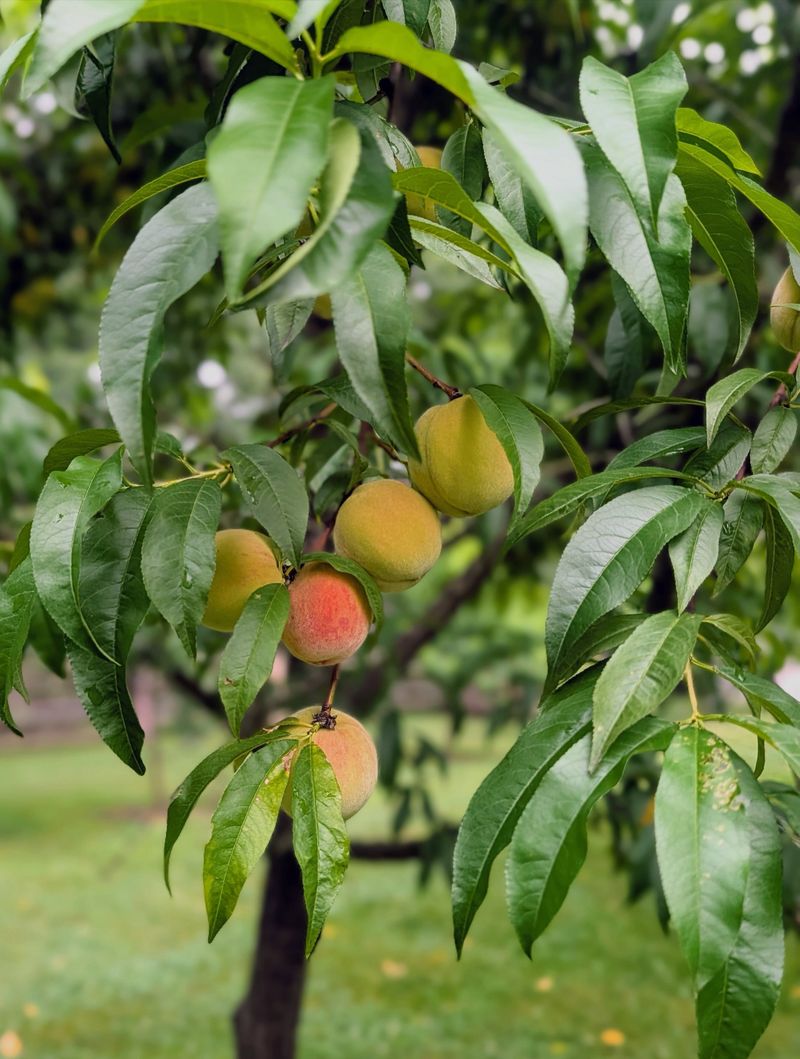
Peach trees put a tremendous amount of energy into their fruit, and by late summer, that effort really shows. The fruit is large, fragrant, and often packed tightly on the branches.
But not every peach makes it to harvest in good shape, and leaving the bad ones in place hurts the ones that are still healthy.
Splitting is one of the most common problems at this stage. It happens when the tree takes up water too quickly after a dry spell, causing the skin to crack.
Once a peach splits, insects move in fast. Pick off any split fruit immediately and dispose of it away from the tree.
Brown rot spreads rapidly among peaches in late summer. It starts as a small brown patch and can take over an entire fruit within days.
Infected peaches often remain hanging on the branch long after they shrivel, and these mummified fruits harbor disease spores that cause trouble the following year. Remove them every time you see one.
Peach leaf curl is a fungal disease that causes leaves to pucker, redden, and drop early. While treatment happens in late winter before buds open, checking for it now helps you plan ahead.
Heavy leaf drop weakens the tree going into fall and reduces its ability to store energy for next season.
Thinning was most useful earlier in the season, but removing remaining damaged or crowded fruit now still helps. Healthy peaches that have room to breathe tend to ripen more evenly and taste better at harvest.
7. Grapevines Need Attention Before Clusters Finish
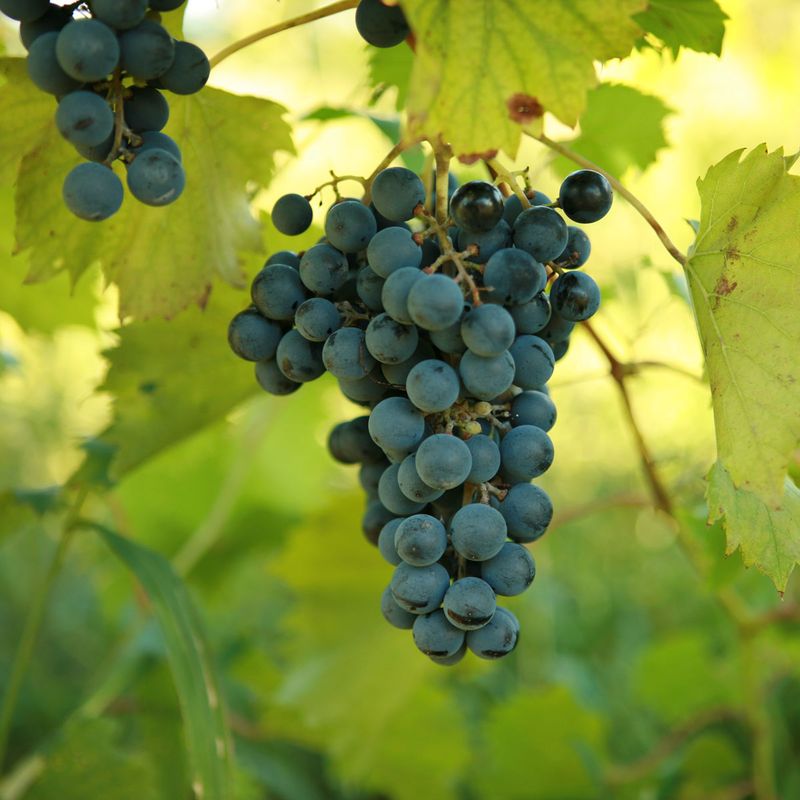
Grapes are one of the most rewarding crops to grow, but the final weeks before harvest are also when things can go sideways fast.
Grapevines need a focused check right now, because problems that start small in late summer can ruin entire clusters before you get a chance to pick them.
Powdery mildew is a major threat. It looks like a white or gray powder coating on leaves, stems, and grape berries.
Infected berries crack open and become vulnerable to secondary infections. Good airflow through the vine helps a lot.
Remove any leaves that are blocking sunlight from reaching the clusters, especially on the interior of the canopy.
Botrytis, also called gray mold, is another serious issue. It thrives in damp conditions and spreads quickly through tightly packed clusters.
If you see gray, fuzzy growth on any berries, remove those clusters entirely. Do not let infected grapes stay on the vine.
Check your clusters for uneven ripening. Some berries may be shriveling while others are still green.
This can be caused by poor pollination earlier in the season or by water stress. Make sure your vines are getting consistent moisture, especially during dry stretches.
Look at the canes as well. Any that are diseased, broken, or tangled need to be addressed.
Tying loose canes back to the trellis keeps the plant organized and reduces the chance of wind damage before you bring in the harvest. A little attention now pays off in a much better crop.
8. Inspecting Leaves Can Catch Problems Early
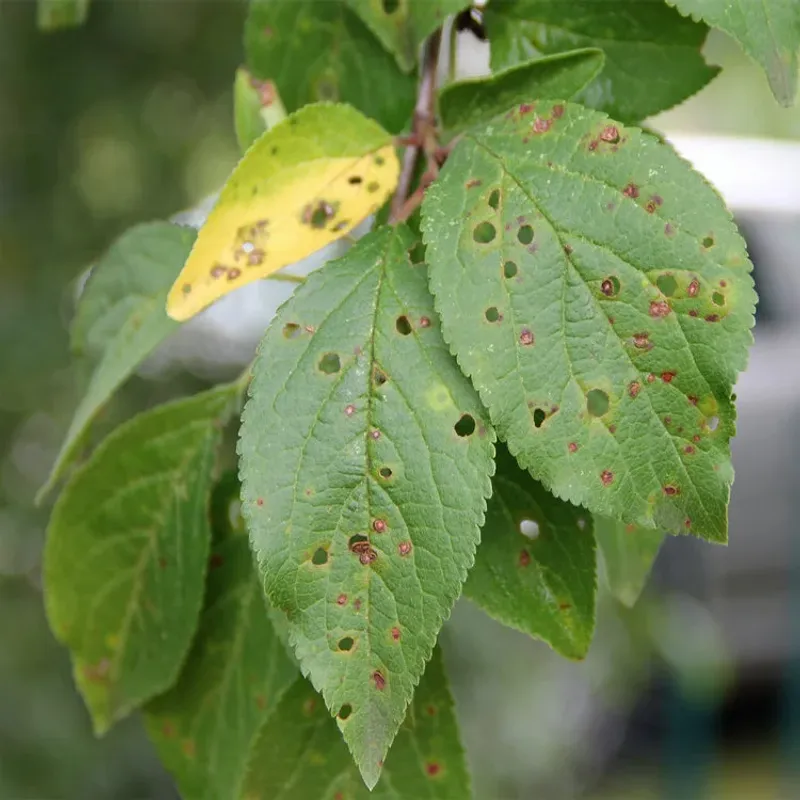
Leaves are like a report card for your fruit tree’s health. They show stress, disease, and pest activity long before the damage becomes serious.
Getting into the habit of checking them closely in late summer gives you a real advantage heading into harvest and fall.
Yellow leaves can mean several things. Nutrient deficiency, overwatering, root stress, or early infection can all cause leaves to change color before their time.
A few yellow leaves here and there is normal. A lot of them, especially on younger growth, is a signal worth investigating.
Dark spots on leaves often point to fungal issues like leaf spot or scab. These diseases spread through water splash and wind.
Once you see spots, remove affected leaves and dispose of them in the trash, not the compost pile. Composting diseased material can spread the problem next year.
Curled or distorted leaves often mean insects are at work. Aphids, mites, and psyllids all feed on leaf tissue in ways that cause curling, puckering, or stippling.
Flip a few leaves over and look at the undersides with a magnifying glass if you can. That is where most of the action happens.
Pale, washed-out leaves with a fine webbing on the underside are a classic sign of spider mites. These tiny pests thrive in hot, dry weather.
A strong spray of water from a garden hose can knock populations down quickly. Repeat every few days for the best results and keep checking until the problem clears up.
9. Supporting Heavy Branches Prevents Late Breakage
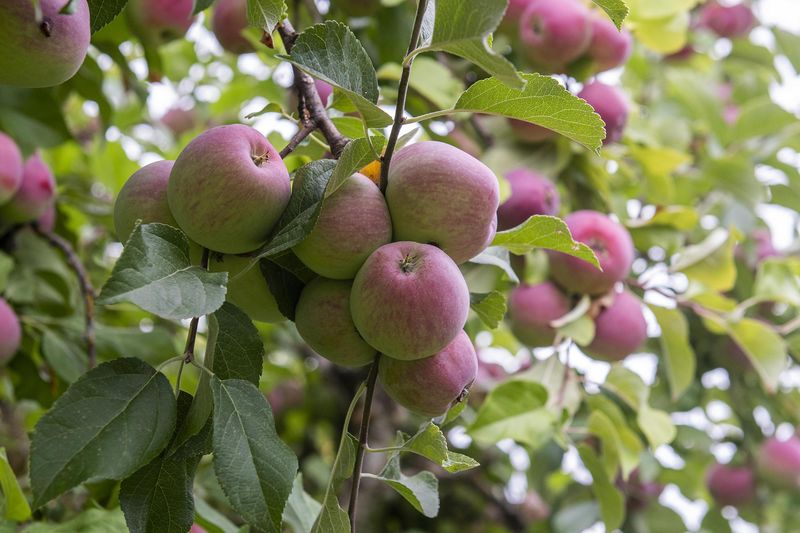
A branch loaded with ripe fruit is a beautiful sight, but it is also a branch under serious stress.
Late summer is when the weight of a full crop reaches its peak, and that is exactly when branches are most likely to crack or split. Supporting them now prevents a lot of heartache right before harvest.
Wood stakes, forked branches, and adjustable prop poles all work well for holding up heavy limbs. Position the support so it contacts the branch a few inches away from the main trunk.
Placing it too close to the trunk does not relieve enough stress on the outer portion of the branch where most of the weight sits.
Use a piece of rubber or old cloth between the support and the branch to prevent bark damage.
Hard materials like bare metal or rough wood can rub and wound the bark, creating an entry point for disease. A little padding goes a long way in protecting the branch while it holds the crop.
Check supports every few days as fruit continues to grow and add weight. What felt stable a week ago may need adjustment as the branch gets heavier. This is especially true after rain, when fruit absorbs water and becomes noticeably heavier.
Oregon orchards see a lot of late-summer wind, and even a moderate gust can snap an unsupported branch.
Securing heavy limbs now means you protect not just this year’s crop but the long-term structure of the tree.
A broken scaffold branch takes years to replace and changes the shape of the tree permanently.