Ohio Bulbs You Should Plant Before Summer Ends (And What You Shouldn’t Plant At All)
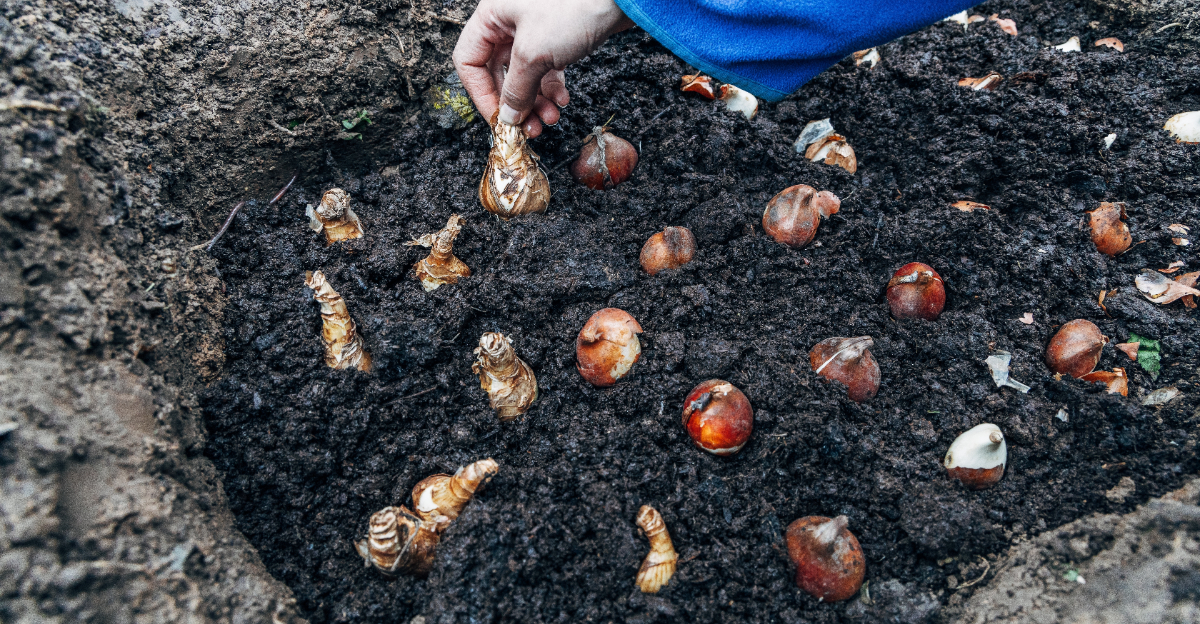
Summer is closing out fast in Ohio, and the bulbs you plant in these last few weeks decide what your yard looks like next spring. Timing matters more than most gardeners realize.
Certain bulbs need weeks of warm soil to establish roots before winter hits, and missing that window this month means a weak show, or no show at all, come April. Not every bulb belongs in this planting rush either.
Some varieties actually do better held back for a proper fall planting, and putting them in the ground now sets them up to struggle instead of thrive. Get the timing right and your spring yard looks effortless.
Get it wrong and you’re left wondering why nothing came up. Here’s exactly what belongs in the ground this month, and what deserves to wait.
1. Daffodils Are The Reliable Bulb Gardens Keep For Years
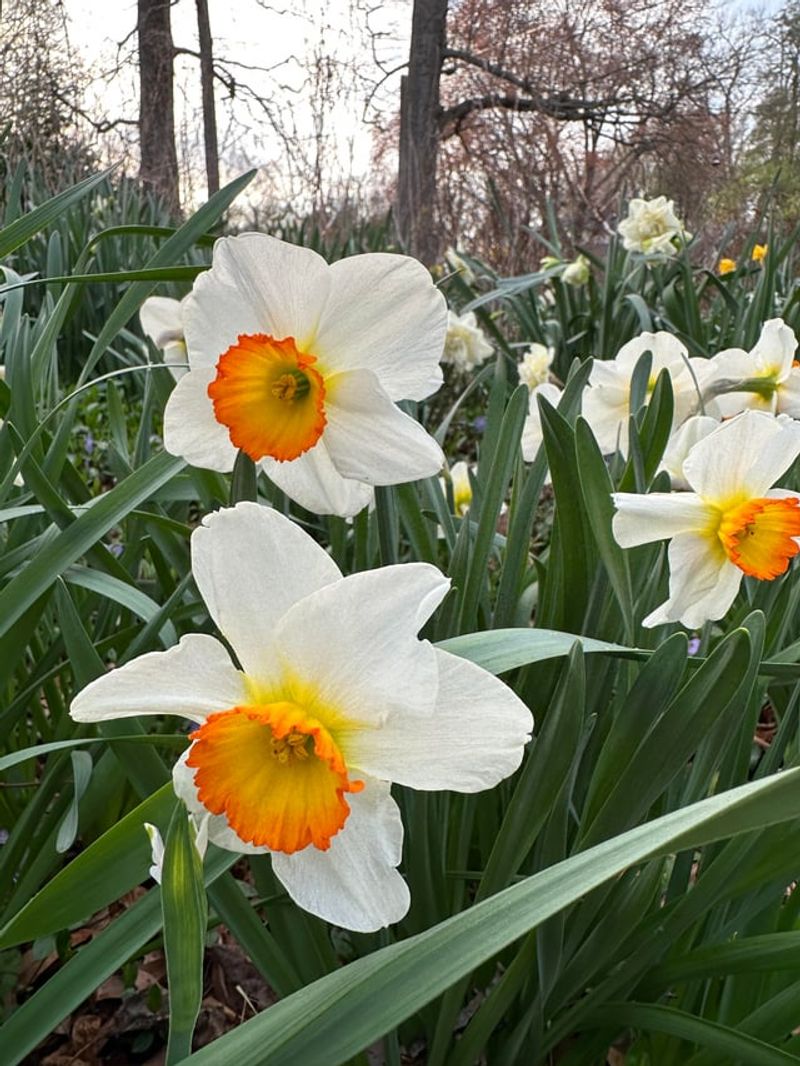
Few spring bloomers have earned their reputation more honestly than the daffodil. Known scientifically as Narcissus species, these plants have been growing in residential landscapes for generations.
Gardeners across Ohio have come to rely on them because they tend to persist and multiply over time when conditions suit them well.
The bulb structure of a daffodil stores energy through winter and pushes up reliable blooms each spring. Many varieties naturalize gradually, meaning they spread slowly through offsets called bulblets.
Not every cultivar naturalizes at the same rate, so results can vary depending on the type you choose.
Daffodils prefer well-drained soil and a spot with decent sunlight. They do not perform as well in soggy areas where water collects after heavy rain.
Planting depth matters too, and most sources recommend placing bulbs at a depth roughly three times their diameter.
Wildlife pressure is worth mentioning honestly. Most deer and rodents tend to leave daffodils alone because the plants contain compounds that make them unappealing.
However, no plant is completely animal-proof in every situation.
Low maintenance does not mean zero maintenance. Allowing the foliage to wither naturally after blooming helps the bulb store energy for next year.
Cutting leaves too early can weaken future flowering. A classic choice can still be a genuinely smart landscape decision.
2. Tulips Need More Planning Than Most Gardeners Expect
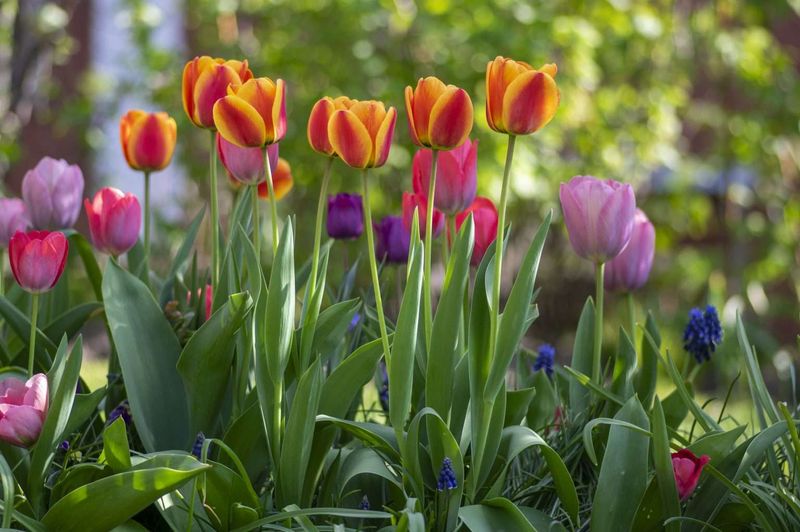
Popularity does not always equal simplicity. Tulipa species are widely recognized spring flowers, but their long-term performance in home landscapes can be less predictable than their bright blooms suggest.
Modern hybrid tulips, the large showy varieties sold in most garden centers, often perform beautifully in their first season. After that, many begin to decline.
They may produce fewer flowers each year or stop blooming entirely after two or three seasons. This is not true of every variety, but it is a common pattern with many of the showiest hybrids.
Species tulips and some older varieties tend to be more persistent. They are smaller and less dramatic, but they often return more reliably over several years.
Gardeners who want long-term color may want to explore these options alongside the classic hybrids.
Your Ohio Garden Changes Every Week. Your Plan Should Too.
Gardening in Ohio changes quickly throughout the season. Every Friday you’ll receive a simple weekly plan showing exactly what to plant, prune, fertilize, harvest, and protect so you never miss the right timing.
Soil drainage is important for tulips. Bulbs sitting in wet soil are prone to rot, which shortens their life significantly.
Choosing a spot with good drainage gives them the best chance of returning season after season.
Wildlife pressure is a real consideration. Some animals do find tulip bulbs appealing, though results vary widely by location and local wildlife populations.
Planning for occasional replanting is a reasonable expectation with many tulip varieties, especially the large-flowered hybrids that are most commonly sold.
3. Crocus Bring Early Spring Color Without Much Fuss
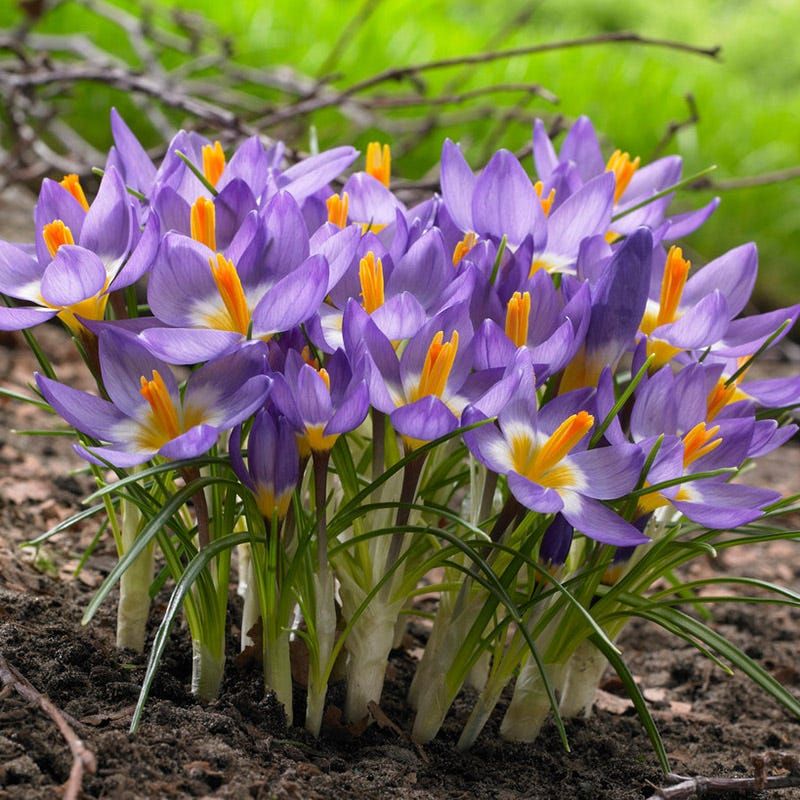
Long before most other spring plants wake up, crocus flowers push through cold soil and sometimes even light snow. That early arrival is one reason so many gardeners appreciate Crocus species.
They signal that winter is losing its grip, and they do it reliably across much of Ohio when planted in suitable conditions.
These small plants grow from corms, not true bulbs, though they are commonly grouped with spring bulbs in garden centers. The distinction matters because corms differ slightly underground.
However, their planting and care are similar enough that most gardeners treat them like bulbs.
Crocus thrive in well-drained soil and prefer full to partial sun. They are well-suited to lawn edges, rock gardens, and spots where their compact size fits naturally.
Because they finish blooming early, their foliage fades quickly without creating much visual clutter.
Wildlife pressure is worth acknowledging. Squirrels and other small animals sometimes dig up crocus corms, particularly the yellow-flowered types.
Planting in groups and covering beds with wire mesh temporarily can help reduce losses, though no method is foolproof.
The value of a small plant should not be underestimated. A sweep of crocus across a garden bed in early spring creates a strong visual impact well before larger bloomers arrive.
Their modest size and early timing fill a gap that few other plants can match as effectively.
4. Grape Hyacinth Can Spread Far Beyond Its Original Spot
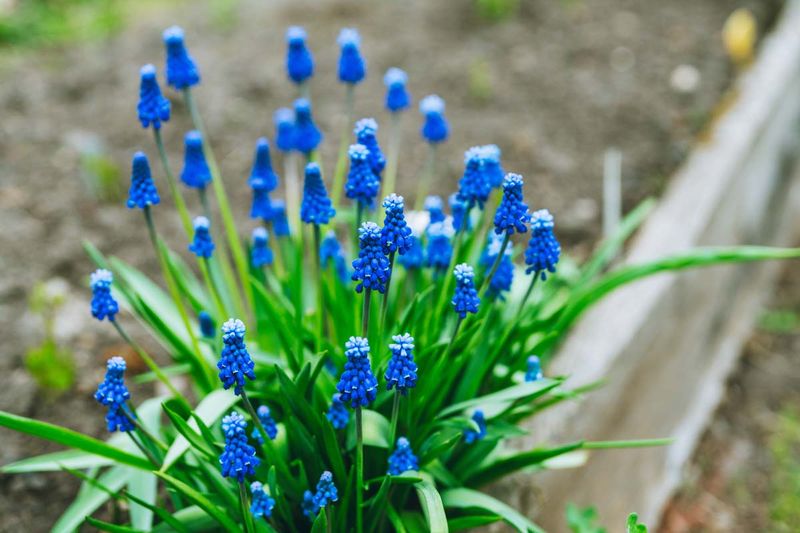
A little plant that spreads a lot can eventually become a maintenance task you did not sign up for. Muscari species, commonly called grape hyacinth, are sold widely as cheerful spring bloomers, and many gardeners genuinely enjoy them.
The concern is not their appearance but their tendency to expand over time.
Grape hyacinth spreads through two main pathways: seeds and bulblets. Self-seeding can carry plants into neighboring beds, lawn edges, and areas where they were never intended to grow.
Bulblets form at the base of existing plants and gradually increase the colony size.
Not all Muscari species behave identically. Some varieties are better behaved than others.
Gardeners who enjoy naturalizing plants may find grape hyacinth perfectly acceptable in a contained setting like a defined bed with borders. The issue arises more in open or informal plantings where spread goes unchecked.
Trimming spent flowers before seeds form is one way to limit unwanted spread. Removing offsets periodically can also help keep colonies manageable.
These steps add maintenance that some gardeners are happy to take on and others would rather avoid.
The honest assessment is that grape hyacinth is not a universally problematic plant. It is a plant whose behavior requires realistic expectations.
Knowing how it spreads before planting helps you decide whether it fits your specific landscape goals and how much ongoing attention you are willing to give it.
5. Star Of Bethlehem Is One Bulb To Think Twice About
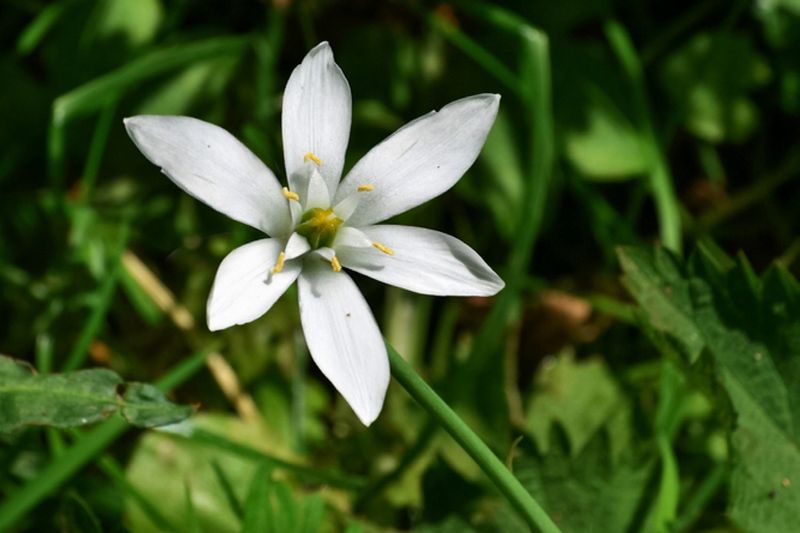
Not every plant sold as a spring bloomer is a good fit for most landscapes. Ornithogalum umbellatum, known as Star-of-Bethlehem, falls into a category that deserves careful thought before planting.
Its white star-shaped flowers look appealing, but its behavior in the garden tells a more complicated story.
This plant spreads aggressively through both bulblets and seeds. Once established, it can be very difficult to remove completely because even small bulb fragments left in the soil can regrow.
Gardeners who have introduced it to their yards sometimes find it appearing in unexpected spots season after season.
Star-of-Bethlehem is naturalized in many parts of Ohio. Regional monitoring programs track its persistence and spread.
This does not mean it is legally restricted in every setting, but it does reflect a consistent pattern of persistence and spread that concerns land managers.
The plant is also considered toxic to livestock and pets, which is a practical concern for households with animals. This is a verified characteristic documented by university extension sources and should factor into planting decisions.
Some gardeners have introduced it without realizing how persistent it would become. The recommendation here is not panic but caution.
Research local conditions and land management goals carefully before adding this species to any planting plan. There are better options available for most garden situations.
6. Virginia Bluebells Add Native Spring Color Without Bulbs
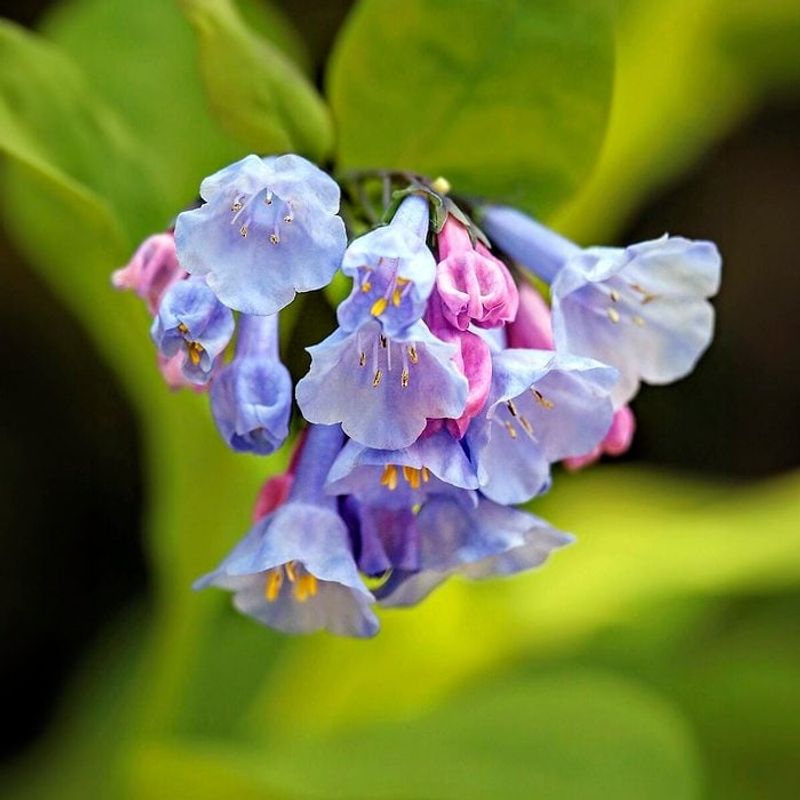
Not every plant that fills a spring garden role grows from a bulb. Mertensia virginica, commonly called Virginia bluebells, is a native spring ephemeral that grows from rhizomes, not bulbs.
That distinction matters for gardeners who want to understand what they are planting and how it behaves underground.
Native to woodland areas across much of the eastern United States, this plant thrives in moist, partially shaded conditions. It blooms in early to mid-spring with clusters of soft blue tubular flowers that shift from pink buds to blue as they open.
The color is distinctive and genuinely beautiful in a naturalistic setting.
After blooming, Virginia bluebells enter dormancy and the above-ground growth disappears entirely. This seasonal disappearance is normal for spring ephemerals.
Pairing them with ferns or other shade-tolerant plants that fill in later helps cover the gap left when the foliage fades.
This plant is not a replacement for every spring bulb. It fills a specific role in woodland or shade gardens where its native origins and habitat preferences are a good match.
It does not perform well in hot, dry, or heavily compacted soils.
Pollinators, including native bees, visit the flowers during their brief bloom period. That ecological value is a genuine benefit, though it should not be overstated.
Virginia bluebells are worth considering for the right site, not as a universal substitute for other spring-flowering plants.
7. Garlic Chives Can Become A Bigger Problem Than Expected
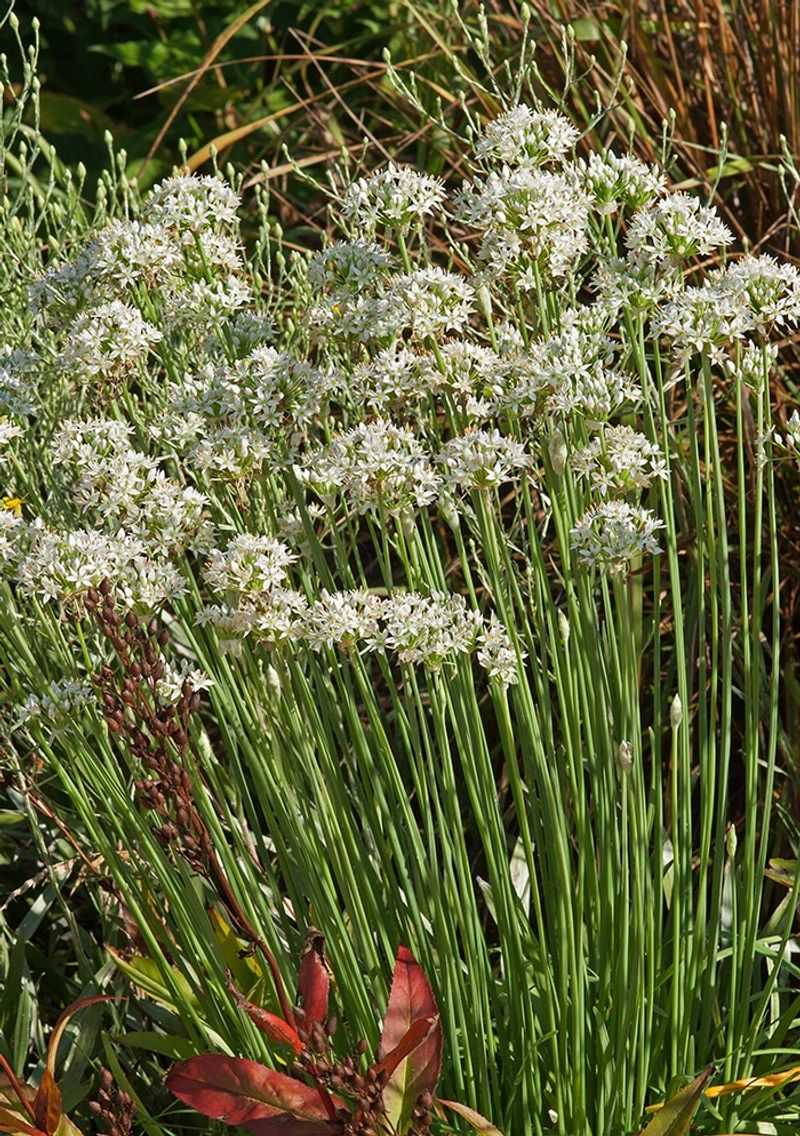
Some plants earn a welcome spot in the herb garden and then quietly begin showing up everywhere else. Allium tuberosum, known as garlic chives, is a good example of a useful plant that can overstep its boundaries when conditions favor it.
Garlic chives spread primarily through seed. Each plant can produce a large number of seeds, and those seeds germinate readily in a range of soil conditions.
Gardeners in Ohio have found self-sown seedlings beyond original planting areas. These seedlings may appear in beds, lawn edges, and cracks in paved surfaces.
This plant is not a true bulb in the classic sense. It grows from small bulb-like structures at the base.
Although it is not a true bulb, it fits this discussion because it behaves like a clumping perennial. The primary spread concern is seed, not underground expansion.
Garlic chives are sometimes confused with other Allium species, including ornamental alliums and wild garlic. They are distinct plants with different characteristics.
Allium tuberosum has flat leaves and white flowers that bloom in late summer, which helps distinguish it from related species.
Removing flower heads before seeds mature is the most effective way to limit spread. Gardeners who enjoy the plant for cooking can harvest regularly, which naturally reduces seed production.
Knowing the plant’s behavior before introducing it helps avoid a spreading situation that takes seasons to manage.
8. Plant Smart Now For A Better Spring Display
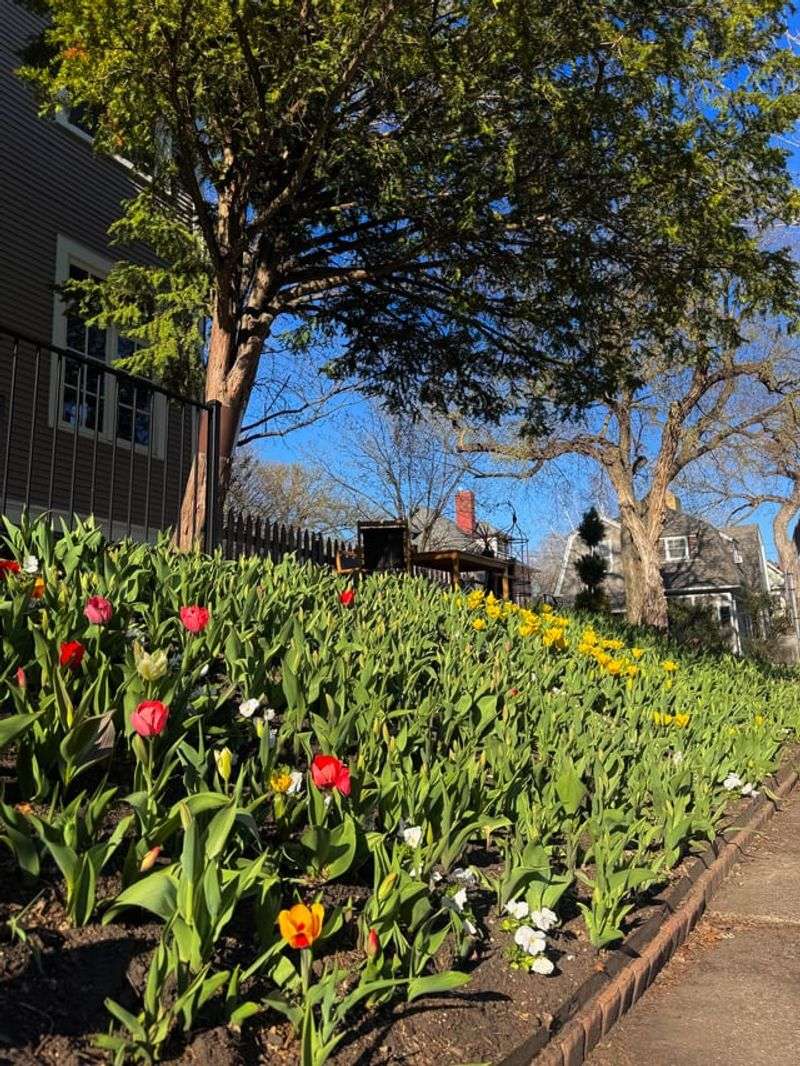
Making good planting decisions in late summer pays off months later when spring arrives. Across Ohio, the fall planting window for spring-flowering bulbs typically runs from mid-September through early November, depending on weather and soil conditions.
Planning before that window opens gives you time to research and choose wisely.
The most dependable approach is to match plants to your specific site. A shaded, moist yard is a better fit for Virginia bluebells than for tulips.
A sunny, well-drained bed suits daffodils and crocus well. No single plant works perfectly in every landscape.
Plants with aggressive spreading habits deserve extra thought before planting. Star-of-Bethlehem is the strongest example covered here, and it is worth skipping in most residential settings.
Grape hyacinth and garlic chives can work in contained situations, but they need realistic expectations and some ongoing attention.
Tulips require honest planning. Many hybrid varieties perform beautifully for a season or two and then need replacing.
Treating them as shorter-term bloomers rather than permanent plantings helps set realistic expectations from the start.
Reliable choices like daffodils and crocus tend to reward patient gardeners with years of return color for modest effort.
Researching varieties, understanding soil needs, and thinking about wildlife pressure before planting leads to better outcomes than impulse buying at the garden center.
Thoughtful planting creates spring gardens worth looking forward to.