These 11 Shade-Loving Plants Are Almost Impossible To Destroy In Oregon Gardens
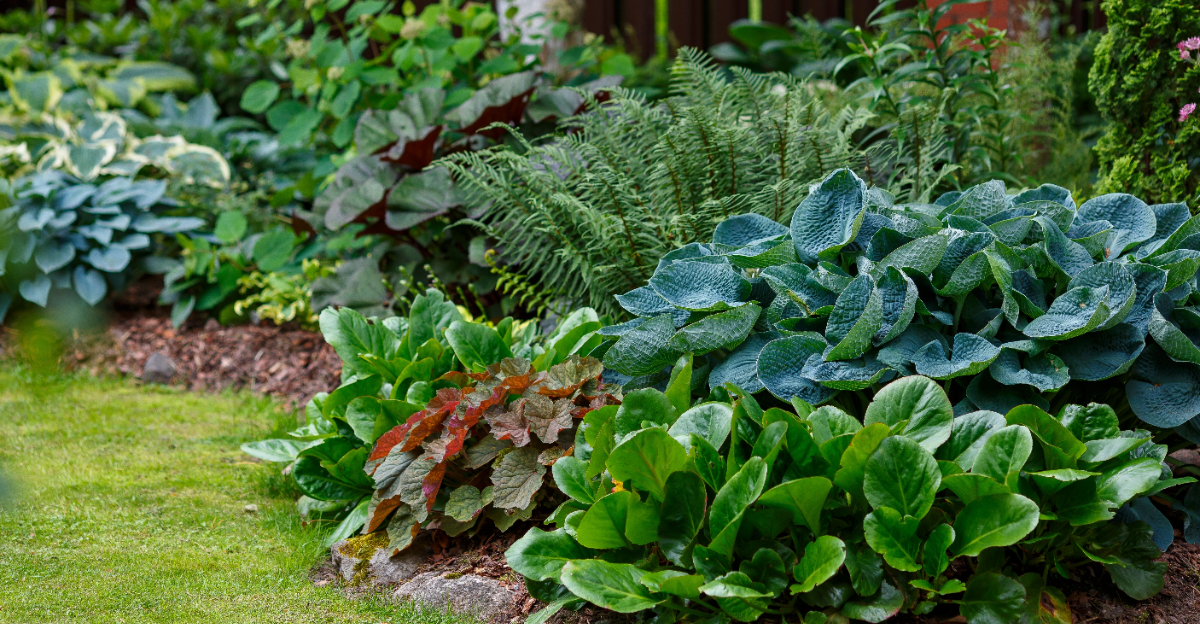
Shade can make an Oregon garden feel calm, but it can also make planting tricky. A spot that gets little direct sun may leave many flowers looking weak or stretched.
Add wet soil or root competition, and the choices can feel even smaller. That is why tough shade-loving plants are such a relief.
The right ones can handle low light without needing constant attention. They can bring texture to dark corners and make bare patches look cared for.
These are the plants gardeners lean on when a bed needs beauty without drama. Choose sturdy shade performers, and those dim spots can become some of the easiest places in the yard to enjoy.
1. Western Sword Fern Handles Deep Shade
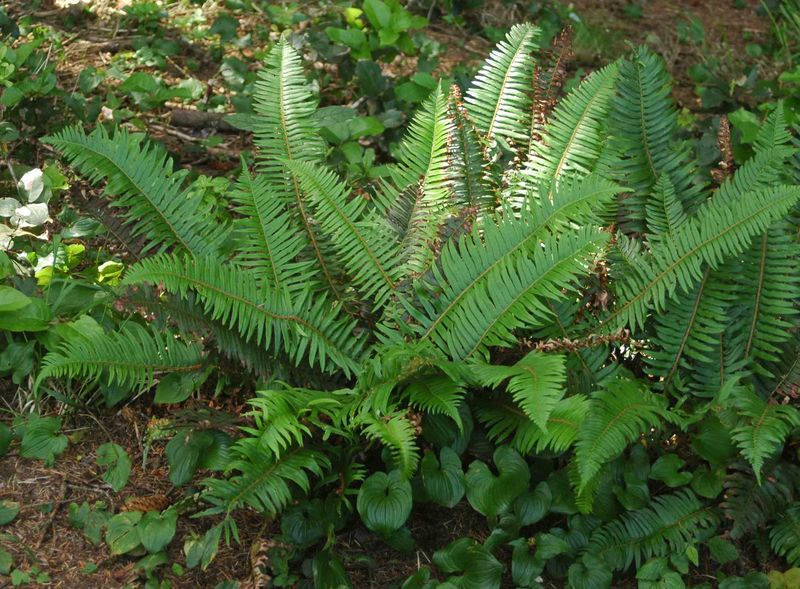
Few plants in the Pacific Northwest are as dependable as the Western Sword Fern. It grows wild across forest floors from the coast all the way up into mountain foothills, and it brings that same toughness into home gardens without missing a beat.
You can plant it under dense tree canopies where almost nothing else survives.
The fronds can reach three to five feet long, creating a bold, arching look that fills empty shady spots with real presence.
Each frond is lined with small, pointed leaflets that give it that classic sword shape people recognize from hiking trails. It stays green all year, even through cold snaps and heavy rain.
Once established, this fern needs almost no attention. It handles dry shade better than most ferns, which makes it a great fit for spots under big trees where the soil tends to dry out in summer.
Watering it through the first season helps it get settled, but after that, it largely takes care of itself.
Planting it in groups of three or more creates a lush, layered look that feels natural and intentional.
It works beautifully along pathways, near foundations, or as a backdrop for smaller shade plants.
Birds and small wildlife also appreciate the cover it provides. For Oregon gardeners who want low-maintenance greenery in tough spots, this fern is one of the best choices available in our state.
2. Deer Fern Stays Tough In Woodland Soil
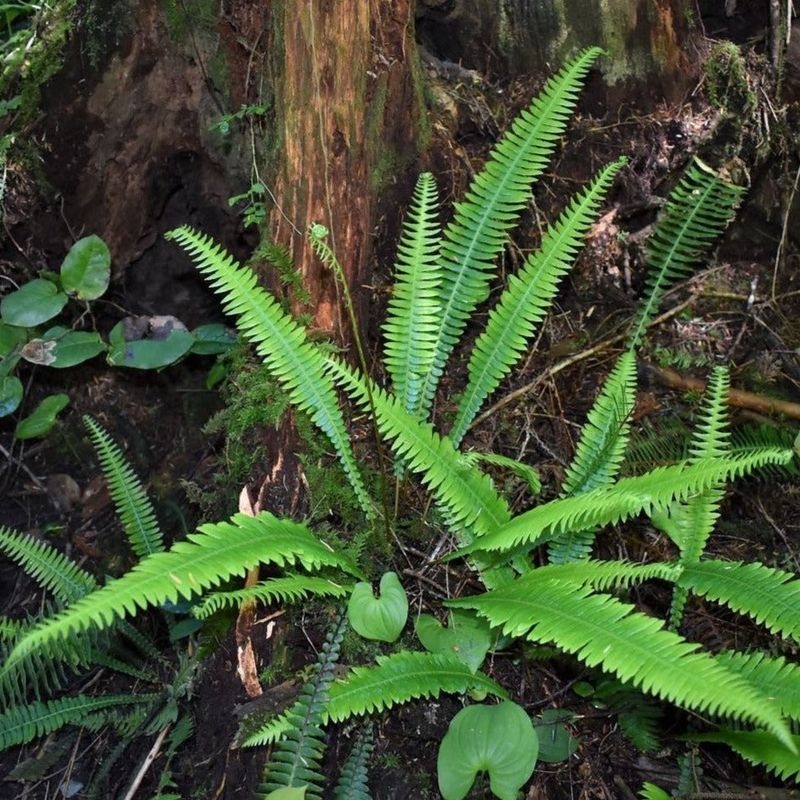
Not every fern handles soggy, acidic woodland soil with ease, but Deer Fern was practically built for it.
Native to the wet forests of the Pacific Northwest, this fern grows naturally in the kind of heavy, organic soil that frustrates many gardeners.
It actually prefers those conditions, which makes it a natural fit for shaded garden beds in Oregon.
What makes it visually interesting is that it produces two different types of fronds. The outer fronds lie flat and spread wide, while the inner fertile fronds stand upright and tall.
That contrast gives the plant a layered, textured look that catches the eye even in low light. It stays evergreen through winter, holding its color when most other plants have gone dormant.
Deer Fern grows slowly at first, but once it gets comfortable, it forms a tidy clump that gradually expands over time. It rarely needs dividing or pruning.
Your Oregon Garden Changes Every Week. Your Plan Should Too.
Gardening in Oregon changes quickly throughout the season. Every Friday you’ll receive a simple weekly plan showing exactly what to plant, prune, fertilize, harvest, and protect so you never miss the right timing.
Just remove any brown fronds in early spring to keep it looking fresh. It pairs well with native shrubs like salal and vine maple for a woodland garden feel.
Moist, well-drained soil with plenty of organic matter gives it the best start. Planting it near a downspout or in a low spot that collects moisture works well.
For shaded gardens in our state that tend to stay damp, Deer Fern is one of the most reliable and beautiful options you can choose.
3. Salal Shrugs Off Dry Shade Once Established
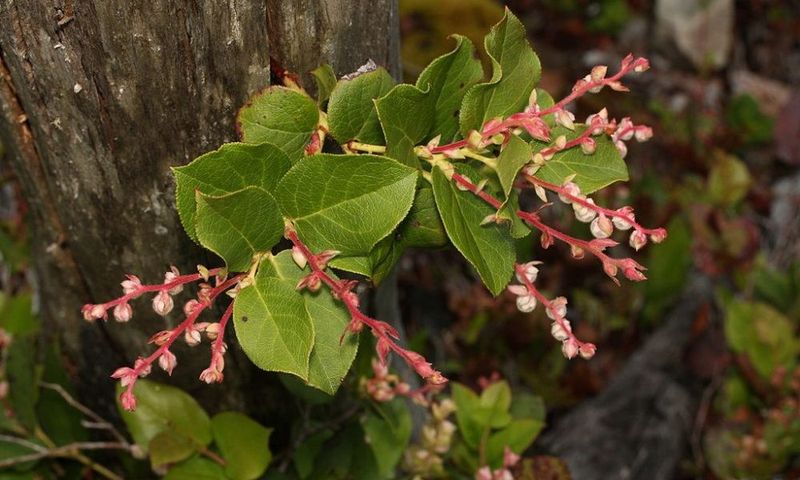
Salal is one of those plants that earns serious respect once you see what it can handle.
Native to the coastal forests and dry conifer woodlands of the Pacific Northwest, it thrives in conditions that would stress most ornamental shrubs.
Dry shade under Douglas firs or western red cedars is where this plant truly shines. The leaves are thick, leathery, and a deep glossy green that looks polished even without any care.
In late spring, small clusters of bell-shaped pink or white flowers appear, followed by dark blue-black berries that birds love.
Florists have used salal foliage in arrangements for decades because of how long it stays fresh after cutting.
Getting it established takes some patience. During the first year or two, watering it regularly through dry summers helps it develop a strong root system.
After that, it becomes remarkably drought-tolerant for a broadleaf evergreen shrub. It can handle slopes, compacted soil, and heavy shade once it finds its footing.
Salal spreads slowly by underground stems, eventually forming a dense ground-covering mass that shades out weeds and holds soil in place. It works well on slopes where erosion is a concern.
Heights range from one foot in dry, dense shade to five feet in more open conditions. For gardeners who want a tough, native, low-care shrub for the shadiest spots in the yard, salal is hard to beat in our state.
4. Low Oregon Grape Brings Evergreen Structure
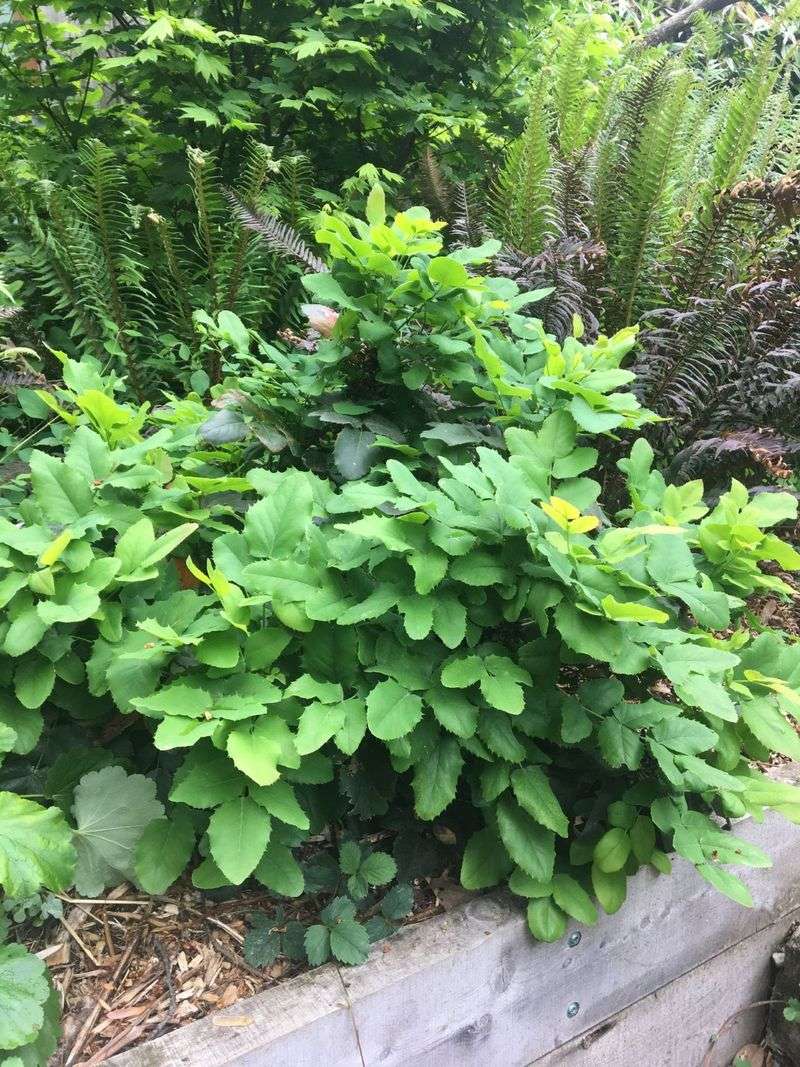
Bold, spiky, and full of personality, Low Oregon Grape is a plant that commands attention even in the darkest corners of a garden.
It’s actually the state flower of Oregon, which tells you something about how well it fits into this region’s landscape.
Unlike its taller relative, this low-growing version stays under two feet tall, making it perfect for ground cover use in shaded beds.
The leaves look a lot like holly, with pointed, glossy leaflets that turn reddish-bronze in winter when temperatures drop. That seasonal color change adds visual interest during a time of year when most plants look dull and lifeless.
In spring, clusters of bright yellow flowers appear and attract early pollinators before many other plants have even leafed out.
After the flowers fade, clusters of blue-purple berries form that birds absolutely love. The berries are edible for people too, though they’re quite tart.
Native Americans historically used them for food and medicine, and the plant has a long, rich history in Pacific Northwest culture.
Low Oregon Grape handles dry shade, clay soil, and occasional drought without complaint. It spreads slowly by underground stems to form a dense, weed-suppressing mat over time.
Planting it under conifers or along shaded pathways gives it the conditions it prefers. It rarely needs pruning, and pests leave it mostly alone.
For structure and year-round color in tough shady spots, this native evergreen is a standout choice for gardens across our state.
5. Western Wild Ginger Covers Bare Shady Ground
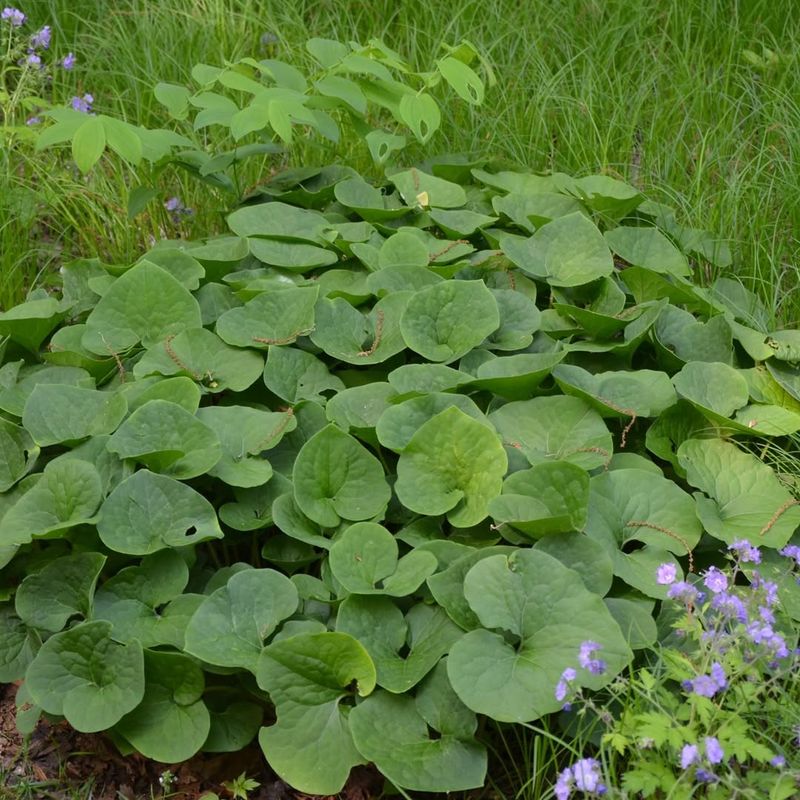
There’s something almost magical about the way Western Wild Ginger moves across the ground. It creeps slowly but steadily, sending out runners that root as they go, eventually covering bare shady patches with a dense carpet of large, heart-shaped leaves.
The texture is soft and velvety, almost like a plush fabric spread across the soil.
Each leaf can grow up to six inches wide, which gives this plant a bold, tropical look despite being a native of cool Pacific Northwest forests. The color is a deep, rich green that holds well even in dense shade.
In spring, tiny brownish-purple flowers appear at ground level, hidden under the leaves. They’re easy to miss, but worth looking for.
The roots have a mild ginger-like scent when crushed, which is where the common name comes from. It’s not related to culinary ginger, but the smell is similar enough to be surprising.
This plant has been used in traditional Native American practices for generations.
Western Wild Ginger prefers moist, humus-rich soil and does best in partial to full shade. It grows slowly at first, but once established, it spreads reliably without becoming invasive.
It works beautifully under trees, along shaded borders, or anywhere you need a low, weed-smothering ground cover. Pairing it with ferns or trillium creates a lush woodland scene.
For shaded spots in our state that need coverage without height, this native ground cover is a wonderful solution.
6. Fringecup Spreads Through Moist Shade
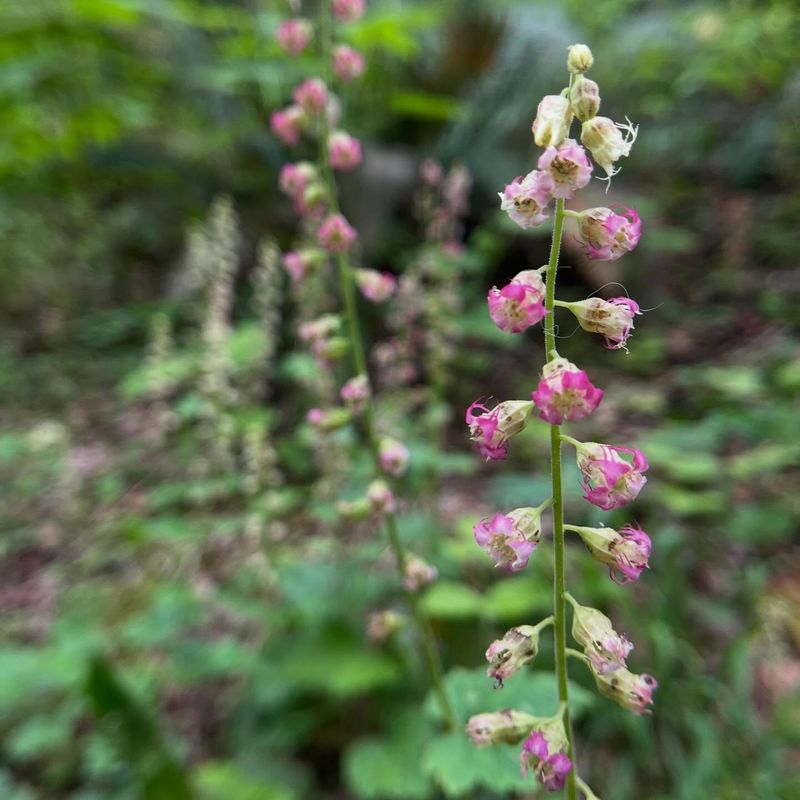
Fringecup is one of those quietly charming plants that most people walk past without recognizing, but once you learn its name, you start noticing it everywhere in shaded PN gardens.
It’s a native perennial that grows wild along stream banks and in moist forest understories, and it brings that same graceful, natural look into cultivated garden settings.
The flowers are tiny but intricate, with delicately fringed petals that range from white to soft pink or red. They appear on tall, slender stems from spring into early summer, rising well above the basal rosette of leaves.
Up close, each flower looks almost lacy, which is where the common name comes from. The foliage is rounded and slightly hairy, forming a low clump at the base.
What makes Fringecup especially useful is how freely it self-seeds in moist, shaded conditions. Once you have a few plants, they’ll gradually spread through a bed on their own, filling gaps and naturalizing over time.
You can thin out seedlings if things get crowded, or let them run to create a fuller, more naturalistic planting.
It grows best in consistently moist soil with good organic content. Spots near downspouts, along shaded paths, or under trees that hold moisture are ideal.
It pairs well with ferns, trillium, and bleeding heart for a layered woodland garden look. For gardeners in our state who want a self-sufficient, spreading perennial for damp shady areas, Fringecup is a genuinely rewarding choice.
7. Redwood Sorrel Softens Cool Dark Corners
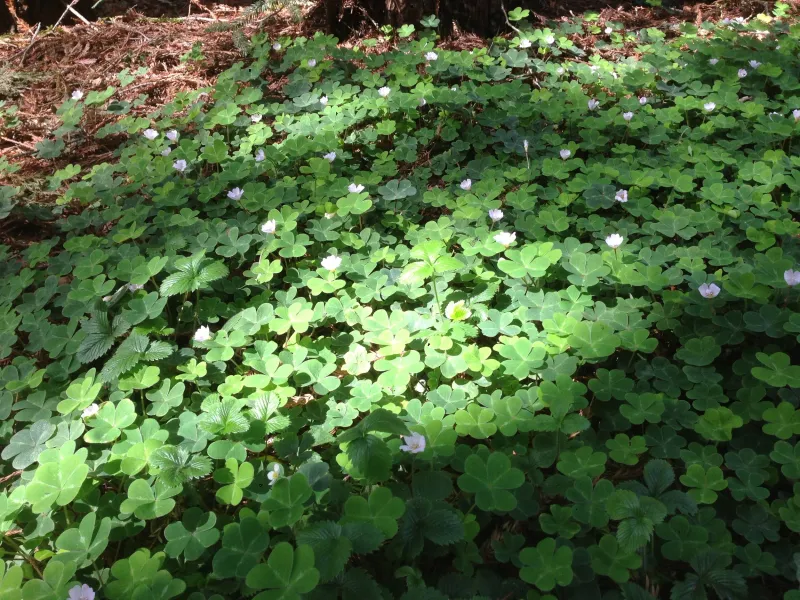
Cool, dark corners that seem impossible to plant are exactly where Redwood Sorrel feels most at home.
This low-growing ground cover is native to the redwood and mixed conifer forests of the Pacific Coast, and it handles deep shade better than almost any other flowering plant.
The leaves look like oversized clover, with three heart-shaped leaflets that fold down at night or during intense heat.
The foliage comes in shades of green ranging from bright lime to deep forest green, sometimes with a silvery or purplish tint depending on the variety and light levels.
Small pink or white flowers appear in spring and add a soft, pretty touch to otherwise dark areas.
The overall effect is delicate and refined, even though the plant itself is quite tough.
One of the most useful things about Redwood Sorrel is how quickly it spreads to fill bare ground. It moves by both seeds and underground rhizomes, creating a dense, weed-resistant mat in relatively short order.
In our state’s cool, moist climate, it can spread aggressively, so planting it where it has defined borders helps keep it in check.
It prefers consistently moist soil and struggles in dry conditions, especially during summer. Planting it under trees that provide both shade and moisture retention works well.
It pairs beautifully with ferns and mossy rocks for a natural forest floor aesthetic. For those shaded spots where nothing else seems to grow, Redwood Sorrel is one of the most reliable solutions available in our region.
8. Piggyback Plant Fills Damp Shade Fast
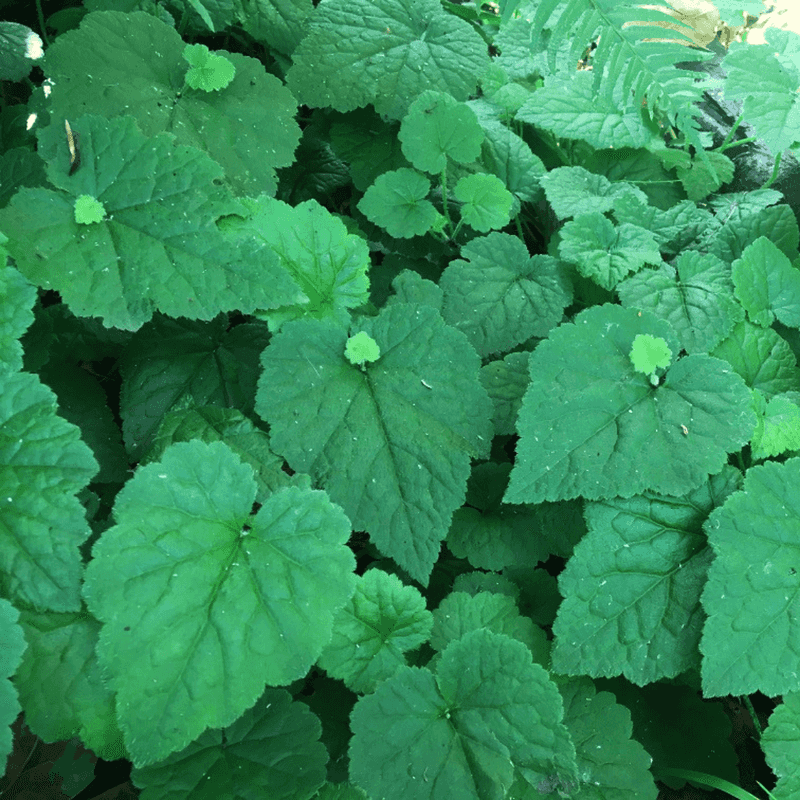
You might do a double-take the first time you see a Piggyback Plant up close. Tiny new plantlets grow right on top of the parent leaves, which is exactly how this quirky native got its name.
It’s one of the most unusual-looking ground covers in the Pacific Northwest, and it happens to be a fantastic performer in damp, shaded garden beds.
The leaves are large, fuzzy, and maple-shaped, forming a dense, low-growing mound that spreads quickly in moist conditions.
In spring, tall, slender flower spikes rise above the foliage with tiny reddish-brown blooms that aren’t showy but add a subtle charm.
The real attraction is the texture and the interesting way the plant reproduces itself.
Those little plantlets that form on the leaves will root wherever they touch moist soil, which means the plant can spread and fill gaps without any help from the gardener.
If you want to propagate it intentionally, just pin a leaf to the soil and it will root within a few weeks. It’s a great option for quickly covering large shaded areas.
Piggyback Plant grows best in consistently moist, humus-rich soil with good drainage. It handles full shade well but also tolerates partial shade.
It’s native to the coast ranges and forests of the Pacific Northwest, so our region’s climate suits it perfectly. Pairing it with ferns and hostas creates a lush, layered look.
For damp, shaded spots that need fast coverage, this plant delivers results with very little effort.
9. Hellebores Bloom Before Most Shade Plants Wake Up
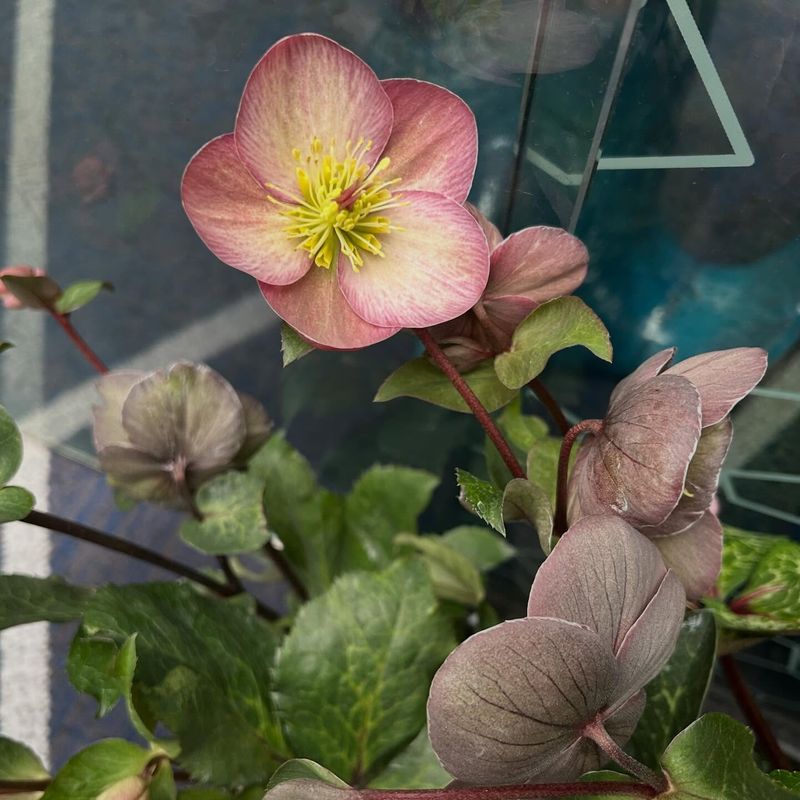
When the rest of the garden is still sleeping in late winter, Hellebores are already putting on a show.
These tough perennials push out their nodding, cup-shaped blooms as early as January or February, which makes them one of the most exciting plants a gardener in our state can grow.
Seeing those flowers open during the coldest, dreariest part of the year feels like a genuine gift.
The flowers come in an incredible range of colors, from creamy white and soft pink to deep plum, burgundy, and almost black. Many varieties have spotted or picotee petals that look incredibly sophisticated.
The blooms last for weeks, sometimes months, gradually fading as they age but staying attractive throughout. Even the seedpods that follow are interesting to look at.
The foliage is dark green, leathery, and evergreen, forming a handsome clump that holds its structure through the whole year.
Older leaves can look tired by late winter, so cutting them back before the flowers emerge lets the blooms take center stage. New leaves fill in quickly after that.
Hellebores thrive in part to full shade and prefer well-drained soil with plenty of organic matter. They handle dry shade under trees once established, which is a huge advantage.
They’re also deer-resistant, which matters a lot in many parts of our state. Planting them near a path where you can appreciate the flowers up close is worth the effort.
They’re long-lived, self-seeding, and genuinely stunning in a shaded garden.
10. Epimedium Handles Rooty Dry Shade
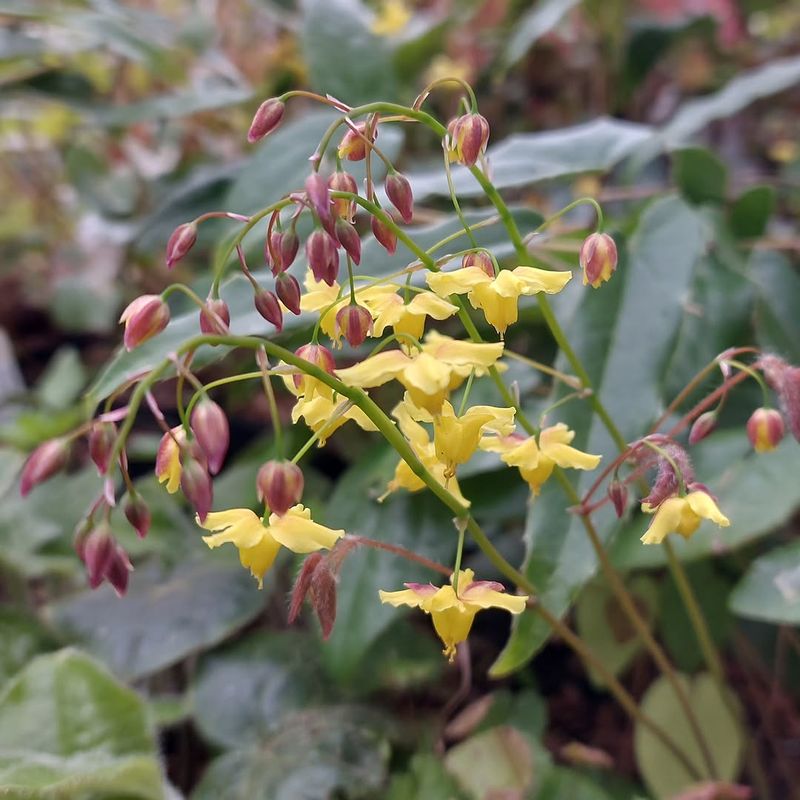
Rooty, dry shade under big trees is one of the hardest gardening challenges there is. Tree roots compete for every drop of moisture, and most plants simply can’t keep up.
Epimedium is one of the very few ornamental plants that not only survives in those conditions but actually looks good doing it. Gardeners who discover this plant often say they wish they’d found it years earlier.
Also called bishop’s hat or fairy wings, Epimedium produces small, delicate flowers in spring that look almost too pretty to be real. Colors range from yellow and white to pink, purple, and orange depending on the variety.
The flowers dangle above the foliage on wiry stems and have an airy, whimsical quality that’s hard to describe but easy to love.
The heart-shaped leaves are the real workhorse of this plant. They emerge with bronze or reddish tints in spring, mature to green in summer, and often turn copper or burgundy again in fall.
Many varieties are semi-evergreen or fully evergreen, providing year-round ground coverage. Cutting the old foliage back in late winter before new growth emerges keeps the planting looking tidy.
Epimedium spreads slowly by rhizomes, forming an expanding clump over time. It rarely needs dividing and asks for very little once established.
Planting it under mature trees, along dry shaded borders, or at the base of large shrubs gives it the conditions it prefers.
For the toughest dry-shade spots in our state’s gardens, Epimedium is one of the most reliable performers available.
11. Hostas Bounce Back In Cool Oregon Shade
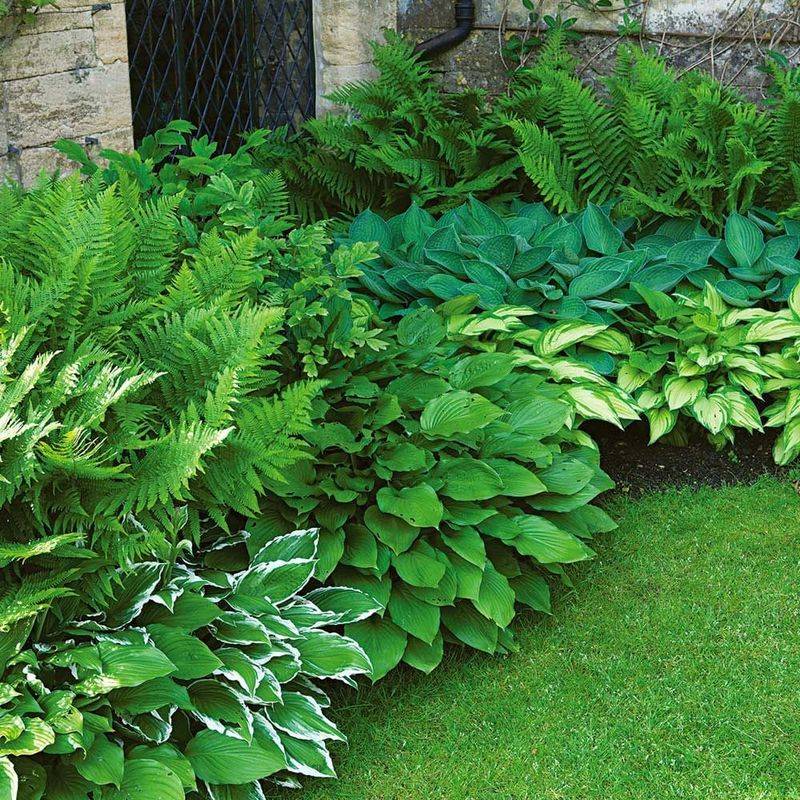
Few plants have the kind of loyal following that Hostas enjoy among shade gardeners. Walk through almost any shaded garden in our state and you’re likely to find at least one.
They’re beloved for good reason: big, bold leaves in a stunning range of colors and textures, reliable growth year after year, and an easygoing nature that forgives most beginner mistakes.
Leaf colors range from deep blue-green and chartreuse to creamy white, gold, and every combination of variegation in between. Some varieties have leaves as small as a fist, while others grow to the size of a dinner plate.
That range of size and color makes hostas endlessly versatile for designing layered shade gardens. Tall lavender or white flower spikes appear in summer and add a nice vertical element.
Our region’s cool summers are a huge advantage for growing hostas. They prefer moderate temperatures and consistent moisture, both of which our state delivers reliably from fall through spring.
Summers can be dry, so watering during August and September helps them stay looking their best through the end of the season.
Slugs are the main pest to watch for, especially in wetter parts of the state. Iron phosphate slug bait is an effective and pet-safe option.
Planting hostas with gritty mulch or near plants that deter slugs also helps. Despite that one challenge, hostas are among the easiest and most rewarding shade plants a gardener can grow.
They come back stronger every spring, filling the garden with lush, dependable beauty season after season.