The Oregon Rose And Hydrangea Watering Trick That Helps Roots Survive Dry Weeks
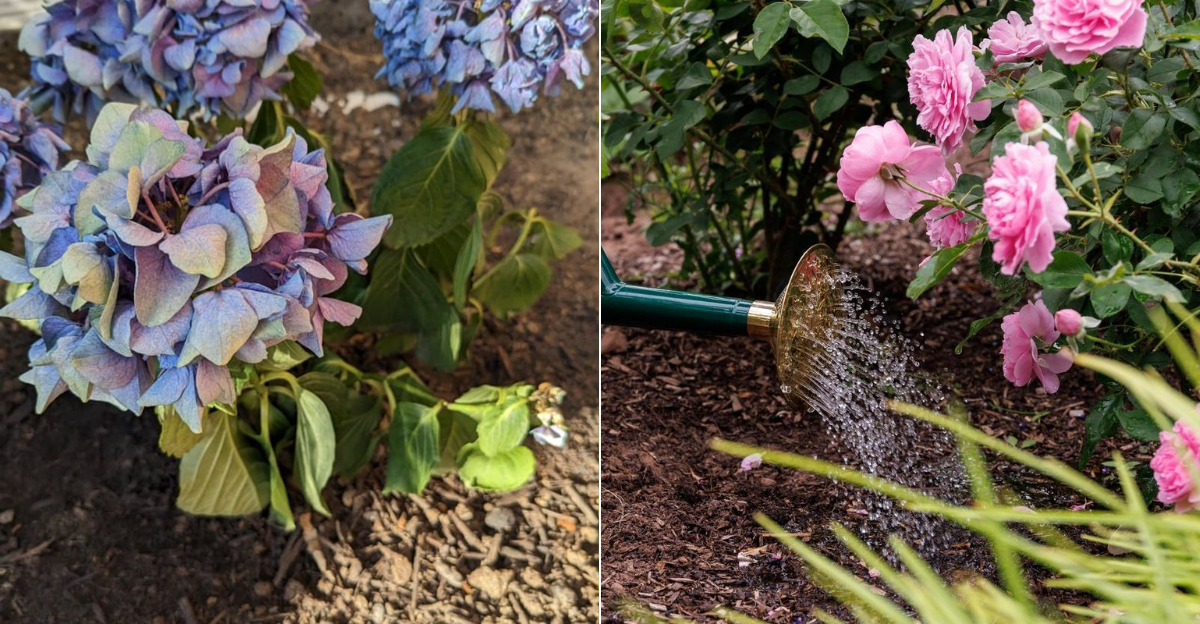
Roses and hydrangeas can both struggle when Oregon slips into a long dry stretch, but constantly reaching for the hose is not the best answer.
The goal is to encourage moisture to reach the deeper root zone instead of keeping only the surface damp.
When water stays near the top few inches, roots tend to follow it, leaving plants more vulnerable when hot weather lingers.
A different approach can help the soil hold useful moisture longer and give roots a better buffer between watering days.
It also reduces the dramatic cycle of wilting followed by emergency soaking that can stress plants through late summer. The method is simple, but it depends on timing and how the water is delivered.
Used correctly, it can help both flowering shrubs handle dry weeks with less fuss while keeping blooms and foliage in better condition.
1. Watering Slowly Enough To Reach Deep Roots
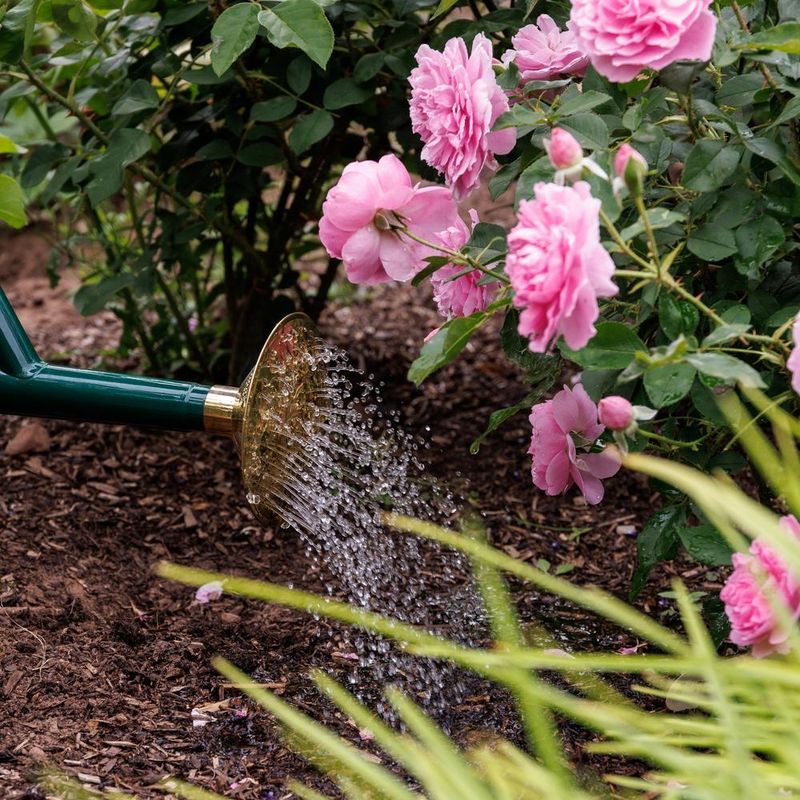
Fast watering is one of the most common mistakes flower gardeners make. When you blast water onto the soil quickly, most of it runs off the surface before it ever reaches the roots.
The roots stay dry even though the top of the soil looks wet.
Slow watering changes everything. When water trickles in at a gentle pace, the soil has time to absorb it layer by layer.
It moves down through the dirt and reaches the deeper root zones where your roses and hydrangeas actually drink from.
Deep roots are stronger roots. Plants with deep root systems can pull moisture from lower soil levels even during hot, dry weeks.
They are far less likely to wilt or struggle when surface soil dries out fast.
A soaker hose is one of the best tools for slow watering. You can also use a hose with the pressure turned down low.
Let it run near the base of the plant for 20 to 30 minutes at a time.
Many gardeners in the Pacific Northwest, including parts of Oregon, swear by this method during summer dry spells. The results speak for themselves.
Plants stay greener, blooms last longer, and roots grow noticeably deeper over the course of a season.
Try it once and you will see a clear difference within just a week or two of switching to slow, deep watering sessions.
2. Giving One Long Soak Instead Of Daily Sips
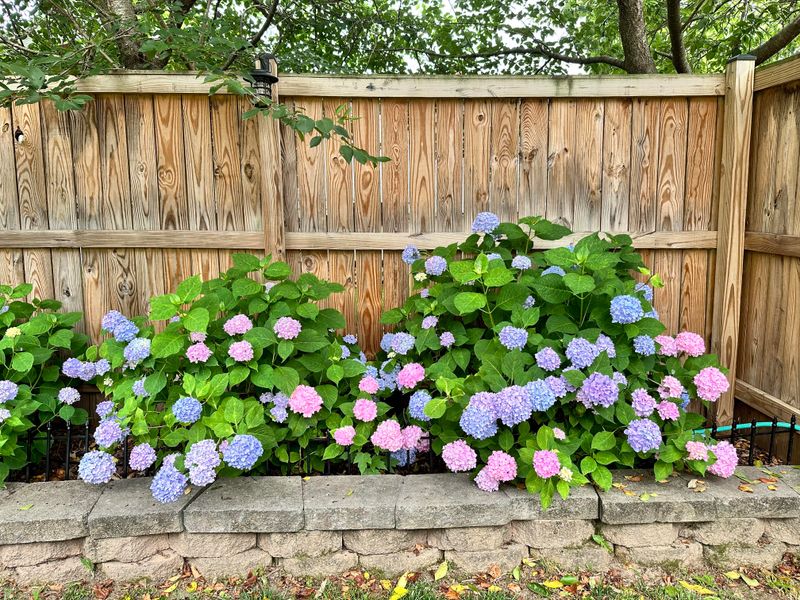
Watering a little bit every day might feel like you are being a good caretaker, but it actually trains your plants to be weak. Shallow, frequent watering keeps moisture near the surface, and roots follow the water.
That means roots stay shallow and dry out fast.
One long, deep soak once or twice a week is far better. When you water deeply, moisture sinks well below the surface.
Roots stretch downward to follow it, and that makes the whole plant tougher and more resilient.
Think of it like this: a plant that gets one big drink grows roots that reach for water underground. A plant that gets tiny daily sips grows roots that hover near the top, where heat and sun dry things out quickly.
Your Oregon Garden Changes Every Week. Your Plan Should Too.
Gardening in Oregon changes quickly throughout the season. Every Friday you’ll receive a simple weekly plan showing exactly what to plant, prune, fertilize, harvest, and protect so you never miss the right timing.
For roses and hydrangeas, aim for watering sessions that last at least 20 to 40 minutes. Use a slow stream or a soaker hose to make sure the water goes deep rather than pooling on the surface.
You can test whether your watering worked by pushing a wooden skewer or your finger about three inches into the soil after watering. If it feels moist all the way down, you did it right.
Switching from daily sips to one good weekly soak is one of the simplest changes you can make. It saves water, saves time, and makes your flowers noticeably stronger and healthier over time.
3. Building A Small Basin Around The Root Zone
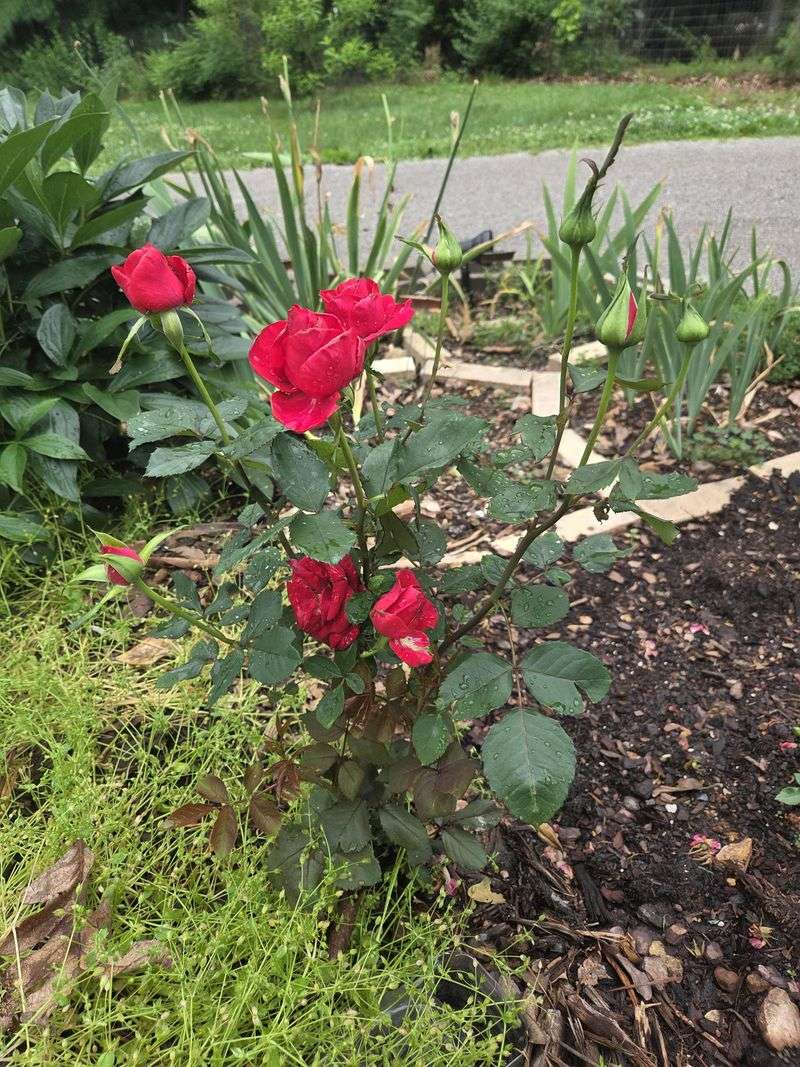
Here is a trick that sounds almost too simple but works incredibly well. Building a small ring of soil around your rose or hydrangea creates a little basin that holds water right where the plant needs it most.
Instead of running off to the side, water pools in the basin and soaks straight down into the root zone.
To make one, use your hands or a small trowel to mound up soil in a circle about 12 to 18 inches away from the main stem. The ring does not need to be tall, just a few inches is enough to hold water in place while it absorbs into the ground.
This method is especially useful on sloped ground or in garden beds where water tends to run away before soaking in. The basin acts like a little reservoir that feeds the roots slowly and steadily.
Gardeners across the Pacific Northwest use this technique during Oregon’s dry summer months when rain can disappear for weeks at a time. It helps every drop of water count.
You can also add mulch inside the basin to slow evaporation even further. Together, the basin and mulch create a two-layer system that keeps soil moist much longer than bare, flat ground.
Refresh your basin after heavy rains or digging since the mound can flatten over time. Rebuilding it takes only a minute and keeps the watering system working exactly as it should all season long.
4. Letting Water Sink In Before Adding More
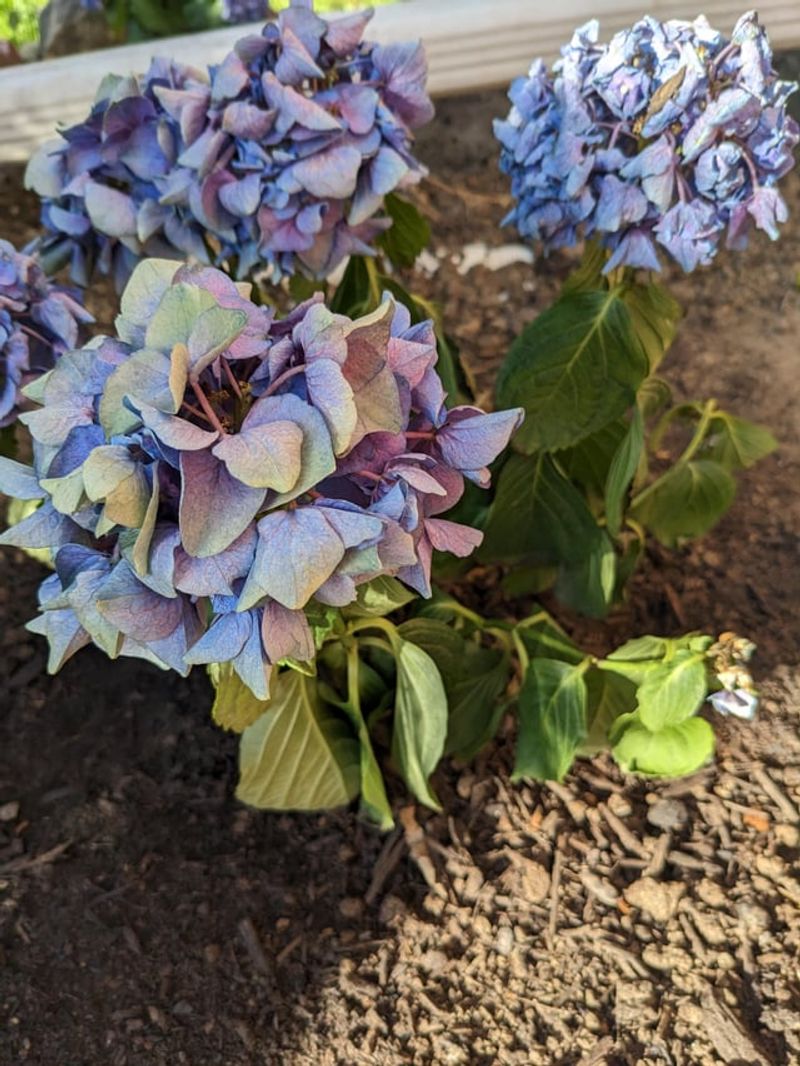
Patience is a real gardening skill, and nowhere does it matter more than during watering. Pouring a lot of water all at once can cause runoff or puddling before the soil has a chance to take it in.
Letting water sink in between rounds gives much better results.
A simple method called pulse watering works really well for this. Water for about five minutes, then stop and wait five more minutes for the soil to absorb what you just added.
Then water again for another five minutes and repeat the process.
This approach gives clay-heavy soils and compacted garden beds time to accept moisture without becoming waterlogged on top. It also prevents water from running off the surface and wasting the effort you put in.
Roses and hydrangeas both have root systems that benefit from this kind of patient watering.
Their roots are not all at the same depth, so giving water time to travel through different soil layers helps reach all of them. You do not need a timer or any special equipment. Just watch the soil.
When you see water starting to pool or run sideways, stop and wait. Resume once the ground looks like it has soaked up what was already added.
Over time, this habit also improves the soil itself. Regular deep moisture encourages healthy soil structure, which makes future watering sessions even more effective and easier on your plants.
5. Keeping Mulch Thick Enough To Hold Moisture
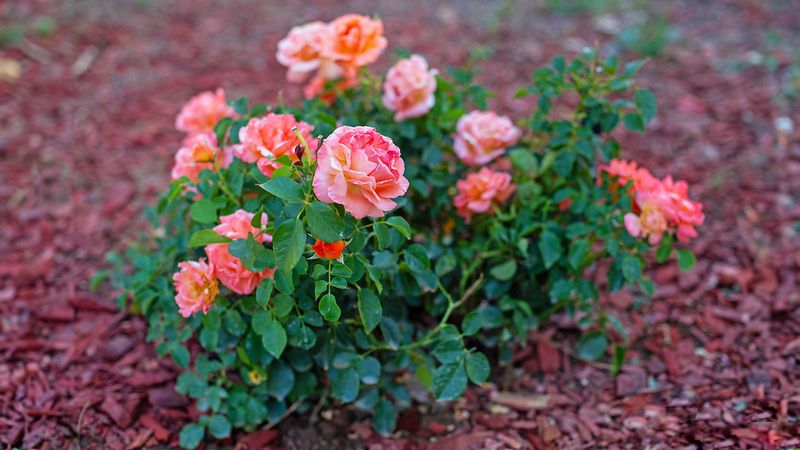
Mulch might be the most underrated tool in a gardener’s toolkit. A good layer of mulch does something no amount of watering can do on its own: it slows evaporation so the soil stays moist for days longer than bare ground ever could.
For roses and hydrangeas, aim for a mulch layer that is at least two to three inches thick. Wood chips, shredded bark, or straw all work well.
Spread the mulch out to cover the entire root zone, but keep it a few inches away from the main stem to prevent rot.
On hot summer days, bare soil can lose a significant amount of moisture to evaporation in just a few hours. Mulch acts like a blanket that blocks the sun and traps the water below.
Your roots stay cool and hydrated even when temperatures rise.
Mulch also breaks down slowly over time and adds nutrients back into the soil. This creates a richer growing environment that supports stronger, deeper root development for both roses and hydrangeas.
Refreshing your mulch once or twice a season keeps it effective. Old mulch can compact and lose its ability to hold moisture well, so adding a fresh layer on top makes a noticeable difference.
Many experienced Oregon growers in rainy climates like the Pacific Northwest say mulching is the single most effective way to stretch the benefit of every watering session through long, dry summer stretches.
6. Watering Early Before The Day Heats Up
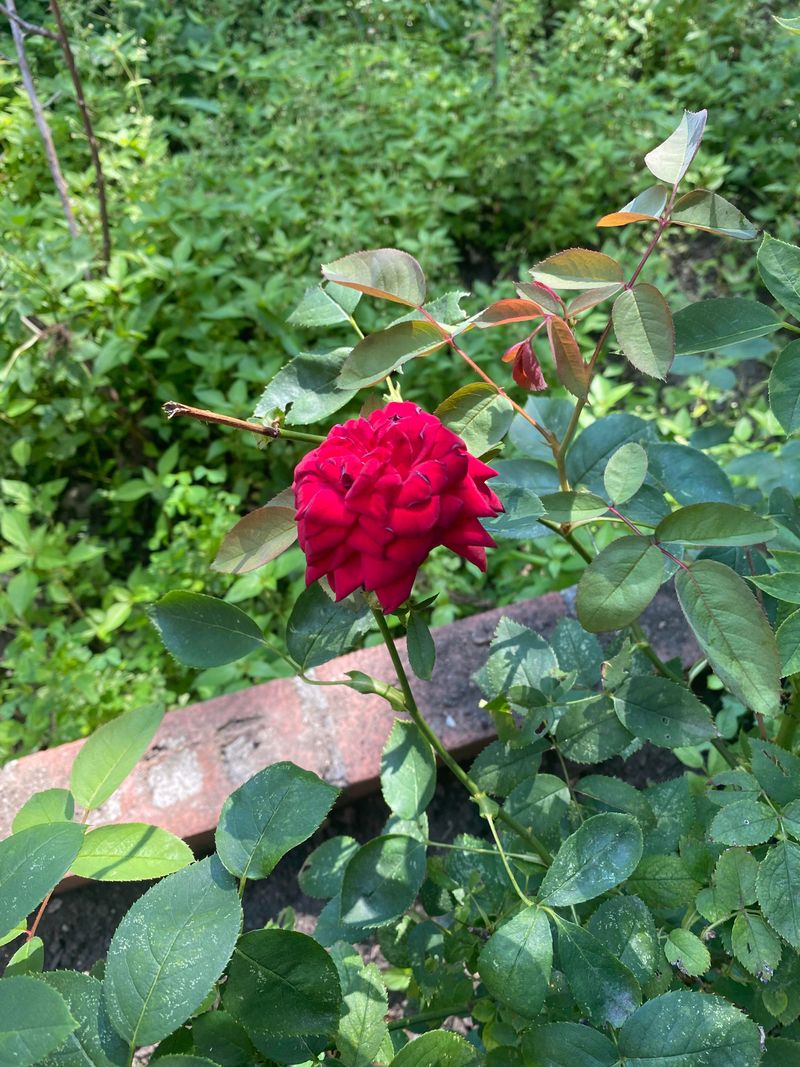
Timing your watering session can make a bigger difference than most people realize. Early morning is the best time to water roses and hydrangeas, and there are a few solid reasons why.
When you water in the morning, the soil is still cool from the night before. Water soaks in easily and does not evaporate right away.
The plant gets a full drink before the heat of the day sets in, and that helps it stay hydrated through the hottest hours.
Watering in the afternoon or early evening has real downsides. In the afternoon, heat causes water to evaporate quickly before it reaches deep roots.
In the evening, water sitting on leaves overnight can encourage fungal problems that spread fast in warm weather.
Morning watering gives any water that splashes onto leaves time to dry off naturally before temperatures drop at night. That reduces the risk of powdery mildew and other moisture-related leaf issues that can weaken plants over time.
You do not need to water at sunrise exactly. Anytime before 10 in the morning is generally ideal.
Many gardeners make it a quick routine before heading to work or school, and it takes only a few minutes once you have a good system in place.
Combining early morning watering with a soaker hose or drip system makes the whole process even easier. Set it up the night before and let it run automatically while you enjoy your morning coffee without any extra effort.
7. Checking Soil Below The Dry-Looking Surface
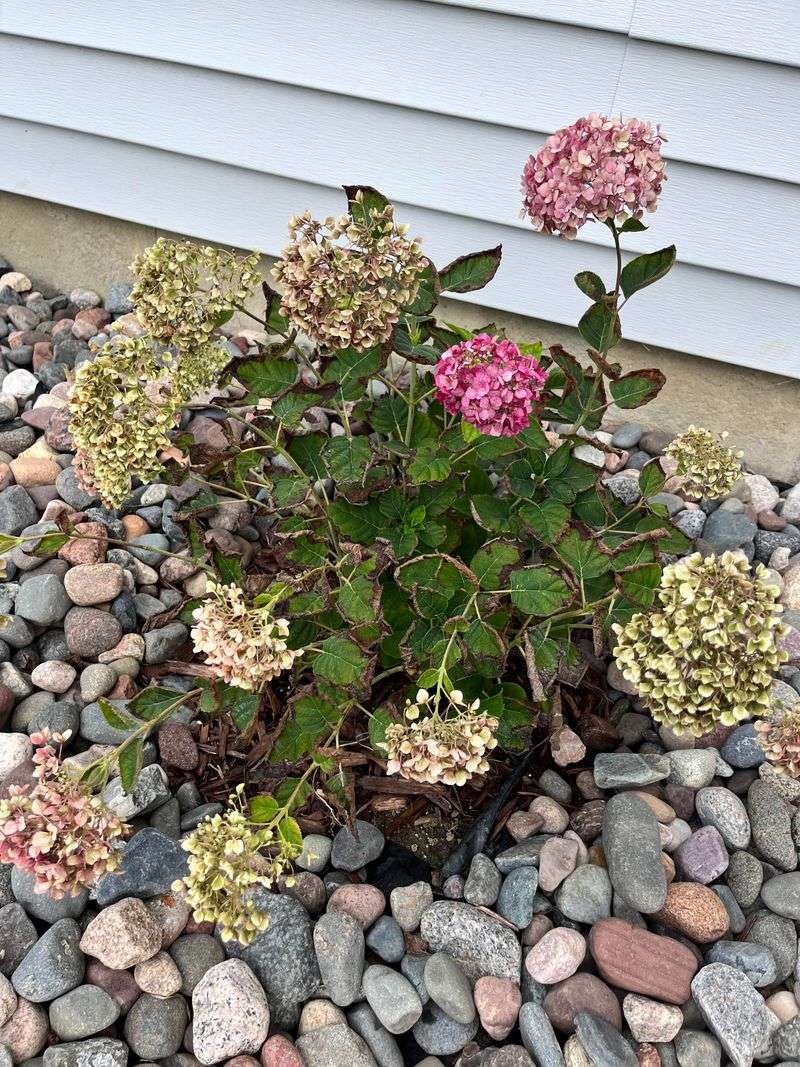
Looks can be deceiving in the garden. The top inch of soil can look bone dry and cracked while the ground just a few inches below is still holding plenty of moisture.
Watering based only on how the surface looks can lead to overwatering, which causes its own set of problems.
Getting in the habit of checking soil moisture below the surface is one of the smartest things you can do for your roses and hydrangeas. Push your finger or a wooden skewer about two to three inches into the soil near the base of the plant.
If it feels moist at that depth, the plant is fine and does not need water yet. If it feels dry all the way down, that is your signal to water deeply and slowly until moisture reaches the lower root zone.
A simple soil moisture meter is another great tool for this. You can find them at most garden centers for just a few dollars.
They take the guesswork out of watering and help you build a more accurate routine over time.
During Oregon’s dry summer season, soil can fool you easily. A quick surface check in the morning can save you from both underwatering and overwatering, which are two of the most common reasons healthy plants start to struggle.
Checking moisture regularly also helps you notice changes in how fast your soil dries out, which shifts with the seasons and weather. Staying aware of those changes makes you a much more effective and confident gardener.
8. Keeping Water Off Leaves And On The Roots
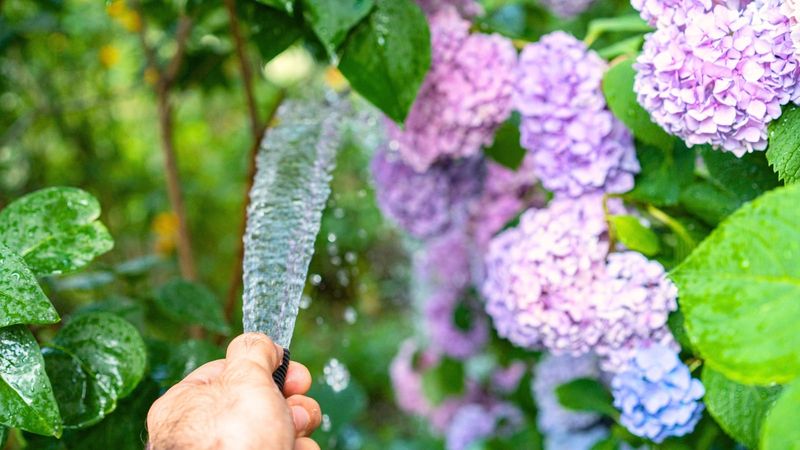
Wet leaves might look refreshing, but for roses and hydrangeas, moisture on the foliage can actually cause harm.
Water sitting on leaves in warm weather creates the perfect condition for fungal diseases like black spot and powdery mildew to take hold and spread.
Always aim your hose, watering can, or drip system directly at the soil around the base of the plant. The goal is to water the roots, not the leaves.
Roots are where water is absorbed and used, so that is exactly where every drop should go.
Overhead sprinklers are one of the worst watering methods for roses and hydrangeas for this reason.
They spray water all over the plant and surrounding area, much of which evaporates quickly or lands on leaves where it does more harm than good.
A drip system or soaker hose placed at ground level solves this problem completely. Water goes straight into the soil without touching a single leaf.
The roots get everything they need and the foliage stays dry and healthy.
Even when using a regular garden hose, you can easily avoid wetting the leaves by holding the hose low and pointing it at the ground. It takes almost no extra effort and makes a real difference in plant health over the season.
Gardeners who follow this one simple rule tend to have far fewer disease problems with their roses and hydrangeas.
Clean, dry foliage combined with deep root watering is one of the most reliable combinations for keeping flowering plants strong all summer long.