What It Really Means When Alligator Lizards Take Over Your Oregon Yard This Summer
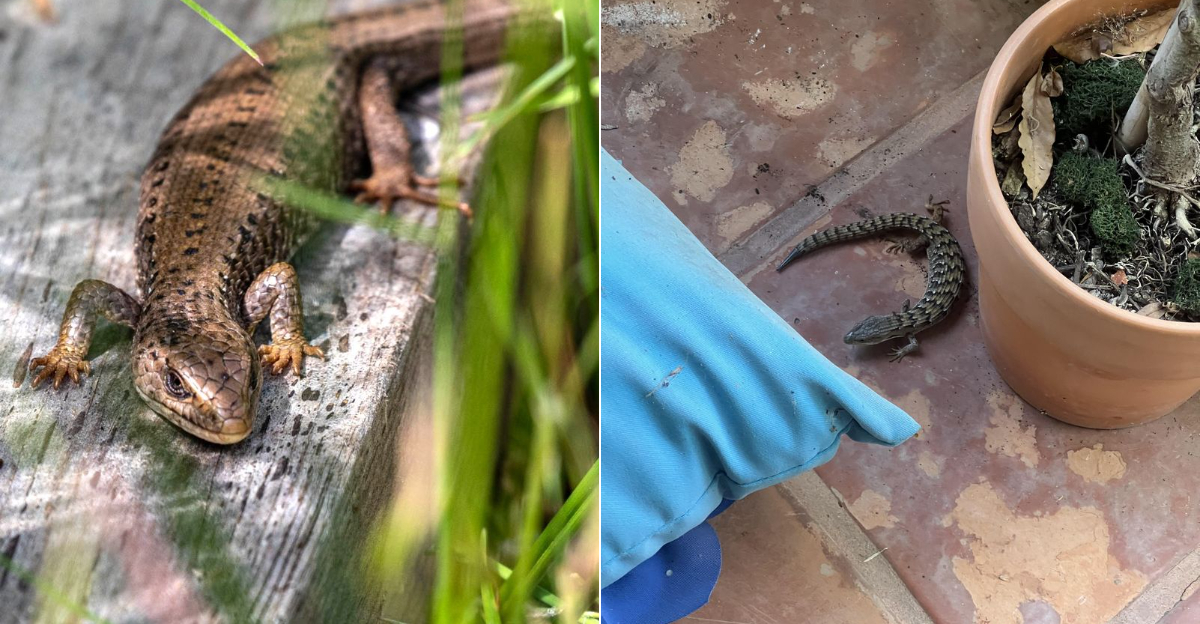
Seeing several alligator lizards around the yard can make it seem like their numbers exploded overnight. More often, summer conditions simply make them easier to notice.
Warm surfaces, shaded hiding places, and steady insect activity can pull them closer to patios, garden beds, and other spots people use every day.
Their presence may also say something about the yard itself, especially if it offers enough cover and food to keep them nearby.
That does not automatically mean there is a problem to solve. In many cases, these reptiles are just taking advantage of a habitat that suits them.
The real clues come from where they keep appearing, how often they return, and what else is active in the same area. A sudden increase in sightings can reveal more about your backyard ecosystem than it first appears.
1. Your Yard May Be Full Of Easy Bug Snacks
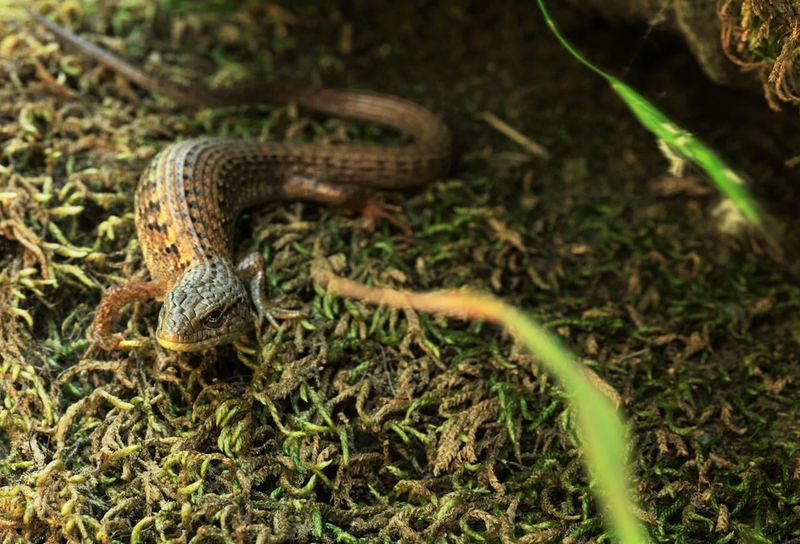
Alligator lizards are not picky eaters, and your yard might be serving up a full buffet. These lizards love munching on insects, spiders, beetles, and other small invertebrates.
If your garden has a healthy bug population, it is basically an open invitation for a hungry lizard to move in and start patrolling.
Many Oregon yards naturally attract insects through flowers, leaf litter, compost bins, and garden soil. All of those bug-friendly features that help your garden thrive also happen to attract alligator lizards.
Think of your yard as a diner, and the lizards are loyal customers who keep coming back for the daily special.
Seeing a lizard dart across the soil or freeze near a plant stem usually means it has spotted something worth eating. They are patient hunters and will wait quietly before striking at their prey.
You might catch one flicking its tongue to sense nearby bugs.
Having a bug-rich yard is not a problem. It actually means your garden ecosystem is alive and working.
Alligator lizards help keep that ecosystem in balance by eating bugs that might otherwise chew through your plants or become a nuisance. So if you keep seeing lizards around your flower beds or veggie patch, take it as a good sign.
Your yard is thriving, and these reptiles have simply noticed that it is a great place to find a meal.
2. Cool Hiding Spots Are Keeping Them Close
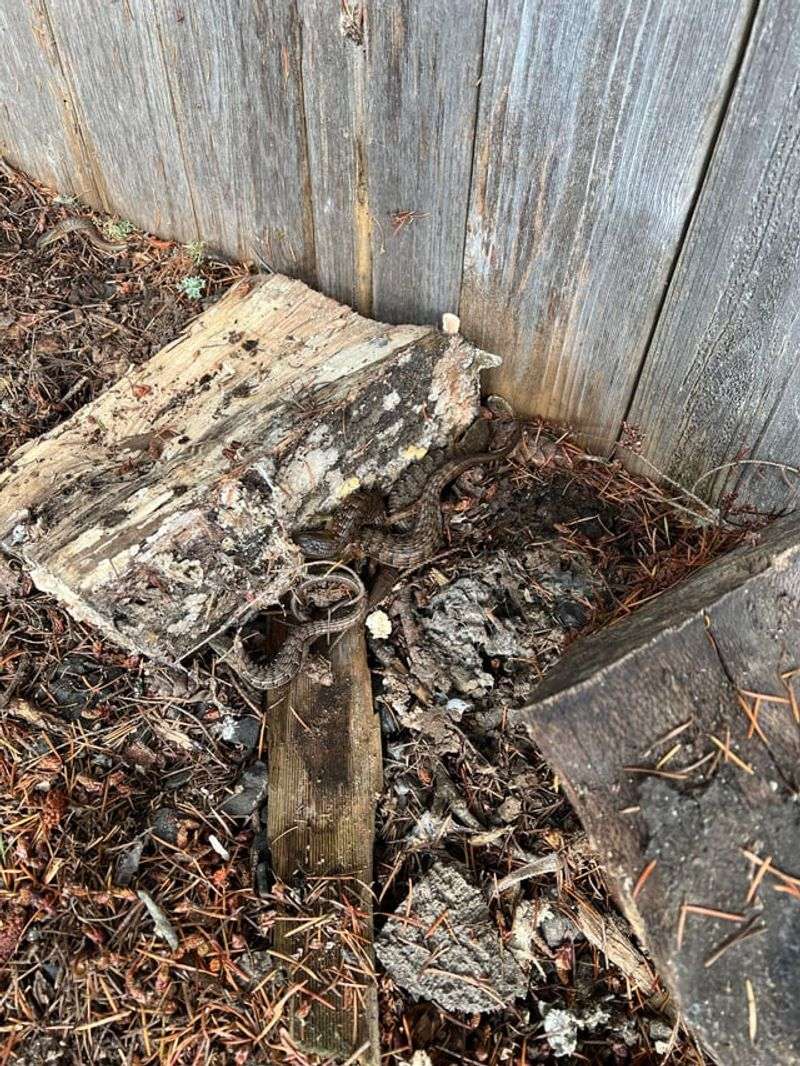
One big reason alligator lizards stick around a yard is that it offers great places to hide.
These reptiles are prey animals, which means they are always on the lookout for spots where they can stay out of sight from birds, cats, and other predators. A yard with lots of cover is basically a lizard’s dream.
Dense ground cover plants, overgrown shrubs, tall grass, and thick mulch layers all create the kind of low-to-the-ground shelter these lizards love. They can slip underneath leaves or into gaps in the soil without being seen.
That sense of security keeps them coming back to the same spots day after day.
You might notice them disappearing quickly when you walk nearby. That fast retreat under a bush or into a pile of leaves is a survival instinct.
Your Oregon Garden Changes Every Week. Your Plan Should Too.
Gardening in Oregon changes quickly throughout the season. Every Friday you’ll receive a simple weekly plan showing exactly what to plant, prune, fertilize, harvest, and protect so you never miss the right timing.
They are not running from you personally. They are just doing what lizards do when something large moves toward them.
If you want to encourage them to stay and help your garden, try leaving a few natural hiding spots intact. You do not need a perfectly manicured lawn for that.
A patch of native ground cover or a cluster of low shrubs near a garden bed can give them exactly what they need.
Alligator lizards that feel safe are more likely to stick around and keep hunting the bugs that bother your plants all season long.
3. Woodpiles And Rocks Make Perfect Lizard Hideouts
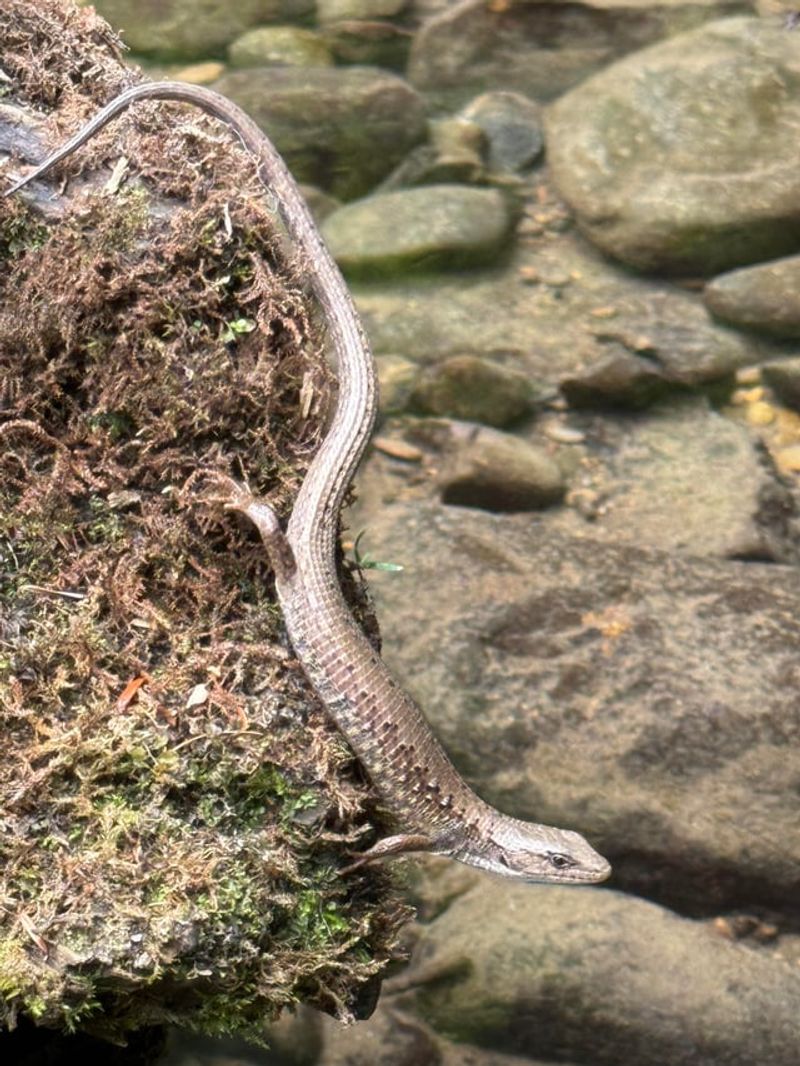
Walk around almost any yard in the Pacific Northwest and you will likely find a woodpile, a stack of stones, or a retaining wall. These features might look ordinary to you, but to an alligator lizard, they are prime real estate.
The gaps and crevices between rocks and logs offer warmth, shade, and protection all in one place.
Rocks absorb heat from the sun during the day and slowly release it at night. Lizards, being cold-blooded, rely on outside heat sources to regulate their body temperature.
A sun-warmed rock is like a cozy heated blanket for them. Woodpiles offer something slightly different: cool, damp spaces where insects and slugs tend to gather, which means built-in access to food.
If you have noticed lizards hanging around your firewood stack or near a stone border in your garden, they are using those features on purpose. It is not random.
They have scouted the area and decided it meets their needs for warmth, shelter, and hunting.
You do not need to move your woodpile or tear out your rock garden to keep lizards around. Just be mindful when you move logs or shift rocks, since a lizard might be resting underneath.
A quick look before you grab a log can save you both a surprise. These simple features in your yard are doing double duty as lizard habitat without any extra effort on your part.
4. Watered Gardens Can Pull Them In During Dry Weather
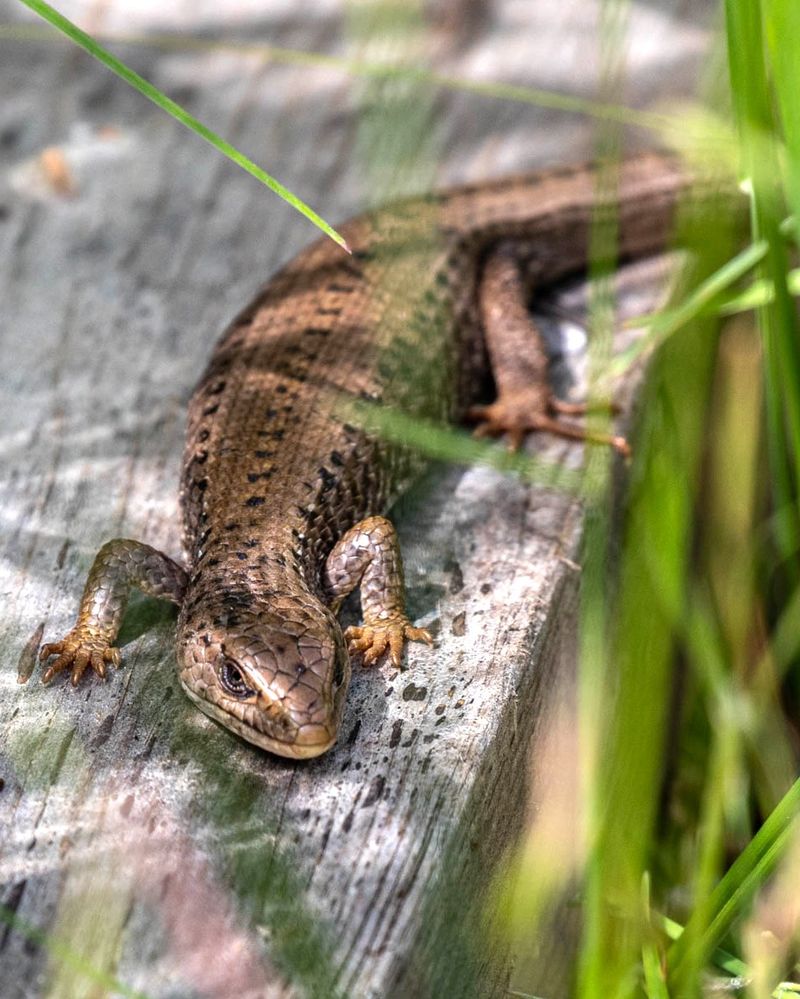
Summer in the Pacific Northwest can get surprisingly dry, and when the surrounding landscape dries out, your watered garden becomes a magnet for wildlife. Alligator lizards are no exception.
A yard with regular irrigation or consistent moisture holds something that dried-out fields and hillsides simply cannot offer: a reliable source of insects and damp, comfortable ground.
Moisture in the soil attracts earthworms, beetles, and other invertebrates that lizards love to eat. It also keeps the ground soft enough for small prey to move around near the surface, making hunting easier.
A drip irrigation system or even a sprinkler that runs a few times a week can make your yard far more appealing to these reptiles than the dry landscape next door.
You might notice more lizard activity right after you water your garden. That is not a coincidence.
The moisture stirs up insects and brings them to the surface, which brings lizards out to take advantage of the activity. It is a simple chain of events driven by water.
Keeping your Oregon garden watered is obviously good for your plants, but it has the bonus effect of supporting local wildlife.
Alligator lizards that visit moist garden areas are helping manage the insect population that thrives in those same conditions.
So your irrigation routine is quietly doing more than keeping your tomatoes happy. It is also supporting a natural pest-control system right in your own backyard.
5. They May Be Hunting Slugs Around Your Beds
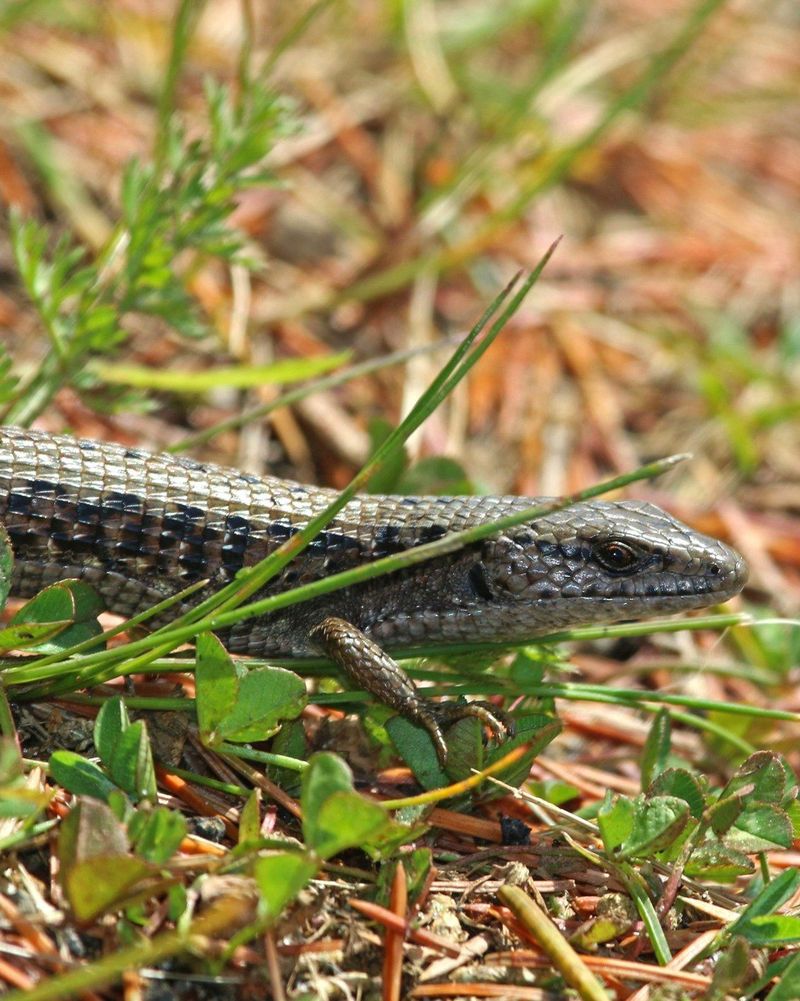
Slugs are one of the most frustrating garden pests for anyone growing vegetables or flowers in the Pacific Northwest. They chew through leaves overnight, leaving behind ragged holes and shiny slime trails.
Most gardeners spend a lot of time and money trying to manage slug populations. But alligator lizards can help with that job for free.
These lizards are known to eat slugs along with their other prey. Slugs are slow-moving and easy to catch, which makes them an appealing target for a patient predator like an alligator lizard.
If you have been battling slugs in your raised beds or around your hostas, a resident lizard or two could make a real difference over the course of a season.
Slug activity tends to peak in the early morning and evening when moisture levels are higher. That timing often overlaps with lizard hunting hours, especially in shaded garden beds where slugs like to hide.
Keeping an eye out during those times might let you catch a lizard in action.
Encouraging alligator lizards to patrol your garden beds is one of the most natural ways to manage a slug problem. You do not need to set traps or spread pellets if a lizard is already on the job.
Leaving some natural cover near your beds, like a flat rock or a low-growing plant, gives the lizard a base to hunt from while keeping your garden protected.
6. Warm Patios Give Them A Place To Bask
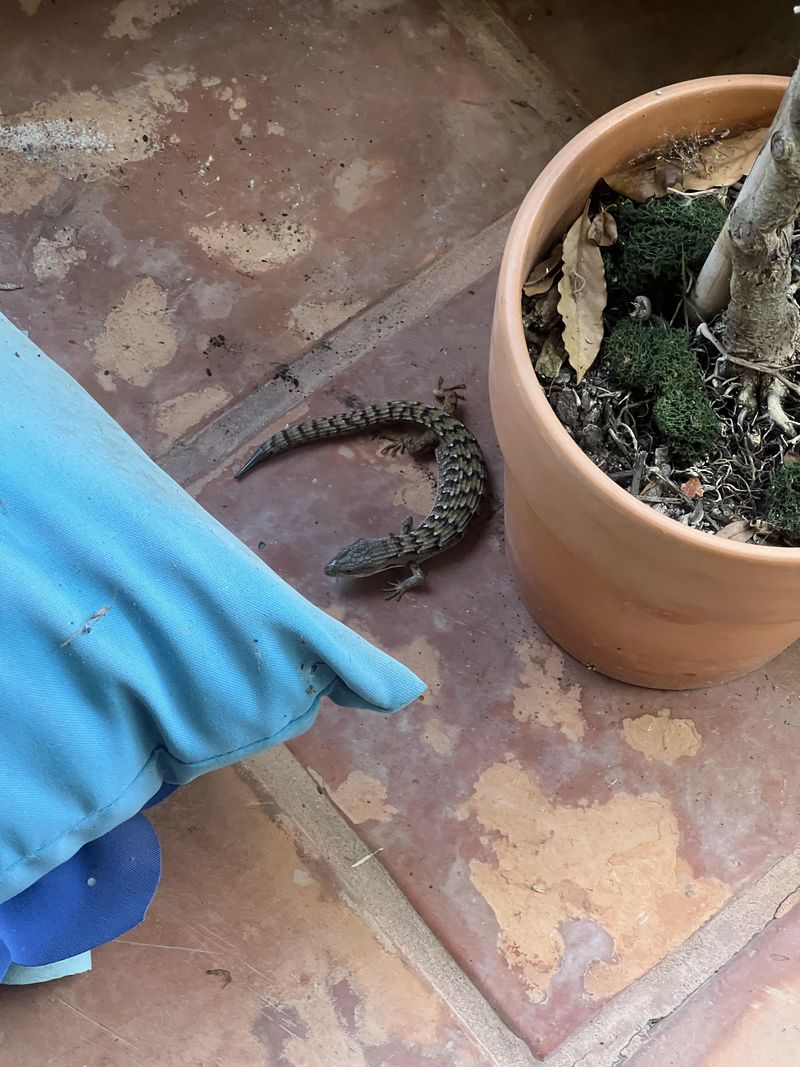
There is something almost relaxing about watching a lizard stretch out on a warm patio slab in the middle of the afternoon.
Alligator lizards bask in the sun to warm up their bodies, and a concrete or stone patio is one of the best heat-absorbing surfaces around.
If your patio gets good sun exposure, do not be surprised to find a lizard lounging on it during the warmest parts of the day.
Basking is not laziness. For a cold-blooded animal, warming up in the sun is a biological necessity.
Lizards need to reach a certain body temperature before they can move quickly, hunt effectively, or process their food. A warm patio gives them exactly what they need to stay active and healthy through the summer.
You might notice them positioning themselves at specific angles to the sun throughout the day. They are tracking the warmth as it moves, shifting to keep their bodies at the right temperature.
It is a surprisingly precise behavior for an animal that looks like it is just taking a nap.
If a lizard has claimed a corner of your patio as its favorite basking spot, consider it a compliment. Your outdoor space is warm, safe, and comfortable enough for a wild animal to feel at ease there.
Just give it a little space when you walk by, and it will likely keep coming back all summer long to enjoy the sun alongside you.
7. More Lizards Can Mean Fewer Garden Pests
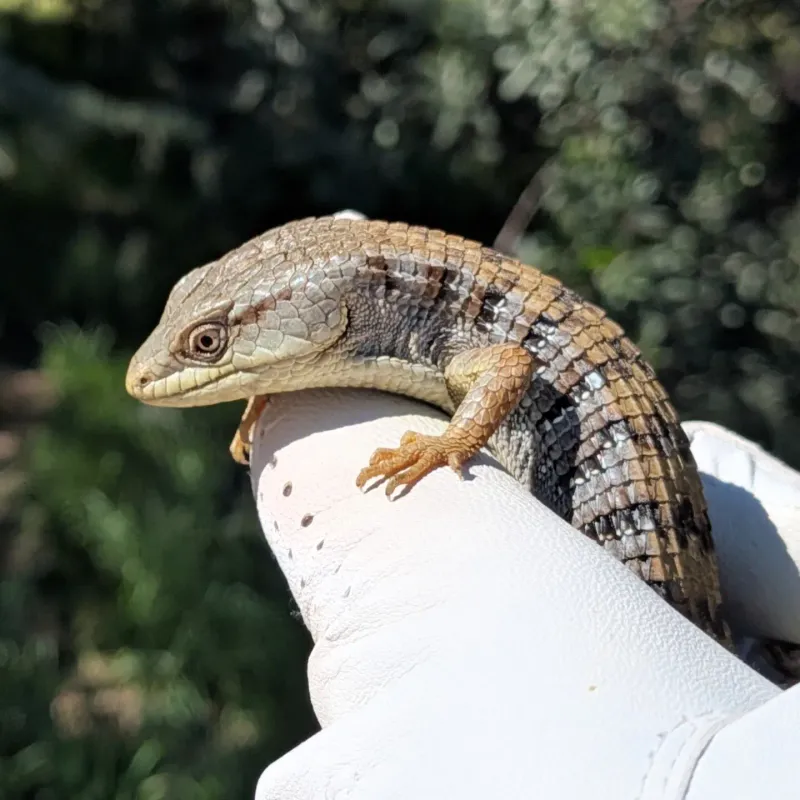
A single alligator lizard can eat a surprising number of insects in one day. Multiply that by two or three lizards patrolling your yard, and you have a pretty effective natural pest-control crew working around the clock.
Gardeners who share their space with these reptiles often notice fewer problems with beetles, earwigs, and other chewing insects over time.
Unlike chemical pesticides, lizards target specific prey without affecting the rest of your garden. They do not harm your plants, soil, or the beneficial insects you want to keep around.
They are precise, selective hunters that fit naturally into the garden ecosystem without disrupting it.
Having more lizards also signals that your yard supports a healthy food web. Lizards need insects to survive, so a yard with a thriving lizard population is a yard with a rich and diverse insect community underneath.
That kind of biodiversity is actually good for plant health and soil quality in the long run.
If you want to support a larger lizard population in your yard, focus on creating habitat rather than chasing them away.
Leave some leaf litter near garden beds, keep a few rocks or logs around, and avoid using broad-spectrum pesticides that wipe out the insects lizards depend on.
The more you work with nature instead of against it, the more these helpful reptiles will reward you by keeping your pest numbers manageable all season long.
8. They Usually Want Insects, Not Your Plants
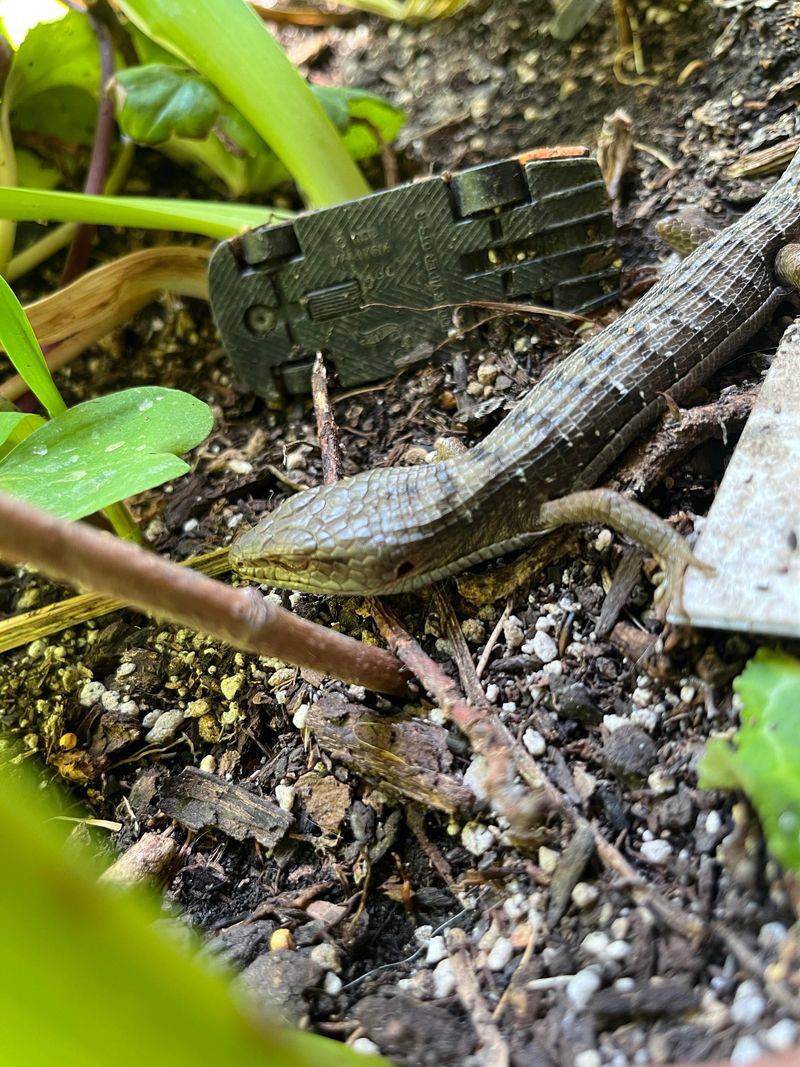
A lot of people see a lizard in their Oregon garden and immediately worry about their plants. That concern is completely understandable, but it is also unnecessary.
Alligator lizards are carnivores. They eat insects, spiders, slugs, and other small creatures. They have zero interest in your lettuce, tomatoes, or flower petals.
Unlike caterpillars or aphids, alligator lizards do not chew on leaves or sip plant sap. Their teeth and jaw structure are built for catching and crushing small prey, not for nibbling vegetation.
Seeing one crawl across your garden bed does not mean your plants are in any danger at all.
That said, alligator lizards do sometimes get blamed for damage caused by other animals. If you notice holes in your leaves or missing seedlings, look for slugs, earwigs, or caterpillars before assuming the lizard is responsible.
Chances are the lizard was actually there trying to eat whatever caused the damage in the first place.
Once you know that alligator lizards are on your side, it changes the way you see them in the garden. They are not threats to what you have grown. They are allies working quietly in the background to protect it.
Welcoming them into your yard by providing shelter and avoiding harsh pesticides is one of the easiest ways to build a healthier, more balanced garden this summer without spending a single extra dollar on pest control products.