Geranium Leaves Turning Yellow? Here’s What’s Actually Wrong
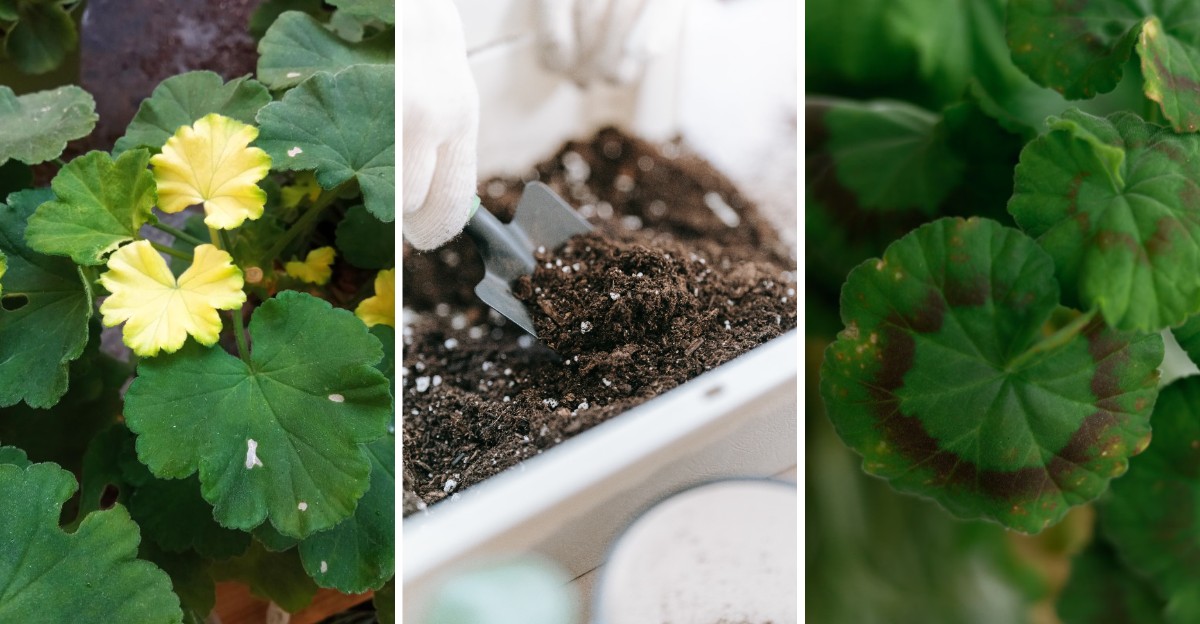
Yellow leaves tempt you into blaming the wrong suspect. Blame the cat, the cold, or the neighbor kid if you like.
Yellow leaves can point to several different problems, and the clues sit in the soil, the stems, and the undersides of the leaves. Water pooling around roots pushes out oxygen, and you see the damage upstairs.
Check whether your saucer holds standing water after you finish pouring. Lower leaves that yellow early tell you the roots are struggling.
Pale new growth points you toward a different issue, like a nutrient shortage. Press a finger into the soil and judge the moisture yourself.
Damp beyond your knuckle means you should pause the watering can. Dry, crumbly soil tells you to give a slow, deep soak.
Match your fix to the clue, and new growth should come in green within weeks. Start by checking the soil moisture and the undersides of the leaves.
1. Too Much Water In The Pot
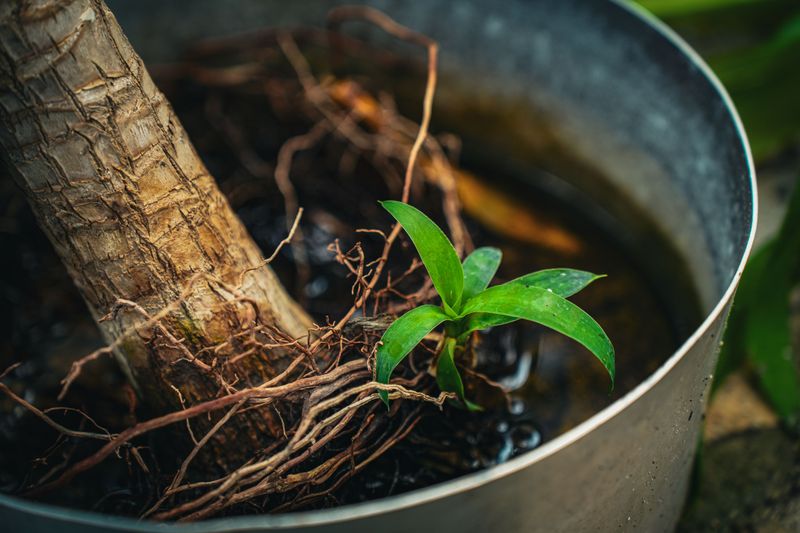
Picture a pair of socks that stays wet all day long. Roots sitting in soggy soil become stressed and can begin to rot.
This guide covers common garden geraniums (Pelargonium), not hardy cranesbill (Geranium), which need different care.
Garden geraniums (Pelargonium) come from South Africa, where many species grow in dry, well-drained soil, so they handle drought better than puddles. Their roots need air pockets in the soil to breathe properly.
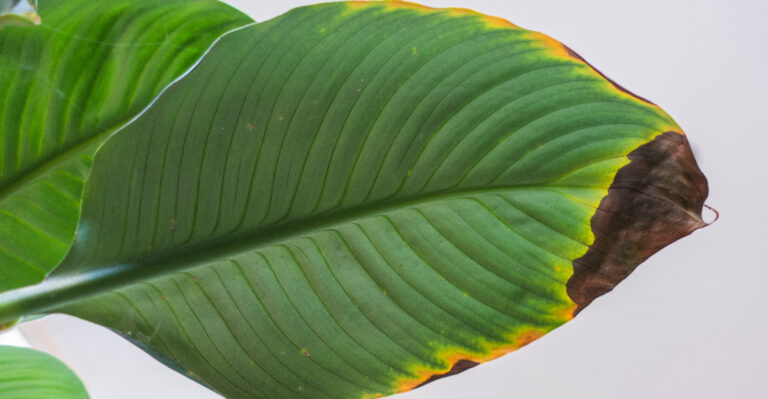
When water fills the air gaps, the roots run short of oxygen and stop sending nutrients upward. The lower leaves turn yellow first, often feeling soft and a little mushy.
Swollen stems, droopy leaves, and a sour smell from the pot are other warning signs. Some leaves may even show pale blisters on their undersides.
Fixing the problem starts with a simple finger test before you water. Push a finger about an inch into the soil and feel for moisture.
If it feels damp, walk away and check again in a day or two. Only water when that top inch feels dry and crumbly.
Drainage matters just as much as timing, so take a close look at your containers. Pick pots with holes in the bottom, and empty any saucer that collects extra water.
Terra cotta pots help a lot because the clay pulls moisture away from the roots. In cooler weather, soil dries more slowly, so stretch out your watering schedule.
Badly rotted plants may need fresh soil and a trim of any brown, slimy roots. Healthy roots look white or tan and feel firm, like cooked spaghetti that still has bite.
2. Too Little Water Between Drinks
Missed waterings are common, especially during busy school weeks. Your plant notices, though, and it shows stress through dry, yellow leaves.
Underwatered geraniums look different from overwatered ones. The leaves turn yellow with dry, brown edges that crumble when you touch them.
The whole plant may look floppy, and flower buds might drop before they open. The soil often pulls away from the sides of the pot, leaving a gap.
Plants in small containers tend to dry out faster. Hanging baskets and window boxes sitting in sunny, breezy spots can lose moisture within a single afternoon.
Soak the soil slowly until water runs out the drainage holes at the bottom. If the soil is rock hard, set the pot in a tub of water for twenty minutes.
That bottom soaking lets dry soil absorb moisture evenly instead of letting it rush down the sides. Afterward, let any extra water drain away before returning the pot to its spot.
Yellow leaves from thirst will not turn green again, so snip them off with clean scissors. New growth should look healthy within a week or two.
A layer of mulch on top of outdoor beds helps hold moisture in the ground. Setting a phone reminder works too, and your plant will thank you with fresh blooms.
Autumn weather can trick you because cool days still dry out soil under bright sunshine. Keep checking every few days, even when the air feels crisp.
3. Hungry Soil Missing Key Nutrients
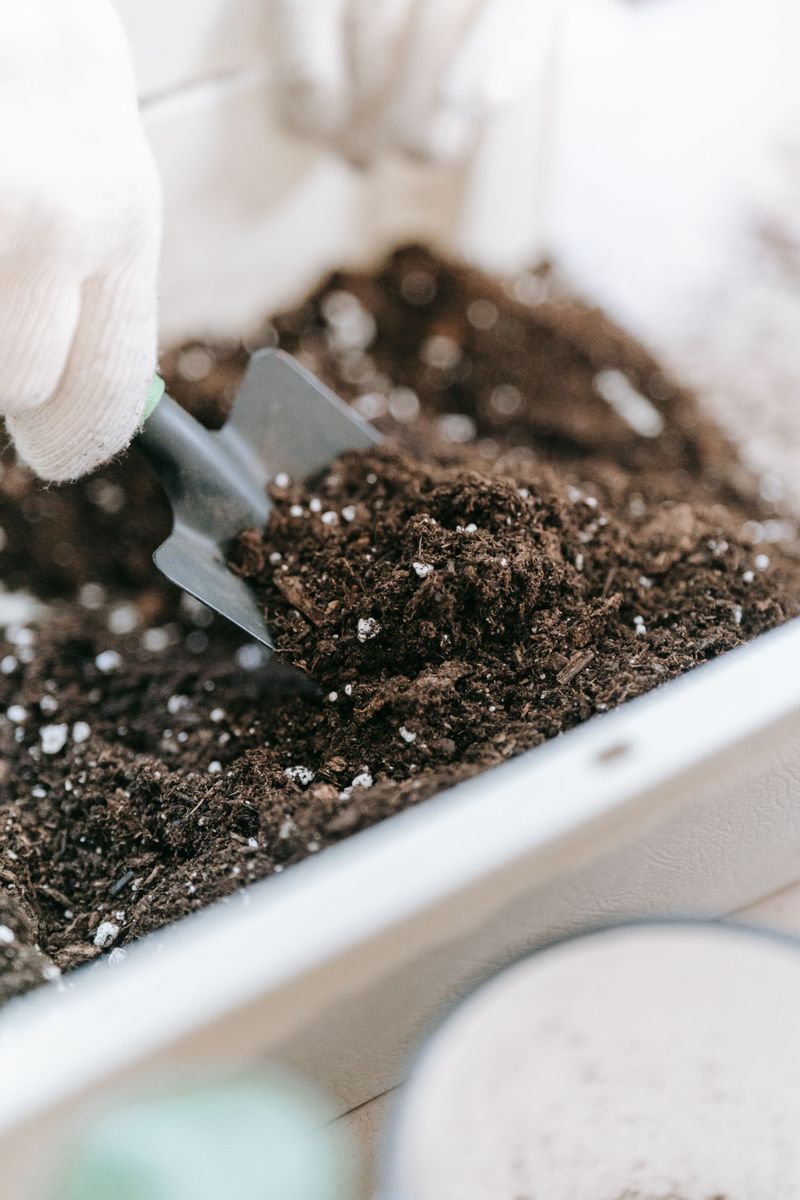
Fertilizer supplies the nutrients your plant needs, and shortages show up in the leaves. Hungry geraniums often show it by turning pale yellow from the bottom up.
Nitrogen is the nutrient that keeps leaves deep green and growing. When the soil runs low, the plant moves nitrogen from older leaves to new ones.
That is why the oldest leaves near the base fade first. The yellowing looks even and smooth, without spots, rings, or crunchy brown patches on the surface.
Magnesium shortages look a bit different and can be sneaky. The leaf turns yellow between the veins, while the veins themselves stay green like a road map.
Potted plants run out of food faster than garden plants. Every time you water, some of those nutrients wash right out through the drainage holes.
During spring and summer, feed geraniums with a balanced liquid fertilizer every two to three weeks. Look for a label with equal numbers, such as 10-10-10 or 20-20-20.
Epsom salt helps only when magnesium is truly low, so first confirm the yellowing appears between green veins. If it does, mix one teaspoon into a gallon of water and use it once a month in place of a regular watering.
Autumn is a time to slow down on feeding, especially if you plan to bring plants indoors. Resting plants need less food, and extra fertilizer can burn tender roots.
Fresh potting mix also gives roots a nutrient boost if the old soil looks tired. Just avoid overdoing it, since too much fertilizer causes its own leaf problems.
4. Chilly Nights Stressing Geraniums
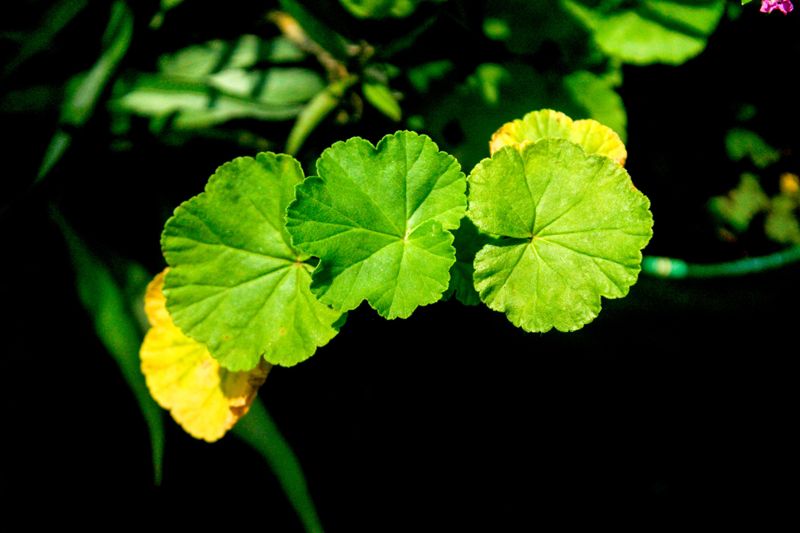
The first frosty mornings of autumn feel wonderful for hoodies and hot cocoa. Geraniums, on the other hand, would much rather stay in a warm kitchen.
Temperatures below 50 degrees Fahrenheit stress these warm-weather plants. Their leaves may turn yellow, red, or even purple around the edges as nights get colder.
Cold air slows root activity, so the plant struggles to pull nutrients from soil. The result looks a lot like hunger, even when the pot is well fed.
A hard frost can cause more severe damage and turn leaves mushy and dark overnight. Watch your local forecast closely as autumn moves along.
Bringing potted geraniums indoors is the easiest fix. Try to move them before nighttime temperatures dip below 50 degrees Fahrenheit.
Check every leaf and stem for bugs before the plant crosses your doorstep. Spraying the foliage gently with a hose helps wash away hidden hitchhikers.
Indoors, set the pot near a sunny south or west window. Keep it away from heater vents, which blast dry air and cause their own leaf stress.
Some yellowing is normal during the move because the plant is adjusting to new light and air. Pick off the faded leaves and give it a few weeks to settle.
Garden beds can be covered with old sheets on chilly nights for short-term protection. Remove the covers in the morning so the plants can soak up sunshine.
Many gardeners also take cuttings in fall to grow fresh plants over winter. Snip a four-inch stem, remove the lower leaves, and plant it in damp soil.
5. Too Little Sunlight Each Day
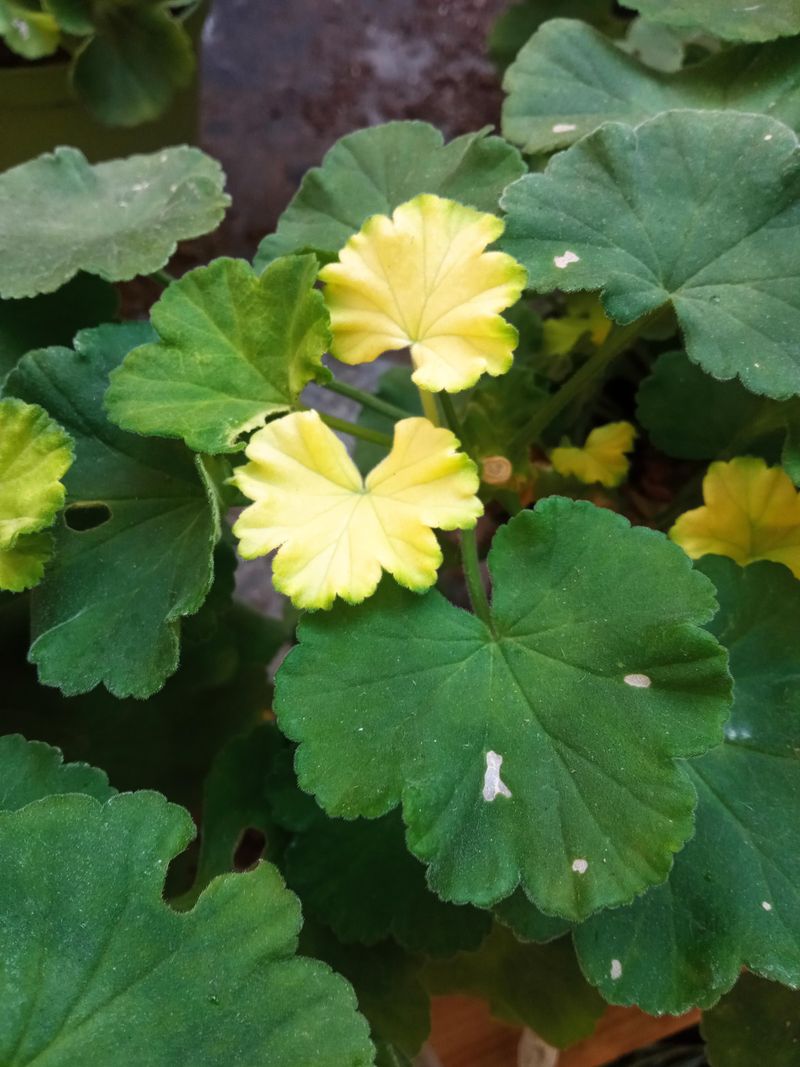
Geraniums need plenty of direct sun. Give them a shady corner, and they grow poorly and bloom less.
These plants need at least six hours of bright light each day to stay healthy. Without it, they cannot make enough food through photosynthesis to support every leaf.
The plant responds by dropping its lowest, oldest leaves first. Those leaves turn pale yellow, then wither and fall off one by one.
Stretchy, skinny stems are another clue that light is lacking. The plant leans and reaches toward the brightest spot it can find.
Fewer flowers often show up alongside the yellow leaves. A geranium in the shade puts its energy into survival instead of blooming.
Outdoors, move containers to a spot that gets morning sun and light afternoon shade. In hot regions, that afternoon break keeps leaves from scorching.
Indoors, a south-facing window works best during fall and winter. Turn the pot a quarter turn every week so all sides get equal light.
Shorter autumn days mean less natural light, even in sunny windows. A simple LED grow light placed about a foot above the plant can fill the gap.
Run the grow light for about twelve to fourteen hours a day. A cheap outlet timer makes the job easy and saves you from forgetting.
Leggy plants can be trimmed back by about one third to encourage bushier growth. New leaves will come in greener once the light improves.
6. Old Leaves Aging Out Naturally
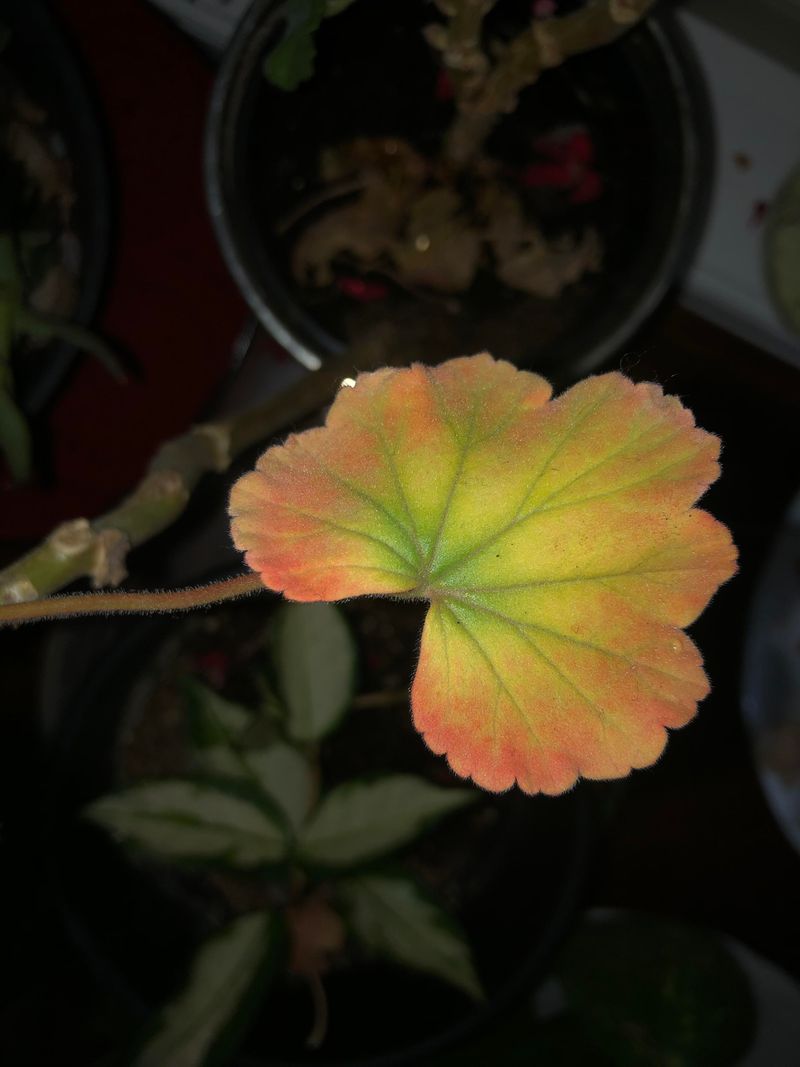
Sometimes a yellow leaf is not a problem at all. Plants shed old leaves the same way people outgrow last year’s sneakers.
Each geranium leaf has a limited lifespan, often a few months, depending on conditions. As it ages, the plant pulls useful nutrients out of it and moves them to new growth.
The old leaf slowly fades to yellow, then turns brown and papery. Eventually, it drops off or hangs on until you pull it away.
How can you tell this is normal aging and not trouble? Look at where the yellow leaves are and how many there are.
Natural aging affects only a few leaves at the bottom of the plant. The rest of the foliage stays green, and new leaves keep appearing at the tips.
If yellow leaves show up all over the plant at once, something else is going on. In that case, check the water, light, and soil for clues.
Removing old leaves keeps your geranium looking tidy and healthy. Gently pinch them off at the base of the stem or use clean scissors.
Cleaning up fallen leaves matters too, since rotting plant bits on the soil invite mold and fungus gnats. A quick tidy each week takes only a minute or two.
Snipping off faded flower clusters helps the plant focus energy on fresh leaves and blooms. Many gardeners treat it like a relaxing weekly ritual.
In autumn, outdoor plants may shed a few more leaves than usual as growth slows. A handful of yellow leaves this time of year is simply part of the seasonal rhythm.
7. Leaf Diseases Spreading Spots
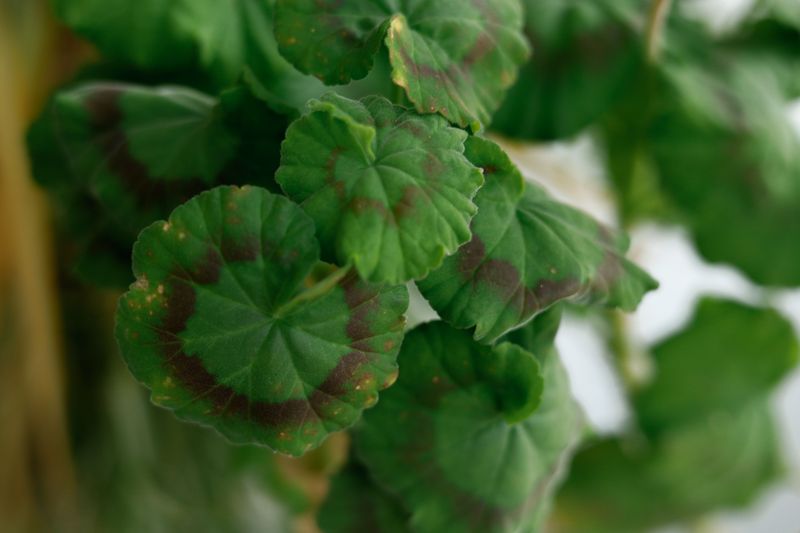
Spots, rings, and blotches tell a different story than plain yellowing. When leaves look freckled, a disease may be moving through your plant.
Bacterial blight is a serious geranium disease. It starts as small, wet-looking spots that turn into yellow, wedge-shaped patches along the leaf edges.
Infected stems may wilt and turn black near the soil line. Plants with blight generally cannot be recovered and should go in the trash, not compost.
Rust is a fungal disease with a distinctive pattern. Yellow spots appear on top of the leaf, while rusty brown bumps form underneath.
Botrytis, also called gray mold, thrives in cool, damp weather like many autumn days. It leaves fuzzy gray patches on leaves and flowers, often after a rainy week.
Remove any spotted leaves right away and seal them in a plastic bag. Wash your hands and scissors afterward so you do not spread the problem.
Water at the base of the plant instead of splashing the leaves. Morning watering also gives foliage time to dry before cooler evening air arrives.
Good airflow makes a significant difference in limiting fungus. Space pots a few inches apart, and avoid crowding plants into tight corners.
A fungicide labeled for rust may help with mild cases, but results on gray mold vary and some plants are sensitive. Follow the label directions carefully and test a small area first.
Buying healthy plants from trusted nurseries prevents many diseases from showing up at all. Check the undersides of leaves before you bring anything home.
8. Sap-Sucking Pests Hiding Underneath
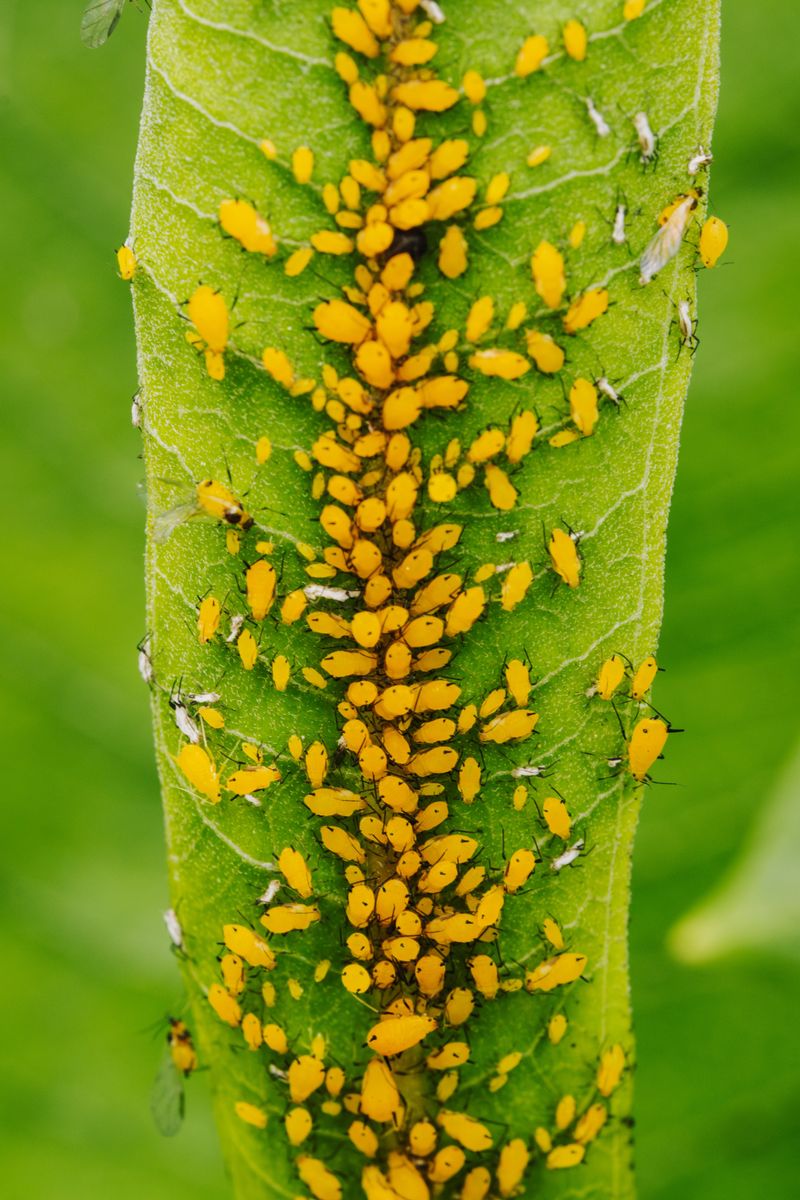
Some pests are smaller than a grain of rice, yet they can weaken a geranium by feeding on its sap. Bugs that feed on plant sap leave behind speckled, yellowing leaves.
Spider mites are a common culprit, especially in dry indoor air. They create tiny yellow dots across the leaf and sometimes spin fine, silky webs.
Whiteflies look like little flecks of dandruff that flutter up when you brush the plant. They hide under leaves and suck sap until the foliage turns pale.
Aphids cluster on new stems and buds in green, black, or brown groups. They leave a sticky substance called honeydew that can attract ants and sooty mold.
Grab a magnifying glass and flip over a few leaves to play detective. Holding a white sheet of paper under a branch and tapping it can reveal mites.
Mild cases often clear up with a strong spray of water from the hose. Repeat every few days to knock pests off before they lay more eggs.
Insecticidal soap and neem oil are gentle options for stubborn infestations. Coat both sides of every leaf, and spray in the evening to avoid leaf burn.
Yellow sticky traps work well for catching whiteflies and fungus gnats. Hang one near the plant and watch it fill up surprisingly fast.
Autumn is a good time for pest checks, since bugs can hitch rides indoors with potted plants. Keep new arrivals separate from other houseplants for two to four weeks.