The Native Michigan Flower Seeds Gardeners Are Collecting In October To Plant Again Next Year
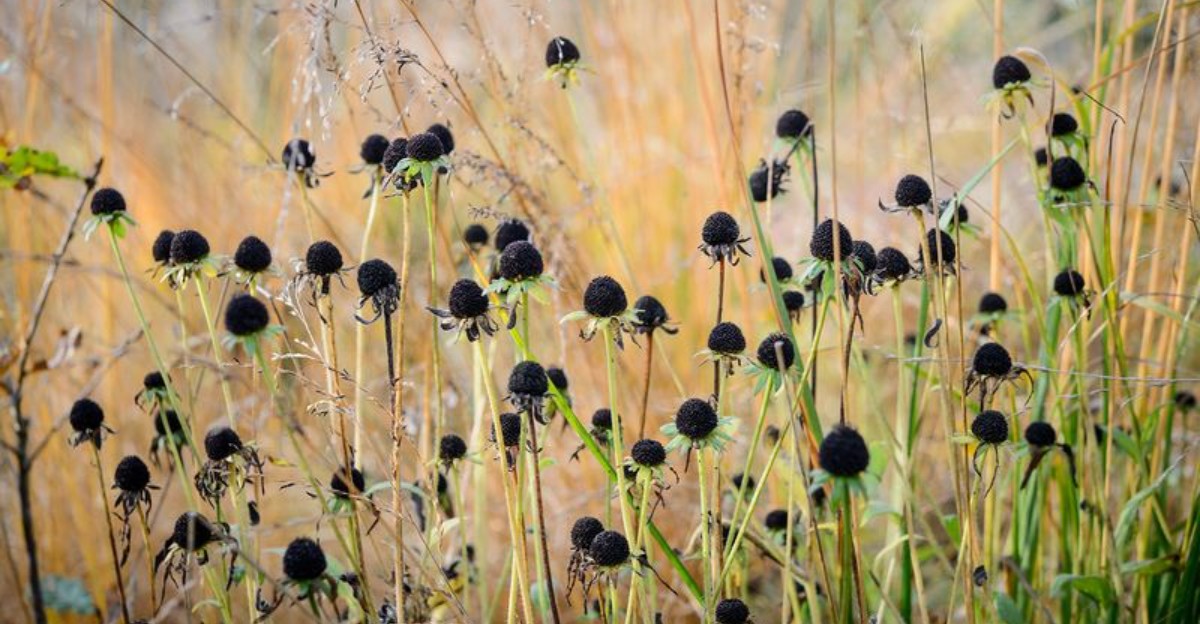
October offers a narrow but valuable window for Michigan gardeners hoping to collect seeds from native wildflowers before they scatter naturally or get consumed by wildlife over winter.
Timing this collection correctly matters, since seed heads need to be fully dry and mature but not so far gone that they’ve already released their seeds to the wind.
Native flower seeds collected this way often germinate better than store-bought alternatives, since they’re already perfectly adapted to Michigan’s specific soil and climate conditions.
Proper storage after collection, typically in a cool, dry, and clearly labeled container, keeps seeds viable until they’re ready to be planted again the following spring or fall.
This simple, free method lets gardeners expand native plantings year after year using nothing more than a little patience and good timing.
1. Black-Eyed Susan Seeds Are Easy To Gather And Grow
Ask any seasoned seed saver where to start, and black-eyed Susan usually tops the list. Known to botanists as Rudbeckia hirta, this cheerful yellow wildflower is a true beginner’s friend.
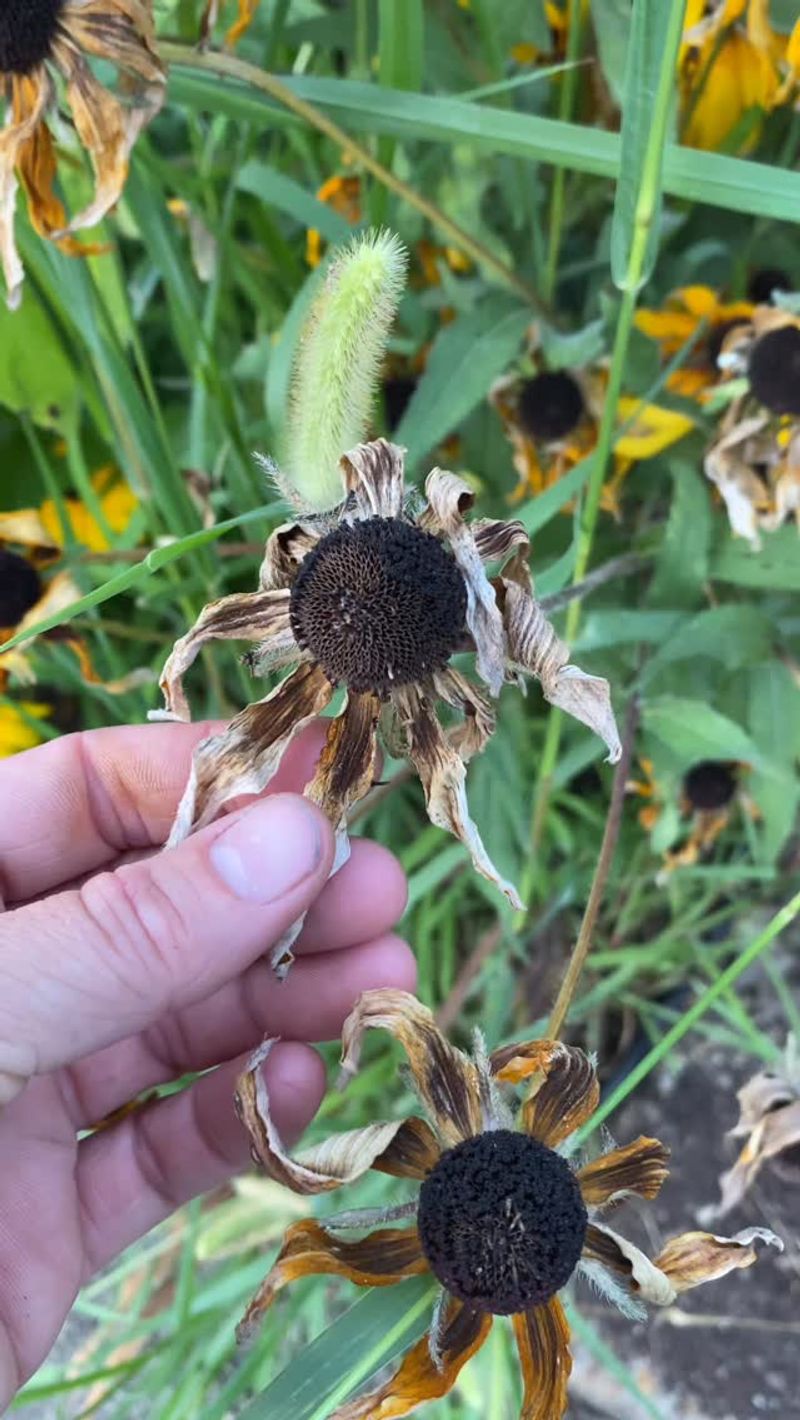
By early fall, its bright petals drop away and leave behind dark, dry cones stuffed with seeds.
Why start here? The seeds sprout readily, grow fast, and often reward you with flowers in their second season. After that, the plants tend to reseed on their own, so one small handful can turn into a whole sunny patch over a few years.
Timing matters, but it is simple. Wait until the center cones turn dark brown and feel dry and crisp to the touch. Snip them off, then rub them apart over a paper plate or inside a paper bag.
Tiny dark seeds will tumble out, along with bits of chaff that you can leave mixed in.
From there, you have two good choices. You can tuck the seeds into a labeled paper envelope and keep them in a cool, dry spot until spring. Or you can scatter them on bare, sunny soil in late fall and let winter handle the rest.
Michigan is a natural home for this flower. It grows in open fields, prairies, and along roadsides all across the state, so it handles our cold winters with ease. Collect from your own plants or ask permission first.
When gathering from wild patches, take only a small portion so birds and future flowers still get their share.
2. New England Aster Seeds Ripen After The Blooms Fade
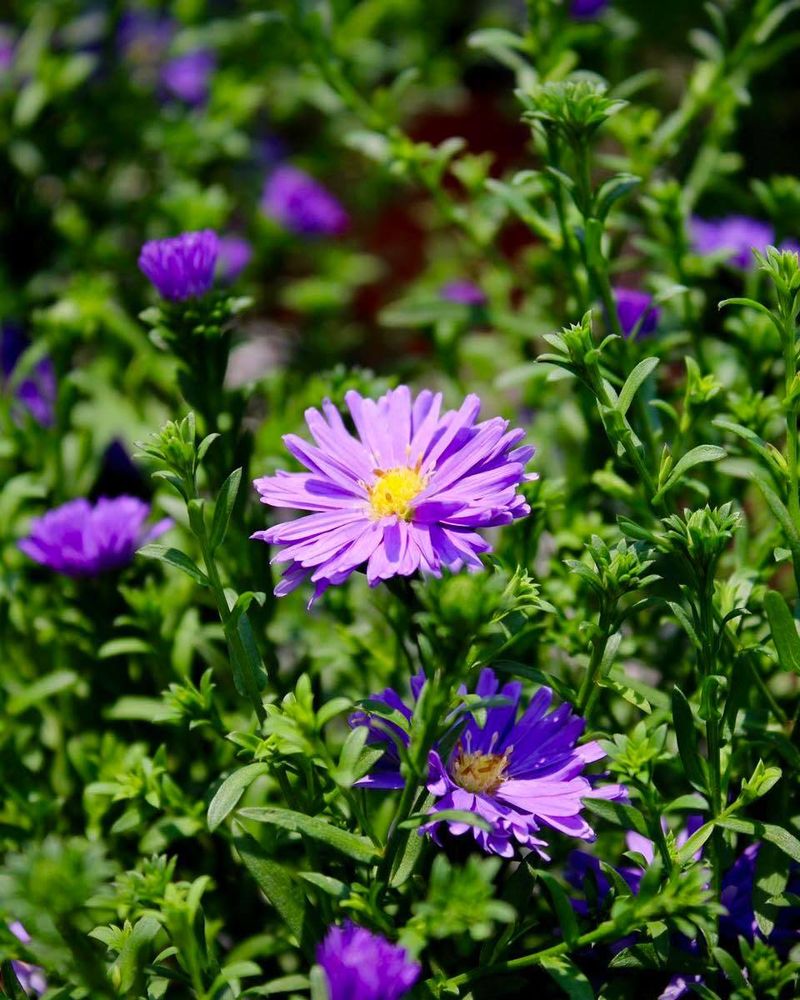
Long after most gardens go quiet, New England aster is still putting on a show. Its deep purple flowers with sunny yellow centers glow through September and into October. Then, almost overnight, those blooms turn into soft, fluffy seed heads.
Bees and migrating monarch butterflies depend on this plant in a big way. Known as Symphyotrichum novae-angliae, it ranks among the most important fall nectar sources in the region.
Every seed you save means more late-season food for hungry pollinators getting ready for winter or a long trip south.
Look for seed heads that have turned tan and fluffy, usually in October and November. Gently pull the seeds, fluff and all, into a paper bag. They come loose easily when they are ready, so there is no need to tug hard.
Your Michigan Garden Changes Every Week. Your Plan Should Too.
Gardening in Michigan changes quickly throughout the season. Every Friday you’ll receive a simple weekly plan showing exactly what to plant, prune, fertilize, harvest, and protect so you never miss the right timing.
Sowing outdoors in late fall is the easiest path. Just sprinkle the seeds on prepared soil and let the snow and cold work their magic. If you would rather wait, store them in a cool, dry place over winter.
Spring sowing takes one extra step. Mix the seeds with a little damp sand or a moist paper towel, seal them in a bag, and chill them in the refrigerator for several weeks. That cold, moist rest copies winter and wakes the seeds up.
Across Michigan, this aster thrives in moist meadows and along field edges. It feels right at home in our climate, and it rewards gardeners with a purple finale every single fall.
3. Goldenrod Seeds Help Build A Fall Pollinator Garden
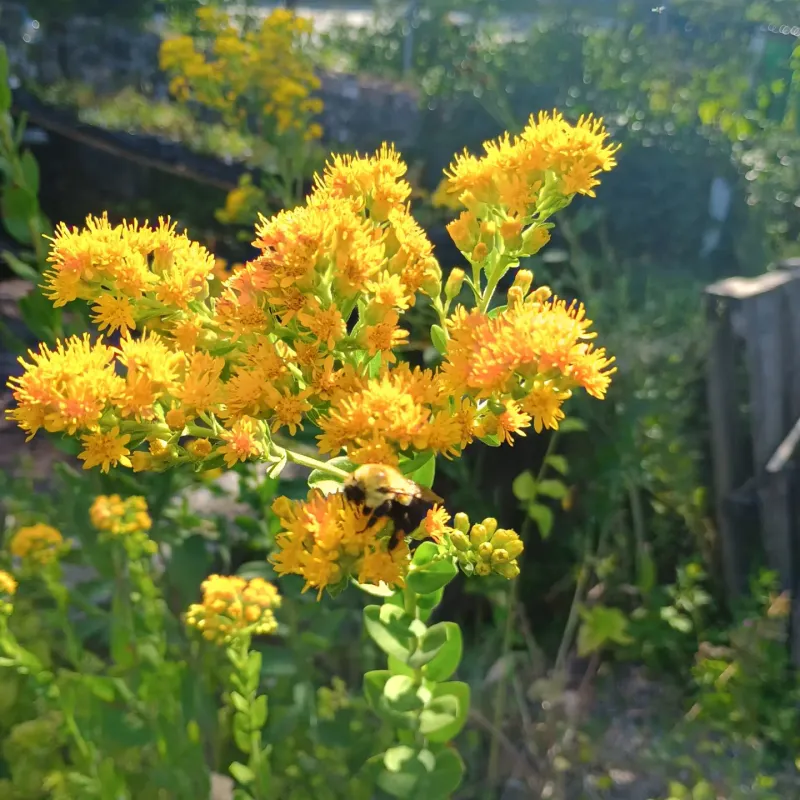
Goldenrod has a bad reputation it never earned. Many people blame it for fall allergies, but ragweed is the real troublemaker, since goldenrod pollen is heavy and sticky and gets carried by insects instead of the wind.
Once you know that, these golden plumes start looking like pure garden gold. Not every goldenrod belongs in a home garden, though.
Canada goldenrod spreads fast and can take over a yard. Stiff goldenrod, Solidago rigida, and showy goldenrod, Solidago speciosa, stay in tidier clumps, which makes them far better neighbors for your other flowers.
Both are major late-season pollinator plants. Bees, wasps, beetles, and butterflies crowd onto their blooms when little else is flowering. A few clumps can turn a quiet autumn bed into a busy insect buffet.
Seed collecting starts after the flowers finish. Watch for heads that turn fluffy and gray-brown in October, then snip them into paper bags. Let them sit somewhere dry for a week or two so they can finish drying completely.
Late fall is the best time to sow. Scatter the seeds right on the soil surface without burying them. Winter cold and moisture break down their natural sleep, and many will sprout once spring warms the ground.
Michigan offers plenty of the open, sunny spaces these plants love. Both species grow naturally in prairies, dunes, and bright clearings around the state. Give them full sun and decent drainage, and they will shine for years.
4. Wild Bergamot Seeds Hide In Its Dried Flower Heads
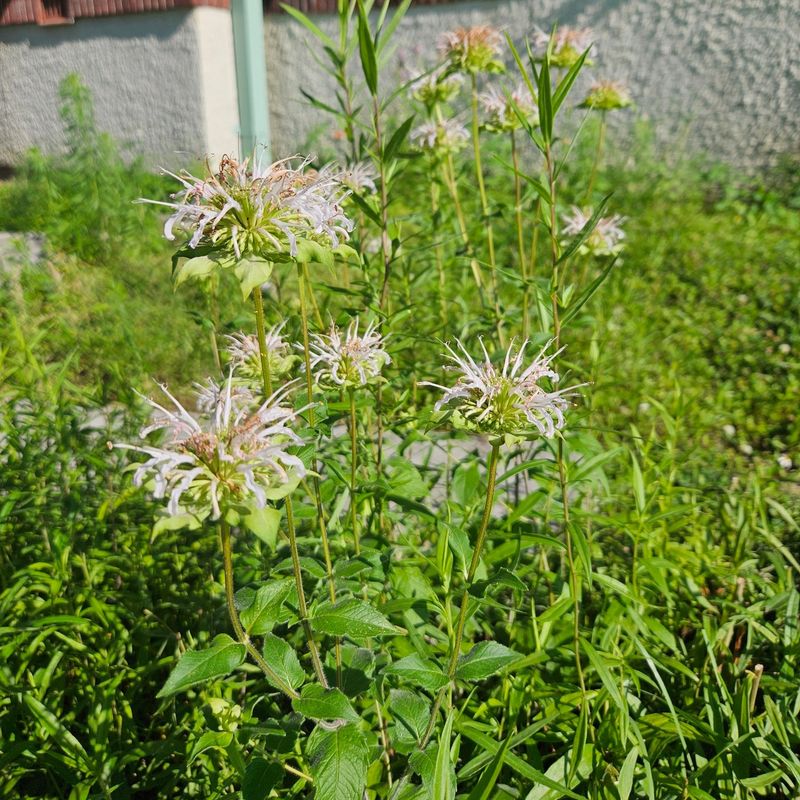
Crush a wild bergamot leaf between your fingers, and a spicy scent like oregano and mint fills the air.
That bold fragrance is one reason this native plant, Monarda fistulosa, is such a garden favorite. Deer usually turn up their noses at it, which is great news for anyone tired of nibbled flowers.
Summer brings fuzzy lavender blooms that look a bit like tiny fireworks. Bumble bees crawl all over them, butterflies stop by for sips, and hummingbirds zip in for nectar. By fall, each flower dries into a round, brown seed head that stays on the stem well into winter.
Hidden inside those heads are loads of tiny dark seeds. Clip the dry heads, tip them upside down into a paper bag, and give them a few firm taps. The seeds shake loose easily, and you may be surprised how many come out of just one head.
Planting is refreshingly simple. Sow the seeds on the soil surface in fall or spring, and do not cover them. They need light to sprout, so a gentle press into the soil is all they want.
Here in Michigan, wild bergamot grows naturally in dry to medium soils. You will find it in fields, prairies, and open woods from the southern counties up north.
That tough nature makes it an easy fit for sunny borders, and a little leftover seed makes a thoughtful gift for gardening friends.
5. Milkweed Pods Split Open With Seeds For Monarchs
Monarch caterpillars are picky eaters. Milkweed is the only plant they can eat, so every milkweed you grow becomes a nursery for the next generation of these orange and black travelers. Few garden choices make a bigger difference for one special insect.
Michigan has three great options. Common milkweed, Asclepias syriaca, spreads by its roots and works best in larger spaces.
Swamp milkweed, Asclepias incarnata, loves wet soil, while bright orange butterfly weed, Asclepias tuberosa, is happiest in dry, sandy ground.
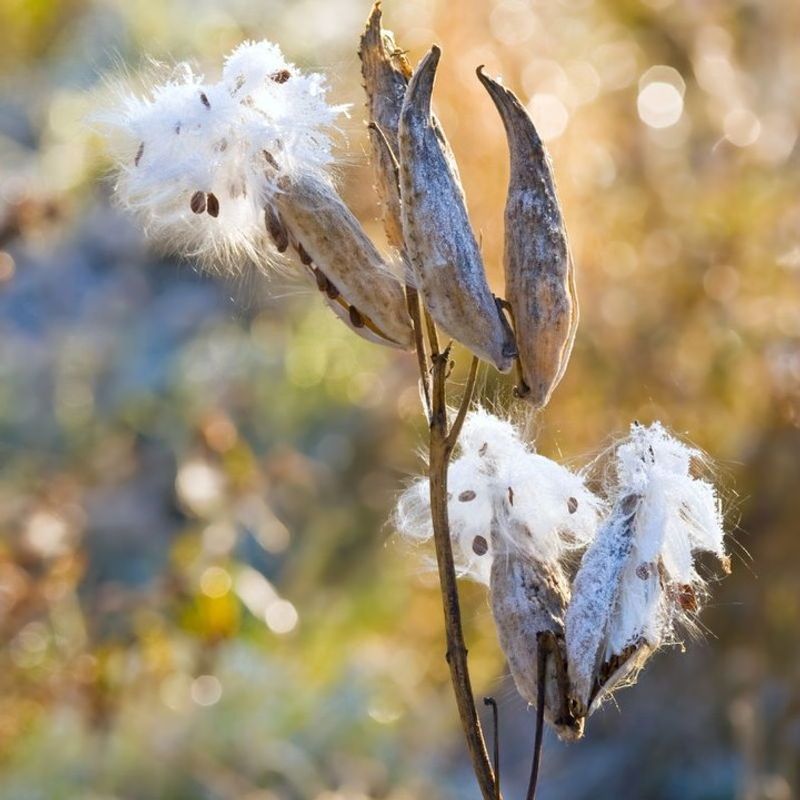
Early fall is pod season. Watch for pods that turn brown and start to split along the seam, which means the flat brown seeds inside are ripe. Green pods that have not cracked yet are usually not ready.
Handling the seeds takes a little patience. Pull them out and strip away the silky fluff, which floats everywhere if you work outside on a breezy day. A handy trick is to hold the fluffy end tightly and scrape the seeds off with your thumb inside a paper bag.
Store clean seeds in a paper envelope until you are ready to plant. Sowing outdoors in late fall is easy and natural. For spring planting, give the seeds about 30 days of cold, moist treatment in the refrigerator first.
Matching the right species to your yard is the secret to success. Pick swamp milkweed for soggy corners, butterfly weed for sandy slopes, and common milkweed for roomy meadows. Monarchs will find them.
6. Blue Vervain Seeds Suit Wet And Sunny Spots
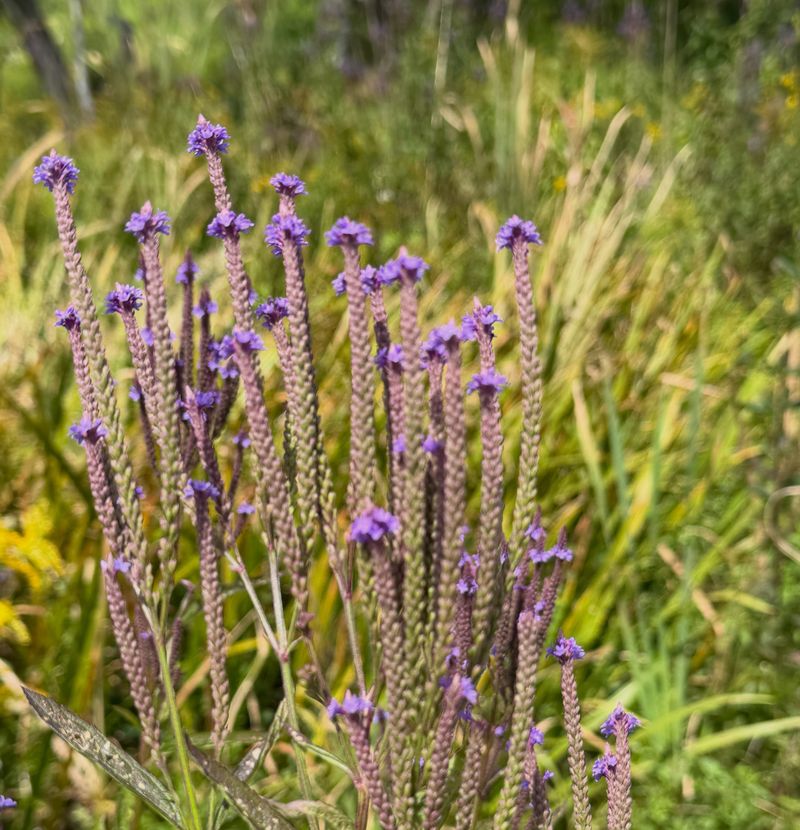
Every yard seems to have that one soggy spot where nothing wants to grow. Blue vervain, or Verbena hastata, laughs at wet feet. Its tall, slender stems hold up candelabra-like spikes of tiny purple-blue flowers that open a few at a time all summer.
Those little blooms are a steady snack bar for bees and butterflies. Once the flowers finish, the spikes turn brown and seedy, and birds like sparrows and cardinals come looking for a meal. One plant ends up feeding wildlife for months.
Collecting the seeds feels almost like picking berries. Wait until the spikes turn fully brown, then run your fingers down each one to strip the seeds into a bag. Rub the bits between your palms to separate the small seeds from the husks.
Fall sowing is the way to go with this plant. The seeds need a cold, moist period before they will sprout, and a Michigan winter provides it for free. Scatter them on the soil surface and press them in lightly, but never bury them.
A damp, sunny area gives the best results. Rain gardens, pond edges, and low spots in the lawn are all perfect places to try it. Keep the ground from drying out in spring while the seedlings get started.
Across the state, blue vervain grows naturally in wet meadows, ditches, and along streams and ponds. Bring a bit of that wild beauty home, and your trouble spot can become a highlight.
7. Cardinal Flower Seeds Are Tiny But Worth Saving
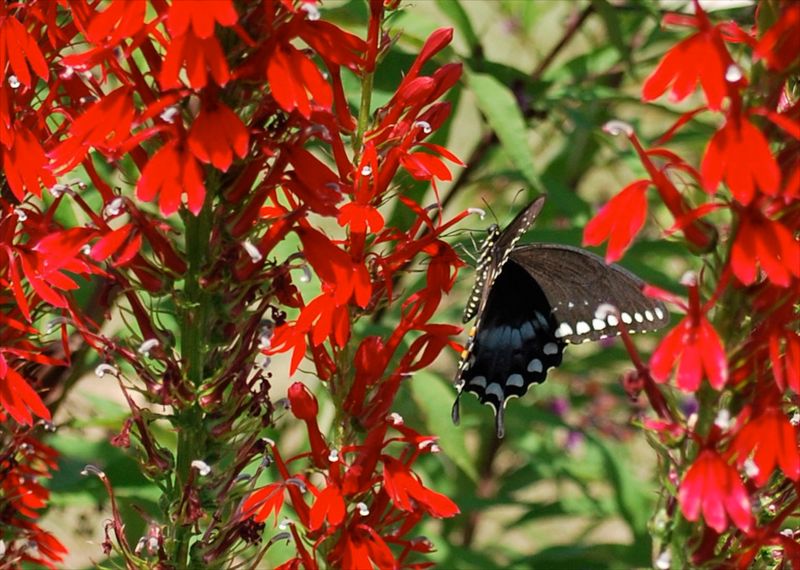
Few sights stop you in your tracks like a patch of cardinal flower in late summer. Its spikes glow a red so bright it almost looks unreal. Hummingbirds adore it, and a single stand can bring them buzzing in day after day.
Here is the catch. Individual plants of Lobelia cardinalis can be short-lived, often lasting only a few years. Saving and sowing seed is the best way to keep that red glow coming back season after season.
By fall, the flowers give way to small seed capsules along the stem. The lowest ones ripen first, so check the bottom of the spike for dry, brown capsules. Snip them and shake them over an envelope.
Get ready for a surprise. Cardinal flower seeds are so tiny they look like dust, and a single capsule can hold hundreds of them. Work indoors, away from fans or open windows, so your harvest does not blow away.
Sow the seeds on the surface of moist soil in fall. For spring sowing, give them a cold, moist period in the refrigerator first. Either way, never cover them, because they need light to sprout, and keep the soil damp while the tiny seedlings grow.
Michigan provides plenty of natural homes for this beauty. It grows along streams, lakeshores, and wet woodland edges throughout much of the state. Plant it in rich, moist soil with some sun, and those scarlet spikes will keep the hummingbirds happy.
8. Joe-Pye Weed Seeds Drift On Fluffy Tufts
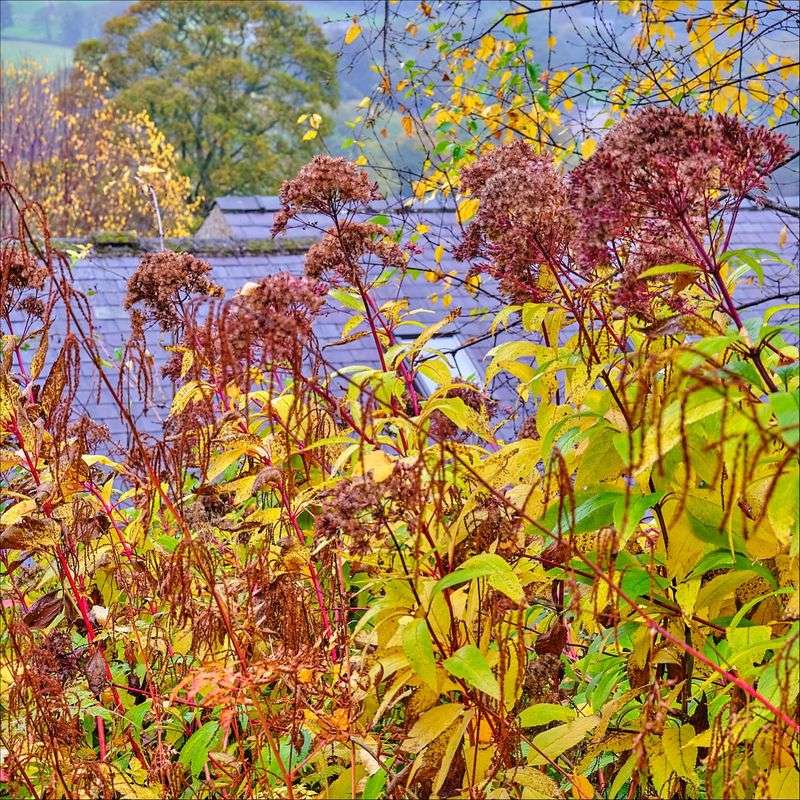
Standing taller than many adults, spotted Joe-Pye weed is the gentle giant of the wet meadow.
Eutrochium maculatum can reach five or six feet, and its stems carry purple spots that give the plant its name. In late summer, huge domes of dusty pink flowers crown the top.
Butterflies treat those blooms like a party. Swallowtails, monarchs, and fritillaries often crowd the flower clusters, while bees work the edges. Few native plants attract such a colorful crowd at once.
Even better, it thrives in moist spots that many garden plants simply cannot handle. Heavy, damp soil that drowns other flowers is right where Joe-Pye weed feels happiest. Low areas and rain gardens suit it well.
Fall turns those pink domes into fluffy, tan seed heads. Each small seed rides on its own soft tuft, ready to drift on the breeze. Collect the heads when they look fluffy and tan, then place them in paper bags to dry for a week or so.
After that, sowing is easy. Scatter the seeds on the soil surface in late fall and let winter do its job. For spring planting, give them a cold, moist period in the refrigerator for several weeks first.
Michigan has plenty of this plant growing wild. Look for it in wet meadows, along marsh edges, and beside streams across the state. Plant a few seeds this fall, and next summer you may find butterflies lining up at your own backyard giant.