What The 2026 El Niño Summer Forecast Means For Every Texas Gardener Right Now
If you’ve been paying attention to weather forecasts this summer, you’ve probably heard El Niño mentioned more than once.
It’s one of those terms that gets thrown around a lot without much explanation of what it actually means on the ground, in your specific yard, for your specific plants.
But for Texas gardeners, the 2026 El Niño forecast carries implications that are very much worth understanding before the summer gets any further along. El Niño does not affect every region the same way.
And in Texas, the effects can be significant. Shifts in temperature patterns, changes in rainfall distribution, and the potential for extended heat or unexpected wet stretches all play out differently depending on where you are in the state and what you’re growing.
The gardeners who understand what’s coming have a real advantage in making decisions about watering, planting, and protecting what’s already in the ground.
Waiting to react after conditions shift is always harder than preparing in advance. Here’s what the 2026 El Niño forecast means for your Texas garden right now.
1. Do Not Assume Summer Heat Is Over
Gardeners across Texas sometimes make the mistake of thinking that an El Niño forecast means cooler or wetter summers are right around the corner. That is not the full picture.
El Niño is strengthening in 2026, but its strongest effects on U.S. gardens tend to show up more in fall and winter, not midsummer.
Right now, Texas is still staring down brutal summer heat. Sunscald on tomatoes and peppers is a real threat.
Lawns can go from green to crispy brown in just a few days without the right care. Soil dries out faster than you think, especially in clay-heavy spots where the surface looks moist but the deeper layers are bone dry.
NOAA has confirmed that El Niño is continuing and expected to strengthen through the end of the year. But that does not mean you get a pass on summer prep. Your plants need protection right now, not in October.
Check your garden every single day during heat waves. Look for leaves that curl inward or turn yellow at the edges.
Those are signs that plants are struggling with heat stress. Move potted plants into afternoon shade if you can. Set up shade cloth over raised beds during the hottest part of the day.
Staying proactive is the only way to keep your garden healthy through Texas summers. Do not let the El Niño headlines give you a false sense of security.
The heat is real, it is here now, and your garden is counting on you to act before problems get out of hand.
2. Water Deeply Before Plants Crash
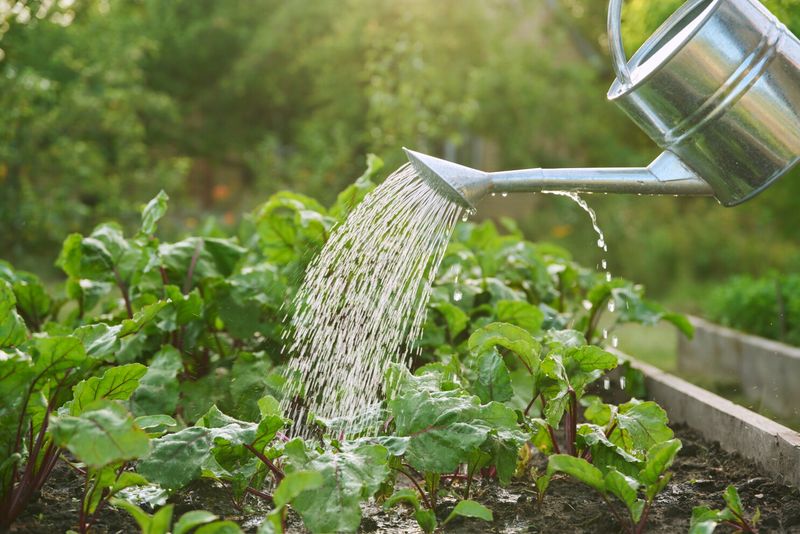
Most gardeners water too often and not deep enough. It feels like you are helping your plants, but quick daily sprinkles barely reach the roots. The water evaporates fast in Texas heat, and plants end up shallow-rooted and weak.
Your Texas Garden Changes Every Week. Your Plan Should Too.
Gardening in Texas changes quickly throughout the season. Every Friday you’ll receive a simple weekly plan showing exactly what to plant, prune, fertilize, harvest, and protect so you never miss the right timing.
Deep watering is a smarter move. When you water slowly and thoroughly, moisture gets down six to twelve inches into the soil.
That is where strong roots live. Trees, shrubs, vegetables, and new plantings all benefit from this approach. A deep soak two or three times a week beats a light sprinkle every single day.
Soaker hoses and drip irrigation are your best friends here. They put water right at the root zone and reduce evaporation compared to sprinklers.
If you do use a sprinkler, run it early in the morning so leaves dry out before the heat of the day hits.
New transplants need extra attention. Their root systems are still getting established, so they cannot pull moisture from deep in the soil yet.
Water them more frequently for the first two to three weeks, then gradually stretch out the schedule as they settle in.
Vegetables like tomatoes, squash, and peppers are especially sensitive to uneven watering. Blossom end rot in tomatoes is often caused by inconsistent moisture, not just low calcium.
Keeping soil moisture steady through deep, regular watering goes a long way toward preventing that frustrating problem.
Use the El Niño forecast as a nudge to build better watering habits now. Your plants will be far more heat-tolerant when their roots run deep.
3. Refresh Mulch Before Soil Temperatures Spike
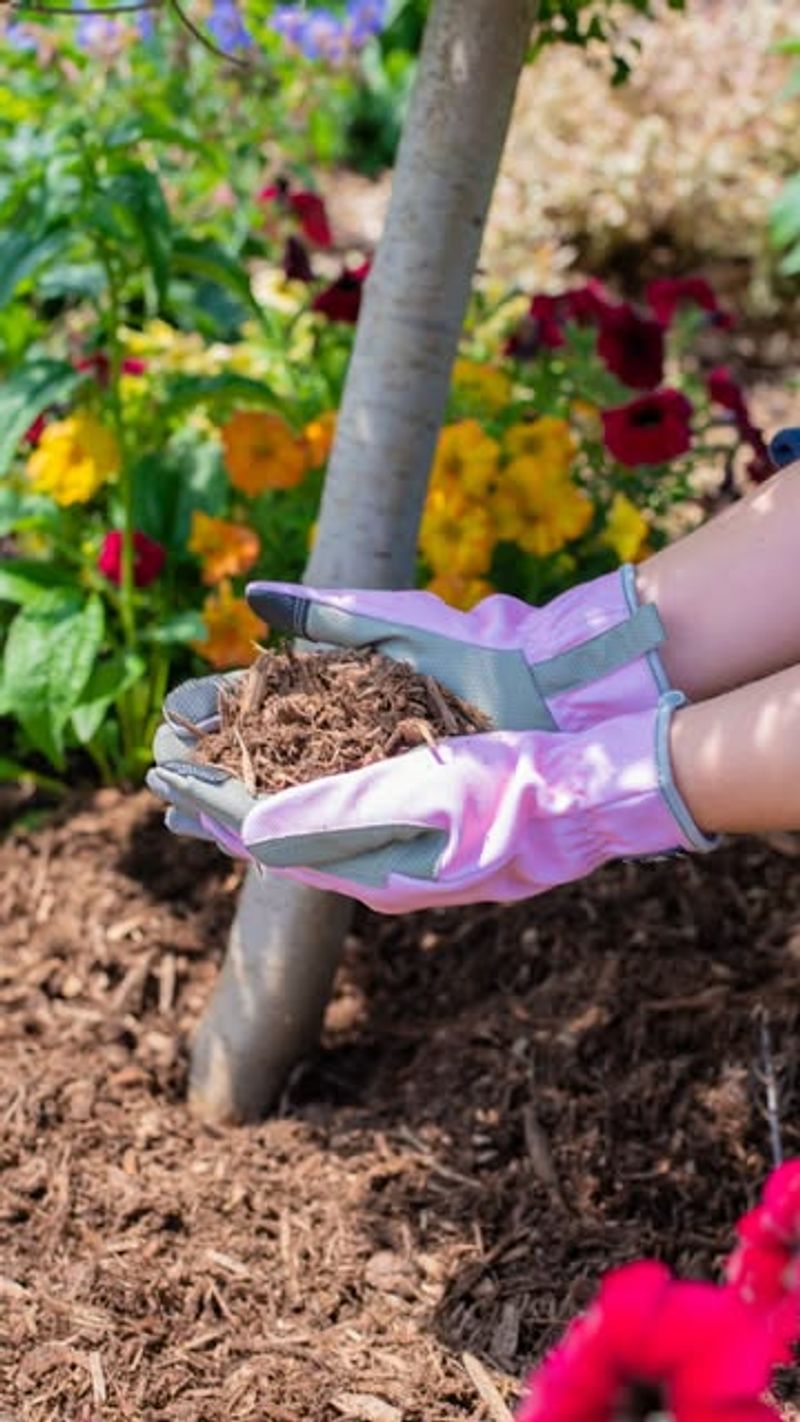
Bare soil in a Texas summer is basically an oven. Without protection, soil temperatures can climb high enough to stress roots and speed up moisture loss at a shocking rate. A fresh layer of mulch changes everything, and now is the right time to put it down.
Aim for two to three inches of mulch around vegetables, perennials, shrubs, and young trees. Wood chips, shredded bark, and straw all work well.
They slow evaporation, keep roots cooler, and break down slowly to add organic matter to your soil over time.
One mistake a lot of gardeners make is piling mulch right up against plant stems and tree trunks. That traps moisture against the crown and bark, which invites rot and pest problems, especially during humid Texas summers.
Pull mulch back a few inches from the base of every plant. If you already have mulch down from earlier in the year, check its depth. Mulch breaks down and compacts over time, so what started as three inches might now be barely one.
Top it off to get back to the right thickness. Vegetable beds benefit from mulch just as much as ornamental areas. Straw works great between rows of tomatoes, peppers, and squash.
It keeps the soil from splashing up onto leaves during watering, which helps reduce fungal issues later in the season.
Spending an hour refreshing mulch now can save you hours of extra watering and troubleshooting later. It is one of the simplest, most effective things you can do for your garden before peak summer heat arrives.
4. Prepare For Sudden Heavy Rain, Not Just Drought
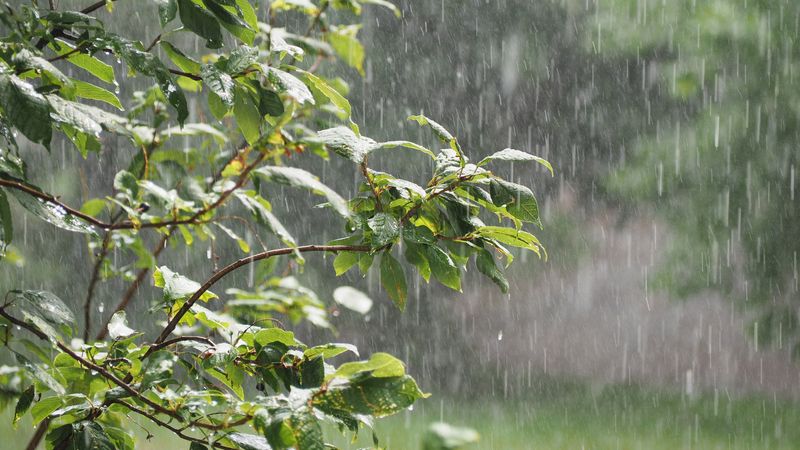
People tend to think El Niño means one thing: drought. But that is only part of the story, especially in Texas.
El Niño can actually push stormier weather patterns into parts of the state, bringing sudden downpours that catch gardeners completely off guard.
A heavy rain after a dry stretch sounds like great news, but it can cause serious problems. Waterlogged roots cannot breathe.
Containers sitting in saucers full of water become tiny swamps. Low spots in the garden collect standing water that invites mosquitoes and root rot.
Check your yard’s drainage before the next big storm rolls in. Walk around after a regular watering and look for areas where water pools and sits for more than an hour.
Those spots need attention, whether that means adding a French drain, raising planting beds, or simply rerouting a downspout.
Clear clogged gutters now. When gutters overflow, water dumps straight down along your foundation and into garden beds right next to the house.
That concentrated water flow can wash away mulch, erode soil, and flood shallow-rooted plants in minutes.
Lift containers off their saucers before a storm is forecast. Even if you forget to empty the saucers after watering on a normal day, a heavy rain will fill them completely and keep roots sitting in water for hours.
Avoid working in soggy garden beds after a downpour. Walking on wet soil compacts it badly, squeezing out the air pockets that roots need. Wait until the soil has drained and feels workable before you weed, plant, or dig.
5. Watch For More Disease Pressure After Rainy Breaks
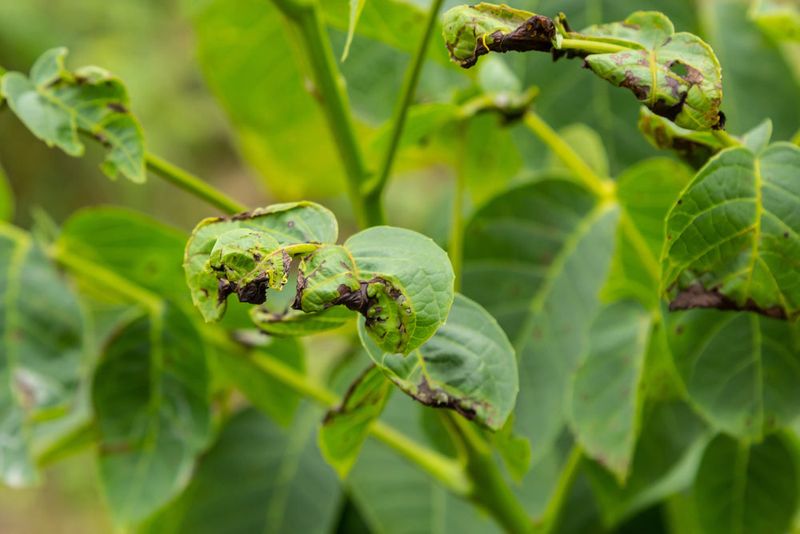
Heat plus humidity is basically a welcome mat for fungal diseases. After a rainstorm or a stretch of muggy weather, conditions in your garden can shift fast.
Powdery mildew, early blight, downy mildew, and black spot on roses are all common problems that flare up when temperatures and moisture levels combine in just the wrong way.
Good airflow is one of your best defenses. Prune crowded branches from shrubs and remove leaves that are touching the ground.
When air moves freely around plants, leaves dry faster after rain, and fungi have a harder time getting a foothold.
Remove diseased leaves as soon as you spot them. Do not compost them. Bag them and throw them away. Leaving infected plant material in the garden gives fungal spores a chance to spread to healthy plants nearby.
Change your watering schedule after rainy periods. Skip watering if the soil is still moist from recent rain.
When you do water, do it early in the morning so plants have the whole day to dry off. Avoid overhead watering late in the afternoon or evening, because leaves that stay wet overnight are much more likely to develop fungal problems.
Vegetable plants are especially vulnerable. Tomatoes, cucumbers, squash, and beans all need good air circulation and dry foliage to stay healthy through a humid Texas summer.
Keep a close eye on your garden for the first few days after any major rain event. Catching disease problems early makes them much easier to manage.
A small issue spotted on Monday is a lot easier to handle than a full-blown outbreak by the weekend.
6. Plan Fall Planting With Wetter Weather In Mind
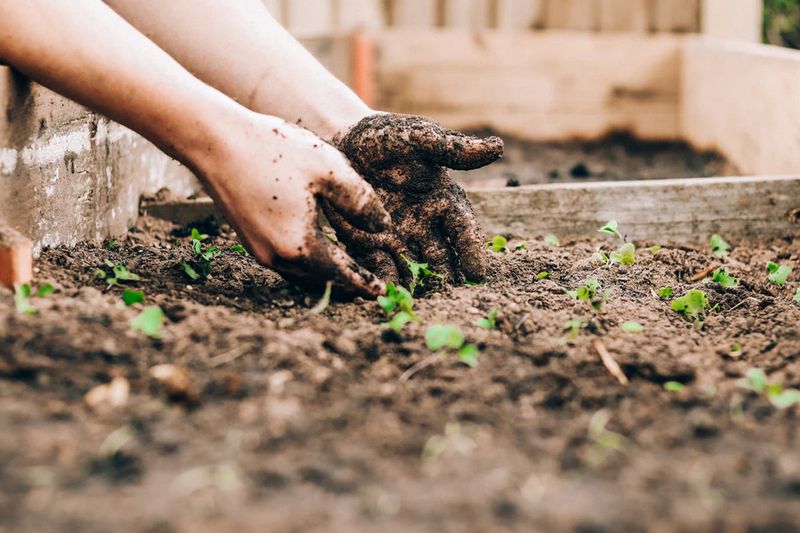
Fall planting in Texas is one of the most rewarding things a gardener can do. Cooler temperatures, shorter days, and (usually) more reliable moisture make it easier to grow vegetables, plant perennials, and establish new shrubs.
But a strengthening El Niño adds a few wrinkles worth thinking about now, before fall arrives. A stronger El Niño pattern can bring better moisture chances to Texas later in the year.
That sounds great, but it also means muddy soil, delayed planting windows, and a higher risk of root rot if you put plants in the ground too early after heavy rain. Timing will matter more than usual this fall.
Start choosing your fall plants now. Look into cool-season vegetables like broccoli, kale, lettuce, carrots, and spinach.
Research native perennials that are well-suited to your specific part of Texas. Make a list of replacement shrubs you have been meaning to add. Having a plan ready means you can act quickly when conditions line up.
Wait for workable soil before you plant after heavy rain. Squeeze a handful of soil and open your hand. If it crumbles, it is ready. If it holds together in a muddy ball, give it more time to drain.
NOAA updates its seasonal outlooks every month, so do not rely on a single summer forecast to guide your entire fall garden plan. Check local conditions regularly and stay flexible.
Gardening with the weather instead of against it is always the smarter path. A little planning now means a much smoother, more successful fall season no matter what the weather brings.