What It Means When Grass Spiders Cover Your Pennsylvania Lawn In Webs Every Morning
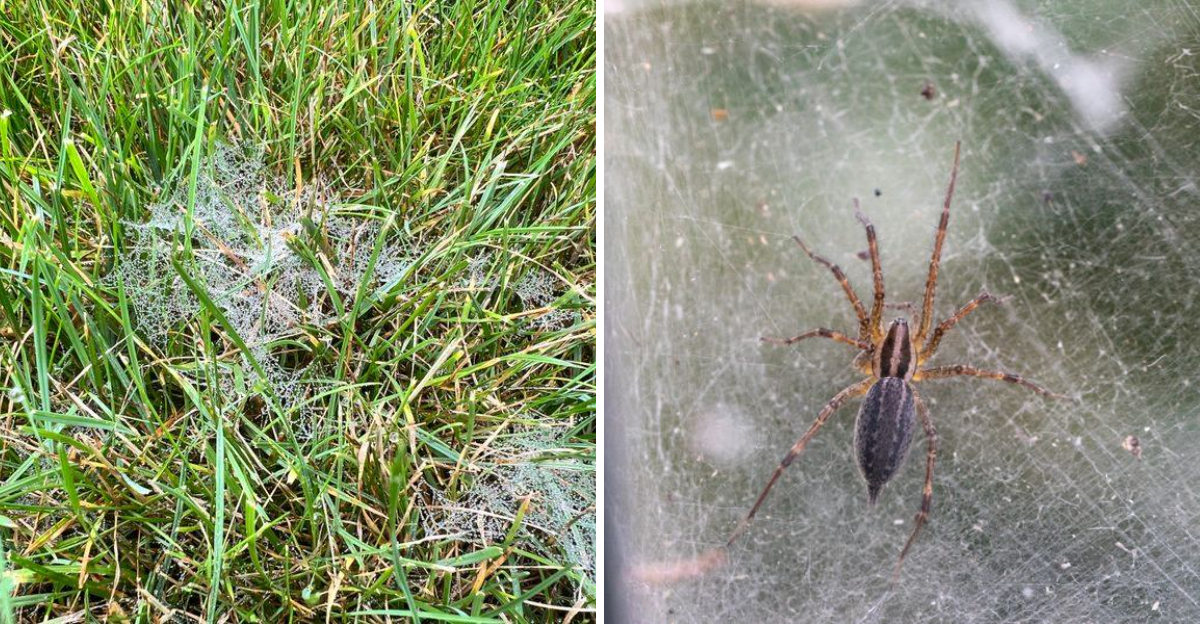
You step outside on a dewy Pennsylvania morning and the lawn looks like it’s been draped in silk overnight. Dozens of small, funnel shaped webs catching the morning light, spread across the grass in a pattern that looks almost deliberately arranged.
By midday they’ve disappeared, and then the next morning they’re back again. If you’ve been watching this happen in your yard lately, you’re witnessing something worth understanding.
Grass spiders covering a Pennsylvania lawn in webs every morning is not a pest problem. It’s not a sign that something is wrong with your yard. In fact, it’s almost the opposite.
These spiders are among the most beneficial hunters in the lawn ecosystem, and the conditions that produce large numbers of them in your yard say something specific and largely positive about what your lawn and the environment around it are currently supporting.
Beyond the ecological significance, the appearance of dozens of webs at once has a timing and a rhythm that connects to seasonal shifts most Pennsylvania gardeners don’t immediately recognize.
1. Morning Dew Is Making The Webs Suddenly Visible
Picture stepping out your front door on a cool September morning and suddenly noticing your entire lawn looks like it has been draped in tiny silver sheets. That magical sight is not a sign that something went wrong overnight.
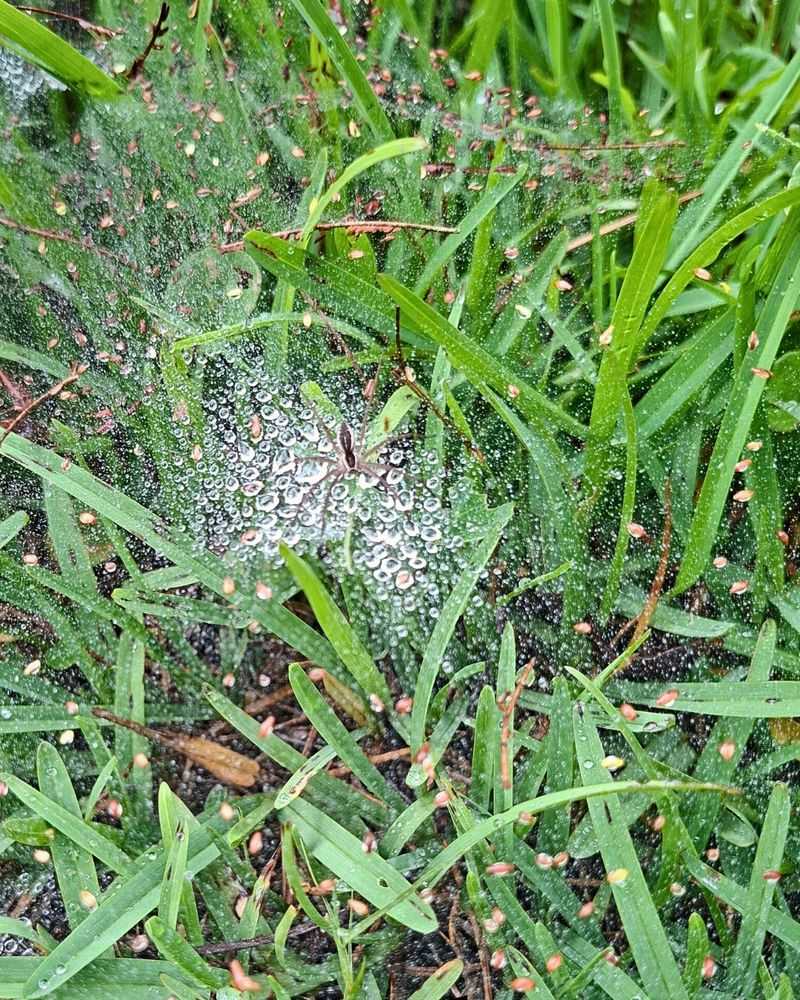
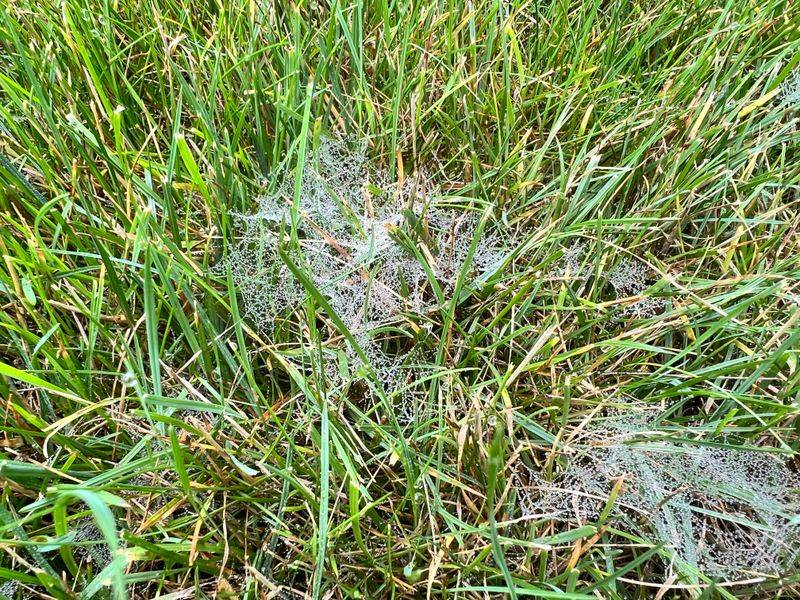
Morning dew is the real reason those webs seem to appear out of nowhere. Grass spider webs are flat and low to the ground. They blend in almost perfectly with dry grass.
You probably walk past them every single day without noticing. But when temperatures drop overnight and moisture collects in the air, tiny water droplets land on every surface, including those nearly invisible webs.
Each droplet clings to the silk threads and catches the morning light. Suddenly, webs that were completely hidden are now sparkling and easy to spot from across the yard. It can feel like hundreds of spiders showed up at once.
Here is the truth: most of those webs were already there before the dew arrived. The spiders built them days or even weeks earlier.
Dew just works like a highlighter, making the silk stand out against the green grass background.
This same effect happens on fences, bushes, and garden plants. Anywhere a spider has been busy spinning, the dew will reveal it. The webs look delicate and even beautiful when the sun hits them just right.
So if you only notice the webs on cool or foggy mornings, that is perfectly normal. As the sun rises and the dew evaporates, the webs will seem to disappear again. Nothing changed except the moisture in the air.
2. Your Lawn Has A Healthy Grass Spider Population
Grass spiders are one of the most common spiders found across Pennsylvania. They belong to the family Agelenidae, and they are well-suited to life in grassy yards, meadows, and garden borders.
Seeing lots of their webs on your lawn is actually a sign that your yard is doing well as a natural habitat.
Your Pennsylvania Garden Changes Every Week. Your Plan Should Too.
Gardening in Pennsylvania changes quickly throughout the season. Every Friday you’ll receive a simple weekly plan showing exactly what to plant, prune, fertilize, harvest, and protect so you never miss the right timing.
These spiders build a very recognizable type of web. It is flat and sheet-like, spreading horizontally just above the soil and grass.
At one end of the sheet, there is a small funnel or tube shape that the spider uses as a hiding spot. That funnel is where the spider waits, completely out of sight, until something lands on the web.
Grass spiders are not aggressive. They spend most of their time tucked inside that funnel, staying hidden from both prey and predators. You might never even see the spider itself, just the web it built.
A lawn with many grass spider webs is a lawn that offers good shelter, plenty of ground cover, and a steady supply of food. These conditions are signs of a balanced outdoor environment.
Sparse, over-treated lawns often have far fewer spiders because there is simply less for them to work with.
Pennsylvania has several species of grass spiders, with Agelenopsis being the most frequently spotted genus. They are brownish with light and dark stripes running along their bodies.
Up close, they are actually quite interesting to look at, though most people never get the chance since the spiders retreat so quickly.
A yard full of grass spiders is a yard that is alive and functioning the way nature intended it to.
3. There Are Plenty Of Insects For Them To Hunt
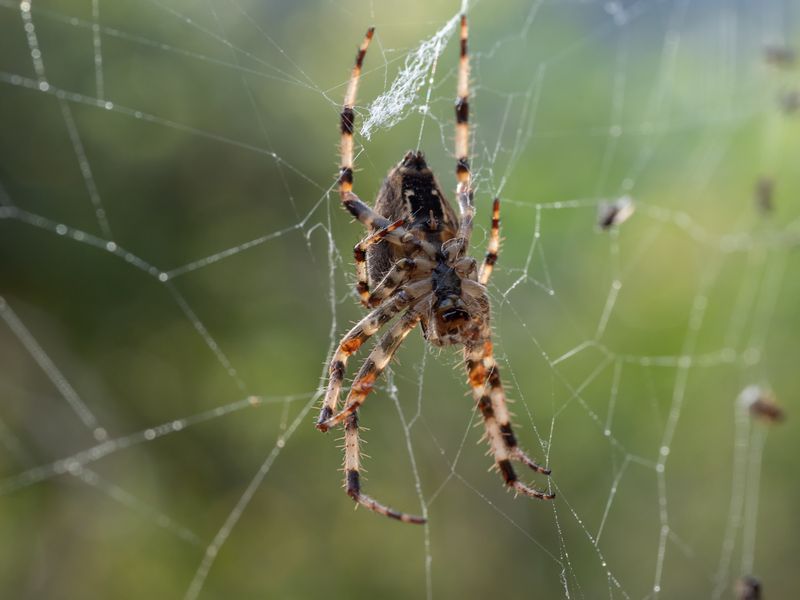
Grass spiders do not use sticky silk the way orb weavers do. Their flat sheet webs work differently, and it is a pretty clever system once you understand it.
Above the flat sheet, the spider strings a series of loose, irregular threads called knockdown lines.
When a flying or jumping insect hits one of those upper threads, it loses its balance and falls down onto the flat sheet below. The surface of the sheet is not sticky, but the spider is incredibly fast.
The moment prey lands on the web, the grass spider rushes out from its funnel and grabs it before it can escape.
Speed is everything for these spiders. They are among the fastest-moving spiders you will find in a Pennsylvania yard. That quickness makes up for the lack of sticky silk.
The fact that your lawn is covered in webs means there are plenty of insects around to make building those webs worthwhile. Grass spiders are smart hunters in a simple way.
They do not waste energy building webs where food is scarce. If the webs are there, the insects are there too.
Common prey includes small flies, gnats, leafhoppers, and other soft-bodied insects that live close to the ground.
Many of these insects are the same ones that can damage grass, garden plants, and flowers. So the spiders are quietly doing pest control work every single night.
Seeing a lot of webs in the morning means your lawn is full of life at ground level. The spiders are simply responding to the food supply your yard naturally provides, which is a completely healthy cycle.
4. Late Summer Is Prime Grass Spider Season
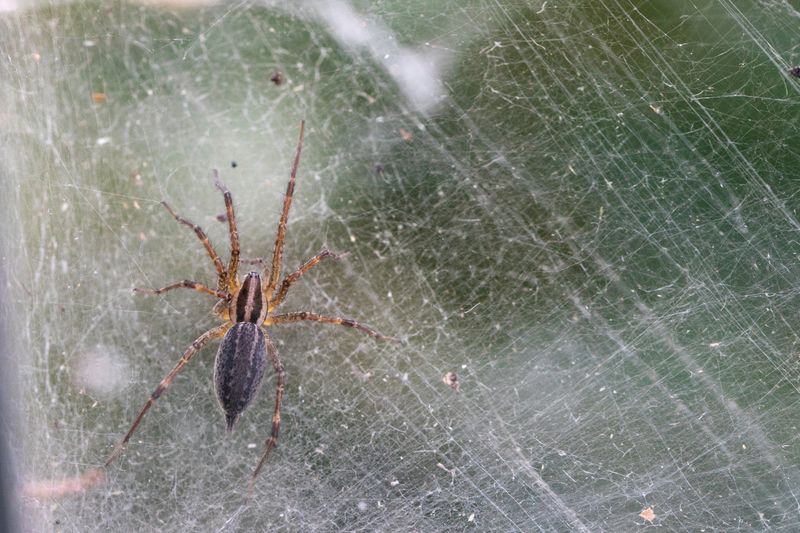
Late summer is when grass spiders really steal the show in Pennsylvania. From around July through October, these spiders are at their largest and most active.
If you feel like you never noticed them before August, that is because younger spiders earlier in the year are much smaller and build tinier webs that are even harder to spot.
By late summer, grass spiders have had months to grow and mature. The adults are bigger, and their webs are bigger too.
A full-grown grass spider can build a web that stretches several inches wide, sometimes even wider. That size makes the dew-covered webs very easy to see on a cool morning.
Mating season also ramps up during this time. Male grass spiders leave their own webs and wander in search of females.
This is one of the few times you might actually see a grass spider moving around in the open rather than hiding in its funnel. Males are a little smaller than females and move quickly across the lawn.
Females spend the late summer and fall preparing egg sacs. Each sac contains dozens of eggs, wrapped in silk and hidden in a protected spot near the web.
The eggs will survive the winter and hatch the following spring, starting the whole cycle over again.
This seasonal peak is perfectly normal and happens every year across Pennsylvania. The webs you see in late summer represent a population that has been building all season long.
By the time frost arrives, most adult grass spiders will have finished their life cycle, and the webs will fade away on their own.
5. The Webs Are Not Damaging Your Grass
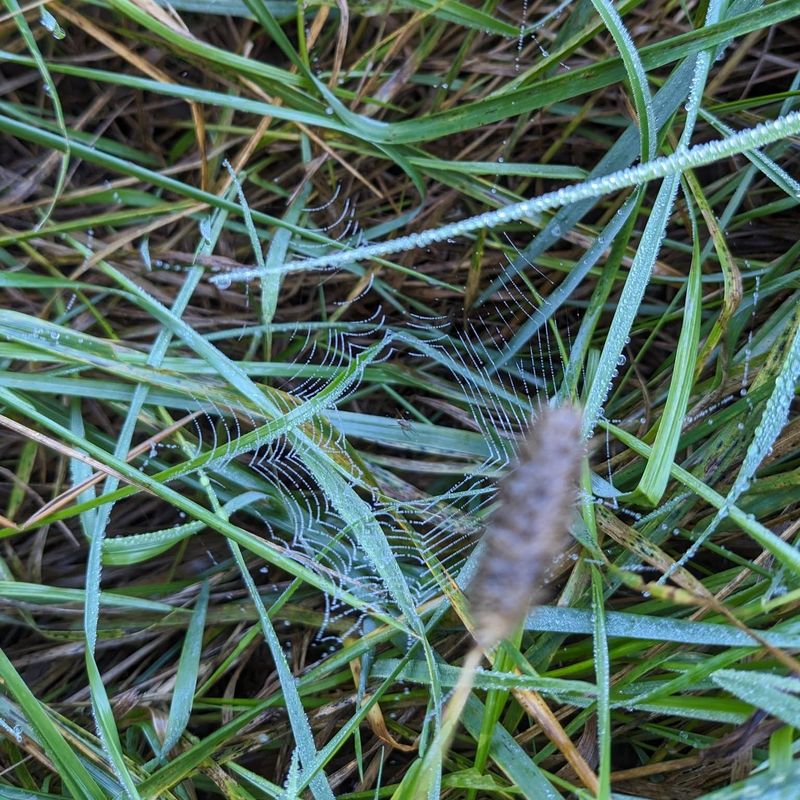
One of the most common worries homeowners have when they see webs all over their lawn is that something must be wrong with the grass itself. It is easy to imagine that a spider infestation might be smothering the turf or causing some kind of disease.
Thankfully, that is not what is happening at all. Grass spiders are predators. They eat insects.
They have no interest in your grass blades, your soil, or your plant roots. The web simply rests lightly on top of the turf and does not attach in any way that would harm the grass beneath it.
Think of the web like a very thin piece of tissue paper laid across the lawn. It sits on top, lets light and air pass through, and disappears completely once the dew dries. The grass underneath continues to grow exactly as it normally would.
Webs covering your lawn are not a sign of lawn disease, fungal infection, or insect infestation in the grass itself. Those problems have very different symptoms, like brown patches, slimy spots, or visible damage to the grass blades.
A spider web looks nothing like any of those issues. Some people worry that the webs might block sunlight from reaching the grass. The silk threads are so thin and spaced so far apart that they cast almost no shade at all.
Grass growing under a spider web gets just as much sun as grass growing anywhere else in the yard.
Your lawn is fine. The spiders chose it because it is healthy enough to support the insects they need. That is actually something to feel good about as a homeowner.
6. You Usually Do Not Need To Get Rid Of Them
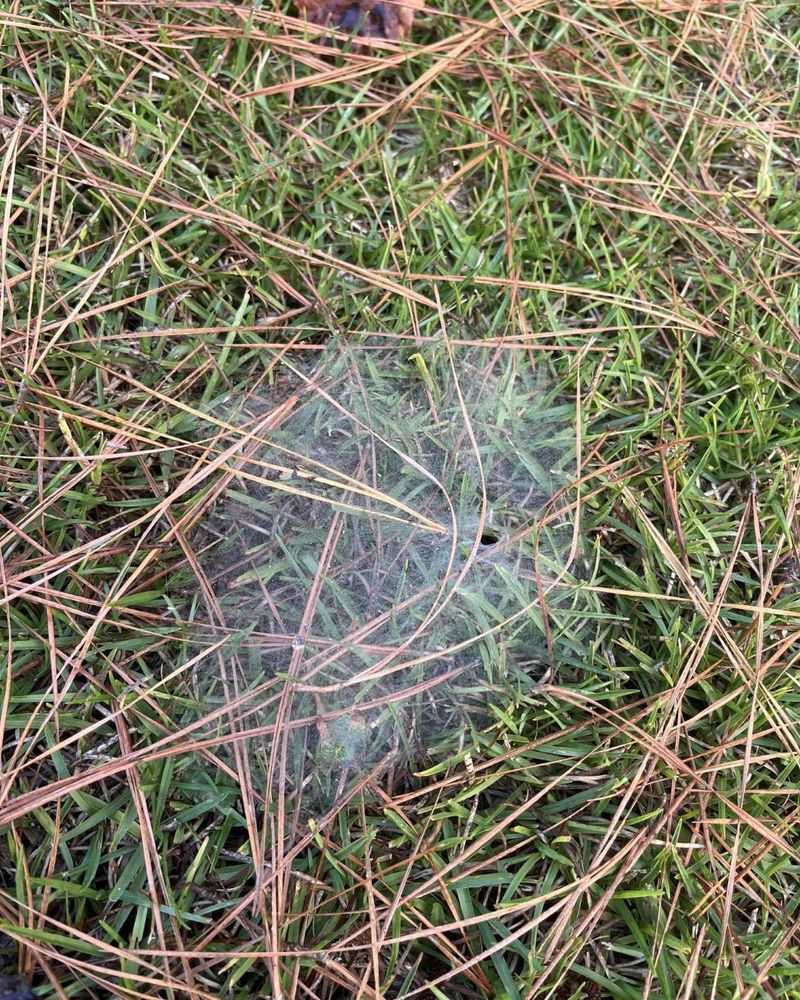
Grass spiders have a reputation that is much scarier than they deserve. Most people see a spider and immediately want it gone.
But grass spiders are genuinely shy creatures that want nothing to do with people. They retreat into their funnel the moment they sense vibration or movement nearby.
Bites from grass spiders are extremely rare. They are not aggressive, and they do not seek out humans.
Even if one were accidentally picked up, it would almost always try to escape rather than bite. For most healthy adults, a bite would cause only minor, short-term irritation similar to a small bee sting.
Beyond being harmless, grass spiders are genuinely helpful. Every night, they are trapping and consuming large numbers of small insects around your lawn and garden.
Gnats, leafhoppers, small flies, and other nuisance bugs all end up in grass spider webs. That means fewer of those insects are around to bother you or damage your plants.
Reaching for a pesticide spray is usually unnecessary and can actually backfire. Broad pesticide use can reduce the grass spider population, which then allows the insect population to grow unchecked.
You end up with more bugs and fewer natural hunters to manage them. If the webs really bother you for cosmetic reasons, a quick sweep with a broom or a pass with a garden hose will clear them away temporarily. The spiders will not be harmed.
They will simply rebuild in the same area because that is where the food is. Letting grass spiders do their work is one of the easiest and most natural ways to support a balanced, healthy Pennsylvania yard without any extra effort on your part.