Could You Be Fined For Blowing Leaves Into The Street In Ohio
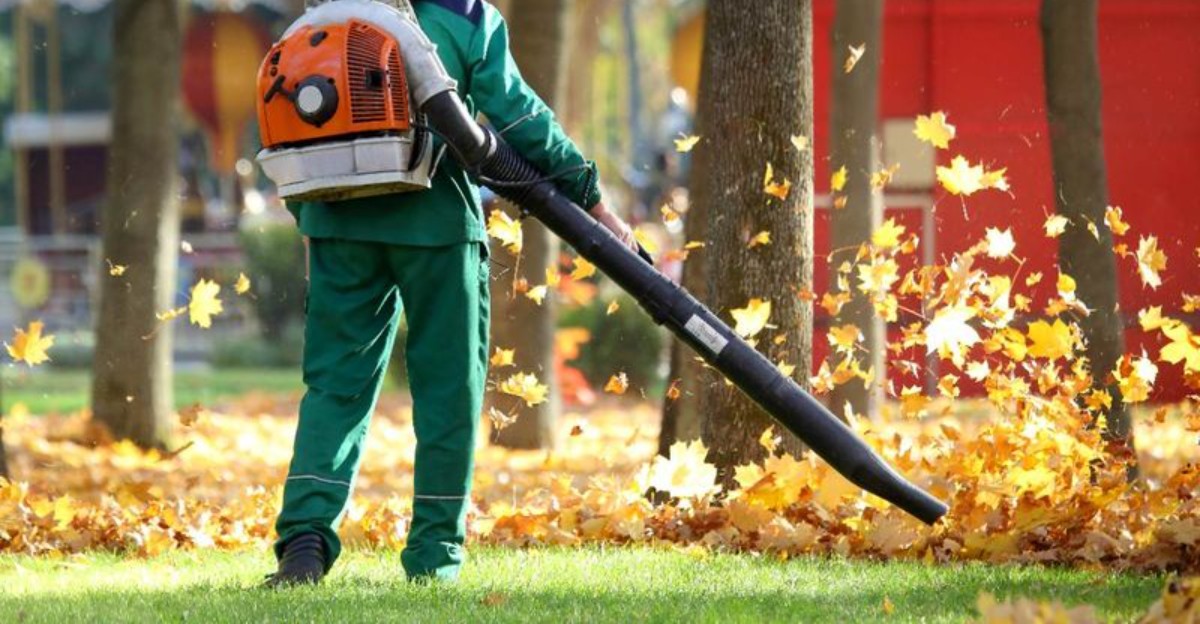
Leaf blower in hand, aimed at the street, and you might be one gust away from a fine you never saw coming.
Storm drains don’t care how satisfying that blast feels. Leaves clog them fast, and plenty of Ohio cities treat a street full of leaves as a flooding risk, not a harmless shortcut.
Citations follow more often than people expect, sometimes with zero warning first.
Rules shift block to block too. What flies in one township gets written up a few miles over, and most people never think to check before falling back on habit.
Look up your local ordinance before firing up that blower again. Convenience has a price tag here, and it’s higher than most folks assume.
1. State Law Bars Obstructions On Ohio Roads
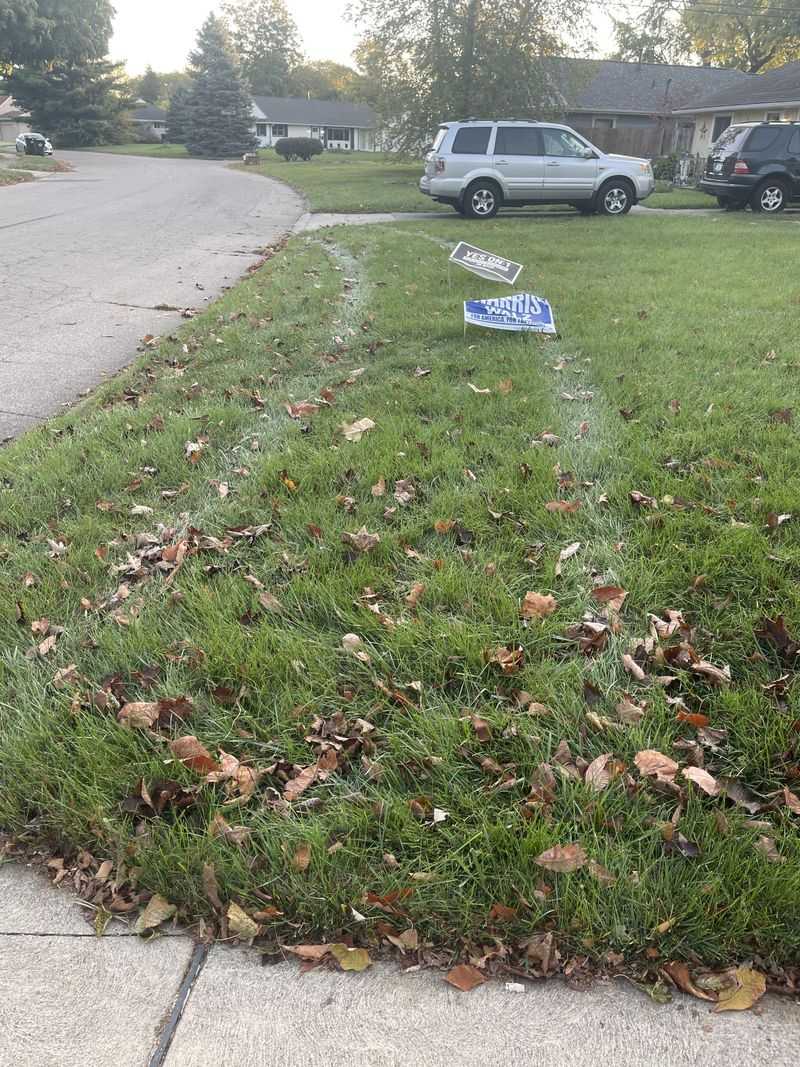
Picture a motorcyclist leaning into a turn on a rainy October evening. A slick patch of wet leaves can turn that smooth ride into a scary slide in a split second.
Lawmakers saw risks like this coming. Ohio Revised Code 4511.74 says you cannot place materials on a road, street, or alley that could hurt people, vehicles, or animals.
That same law also bars putting any obstruction on a highway without proper permission. Another rule, Ohio Revised Code 5589.01, forbids blocking or cluttering public streets and alleys inside a city or village.
Leaves are not named word for word in these laws. Still, a thick layer of them can create the exact kind of hazard the rules are meant to stop.
Drainage gets attention too. Ohio Revised Code 5589.06 makes it unlawful to block ditches, drains, or watercourses along public highways.
Out in rural areas, township highway superintendents have extra power. They can declare plant material, including leaves, a public nuisance if it blocks roads or gets in the way of maintenance.
Money matters here beyond any fine. If someone crashes on leaves you blew into the street, you could face a civil lawsuit for the damage.
So the state sets a basic floor of safety. Think of it as the starting line before local rules add more detail.
2. Your City Code Sets Most Of The Rules
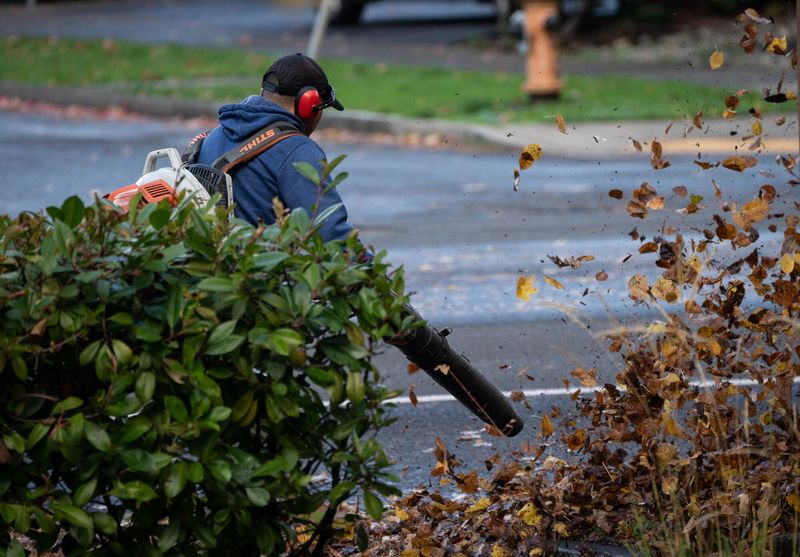
Here is a fun way to look at it. The state writes the outline, but your city colors in the picture.
Most leaf rules in Ohio come from local governments, not Columbus. Cities and villages pass their own ordinances, and many of them ban blowing leaves or grass clippings into the street.
These local codes can be tougher than state law. Some include specific fines, while others treat improper yard waste disposal as a minor misdemeanor.
Homeowners usually carry the job of keeping things tidy. In many towns, you are responsible for clearing debris from your sidewalk, curb, and gutter.
That surprises plenty of people. Lots of folks assume the city handles everything past the edge of the grass.
Rules can change just by crossing a street into the next suburb. One town may welcome loose piles at the curb, while its neighbor wants every leaf bagged.
Your Ohio Garden Changes Every Week. Your Plan Should Too.
Gardening in Ohio changes quickly throughout the season. Every Friday you’ll receive a simple weekly plan showing exactly what to plant, prune, fertilize, harvest, and protect so you never miss the right timing.
A smart move is to find your city’s codified ordinances online. Searching for terms like yard waste, leaves, or street obstruction usually brings up the right section quickly.
Calling the public works office works well too. Staff there answer leaf questions all autumn long and can explain local collection dates and penalties in plain words.
3. Sebring May Charge $150 For A First Offense
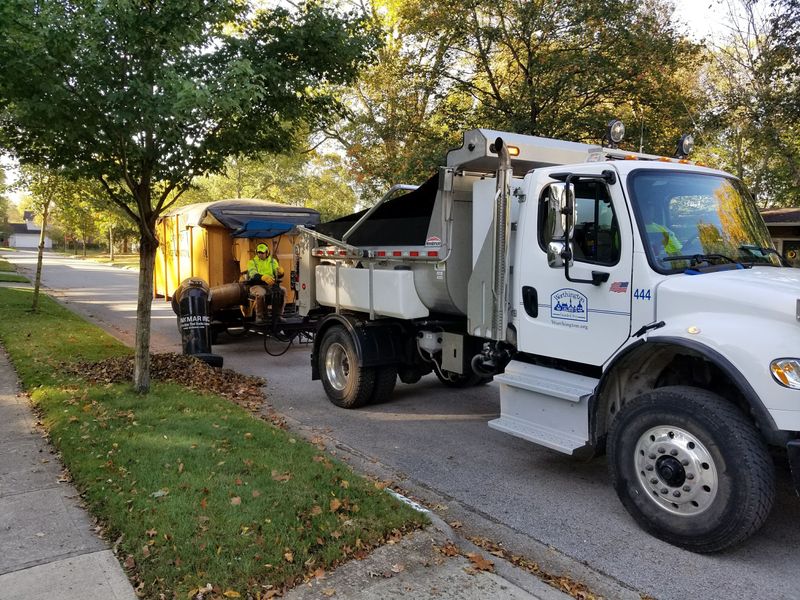
Small towns can pack a big punch. Sebring, a village in Mahoning County, has been reported to set a $150 penalty for a first leaf-related street violation.
Fine amounts can change, so confirm the current figure with village officials before counting on it.
What is clear is how Sebring wants leaves handled. The village leaf program asks residents to bag leaves and set them at the curb on collection days.
Loose piles in the road are not part of that plan. Bagging keeps the street open and helps crews load material quickly.
The village also steps up its street sweeping each fall. More frequent sweeper runs help catch stray leaves before they choke drains and cause backups.
Imagine spending $150 just to move leaves ten feet. That money could buy a sturdy rake, a stack of paper yard bags, and a pizza for your helpers.
Fines like this one show that small communities take leaf control seriously. Fewer workers and tighter budgets mean every clogged drain costs them more.
If you live in Sebring, ask the village office for the current fine and schedule. A short phone call beats a surprise ticket.
4. Repeat Offenders Can Face Steeper Fines
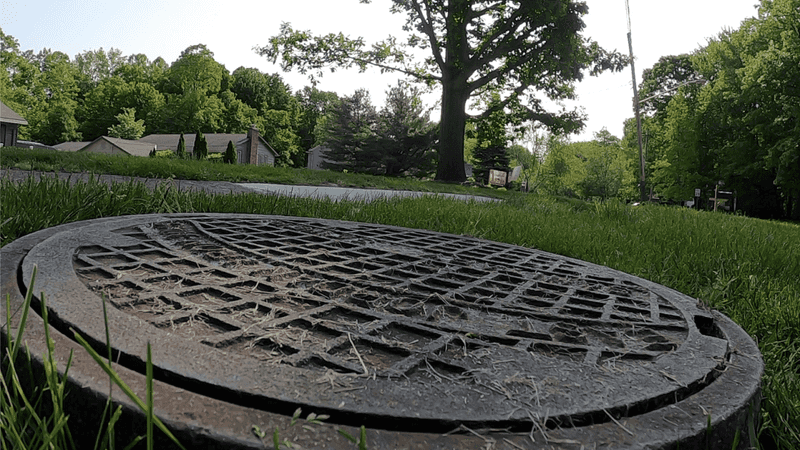
Getting caught once is a lesson. Getting caught twice can feel more like a bill that keeps growing.
Mentor, a city in Lake County, updated its rules to add enhanced penalties for blowing yard waste into the street. A first violation may lead to a minor misdemeanor charge.
After that, the stakes can climb. Later offenses may bring higher penalties, which gives residents a strong reason to change habits fast.
Akron has its own twist on timing. Residents may face a fine for raking leaves into the street after collection crews have already cleared their block.
That rule makes a lot of sense when you think about it. Crews cannot circle back to every street, so late piles just sit there and wash into drains.
Many cities use this step-by-step approach. A warning or small fine comes first, and bigger consequences follow if the problem continues.
Keep any notice you receive and read it carefully. It often lists the exact ordinance, the fine amount, and how to fix the issue.
Neighbors sometimes report repeat problems, especially after flooding. Staying friendly and following the rules keeps both your wallet and your block relationships in good shape.
5. Akron Allows Street Piles Only The Day Before Pickup
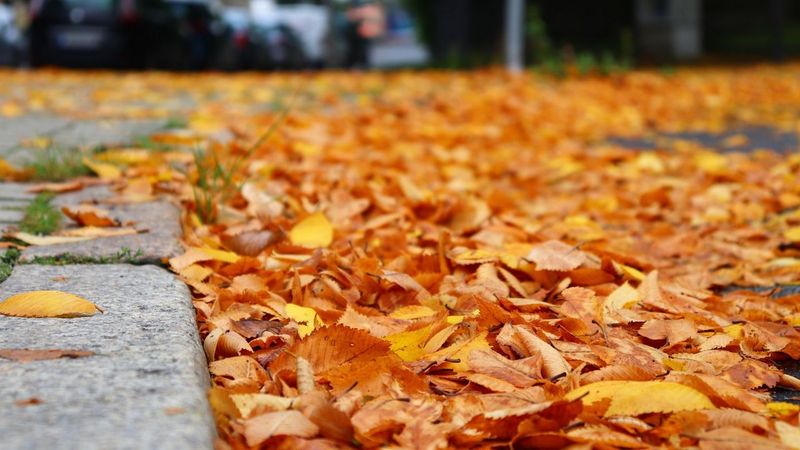
Akron plays by the calendar. Residents can rake leaves into the street, but only the day before their scheduled pickup.
Placement matters too. Piles should sit no more than two feet from the curb, leaving room for traffic to pass safely.
On pickup day, keep cars off the street. Parked vehicles block the big leaf trucks and can force crews to skip your area.
One safety tip stands out above the rest. Do not park over dry leaf piles, because a hot exhaust system can spark a fire.
That warning is not just a scare tactic. Catalytic converters can get hot enough to ignite crispy leaves in a few minutes.
Missed the window? Akron offers three free bulk curb pickups each year, and bagged leaves count.
Planning ahead makes the whole process easier. Check the city schedule, mark your street’s date, and save the heavy raking for the evening before.
Kids can help by making piles and spotting stray leaves near drains. Just remind them to stay out of the street once traffic starts.
Following Akron’s timing keeps your block clean and your record clear. It also helps crews finish faster across the whole city.
6. Rake Leaves To The Tree Lawn, Not The Road
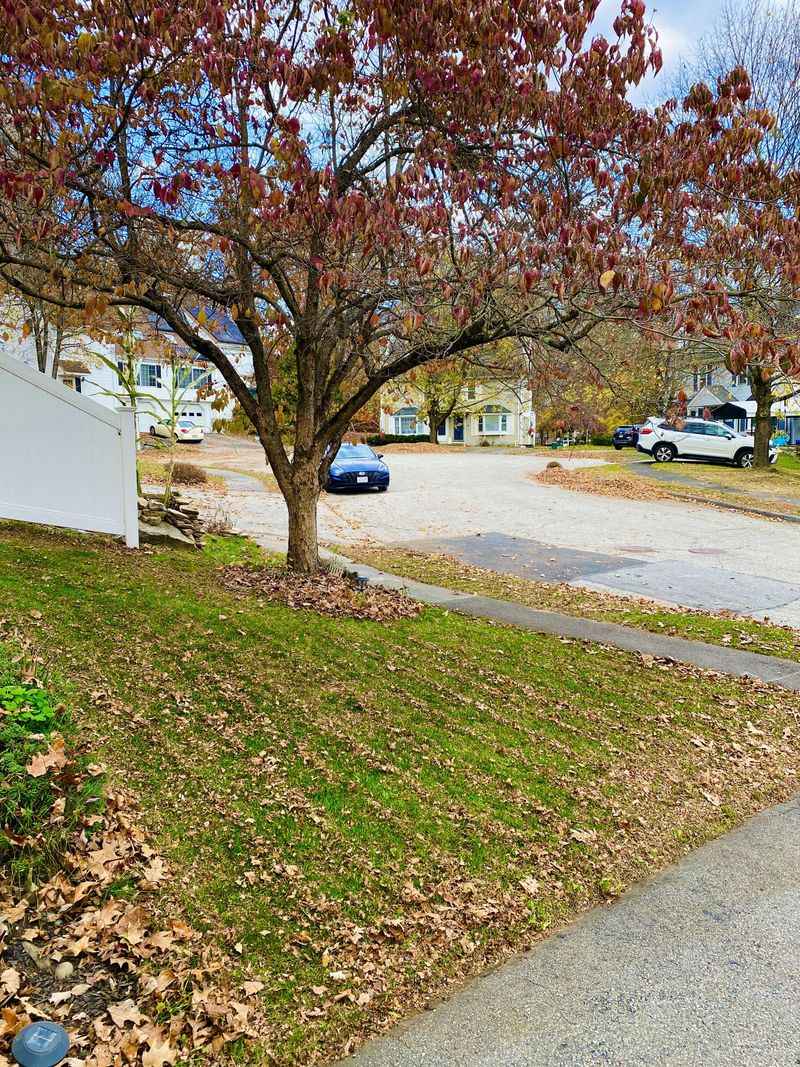
Every neighborhood seems to have that skinny strip of grass between the sidewalk and street. Locals call it the tree lawn, and it might be your best friend in October.
Richmond Heights, Lakewood, Bay Village, and Centerville ask residents to place leaves there. Keeping piles off the pavement protects drains, drivers, and people on foot.
Bowling Green goes further and bans raking leaves into the street. City leaders point to blocked drainage and the fire risk from parked cars.
Cleveland has shifted to bagged collection. Loose leaves on the tree lawn or in the street will not be picked up there and may cause blockages.
So the rule of thumb depends on where you live. Tree lawn piles work in many towns, while bags are required in others.
Not every leaf needs to leave your yard, either. Running a mower over a thin layer chops leaves into tiny bits that feed your grass.
Composting is another handy choice. Shredded leaves mixed with kitchen scraps turn into rich soil for spring gardens.
You can also tuck leaves around flower beds as free mulch. They hold moisture, block weeds, and save you a trip to the store.
7. Clogged Storm Drains Lead To Flooded Streets
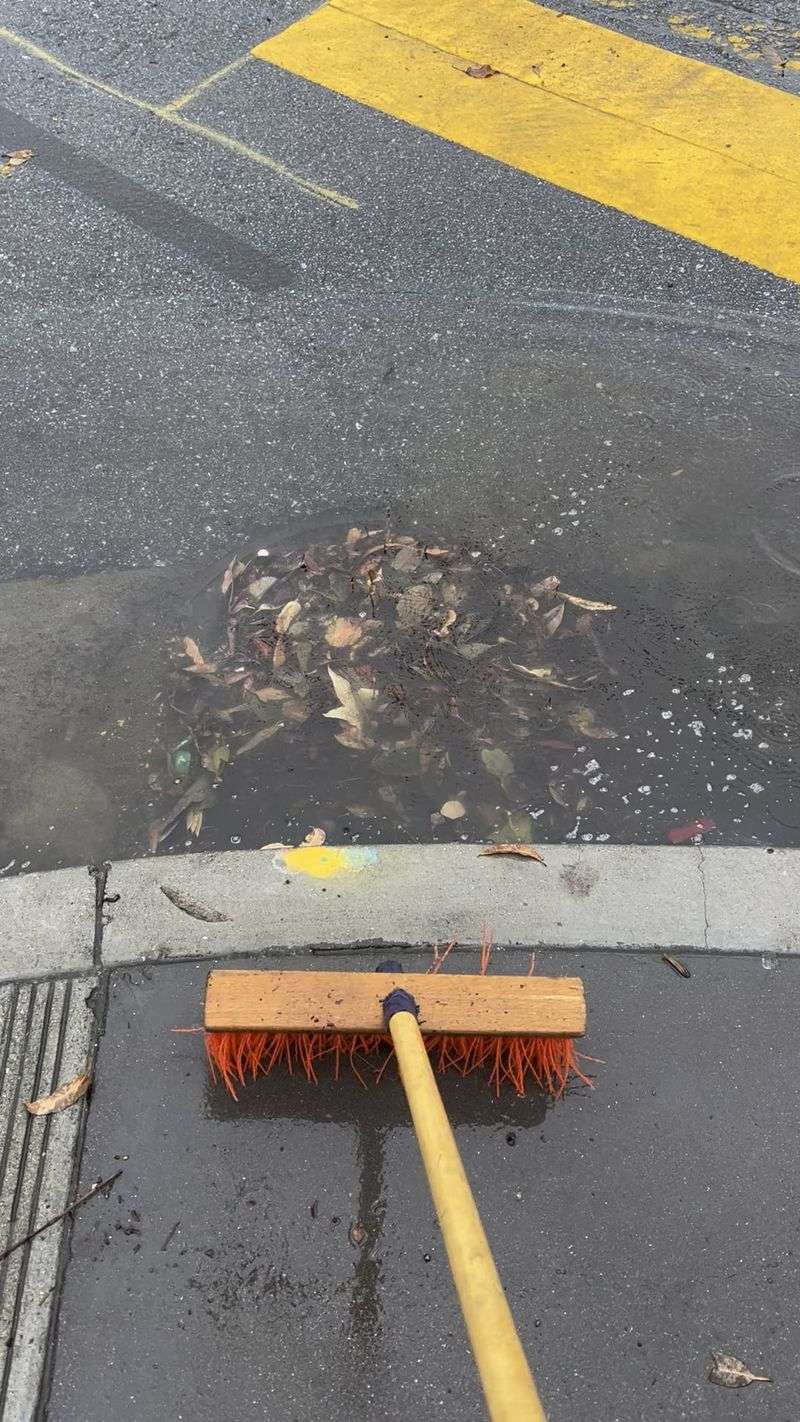
Ever watched a puddle swallow half a street after a fall storm? Odds are good that a pile of soggy leaves is sitting on top of the drain.
Leaves are a major cause of local flooding. When too many slip into storm drains, water cannot move through the pipes.
That water has to go somewhere. It backs up onto roads, spills across lawns, and can even creep into basements.
Nobody wants to mop up a basement in November. A few minutes of clearing a drain grate can prevent hours of cleanup later.
Storm sewers work like a network of straws. One clog can affect homes farther down the line, not just the house closest to the drain.
You do not need to live by a creek to make a difference. Leaves from any street can travel through the system and cause trouble miles away.
Here is an easy habit to start. Before a big rain, grab a rake and gently pull leaves off the drain nearest your home.
Stay safe while you do it. Wear gloves, watch for traffic, and skip the job during heavy storms or fast-moving water.
8. Leaves In Storm Drains Can Feed Algae Blooms
Think of a wet leaf pile as a giant tea bag. Rain soaks through it and pulls out phosphorus and nitrogen, creating what scientists call leaf tea.
That brown brew does not stay put. It flows through storm sewers and pours straight into creeks, rivers, and lakes.
Plants love those nutrients, and so do algae. Too much of them can spark algae blooms that turn water bright green.
Blooms are more than an eyesore. They can smell awful and lower oxygen levels, which harms fish and other water life.
Some blooms bring real health concerns. Blue-green algae, also called cyanobacteria, can be toxic to people, pets, and wildlife.
Ohioans know this problem well. Lake Erie has faced large algae blooms that affected drinking water and summer fun along the shore.
The good news is that small actions add up. Removing leaves from the street before it rains can greatly cut the phosphorus reaching city stormwater.
So that pile near the curb connects to a much bigger picture. Keeping it out of the gutter helps protect the lakes where your family swims, fishes, and boats.
9. Check Your City’s Leaf Rules Before You Blow
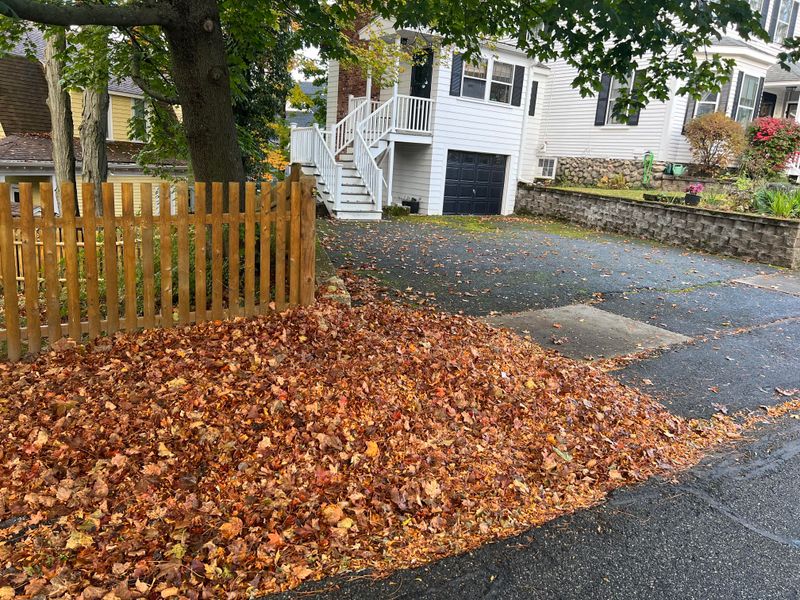
Before you fire up that blower, take thirty seconds to look things up. A quick search could save you money, stress, and an awkward chat with a neighbor.
Leaf rules across Ohio vary a lot. Some places allow short-term street piles before pickup, while many others say no because of safety and water concerns.
Your best source is your local public works department. Most cities post fall collection maps, dates, and bagging rules on their websites.
Township residents should check with township trustees or road crews. Rural areas often run things differently than big cities.
Here is a simple checklist to follow. Find out if leaves go in bags, on the tree lawn, or in the street, and learn your pickup dates.
Also ask about fines and repeat penalties. Knowing the stakes makes it easier to plan your weekend raking.
Consider signing up for city text or email alerts. Many towns send reminders when crews are heading to your neighborhood.
A little homework turns a messy chore into a smooth routine. Your street stays clear, your drains keep flowing, and your wallet stays happily full.