Georgia Gardeners Should Add Pine Straw Mulch Around Azaleas This November
Most of the fine roots on a mature shrub in my yard sit in the top few inches of soil. That is shallower than many people plant their tulip bulbs.
A single hard freeze or a dry, windy week can stress them fast.
Georgia happens to grow one of the best fixes right in our own pine forests. Longleaf, slash, and loblolly pines drop their needles every fall, and growers rake and bale them by the thousands.
I love that a free gift from the trees can become a cozy blanket for a garden bed.
I think late fall is the most underrated time to tend shrubs. The air is cool, the bugs have calmed down, and the soil still holds a little warmth.
You need only a rake, a bale or two, and maybe an hour.
Your favorite spring-blooming shrubs could benefit from a little extra protection now, and those golden pine needles might be just what they need before winter arrives.
1. Those Shallow Azalea Roots Have A Weak Spot Worth Knowing
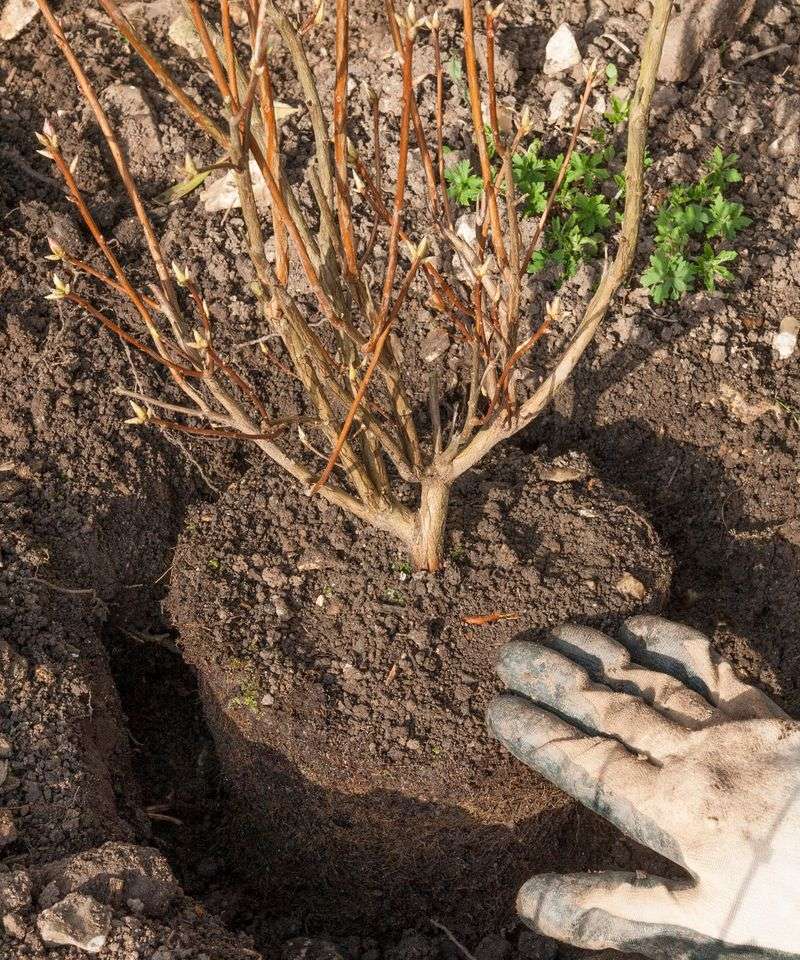
Dig gently beside an azalea and you will find something surprising. The roots form a thin, fibrous mat, mostly in the top 6 to 12 inches of soil.
University of Georgia Extension notes that this shallow habit makes azaleas sensitive to dry spells and temperature swings.
Picture those roots as a sponge sitting right under the surface. When the soil dries, they dry too.
When a cold snap hits after a mild week, they feel it quickly because nothing stands between them and the air.
I find this explains a lot of mystery problems. Brown leaf edges in late winter, weak bloom buds, and plants that look tired in spring can often trace back to stressed roots rather than a pest or disease.
Bare soil makes the problem worse. Rain splashes it, sun bakes it, and wind pulls moisture out of it.
A shrub that lives in that kind of exposed spot spends energy coping instead of building flower buds for next year.
A protective layer on top changes that story. It shades the surface, slows evaporation, and softens sudden shifts in temperature.
Pine straw is one of the best options for this job, and it does a few extra favors too.
2. Pine Straw Is The Mulch Azaleas Seem Made For
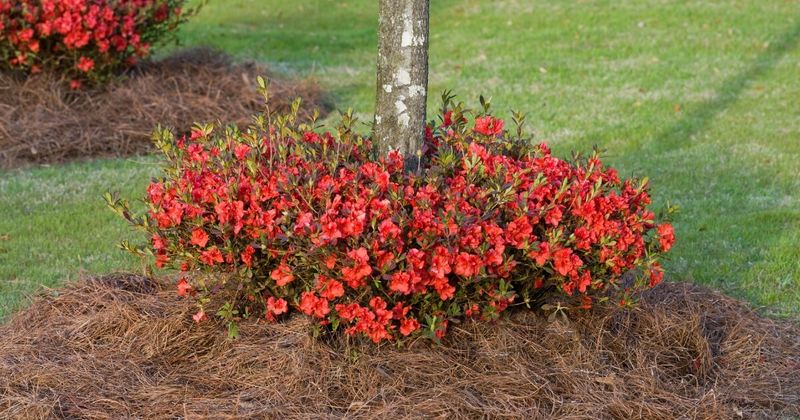
Southern landscapers have trusted pine needles for generations, and there is solid reasoning behind it. The long needles knit together into a loose mat that stays put on slopes and lets rain and air pass through easily.
That airflow matters for azaleas. Their roots need oxygen, and heavy mulches that pack down can smother them.
Pine straw stays light and fluffy, so water soaks in instead of running off or pooling.
UGA Extension lists pine straw among the recommended organic mulches for shrub beds. It is also lightweight, easy to spread by hand, and widely sold across the state in bales.
Many gardeners believe pine needles make soil strongly acidic. Research shows the effect is small, so think of pine straw as a friendly match for acid-loving shrubs rather than a soil fixer.
If your pH is truly high, a soil test through your county Extension office will guide you better.
Personally, I love the warm color it adds to winter beds. Fresh straw has a reddish glow that makes azalea leaves look extra green.
It looks tidy, natural, and finished without much fuss.
3. Spreading A Pine Straw Bale Around Azaleas The Right Way
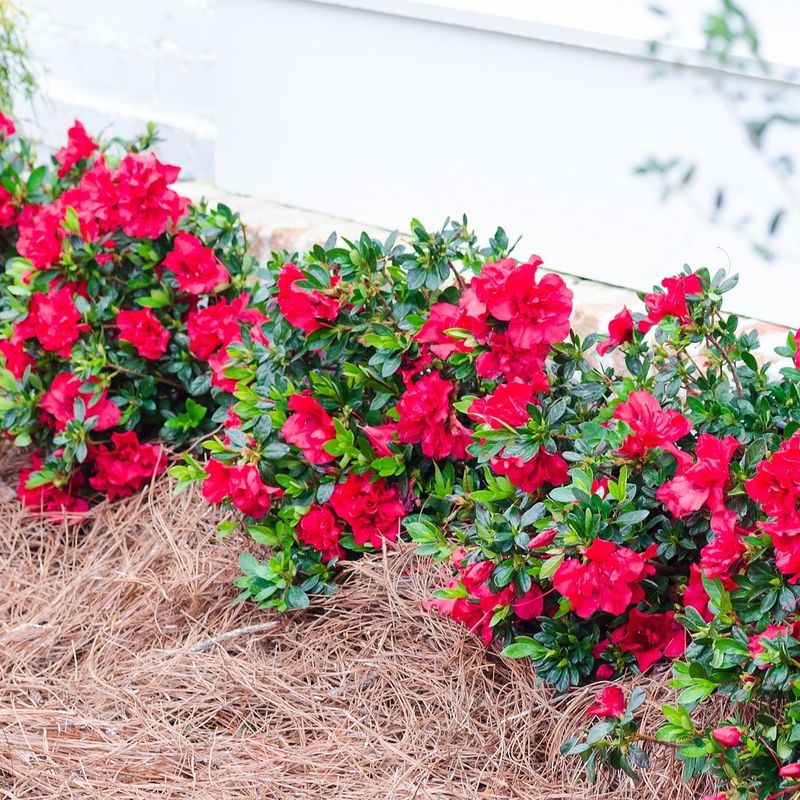
Cut the twine on a bale and you will see the needles pressed into tight flakes. Pull off a handful, shake it loose, and toss it over the soil like you are fluffing a pillow.
Aim for about 3 to 4 inches of fresh straw. Pine straw settles quickly, often down to 2 or 3 inches, which is the depth many Extension specialists suggest for shrub beds.
Too thin and weeds poke through, while too thick can keep soil overly wet.
Leave a small gap of a few inches around the main stems. Mulch piled against the bark holds moisture there and can invite rot and critters.
Spread the layer out to the drip line, the edge of the outer branches. That is where many feeder roots reach.
A wider ring gives more roots protection.
For a clean edge, tuck the straw along the bed border with a rake or your hands. One bale typically covers roughly 40 to 50 square feet, depending on depth and needle type.
Buy one extra so you are not running to the store halfway through.
4. November Gives Azalea Beds A Head Start Before Winter
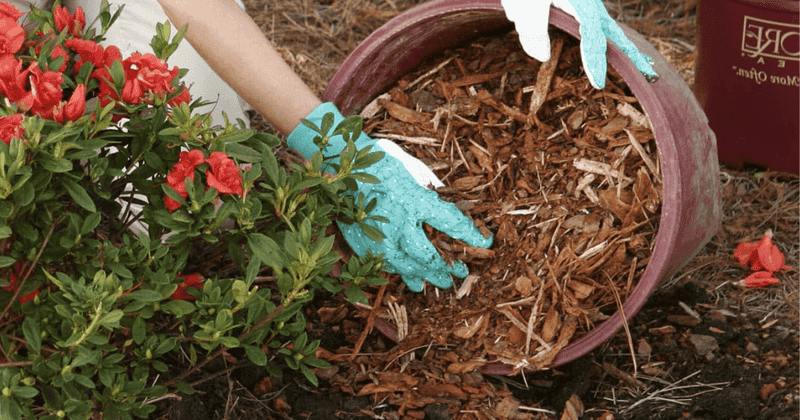
November in the Peach State is a sweet spot for yard work. Days are pleasant, soil is still slightly warm, and azaleas have already set next spring’s flower buds.
Fresh pine straw now acts like a jacket before the cold arrives. North Georgia mountain towns can see hard freezes in late fall, while coastal areas swing between mild afternoons and chilly nights.
Either way, mulch steadies root temperatures.
Timing also fits the pine schedule. Many Southern pines shed heavily in fall, so new bales are often fresh and plentiful at garden centers this time of year.
I like doing it after raking leaves. The bed is already clean, and you can see exactly where the old mulch has thinned.
Pull any weeds first so the new layer sits on bare, tidy soil.
Water deeply before spreading if the ground is dry. Fall droughts are common in parts of the state, and mulch works best when it locks in moisture that is already there.
Then sit back, because the shrubs handle the rest over winter.
5. Moisture Stays Put Under A Pine Needle Layer
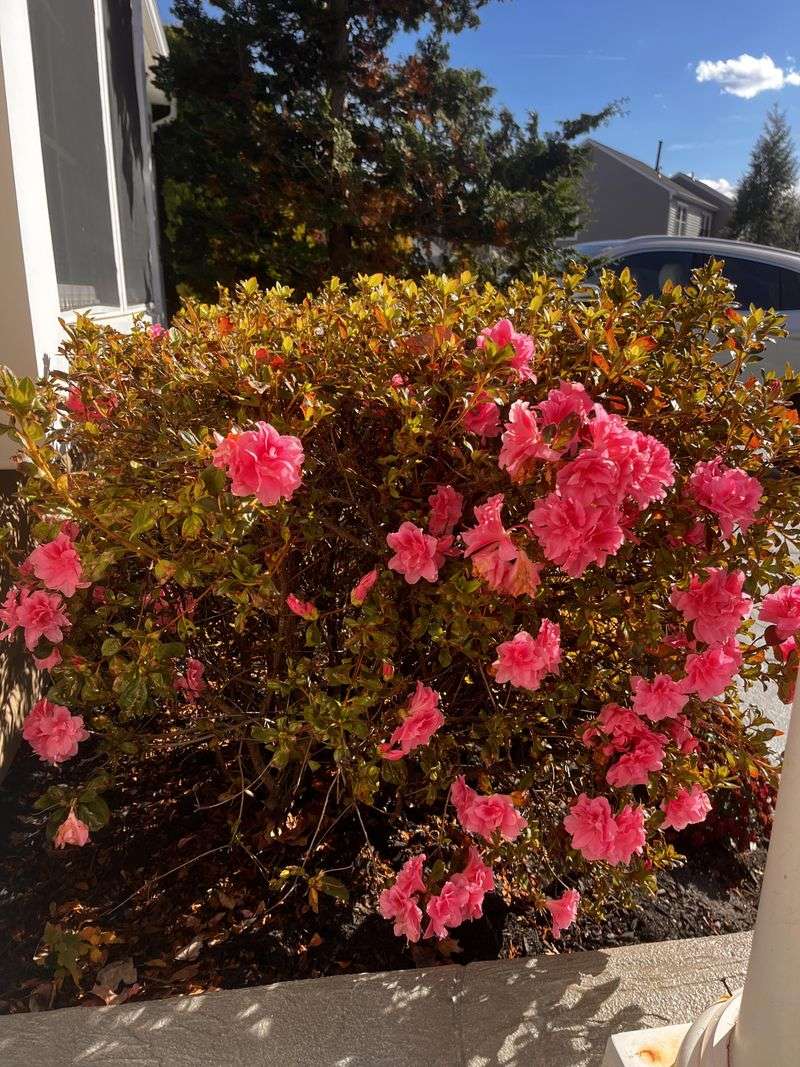
Lift a corner of pine straw after a sunny week and the soil underneath often feels cool and damp. Bare soil a few feet away may be dusty.
That difference is the whole point.
Mulch shades the ground and blocks wind, two of the biggest causes of water loss. Studies on organic mulches show they reduce evaporation and keep moisture more even between rains.
Azaleas really need that balance. They dislike soggy feet, yet their thin roots struggle in dry soil.
Winter can surprise people here, since evergreen azalea leaves keep losing water even when it is cold.
A dry, windy stretch in January can leave leaves curled and bronzed. Moist soil under mulch helps roots replace that water.
You may find yourself reaching for the hose less often, which saves time and money.
Check moisture once in a while anyway. Push a finger a couple of inches into the soil under the straw.
If it feels dry during a long rainless spell, give the bed a slow, deep soak.
6. Fewer Weeds Pop Up Through Thick Pine Straw
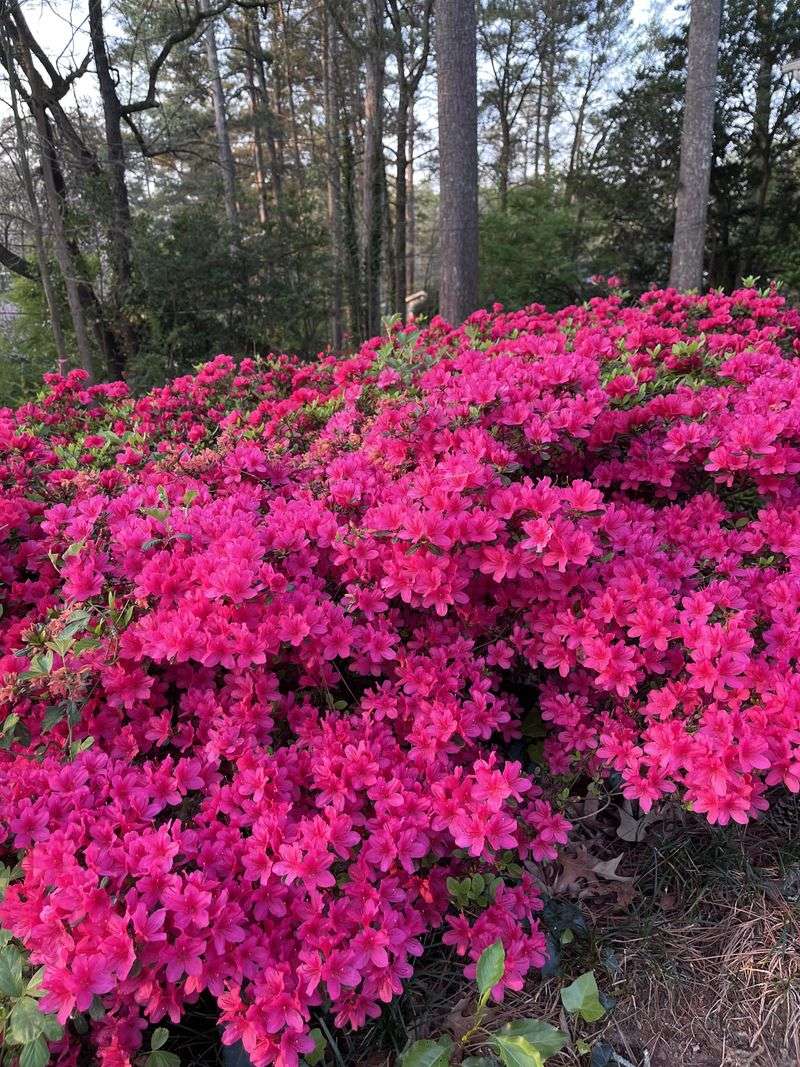
Winter weeds are sneaky. Chickweed, henbit, and annual bluegrass sprout in cool weather across Georgia lawns and beds, then explode in early spring.
A thick layer of pine needles blocks light from reaching many of those tiny seeds. Without sunlight, lots of them fail to sprout or stay weak.
The weeds that do push through pull out easily from loose straw.
That is a big win for azaleas. Their shallow roots dislike hoeing or deep digging, which can tear the feeder roots.
Mulch reduces the need to disturb the soil at all.
Fewer weeds also means less competition. Every weed in the bed sips water and nutrients that your shrubs could use.
Clearing them out lets azaleas keep more resources for leaves and buds.
Here is a tip I swear by. Pull existing weeds before you spread the new layer, roots and all.
Mulch works best at stopping new weeds, not smothering big ones already growing. A few minutes of prep now saves hours of pulling come March.
7. Watch Out For Volcano Mulch Around Azalea Stems
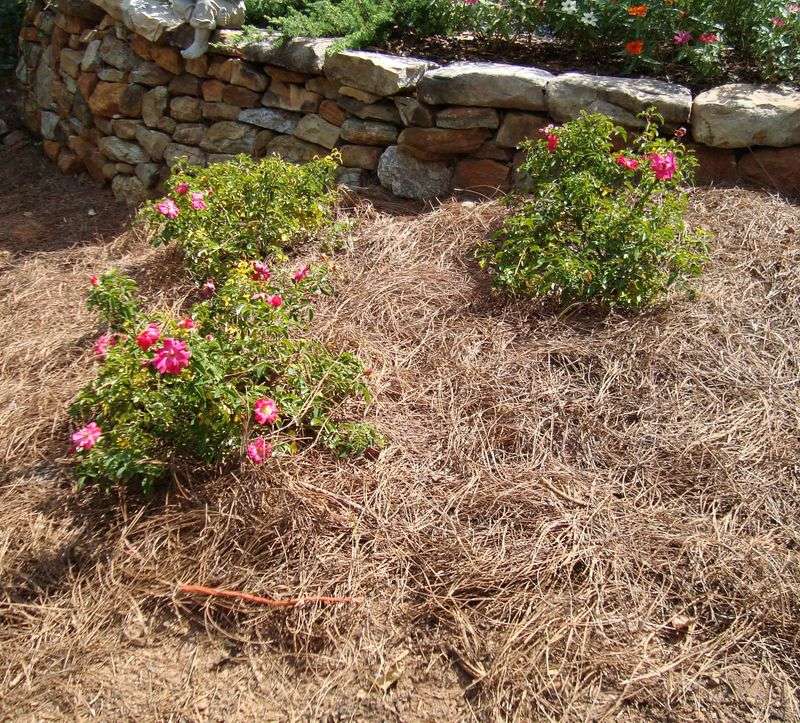
Ever seen mulch heaped against a shrub like a little mountain? Landscapers jokingly call it volcano mulching, and Extension experts warn against it.
Piled straw traps moisture right against the bark. Over time, that can soften stems and open the door to rot, fungus, and gnawing rodents looking for a cozy winter hideout.
Another common slip is stacking year after year without checking depth. Old layers break down into a dense mat that can shed water or hold too much.
Before adding fresh straw, rake back the old layer and see how thick it really is.
Fire safety deserves attention too. Dry pine straw catches flame easily, so keep it a few feet away from house siding, dryer vents, and outdoor grills.
Georgia Forestry Commission guidance on firewise landscaping suggests a mulch-free zone next to buildings.
Finally, skip piling straw over the crowns of newly planted azaleas. A gentle, even layer works better than a deep pile.
Think blanket, not burial, and your shrubs will thank you with stronger growth and fewer surprises.
8. Your Spring Azalea Blooms Start With This Fall Chore
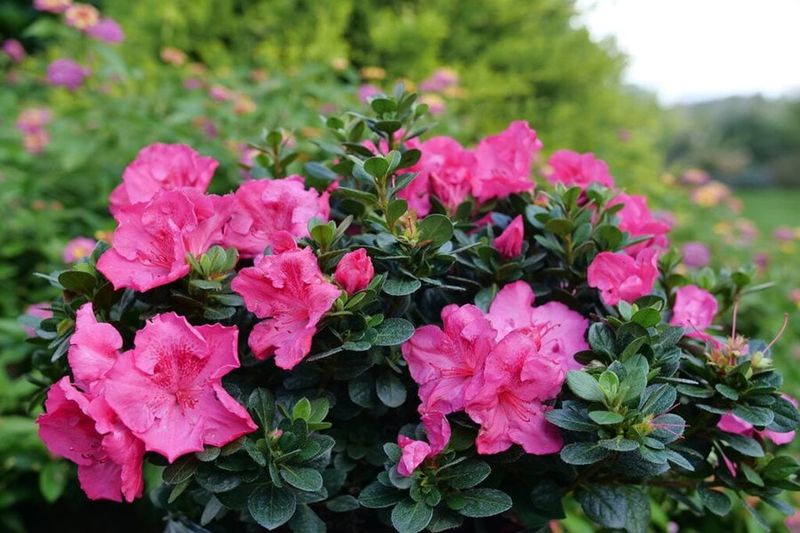
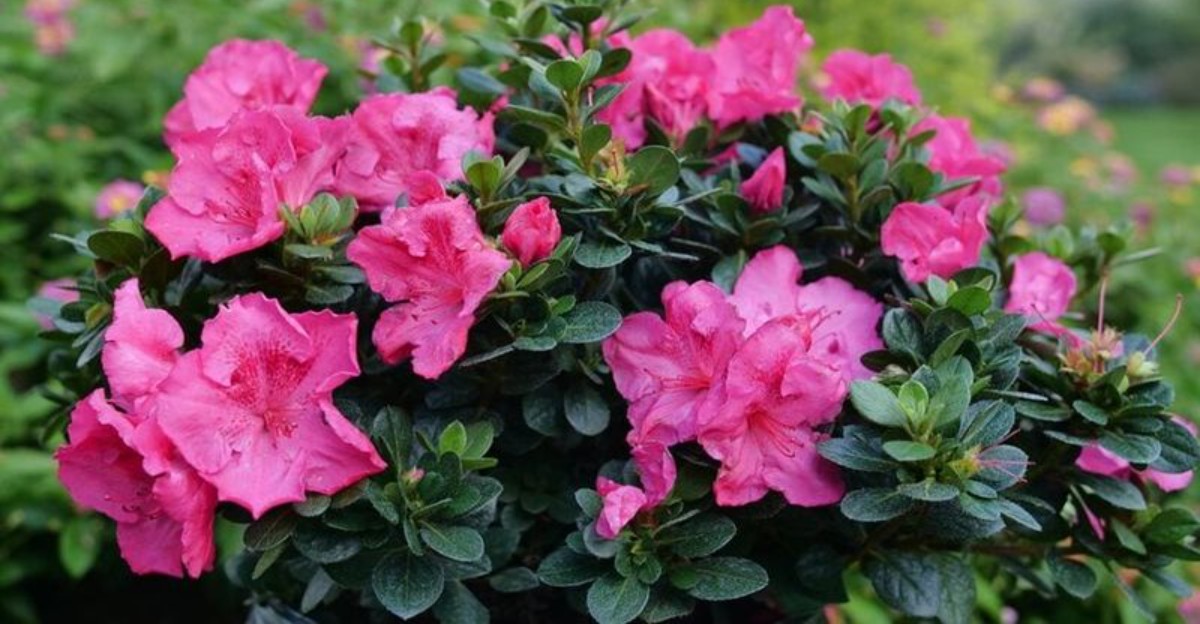
Come late March and April, azaleas turn Georgia neighborhoods into rivers of pink, white, coral, and purple. Those blooms were set last summer, and fall care helps protect them.
Healthy roots support healthy buds. When roots stay moist and steady through winter, the shrub has a much better shot at a full flower show.
Pine straw keeps giving after spring too. As needles break down, they add organic matter that improves soil structure.
Plan to top off the layer once or twice a year, often in fall and again in late spring.
A few next steps make the plan complete. Get a soil test from your county Extension office every few years.
Skip heavy fall fertilizer, since UGA suggests feeding azaleas after they bloom. Prune right after flowering, not in fall, so you keep those precious buds.
I can’t think of an easier hour of yard work with a bigger payoff. Grab a bale this weekend, spread it thoughtfully, and let winter do its thing.
Your spring porch view will be the reward.