The Plant-Wilting Mistake California Gardeners Make Right After A Heat Wave
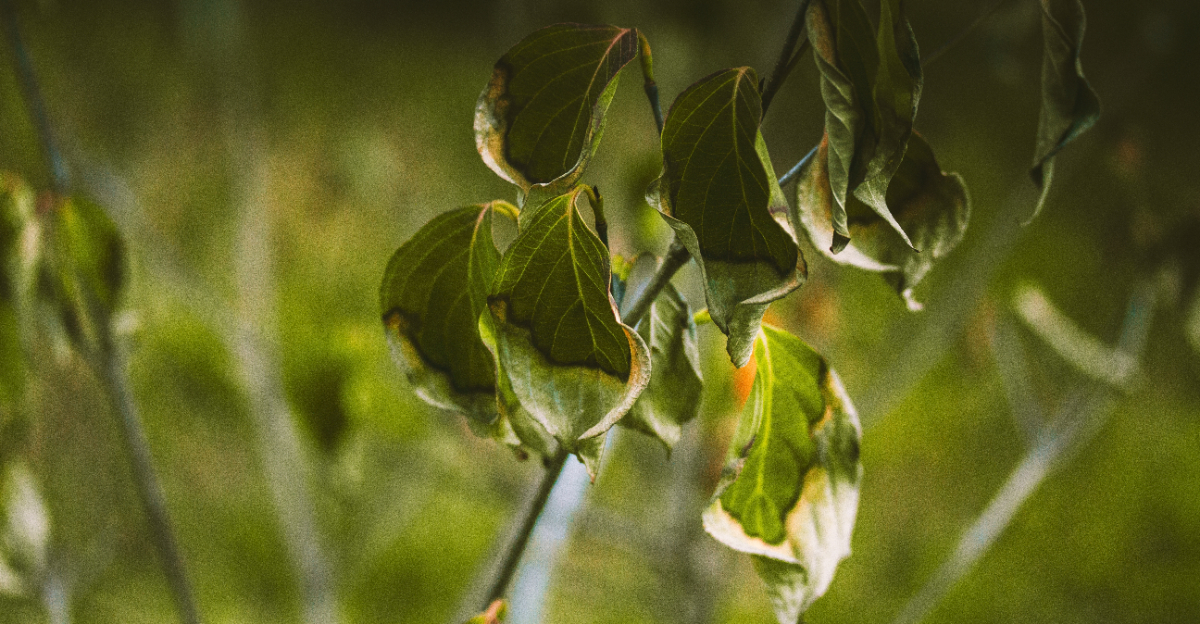
A California heat wave finally breaks, the temperature drops, and you step outside expecting the garden to look relieved. Instead, a few plants are still drooping like they have completely given up on the week.
Naturally, the urge to jump in and “fix” things can be strong. Those sad leaves are practically begging for attention.
This is also the moment when gardeners can make a decision that seems perfectly sensible but may not help as much as expected.
Plants do not always bounce back on the same schedule as the weather, and what they need immediately after extreme heat can be easy to misread. Gardening loves making simple situations complicated.
Wilting can look urgent, especially after several scorching days, but appearances do not always tell the whole story.
The soil, roots, foliage, and timing of your response can all deserve a closer look before you take action.
So before rushing outside with your usual garden routine, give those struggling plants a minute of observation. One well-intentioned move right after a heat wave could be the exact thing worth reconsidering.
1. Make Sure Not To Do This
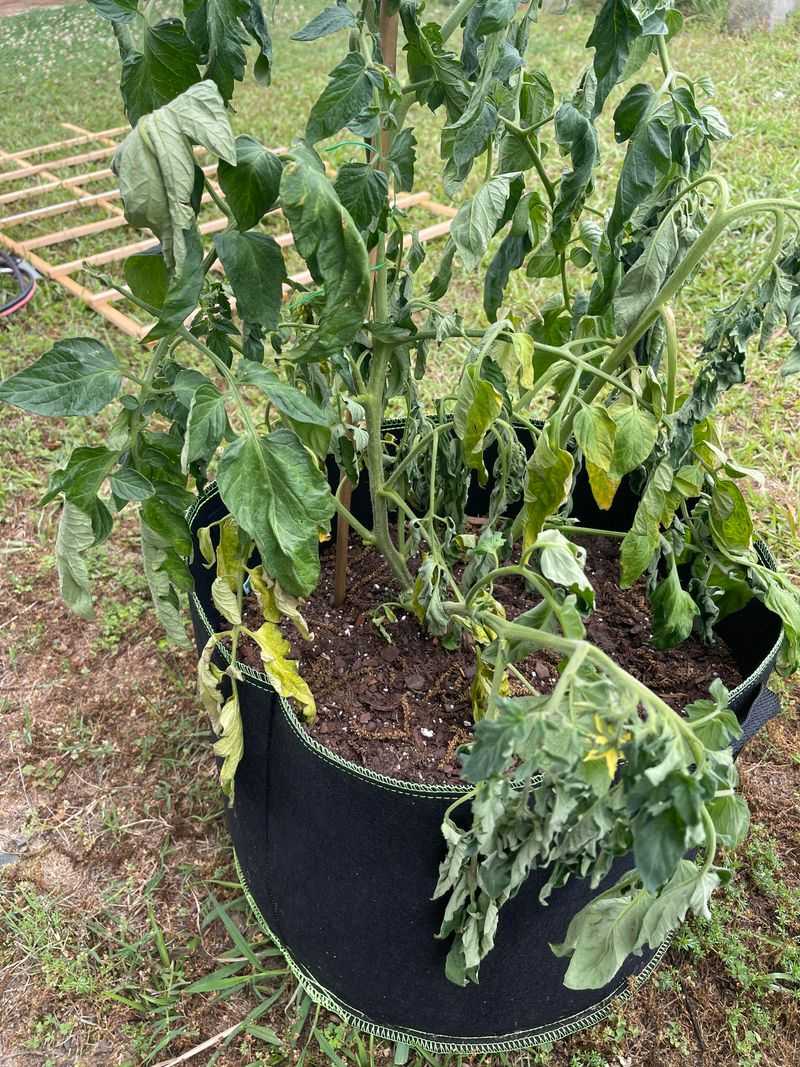
Seeing a plant wilt is alarming. Every instinct tells you to grab the hose and pour on as much water as possible.
But flooding a stressed plant all at once can shock its already-weakened root system and cause more harm than good.
When plants go through extreme heat, their roots slow down. They are not actively pulling in water the way they normally would on a mild day.
Dumping a large amount of water at once can cause the water to rush past the roots entirely. It drains away before the plant can use it.
Worse, flooding can push out the air pockets in soil that roots need to breathe. Roots that sit in waterlogged soil after heat stress can begin to suffer from oxygen deprivation.
That leads to a whole new set of problems that are harder to fix than the original wilting.
A slow, steady watering approach works much better after a heat wave. Give the soil a chance to absorb moisture gradually.
Use a drip system, a soaker hose, or simply water in short bursts with breaks in between. Let each round soak in before adding more.
Your plants will recover faster when the water actually reaches where it is needed, and when the roots have both moisture and air to work with.
2. Heat-Wilted Leaves Do Not Always Mean Dry Roots
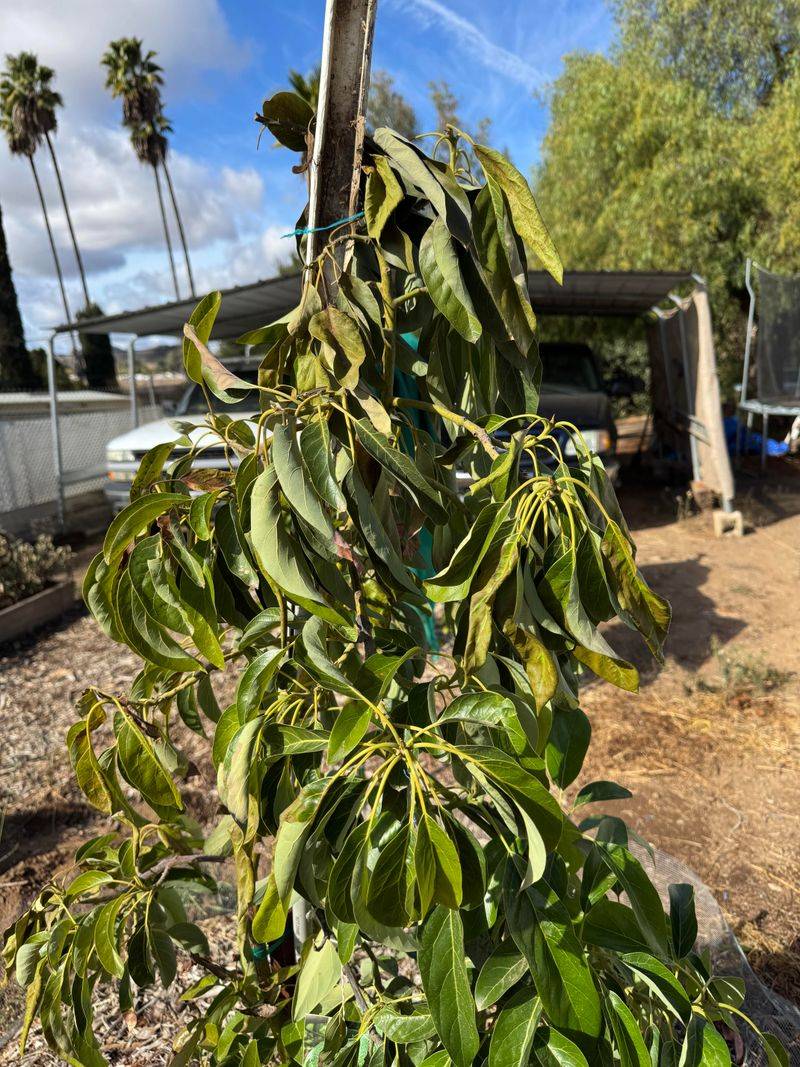
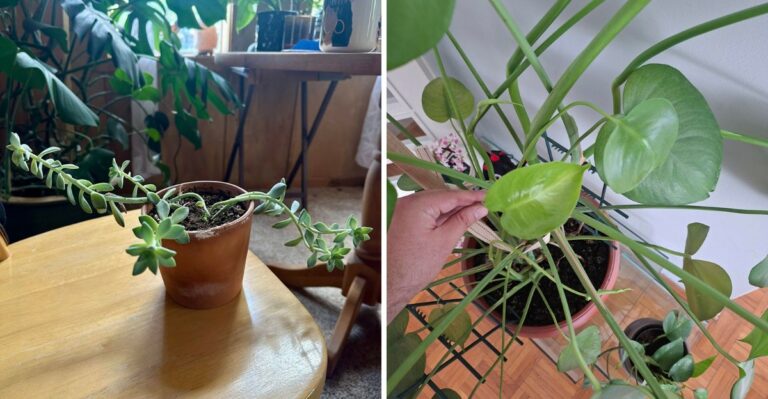
Wilting is one of the most misread signals in gardening. California gardeners see drooping leaves and immediately assume the plant is thirsty.
But wilting after a heat wave is often a protective response, not a sign that the roots are dry.
Plants wilt on purpose during extreme heat. They reduce the surface area exposed to the sun by curling and drooping their leaves.
It is a survival strategy. The roots may still have plenty of moisture, but the plant is doing everything it can to conserve what it has.
Your California Garden Changes Every Week. Your Plan Should Too.
Gardening in California changes quickly throughout the season. Every Friday you’ll receive a simple weekly plan showing exactly what to plant, prune, fertilize, harvest, and protect so you never miss the right timing.
If you water based on leaf appearance alone, you risk adding water to soil that is already moist. That creates waterlogged conditions that can damage roots over time.
The leaves gave you a signal, but it was not the signal you thought it was.
A good habit is to wait until the hottest part of the day passes and then check the leaves again. Many plants that wilt in the afternoon will perk back up on their own by early evening.
If they do, the roots had enough water all along. If they are still drooping after temperatures drop, then it is a better time to investigate the soil and consider watering. Leaf appearance is a clue, not a conclusion.
3. Soaking Already-Wet Soil Can Make Stress Worse
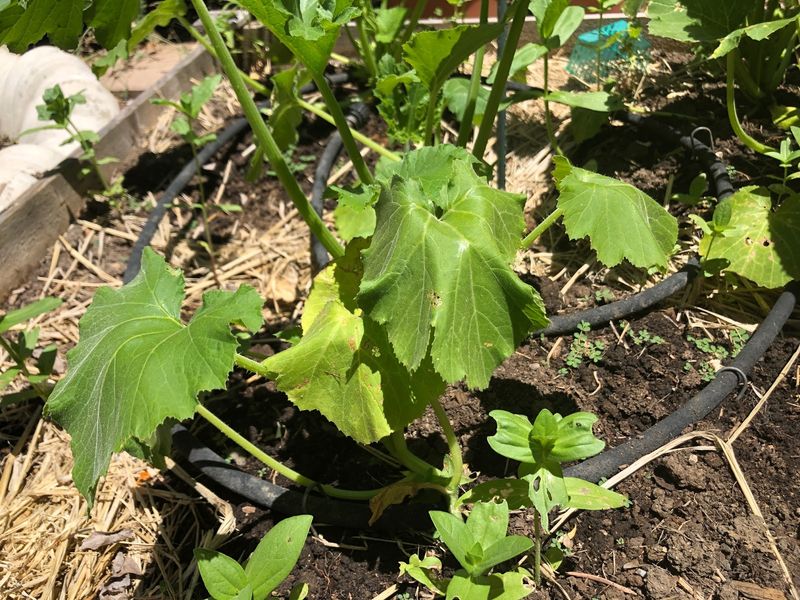
Not all wilting plants are sitting in dry soil. After a heat wave, the ground can still hold a surprising amount of moisture from recent irrigation or even from the days leading up to the heat event.
Adding more water on top of already-wet soil is a common mistake. Wet soil that gets soaked again has no room to absorb anything new. The water sits on the surface or runs off, doing very little for the plant.
Meanwhile, the soggy conditions below the surface start to create an environment where roots cannot function properly.
Roots need a balance of water and oxygen. When soil stays too wet for too long, especially after the stress of a heat wave, roots can weaken quickly.
The plant may look like it is struggling because of heat, but the real problem becomes too much water in the wrong conditions.
Before adding any water after a heat wave, push a finger or a wooden dowel about two inches into the soil. If it comes out cool and damp, hold off on watering.
If it feels dry at that depth, a slow and measured watering session makes sense. Checking first takes only a few seconds and can save your plants from a recovery setback that could last for weeks.
4. Check The Soil Before Reaching For The Hose
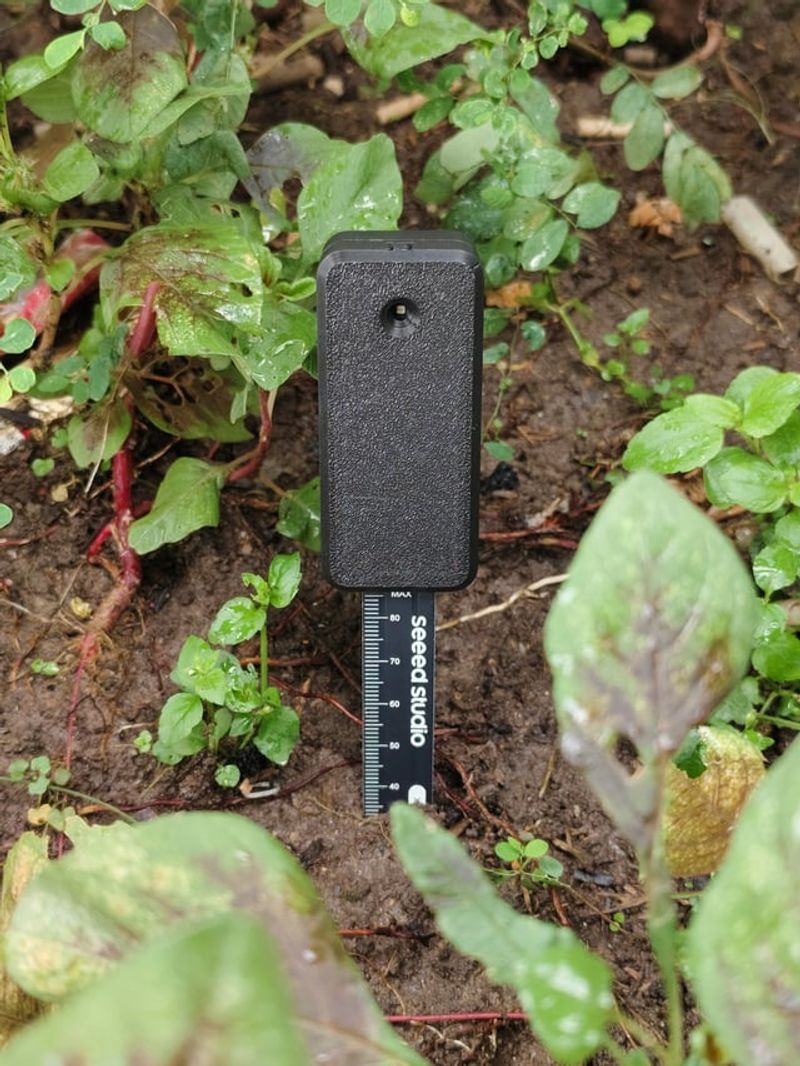
One of the simplest habits that saves plants from overwatering is also one of the most overlooked.
Checking the soil before watering takes almost no time, but it gives you real information instead of a guess based on how the plant looks from a distance.
The surface of soil dries out fast. Even after a heat wave, the top inch can look and feel completely dry while the soil a few inches deeper is still holding plenty of moisture.
Watering based on surface appearance alone means you are reacting to the wrong layer of soil.
Use your finger, a wooden chopstick, or a simple moisture meter to check two to three inches below the surface. That is the zone where most plant roots are actively working.
If that layer feels moist, your plants do not need water yet. If it feels dry, then a slow and steady watering session is the right call.
In California, soil types vary widely. Sandy soils dry out fast, while clay soils hold water much longer.
Knowing your soil type helps you set realistic expectations. A quick soil check also helps you track patterns over time.
You start to learn how long your garden holds moisture after irrigation, which makes your watering decisions smarter and more consistent all season long.
5. Roots Still Need Air After A Heat Wave
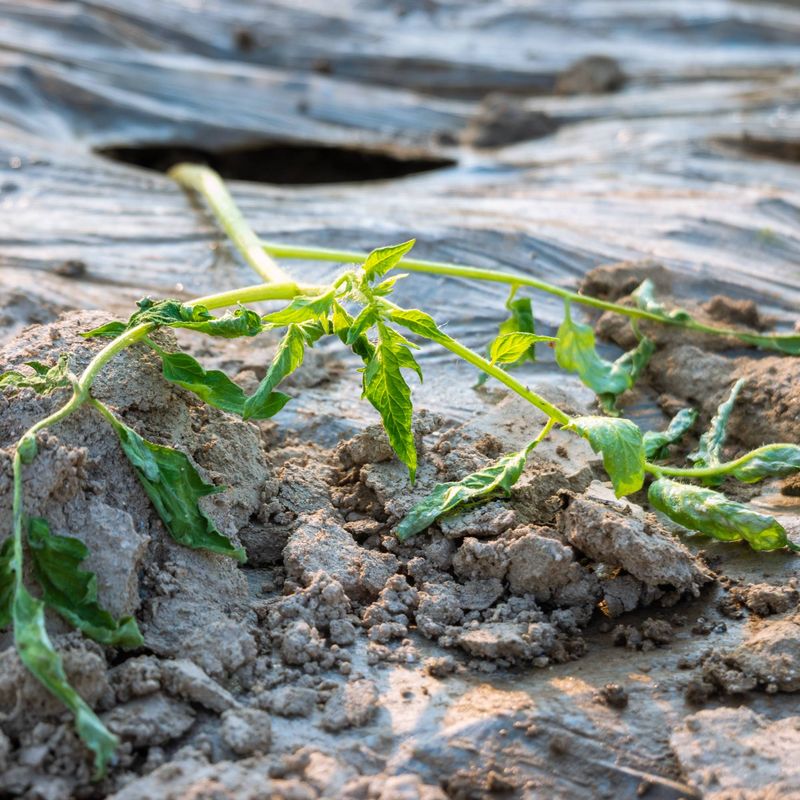
Roots do not just need water to survive. They also need air.
Most California gardeners know that plants need sunlight and water, but the role of oxygen in the root zone often gets forgotten, especially right after a heat wave when the focus is all on hydration.
Soil is full of tiny air pockets that roots use to breathe. When you water too heavily or too often, those pockets fill with water.
The roots end up sitting in a soggy environment with very little oxygen available. Over time, this weakens the plant even if it has plenty of moisture.
After a heat wave, the root system is already working under stress. Adding too much water collapses those air pockets at exactly the wrong time.
The plant may look like it is recovering, but underground, the roots are struggling to function in an oxygen-poor environment.
Letting the soil dry out slightly between waterings helps maintain those air pockets. You do not want the soil to get bone dry, but a little breathing room between waterings gives roots the balance they need.
Loose, well-amended soil also holds its structure better and stays aerated longer. If your soil tends to compact easily, mixing in compost or coarse material can help roots get both the water and the air they need to bounce back after tough conditions.
6. Overwatering Can Turn Heat Stress Into Root Stress
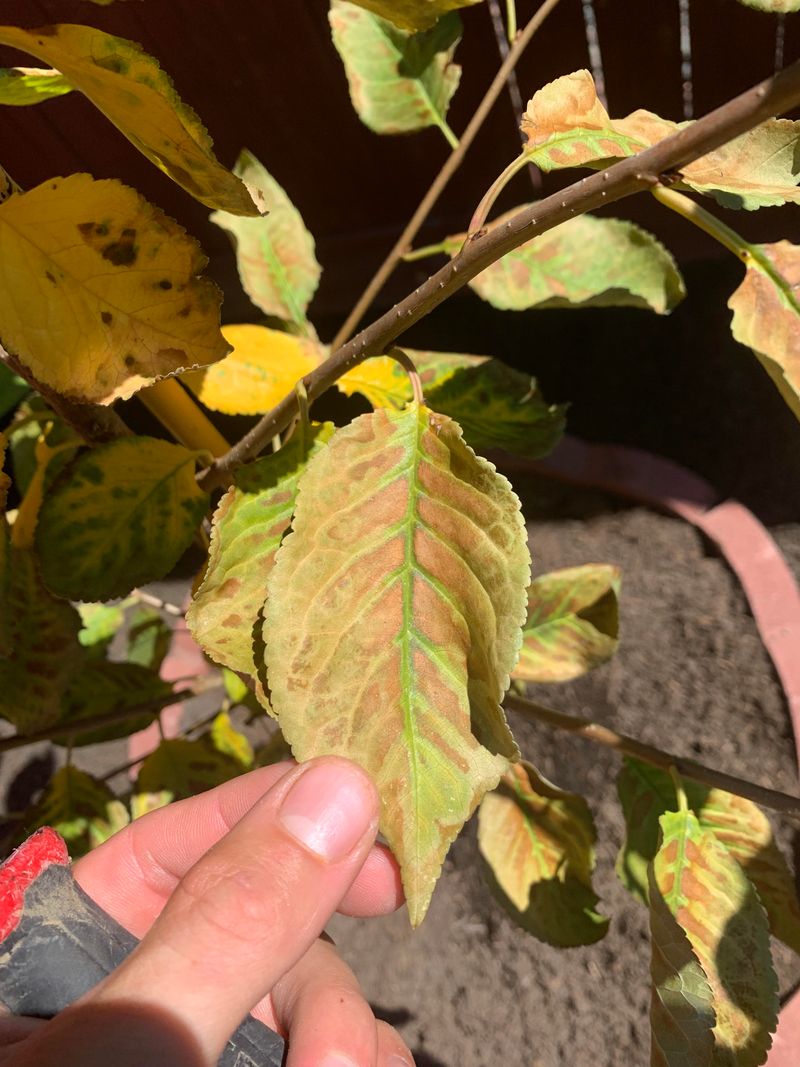
Heat stress is hard on plants, but it is usually something they can recover from on their own once temperatures drop. Root stress from overwatering is a different story.
It is slower to develop, harder to spot, and often trickier to reverse once it sets in.
When roots sit in wet soil for too long, they can start to break down. The plant loses its ability to take in water and nutrients efficiently.
Ironically, this makes the plant look even more wilted and stressed, which can trick gardeners into watering even more. It becomes a cycle that is hard to break.
Yellowing leaves, mushy stems near the base, and a sour smell from the soil are all warning signs that roots are in trouble from too much water.
If you notice these things after a heat wave, hold off on watering and let the soil dry out before doing anything else.
The best way to avoid root stress after a heat wave is to resist the urge to overcompensate with water. Give your plants time to rest and adjust as temperatures cool down.
Water only when the soil calls for it, not when the leaves make you feel worried. Most healthy plants have more resilience than we give them credit for, and they recover best when we give them space to do so.
7. Deep Moisture Can Linger Longer Than The Surface Shows
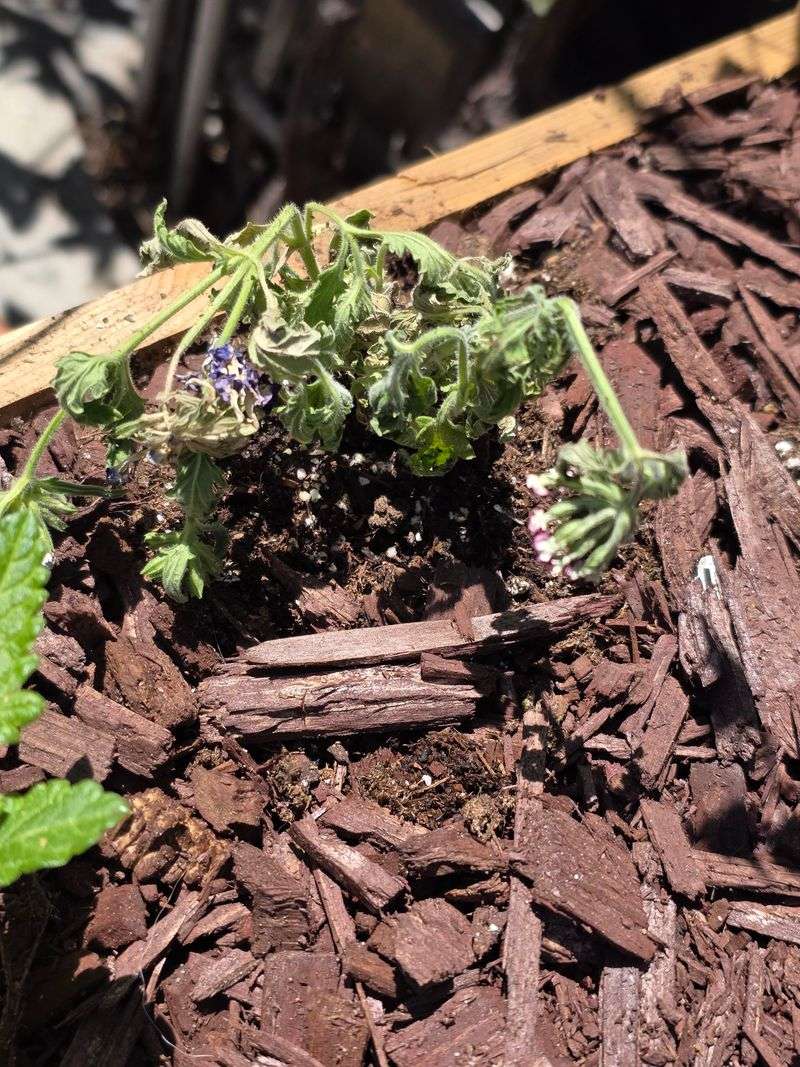
The surface of your garden can be deceiving. After a heat wave, the top layer of soil dries out quickly because it is directly exposed to sun and wind.
It can look dusty and parched within hours. But just a few inches down, the story is completely different.
Deeper soil layers hold moisture much longer than the surface suggests. Roots that grow several inches into the ground may have access to plenty of water even when the surface looks bone dry.
Watering based on what you see on top means you are solving a problem that may not actually exist at the root level.
This is especially true for established plants and shrubs that have developed deep root systems over time. Their roots reach down to where the moisture is.
They can handle a dry surface better than you might expect. Younger plants with shallower roots are more vulnerable and may need more attention after a heat event.
A simple way to check deep moisture is to use a long wooden skewer or a moisture meter. Push it down four to six inches and feel or read what is happening at that depth.
If it comes back damp, your plants are likely doing fine. Watering now would only create wet conditions on top of already-moist deeper soil, which can throw off the balance your roots depend on.
8. Let The Root Zone Tell You When To Water
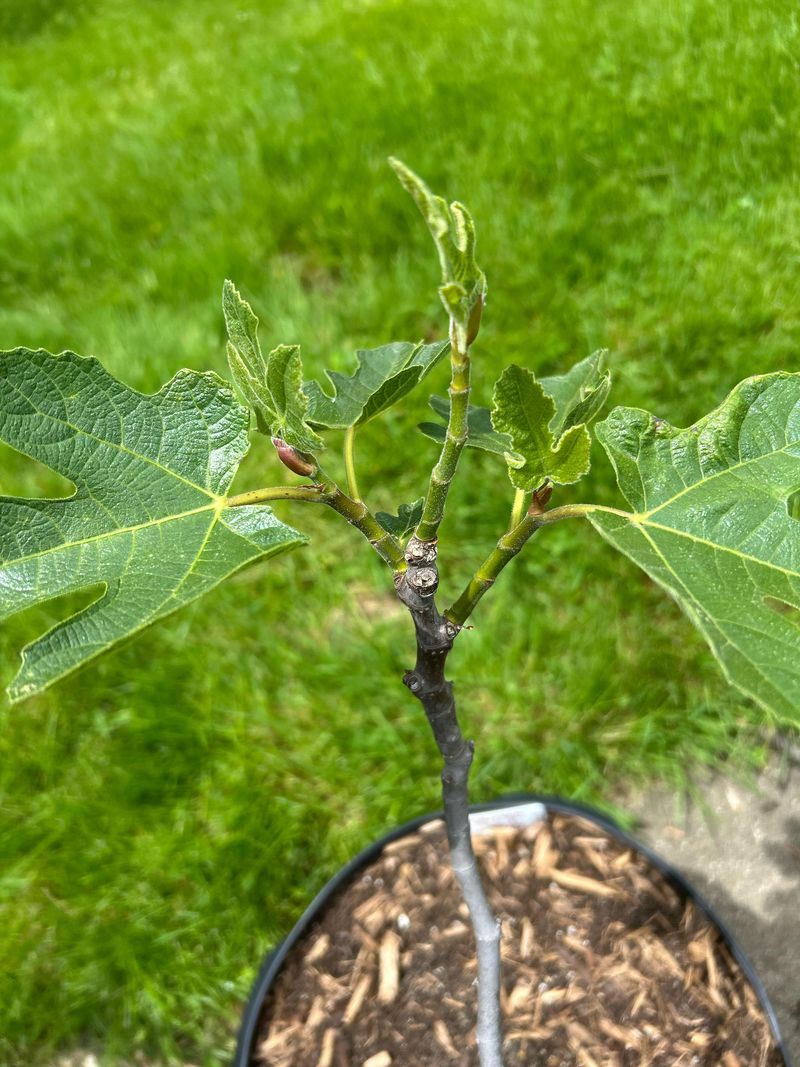
Your plants are communicating with you all the time. The trick is learning to listen to the right signals.
After a heat wave, the most reliable signal does not come from the leaves or the surface of the soil. It comes from the root zone, the layer of soil where your plant is actually doing its work.
The root zone is usually found between two and six inches below the surface, depending on the plant. Checking moisture at that depth gives you a much more accurate picture of what your plant actually needs.
It is the difference between reacting to appearances and making a decision based on real data.
Watering schedules are a helpful starting point, but they do not account for everything. Soil type, plant size, recent temperatures, and shade coverage all affect how quickly the root zone dries out.
A schedule built for a normal week may not apply at all in the days following a heat wave. Getting into the habit of checking the root zone before every watering session is one of the best things you can do for your garden.
It saves water, protects your plants, and helps you build a better understanding of how your specific garden behaves.
Over time, you will start to recognize patterns and feel more confident about when to water and when to wait. That confidence is what separates a good gardener from a great one.