The Florida Potted Plant Habit That’s Basically A Roach Hotel By August
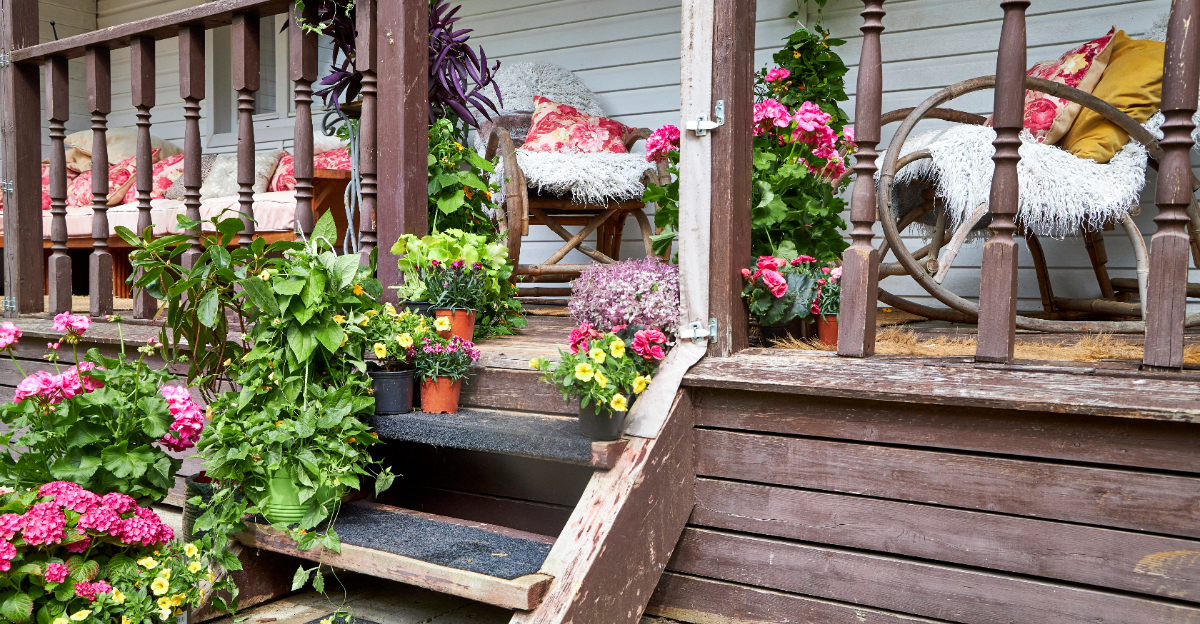
Your Florida patio containers in August are doing double duty that you never agreed to. Beautiful from the front.
A roach hotel from underneath. The heat, the daily rain, the humidity that never fully lifts between storms.
Everything keeping your container plants alive in August creates exactly what roaches are looking for after dark. Warmth, moisture, shelter, all of it concentrated in a collection of pots sitting directly outside your door.
You treat the inside of the house. You never examine what the patio is quietly providing to the same pest you keep paying to remove.
The habit behind it is not obvious. It looks like good plant care.
It functions like an invitation. One change removes most of what makes your Florida patio container collection so useful to a roach that never asked for permission to move in.
1. Crowded Pots Create The Dark Gaps Roaches Look For
Slide a row of pots into a porch corner and something happens almost immediately: the spaces between them go dark, stay cool, and stop getting disturbed.
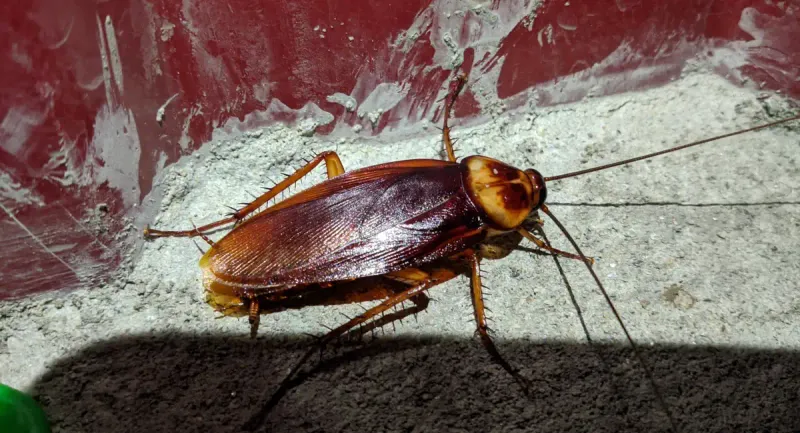
That combination is exactly what large outdoor cockroaches look for when they scout a resting spot during daylight hours.
The gaps do not need to be wide. Even a narrow channel between two five-gallon containers pressed against a railing can offer enough shelter to be useful.
University of Florida IFAS guidance notes that dark, moist harborages near structures can favor nuisance pest activity. Tightly packed container arrangements check nearly every box on that list.
Pots crowded into corners, stacked beside larger planters, or wedged against a wall create a layered maze that rarely sees sunlight or foot traffic for weeks at a time.
The fix is simpler than most gardeners expect. Pulling containers a few inches apart so you can see the surface beneath them removes the sense of permanent shelter.
Occasionally rotating which pots sit where keeps any single spot from becoming long-term undisturbed real estate. You do not need to redesign your whole porch.
Just make sure you can actually see the ground between your containers without moving three other pots first. That small visual access makes a genuine difference in keeping hidden gaps from turning into permanent hiding places.
2. Water-Filled Saucers Keep The Setup Damp Long After Rain
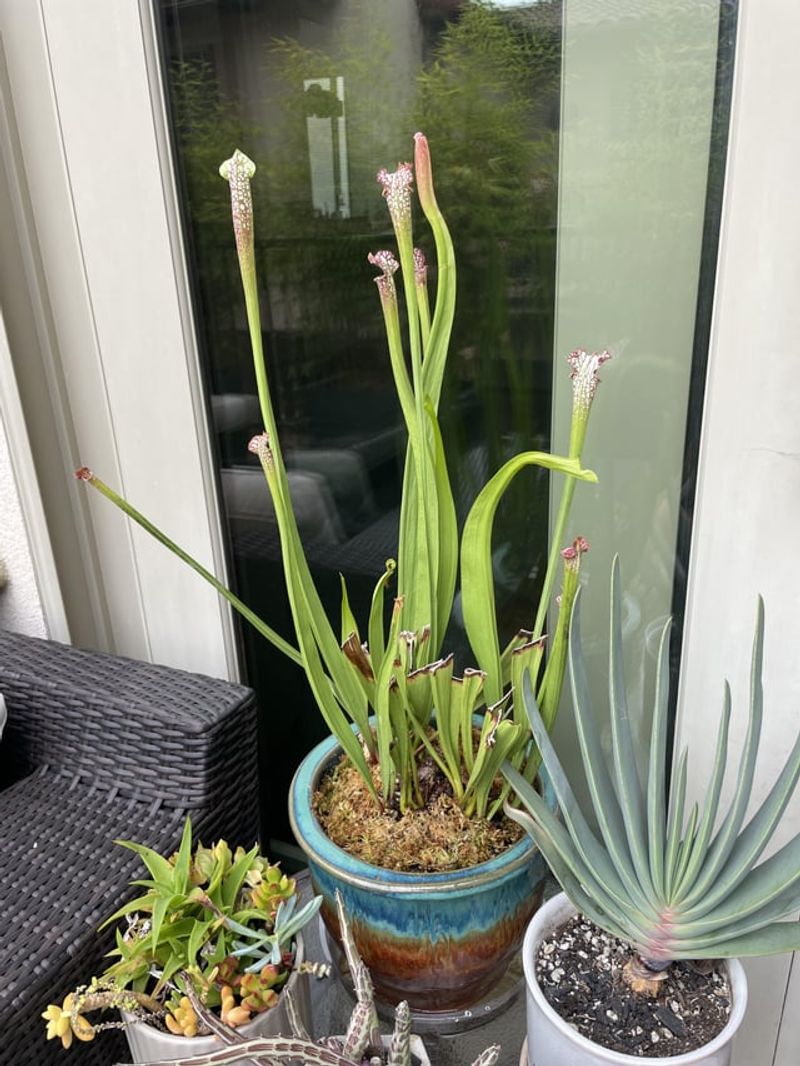
August rain in Florida can be relentless. A quick afternoon storm drops an inch of water, and by the next morning the saucers beneath your containers are still sitting full.
That lingering moisture does not just affect the plant roots. It keeps the entire microenvironment around that cluster of pots persistently humid long after the storm has passed.
Large outdoor cockroaches need moisture to survive, and they are drawn to areas where humidity stays high. A collection of wet saucers spread across a shaded porch can maintain that kind of environment for days.
This is separate from the mosquito concern, where standing water is a breeding site. For outdoor roaches, the saucer water simply contributes to a damp, comfortable zone that makes the surrounding shelter more appealing.
Your Florida Garden Changes Every Week. Your Plan Should Too.
Gardening in Florida changes quickly throughout the season. Every Friday you’ll receive a simple weekly plan showing exactly what to plant, prune, fertilize, harvest, and protect so you never miss the right timing.
Emptying unnecessary saucers after rain is one of the easiest adjustments you can make. Check for cachepot inserts that trap water inside decorative outer containers.
Look for drainage holes that have become blocked by roots or compacted soil, since a pot that cannot drain properly stays wet at its base far longer than it should.
You can still meet each plant’s watering needs without leaving open pools of water sitting beneath them for days.
Moisture management and good plant care are not opposites; they work together with a little attention.
3. Fallen Leaves Turn The Space Under Pots Into Better Shelter
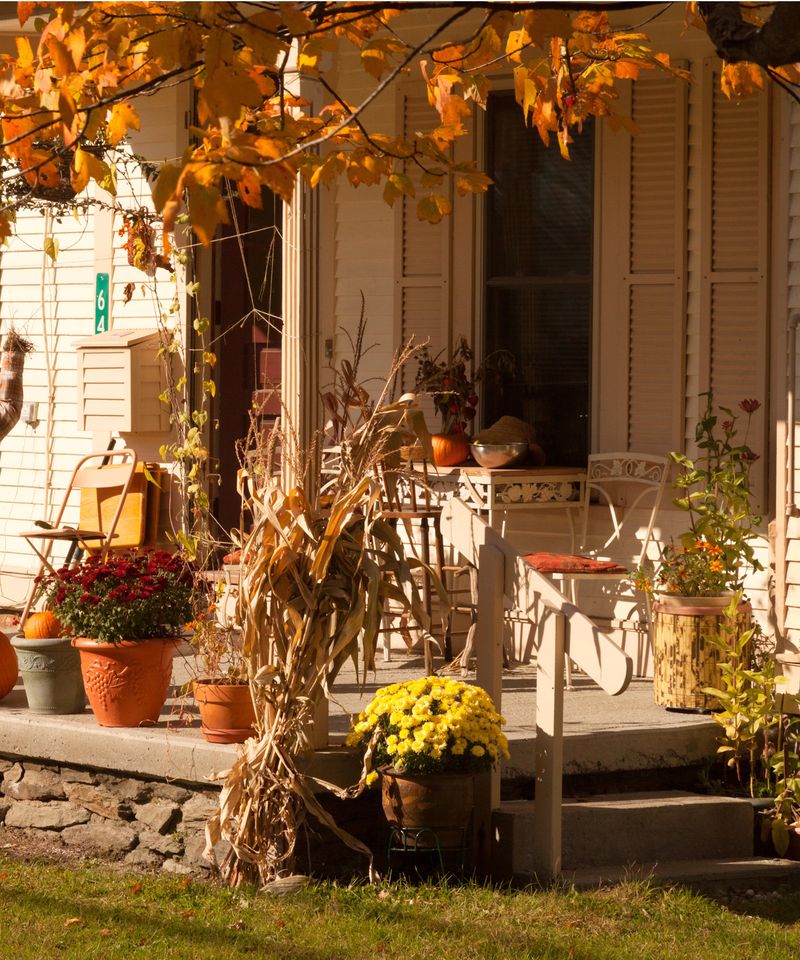
Nobody cleans under their pots every week. Life is busy, plants are heavy, and the debris that drifts beneath them stays out of sight.
Over a summer, that invisible layer can grow into a surprisingly thick mat of old leaves, spent flower petals, bark chips, and spilled potting mix. What looks like a tidy Florida porch from a standing position can hide a lot of organic clutter at ground level.
That layer of debris does two things that can favor outdoor cockroach activity. First, it creates more defined cracks and sheltered pockets within an already shaded space.
Second, organic material retains moisture, so the area beneath a cluster of pots stays damp longer than an open, clean surface would.
UF/IFAS sanitation guidance consistently points to removing harborage material as a first step in reducing nuisance pest pressure around structures.
Moving pots periodically and sweeping the surface underneath takes only a few minutes. A stiff broom or hand brush can clear weeks of accumulated debris quickly.
If decomposing material has built up in corners or along a wall, clearing it out removes both the physical shelter and the retained moisture that goes with it. One fallen leaf is not a crisis.
But a season’s worth of undisturbed organic buildup creates a meaningfully different environment than a clean, open surface does. Regular clearing keeps that from happening quietly.
4. Pots Against The Wall Put That Shelter Right Beside The House
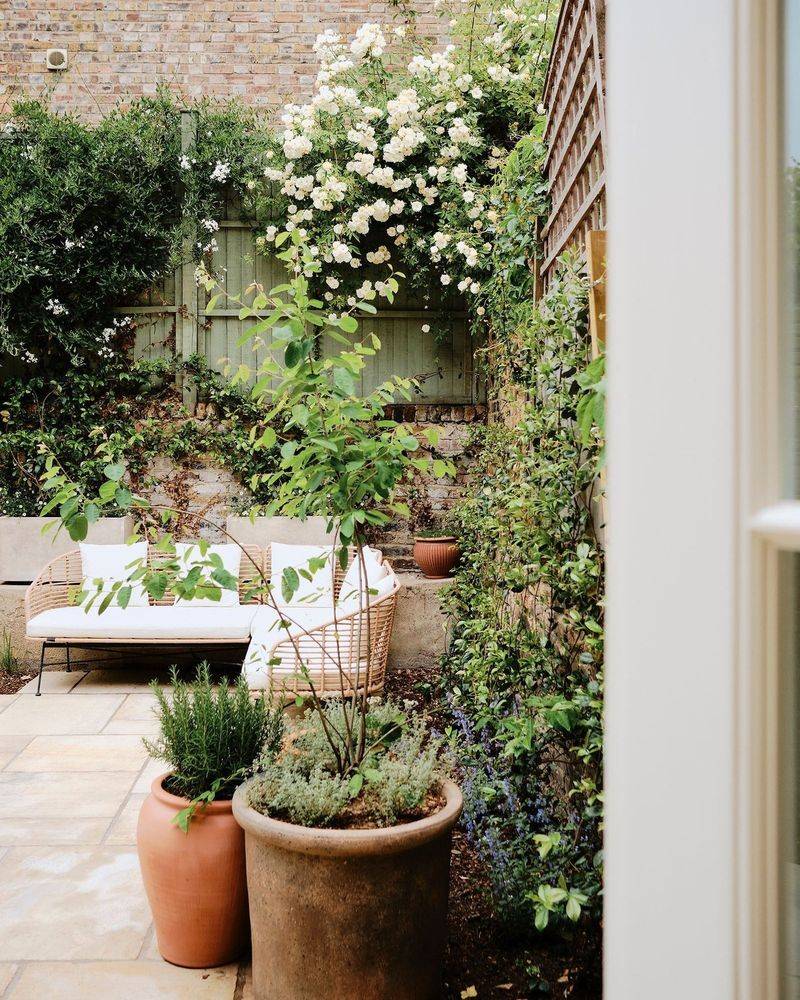
An outdoor cockroach resting beneath a pot in the middle of an open yard is mostly just wildlife doing its thing. That same roach beneath a pot pressed against the foundation wall is a different situation.
The shelter now sits beside potential entry points into the house. Small gaps around door sweeps, utility penetrations, torn screens, and masonry weep holes are all potential pathways.
A container cluster beside them greatly reduces the distance between outside and inside.
UF/IFAS guidance on structural pest management consistently recommends keeping vegetation and pest harborage material away from building walls. The principle applies to container gardens too.
Pots lined up directly against siding, stucco, or a door frame create a sheltered zone in the one location where it matters most. Pulling containers even a short distance from the wall improves visibility and reduces contact with the structure.
It also makes small entry points easier to spot and seal.
Check door sweeps, threshold seals, and any gap where a pipe or wire enters the building. These small exclusion repairs matter more when there is active outdoor pest shelter right beside them.
You do not need to move every pot to the center of the yard. Simply creating a visible gap between your container arrangement and the wall goes a long way toward reducing hidden pathways into the structure.
5. Damp Mulch Beneath Containers Makes The Hiding Place Even Better
Hard surfaces dry out after rain. Organic mulch does not, at least not nearly as fast.
A container sitting directly on thick pine straw or wood-chip mulch stays in contact with persistently moist material. As the mulch compresses around the base, it creates a snug, dark pocket underneath.
That is a meaningfully better hiding spot than the same pot sitting on open concrete.
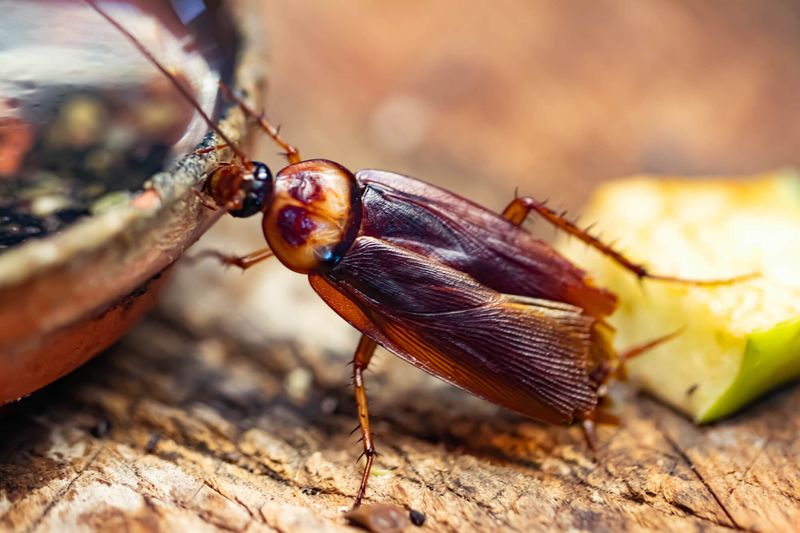
UF/IFAS research notes that large outdoor cockroaches commonly use moist pine-straw mulch and similar landscape material as daytime shelter. This includes American and Florida woods cockroaches.
Mulch is not bad for your landscape. It conserves soil moisture, moderates temperature, and supports healthy plants.
The concern is specific. Mulch piled against the house or beneath containers close to the foundation creates concentrated harborage where it is least helpful.
Keeping mulch a few inches back from the base of the structure is a standard recommendation from UF/IFAS. For container areas, placing pots on a hard, inspectable surface rather than pressing them into a deep mulch bed makes a real difference.
If mulch is part of your porch or patio design, keep it raked and avoid thick buildup beneath containers. That reduces the quality of shelter it provides.
Thin, aerated mulch dries faster and offers less protection.
6. Lifting The Pots Once In A While Reveals What Watering Cannot
Watering your plants tells you a lot about the soil, the roots, and the leaves. It tells you almost nothing about what is happening on the underside of the pot or on the surface directly beneath it.
That hidden side can go completely unexamined for an entire season if nobody makes a point of looking. Lifting containers periodically is the simplest inspection habit a container gardener can build.
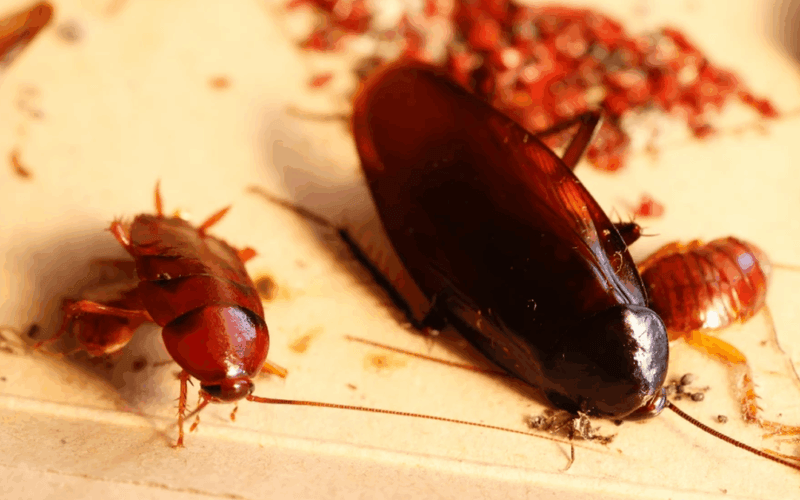
When you do lift a manageable pot, look for cockroach egg cases, which are small dark capsules about the size of a dried bean. Check for droppings, shed material, or unusual moisture patterns.
A cluster of these signs in one spot is more informative than a single outdoor roach. One roach is a normal part of Florida wildlife and does not automatically signal a larger problem.
Avoid reaching blindly under heavy containers. Use pot feet or lift handles, and roll large planters rather than sliding them over your hands.
An undisturbed hiding place can remain completely invisible even when the plant above it looks perfectly healthy and well-tended. The plant gives you no signal that anything is happening below.
That is why inspection has to be a separate, deliberate step rather than something absorbed into regular watering. Once a month during summer is a reasonable rhythm.
Rotate which pots you check so that no single container goes unexamined all season. The habit takes minutes and reveals what no amount of overhead watering ever could.
7. Pot Feet And Better Spacing Let Air Reach The Hidden Side
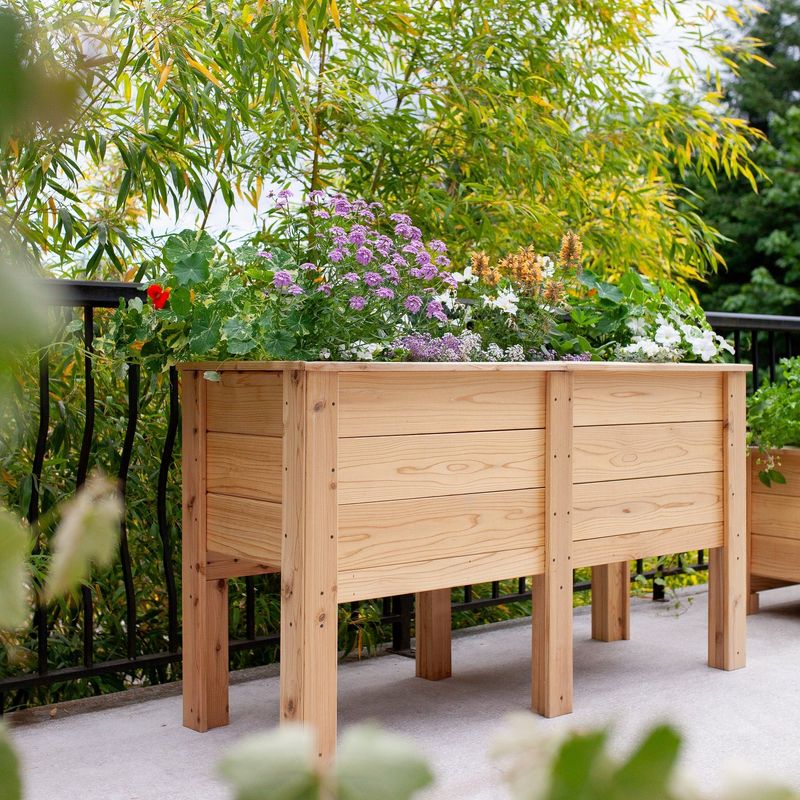
A small set of pot feet costs almost nothing and changes the entire character of the space beneath a container. Elevating a pot by even an inch or two allows air to circulate underneath and helps the surface dry faster after rain.
It also lets you see beneath the container without lifting it. That combination of airflow, faster drying, and visibility addresses several of the conditions that make a tightly packed pot cluster so sheltered.
Spacing matters just as much. Containers packed closely enough to hide the ground create a covered zone.
That space gets no sun, little airflow, and almost no regular human attention. Pulling pots apart so there is clear, visible space between each one breaks up that continuous covered area.
You can still group plants with similar water and light needs. The goal is not to scatter everything randomly but to keep the arrangement open enough that the surface beneath it stays inspectable and reasonably well-ventilated.
Heavy or top-heavy containers need to stay stable, so choose pot feet rated for the weight and make sure nothing tips.
For very large planters that cannot be easily elevated, placing them on a hard, smooth surface rather than directly on mulch or soil achieves a similar benefit.
A porch can stay lush, full, and visually layered without creating a continuous dark pocket that never sees light or movement from one week to the next.
8. A Five-Minute August Reset Can Keep The Porch From Becoming Permanent Shelter
Pick one afternoon this month and spend five minutes actually looking at your container setup rather than just watering it. Pull crowded pots apart so you can see the surface between them.
Empty any saucers that still hold standing water from the last rain. Sweep out the debris that has drifted under and between containers since you last checked.
Then lift a few of the lighter pots and glance at what is underneath. That short routine covers most of the conditions that can make a porch cluster gradually more sheltered over a summer.
While you are at it, look at the wall behind your containers. Check whether mulch has crept up against the foundation.
Glance at door sweeps and any gap where a pipe enters the building. Outdoor cockroaches are a normal part of Florida wildlife, and seeing one on the porch on a warm August night does not mean something has gone wrong.
Occasional sightings happen. The goal of this reset is not to make your porch roach-proof, because no arrangement can promise that.
Follow legal product labeling carefully rather than treating pots automatically. The core takeaway is straightforward: the plant itself is rarely the problem.
The cool, dark, damp, undisturbed pocket that forms when containers stay crowded in one spot all summer is what needs attention.