The Native Ohio Flower That Reseeds Itself In July And Fills Gaps Automatically

Every Ohio garden has gaps. Spots where something did not make it through winter can make an Ohio garden look unfinished by midsummer.
So can spaces between perennials and edges that never quite filled in the way the original plan suggested they would. Most gardeners respond by buying more plants.
One native Ohio flower has a different answer entirely. July is when this plant quietly handles the gap problem on its own.
Seeds drop, the right conditions exist, and new plants establish in exactly the spots the garden needed them. They do it without anyone making a trip to the nursery or spending a dollar on replacements.
It is not a weed. It is not aggressive in the way that gives self-seeding plants a bad reputation.
It fills gaps with the kind of cheerful, reliable color that makes an Ohio garden look like it planned itself better than it actually did.
1. Choose Black Eyed Susan For Gaps That Fill Themselves
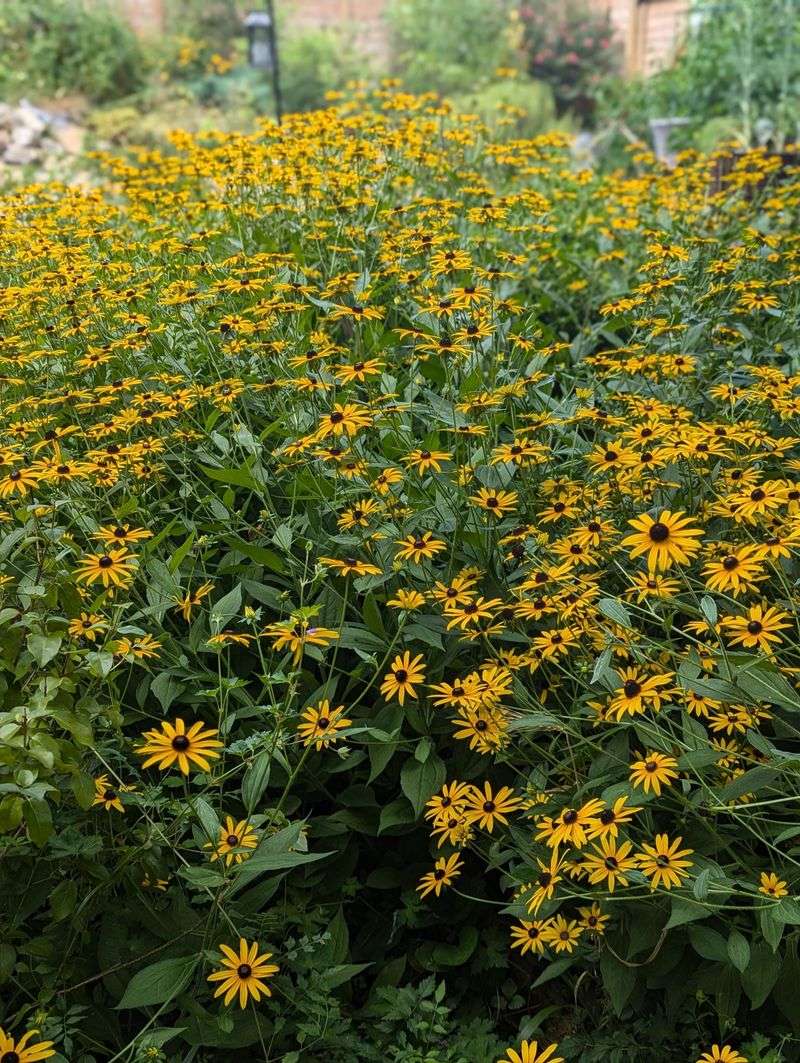
A bare patch in a sunny border does not have to stay bare for long when you plant the right flower. Black-eyed Susan, or Rudbeckia hirta, is a native wildflower that can behave as an annual, biennial, or short-lived perennial depending on growing conditions and site.
OSU Extension and native plant sources note that this flexibility is part of what makes it so useful in informal garden settings.
Its self-sowing habit means that once a plant matures and drops seed, new volunteers may appear nearby in future seasons. That process is helpful, but it is not instant or guaranteed.
Seed must mature fully, reach bare soil, and survive weather, birds, and competition before a new plant emerges.
Placing black-eyed Susan in open, sunny spots gives it the best chance to perform well and eventually spread. Leave a little breathing room around young plants so they can develop strong root systems.
A slightly relaxed, naturalistic planting style suits this flower well since it tends to pop up in small clusters rather than neat rows. If your Ohio garden has a gap that gets plenty of direct sun, this golden native is a strong and practical choice for filling it over time.
2. Let July Blooms Turn Into Next Year’s Seed
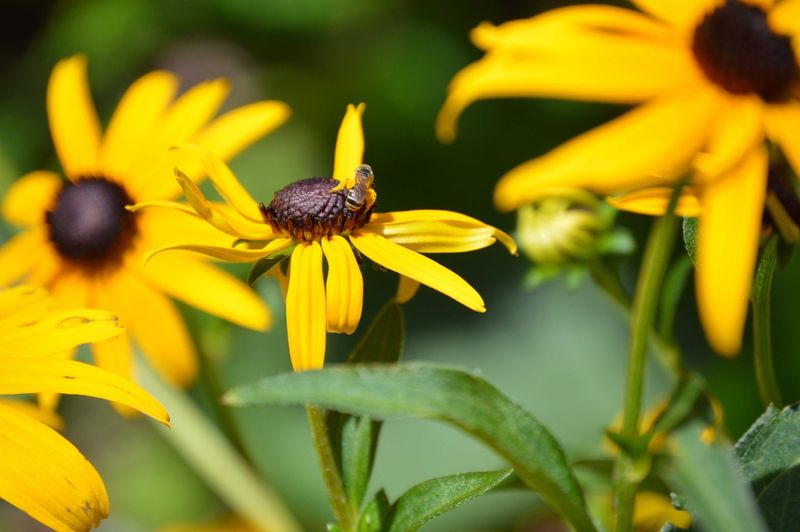
July is the heart of black-eyed Susan season. The flowers open in bright clusters across sunny beds, borders, and meadow-style plantings, creating that signature golden glow that makes summer gardens feel alive.
But July is really the blooming phase, not the seeding phase. Seeds do not fall and sprout in the same month the flowers open.
After blooming, the petals fade and the central cone begins to harden into a seed head. That process takes weeks.
The seed head must mature fully before viable seeds are ready to drop. Horticulture sources note that trimming spent flowers keeps beds looking neat, but removing every faded bloom also removes the seed supply for next year.
A smart approach is to trim early in the season to encourage more blooms, then ease up in late summer and let some flowers go to seed. The plants you leave alone become next year’s seed source.
Your Ohio Garden Changes Every Week. Your Plan Should Too.
Gardening in Ohio changes quickly throughout the season. Every Friday you’ll receive a simple weekly plan showing exactly what to plant, prune, fertilize, harvest, and protect so you never miss the right timing.
Volunteers from those seeds may appear in spring or early summer the following year, not in July itself. Thinking of July bloom as the start of a longer seed cycle helps set realistic expectations.
Letting some flowers finish their full life cycle is the key first step toward future self-sown plants.
3. Leave The Seed Heads Before You Tidy The Bed
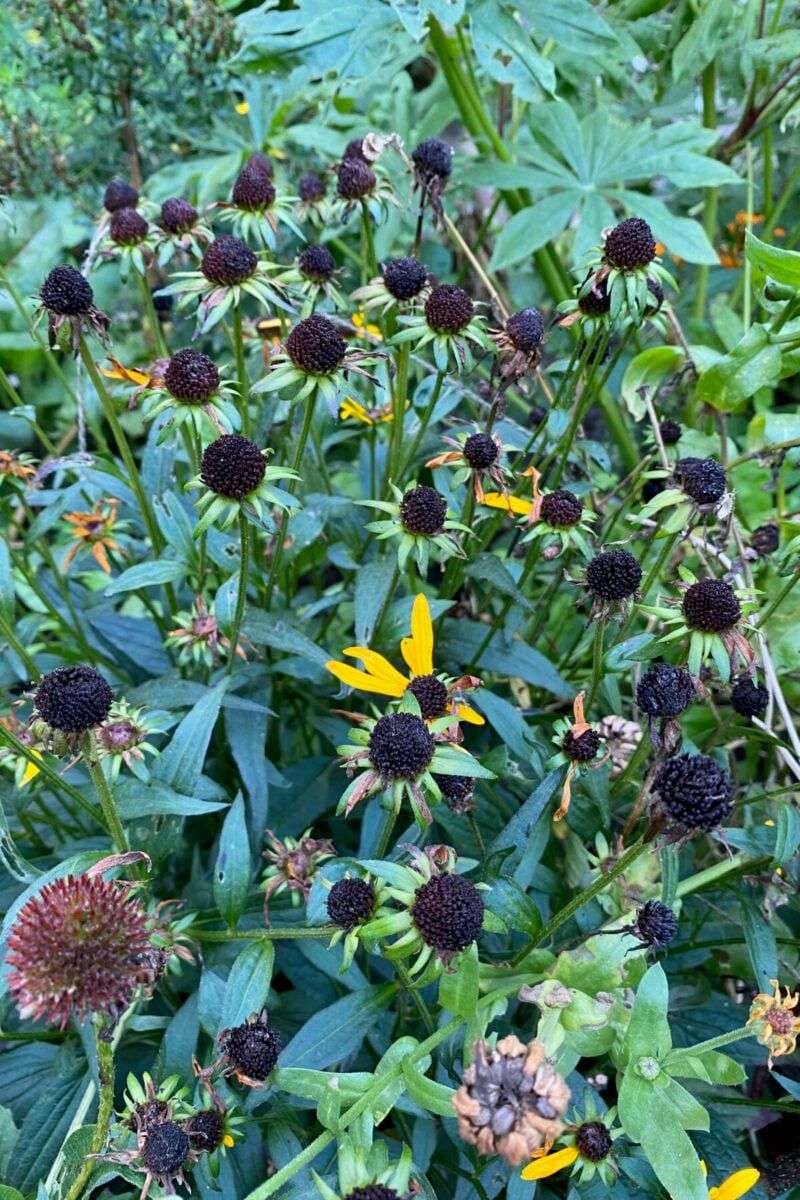
Fall cleanup is one of the most common reasons self-sowing fails. When Ohio gardeners cut everything back in early autumn, they often remove seed heads before the seeds have had a chance to drop.
Leaving at least some mature seed heads in place gives seeds the time they need to ripen, fall, and settle into nearby soil.
A practical approach is to trim only part of your black-eyed Susan patch. Remove spent flowers from the front or most visible areas if you prefer a tidy look, but leave the healthiest plants toward the back or middle to set seed naturally.
Native plant guidance from botanical garden sources recommends this selective approach as a balance between neatness and ecological function.
Seed heads that remain through late fall and winter also provide food for small birds. Goldfinches and chickadees are known to visit Rudbeckia seed heads in colder months.
That wildlife benefit adds extra value beyond next year’s seedlings. Do avoid leaving diseased or badly damaged foliage in place, since that can harbor pathogens that affect nearby plants.
Healthy seed heads are worth keeping. Damaged plant material is worth removing.
Making that distinction keeps the bed both productive and plant-healthy through the off-season.
4. Give Bare Soil A Chance To Catch New Seedlings
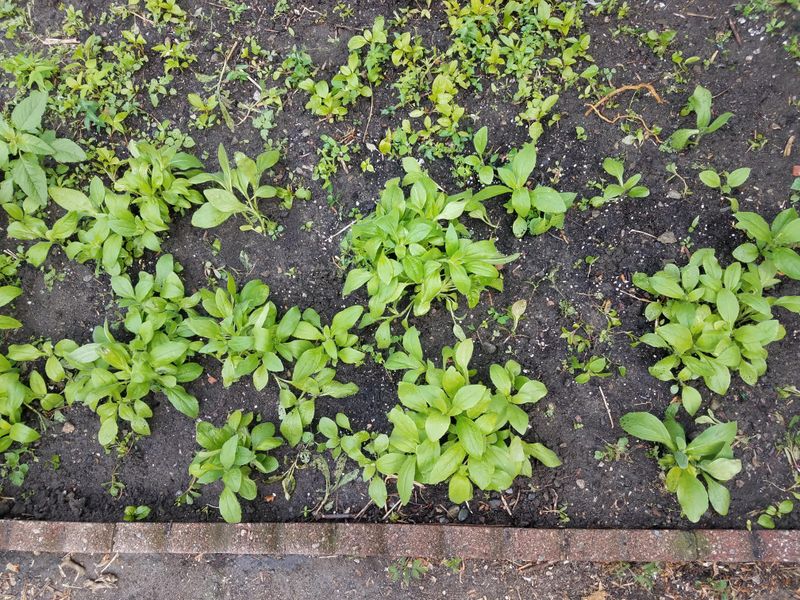
Tiny seedlings need somewhere to land. When black-eyed Susan seeds fall from a mature seed head, they need direct contact with soil to germinate successfully.
Thick mulch layers, dense groundcovers, heavy leaf debris, or crowded perennials can block seeds from reaching the soil surface. That is why self-sowing sometimes disappoints gardeners who have heavily mulched beds.
Leaving small, open soil pockets near parent plants gives seeds a better chance to establish. These do not need to be large bare areas.
Even a few inches of exposed soil near the base of a plant can be enough for a seedling to take hold. University extension sources note that seeds tend to germinate best in areas with good light, moderate moisture, and minimal competition from established plants.
Watch for seedlings in spring before assuming the plant failed to reseed. Young black-eyed Susan plants have a low rosette of slightly rough, oval leaves and can be easy to mistake for a weed at first.
If you know where you left seed heads over winter, check those spots carefully before pulling anything. Moving small volunteers while they are young and roots are shallow is much easier than transplanting older plants.
A little patience and a sharp eye in spring make the whole self-sowing process much more rewarding.
5. Use Full Sun For The Strongest Golden Spread
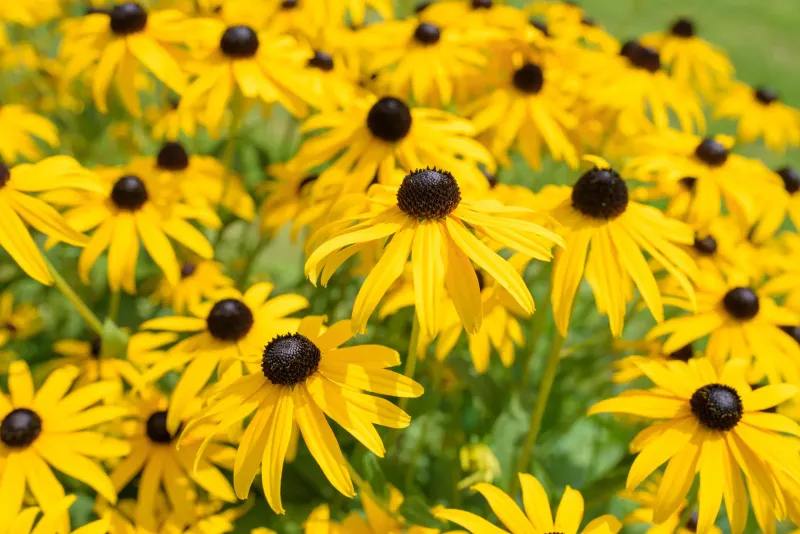
Sunlight is the single most important site factor for black-eyed Susan. OSU Extension and native plant sources consistently describe Rudbeckia hirta as a full-sun plant.
That means it performs best with at least six hours of direct sunlight per day. In shadier spots, flowering tends to decrease and stems may become weak or leggy.
Reduced flowering also means fewer seed heads, which directly affects the plant’s ability to self-sow and fill gaps. A plant growing in too much shade may survive but produce far fewer seeds than one growing in an open, sunny location.
For the strongest reseeding effect, full sun placement is the most reliable starting point.
Along sunny borders, open slopes, meadow-style beds, and bright paths, black-eyed Susan tends to thrive. It can spread naturally over time where it receives direct morning and afternoon light.
Soil does not need to be rich. University extension sources note that this native tolerates average to lean, well-drained garden soil quite well.
Overly rich or constantly wet soil can actually reduce performance. Choosing a sunny, moderately drained site gives you the best combination of strong summer bloom and healthy seed production.
It also improves realistic self-sowing potential in future seasons. Start with the right spot, and the plant does much of the rest.
6. Thin Extra Seedlings Before The Patch Gets Crowded
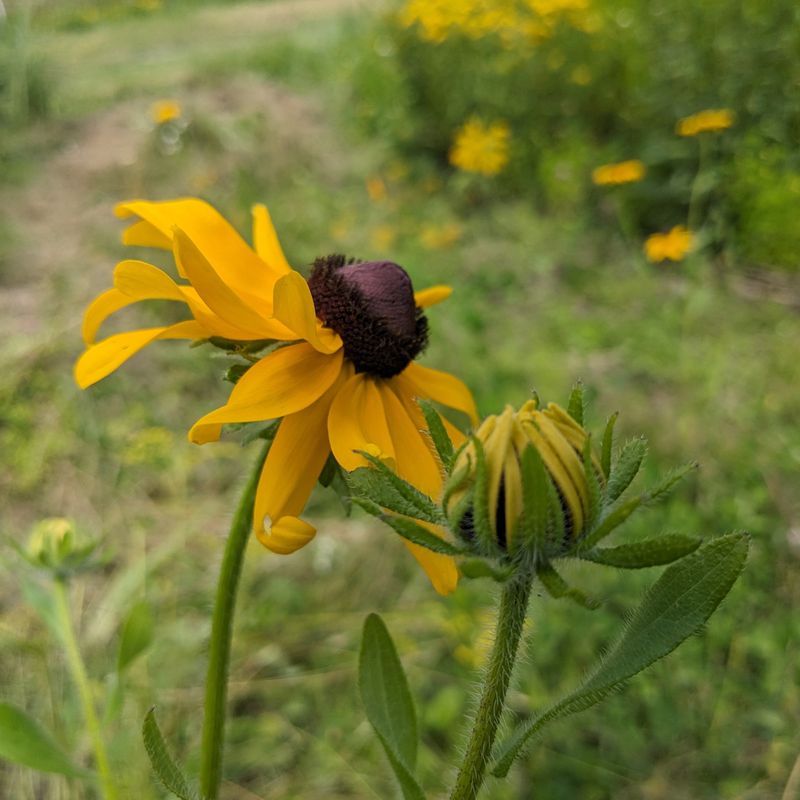
Self-sowing is most useful when it is guided rather than ignored. Black-eyed Susan can produce a generous number of seeds, and in a good year with the right conditions, many of those seeds may germinate.
That is genuinely exciting, but a crowded cluster of seedlings competing for the same patch of soil will not produce the bold, healthy plants you are hoping for.
Thinning seedlings early in the season gives the strongest plants room to develop. Pull or snip the smallest or most crowded volunteers, leaving plants spaced roughly twelve to eighteen inches apart as a general starting point.
Small volunteers that sprout in the wrong place can often be dug up and moved. That is easiest while they are young and their roots are still shallow.
Horticulture experts advise that good airflow around plants helps reduce the risk of fungal issues, which can be a concern in dense plantings of Rudbeckia. Keeping the patch well-spaced also makes each individual plant more visible and attractive.
Self-sown black-eyed Susan is a real gardening bonus. Treating it as something to shape and edit, rather than simply let run, produces far better results season after season.
A little thinning goes a long way toward a healthy, full-looking bed.
7. Pair It With Tough Natives That Can Hold Their Own
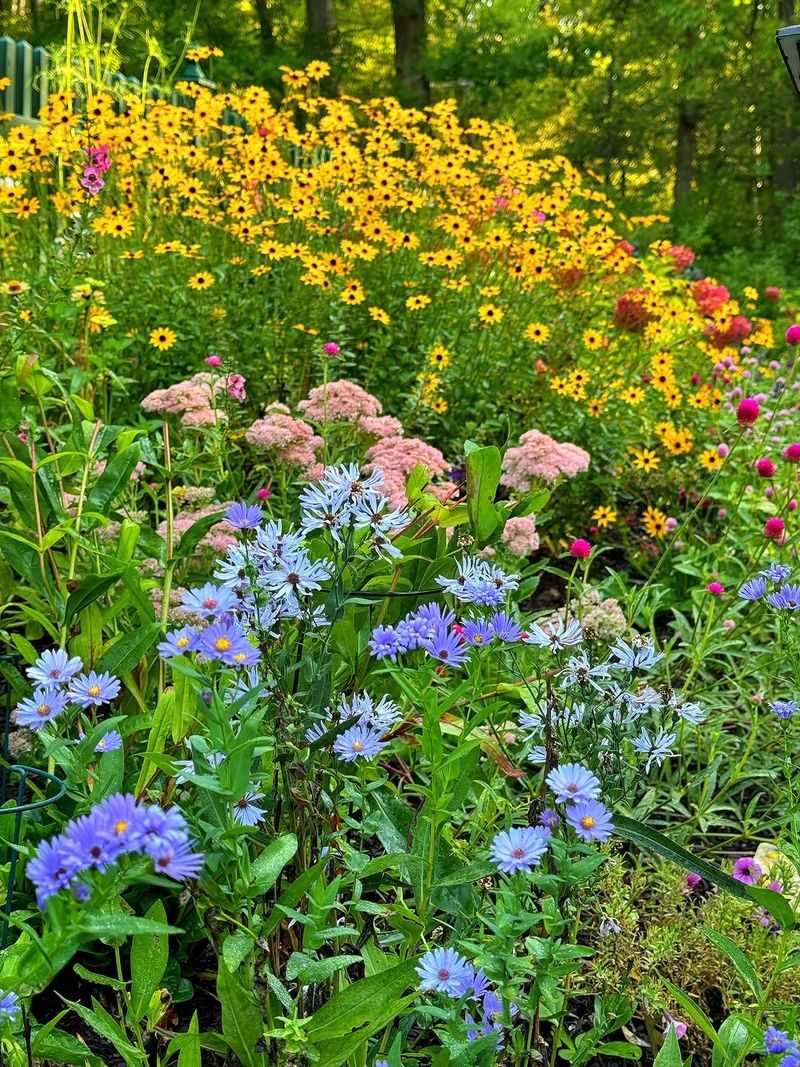
Pairing black-eyed Susan with the right companions makes self-sown volunteers look intentional rather than random. When new plants pop up in gaps between sturdy neighbors, the result feels like a planned drift rather than a weed problem.
The key is choosing companions that match the same sun and soil preferences and can hold their ground without being overwhelmed.
Purple coneflower, known as Echinacea purpurea, is one of the most commonly recommended companions for Rudbeckia hirta. Both are native to similar open habitats, thrive in full sun, and tolerate average well-drained soil.
Little bluestem, a native prairie grass, adds texture and structure while leaving enough open soil around its base for seedlings to establish.
Goldenrod and native asters work well in the background, extending the bloom season into fall and supporting pollinators long after black-eyed Susan finishes flowering.
Native plant guidance from Ohio botanical garden sources suggests that mixed plantings of sun-loving natives support more pollinators. They also tend to support more beneficial insects than single-species beds.
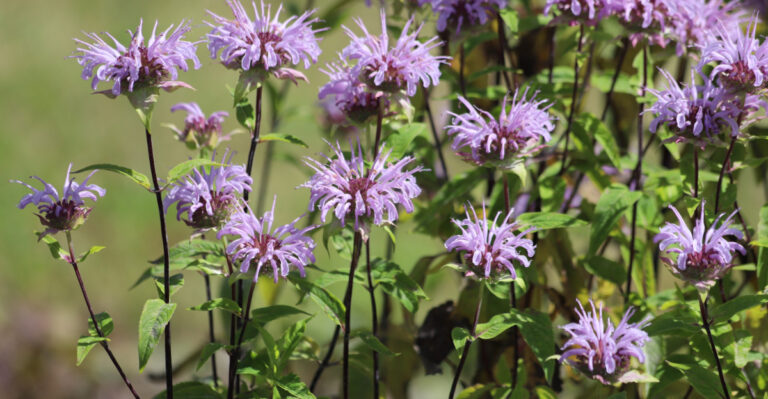
Bee balm can also be a companion, though it spreads more aggressively in moist soil, so placement matters.
Choosing companions that match your site conditions and growth habits keeps the combination looking attractive without one plant overwhelming another.
Mixed native plantings also tend to make self-sown gaps look like a natural, designed feature rather than an accident.
8. Turn One Summer Flower Into A Self Sowing Drift

Starting with just a small group of black-eyed Susan plants is all it takes to begin building a natural drift over time. Plant a starter cluster in a sunny, well-drained spot, then step back and let the season unfold.
Bloom in July brings pollinators. Seed heads in late summer and fall bring birds.
And with a little help from the gardener, those seed heads can bring new plants the following year.
The process works best when you combine a few simple habits. Leave some seed heads through late fall, keep small open soil pockets, avoid deep mulch where volunteers are wanted, and thin seedlings in spring.
Moving extra volunteers into nearby gaps is an easy way to guide the drift in the direction you want it to go.
Results will vary based on weather, bird activity, mulch depth, cleanup timing, and how much open soil is available. Some years produce many volunteers, and some produce few.
Patience is part of the process. Black-eyed Susan will not fill a July gap the moment its flowers open.
When you let it complete its full seed cycle, one summer planting can gradually grow into a golden, wildlife-friendly drift. It can refresh itself season after season without starting over from scratch.