Why Bougainvillea Leaves Turn Yellow In June In California And How To Fix It
Bougainvillea is supposed to be the tough one. The plant that laughs in the face of heat, thrives on neglect, and puts on a color show that stops people in their tracks.
So when those leaves start turning yellow in June, it feels a little personal. What is going on?
The honest answer is that it could be a few different things, and that is actually what makes bougainvillea yellowing so frustrating to figure out.
Watering habits, drainage, soil conditions, container setup, even pest activity can all push this plant toward yellow leaves without any single obvious culprit.
The good news is that once you start looking at the right things in the right order, the cause usually becomes pretty clear. And in most cases, it is very fixable.
1. Soil Stays Too Wet Between Waterings
Soggy soil is one of the more sneaky reasons bougainvillea leaves turn yellow in June, and it often surprises gardeners who assume more water means a healthier plant. Bougainvillea actually prefers soil that dries out somewhat between waterings.
When the root zone stays wet for too long, the roots struggle to take in oxygen, and the plant begins to show stress through pale or yellow leaves.
In California, June marks the start of the dry season, but many gardeners respond by increasing irrigation frequency.
If the soil does not drain well or if the plant is watered on a schedule that does not match actual soil conditions, moisture can linger far longer than the plant tolerates.
Yellow leaves that appear on the lower or older portions of the plant are often one of the first signs that roots are sitting in overly wet conditions.
To check for this issue, push a finger or a wooden dowel about two inches into the soil near the root zone. If it feels damp or the dowel comes out with soil clinging to it, the plant likely does not need water yet.
Adjusting the irrigation schedule so the top few inches of soil dry out before the next watering can make a noticeable difference.
Bougainvillea in California landscapes tends to do better with deep, infrequent watering rather than light, frequent applications that keep the soil consistently moist.
2. Watering Does Not Reach The Root Zone In Hot June Weather
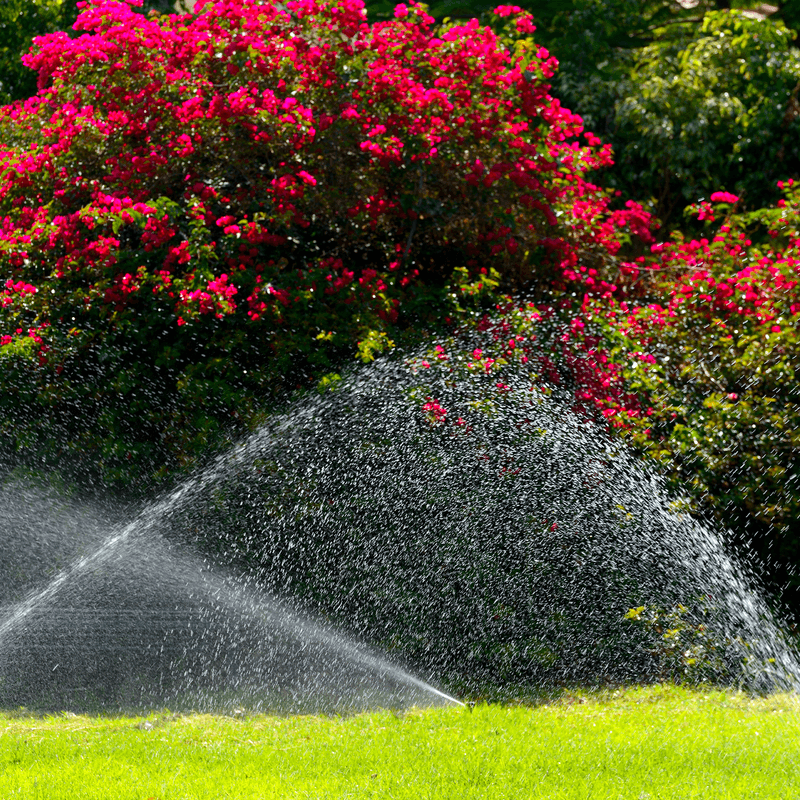
June heat in California can be intense, especially in inland valleys and desert-adjacent regions where temperatures regularly climb past 90 degrees.
When the heat rises quickly and irrigation schedules have not been adjusted from spring settings, bougainvillea roots can dry out faster than expected.
Leaves may begin to yellow or look washed out as the plant struggles to move water and nutrients from dry soil up through its stems and foliage.
A common mistake is watering too lightly and too briefly. Short irrigation cycles may wet only the top layer of soil while leaving the deeper root zone dry.
Bougainvillea roots extend several inches down, and surface moisture alone does not give the plant what it needs during hot weather.
Your California Garden Changes Every Week. Your Plan Should Too.
Gardening in California changes quickly throughout the season. Every Friday you’ll receive a simple weekly plan showing exactly what to plant, prune, fertilize, harvest, and protect so you never miss the right timing.
Gardeners in California’s inland areas may notice this problem more quickly than those near the coast, where temperatures stay milder through June.
The fix involves adjusting both the duration and the timing of irrigation. Watering deeply and less frequently encourages roots to grow downward into cooler, more stable soil.
Early morning is generally a good time to water because it allows moisture to soak in before the heat of the day causes evaporation. Checking soil moisture a few inches below the surface before each watering session helps gardeners avoid guessing.
Consistent, deep irrigation during California’s hot June days can help bougainvillea maintain healthy green foliage through the season.
3. Drainage Problems Are Limiting Root Function
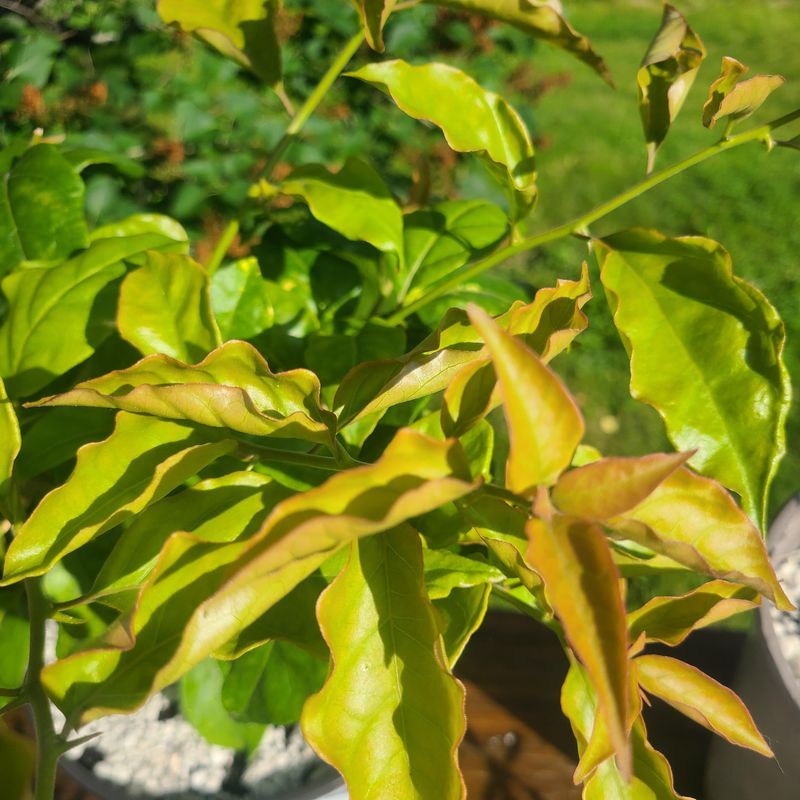
Poor drainage can quietly limit a bougainvillea’s ability to thrive, and the signs often show up as yellowing leaves that do not improve no matter how carefully you adjust your watering schedule.
When water cannot move freely through the soil or out of a container, roots stay saturated and begin to lose their ability to absorb nutrients effectively.
Over time, this leads to the pale, yellowish foliage that many gardeners notice in June.
In landscape beds, compacted clay soil is a frequent culprit. California has many regions where native soil contains heavy clay that holds water tightly.
Bougainvillea planted directly into clay without soil amendment can develop drainage problems that worsen as summer irrigation increases.
In containers, drainage holes that are blocked by roots, debris, or saucers filled with standing water create the same kind of saturated root environment.
Improving drainage often means amending the soil with coarse sand or perlite to help water move through more freely. For container plants, make sure drainage holes are open and that the pot is not sitting in a water-filled saucer for extended periods.
In landscape beds, creating a slightly raised planting mound can help excess water move away from the root zone.
California gardeners dealing with clay-heavy soil may also benefit from mixing in organic compost to improve soil structure and encourage better water movement around bougainvillea roots throughout the summer growing season.
4. Nutrient Uptake Is Poor In Containers Or High-PH Soil
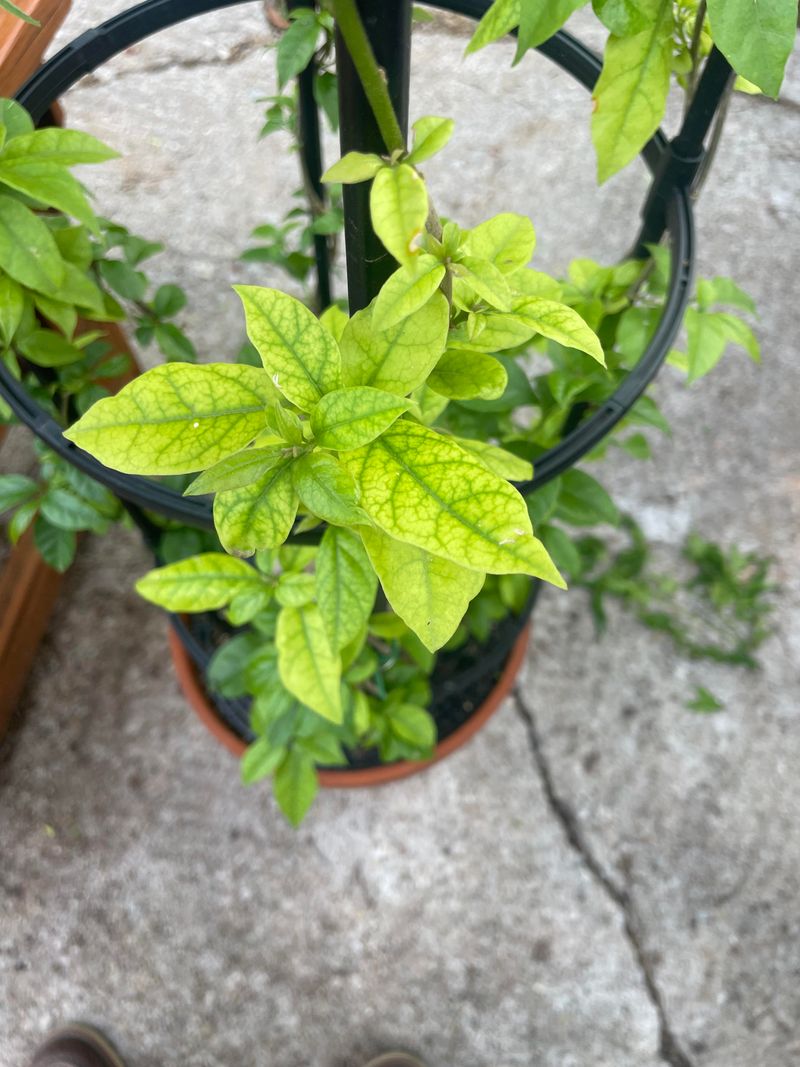
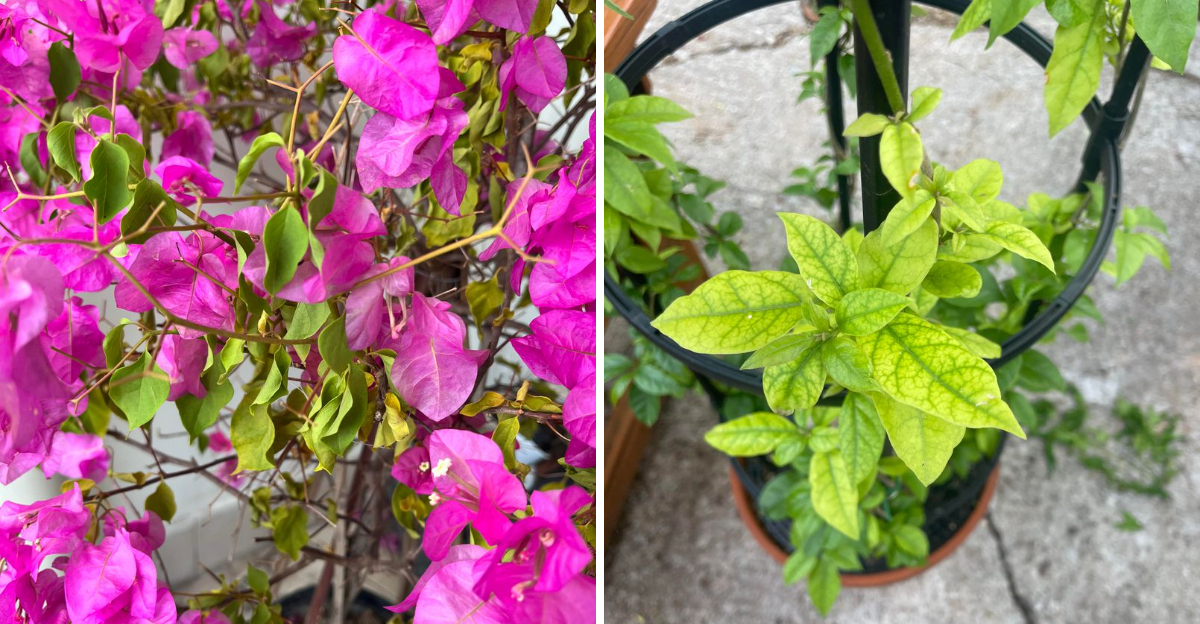
Interveinal chlorosis – where leaf tissue turns yellow while the veins stay green – is a recognizable sign that a bougainvillea is not getting the nutrients it needs.
In California, this pattern often points to iron or manganese deficiency, which can occur when soil pH is too high.
Alkaline soil makes certain nutrients less available to plant roots even when those nutrients are technically present in the soil.
Container-grown bougainvillea faces a particular challenge in June. As the season heats up and irrigation increases, nutrients flush out of potting mix more quickly.
Over time, the mix can also become compacted and lose its ability to support healthy root function.
Without a steady supply of iron, magnesium, and other trace elements, bougainvillea leaves may begin to yellow in ways that look like overwatering or underwatering but are actually rooted in nutrient availability.
One practical approach is to apply a chelated iron supplement, which remains available to plants even in slightly alkaline conditions. For containers, refreshing the potting mix every one to two years helps maintain a healthy growing environment.
Testing soil pH can also give gardeners a clearer picture of what is happening below the surface. A pH between 5.5 and 6.5 is generally considered favorable for nutrient uptake in bougainvillea.
Adjusting pH with sulfur-based amendments can gradually improve conditions in both containers and landscape beds where alkalinity is the underlying issue.
5. Fertilizer Or Salt Buildup Is Stressing The Plant
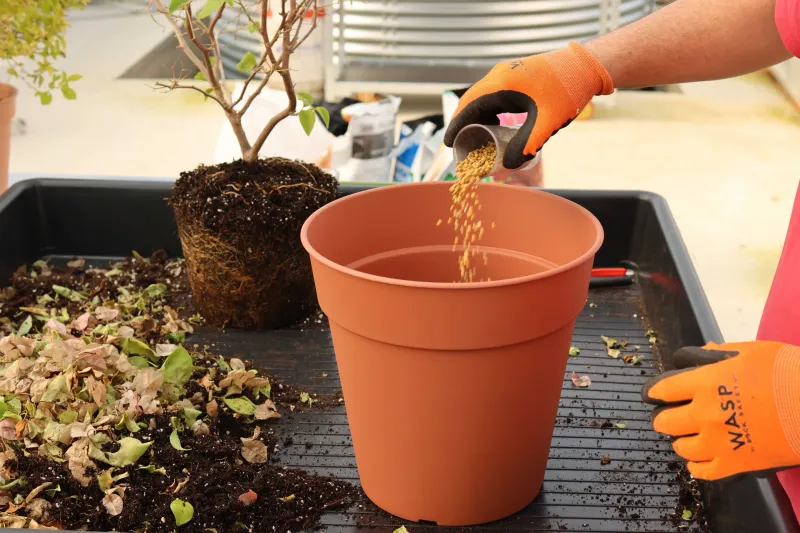
White crusty residue on the surface of container soil is a clue that salt buildup may be affecting a bougainvillea’s health.
In California, where water can carry moderate mineral content and fertilizers are applied regularly through the growing season, salts can accumulate in the root zone over time.
When salt levels become too high, they interfere with the plant’s ability to absorb water and nutrients, which can lead to yellowing leaves, brown leaf tips, and overall decline in plant vigor.
Overfertilizing is a common contributor to this problem. Applying high-nitrogen fertilizers too frequently or in amounts beyond what the label recommends can push salt concentrations to levels the plant finds stressful.
Bougainvillea in containers is especially vulnerable because salts have nowhere to go when drainage is limited. In June, as gardeners try to support growth during the active season, it is easy to apply more fertilizer than the plant actually needs.
Flushing container soil with plain water every few weeks can help rinse away accumulated salts. For landscape plants, deep watering that moves moisture well below the root zone can have a similar effect.
Switching to a slow-release fertilizer applied at a moderate rate reduces the risk of salt buildup compared to frequent liquid feeding.
California gardeners who notice both yellow leaves and white surface deposits on soil should address salt accumulation before adding more fertilizer, since continuing to feed a stressed plant can sometimes make the issue worse.
6. Pests Are Feeding On Leaves Or Sap
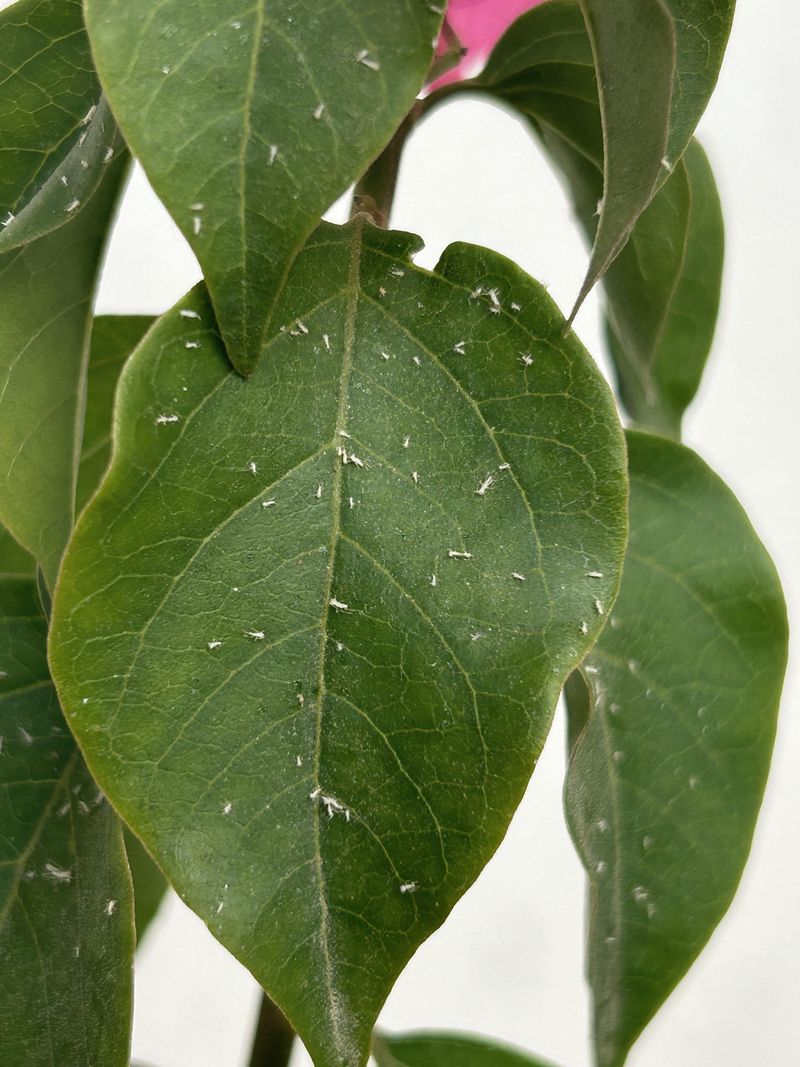
Sticky residue on bougainvillea leaves is not something to brush off without a closer look. That stickiness, known as honeydew, is a telltale sign that sap-feeding insects may be at work.
Aphids, whiteflies, and mealybugs are among the pests that target bougainvillea in California, particularly during warm months when populations build up quickly.
As these insects feed, they remove plant sap and weaken the plant’s ability to maintain healthy foliage, which can lead to yellowing leaves across affected areas.
Aphids tend to cluster on new growth and the undersides of leaves. Whiteflies scatter in small clouds when the plant is disturbed and leave behind honeydew that can encourage sooty mold.
Mealybugs appear as white cottony masses tucked into stem joints and leaf bases. Any of these pests can cause leaf yellowing that looks similar to nutrient deficiency or watering problems, which is why checking the plant carefully before treating is a smart first step.
For mild infestations, a strong spray of water directed at the undersides of leaves can knock pests off the plant. Insecticidal soap or neem-based products are commonly used options that can help manage populations without harsh chemical exposure.
Treating early, before populations grow large, tends to produce better results.
Gardeners who monitor their bougainvillea regularly throughout June and into summer are more likely to catch pest activity early and address it before significant leaf yellowing develops across the plant.
7. Recent Planting Or Repotting Disturbed Sensitive Roots
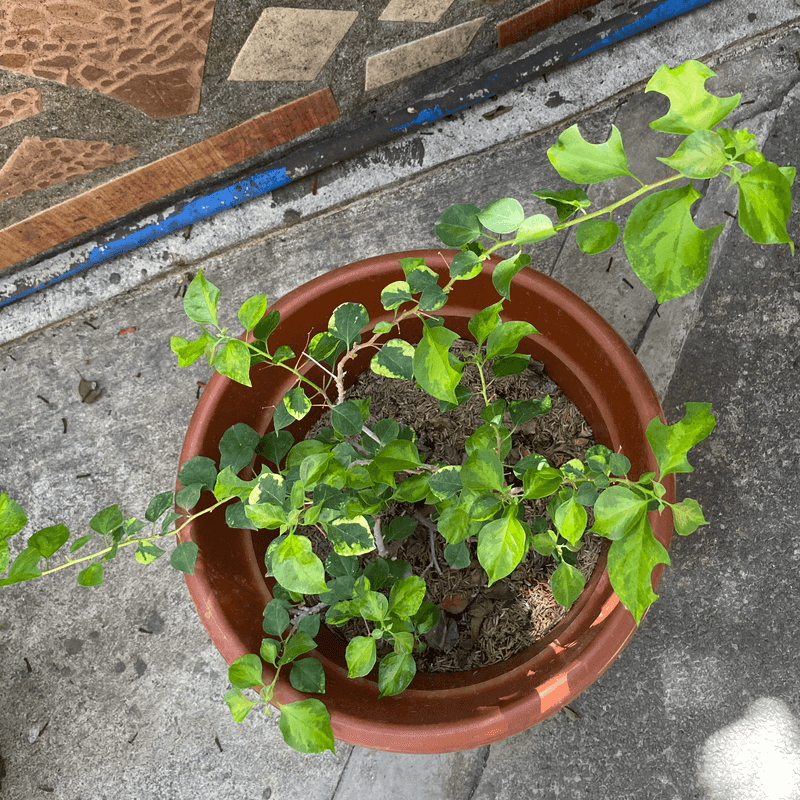
Bougainvillea roots are famously sensitive, and any gardener who has moved one of these plants in June knows that the transition does not go smoothly.
Transplant stress is a real and common reason for yellow leaves, especially when planting or repotting happens during the heat of early summer in California.
The root disturbance disrupts the plant’s ability to take in water and nutrients, and yellow leaves are often the first visible sign that the plant is working to recover.
When roots are disturbed during repotting, the plant temporarily loses some of its water-absorbing capacity. Combined with June heat and full sun, this can push bougainvillea into a stress response fairly quickly.
Leaves may yellow and drop, and new growth may slow or stall for a period of weeks. Some gardeners mistake this for a watering problem and increase irrigation, which can actually worsen root stress if drainage is not ideal.
Giving a recently planted or repotted bougainvillea consistent, moderate moisture without overwatering is generally the most helpful approach during recovery.
Placing the plant in a location with bright but slightly filtered light for the first few weeks can reduce heat stress while roots reestablish.
Avoiding fertilizer for the first four to six weeks after repotting gives the root system time to settle without additional chemical pressure.
California gardeners who repot in spring rather than during peak June heat often find that bougainvillea recovers more smoothly and maintains better foliage color through the summer.