The Real Cause Of Browning Edges On Kentucky Hostas
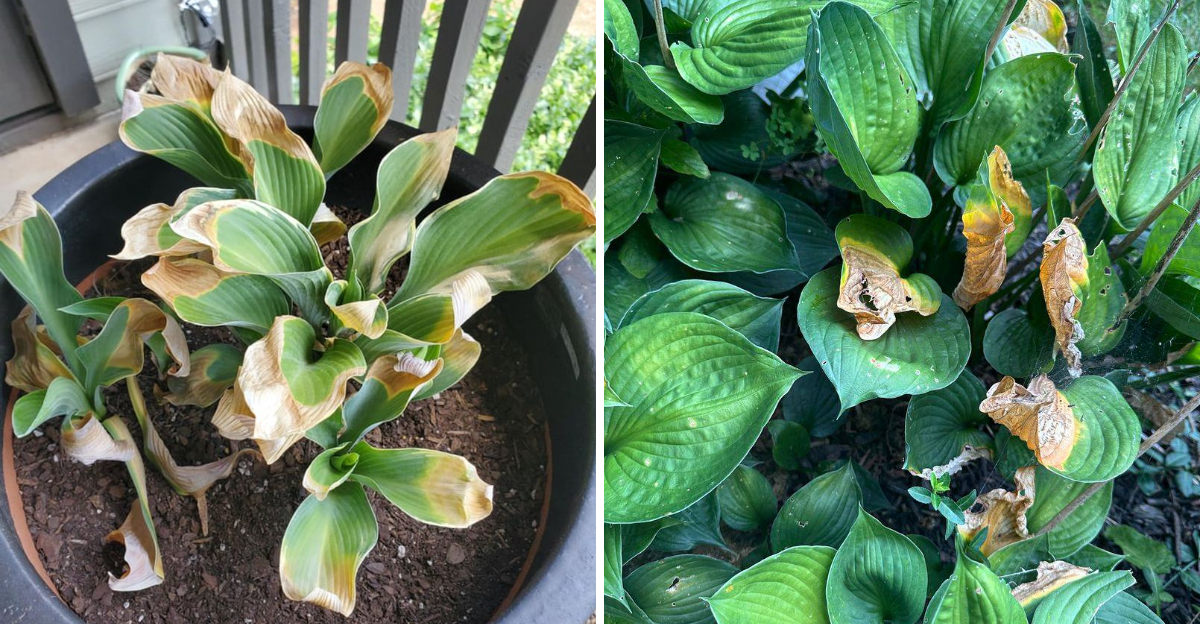
Coffee in hand, you step outside and spot it immediately. Your hostas have gone crispy around the edges, and the damage is creeping inward fast.
If you’re gardening anywhere in Kentucky, this scene probably feels familiar. Browning leaf margins rank among the top hosta complaints across the state, and the actual cause rarely matches the first guess.
Most people point fingers at harsh sun or hungry insects. Nine times out of ten, though, the real story is playing out underground, in the soil structure and watering rhythm you’ve settled into without much thought.
Kentucky doesn’t make this easy. Clay-heavy soil, swampy summer heat, and weather that flips moods overnight put serious pressure on hostas trying to stay upright and green.
Once you spot the actual trigger, turning things around is more straightforward than it looks.
Browning Edges Are A Common Complaint Among Kentucky Gardeners
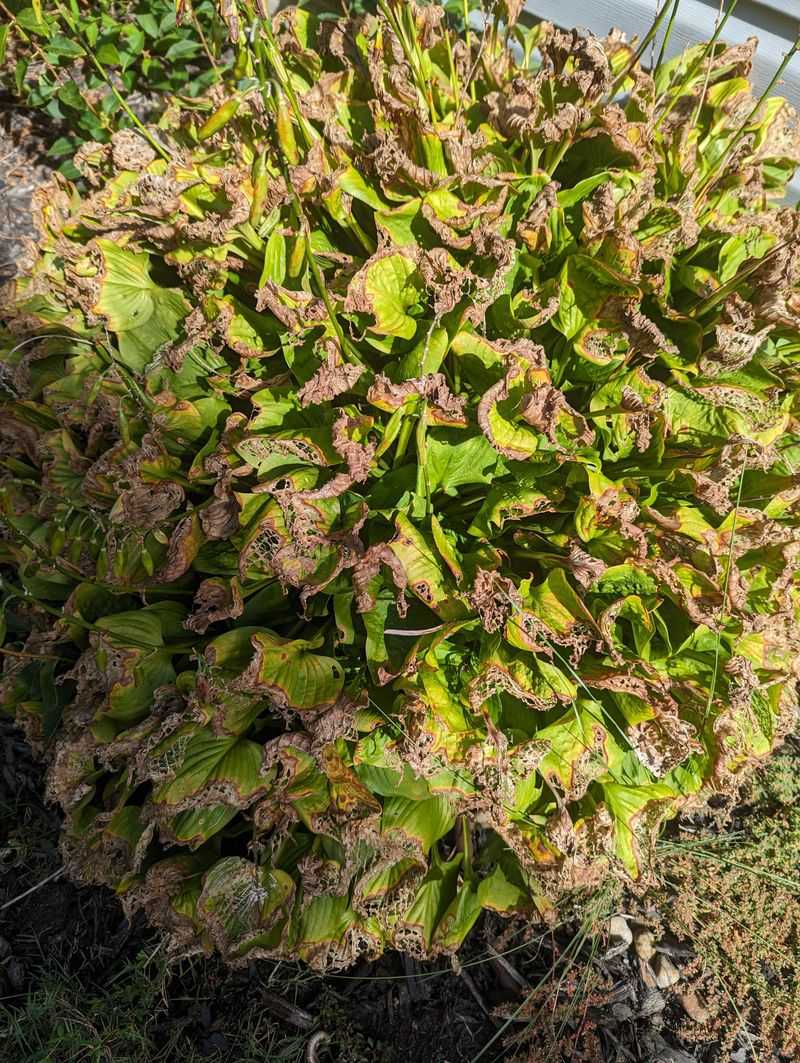
Walk through almost any neighborhood in central Kentucky during July, and you will spot them. Hostas with brown, papery edges line porches, shade gardens, and flower beds everywhere.
The browning edges on Kentucky hostas are not a rare problem. Gardeners across the state deal with this most summers.
Many assume the worst right away. They think disease or pests are attacking their plants, so they reach for sprays and treatments that do not actually help.
The truth is, most browning on hosta edges has nothing to do with bugs or fungus. It comes down to stress, specifically the kind caused by irregular moisture and tough soil conditions.
Kentucky summers are brutal. Temperatures regularly climb into the upper 80s and 90s, and rainfall can be wildly unpredictable from one week to the next.
Hostas are tough plants, but they have limits. When those limits get pushed repeatedly, the leaf edges are the first place that shows it.
Gardeners often wait too long before investigating. By the time the brown edges appear, the plant has already been struggling for days or even weeks underground.
Catching the signs early makes a huge difference. Knowing what to look for, and what actually causes the problem, puts you ahead of the damage before it spreads across your entire garden bed.
This issue is fixable, and you do not need expensive products or professional help to solve it. A few smart changes go a long way.
Why Inconsistent Watering Is The Real Culprit
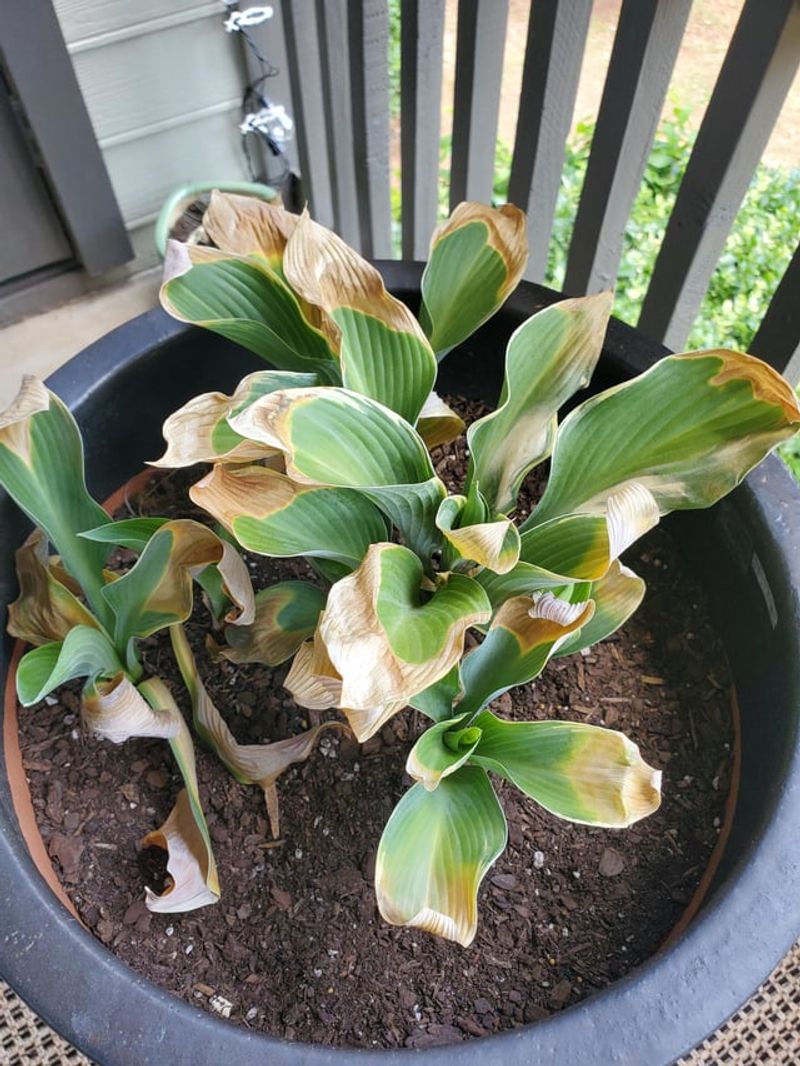
Forget what you think you know about watering schedules. One of the top reasons hostas develop browning edges in Kentucky is inconsistent moisture delivery to the roots.
Hostas like steady, even hydration. When the soil swings from bone dry to soaking wet over and over, the plant cannot regulate water movement through its leaves properly.
When water is scarce, the plant pulls moisture from the leaf edges first. Those outer cells lose water faster than the plant can replace it, and that is when browning begins.
Then it rains hard, or you water heavily to compensate. The roots get flooded briefly, but the damage to those leaf edges is already done and will not reverse.
Your Kentucky Garden Changes Every Week. Your Plan Should Too.
Gardening in Kentucky changes quickly throughout the season. Every Friday you’ll receive a simple weekly plan showing exactly what to plant, prune, fertilize, harvest, and protect so you never miss the right timing.
This boom-and-bust cycle is extremely common in Kentucky gardens. Summer rain patterns here are notoriously uneven, and many gardeners water reactively instead of on a consistent schedule.
A hosta that gets two inches of rain one week and nothing the next is under constant stress. That stress shows up on the leaf margins as brown, dry edges.
The fix is not complicated. Water deeply and consistently, aiming for about one inch per week across the growing season.
Use a rain gauge to track what nature provides. Fill in the gaps yourself so your hostas avoid those extreme moisture swings that trigger the browning edges problem.
Consistency is the key word here. Even watering beats perfect watering when it comes to keeping hostas healthy.
How Kentucky Clay Soil Worsens The Problem
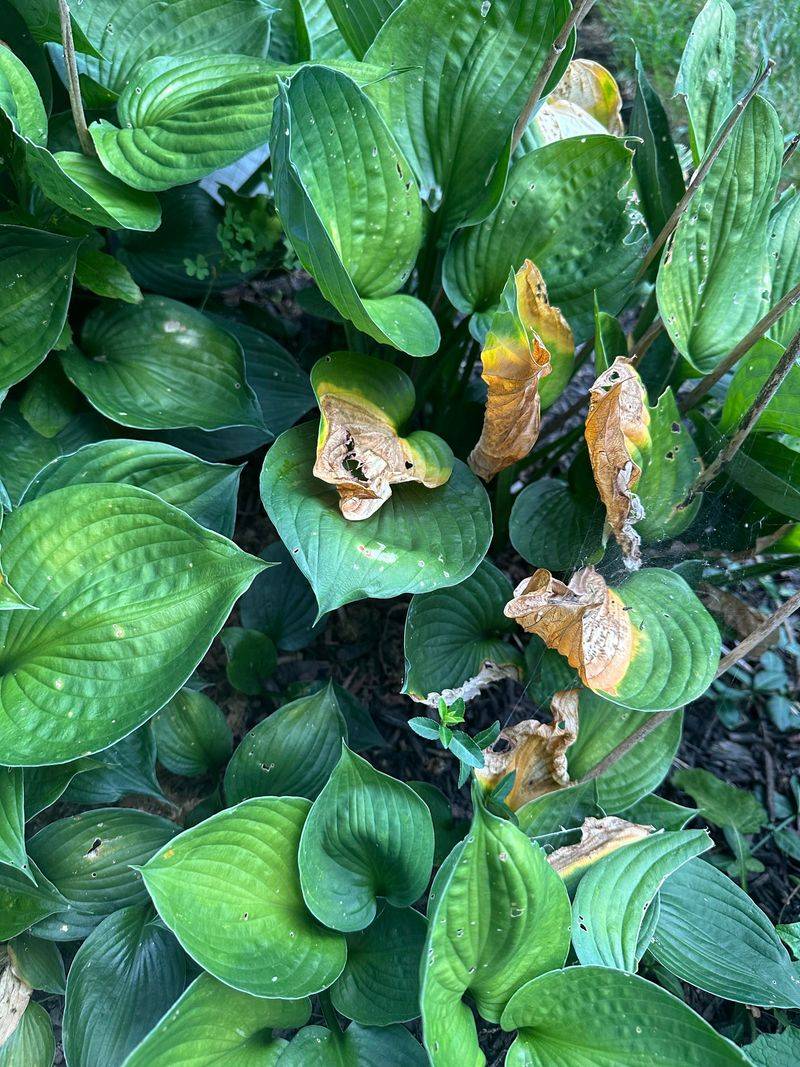
Clay soil is sneaky. It looks like it holds moisture well, and in some ways it does, but it creates a hidden trap for plants like hostas.
Heavy clay compacts over time, forming a dense layer that water cannot move through easily. Roots sit in soggy pockets after rain, then bake in dry, cracked ground a week later.
Kentucky is famous for its thick, sticky clay soil, especially in the Bluegrass Region and surrounding areas. If you have ever tried to dig a hole after a dry spell, you know exactly what that ground feels like.
Hostas planted in untreated clay often struggle even when gardeners do everything else right. The soil itself is working against proper moisture distribution around the roots.
Poor drainage means roots stay wet too long after heavy rain. That excess moisture can suffocate roots, weakening the plant and making it more vulnerable to browning edges later.
Then, when dry weather hits, clay hardens quickly. Water runs off the surface instead of soaking in, leaving roots desperate for moisture even when you are trying to water regularly.
Amending your soil makes a dramatic difference. Mix in compost, aged bark, or other organic matter to loosen clay and improve both drainage and moisture retention.
A two-inch layer of mulch on top also helps regulate soil temperature and moisture. That simple step alone can reduce the browning edges issue significantly in one growing season.
Good soil is the foundation of healthy hostas, and in Kentucky, you have to build it intentionally.
Telling Watering Stress Apart From Sunburn Or Disease
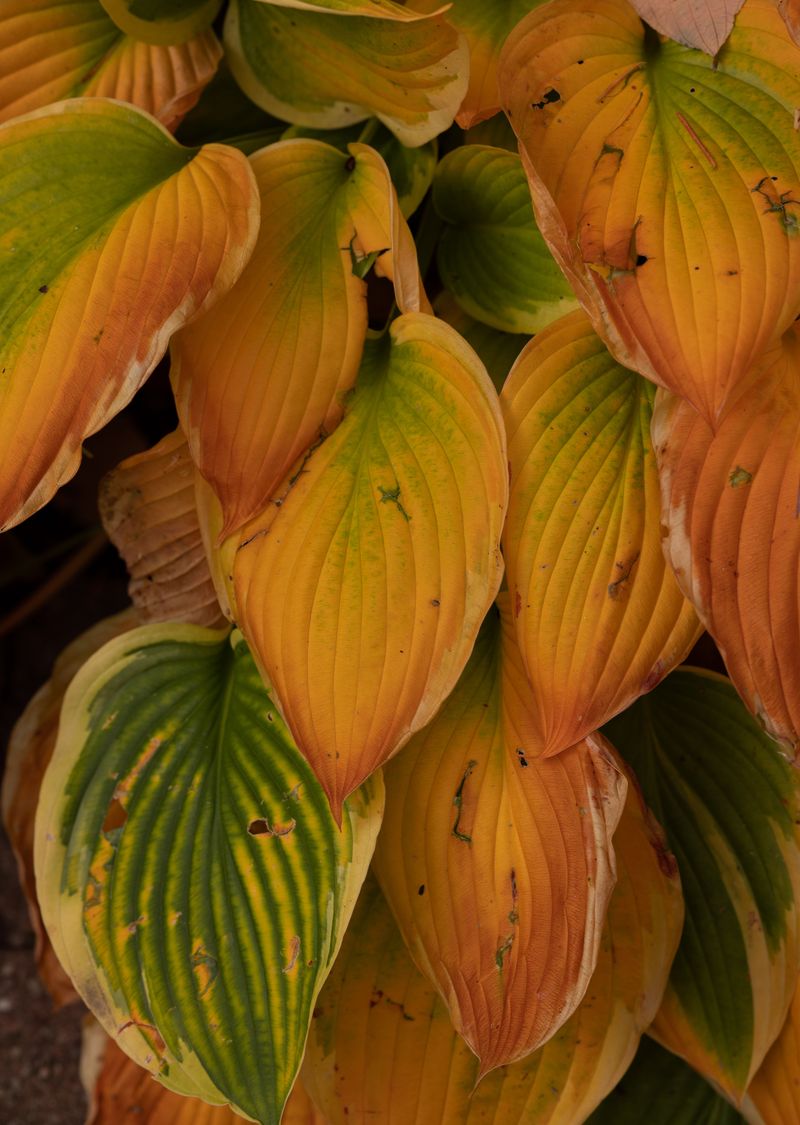
Brown edges do not always mean the same thing. Before changing your watering routine, make sure you are actually dealing with moisture stress and not something else entirely.
Sunburn on hostas shows up as bleached, yellowish-white patches in the middle of the leaf. Watering stress almost always starts at the edges and works inward gradually.
If you notice brown starting at the very tip of the leaf and spreading along the margin, that is a classic sign of moisture stress. The pattern is very distinct once you know what to look for.
Fungal disease often appears as irregular brown spots with yellow halos or dark borders. Watering stress browning tends to be more uniform and follows the leaf edge in a consistent line.
Slug damage looks quite different. Slugs leave ragged holes in the middle of leaves, often with slime trails nearby, especially after wet nights.
Another clue is timing. Watering stress symptoms tend to appear during dry spells or heat waves, not after prolonged wet periods.
Check the soil around your hostas before drawing conclusions. Stick your finger two inches into the ground near the base of the plant.
If the soil feels dry at that depth, moisture stress is almost certainly your issue. If it feels soggy and smells musty, you may be overwatering or dealing with a drainage problem instead.
Accurate diagnosis saves time and money. Treating the wrong problem just delays real relief for your struggling plants.
Adjusting Your Watering Routine To Stop The Damage
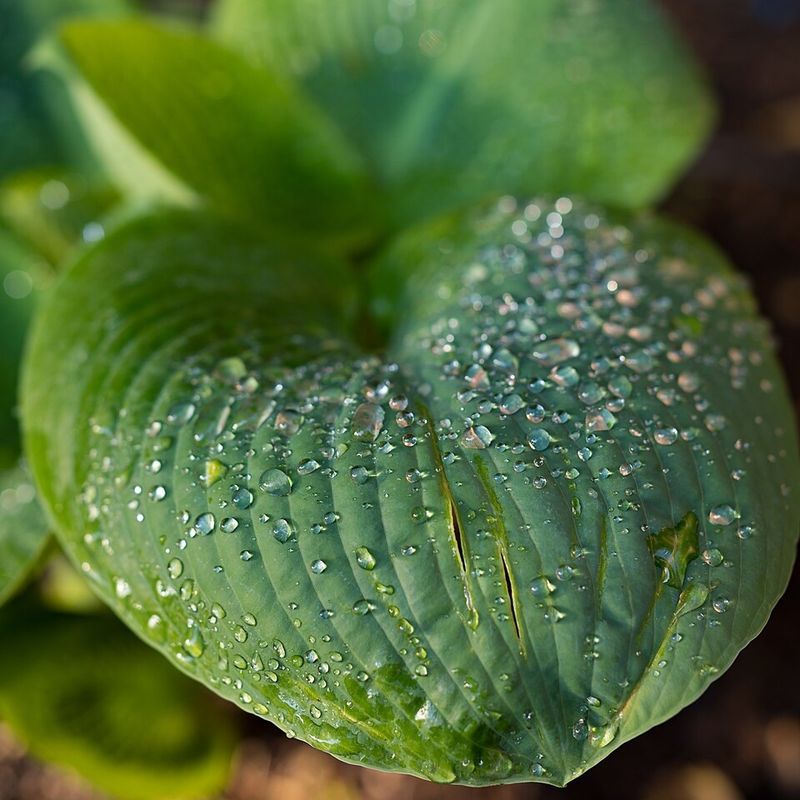
Changing how you water is easier than most gardeners expect. Small adjustments to timing and technique can stop new browning edges from forming within just a few weeks.
Water at the base of the plant, not overhead. Wet leaves sitting in heat can develop their own problems, and overhead watering wastes moisture through evaporation before it reaches the roots.
Morning watering is best. Watering early gives moisture time to soak into the soil before afternoon heat pulls it back out through evaporation.
Avoid watering in short, frequent bursts. Shallow watering encourages roots to stay near the surface, where they are most vulnerable to drying out quickly.
Instead, water deeply and less often. One long, slow watering session that soaks six to eight inches deep is far better than three quick sprinkles across the week.
Drip irrigation works well for hostas in hot climates. A simple drip system delivers steady moisture directly to the root zone without waste or mess.
Mulch works alongside your watering routine. A three-inch layer of shredded leaves or bark mulch slows evaporation dramatically and keeps soil temperature more stable during heat waves.
Track rainfall using a basic rain gauge. When nature delivers less than an inch in a week, step in with your hose or irrigation system to fill that gap.
Consistency is what protects hostas from the browning edges cycle. A steady routine removes the stress that triggers the problem in the first place, and your plants will show it.
Signs Your Hostas Are Recovering
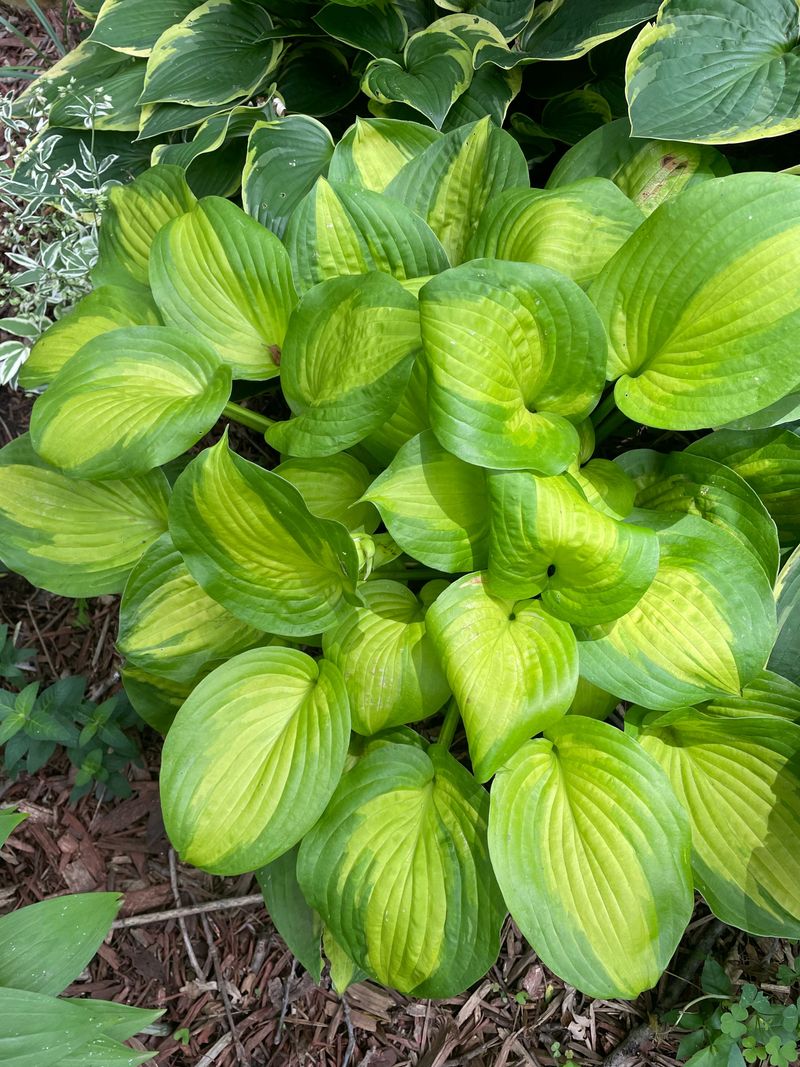
Hope is not lost once browning starts. Hostas are remarkably resilient plants, and with the right adjustments, recovery signs can appear faster than most gardeners expect.
The first thing to watch for is new leaf growth at the center of the plant. Fresh, unblemished leaves emerging from the crown are a clear signal that your changes are working.
Existing brown edges will not turn green again. That tissue will not regenerate, but the important thing is that the browning stops spreading to new growth.
Check the color of the healthy leaf tissue between the brown margins. If it looks deep green and firm rather than pale or limp, the plant is stabilizing nicely.
Improved soil moisture is another recovery indicator. When you check the soil two inches down and it feels consistently damp but not waterlogged, you have found the right balance.
Hostas may also push out a second flush of fresh leaves late in the season if conditions improve significantly. That new growth is one of the most satisfying sights in the garden.
Do not rush to cut off the damaged leaves right away. Those older leaves still photosynthesize and support the plant while it rebuilds its strength through summer.
By late fall, you can trim away the worst-looking foliage. The plant will come back the following spring with a clean slate if you maintain your improved watering and soil habits.
Keeping browning edges on Kentucky hostas from returning next year starts with what you do right now. Stay consistent, and the results will follow.