Why North Carolina Lavender Gets Woody And What Gardeners Can Do
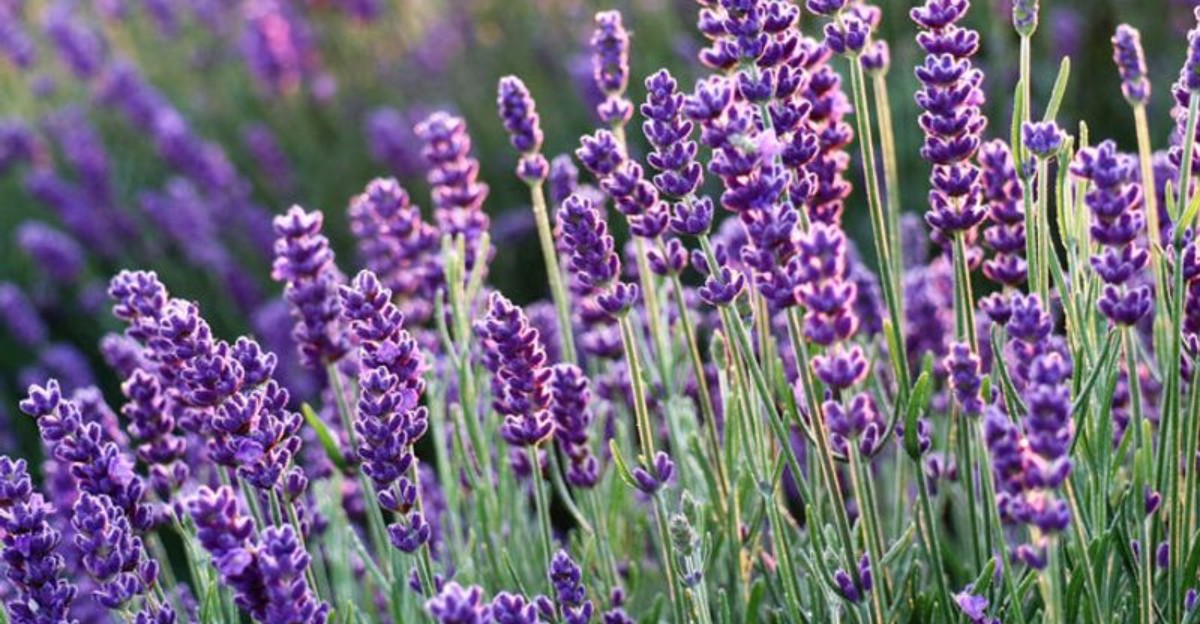
Lavender plants across North Carolina often develop thick, bare, woody stems after just a few years, and this natural aging process tends to accelerate in the region’s humid climate.
Without regular pruning, the plant’s energy shifts toward producing more woody growth rather than the fragrant, flowering stems gardeners actually want.
Because lavender doesn’t regenerate well from old wood once it’s fully hardened, a plant left unpruned for too long can become difficult or even impossible to restore to a fuller shape.
Catching this woodiness early and adjusting pruning habits accordingly gives lavender its best shot at staying productive for years longer.
Understanding why this happens is the first step toward keeping North Carolina lavender full and fragrant rather than sparse and overgrown.
1. Some Woodiness Is A Natural Part Of Aging
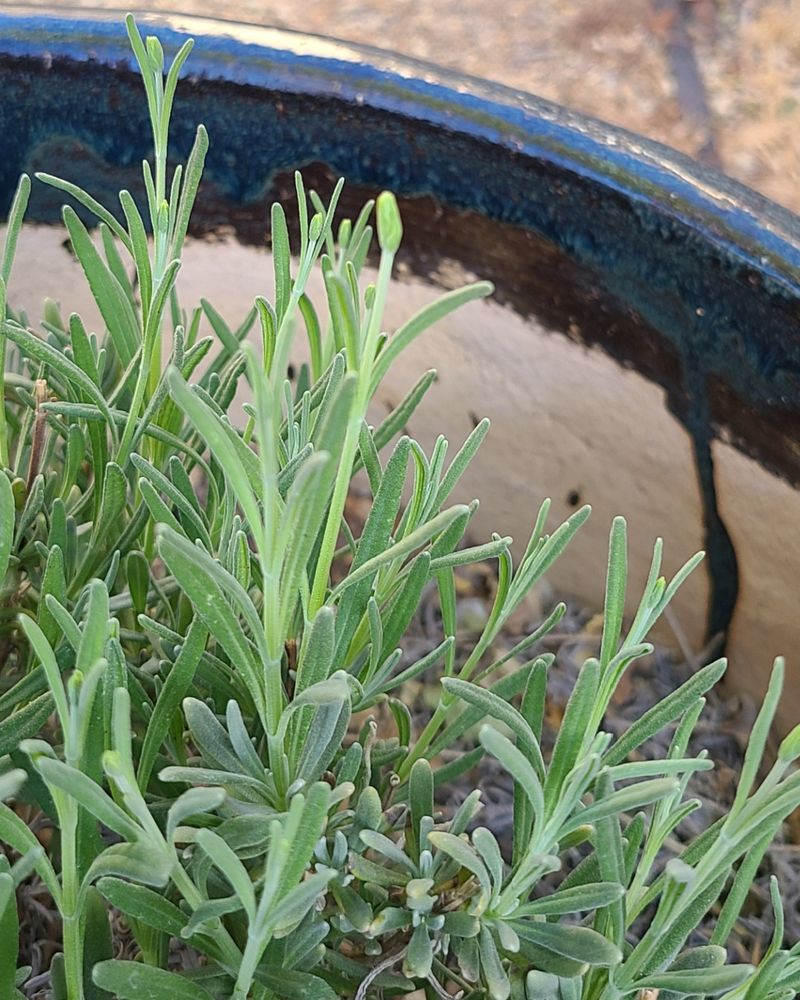
Lavender is technically a small shrub, not a soft flower, so a woody base is part of how it grows. As the plant gets older, the lower stems harden and turn brown, almost like tiny branches.
This shift is completely normal and does not mean something is wrong. Think of it like a tree trunk on a much smaller scale.
The woody part gives the plant support, holding up all those fragrant flower stalks that bees and butterflies love. Younger lavender stays soft and green, but a plant that has lived a few seasons will always show some hardening near the ground.
Many gardeners panic when they spot that brown, twiggy base for the first time. There is no need to worry. As long as the top of the plant keeps pushing out fresh green leaves and blooms, your lavender is doing just fine.
The key is knowing the difference between healthy aging and real trouble. A little woodiness at the bottom with lively growth above is a sign of a maturing plant, not a struggling one.
You can slow down heavy woodiness with good care, which the next tips will cover. For now, take comfort in knowing that a firm base is part of lavender’s charm.
Accepting this natural stage helps you relax and focus on the choices that truly keep your plant vibrant, bushy, and full of that unmistakable scent for many years in your North Carolina garden.
2. Avoid Cutting Into Old Bare Wood
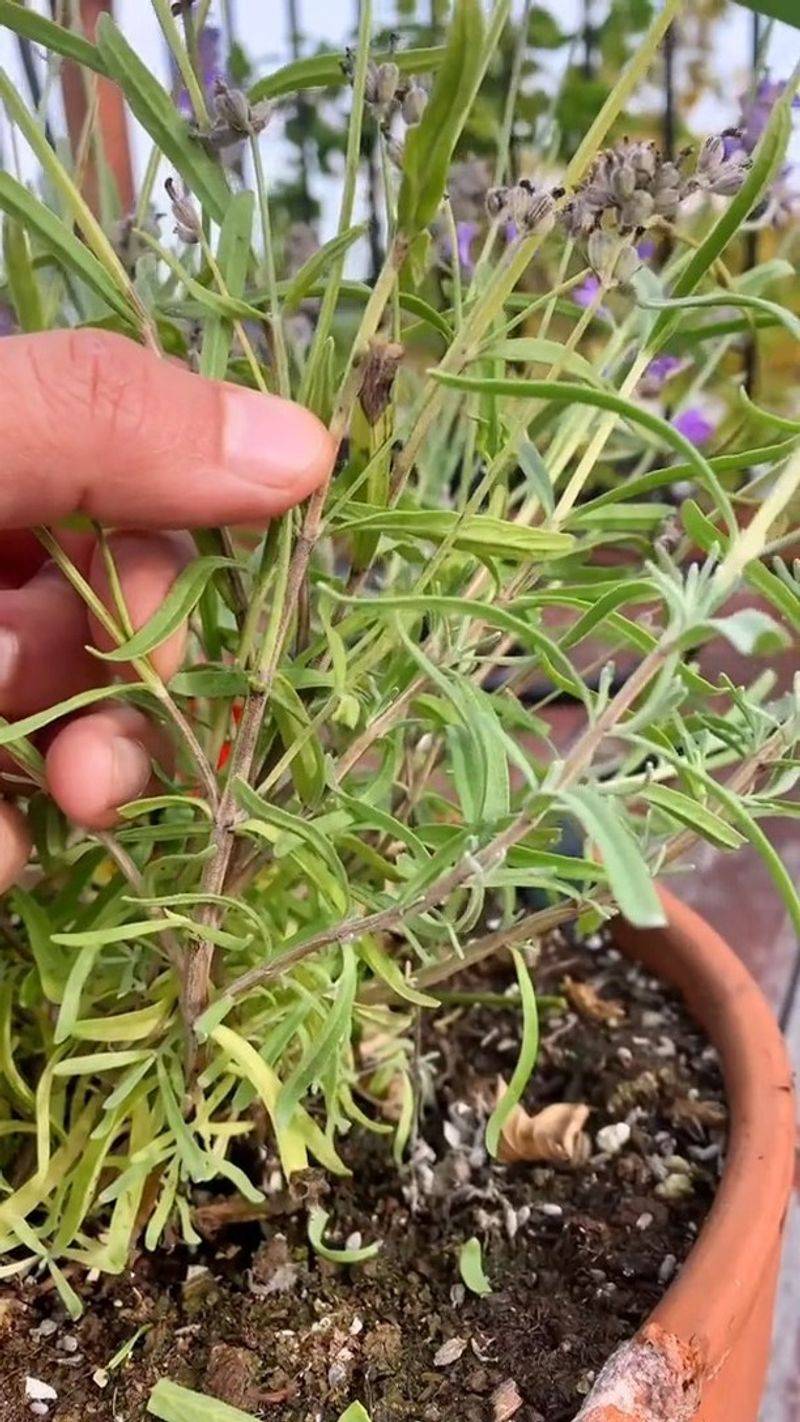
Here is a lesson that saves many lavender plants: never cut deep into the old brown wood. Unlike some shrubs that bounce back after a hard trim, lavender struggles to grow new shoots from bare, leafless stems.
The reason comes down to how lavender wakes up in spring. New growth sprouts from areas that still hold green leaves or tiny buds. Old, leafless wood has limited ability to produce new shoots, so hard cuts into it often leave permanent bare areas.
Once you create those empty gaps, they rarely fill back in. Your plant can end up looking patchy, lopsided, or hollow in the middle, and no amount of watering or feeding will fix it.
When you prune, keep your shears in the soft green zone. Aim to leave at least a couple of leafy inches above the woody part. That way you shape the plant while giving it plenty of living tissue to regrow from.
Your North Carolina Garden Changes Every Week. Your Plan Should Too.
Gardening in North Carolina changes quickly throughout the season. Every Friday you’ll receive a simple weekly plan showing exactly what to plant, prune, fertilize, harvest, and protect so you never miss the right timing.
A helpful trick is to look closely before you snip. Run your fingers along the stem and stop where the green fades into brown. That fading line is your safe boundary.
If your lavender is already very woody with little green left, resist the urge to chop it back hard hoping for a miracle. Instead, trim gently and manage your expectations.
Respecting the limits of old wood is one of the simplest ways to protect the shape and health of your North Carolina lavender for seasons to come.
3. Prune Lightly And Regularly
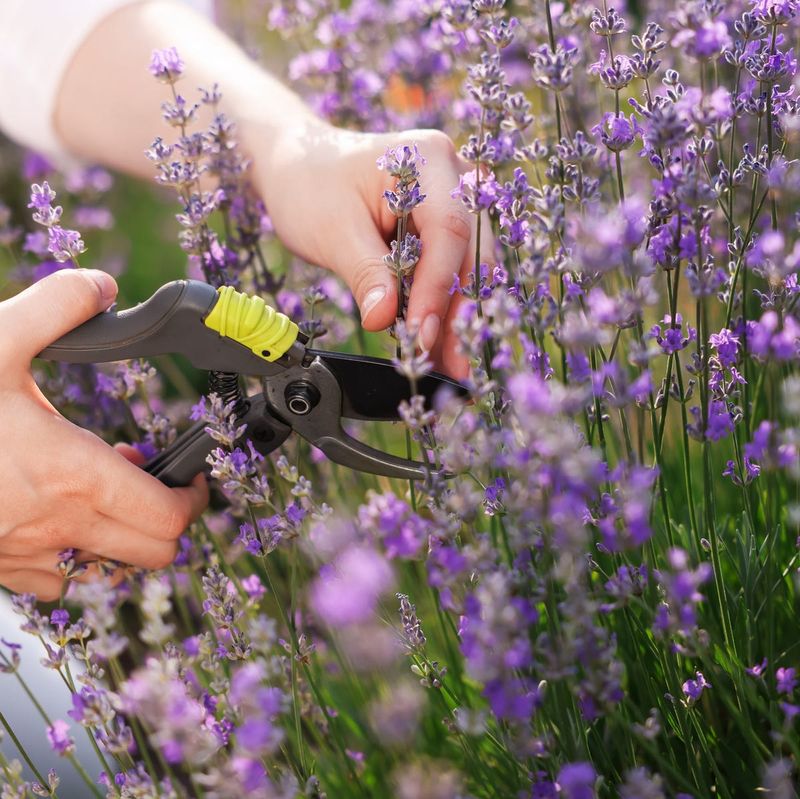
Regular light trimming is the secret weapon against woody lavender. A quick shaping each year keeps the plant tidy, bushy, and far less likely to stretch into a leggy, twiggy mess.
The best time to prune is right after the flowers fade in summer. Grab your shears and gently round off the top third of the plant, staying safely in the green growth. This little haircut encourages fresh side branches and a fuller, more compact shape.
Skipping this step is how many plants get into trouble. Without trimming, lavender keeps growing upward and outward, leaving long bare stems below and a thin crown on top. That open, stretched look speeds up woodiness.
Doing a small trim every single year works far better than one drastic cut every few years. Little and often keeps the plant used to being shaped and always full of active growth.
Some gardeners like to do a second, very gentle tidy in early spring to remove any stems damaged by winter. Just be sure to wait until you see new green buds so you know where the living wood is.
The payoff is huge. A regularly pruned lavender stays rounded like a soft cushion, blooms more heavily, and holds its lovely form for many years.
Think of pruning as a friendly habit rather than a chore. A few minutes with your shears each summer rewards you with a healthier, denser plant and far less of that stiff woody growth creeping in over time.
4. Give Lavender More Sun
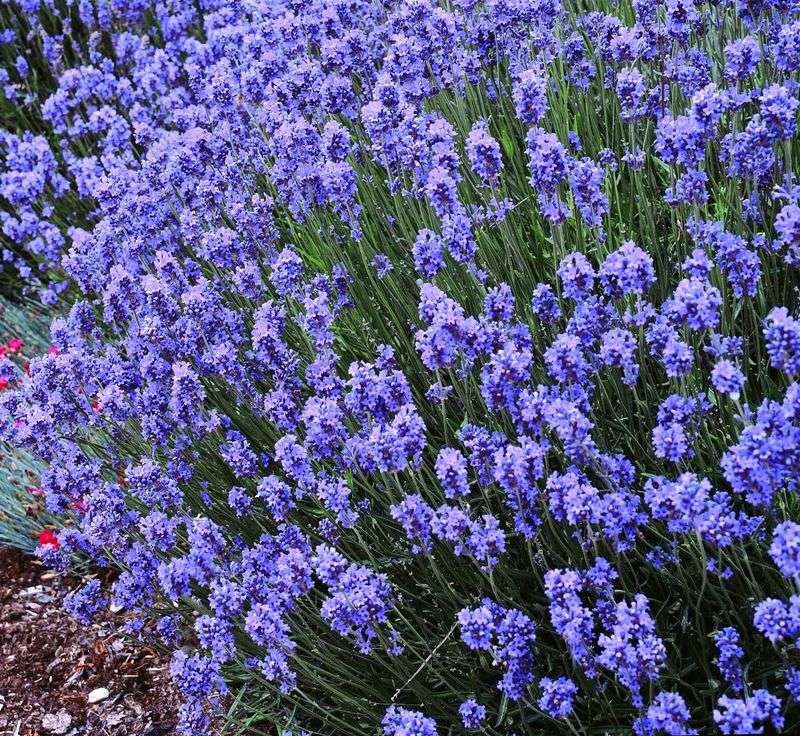
Sunshine is lavender’s best friend, and skimping on it leads straight to weak, floppy growth. This plant comes from sunny hillsides around the Mediterranean, so it craves bright light for hours every day.
Lavender needs a minimum of six hours of direct sun, and eight or more is even better. When it gets that much light, the stems grow sturdy, the leaves stay silvery and thick, and blooms appear in generous numbers.
Plants tucked into shady spots tell a different story. They stretch toward the light, producing long thin stems with wide gaps between the leaves. That reaching, open growth turns woody faster and gives you far fewer flowers.
If your lavender looks pale, sparse, or stretched, take a moment to study its location. Are trees, fences, or taller plants blocking the sun for part of the day? Even a few hours of shade can weaken the plant over time.
Moving lavender to a brighter spot can work wonders. Choose an open area away from buildings and leafy neighbors, ideally where morning and afternoon light both reach the plant. A south-facing space is often perfect.
When you plant, also give each lavender room to breathe. Crowded plants shade each other and block the light they all need.
Full sun does more than boost flowers. It keeps the whole plant compact and strong, slowing down that woody spread. Give your North Carolina lavender all the light you can, and it will reward you with color and fragrance.
5. Fix Drainage Problems
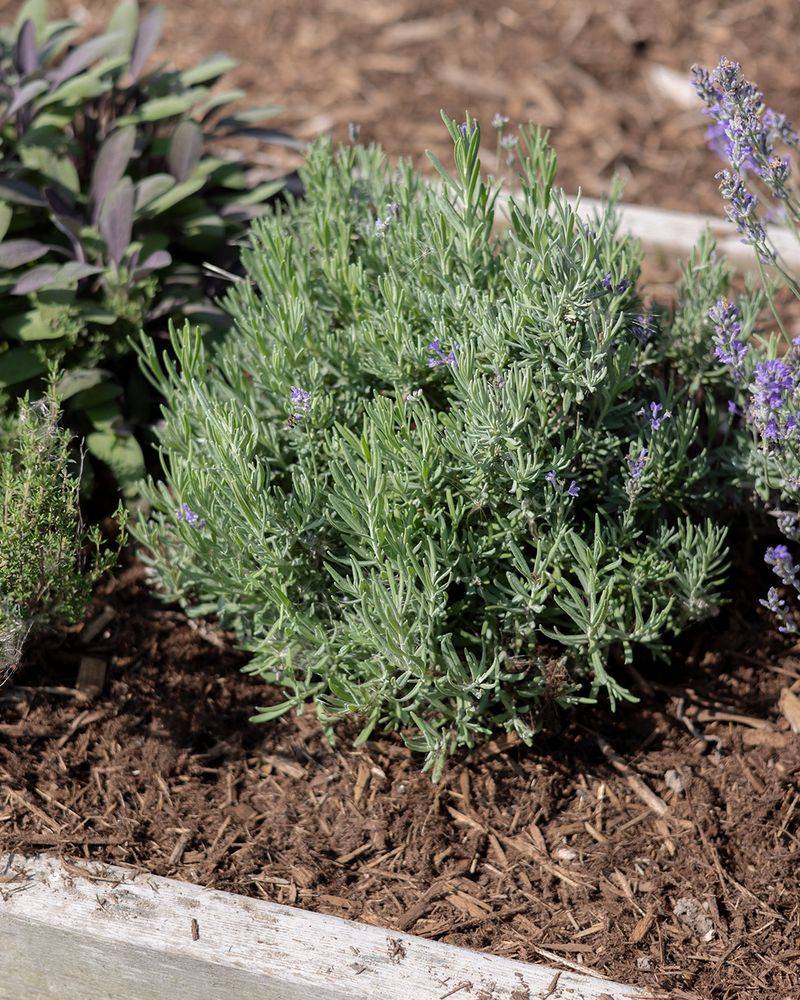
North Carolina weather can be tricky for lavender lovers. Humid summers and heavy rain mean water often lingers in the soil, and soggy roots are one of lavender’s biggest struggles.
This plant hates wet feet. In its native home, it grows in rocky, gritty ground where water drains away fast. When our clay-heavy Carolina soil holds moisture too long, the roots get stressed and the plant slowly weakens and turns woody.
Good drainage is the answer. Before planting, mix in coarse sand, small gravel, or crushed rock to help water flow through quickly. Raised beds and mounds also lift the roots above standing water, which makes a big difference during rainy stretches.
Testing your soil is easy. Dig a hole, fill it with water, and watch how fast it empties. If water sits for hours, your lavender needs a lighter, grittier mix or a raised spot.
Slopes work beautifully for lavender because gravity carries extra water downhill. If you have a gentle rise in your yard, that spot could be ideal.
Adding a layer of gravel or light-colored gravel mulch around the base helps too. It keeps moisture away from the crown and reflects sunlight back onto the plant.
Avoid rich, spongy soils that stay damp. Lavender actually prefers lean, well-draining ground over heavy, fertile mixes.
By solving drainage first, you remove one of the main reasons lavender struggles in our climate. Dry, breathable roots lead to a stronger plant that stays green and lush far longer.
6. Avoid Overwatering
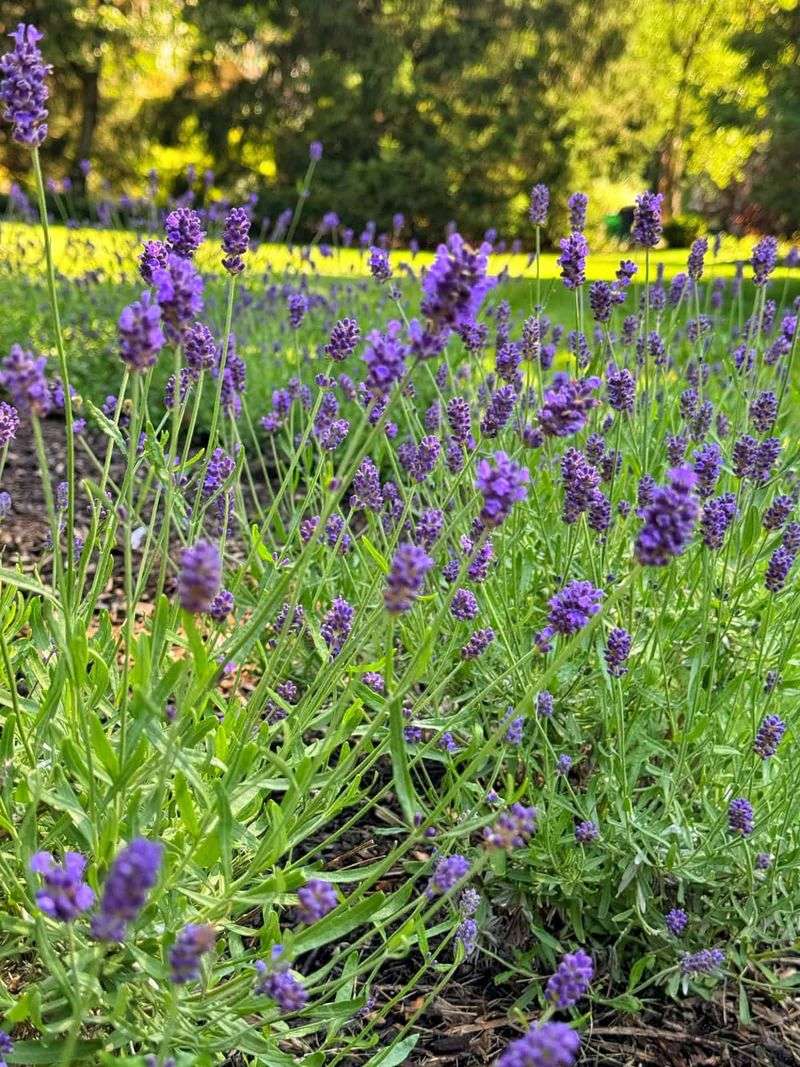
Kindness can sometimes backfire, and overwatering lavender is a perfect example. Many gardeners love their plants so much that they water too often, not realizing lavender actually prefers to stay on the dry side.
Once a lavender plant is settled and established, its roots reach deep and pull up the moisture they need.
Frequent watering keeps the soil damp around the roots, which weakens them and invites problems that show up as thin, woody, tired-looking growth.
The trick is to water deeply but rarely. Give the plant a good soak, then wait until the soil dries out before watering again. In most cases, established lavender only needs help during long dry spells with no rain.
New plants are the exception. During their first season, young lavender needs steady moisture to build strong roots. After that, ease off and let nature do most of the work.
A simple finger test tells you plenty. Push your finger a couple of inches into the soil, and if it feels dry, go ahead and water. If it still feels damp, wait a few more days.
Morning watering is best because it lets the leaves and soil dry through the day. Wet foliage overnight can lead to fungus in our humid air.
Container lavender needs a bit more attention since pots dry faster, but even then, let the top of the soil dry between drinks.
Treat lavender like the tough, drought-loving plant it is, and you will keep it happy and full.
7. Replace Aging Plants When Needed
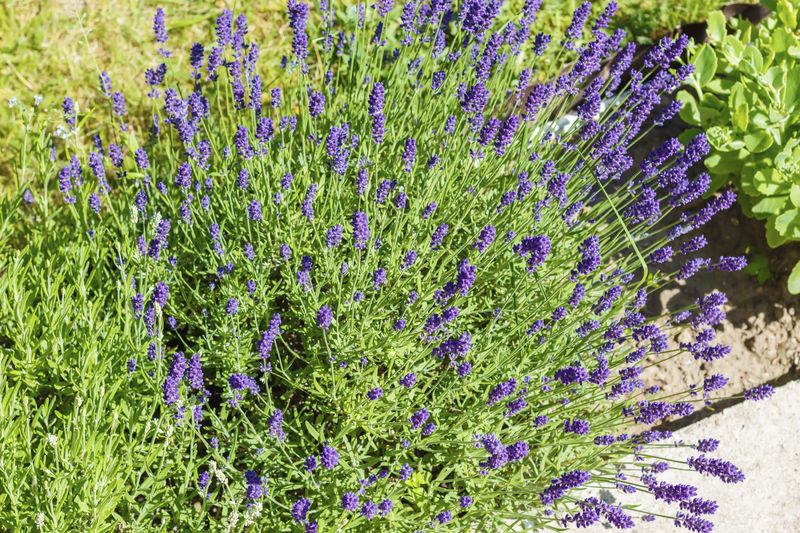
Every lavender plant has a natural life span, and knowing when to start fresh saves you a lot of frustration. Many lavender plants become more woody as they age, but lifespan varies widely depending on variety and growing conditions.
When a lavender becomes mostly bare, twiggy stems with only a few sprigs of green, it has passed the point where trimming can help.
Because lavender cannot regrow from old wood, these tired plants rarely return to their full, rounded shape no matter how much care you give.
Letting go of an old favorite can feel hard, but replacing it is often the smartest move. A young, vigorous plant will fill out quickly and bloom far more heavily than an aging one clinging to life.
Here is a cheerful workaround: take cuttings from your old plant before you remove it. Snip a few healthy green shoots, root them in a light gritty mix, and you can grow brand-new plants from the one you loved.
Buying young nursery plants works well too. Look for compact, bushy specimens with plenty of soft green growth and little visible wood.
When you plant the replacement, choose a fresh spot with excellent drainage and full sun. Starting in a new location gives the young plant clean soil and a strong beginning.
Think of this as renewing your garden rather than losing a plant. Refreshing lavender every several years keeps your beds looking vibrant, full, and endlessly fragrant, season after season, without the sad look of woody, worn-out growth.
8. Choose Lavender Varieties That Fit North Carolina
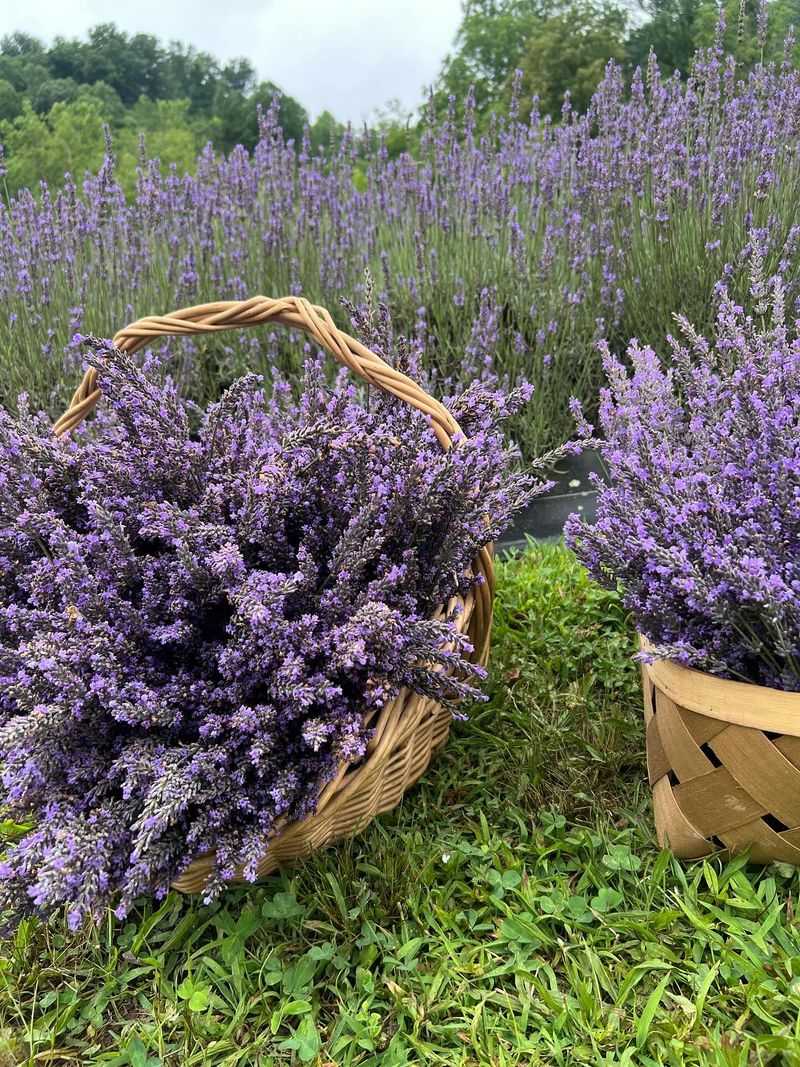
Picking the right type of lavender can make the whole journey easier, especially in our warm, humid climate. Not every variety handles Carolina summers well, so choosing wisely sets you up for success from the start.
Spanish lavender is a fantastic option here because it tolerates heat and humidity better than many others. English lavender types like Munstead and Hidcote also perform nicely, offering cold hardiness and a sweet fragrance that gardeners adore.
Beyond the variety, a few smart habits keep any lavender thriving. Excellent drainage remains the number one priority, so gritty soil and raised spots are always a good idea in wetter areas.
Spacing matters more than people expect. Give each plant plenty of room, usually a couple of feet apart, so air moves freely between them. Good airflow dries the leaves quickly and lowers the chance of fungus in humid weather.
Keeping moisture away from the crown helps too. A layer of gravel around the base wicks water away and reflects warmth back to the plant.
Full sun ties everything together, so plant in the brightest spot you have. Combined with light yearly pruning, these steps slow woodiness and keep growth compact.
Did you know lavender has been grown for thousands of years, prized by ancient Romans who added it to their baths? That long history shows just how tough and adaptable this plant can be with the right care.
Match the variety to your yard, honor its love of dry, sunny conditions, and your North Carolina lavender will flourish beautifully.