The Best Native Pennsylvania Hedges That Stay Full Through Winter
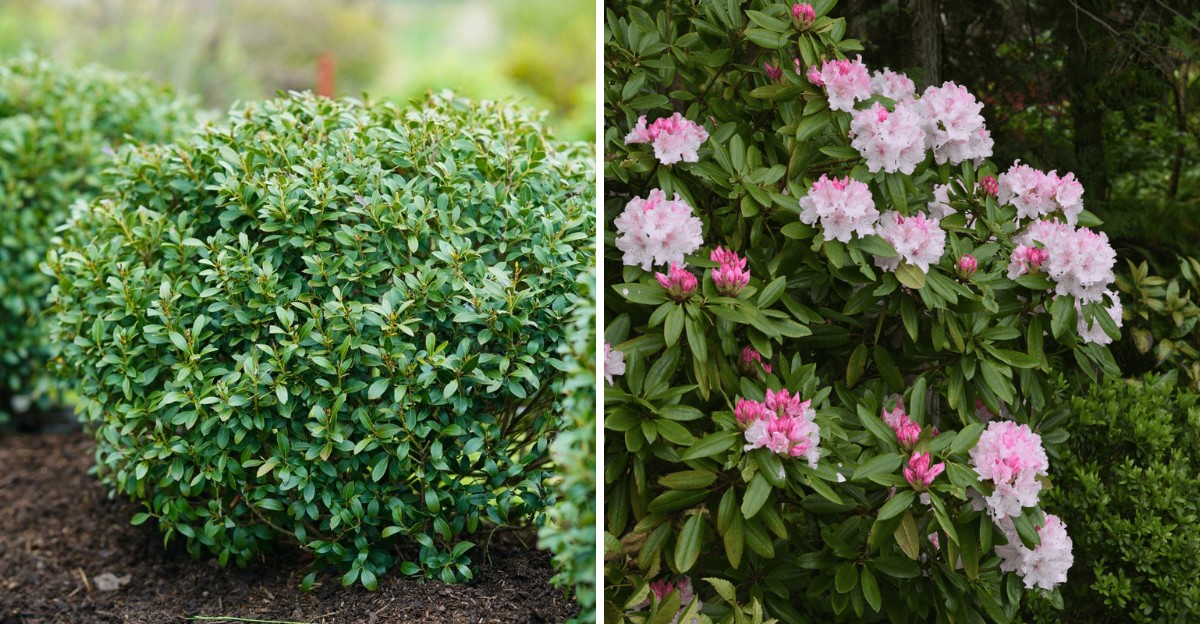
Have you ever planted a privacy hedge in Pennsylvania only to watch it turn into a collection of bare sticks by January?
The shrubs that look full and dense through the growing season can thin out dramatically once temperatures drop. For homeowners who need year round privacy, that seasonal disappearing act is a real problem.
Native Pennsylvania evergreen shrubs solve this in a way that most conventional hedge choices don’t.
They hold their foliage through winter, handle Pennsylvania cold, and provide the kind of genuine year round presence that privacy planting is actually supposed to deliver.
Here are the best native Pennsylvania hedges that stay full through winter and why each one earns its place.
1. Eastern Red Cedar Makes A Tough Green Wall
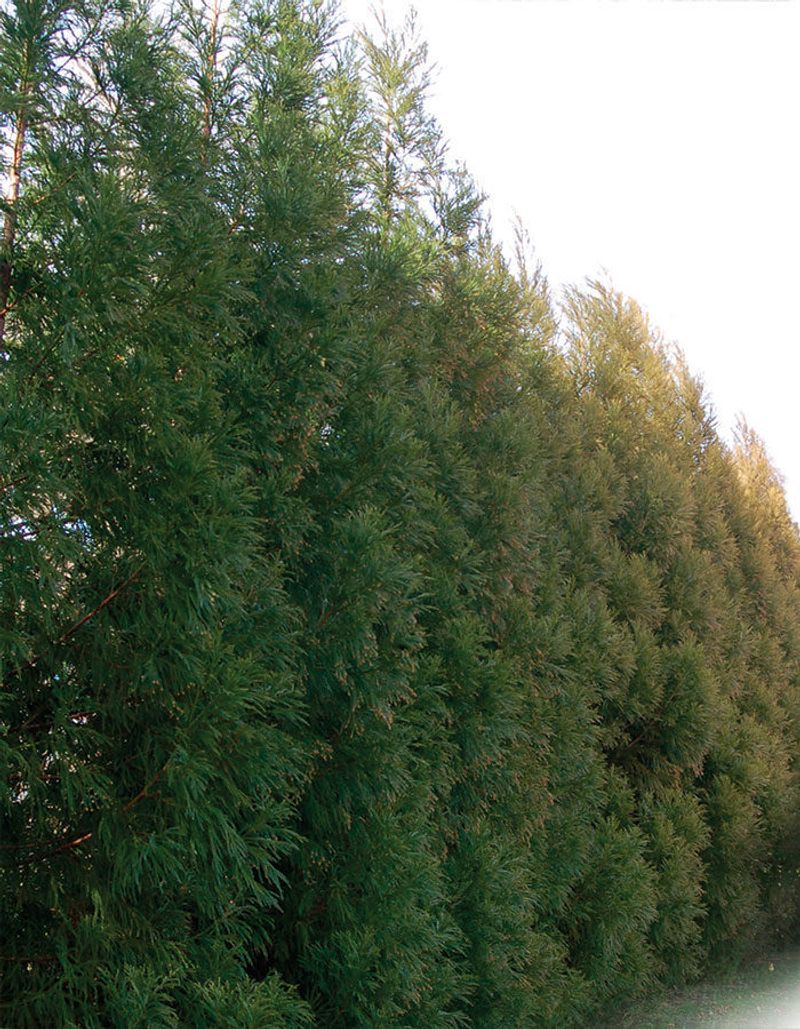
Farmers across Pennsylvania have planted Eastern Red Cedar as windbreaks for well over a hundred years. There is a good reason for that. The tree simply refuses to quit.
Eastern Red Cedar is actually a juniper, not a true cedar. It grows in rocky soil, dry soil, and even poor clay that other plants hate. Once it gets settled, it rarely needs extra water at all.
The foliage stays green all winter, though it can take on a bronze or purple tint in the coldest months. Some people love that warm color. If you prefer a brighter look, try a named variety like Taylor or Emerald Sentinel.
Birds are huge fans of this plant. Female trees grow small, frosty blue berries that cedar waxwings and robins gobble up in late winter. The thick branches also give songbirds a safe place to hide from hawks and cold wind.
For a hedge, space young trees about four to six feet apart. Plant them in full sun, because shade makes them thin and scraggly. Give them a deep drink every week during the first summer.
Wild trees can reach forty feet tall. Hedge plantings can be kept shorter with light trimming in late winter. Avoid cutting back into old bare wood, since it will not sprout new growth.
One small warning is worth sharing. Eastern Red Cedar can host cedar apple rust, a fungus that bothers apple trees.
If you grow apples nearby, place your hedge a good distance away. Otherwise, you will have a sturdy green shield that laughs at snow and wind.
2. American Holly Brings Bright Red Berries
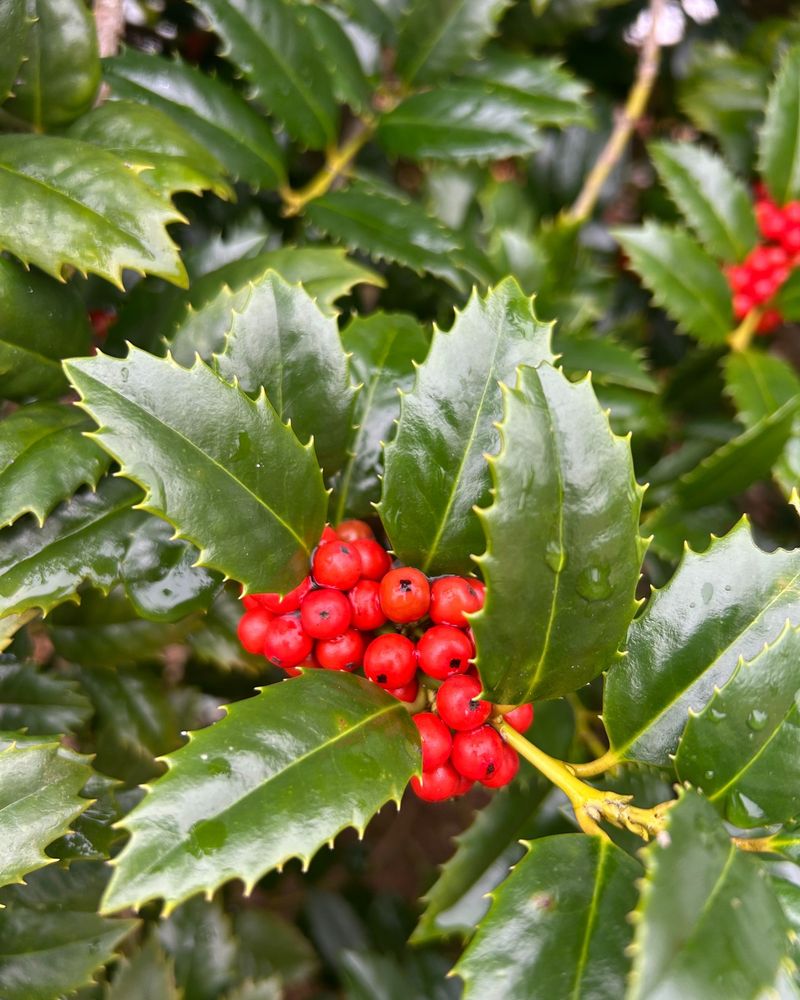
Nothing says holiday cheer like a holly branch loaded with red berries. Now think about a whole hedge of it outside your front door. American Holly turns a plain yard into a winter postcard.
American Holly grows wild in southeastern Pennsylvania, especially near Philadelphia. Its leaves are leathery, spiny, and dark green all year. The spines also make it a great barrier, since few people or deer want to push through.
Here is a fun fact. Holly plants come in male and female forms. Only the females grow berries, but they need a male nearby to make them.
Plant one male for every few females, and you will get a bright crop each fall.
Your Pennsylvania Garden Changes Every Week. Your Plan Should Too.
Gardening in Pennsylvania changes quickly throughout the season. Every Friday you’ll receive a simple weekly plan showing exactly what to plant, prune, fertilize, harvest, and protect so you never miss the right timing.
Holly likes rich soil that drains well and leans a little acidic. It grows best in full sun or light shade. Too much shade means fewer berries, so pick a bright spot if color matters to you.
Growth is slow at first, so be patient. Buy the largest plants your budget allows. Space them about five to eight feet apart for a thick screen.
Winter wind can scorch holly leaves in open areas. A spot near a building or fence gives some shelter. A thick layer of mulch keeps the roots cozy and moist.
Prune in December if you like. You can bring the trimmed branches indoors for wreaths and table decorations. It is like getting free holiday decor from your own hedge every single year.
3. Eastern Hemlock Thrives In The Shade
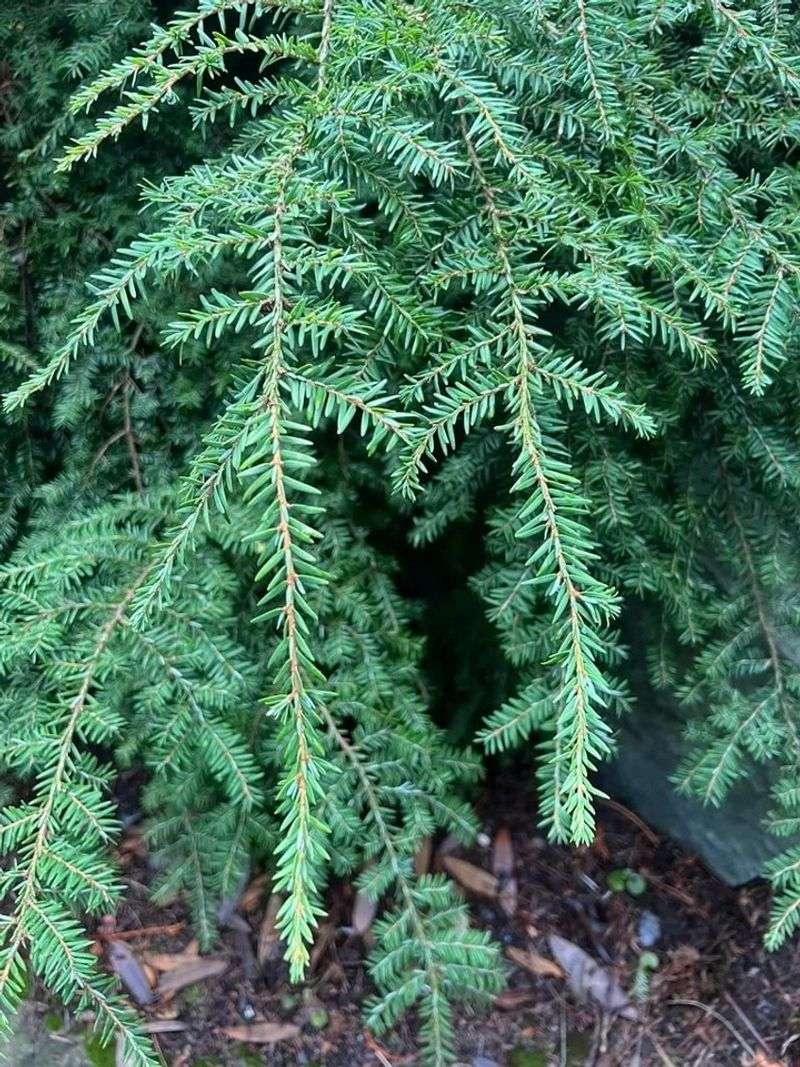
Walk through any cool, shady ravine in Pennsylvania and you will likely spot Eastern Hemlock. It is our official state tree. That alone earns it a spot on this list.
Most evergreens sulk in the shade. Hemlock is different. It happily grows under tall trees or on the north side of a house, where other hedges fail.
The needles are short, flat, and soft to the touch. They give the hedge a graceful, feathery look. Kids can brush against it without getting poked.
Hemlock also takes trimming very well. You can shear it into a neat, formal wall or let it grow loose and natural. Trim in late spring after the new growth appears.
There is one big challenge to know about. A tiny insect called hemlock woolly adelgid has harmed many wild hemlocks. You can spot it as small white fluffy dots under the branches in late winter.
The good news is that hedge plants are easy to check and treat. Horticultural oil sprays work well on small plants. Ask a local nursery or your county Penn State Extension office for advice if you see signs.
Hemlock likes moist, cool soil and hates drought. Water deeply during dry summer weeks. A few inches of wood chip mulch helps hold in moisture.
Space plants about three to five feet apart. Within several years, you will have a dark green curtain that feels like a peaceful forest path in your own backyard.
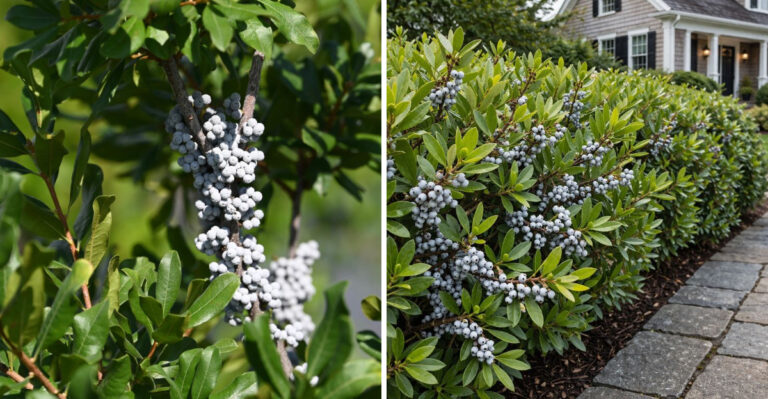
4. Inkberry Holly Offers A Soft, Tidy Look
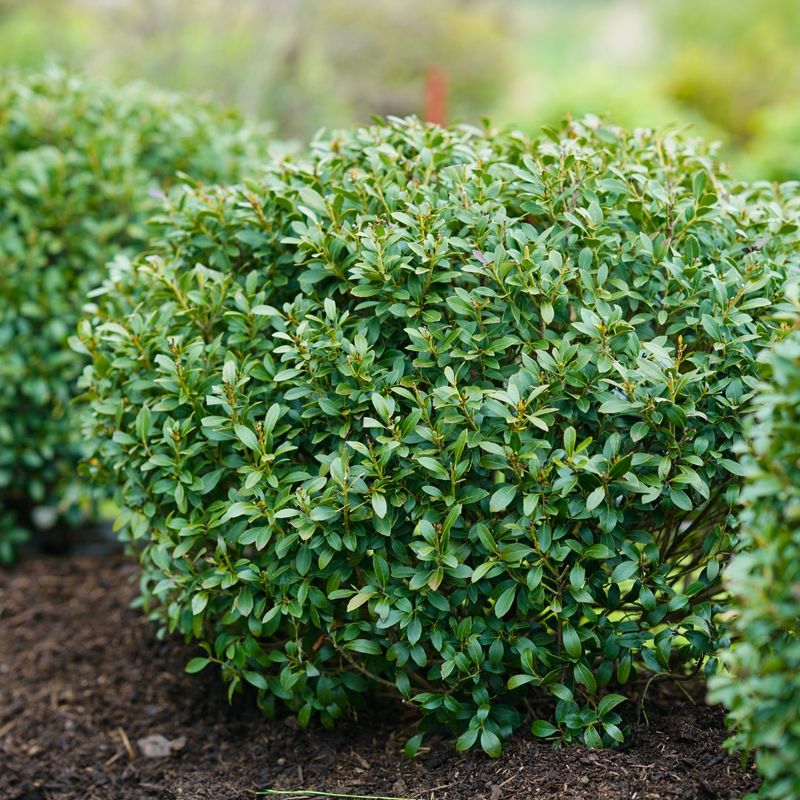
Tired of boxwood? Plenty of Pennsylvania gardeners are. Inkberry Holly is a native swap that looks just as tidy and asks for less fuss.
Inkberry has small, shiny leaves with no sharp spines. Its shape stays round and full, which makes it great for low hedges along walkways or foundations. Most types grow three to eight feet tall.
The name comes from its small black berries. They look like drops of ink scattered through the branches. Birds snack on them through late winter when food is hard to find.
Wet spots in your yard? Inkberry will not mind. In the wild it grows in bogs and damp woods, so soggy soil is no problem. It also handles average garden soil just fine.
Compact varieties like Shamrock and Gem Box stay small and dense. Gem Box looks a lot like boxwood from a distance. Deer usually leave it alone, which is a big plus in many Pennsylvania towns.
Plant inkberry in full sun or part shade. Space shrubs about two to four feet apart for a solid row. Water regularly during the first year.
Older plants sometimes lose leaves near the bottom. A quick fix is to cut a few of the oldest stems down low in early spring. New shoots will fill in the base.
Soil that is too alkaline can turn the leaves yellow. Adding a bit of sulfur or acid fertilizer usually brings back the deep green color.
5. Mountain Laurel Adds Flowers To The Mix
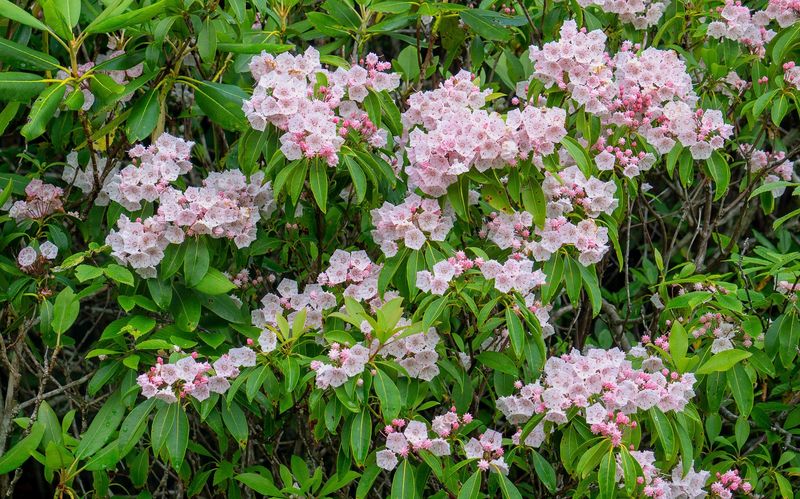
Pennsylvania chose Mountain Laurel as its state flower back in 1933. Every June, hillsides across the state glow with pink and white blooms. Your hedge can join the party.
The flowers are small cups with a neat trick. Each one holds tiny springs that snap pollen onto visiting bees. It is like a little catapult built right into the petal.
Once the blooms fade, the glossy leaves stay green all winter. They look similar to rhododendron leaves but smaller and narrower. The result is a loose, natural hedge with year-round color.
Mountain Laurel likes acidic soil that drains well. Heavy clay or wet spots can cause trouble. Mix in compost or pine bark when planting to keep the roots happy.
Light shade is ideal. Morning sun with afternoon shade works great. Full shade means fewer flowers, while hot, open sun can burn the leaves.
Keep one safety note in mind. All parts of the plant are toxic if eaten. Plant it where pets and small kids will not chew on it.
Growth is slow, often just a few inches a year. Space plants about four to five feet apart and be patient. Newer varieties like Olympic Fire or Minuet offer bold colors and smaller sizes.
Skip heavy pruning. Just snap off faded flower clusters after blooming to help next year’s show. With a little patience, you will have a hedge that honors Pennsylvania every single spring.
6. American Arborvitae Stands Tall And Narrow
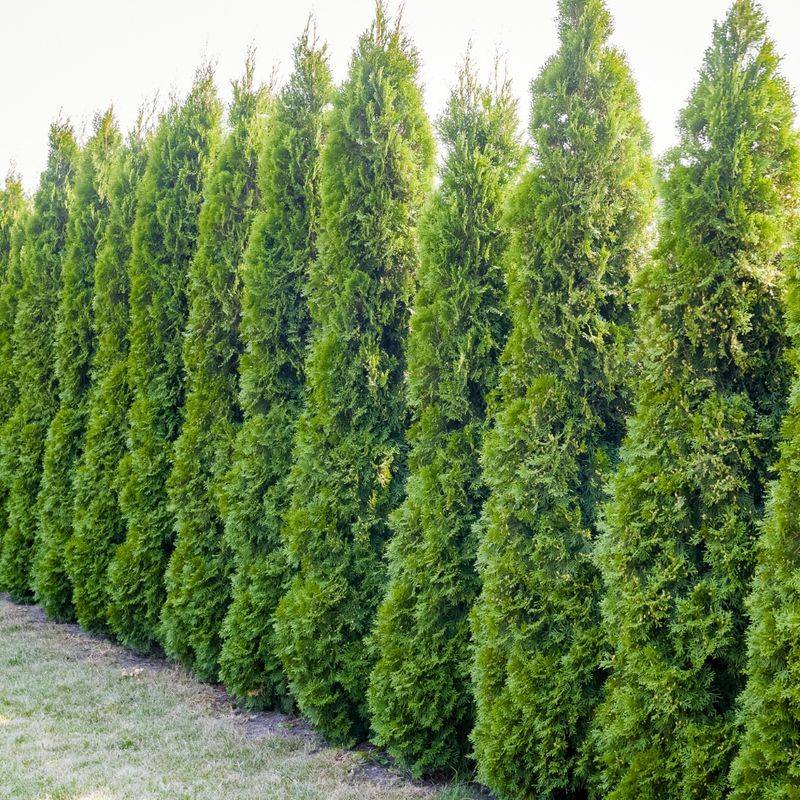
Need privacy fast? Many homeowners grab arborvitae first, and for good reason. It grows tall and slim, perfect for tight spaces between houses.
American Arborvitae, also called Northern White Cedar, grows wild in parts of Pennsylvania. The leaves look like flat, scaly sprays of green. Crush a sprig and you will smell a fresh, clean scent.
The name arborvitae means tree of life in Latin. Legend says Native Americans used it to help French explorers recover from scurvy in the 1500s. The tea was full of vitamin C.
Popular types like Emerald Green stay around three to four feet wide. That means you can fit a tall screen along a narrow side yard. Techny is another choice that holds its color well in cold weather.
Plant in full sun for the thickest growth. Space plants about three feet apart for a solid wall. Water deeply once a week the first two summers.
Deer are the biggest problem. They love to munch arborvitae in winter, often stripping the bottom branches bare. Wrap young plants in deer netting from November to March, or use a spray repellent.
Heavy snow can bend the tall stems apart. Gently brush snow off with a broom after big storms. Some folks tie the tops loosely with soft twine before winter.
Trim lightly in early summer if needed. With good care, you will enjoy a tall green curtain that keeps your yard private all year.
7. Rosebay Rhododendron Creates A Lush Screen
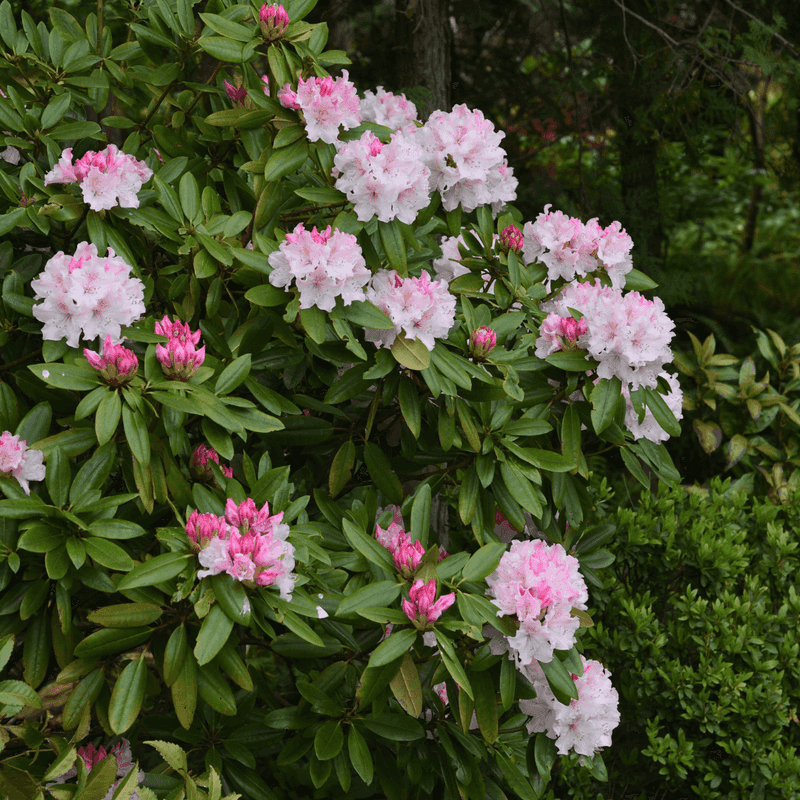
On really cold mornings, Rosebay Rhododendron leaves curl up tight like cigars. Old-timers say you can guess the temperature by how tightly they roll. It is nature’s own thermometer.
Also called Great Laurel, this big native shrub grows along shady streams all over Pennsylvania. The leaves are long, leathery, and deep green. They create a thick screen that can block views and noise.
Size is the main thing to plan for. Rosebay can reach ten to fifteen feet tall and just as wide. Give it plenty of room, or it may swallow a walkway.
In early summer, clusters of pale pink or white flowers appear. They bloom later than most rhododendrons, so you get color when others have finished. Bumblebees visit them all day.
Shade is this shrub’s best friend. It grows best under tall trees or on the north side of a building. Hot afternoon sun can scorch the big leaves.
Acidic, moist soil keeps it thriving. Add plenty of leaf compost and a thick mulch layer. Never pile mulch against the stems, though, since that can cause rot.
Watering matters during the first few years. Roots are shallow, so dry spells hit them hard. Soak the soil deeply once a week when rain is scarce.
Space plants six to eight feet apart for a wide, flowing hedge. Pruning is rarely needed. Just let it grow into the wild, woodsy wall it was born to be.