10 Virginia Perennials That Take Turns Blooming From Spring Through Fall
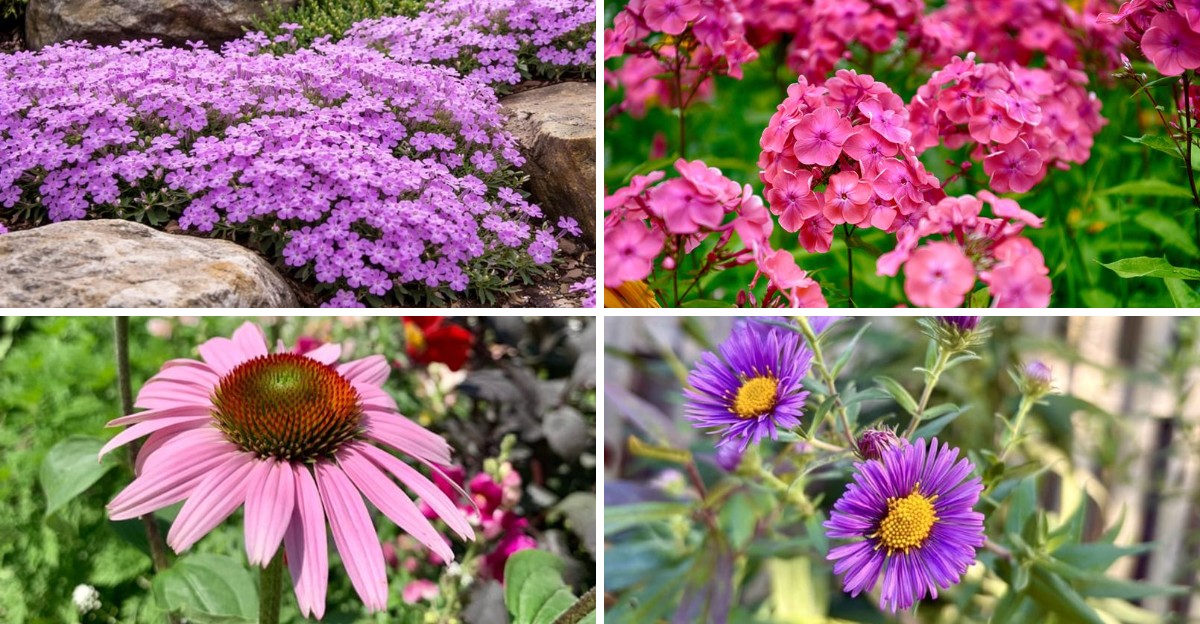
Most gardens peak for a few glorious weeks, then fizzle out by midsummer. Yours can keep blooming from the first warm days of spring to the last crisp nights of fall.
Virginia gardeners enjoy a long season, plenty of sunshine, and summers that feel like a warm, damp towel. Some plants shrug off that heat, while others sulk by July.
The secret is a relay race of flowers. As one perennial fades, the next steps up, so there’s always something fresh opening in your beds.
These ten perennials pass the baton from spring to summer to fall, and every one keeps coming back. Native favorites, pollinator magnets, and tough characters that laugh at dry spells all made the cut.
Plant a few from each season, and your yard will hum with bees in April and still glow with color in October.
1. Creeping Phlox For Early Spring Carpets
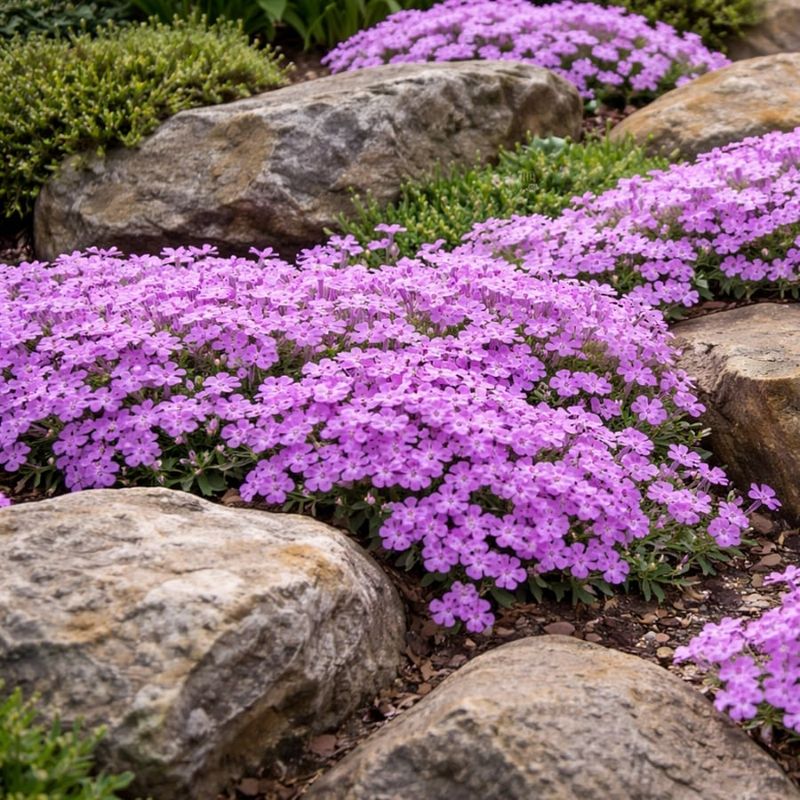
Drive through any Virginia neighborhood in April, and you will spot pink waves tumbling over rock walls. Those cheerful mats are creeping phlox, the first big splash of the season.
Known to botanists as Phlox subulata, the plant grows only a few inches tall. Its needle-like leaves stay green most of the year, so slopes look tidy even without flowers.
Blooms usually open in mid to late spring and last three to six weeks. Some varieties surprise gardeners with a lighter second round in early autumn.
Native to the eastern United States, creeping phlox feels right at home here. It handles USDA Zones 3 through 9, which covers every corner of the state.
Full sun gives you the thickest carpet of color. Part shade works too, though flowers may be a bit thinner in darker spots.
Moist, well-drained soil keeps roots happy during the first year. After that, the plant handles dry spells with surprising grit.
Here is a handy trick for a neat look. Trim the stems lightly right after flowering, and new growth will fill in thick and dense.
Deer and rabbits usually leave this plant alone, which is welcome news for many suburban yards. That makes it a smart choice for front borders near wooded edges.
Try tucking it along sidewalks, between boulders, or at the top of retaining walls. Mix white, pink, and purple types for a quilt-like pattern that people will stop to admire.
2. Wild Columbine For Late Spring Hummingbird Flowers
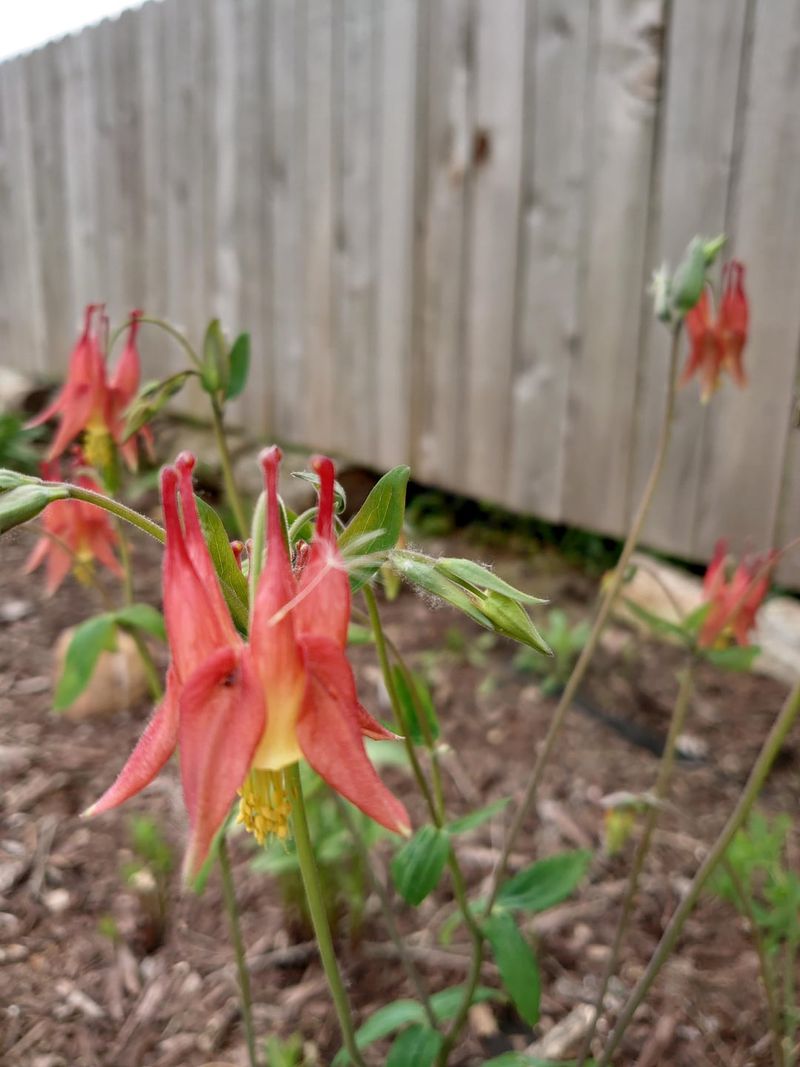
Ruby-throated hummingbirds return to Virginia each spring hungry and tired. Wild columbine waits for them with dangling red and yellow lanterns full of nectar.
Each flower hangs upside down with long spurs pointing skyward. Those spurs hold sweet nectar that tiny beaks and long tongues reach easily.
Aquilegia canadensis typically blooms from March or April into June. A few gardeners even report scattered flowers popping up later in the year.
You can find this native growing wild in most counties across the state. It thrives in USDA Zones 3 through 8, making it a mountain and Piedmont favorite.
Partial shade suits it best, especially under tall trees with dappled light. Full sun can work if the soil stays moist during hot spells.
Your Virginia Garden Changes Every Week. Your Plan Should Too.
Gardening in Virginia changes quickly throughout the season. Every Friday you’ll receive a simple weekly plan showing exactly what to plant, prune, fertilize, harvest, and protect so you never miss the right timing.
Rich, crumbly, well-drained soil makes a cozy home for its roots. A deep taproot helps it handle dry weeks once it settles in.
Individual plants are short-lived, often lasting three to five years. Luckily, they drop seeds freely, so new seedlings keep the patch going.
Let a few flowers turn into seed pods instead of trimming everything. You will find baby columbines appearing nearby the following spring.
Deer tend to skip this one, which helps shady woodland gardens. Pair it with ferns or foamflower for a soft, natural look under trees.
Watch closely on a calm morning, and you may catch a hummingbird zipping between blooms. Few garden moments feel quite as magical.
3. Baptisia For Early Summer Blue Spires
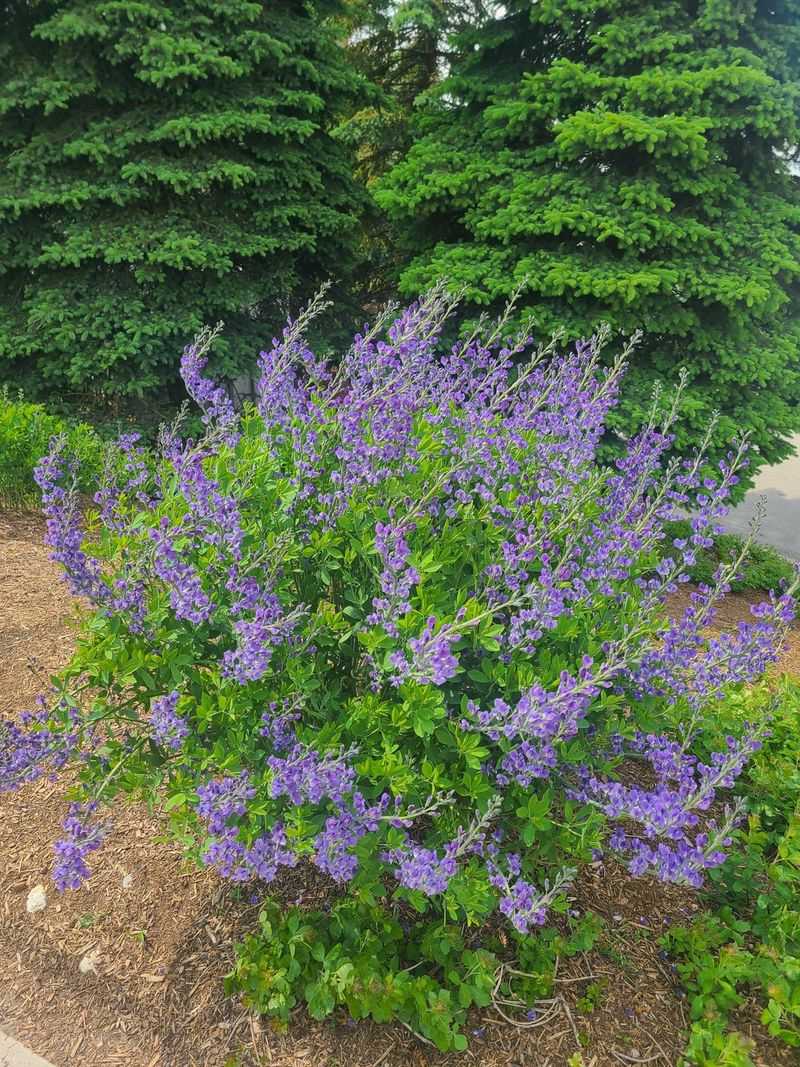
Some plants whisper, but baptisia makes a bold statement. Tall indigo spikes rise like candles over a shrub-sized mound of blue-green leaves.
Also called blue false indigo, Baptisia australis flowers from late April or May into June. The show usually lasts three to six weeks in most gardens.
Certain types, such as Midnight, can even offer two bloom cycles. That extra round stretches the color deeper into early summer.
Fun fact time: early settlers used it as a substitute dye for true indigo. The name hints at that colorful past.
Native to the eastern United States, it handles Zones 3 through 9. Give it full sun, since too much shade causes floppy stems and fewer flowers.
Poor, sandy, or rocky soil suits it just fine. As a legume, it pulls nitrogen from the air, so fertilizer is rarely needed.
Choose the planting spot carefully from the start. A deep taproot makes it tough in drought but tricky to move later.
Skip trimming on this one for a good reason. Fading flowers turn into dark, rattling seed pods that look striking through fall and winter.
Kids often love shaking those dried pods to hear the seeds clatter. They also make great additions to dried flower arrangements.
Deer and rabbits usually pass it by without a nibble. Patience pays off here, because mature clumps can thrive for decades in one spot.
4. Coreopsis For Sunny Summer Blooms
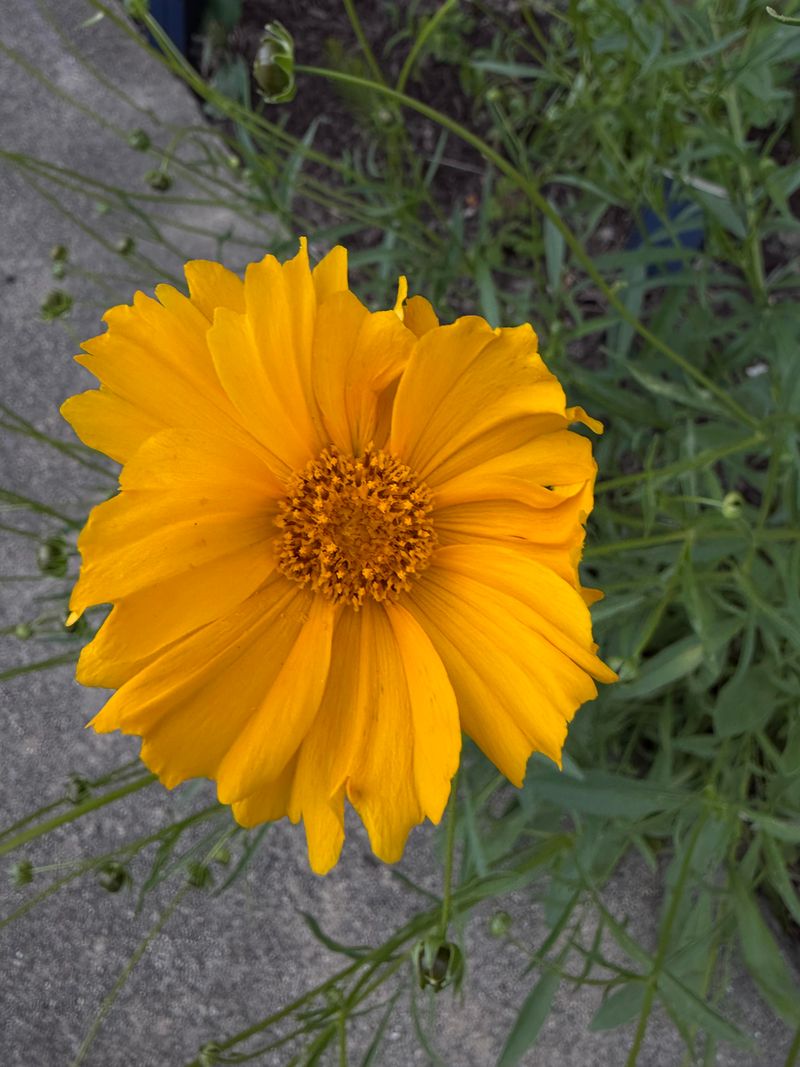
Got a hot, dry patch where nothing seems happy? Coreopsis might be the sunny little fix you have been searching for.
These daisy-like flowers come in shades of gold, lemon, and even rosy pink. Several species are native to Virginia, so they handle local weather well.
Lanceleaf coreopsis blooms from April or May through July. Threadleaf coreopsis picks up the pace from June and often keeps going into October.
Full sun is a must for the best show. Aim for at least six hours daily, since shade cuts flowering down quickly.
Rich soil is not required at all. Sandy, rocky, or average ground works well, as long as water drains away fast.
Once established, coreopsis shrugs off heat and drought like a champ. That makes it great for curbside strips and sunny slopes.
Want more flowers for longer? Snip off faded blooms regularly to push the plant into making fresh buds.
By midsummer, plants can look a little tired and ragged. Shear them back by a quarter to half, and a new wave of color often follows.
Deer and rabbits usually ignore coreopsis, so it suits open yards. Butterflies and small bees, though, visit constantly.
Plant it in groups of three or five for a bigger burst of gold. It pairs nicely with purple salvia or blue catmint for a cheerful contrast.
5. Purple Coneflower For Midsummer Color
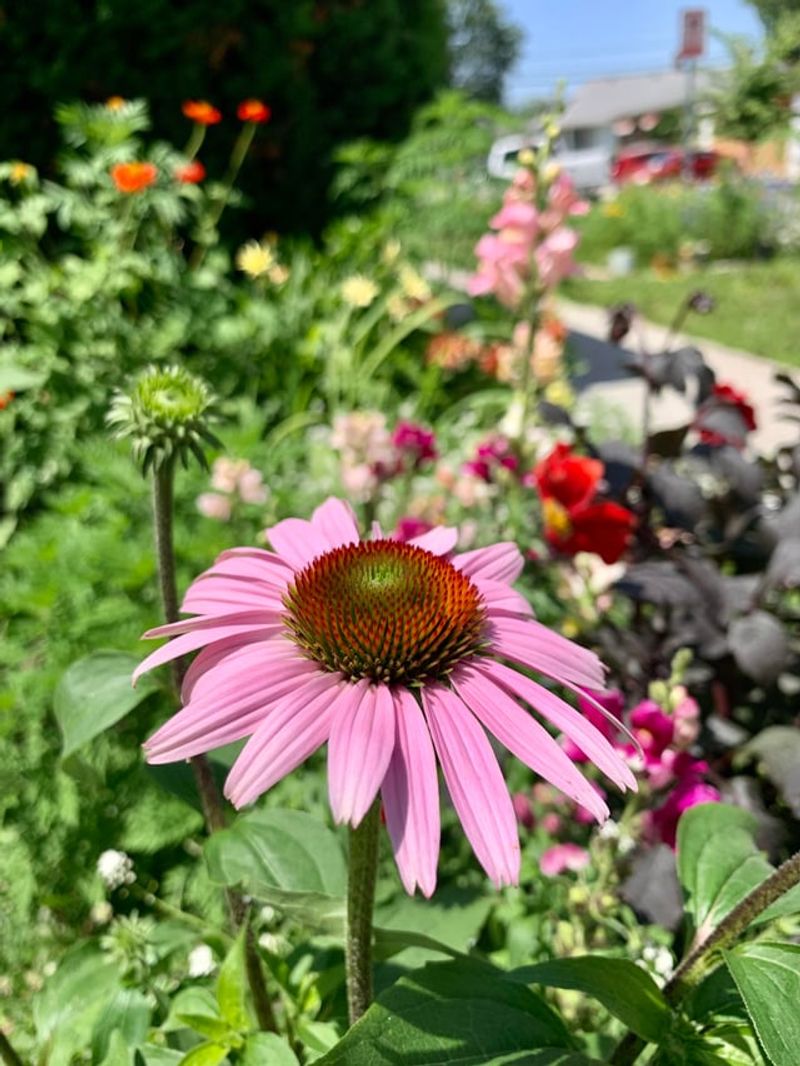
Ask ten gardeners to name a tough summer flower, and many will say coneflower. Its pink-purple petals and spiky orange center are hard to miss.
Echinacea purpurea blooms from early summer well into fall. Many plants keep flowering until the first frost arrives.
Here is a neat bit of history worth knowing. The common purple coneflower originally came from the Midwest, though it spread widely through gardens.
Virginia does have its own native species, Echinacea laevigata. Sadly, it is endangered, so buy only from trusted nurseries if you find it.
The purple type grows well in Zones 3 through 9. Full sun produces the most flowers, while part shade still gives a decent show.
Good drainage matters more than soil type. It handles some clay or gravel, but soggy roots cause trouble.
Once settled, coneflower takes drought in stride. Water deeply during its first summer, then ease off.
Snipping spent flowers encourages more blooms and keeps things tidy. Late in the season, leave some seed heads for hungry goldfinches.
Deer usually pass it by, though a hungry one may snack on the flowers, and rabbits like young leaves. A little chicken wire around new plants helps in spring.
Butterflies treat coneflower patches like a busy diner. Plant a cluster near a window, and you will enjoy a front-row nature show all summer.
6. Black-Eyed Susan For Long Summer Blooms
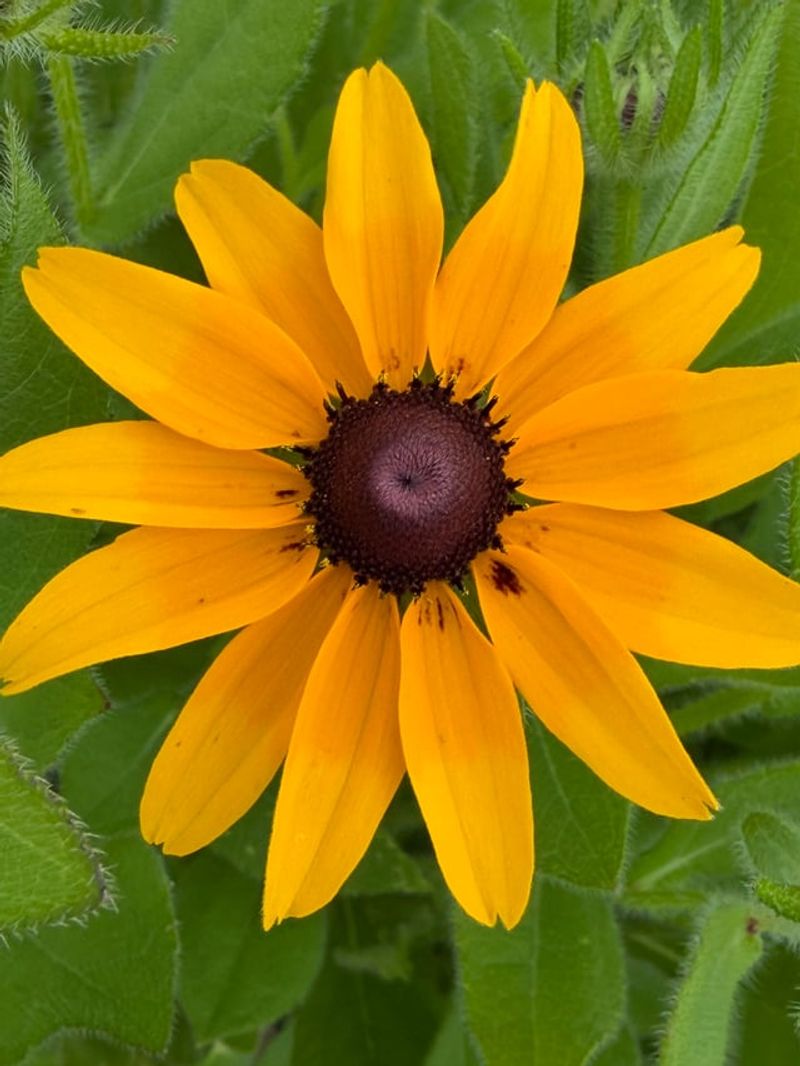
Golden petals, dark chocolate centers, and a sunny attitude to match. Black-eyed Susans feel like summer vacation in flower form.
Rudbeckia hirta grows wild along roadsides and fields across the state. It loves the warm summers here and blooms with real enthusiasm.
Flowers often start in June and keep coming through October. Some varieties, like Early Bird Gold, may even open in late spring.
Full sun works best, with six or more hours each day. Shade means fewer flowers and leggy stems.
Average, well-drained soil keeps this plant content. It handles sandy, rocky, dry, or moist ground with little fuss.
Try a clever trick in early June. Cut plants back by half for bushier growth and more blooms, though flowers may arrive two weeks later.
Regular trimming keeps fresh blossoms coming through late summer. In fall, let some seed heads stay for birds and winter texture.
Plants may act as annuals, biennials, or short-lived perennials. Thankfully, they reseed easily, so new ones pop up each year.
Drought rarely slows them down after the first season. They are a smart pick for busy families who forget the hose sometimes.
Cut a handful for the kitchen table, and they will last several days in water. Few flowers bring so much cheer for so little work.
7. Bee Balm For Pollinator Magnets
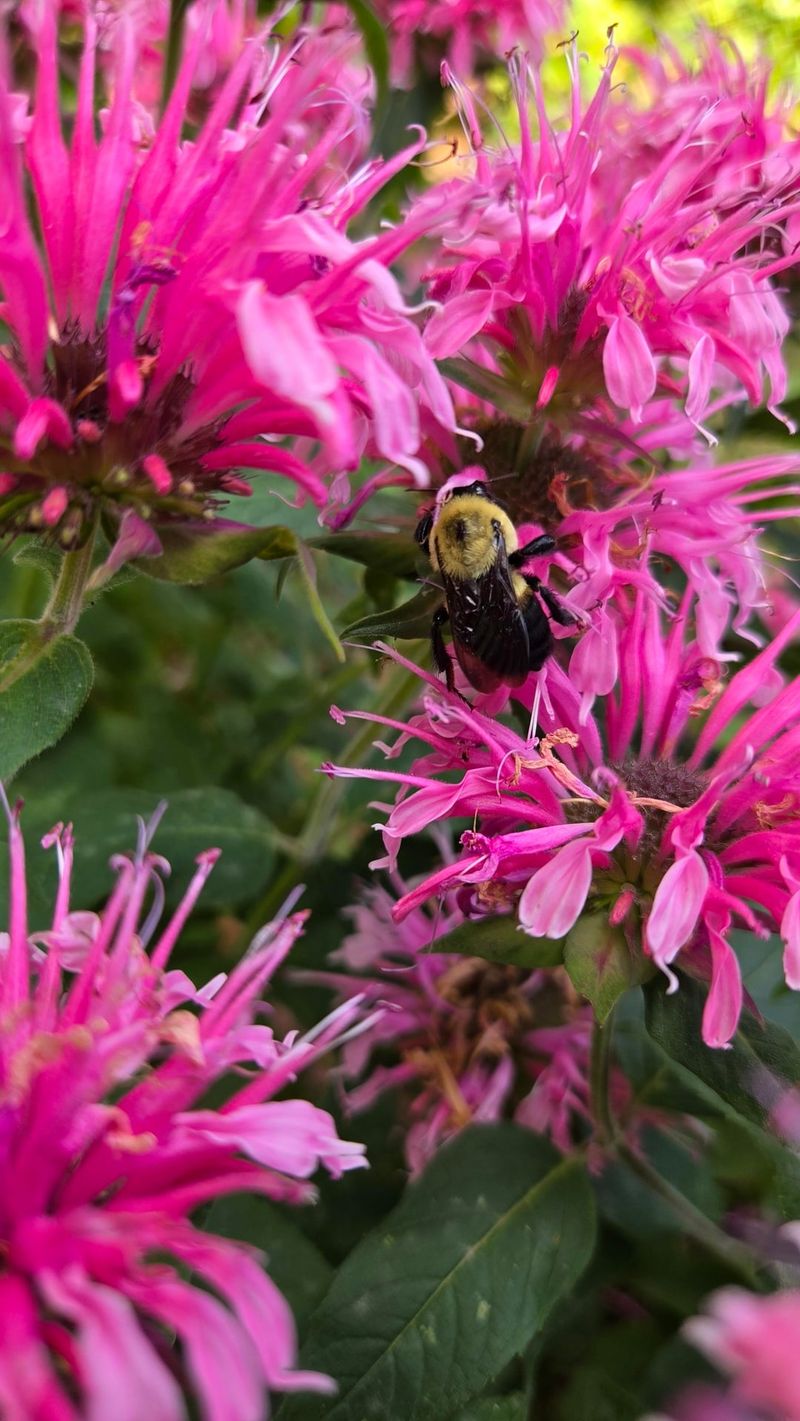
Stand near a bee balm patch in July, and the buzzing almost sounds like a tiny highway. Bees, butterflies, and hummingbirds all crowd in for a sip.
The shaggy flowers look like fireworks frozen mid-burst. Colors range from scarlet and pink to soft lavender.
Several kinds are native to Virginia. Wild bergamot blooms June through September, while spotted beebalm shows up often on the Coastal Plain.
Crush a leaf, and you will notice a minty, spicy scent. Early Americans brewed the leaves into tea, earning it the nickname Oswego tea.
That strong aroma helps keep deer and rabbits away. It is a win for gardens near woods or open fields.
Full sun brings the most flowers. In very hot areas, a bit of afternoon shade keeps blooms from fading early.
Moist, rich soil suits it best. Steady watering helps reduce powdery mildew, a common white film on leaves.
Spacing plants well also matters for mildew. Good airflow lets leaves dry quickly after rain or humid nights.
Remove faded blooms to keep the color rolling. The season can stretch up to eight weeks with a little care.
Bee balm spreads by underground stems and seeds. Dig and divide clumps every two to four years to keep them strong and in bounds.
8. Garden Phlox For Fragrant Late Summer Color
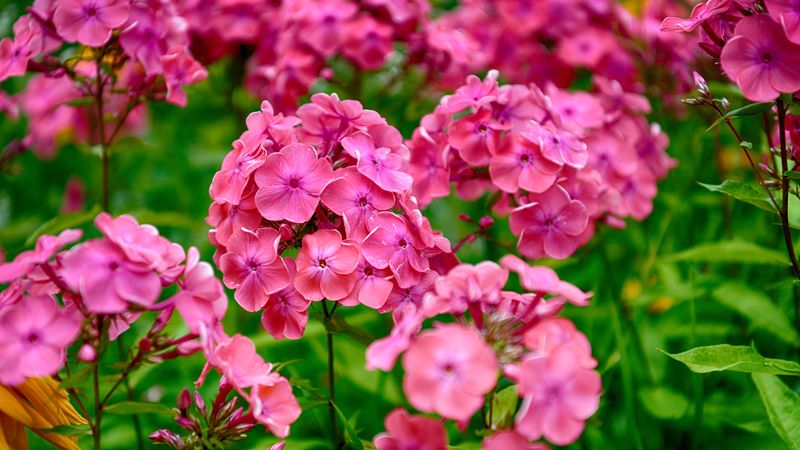
Walk past garden phlox on a warm August evening, and a sweet, spicy perfume drifts by. Grandma’s garden probably had a patch, and for good reason.
Big domed clusters sit atop stems two to four feet tall. Colors include pink, white, purple, red, and soft bicolors.
Phlox paniculata usually blooms from July into September. With care, flowers can last until the first frost.
This native grows wild in most Virginia counties. It handles Zones 4 through 9 and even tolerates clay soil.
Rich, moist soil with plenty of compost brings the best results. Water deeply during dry stretches, since thirsty plants bloom less.
Powdery mildew is its main weakness, especially in muggy weather. Pick resistant types, thin crowded stems, and water at the soil line instead of overhead.
Trimming really matters for this plant. Cutting off spent clusters can trigger a second flush of flowers.
Curious about the Chelsea Chop? Trim stems back in late spring for bushier plants with more flower heads, though blooms come a bit later.
Deer sadly love garden phlox and often nibble off the flower buds, so you may need to plant it close to the house or use a repellent. Butterflies and hummingbird moths, however, adore it.
Plant it near a porch or patio to enjoy the fragrance. Late summer evenings outdoors feel even sweeter with that scent in the air.
9. New England Aster For Fall Flowers
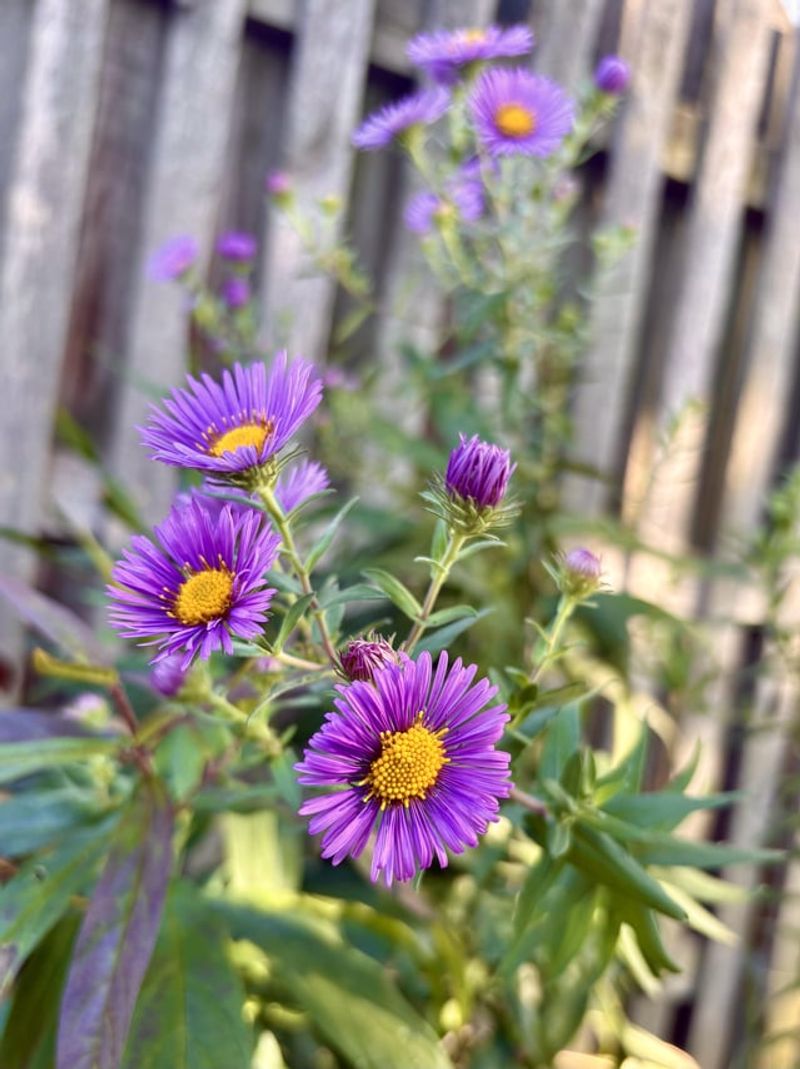
Just when most gardens start looking tired, New England aster bursts into purple glory. Monarchs heading south often stop here to refuel.
Hundreds of violet daisies with golden centers cover tall stems. The display usually runs from August through October.
Many plants keep blooming until a hard frost. Flowers can last six weeks or more, which is quite a finale.
In Virginia, this aster grows wild mainly in the mountains. It has spread from gardens into the Piedmont and Coastal Plain too.
Full sun gives the strongest flowering, though part shade works. It likes moist, fertile soil, including heavy clay.
Here is a smart move for shorter, fuller plants. Pinch stems back in early summer to prevent flopping and get more blooms.
Tall varieties can reach five or six feet otherwise. Pinching keeps them from leaning over nearby plants.
Give clumps room to breathe, since good airflow cuts down on mildew. Lower leaves sometimes brown, so place shorter plants in front to hide them.
Division every two to three years in early spring keeps it vigorous. It also helps control spread from seeds and roots.
Deer will sometimes nibble the tops, so a repellent spray in summer helps protect your fall show. Butterflies and late bees, on the other hand, treat it like a lifeline before winter.
10. Sedum For Late Fall Pink
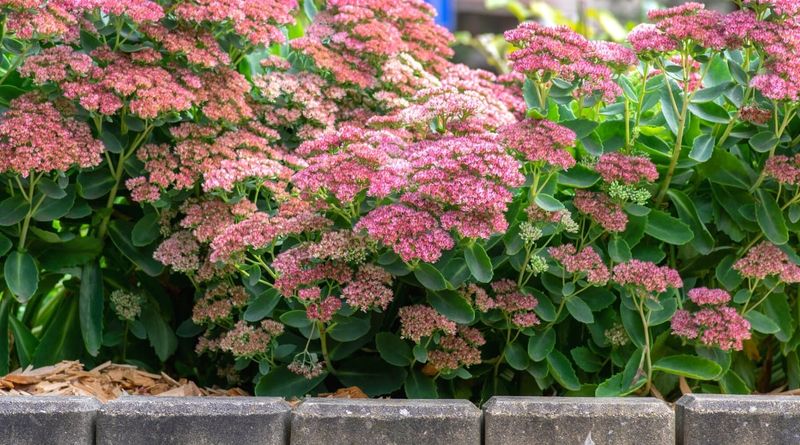
Sedum is the slow-motion star of the garden. It spends summer looking like broccoli, then blushes pink just as autumn arrives.
Autumn Joy is the classic upright variety. Flowers start around August and often hold on through October or even November.
Watch the color change over the weeks. Blooms open soft pink, then deepen to rich copper and bronze.
Virginia also has a native cousin called woodland stonecrop. Sedum ternatum offers white flowers in May and June, mostly in mountains and Piedmont.
Thick, juicy leaves store water like a camel’s hump. Once established, sedum handles drought with ease.
Too much water causes more trouble than too little. Soggy soil leads to mushy leaves and rotting roots.
Plant it in full sun with at least six hours daily. Sandy or gravelly soil with sharp drainage works wonderfully.
Skip the fertilizer for this tough plant. Rich soil makes stems weak and floppy.
Pinch upright types in spring for compact, sturdy growth. Flowers may arrive slightly later, but plants stay tidier.
Leave dried flower heads standing through winter for texture and bird snacks. Cut them back in early spring as new growth appears.
Deer and rabbits rarely bother sedum. It wraps up the blooming season beautifully, closing out a garden that colors the state from spring to fall.