Single-Ingredient Fertilizers That Work Wonders On Tomatoes In Michigan
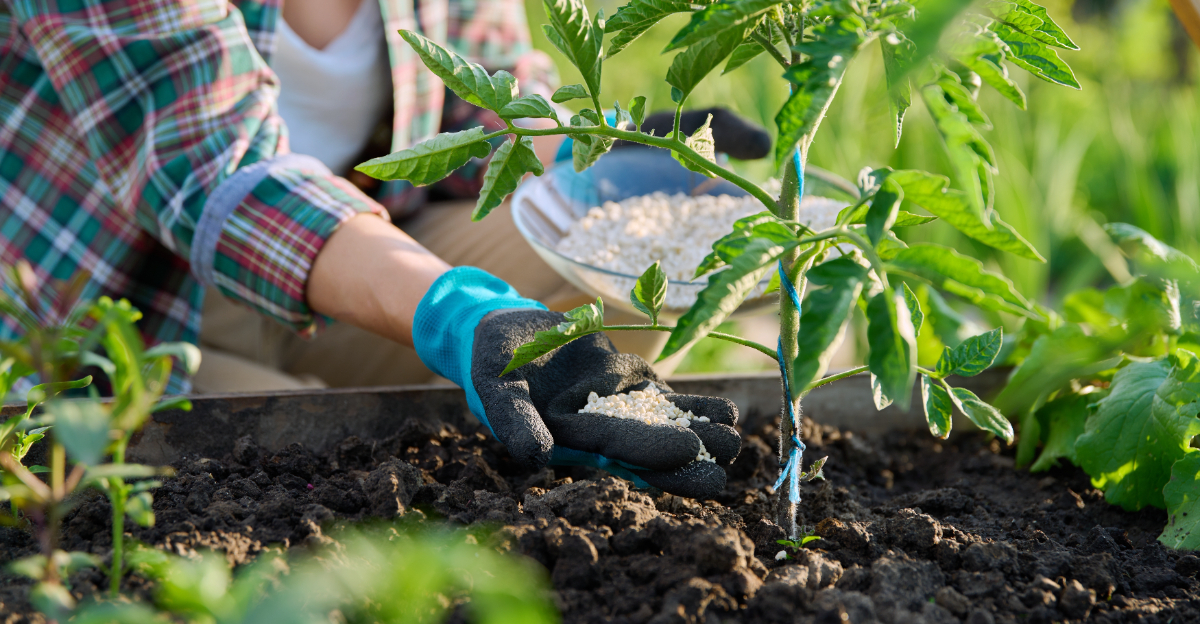
Tomato fertilizer labels in Michigan garden centers list ingredients that would take a chemistry degree to fully interpret, and the price tags attached to those products suggest something proprietary and irreplaceable is inside.
Experienced tomato growers know better. Some of the most effective inputs for tomato production are single-ingredient, inexpensive, and already present in most households or available at any feed store without any special knowledge required to use them.
Each one addresses something specific that tomatoes need at a particular growth stage.
Knowing which ingredient matters most at which point in the season produces better results than any blended product applied on a general schedule throughout the summer.
1. Finished Compost
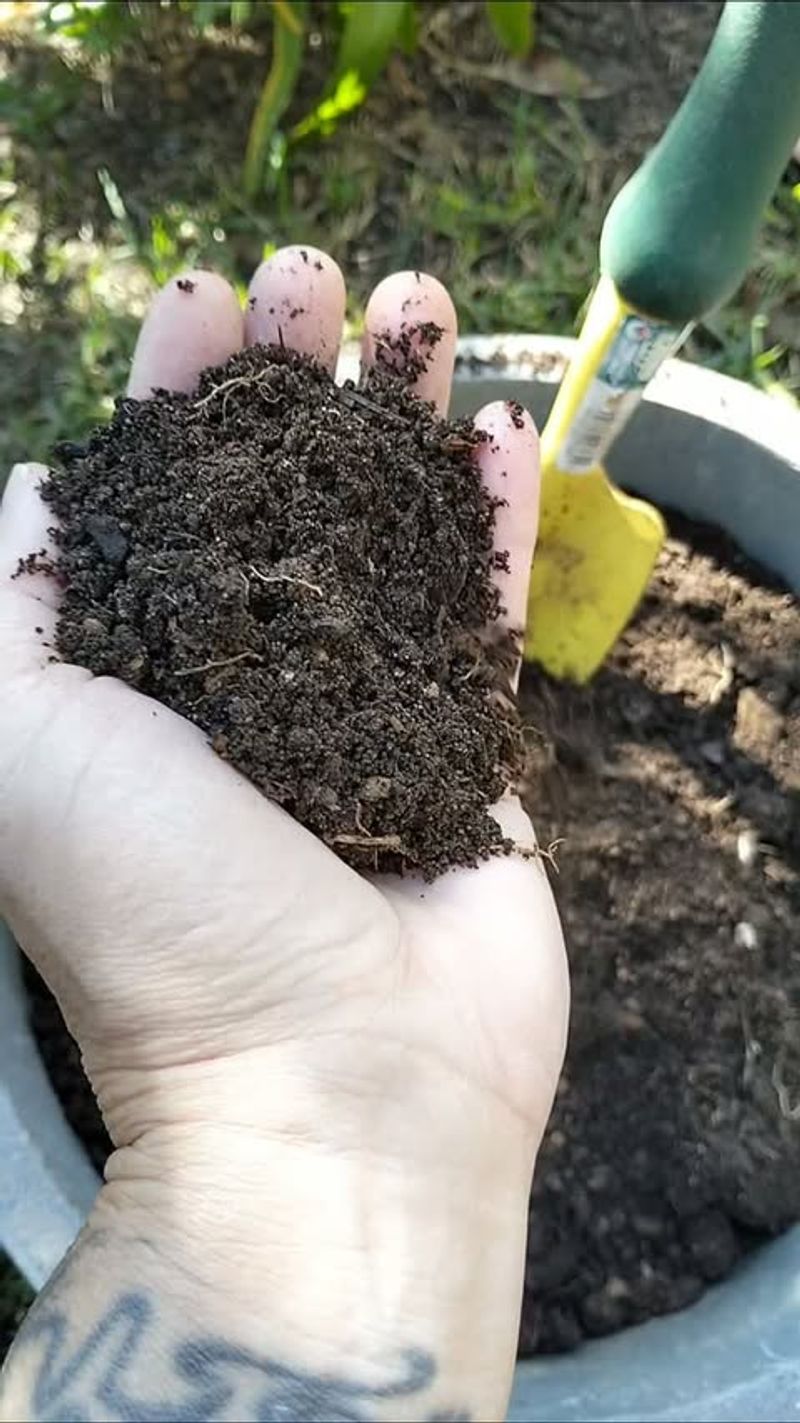
Compost might just be the most underrated thing you can add to your tomato garden. It is not a complete fertilizer on its own, but what it does for your soil is hard to match.
Finished compost improves soil structure in ways that store-bought fertilizers simply cannot replicate.
Michigan gardeners deal with a wide range of soil types, from sandy soils near the lakeshore to heavy clay further inland. Compost helps both.
Sandy soil holds moisture better when compost is mixed in, while heavy clay becomes easier to work with and drains more effectively. That balance is a huge benefit when you are trying to grow healthy tomato roots.
One important thing to remember is that the compost must be fully finished before you use it near your tomato plants. Unfinished compost can harm roots and throw off soil chemistry.
Finished compost looks dark, smells earthy, and crumbles easily in your hand. If it still looks like recognizable food scraps or yard material, give it more time.
Work finished compost into your planting bed before transplanting, or use it as a light top dressing around established plants.
Combined with a soil test and the right amendments, compost sets the foundation for a strong tomato season in Michigan.
2. Well Rotted Manure
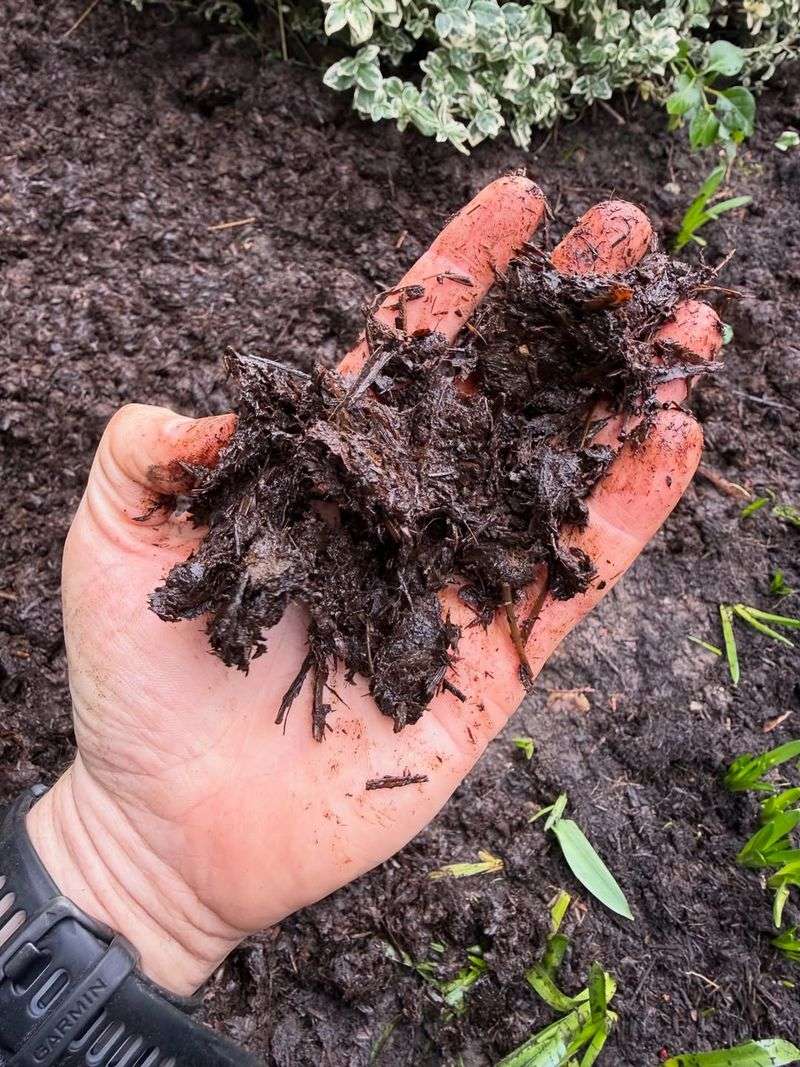
Farmers and gardeners have used manure to enrich soil for hundreds of years, and for good reason. When it is fully aged and well rotted, manure adds organic matter and a range of nutrients that support healthy plant growth.
For tomato growers, it can be a practical and affordable soil builder.
The key word here is well rotted. Fresh manure is far too strong for vegetable gardens and can actually harm your tomato plants instead of helping them.
Well rotted manure has been composted or aged long enough that the smell is mild, the texture is dark and crumbly, and the harsh compounds have broken down.
Chicken, cow, and horse manure are all common options, but nutrient levels can vary quite a bit depending on the source and how it was handled.
Because of that variability, Michigan gardeners should not guess when it comes to manure. Getting a soil test first helps you understand what your garden actually needs before you add anything.
Too much manure can push nitrogen levels too high or create phosphorus buildup over time, both of which cause problems for tomatoes.
Your Michigan Garden Changes Every Week. Your Plan Should Too.
Gardening in Michigan changes quickly throughout the season. Every Friday you’ll receive a simple weekly plan showing exactly what to plant, prune, fertilize, harvest, and protect so you never miss the right timing.
Use manure as a fall amendment or mix it into beds a few weeks before planting in spring. That way, it has time to settle into the soil before your tomatoes go in.
3. Worm Castings
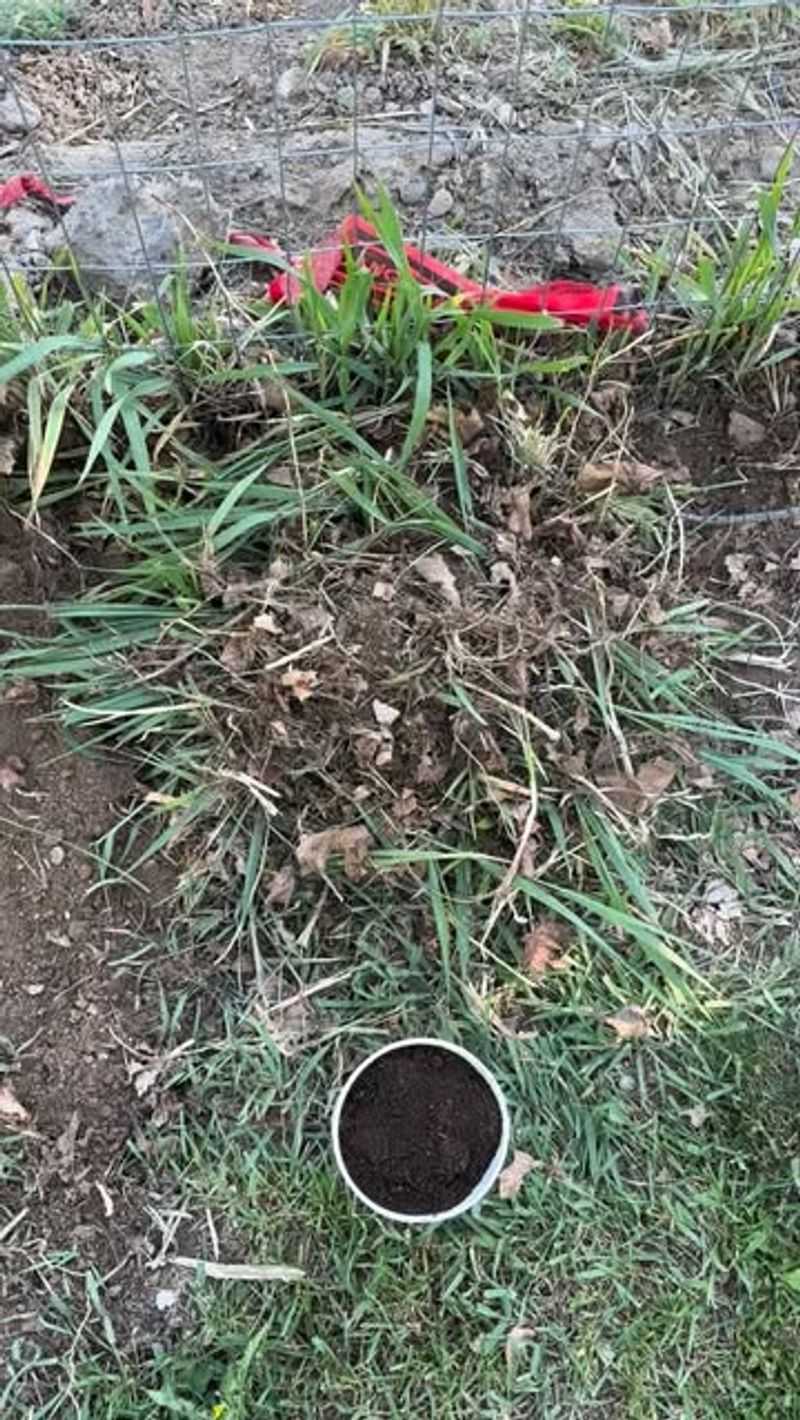
Worm castings have a reputation that is well earned among organic gardeners. They are gentle, nutrient-rich, and packed with beneficial microbes that help the root zone thrive.
For Michigan tomato growers who want to nurture their soil without overwhelming it, worm castings are a smart addition to the plan.
What makes castings stand out is how mild they are. You are not going to overload your soil with a massive nutrient spike the way some synthetic fertilizers can.
Instead, the nutrients release slowly and gently, which means tomato roots can absorb what they need without stress. They also help improve soil texture and support the microbial life that makes nutrients available to plants in the first place.
A popular way to use worm castings is to add a small handful directly into the planting hole before setting in a tomato transplant. You can also sprinkle a light layer on top of the soil around established plants and water it in.
Keep in mind that worm castings work best as one part of a balanced soil plan rather than your only source of nutrition for tomatoes.
They are an excellent complement to compost, a soil test-guided fertilizer program, and good watering habits. Think of them as a supportive boost rather than a complete feeding solution for the whole growing season.
4. Fish Emulsion
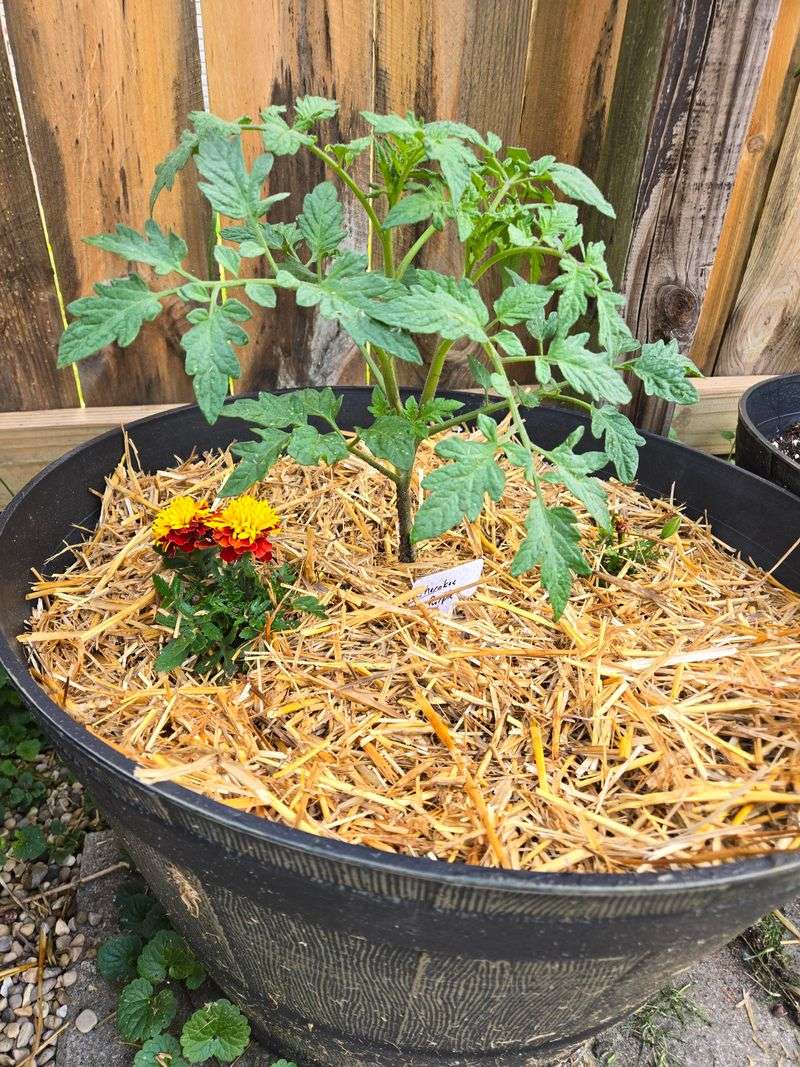
If your tomatoes could talk during their busiest growing weeks, they might ask for fish emulsion.
This liquid organic fertilizer is made from processed fish byproducts, and it delivers a quick nutrient boost that plants can absorb relatively fast through both roots and leaves.
Michigan gardeners who grow tomatoes in containers or in-ground beds often reach for fish emulsion during the active growing season.
Fish emulsion typically contains nitrogen along with smaller amounts of other nutrients, making it useful when tomatoes are putting out lots of new growth.
It works by being diluted with water and applied around the base of the plant or as a foliar spray.
The smell is strong, so do not be surprised when you open the bottle. That odor fades quickly once it dries, though your neighbors might notice on application day.
Following the label rate is really important with fish emulsion. More is not better here.
Overusing it can push too much nitrogen into the soil, which encourages leafy growth at the expense of fruit production. It also should not be treated as a rescue treatment for struggling or weak tomato plants.
Fish emulsion works best as a supportive boost during normal, healthy growth phases rather than as a fix for plants that are already in serious trouble. Use it consistently and correctly for the best results throughout the Michigan growing season.
5. Fish Meal
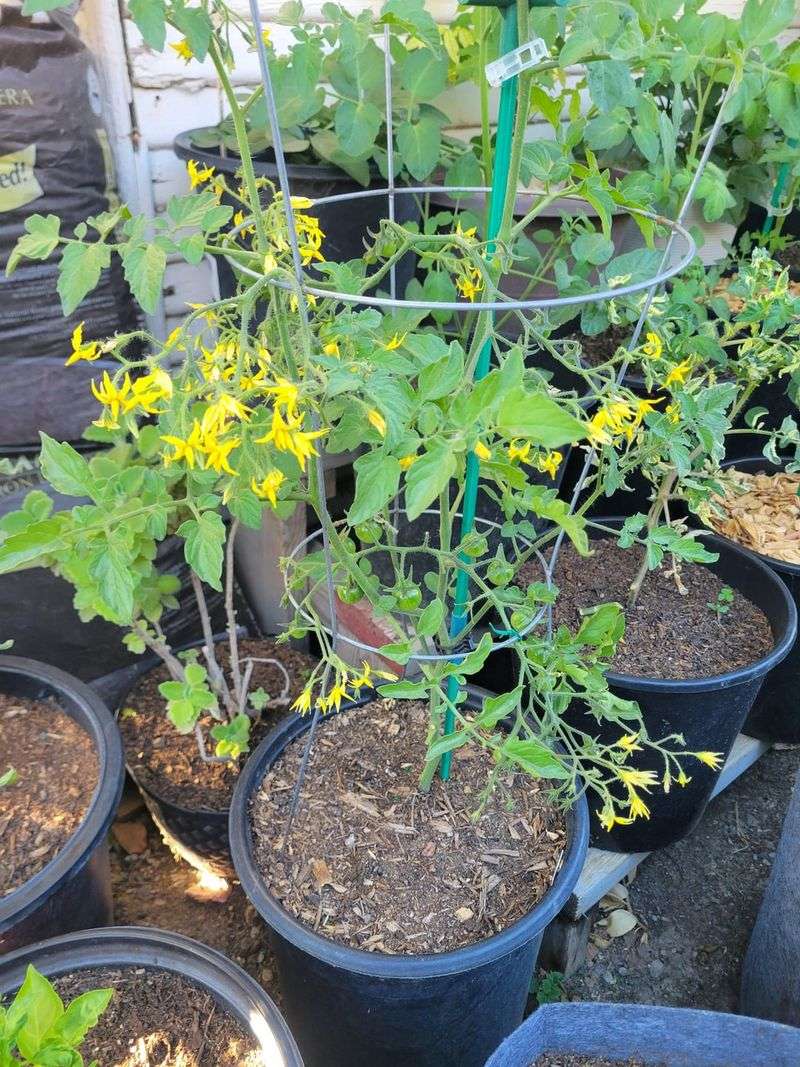
Fish meal is the slower, steadier cousin of fish emulsion. While liquid fish fertilizers act quickly, fish meal releases its nutrients gradually as soil microbes break it down over time.
That slower release can be a real advantage for tomato growers who want to build soil fertility across the whole growing season rather than chasing quick fixes.
Made from dried and ground fish, fish meal is a granular product that you can work into the soil before planting.
Many Michigan gardeners mix it into their planting beds a week or two before transplanting tomatoes, giving it time to begin breaking down before roots spread out into that zone.
It is a practical option for people who prefer organic, single-ingredient inputs and want something that does not require repeated applications every few weeks.
That said, fish meal is not something to apply by guessing. The product label gives you specific rates for good reason, and those numbers matter. Adding too much can create a nutrient imbalance, especially with nitrogen.
Your best starting point is always a soil test from Michigan State University Extension or a certified lab, which tells you what your soil actually needs before you add anything.
Fish meal fits well into a thoughtful, soil-first tomato program when used correctly and in the right amounts for your specific garden conditions.
6. Blood Meal
Blood meal is one of the most concentrated nitrogen sources available to organic gardeners, and that power comes with real responsibility.
Derived from dried animal blood, it breaks down relatively quickly in the soil and delivers nitrogen that plants can use during the growing season.
For Michigan tomato growers dealing with a confirmed nitrogen shortage, it can be a targeted solution. Here is the thing about nitrogen and tomatoes: more is not always better.
Tomatoes need a balanced supply of nutrients across the season, and too much nitrogen at the wrong time pushes the plant to grow lots of lush, dark green leaves while holding back on producing fruit.
That is the opposite of what most gardeners want. Blood meal is powerful enough that even a small excess can shift the plant in that direction.
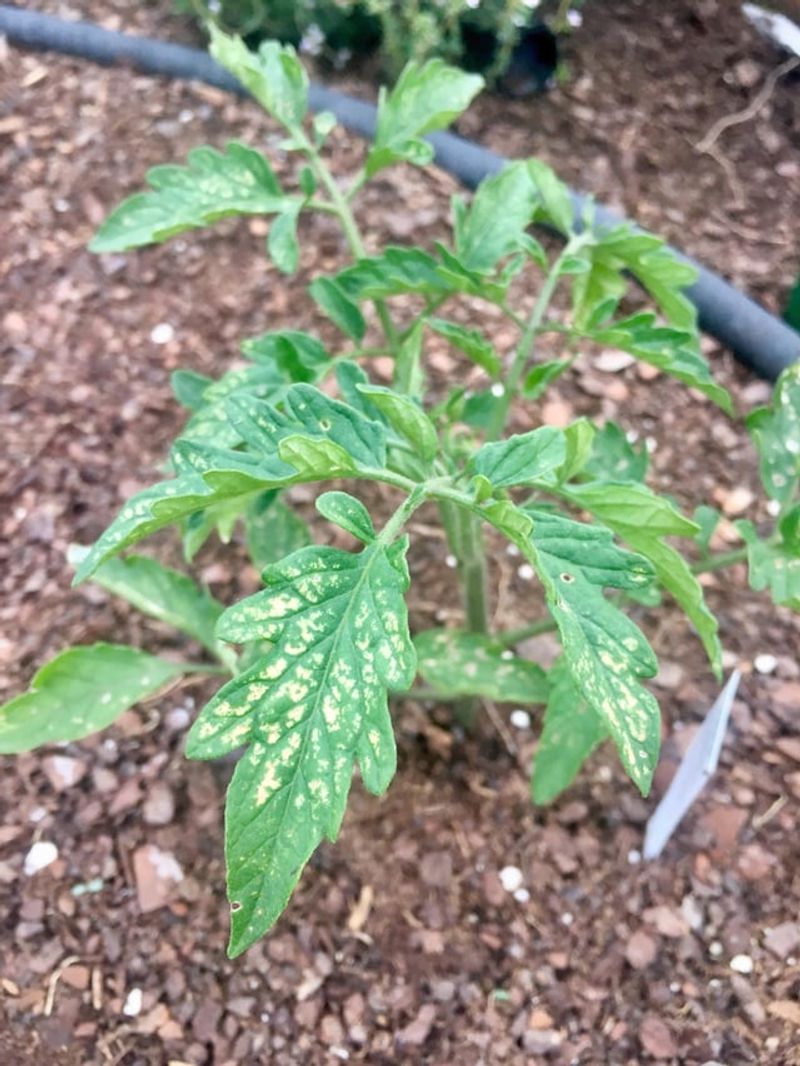
Before reaching for blood meal, a soil test is your best friend. If the results show that your soil is genuinely low in nitrogen and your tomatoes are showing signs like pale or yellowish lower leaves, blood meal may be exactly what you need.
Apply it according to the product label and avoid piling it near plant stems. Think of it as a precision tool rather than a general garden booster.
Used carefully and only when the soil data supports it, blood meal can absolutely help Michigan tomatoes perform better during the growing season.
7. Bone Meal
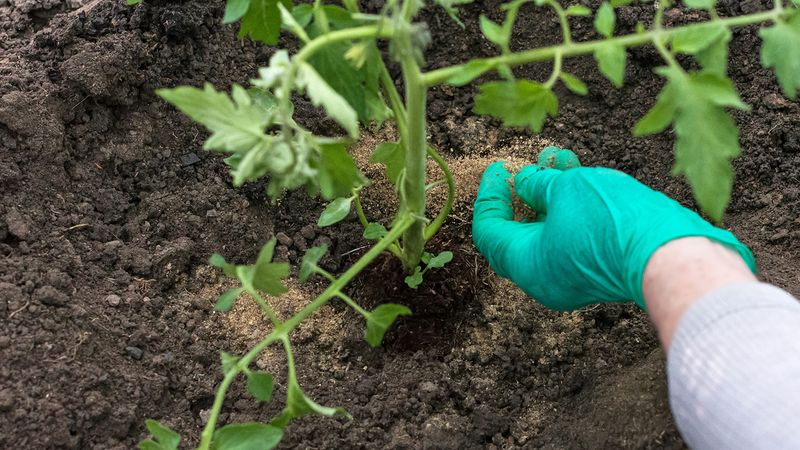
Bone meal has been a go-to phosphorus source for gardeners for generations, and it still has a place in modern organic tomato growing. Made from ground animal bones, it releases phosphorus slowly into the soil as it breaks down.
Phosphorus plays a role in root development and flower formation, which is why gardeners often associate it with better fruit production in tomatoes.
Here is where things get important for Michigan gardeners: phosphorus is one of the most commonly over-applied nutrients in home vegetable gardens. Many Michigan soils already contain adequate or even high levels of phosphorus from years of fertilizer use.
Adding more through bone meal when the soil does not need it does not help your tomatoes grow better. Instead, it can create a nutrient imbalance that actually interferes with the plant’s ability to absorb other minerals like zinc and iron.
The only way to know if your soil truly needs phosphorus is to run a soil test. Michigan State University Extension offers testing services that give you a clear picture of what your soil contains and what it actually needs.
If the results show a genuine phosphorus deficiency, bone meal applied at the label rate makes good sense. If phosphorus levels are already fine, skip the bone meal and focus your attention on other parts of your tomato care plan instead.
8. Soybean Meal
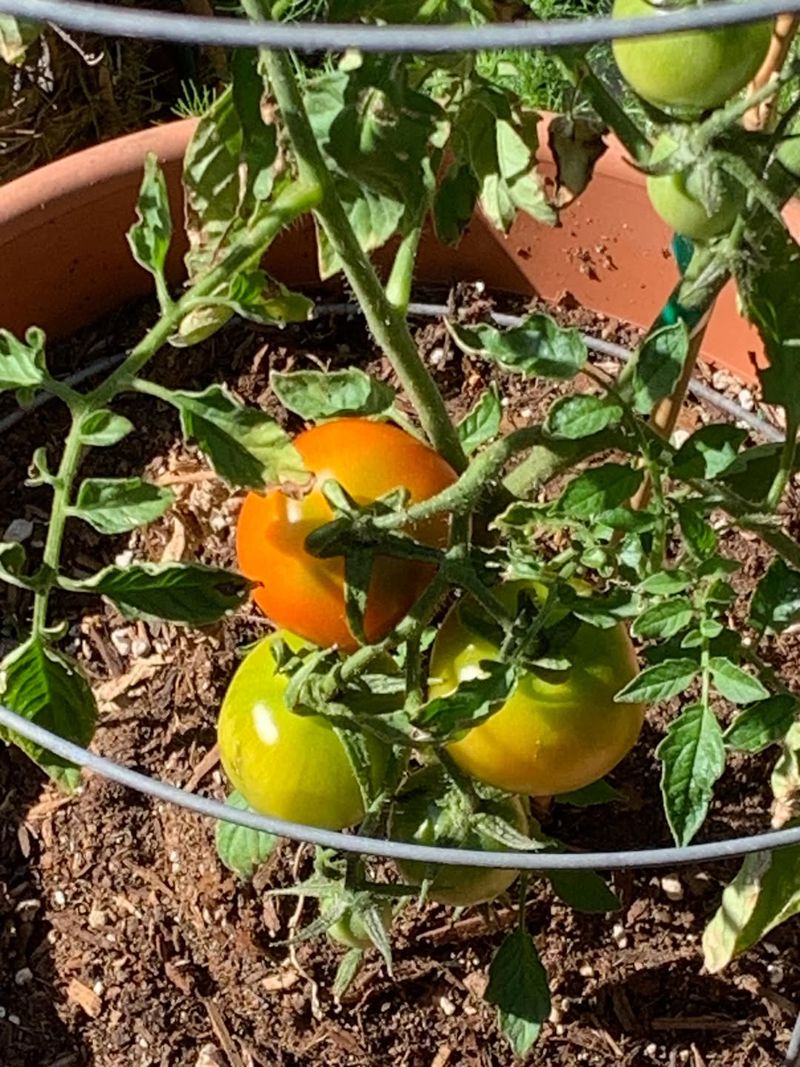
Soybean meal is not the flashiest option in the organic fertilizer world, but it earns its place in a thoughtful tomato garden plan.
A byproduct of soybean oil production, it contains a moderate amount of nitrogen along with smaller amounts of phosphorus and potassium.
What sets it apart is how slowly it releases those nutrients compared to liquid options or blood meal.
That slow release is actually a feature, not a drawback. Tomatoes benefit from a steady supply of nitrogen across the growing season rather than a single large dose.
Soybean meal feeds soil microbes as it breaks down, and those microbes then make nutrients available to plant roots over time.
It fits naturally into a soil-building approach where you are focused on long-term garden health rather than quick results.
A few things to keep in mind when using soybean meal around tomatoes: do not pile it against plant stems, and do not assume that more is better.
The right rate depends on what your soil already contains, so a soil test before the season starts helps you apply it accurately.
Soybean meal should also be worked into the soil rather than left sitting on the surface where it can attract animals or break down unevenly.
Used at the correct rate and in the right conditions, it supports steady, balanced tomato growth throughout Michigan’s growing season.
9. Dried Grass Clippings
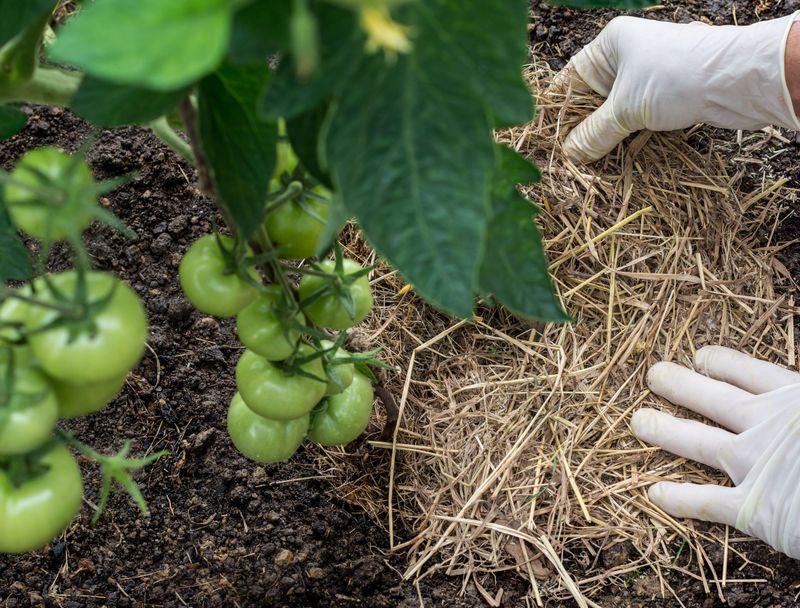
Grass clippings are something most Michigan gardeners already have in their yards, which makes them an appealing no-cost option for the tomato garden.
Michigan State University actually lists dried grass clippings as an example of an organic fertilizer material, which gives them a bit of credibility beyond the usual gardening advice.
They contain nitrogen and can contribute organic matter to your soil as they break down.
The way you use them matters a lot, though. Fresh, wet grass clippings piled thickly around tomato plants can mat together, block airflow, and create conditions that promote rot near the stem.
Dried clippings applied in thin layers work much better. You can also run them through a compost pile first, which breaks them down into a more stable form before they ever touch your garden soil.
There is one safety rule that every tomato gardener should follow without exception: never use grass clippings from a lawn that has been treated with broadleaf herbicides.
Those chemicals can persist through the composting process and harm tomato plants, which are especially sensitive to certain herbicide residues.
Even a small amount can cause twisted leaves and stunted growth. If you are unsure whether your lawn has been treated, skip the clippings and use a different amendment.
When the source is clean and the application is careful, dried grass clippings can be a practical addition to your Michigan tomato garden routine.