What Florida Gardeners Should Know Before Planting Banana Plants
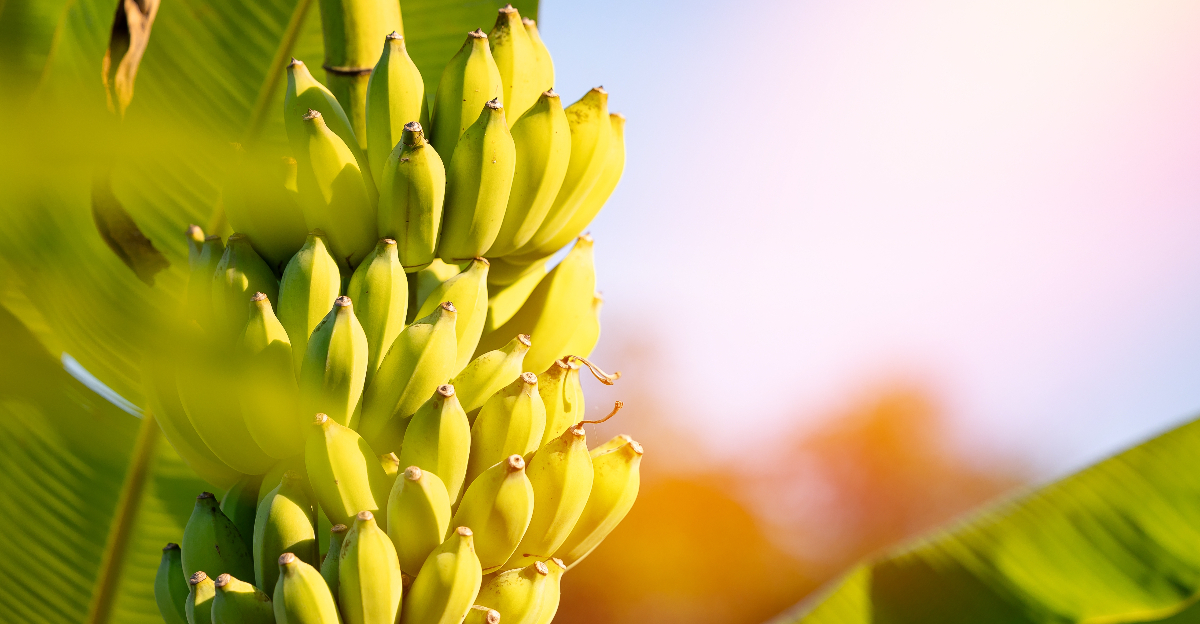
Banana plants have a reputation in Florida, and they earn it fast. One week the yard looks ordinary. A few months later, broad leaves rise overhead and that corner feels like an entirely different place.
Few plants make that kind of statement that quickly, and fewer still do it with so little fuss once they get settled. But there is more going on beneath those giant leaves than most gardeners expect.
Some varieties take off without much help. Others have specific ideas about soil and sunlight. A few will quietly take over a corner if you let them, which is either a feature or a problem depending on your personality.
So before you grab one at the nursery and start mentally redesigning your yard, it is worth asking one question. Do you actually know what you are bringing home? The answer might surprise you.
1. Soil Drainage Is The Make-Or-Break Factor
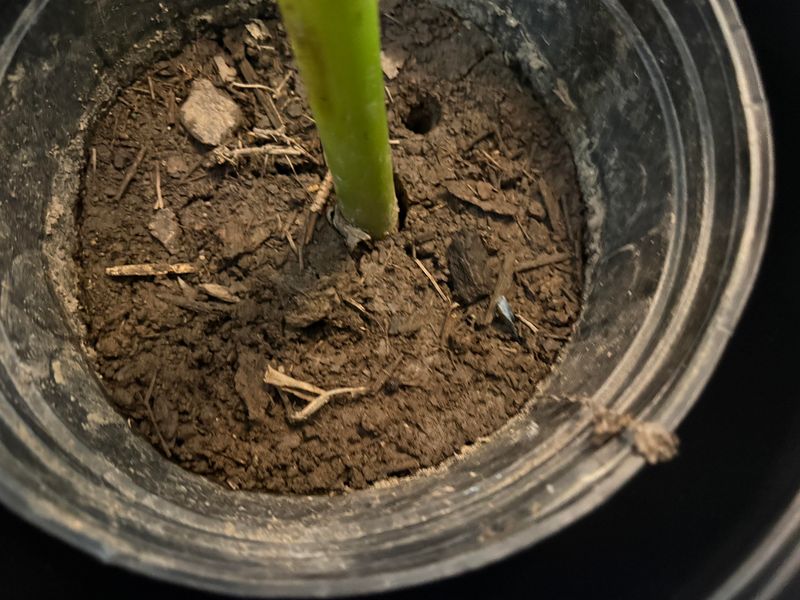
Banana plants love moisture, but they do not want soggy feet. That is the first big lesson.
In Florida, this can get tricky fast. Summer rains can arrive hard and often. Some yards drain quickly. Others hold water for days after a storm.
Bananas may look like tropical water lovers, but roots sitting in wet soil too long can struggle.
The plant wants steady moisture moving through the soil, not a puddle party around the base.
So before planting, watch your yard after heavy rain. Where does water collect, and which spots stay muddy? That simple observation may save you a lot of frustration later.
Choose a planting spot where water drains well. Slightly raised areas can work better than low pockets. If your yard has heavy or compacted soil, consider building a mound or raised bed.
Florida’s sandy soils often drain quickly, but they may not hold nutrients well. That is where compost can help.
Mixing in organic matter before planting can improve the soil’s ability to hold moisture and nutrients.
It also helps create a better root zone for fast growth.
Do not plant too deeply. Set the plant at the same depth it was growing before. Then water it in well so soil settles around the roots.
Mulch helps too. A few inches around the base can moderate moisture and keep the soil cooler. Just pull mulch back from the pseudostem so the base can breathe.
A banana wants a drink, not a bath. Get that balance right, and the whole plant has a better chance to go bananas in the best way.
2. Cold Sensitivity Can Catch You Off Guard
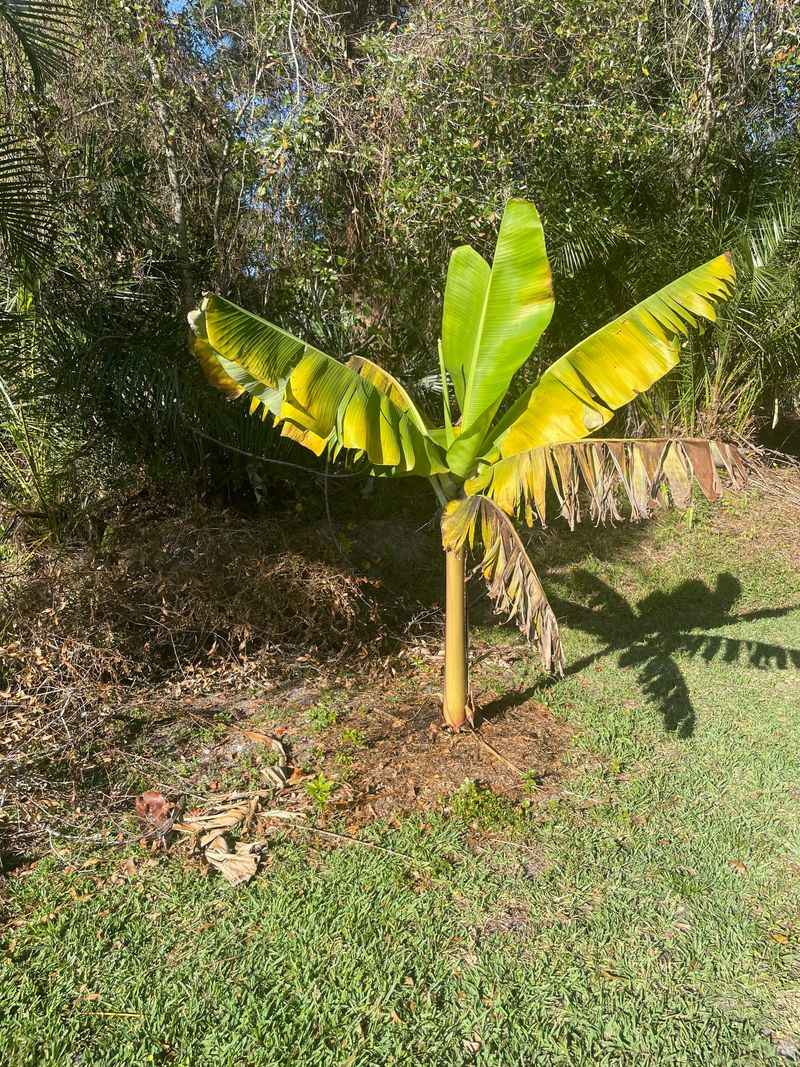
Florida can feel tropical until it suddenly does not. That is what catches many banana growers by surprise.
Most of the year, banana plants look perfectly suited to the state. They grow fast, stretch tall, and bring that vacation-postcard energy to the yard. Then a winter cold snap rolls in, and the plant reminds you it is still sensitive to chilly weather.
Banana leaves can show cold stress quickly. They may brown, soften, or look ragged after a frost. The above-ground part of the plant can look rough even when the underground portion remains capable of pushing new growth later. That distinction matters.
Your Florida Garden Changes Every Week. Your Plan Should Too.
Gardening in Florida changes quickly throughout the season. Every Friday you’ll receive a simple weekly plan showing exactly what to plant, prune, fertilize, harvest, and protect so you never miss the right timing.
If fruit is your goal, cold interruptions can be frustrating. Bananas need a long, warm stretch to flower and mature fruit. When cold weather damages the top growth, the plant may need time to rebuild before fruiting again.
Gardeners in North Florida and parts of Central Florida should plan more carefully. South Florida usually offers more consistent warmth, but even there, unusual cold can happen. Site selection can help.
Plant bananas near a south-facing wall, fence, or protected courtyard if possible. Those spots may hold a little extra warmth and reduce wind exposure.
Avoid low areas where cold air settles. A slightly elevated, sheltered spot may be kinder during winter.
Before a cold front, mulch heavily around the base. This can help protect the root zone and rhizome. For young or valued plants, frost cloth around the pseudostem may offer extra protection.
Do not rush to cut back cold-marked leaves immediately if more cold is expected. Damaged foliage can still offer a small amount of shelter to lower growth.
Cold planning is like a banana insurance. You may not need it every year, but you will be glad you thought ahead when the forecast gets dramatic. That is how you keep the tropical dream from getting chilled too quickly.
3. Wind Damage Is A Bigger Problem Than Most Expect
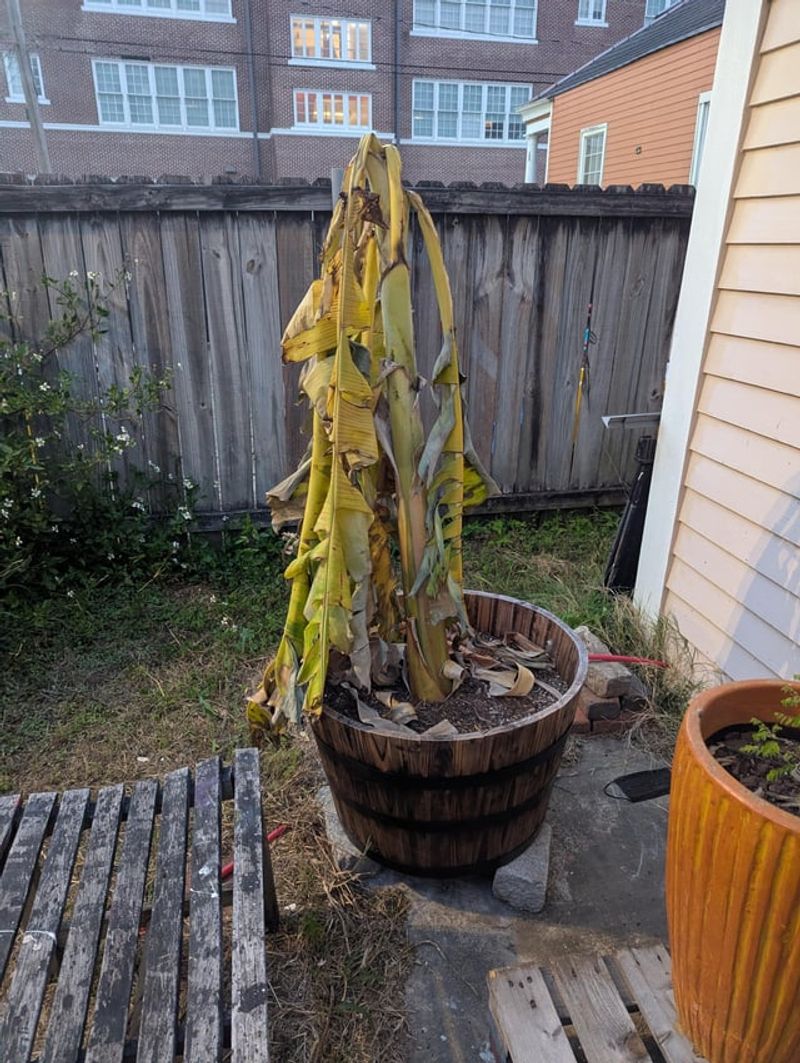
Banana leaves are gorgeous. They are also giant green sails. That becomes very clear when Florida winds start moving through the yard.
A calm day makes the plant look elegant and lush. A stormy day can turn those broad leaves into ribbons. This is normal to a point.
Shredded leaves may look messy, but the plant can often keep growing through it. New leaves usually emerge quickly during warm weather. The bigger concern is protecting the main pseudostem and root system from strong gusts.
Tall banana varieties can be more vulnerable in open areas. Their height and leaf surface catch wind easily. If the plant is carrying a fruit bunch, the extra weight can add even more stress. Placement matters.
Look for a spot with some wind protection. A fence, hedge, wall, or group of sturdy plants can slow the strongest gusts. You do not need to hide the banana completely. You just want to reduce the full force of wind.
Compact or dwarf varieties can be a smart choice in breezy areas. They stay lower, which helps them handle wind better than taller types.
If you live near the coast or in an open neighborhood, take this seriously. Salt air and storm winds can be a tough combination.
Young plants may benefit from staking during their first season. Use soft ties and avoid tying too tightly. The goal is support, not a garden straightjacket.
After a storm, take a careful look. Trim only the most shredded or hanging leaf sections if they bother you. Leave functional green leaf area when possible, since the plant still uses it for energy.
A little shelter can help the plant keep its tropical swagger. Those leaves may flap, but with good placement, your banana plant can stay rooted in style.
4. Organic Matter And Fertilizing Make A Huge Difference
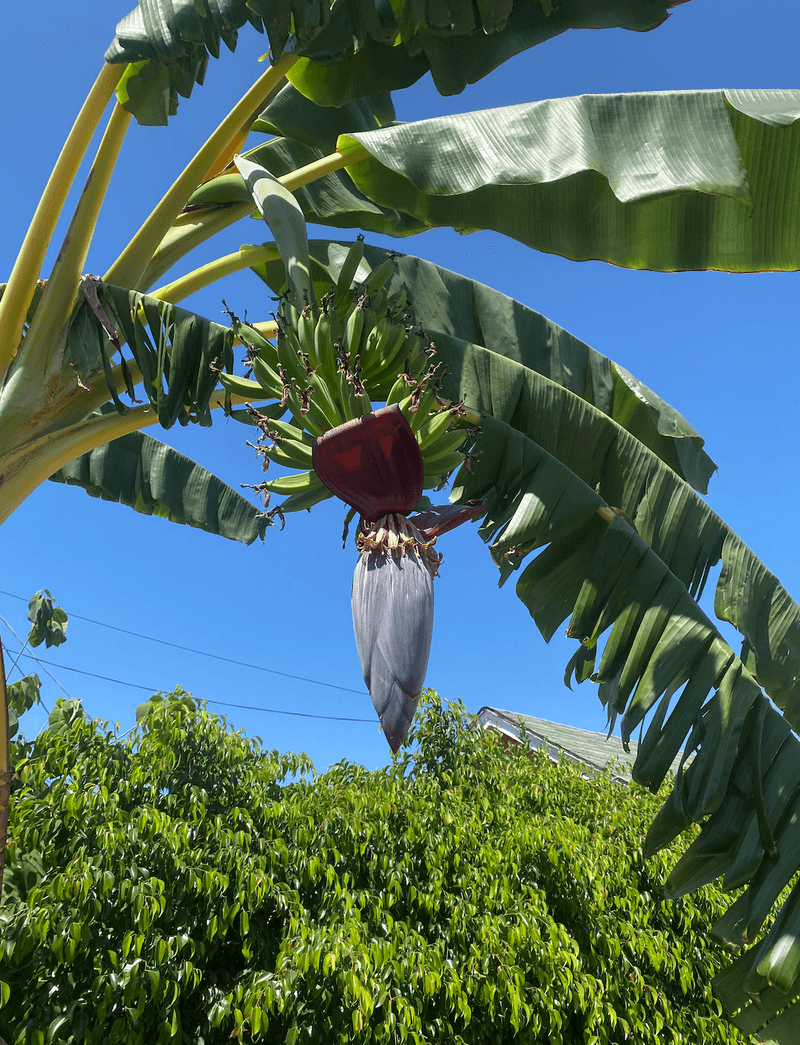
Those huge leaves do not appear out of nowhere. They take nutrients, moisture, and steady support from the soil. That is why feeding matters.
Florida soils can vary, but many home landscapes are sandy or low in organic matter. That kind of soil may drain quickly but struggle to hold nutrients. Bananas can respond with slower growth, pale leaves, or a less impressive shape.
Before planting, improve the soil with compost. Work organic matter into the planting area, not just the hole. Roots will spread outward, so the surrounding soil matters too.
Compost helps with moisture retention and nutrient availability. It also improves soil structure, which supports stronger root development.
Once the plant starts growing, regular feeding can keep the rhythm going. A balanced fertilizer during the warm growing season may help support leafy growth and fruit potential.
Bananas often appreciate potassium. That nutrient supports overall strength and fruit development. Choose a fertilizer that includes it, and follow the label carefully.
Do not overfeed. More fertilizer does not always mean better growth. Too much can stress roots or push soft growth at the wrong time. A steady schedule through spring and summer usually works better than random heavy doses.
Mulch is another quiet helper. Organic mulch around the base can break down over time and feed the soil gradually. Wood chips, shredded leaves, grass clippings, or composted mulch can work.
Keep mulch away from direct contact with the pseudostem. A little gap helps prevent moisture from collecting against the base.
As fall approaches, ease off heavy feeding. You do not want to push tender growth right before cooler weather. With rich soil and sensible feeding, your banana can grow with real peel appeal.
5. Spacing Matters More Than You Think
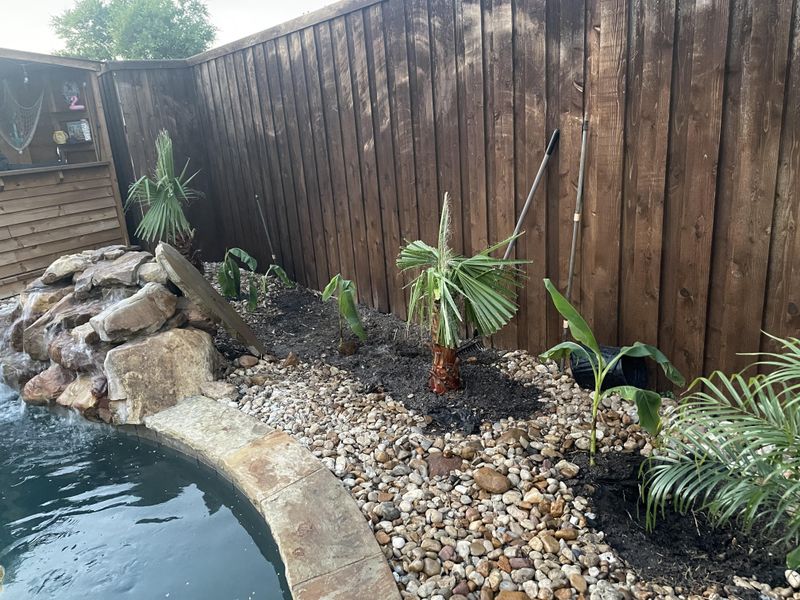
Banana pups look innocent at planting time. Small leaves. Slim stems. A tidy little clump that seems easy to fit almost anywhere. Then Florida warmth kicks in.
Suddenly, that modest plant becomes a towering, spreading presence with broad leaves reaching in every direction. This is where spacing becomes more important than many gardeners expect.
Bananas need room above ground and below ground. The leaves spread wide. The roots explore outward. New pups appear around the base and gradually create a clump.
If planted too close to a wall, walkway, fence, or house, the plant can become awkward fast. Leaves may rub against structures. Roots may compete with nearby plants. Pups may appear where you did not plan for them.
Many banana plants benefit from ten or more feet of open space, depending on variety. Taller types may need even more room overhead.
Check for roof overhangs, power lines, gutters, and nearby trees. Some varieties can grow much taller than you expect.
If you are planting several clumps, leave generous spacing between them. Crowding can reduce airflow and make maintenance harder.
Good airflow is especially helpful in Florida’s humidity. A packed planting may hold moisture around leaves longer than ideal.
Also think about access. Can you walk around the plant to remove pups, mulch, water, or harvest fruit? If not, the spot may be too tight.
For small yards, dwarf varieties can make more sense. They still give the tropical look but may fit better near patios or side yards.
So, remember: it may look small now, but it has big plans. Give it room, and the final planting will look intentional instead of squeezed.
6. Irrigation Keeps The Rhythm Going
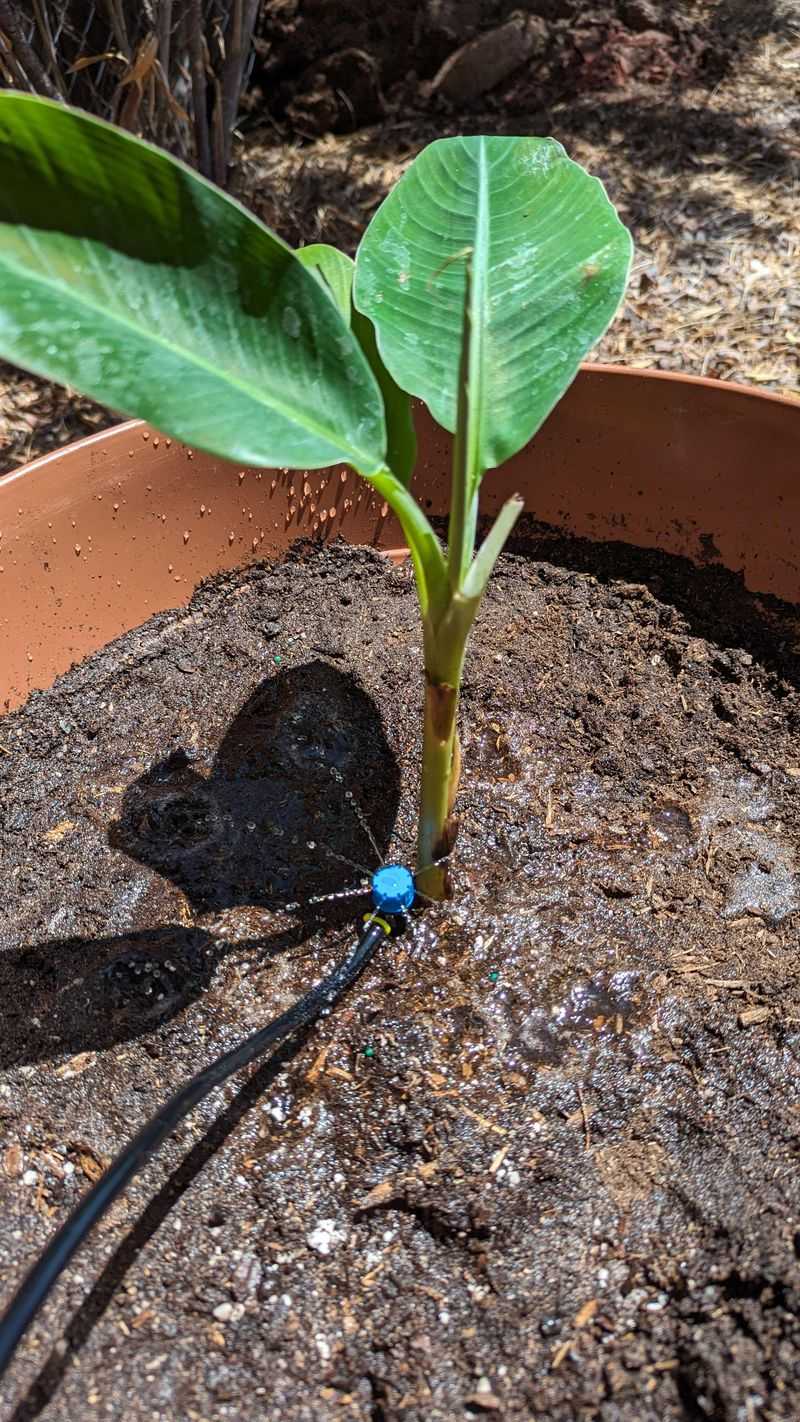
Bananas like consistency. They grow quickly, carry large leaves, and use plenty of water in warm weather. If moisture swings too much, the plant may show it fast.
However, that does not mean bananas want flooded soil. It means they need steady moisture with good drainage.
During Florida’s dry season, rainfall may not be enough. Deep watering two or three times a week may help young or actively growing plants, depending on soil and weather.
The goal is to moisten the root zone, not just dampen the surface. Shallow watering encourages shallow roots and dries out quickly.
Drip irrigation or soaker hoses can work very well. They deliver water near the base and keep leaves drier. That can be helpful in humid climates where wet foliage may invite problems.
If watering by hand, go slow. Let water soak in around the root area instead of running off.
During the rainy season, adjust your routine. Florida storms can provide plenty of moisture, and overwatering during wet stretches can cause issues.
This is where observation helps. Check the soil a few inches down. If it is moist, wait. If it is dry and the plant looks thirsty, water deeply.
Mulch helps hold moisture between watering sessions. It can also keep soil temperature steadier and reduce competition from weeds. Keep the mulch wide rather than piled high. Bananas like comfort, not a mulch volcano.
When moisture, drainage, and mulch work together, your banana plant has a much better chance to stay lush and leafy.
7. Choosing The Right Variety Sets You Up For Success
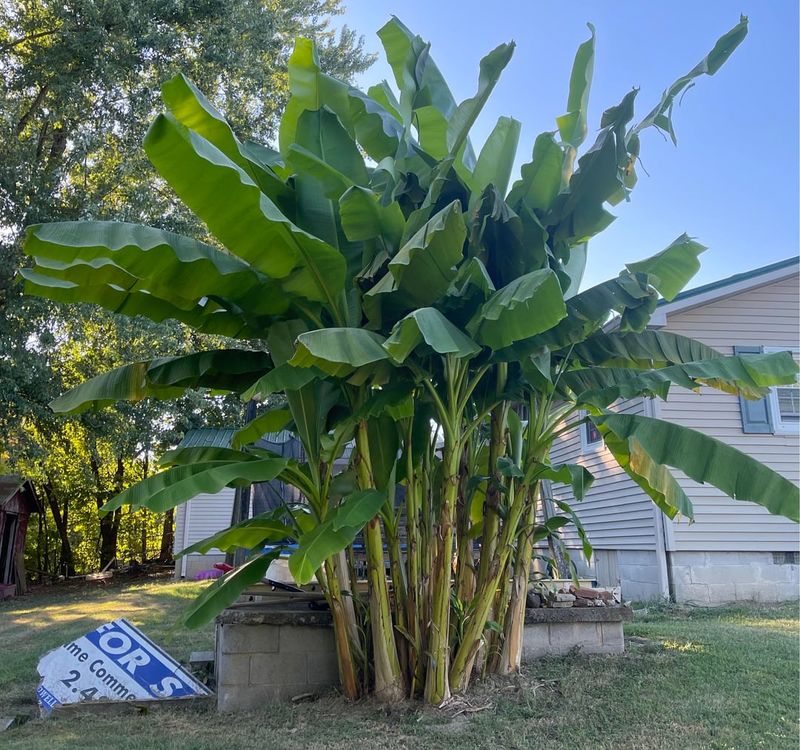
Not every banana plant has the same personality. Some grow tall. Some stay compact. Some are grown mostly for fruit. Others are planted for dramatic leaves and tropical style.
Choosing the right variety can save a lot of trouble later.
Before buying, ask yourself what you want most. Do you want edible fruit? Do you want a bold ornamental look? Do you need something shorter for a windy spot? Are you gardening in North Florida, Central Florida, or South Florida?
Those answers matter.
Dwarf Cavendish is popular because it stays more compact than many types and can produce fruit. That smaller size can also help in yards where wind is a concern.
Dwarf Namwah and Raja Puri are often appreciated for sturdier growth and better cold tolerance than some tropical types. They may be worth considering in Central or North Florida.
In South Florida, gardeners usually have more options because the warm season is longer and cold risk is lower. Goldfinger and Ice Cream banana are examples people often seek out for fruit.
Ornamental bananas can bring serious drama too. Some have red-tinted leaves or bold tropical foliage. Just be clear that ornamental types may not be the best choice if fruit is your main goal.
Buy from a nursery that understands your region. Local experience can help you avoid a variety that sounds exciting but does not fit your yard.
Also ask about mature height, fruiting habits, cold tolerance, and wind performance. Those details can shape your success more than the plant’s current size.
Think of variety selection as banana matchmaking.
The right match can make care simpler, growth stronger, and your yard more satisfying. Choose well, and the whole planting has a better chance to become the tropical feature you imagined.