Why Oregon Gardeners Ruin Lavender And What To Do Instead
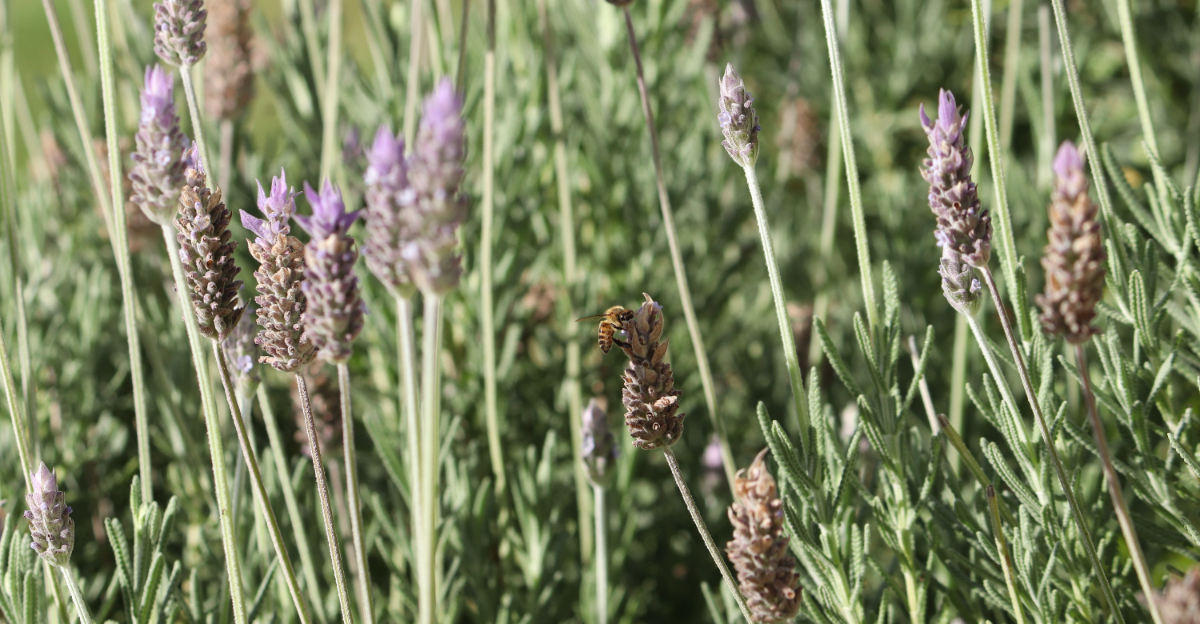
Lavender looks like it should be forgiving. Silvery, drought tolerant, practically thriving on neglect in the south of France.
So why do so many Oregon gardeners end up with yellowing stems, root rot, and a plant that slowly falls apart despite their best efforts? The honest answer is that good intentions are usually the problem.
Lavender doesn’t struggle here because gardeners ignore it. It struggles because they care too much.
Overwatering, heavy clay soil, too much fertilizer, pruning at the wrong time. These are the mistakes that show up in Oregon lavender beds over and over again, often made by gardeners who are genuinely trying to do right by the plant.
Lavender is not complicated, but it is specific. It wants things done a certain way and has very little patience for well-meaning interventions that go against its nature.
Understanding where things typically go wrong is the fastest way to turn a struggling plant into one that thrives for years.
1. The Biggest Lavender Mistake
Most Oregon gardeners make one core mistake before they even put lavender in the ground: they treat it like every other plant in their garden. Lavender is not a typical Pacific Northwest plant.
It comes from the dry, rocky hillsides of the Mediterranean, where the sun blazes and rain is rare. Expecting it to thrive in Oregon’s cool, rainy climate without any adjustments is setting it up to fail.
The biggest mistake is not choosing the right variety for your region. Some lavender types handle moisture and humidity much better than others.
English lavender, especially varieties like Hidcote or Munstead, tends to do better in Oregon than French or Spanish lavender. Picking the wrong type means you are fighting an uphill battle from day one.
Oregon gardeners also tend to be too gentle. They worry about stressing the plant, so they water it often, protect it from sun, and pile on compost.
But lavender actually wants to be left alone. It prefers a little neglect over a lot of attention.
Understanding this from the start changes everything about how you care for it.
2. Too Much Water, Too Little Drainage
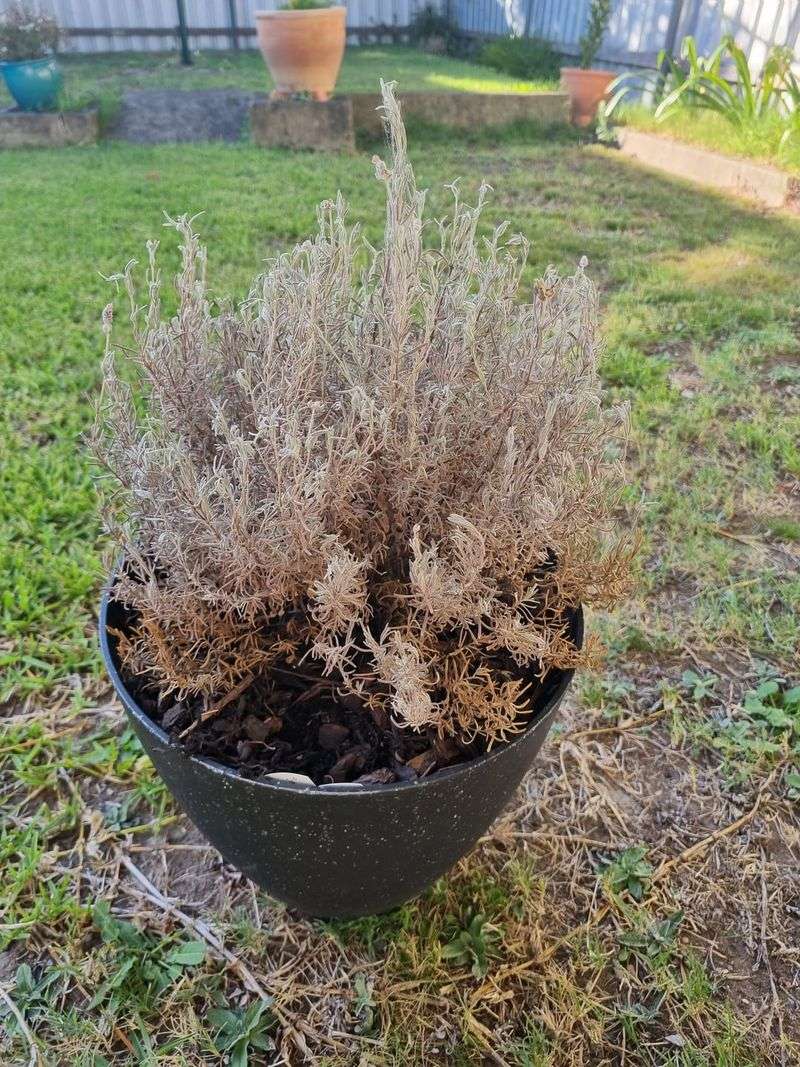
Oregon gets a lot of rain, and that is wonderful for many plants. But for lavender, all that moisture is a serious problem.
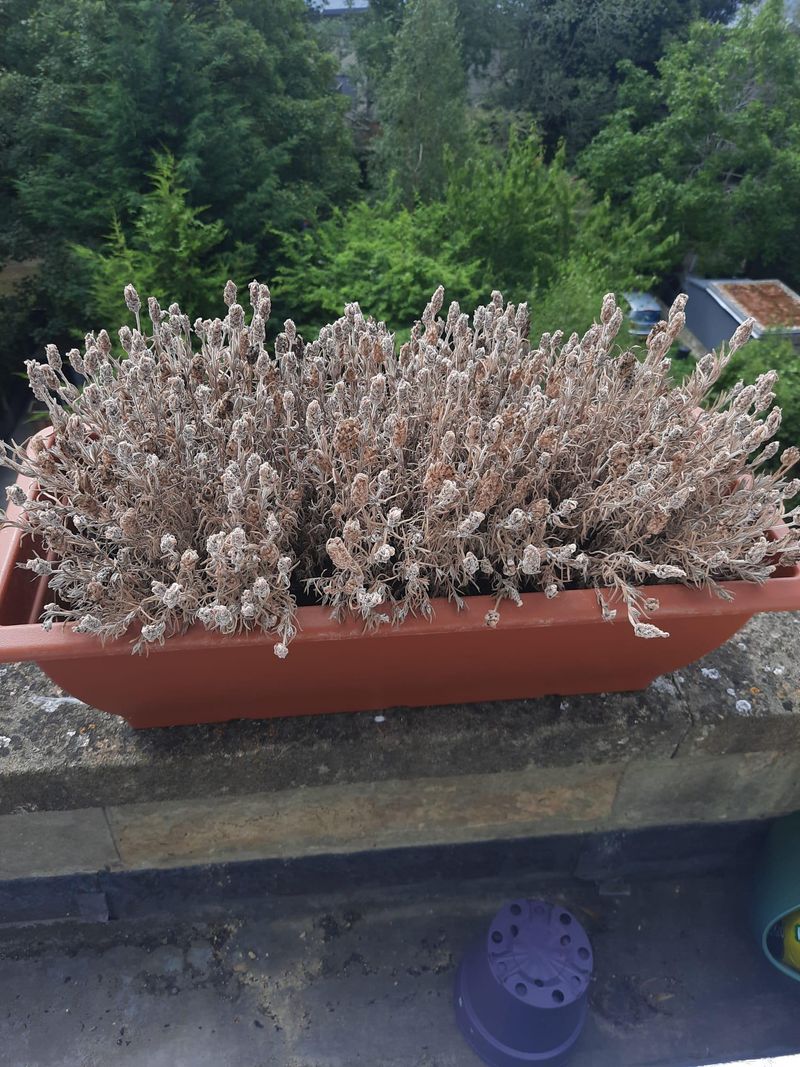
Lavender roots hate sitting in wet soil. When the roots stay wet for too long, they start to rot, and the plant slowly weakens from the bottom up.
In a place like the Willamette Valley, where winters are wet and long, this is one of the top reasons lavender fails.
Many gardeners make it worse by watering on top of the rain. Once lavender is established, it rarely needs extra watering in Oregon.
The rain usually does more than enough. Overwatering is far more common than underwatering when it comes to lavender in the Pacific Northwest.
The fix starts with drainage. If your soil holds water, lavender will struggle no matter what else you do.
Raised beds, berms, or mounded planting areas can help a lot. You can also mix gravel or coarse sand into the planting hole to help water move through faster.
Your Oregon Garden Changes Every Week. Your Plan Should Too.
Gardening in Oregon changes quickly throughout the season. Every Friday you’ll receive a simple weekly plan showing exactly what to plant, prune, fertilize, harvest, and protect so you never miss the right timing.
Good drainage is not optional for lavender in Oregon. It is the foundation of everything else.
3. Why Rich Soil Backfires
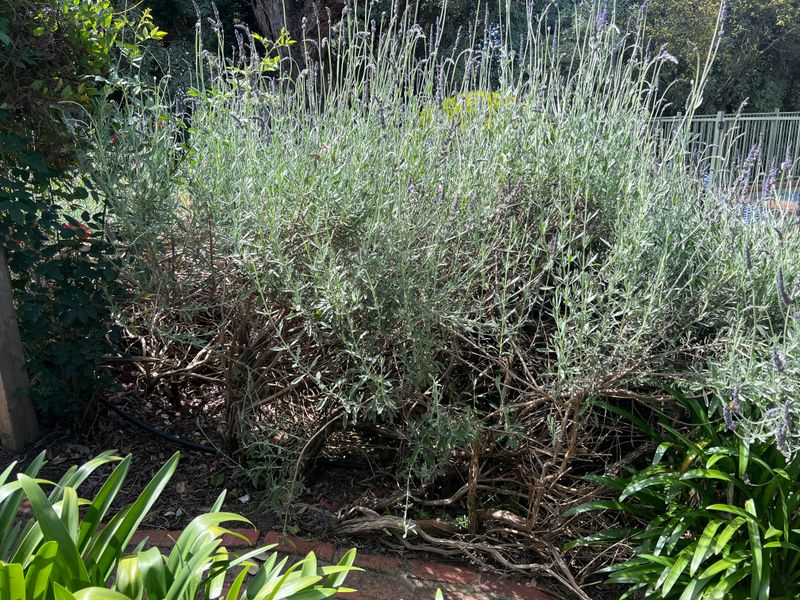
If you have ever amended your soil with compost before planting lavender, you might have actually made things harder for the plant. Rich, fertile soil sounds like a great idea for most gardens, but lavender is different.
It evolved in poor, lean, rocky soils where nutrients are scarce. When you plant it in nutrient-rich ground, it grows too fast, becomes floppy, and gets weak stems that are prone to problems.
Nitrogen is especially tricky. Too much of it pushes lavender to grow lots of lush, leafy green growth instead of the sturdy, woody stems and fragrant flowers it is known for.
The plant looks full and green at first, but it becomes soft and vulnerable. Oregon’s already-fertile soils in the Willamette Valley can be too rich for lavender without any added amendments at all.
Skip the compost when planting lavender. Instead, aim for lean, gritty soil with good drainage.
You can add a bit of lime to raise the pH since lavender prefers alkaline conditions, which is the opposite of most Oregon soils. A simple soil test can tell you where your garden stands and help you adjust without overdoing it.
4. Stop Mulching It Like A Hydrangea
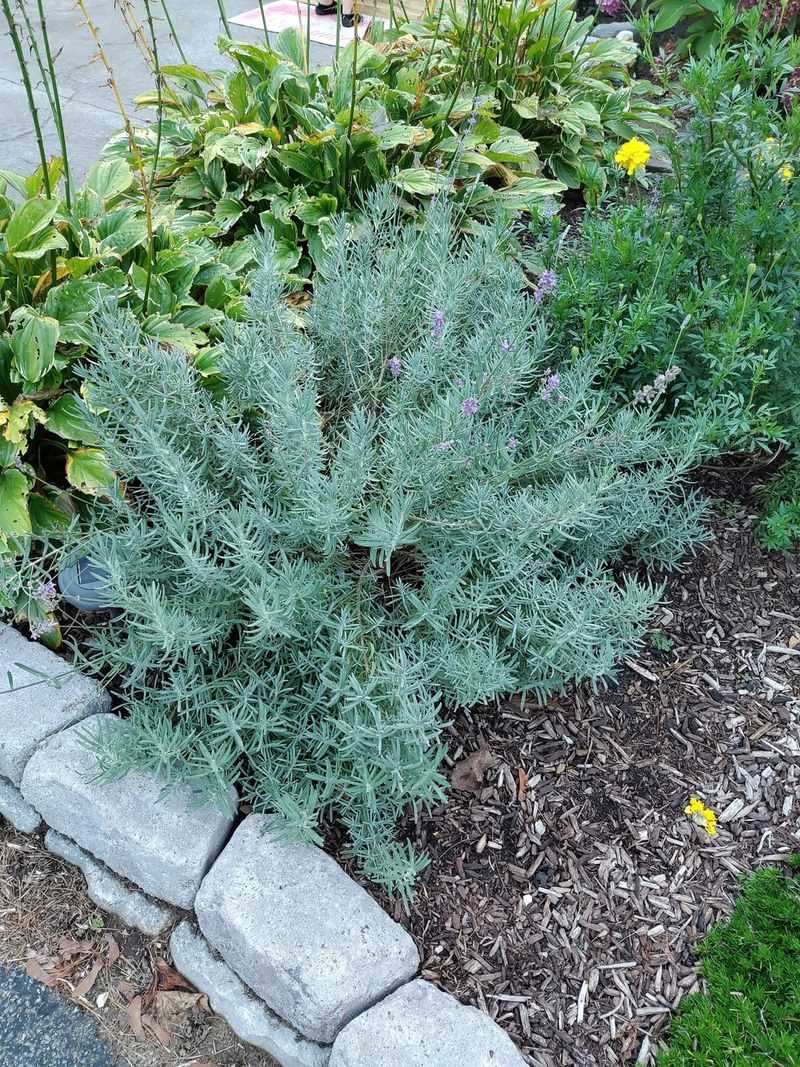
Mulching is second nature for most Oregon gardeners. It keeps moisture in, suppresses weeds, and protects roots from cold.
For hydrangeas, hostas, and most other Pacific Northwest garden favorites, it is a smart move. But piling that same thick layer of organic mulch around lavender is one of the quieter ways to stress the plant out over time.
Organic mulches like wood chips, bark, and shredded leaves hold moisture right at the base of the plant. For lavender, that means the crown and lower stems stay damp, which creates the perfect environment for crown rot and fungal problems.
Oregon’s wet winters make this even worse. The plant that looked fine in fall can start looking rough by spring because of trapped moisture all season long.
A much better option is gravel or crushed rock mulch. It still helps with weeds and gives the garden a tidy look, but it does not hold water the same way.
Light-colored gravel also reflects heat back up toward the plant, which lavender genuinely loves. Even a thin layer of pea gravel around the base can make a noticeable difference in how well your lavender handles Oregon’s wet seasons.
5. Prune Lightly, Not Brutally
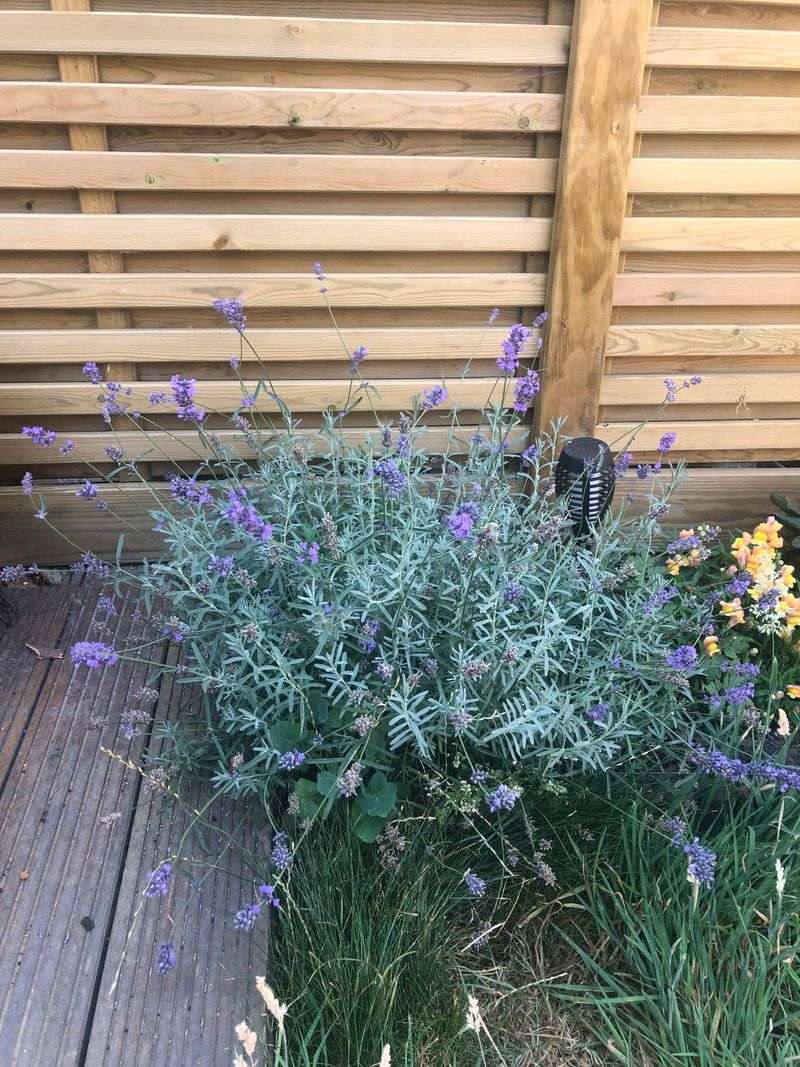
Pruning lavender can feel confusing, especially because different gardeners seem to have very different opinions about how hard to cut. In Oregon, getting the timing and depth of pruning right is particularly important because the climate already puts some stress on the plant.
Cutting too hard at the wrong time can push lavender past the point of recovery.
The most common pruning mistake is cutting into old, woody stems. Lavender does not regrow well from bare wood the way roses or shrubs like butterfly bush do.
If you cut below the green, leafy growth and into the gray, woody base, the plant often cannot push out new growth from that spot. Over a few years of aggressive pruning, the plant becomes a hollow, dead-looking mess in the center.
A lighter approach works much better. After flowering in summer, trim back about one-third of the plant, cutting into the green growth but stopping before you reach the woody part.
In spring, a light shaping trim helps encourage bushy, compact growth. Doing small, consistent pruning each year keeps the plant healthy and full.
Think of it as a gentle haircut rather than a major renovation, and your lavender will reward you with better blooms season after season.
6. Give It More Sun
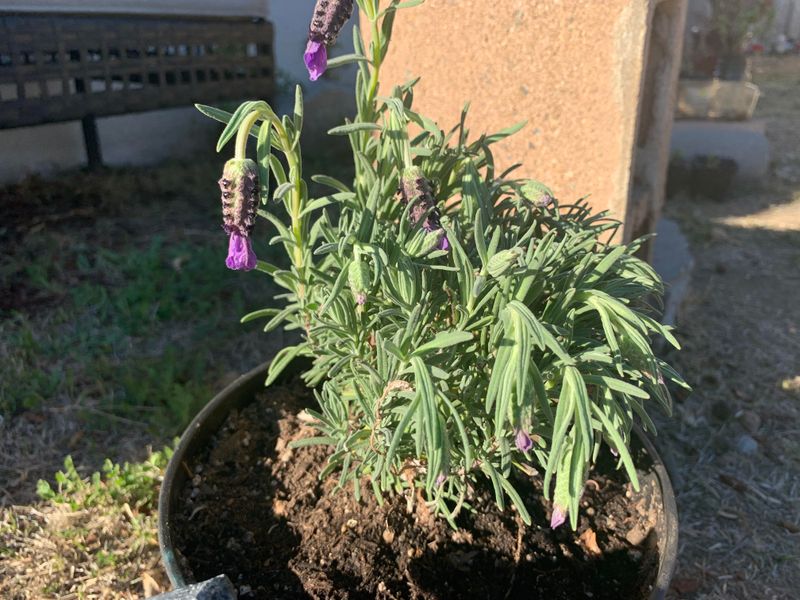
Oregon is not exactly famous for endless sunshine. Cloudy skies, foggy mornings, and long gray winters are just part of life in the Pacific Northwest.
But lavender needs sun, and plenty of it. At least six to eight hours of direct sunlight per day is the minimum for lavender to bloom well and stay healthy.
Anything less and the plant stretches, flops, and barely flowers.
A lot of Oregon gardeners tuck lavender into spots that get morning shade or are partially blocked by trees and fences. It might seem like a sheltered, cozy spot, but for lavender, it is a problem.
Low light combined with Oregon’s already high humidity creates conditions where fungal issues are more likely and flowering is poor.
Choosing the sunniest, most open spot in your garden is one of the best things you can do for lavender in Oregon. South-facing slopes or raised beds in open areas tend to work especially well.
If your yard is mostly shaded, lavender is probably not the right plant for that space. Matching the plant to the right spot saves a lot of frustration and gives the lavender the best possible chance to show off those gorgeous purple blooms you planted it for in the first place.
7. What To Do Instead
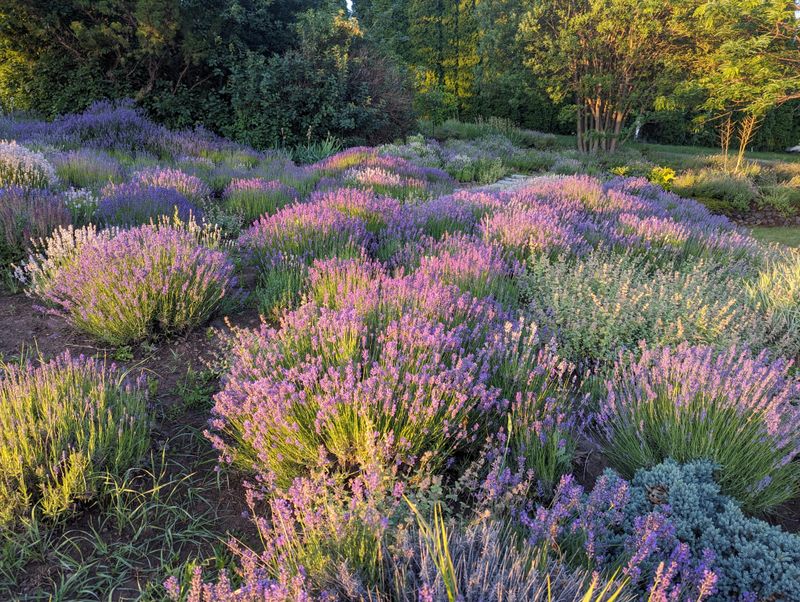
Now that you know what not to do, here is a simple plan for growing lavender successfully in Oregon. Start by choosing the right variety.
English lavender types like Hidcote, Munstead, or Vera are much more tolerant of Oregon’s wet conditions than French or Spanish types. They are compact, sturdy, and more forgiving of the Pacific Northwest climate.
Plant lavender in a raised bed or mounded area with fast-draining, lean soil. Skip the compost and mix in coarse sand or fine gravel instead.
Add a thin layer of gravel mulch around the base, not organic material. Pick the sunniest spot available, ideally south-facing and open to airflow.
Do not water established plants unless there is an unusually dry stretch in summer.
Prune lightly each year after blooming and again in early spring. Never cut into the woody base.
Keep the plant compact and tidy with small, consistent trims. If your soil is very acidic, which is common in Oregon, add a little garden lime to bring the pH up closer to neutral or slightly alkaline.
With these adjustments, lavender can absolutely thrive in Oregon. It just needs conditions that match where it came from, not where you live.