Why Your Texas Garden Still Looks Exhausted In September
September in Texas is supposed to feel like a turning point. The worst of the heat is behind you, the air begins to shift, and the garden that endured months of punishment should start showing signs of recovery.
For a lot of Texas gardens, though, the exhaustion that built through summer doesn’t simply lift when September arrives. Plants still look stressed. Color is still absent. The recovery that should be happening isn’t.
There are specific reasons why. And most of them trace back to conditions or decisions from earlier in the season that September’s cooler temperatures alone cannot undo.
Understanding what’s actually keeping your Texas garden stuck in summer survival mode is the first step toward doing something about it before the fall window closes entirely.
1. Lingering Summer Heat Is Still Punishing Your Plants
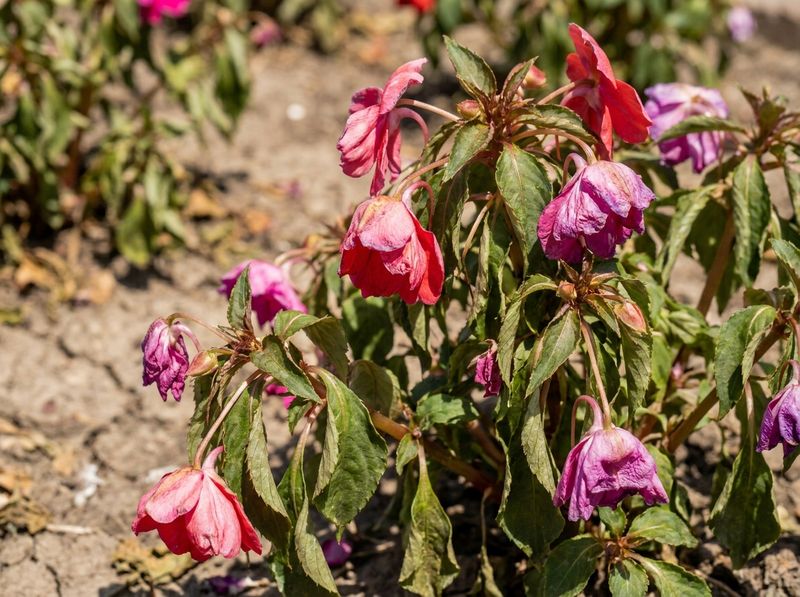
Most folks assume September means cooler weather, but Texas didn’t get that memo. Triple-digit days can stretch well past Labor Day, and your plants feel every bit of it.
Heat stress shows up as wilted leaves, curled edges, and blooms that fade fast. Even tough plants slow down when the air stays this warm.
They pour their energy into survival instead of growing pretty new leaves.
Soil temperature matters too. Hot dirt roasts the roots, and roots that stay too warm can’t pull up water the way they should. That leaves the whole plant looking limp no matter how much you water.
One easy fix is shade. Set up a shade cloth or a patio umbrella over your most sensitive plants during the hottest hours. Even a few hours of afternoon relief makes a big difference.
Mulch is your other best friend right now. A thick layer keeps the ground cooler and traps moisture so roots stay comfortable. Aim for two to three inches spread evenly around the base.
Watering early in the morning also helps a lot. The plant gets a good drink before the sun climbs, so it has fuel to face the heat. Avoid watering at night, since damp leaves in warm air can invite fungus.
Try to hold off on planting anything brand new until things cool down. Fresh transplants struggle in extreme heat and rarely settle in well. Patience pays off here.
Once October arrives, most Texas gardens perk right back up. Until then, focus on protection and comfort rather than pushing hard growth.
2. You’re Watering At The Wrong Time Or The Wrong Way
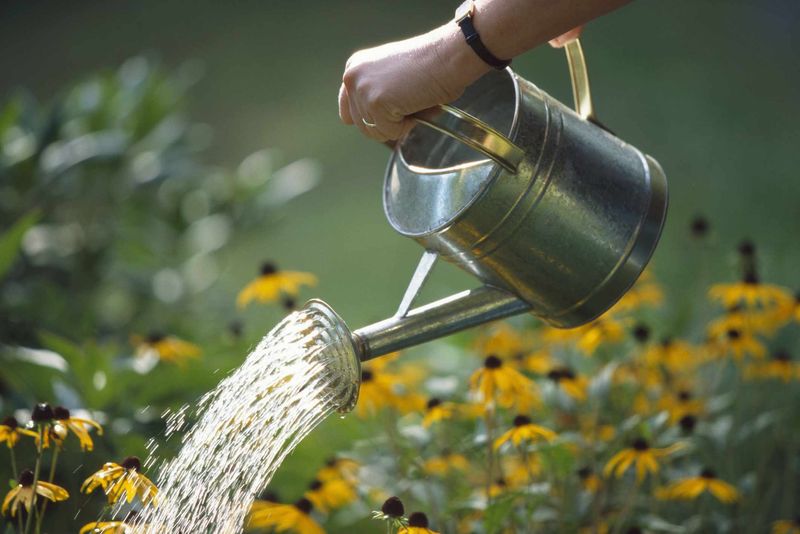
Watering seems simple, yet it trips up more Texas gardeners than almost anything else. The when and how matter just as much as the how much.
Splashing water in the middle of the day is a waste. The sun evaporates most of it before roots ever get a sip. Your plants stay thirsty while your water bill climbs.
Frequent shallow watering causes another sneaky problem. Roots stay near the surface because that’s where the moisture is. Shallow roots dry out fast and leave plants weak during heat waves.
Your Texas Garden Changes Every Week. Your Plan Should Too.
Gardening in Texas changes quickly throughout the season. Every Friday you’ll receive a simple weekly plan showing exactly what to plant, prune, fertilize, harvest, and protect so you never miss the right timing.
Deep, slow watering works far better. Soak the soil so moisture reaches down several inches. That encourages roots to grow deeper, where the ground stays cooler and damper.
Morning is the golden window. Water between six and nine, and your plants can drink up before the heat hits. They face the day fully hydrated and ready.
A soaker hose or drip line takes the guesswork out of it. These deliver water right to the roots slowly and evenly. You’ll use less water and get healthier plants in return.
Check the soil with your finger before watering again. If it feels moist an inch down, wait a day. Overwatering can be just as harmful as skipping it.
Group plants with similar thirst levels together. That way you’re not drowning one while another goes dry. Smart placement makes your whole routine easier.
Small changes to your watering habit often turn a sad, floppy garden into a lush one within a couple of weeks. Consistency is what your plants crave most.
3. Your Soil Ran Out Of Nutrients Months Ago
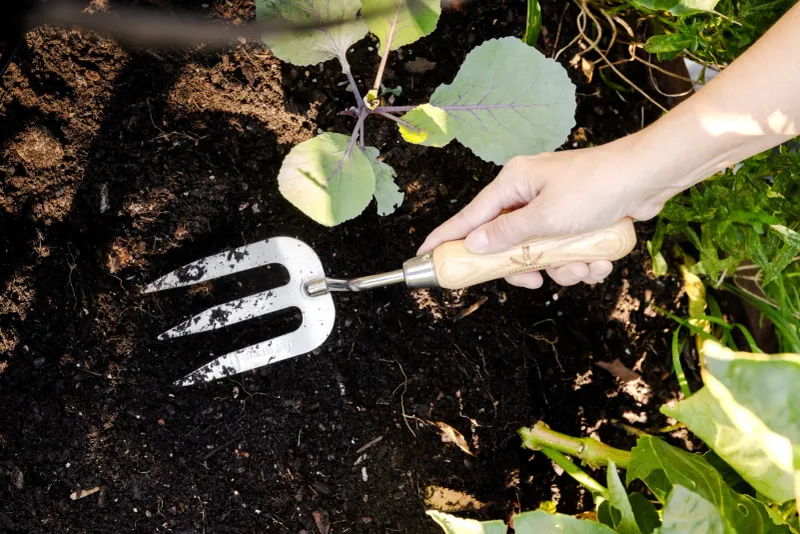
Think of soil like a lunchbox for your plants. By September, that lunchbox has been picked clean and there’s nothing left to snack on.
All spring and summer, your plants pulled nutrients out of the ground to grow and bloom. Rain and constant watering also wash minerals away over time. What’s left is often tired, hungry dirt.
Yellowing leaves are a classic warning sign. When plants lack nitrogen, their green color fades and growth slows way down. Pale, sluggish plants are basically asking for a meal.
A slow-release fertilizer is a great place to start. It feeds your plants little by little instead of all at once. That steady supply keeps them growing without shocking their roots.
Compost works wonders too. Mixing a few inches into your beds adds nutrients and helps the soil hold water. It’s like a home-cooked meal for your garden.
Texas clay soil can be especially stubborn. It packs down hard and blocks roots from spreading. Loosening it with compost and organic matter opens things up.
Before you dump on fertilizer, consider a simple soil test. Kits are cheap and tell you exactly what your ground is missing. Guessing can lead to too much of one thing.
Go easy with feeding during extreme heat. Pushing fast growth when plants are already stressed backfires. Wait for slightly milder days when they can actually use it.
Feed your soil, and your soil will feed your plants. Rebuilding that lunchbox is one of the fastest ways to bring color and life back to an exhausted garden.
4. Pests Have Been Quietly Feasting All Season
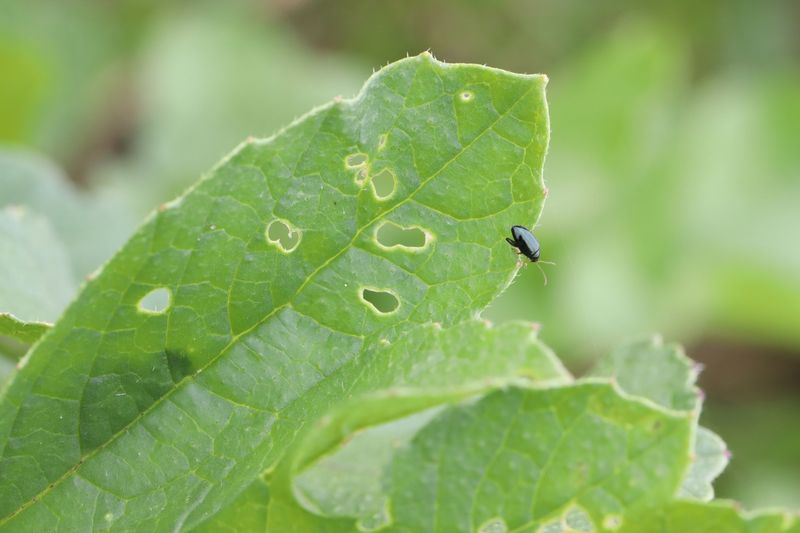
While you weren’t looking, tiny freeloaders may have moved in and thrown a party. Texas heat is a paradise for garden pests.
Aphids, spider mites, and whiteflies love stressed plants. They suck the juices right out of leaves and stems. The plant weakens a little more with every bite.
Damage often looks like speckled, curling, or sticky leaves. Sometimes you’ll spot tiny webs or clusters of bugs on the undersides. Flip a few leaves over and take a close look.
Grasshoppers are another late-summer headache in Texas. They chew ragged holes and can strip a plant fast. Their numbers usually peak right around this time of year.
A strong spray of water knocks many soft-bodied pests off. Do this in the morning so leaves dry quickly. It’s cheap and surprisingly effective for light problems.
Insecticidal soap or neem oil handles bigger infestations. Both are gentle options that won’t harm your soil. Follow the label and treat during cooler parts of the day.
Helpful bugs deserve a shoutout too. Ladybugs and lacewings gobble up aphids like candy. Planting flowers they enjoy invites these good guys to stick around.
Keep your beds tidy to cut down on hiding spots. Weeds and plant debris give pests cozy homes. A little cleanup goes a long way.
Check your plants often instead of once in a while. Catching an outbreak early makes it much easier to control.
A few minutes of inspection saves weeks of frustration. Once the freeloaders are gone, your plants can finally focus on looking their best again.
5. You Skipped Deadheading And Pruning
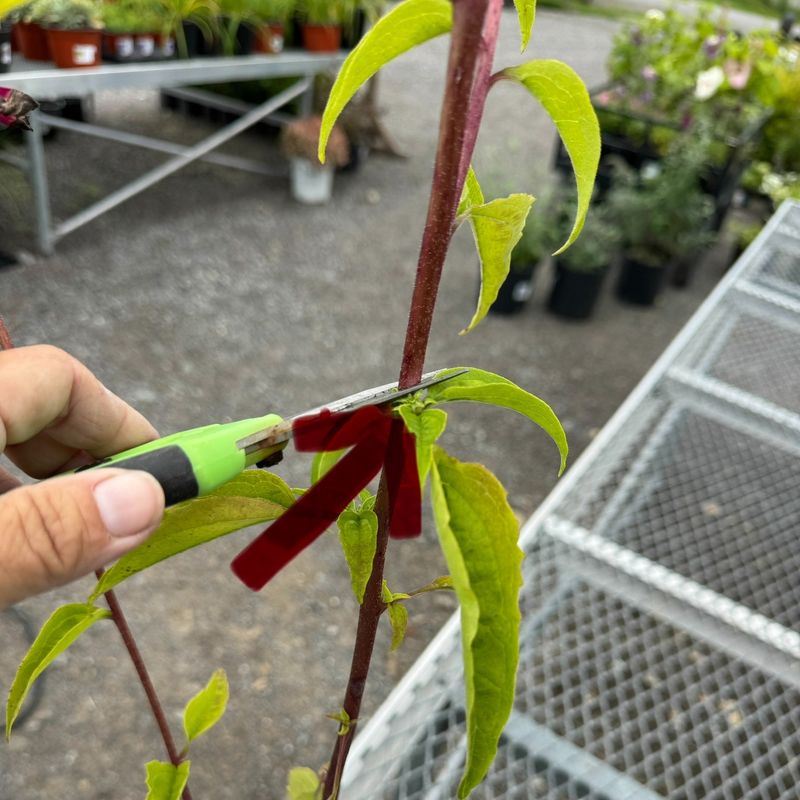
Gardens are a bit like haircuts. Skip the trim long enough, and things start looking shaggy and worn out.
Spent flowers left on the plant tell it the season is over. The plant then puts energy into making seeds instead of new blooms. That’s why your once-colorful beds go quiet.
Deadheading fixes this fast. Snip off faded flowers just above a healthy leaf. The plant gets the message and often pushes out a fresh round of color.
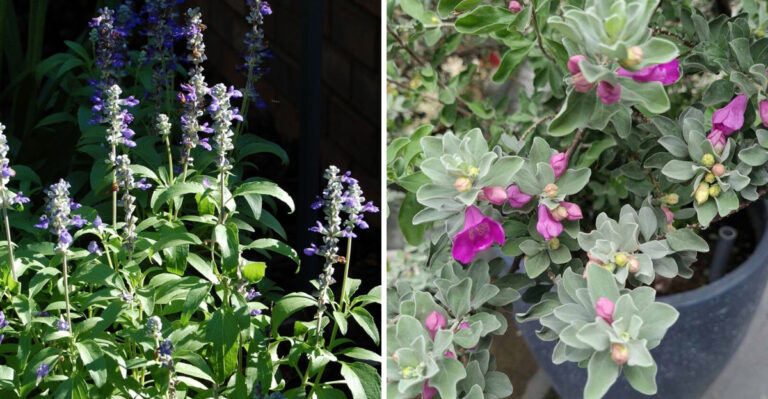
Many Texas favorites love a good midseason haircut. Salvia, lantana, and zinnias respond beautifully. A trim of about a third can wake them right up.
Leggy, sprawling plants also benefit from pruning. Cutting them back encourages fuller, bushier growth. You trade a few weeks of bare stems for a stronger comeback.
Removing brown or crispy foliage helps too. Damaged leaves drain energy the plant could use elsewhere. Clearing them out lets healthy growth take over.
Always use clean, sharp tools when you cut. Dull blades crush stems and leave ragged wounds. Wipe your shears with alcohol between plants to stop spreading problems.
Timing matters in the heat. Prune in the early morning or evening so plants recover in cooler air. Avoid heavy cutting during a blazing afternoon.
Don’t be shy about it either. Gardeners often trim too timidly and see little change. A confident cut usually brings the best results.
Give your garden that overdue trim, and you’ll be surprised how quickly it perks up. A little grooming now sets you up for a gorgeous fall show.
6. Your Plants Are Simply Worn Out From Blooming
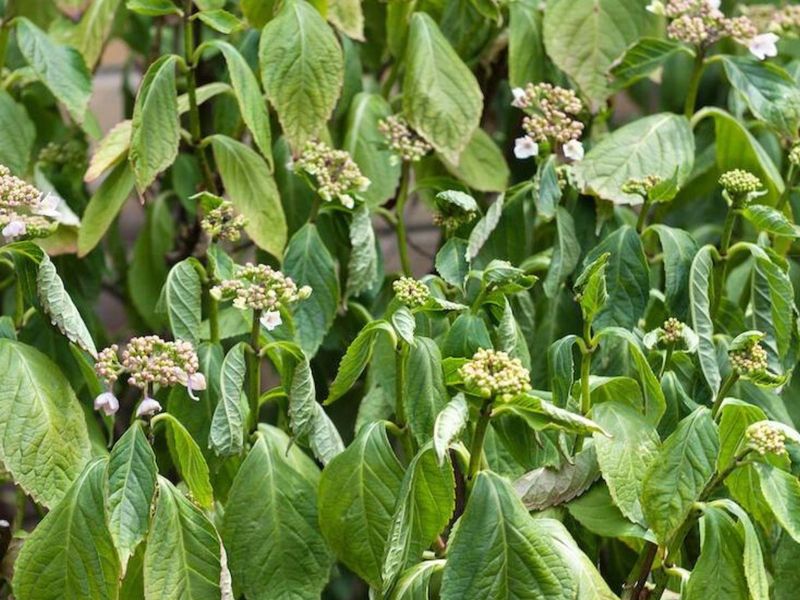
Even the toughest plants get tired. After months of nonstop blooming, many are running on empty by September.
Annuals especially give it their all in one season. They bloom hard from spring through summer and then start winding down. That natural slowdown isn’t your fault.
Petunias, marigolds, and impatiens often look ragged by now. They’ve done their job and are ready to be swapped out. Pulling them makes room for fresh fall color.
Cooler-season plants are the perfect replacement. Mums, pansies, and ornamental kale thrive as temperatures drop. They bring a whole new wave of vibrance right when you need it.
Perennials tell a different story. They may look tired now but are just resting for the season. Give them a trim and some patience, and they’ll return next year.
Refreshing your containers is an easy win. Empty out the worn-out annuals and replant with fall favorites. Instant color with very little effort.
Don’t feel guilty about clearing spent plants. They completed their life cycle and did it well. Making space is part of good gardening.
Add a fresh layer of compost when you replant. It gives newcomers a strong, healthy start. Tired soil plus tired plants equals a tired garden.
Think of early fall as a fresh chapter. Texas actually has a wonderful second growing season. Cooler days let new plants settle in beautifully.
Embrace the change instead of fighting it. Swapping worn-out bloomers for seasonal stars turns an exhausted garden into a showstopper again with barely any hassle.
7. You’re Missing A Fall Garden Reset
Here’s a secret many Texans miss. Fall is one of the best times to garden in the whole state.
Instead of treating September as the end, treat it as a reset. Your garden gets a chance to start fresh with milder weather ahead. A little planning now pays off big.
Begin by clearing out the beds. Pull spent plants, yank weeds, and rake away debris. A clean slate makes everything else easier.
Refresh the soil next. Work in compost and a balanced fertilizer to rebuild what summer used up. Healthy ground sets the stage for strong growth.
Fall is prime time for planting many things. Cool-season veggies like lettuce, spinach, and broccoli love it. So do wildflower seeds you’ll enjoy next spring.
Trees and shrubs also settle in nicely this time of year. The cooler air lets roots establish without heat stress. Come spring, they’ll take off.
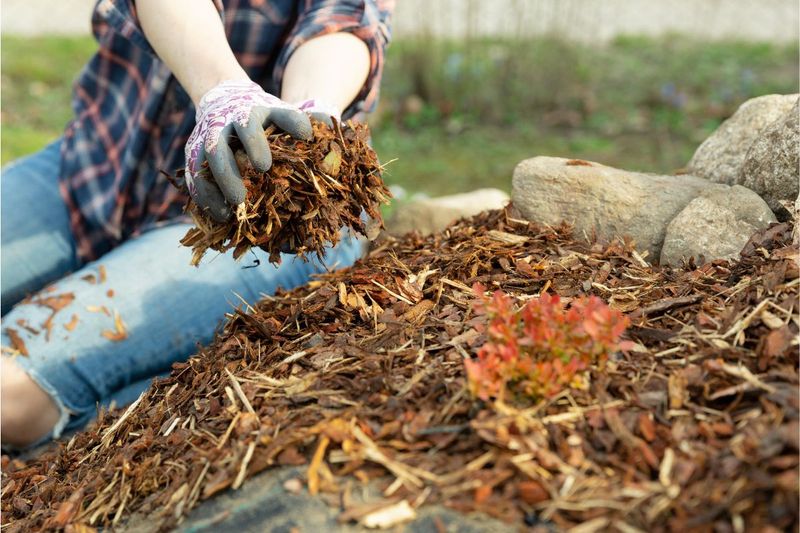
Add fresh mulch across your beds. It locks in moisture and keeps future weeds down. Mulch is a small step with lasting rewards.
Adjust your watering as temperatures fall. Plants need less as the days shorten. Overwatering a cooling garden invites rot.
Take a walk around and note what struggled all summer. Maybe some plants sat in too much sun or too little. Fall is the moment to move them.
Give your garden this seasonal reset, and it won’t just recover. It’ll come back looking better than it did in spring. A tired Texas garden simply needs a fresh start and a plan.