What It Means When A Red-Tailed Hawk Starts Perching In Your California Yard
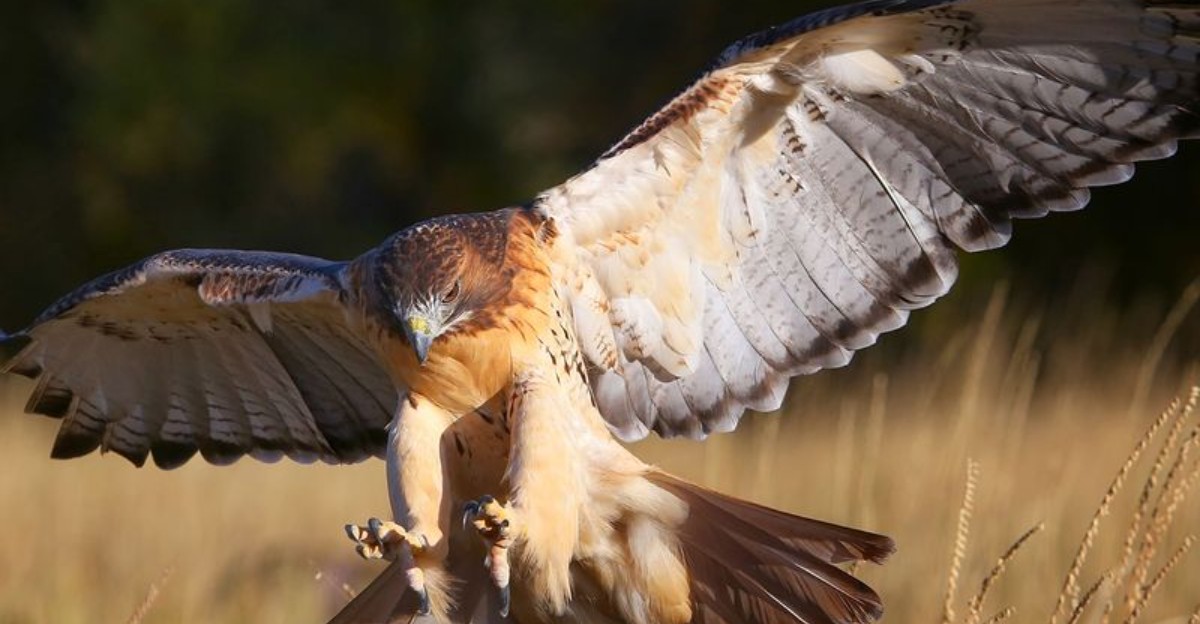
Red-tailed hawks rank among the most common raptors in California. Large, brown, and pale-chested, with a rusty tail, they often appear on fences, poles, and tall trees in suburban yards.
Repeat visits are rarely random. A yard that keeps attracting one usually offers two things it loves: a high place to sit and a steady supply of rodents.
Sightings often rise in fall, when winter visitors and young hawks searching for territory join year-round residents.
These birds are protected by federal law and can be harmed by rodent poisons, a real concern across the state.
Understanding what draws them, how they hunt, and what they mean for small pets reveals why this sharp-eyed neighbor can be a real asset.
Your Yard Offers A Good Hunting Perch
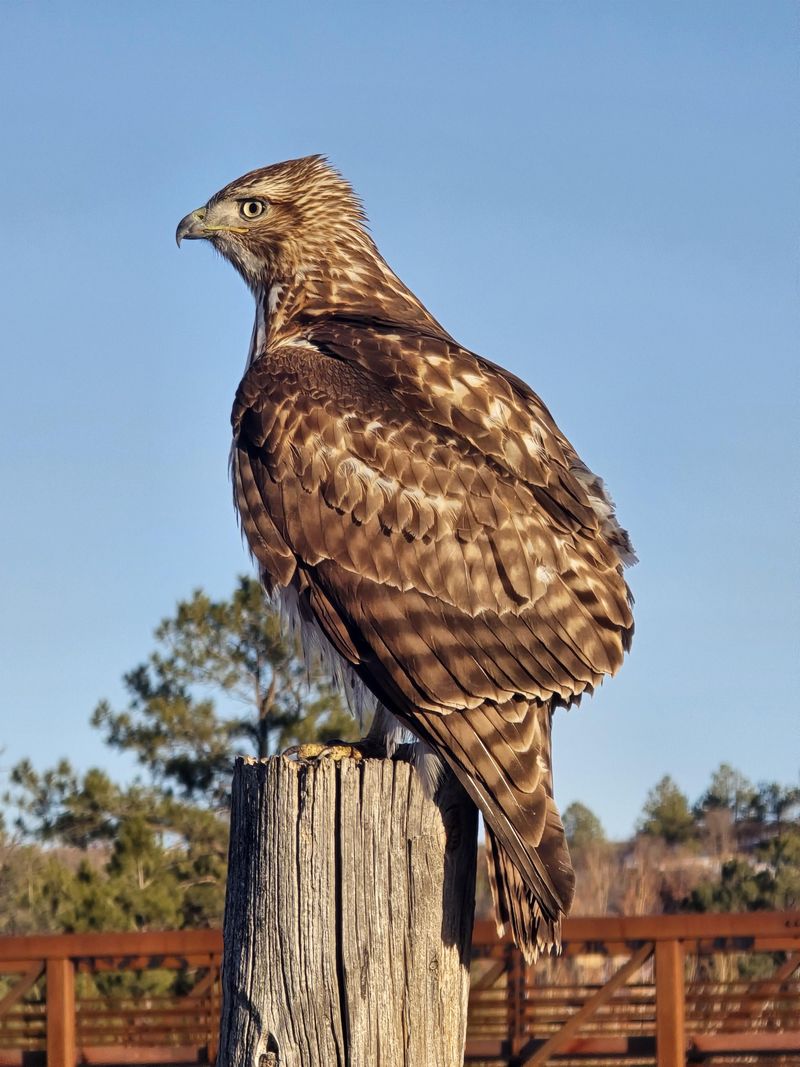
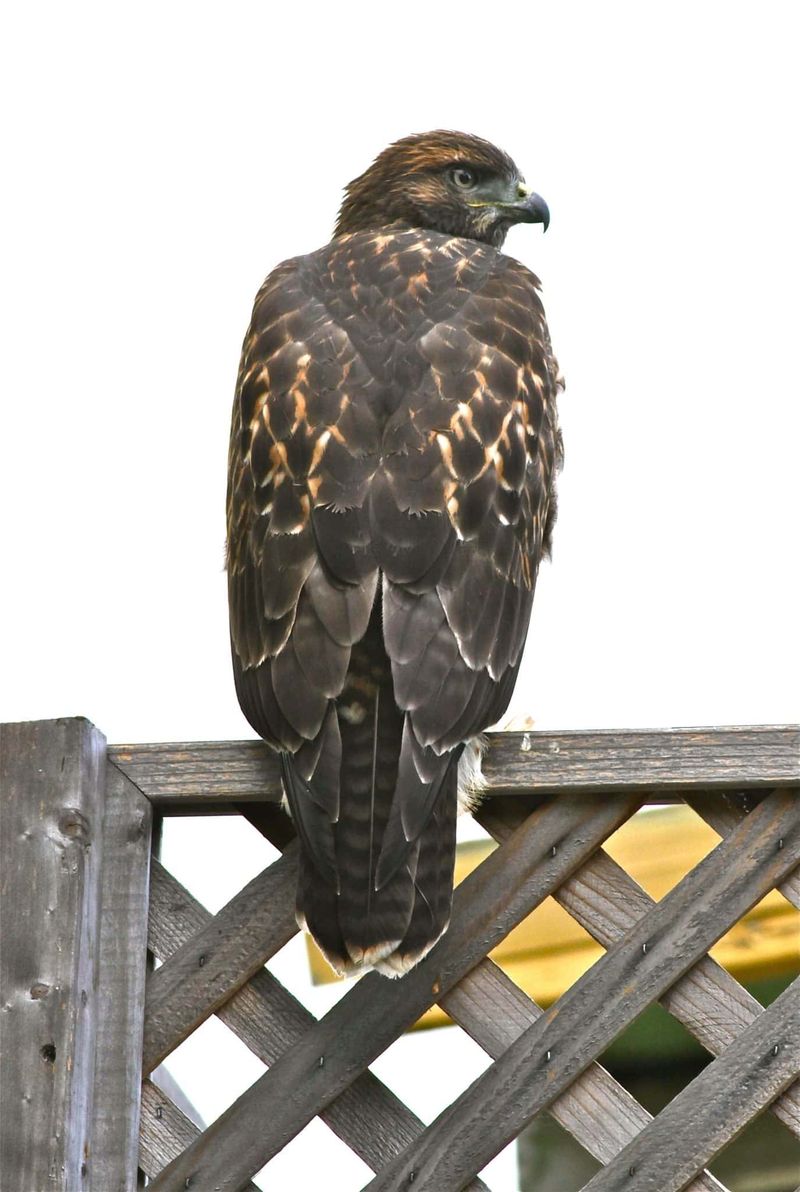
A fence post overlooking a wide stage of lawn, garden beds, and open dirt offers exactly the view a red-tailed hawk wants. That clear sightline is worth more to it than a fancy nest.
Red-tails favor high, open perches. Fence posts, utility poles, rooftops, and tall trees like oaks, eucalyptus, and sycamores all work well.
Height lets the bird spot movement far below without wasting energy flying around. Open ground nearby matters just as much, since the hawk needs room to swoop down and grab a meal.
Many California yards check both boxes without even trying. Suburbs near fields, orchards, canyons, or golden hillsides are especially appealing.
A big lawn or patch of bare ground next to a tall perch works like a front-row seat at a buffet. Even a busy neighborhood can attract hawks when the perch is high and the hunting area open.
A hawk on the fence isn’t a problem that needs fixing. Tall trees and safe, standing snags that hawks like to use are worth keeping for anyone who enjoys the visits.
A pair of binoculars near the window makes watching easy and rewarding. Over time, the bird’s favorite spot and preferred visiting times often become clear.
Morning and late afternoon tend to be the busiest hours. Those windows offer the best chance to catch a hungry hawk on the lookout.
Squirrels And Gophers Draw Them In
Fresh mounds of dirt across the lawn tell a story, and so do squirrels darting between burrows near the garden. A hawk reads that story too, and it likes the ending.
Food is the biggest reason a red-tail keeps returning to the same yard. According to the Cornell Lab of Ornithology, these hawks eat mostly mammals, including squirrels, rabbits, voles, mice, and gophers.
In California, ground squirrels and pocket gophers rank among their favorite targets. A yard full of rodents is basically a grocery store with the doors wide open.
Hawks are smart about energy and return to places where hunting has paid off before. A yard that provided a tasty gopher last week will likely see a repeat visit.
Some hawks check the same spots day after day, almost like a mail carrier on a route. That frequent presence can hint at a rodent issue that hasn’t been noticed yet.
Your California Garden Changes Every Week. Your Plan Should Too.
Gardening in California changes quickly throughout the season. Every Friday you’ll receive a simple weekly plan showing exactly what to plant, prune, fertilize, harvest, and protect so you never miss the right timing.
A quick daylight yard walk often confirms it. Fan-shaped or half-moon gopher mounds, squirrel burrows near walls, trees, or slopes, and narrow runways through tall grass all point to rodent activity.
Chewed plants or bulbs that vanished overnight offer more clues. Voles often leave those narrow runways in grassy areas near beds.
These signs help explain the hawk’s interest. Every rodent it catches is one fewer digging up tomatoes or chewing irrigation lines.
That makes the visitor a genuinely helpful neighbor.
Red Tails Hunt By Watching From Above
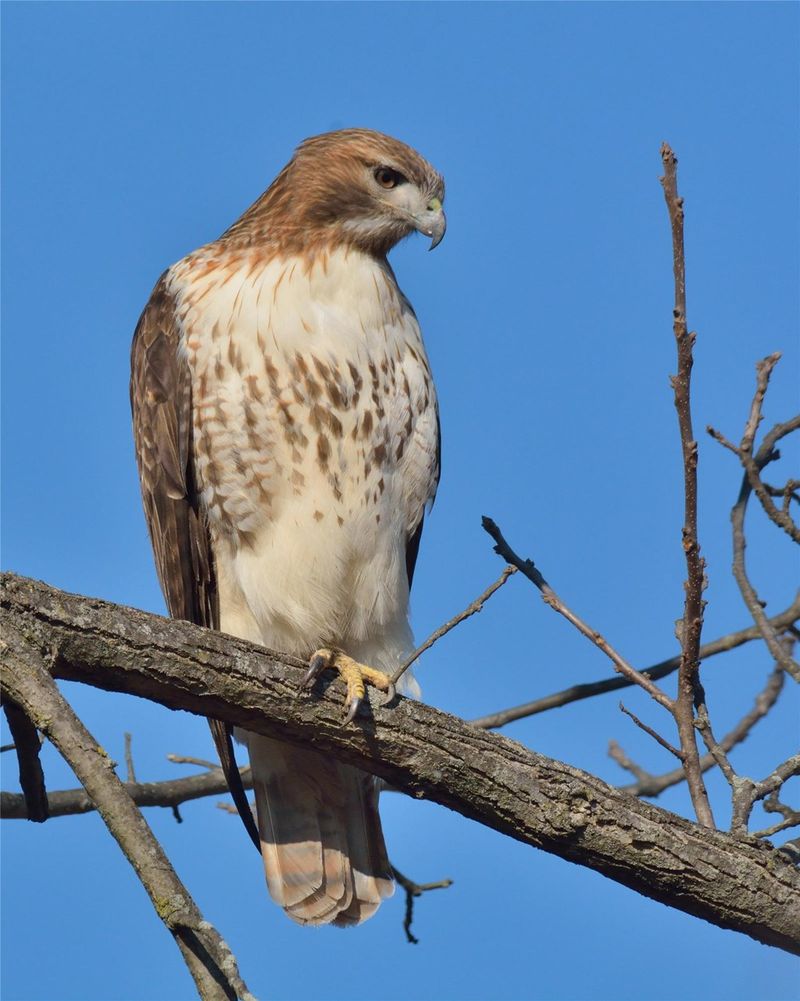
Patience is the red-tail’s greatest secret weapon. While some hawks chase birds through trees at high speed, this one would rather sit and stare.
It can stay on one perch for a long time, scanning the ground like a security guard watching camera screens.
Cornell describes red-tailed hawks as hunters that often watch from a high perch, then glide or drop down to catch prey.
They also soar in wide circles and sometimes hover briefly in the wind. Still, the sit-and-wait method is their bread and butter, saving energy and working well in open country.
Sharp eyesight makes this possible. Hawks can spot a tiny twitch in the grass from a remarkable distance.
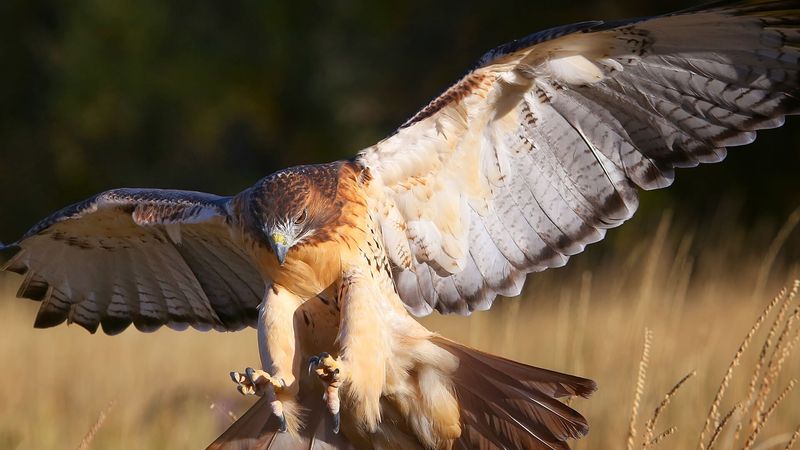
Once locked on, the bird leans forward, opens its wings, and swoops down with feet stretched out. Strong talons do the grabbing, not the hooked beak.
That fierce scream heard in movies when an eagle appears usually belongs to a red-tailed hawk. Filmmakers borrow its raspy call because it sounds so much more dramatic.
Watching a hunt offers a neat lesson in nature. Staying inside or keeping still helps, since sudden movement may spook the bird, and binoculars beat walking closer.
Hawks often follow routines, so noting the time and perch pays off for future sightings. The rusty tail, visible in flight, offers the easiest way to confirm an adult red-tail.
Fall Brings Migrants And Young Dispersers
Autumn in California rarely brings snow, but it does bring more hawks. Many people notice red-tails popping up on poles and fences once the weather cools.
Some red-tailed hawks live in California year-round. These local birds often stay in the same territory for years.
In fall and winter, red-tails from farther north may move into the state for the colder months. California’s mild weather and steady rodent supply make it an inviting winter home.
Young hawks add to the count. Birds hatched in spring leave their parents by late summer and fall, wandering in search of their own hunting grounds in a process called dispersal.
A young hawk might try out a yard for a few days or weeks before moving on. Those short stays explain many sudden autumn sightings.
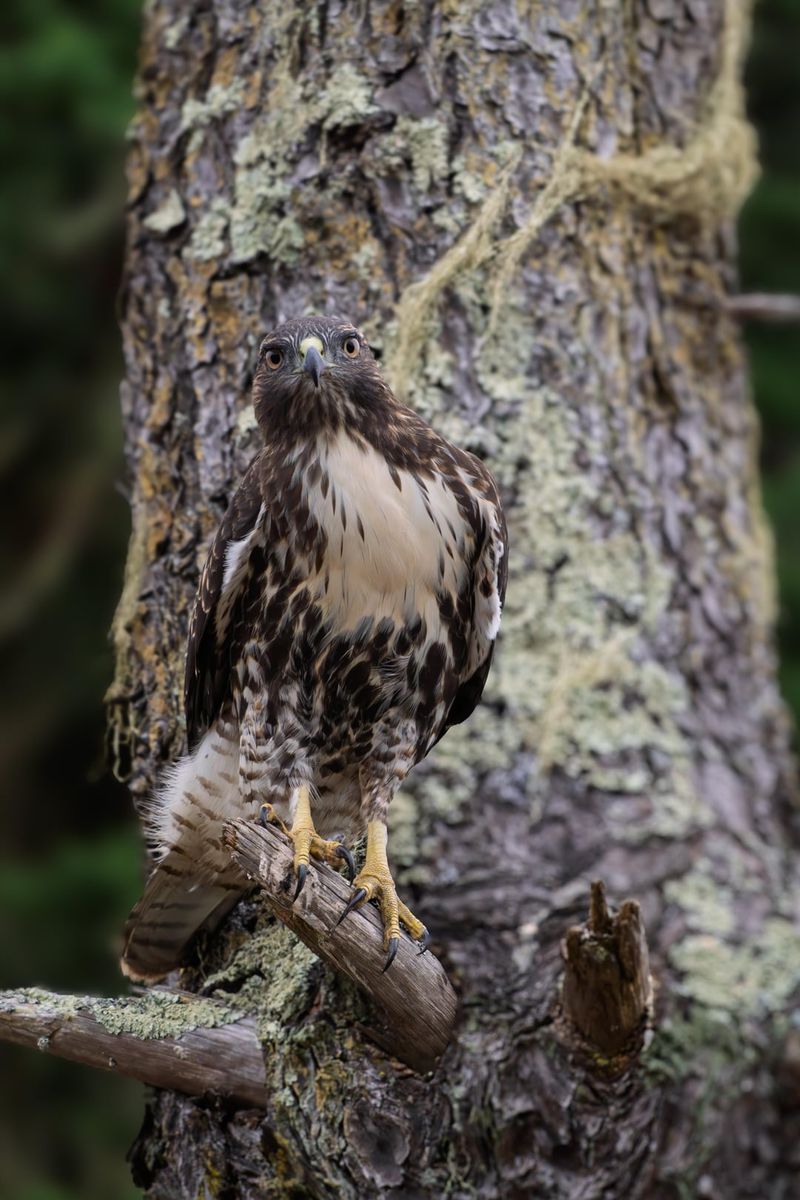
Youngsters are often easy to tell apart from adults. Juveniles usually have brown tails with dark bands instead of the bright rusty red.
Their eyes tend to look pale yellow, while adults often have darker eyes. Young birds may also seem clumsier, missing more catches and calling loudly.
A hawk showing up out of nowhere in October may be a newcomer rather than a bird missed all summer.
A simple notebook of dates and markings can reveal by spring whether the visitor is a year-round resident or a seasonal guest just passing through.
They Are Protected By Federal Law
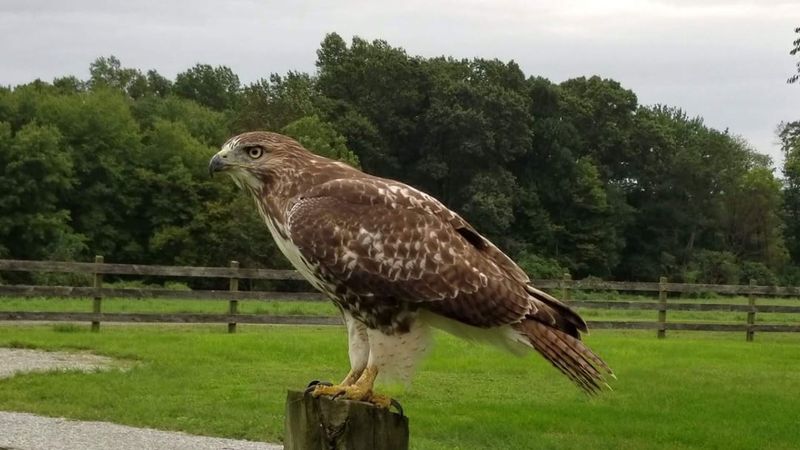
A common mistake involves assuming a hawk can be scared off any way at all. Red-tailed hawks are protected under the federal Migratory Bird Treaty Act, and California law protects them as well.
Under these laws, harming, capturing, or harassing a red-tailed hawk isn’t allowed. Taking its eggs, nest, or feathers without a proper permit is also prohibited.
Even picking up a hawk feather found on a hike is technically against the rules. Fines can be serious, so knowing the law before acting makes good sense.
Harassment includes throwing objects, shooting, trapping, or chasing a hawk to drive it away from a yard. Destroying an active nest is off limits, too.
Real conflicts call for guidance from the California Department of Fish and Wildlife or the U.S. Fish and Wildlife Service. Both agencies can explain legal options clearly.
Watching, photographing, and simply enjoying hawks is completely fine. So is making a yard less inviting in gentle, legal ways, such as keeping small pets indoors or covering a chicken coop.
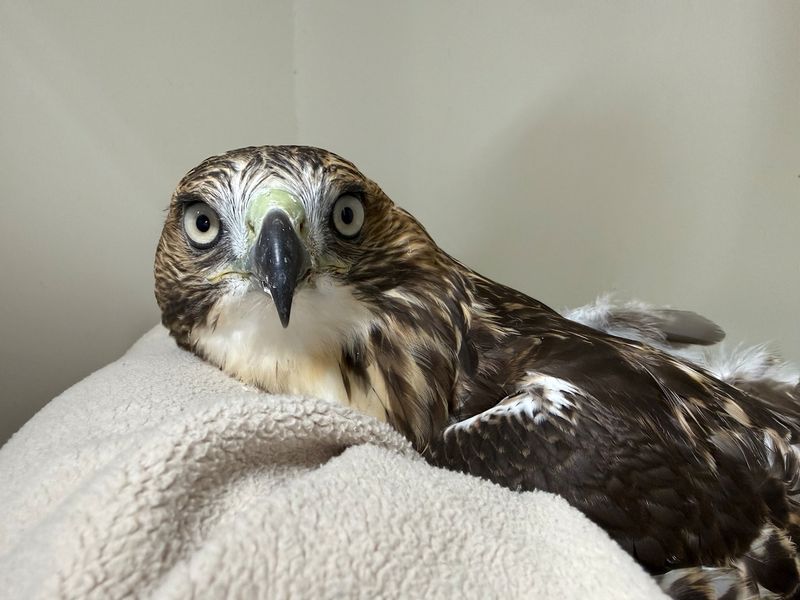
A hawk that looks hurt or sick is best left to experts. Talons are sharp, and handling can add stress that worsens injuries.
A licensed wildlife rehabilitation center can help in those situations. CDFW keeps a list of permitted rehabilitators across the state, making it easy to find assistance nearby.
Quick action gives an injured bird its best chance at recovery.
Rodenticides Can Poison Hawks Too
Rat poison can seem like an easy fix for gophers or squirrels. Unfortunately, the trouble doesn’t stop with the rodent.
A poisoned animal often wanders slowly before collapsing, which makes it easy prey for a hungry hawk. When a raptor eats that rodent, it swallows the poison too.
Anticoagulant rodenticides raise special concern because they keep blood from clotting properly. Some types linger in an animal’s body for a long time.
The California Department of Fish and Wildlife has documented these poisons in hawks, owls, bobcats, mountain lions, and other wildlife. That evidence has driven major policy changes.
California has placed strict limits on many anticoagulant rodenticides in recent years. The rules have changed more than once and may keep changing.
Before buying or using any rodent poison, a check of the latest guidance from CDFW or the California Department of Pesticide Regulation is worthwhile. Their websites explain what’s allowed and who may use it.
Safer options often work well and protect the feathered helper. Snap traps for mice and rats, placed out of reach of pets and kids, and gopher traps set inside tunnels both make effective choices.
Removing hiding spots like woodpiles and dense brush, sealing gaps in sheds and walls, and installing a barn owl box all help, too.
Owls hunt rodents at night while hawks take the day shift, keeping the yard healthier without a hidden danger on the menu.
Small Pets Deserve Sensible Supervision
Plenty of pet owners feel a jolt of worry the first time a hawk lands nearby. A little perspective helps, since red-tailed hawks mainly eat rodents like squirrels, gophers, and voles.
Cats and dogs aren’t their normal food. Attacks on pets are uncommon, and most adult cats and dogs are simply too big for a red-tail to carry or bother with.
An adult red-tailed hawk usually weighs only about two to three pounds. It can’t fly off with a large animal, despite what scary internet stories might suggest.
Very small animals are a different story, and some caution makes sense. Tiny puppies, toy dog breeds, kittens, rabbits, guinea pigs, and backyard chickens could look like prey.
Those pets benefit from a little extra care outdoors. Staying outside with tiny dogs and kittens, rather than leaving them alone, makes a big difference.
Rabbits and guinea pigs do best in covered pens. Chickens are safest with a roofed run or netting over their outdoor area.
Shelter like bushes or a covered patio gives small animals a place to hide. Bringing pet food inside also helps, since leftovers can attract extra rodents and, in turn, more hawk visits.
None of this calls for fear. The risk is low, and a watchful eye costs nothing.
With basic supervision, pets and their feathered neighbor can share the yard just fine.