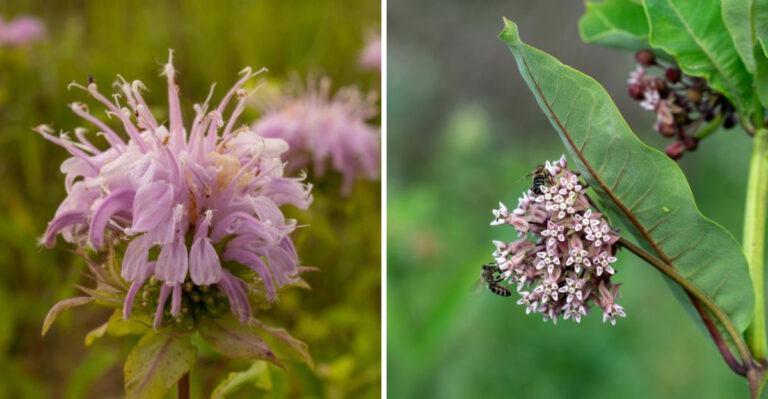
The Second Round Of Blooms Showing Up In Missouri Yards This Week Comes With A Catch
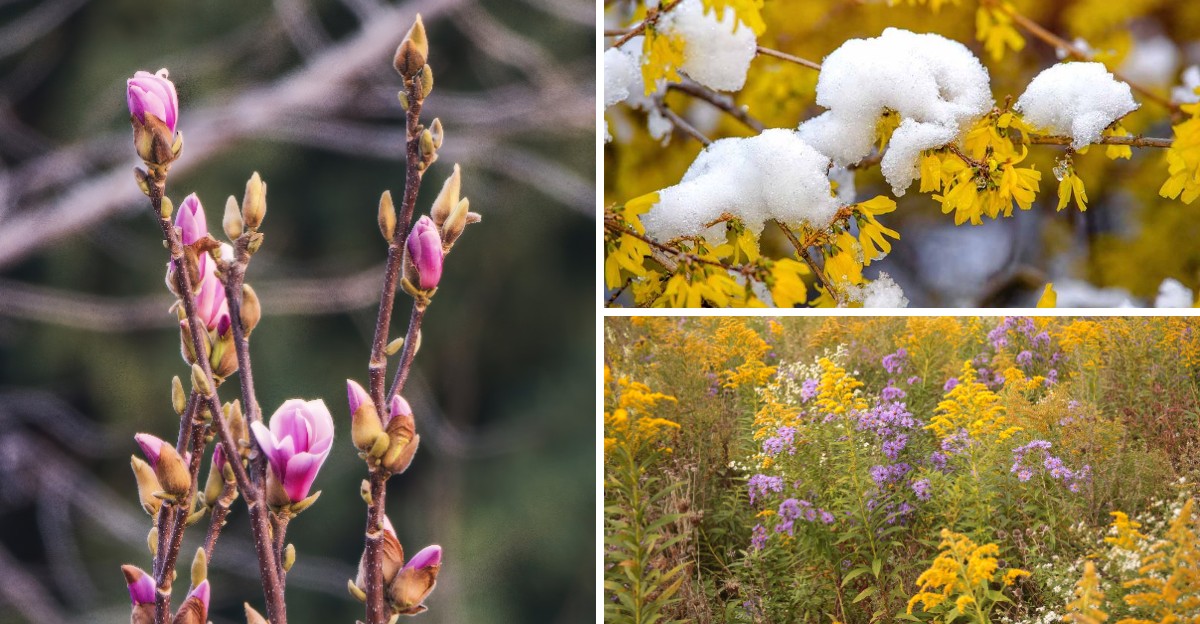
A forsythia flowering in October can be the same branch that sits bare in April. The yellow you enjoy now is borrowed from next spring.
Across Missouri, gardeners are spotting crabapple petals, lilac sprigs, and redbud buds opening long after the summer heat. I love a surprise flower as much as anyone. Personally, I still do a double take every time a spring shrub pops open next to my pumpkins.
These fall flowers usually follow a rough summer. Heat and drought push shrubs into an early rest, and then cool nights and fresh rain feel a lot like spring. Your plant reads those signals and opens buds that were meant to wait.
So is this a sweet bonus or a quiet warning? The answer sits inside those buds, and a few smart moves this fall can tip things in your favor.
Those Fall Forsythia And Lilac Flowers Have A Backstory
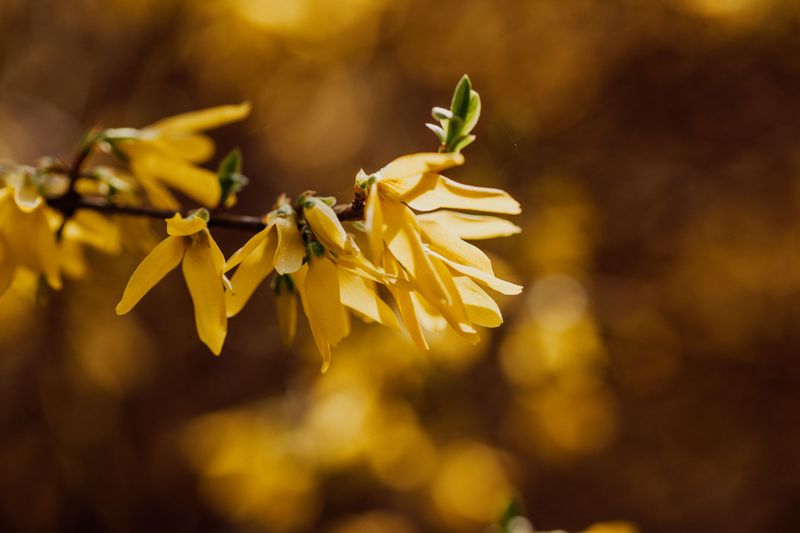
Flower buds on spring shrubs are not made in spring at all. Forsythia, lilac, redbud, azalea, and flowering crabapple build next year’s buds during the summer before. By fall, those tiny packages are already sitting on the stems, waiting for winter to pass.
Normally, cold weather keeps those buds locked tight. Many woody plants need a stretch of chilly days before they respond to warmth. A hot, dry summer can change that pattern, though. Stressed shrubs often slow down early and drop leaves ahead of schedule, almost like a short false winter.
Then September and October bring cooler nights, a few good soaking rains, and some warm afternoons. To a shrub, that mix can feel a lot like April. A handful of buds take the hint and open.
University extension specialists see this happen in many years, so it is not a rare mystery. It mostly shows up as scattered flowers rather than a full spring show. You might notice a few yellow sprigs on one side of a forsythia, or a single lilac cluster near the top.
Knowing the cause helps you relax. Your shrub is reacting to weather, not falling apart.
Every Bud Opening Now Is One Less Flower Next April
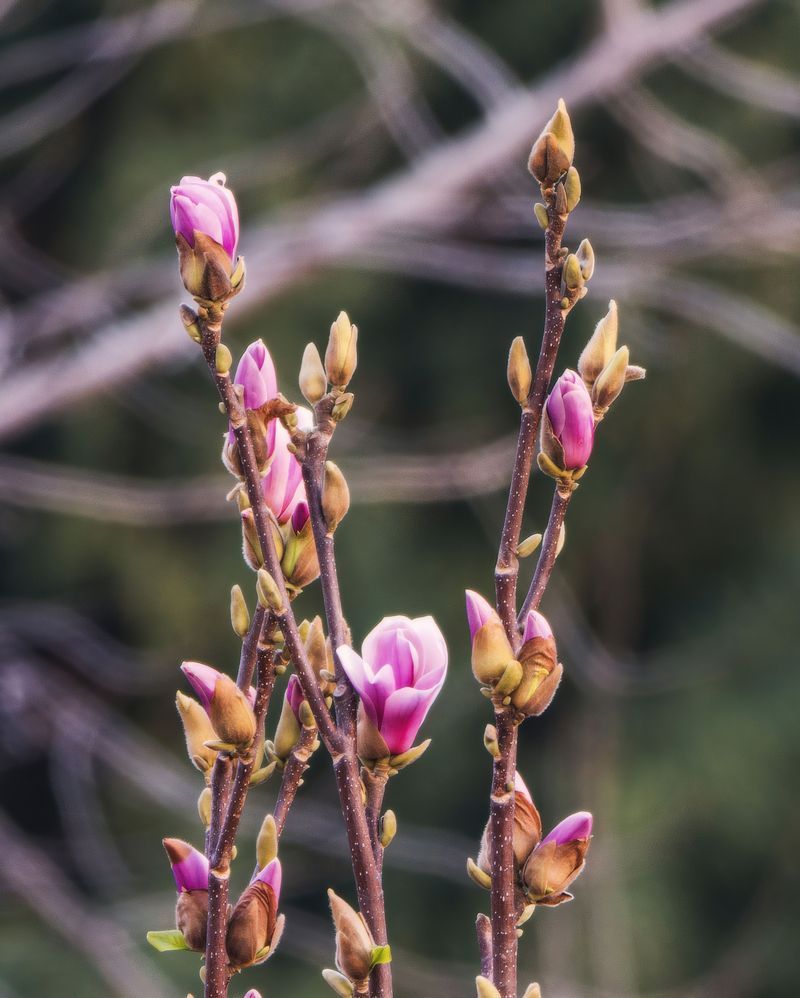
Spending your spring flowers in October is the real catch. Each bud that opens now is gone for good. It will not reset and bloom again when spring arrives.
Small numbers rarely matter much. A forsythia with a dozen fall flowers still has hundreds of buds holding back for spring. You probably won’t notice the difference at all.
Heavier reblooming is another story. If half a lilac or crabapple opens this fall, next spring’s display may look thin and patchy. Fruit trees that flower out of season can also produce less fruit the following year, since those blossoms will not turn into apples or peaches.
Pay attention to the scale. Walk around your shrubs and estimate how many buds have opened compared to how many stay closed. Snap a photo now so you can compare in spring.
Your Missouri Garden Changes Every Week. Your Plan Should Too.
Gardening in Missouri changes quickly throughout the season. Every Friday you’ll receive a simple weekly plan showing exactly what to plant, prune, fertilize, harvest, and protect so you never miss the right timing.
One helpful habit is resisting the urge to prune. Cutting stems on spring bloomers in fall removes even more of next year’s buds. Most of these shrubs are best pruned right after they finish flowering in spring.
Enjoy the few blooms you see, and keep your pruners in the shed until after the main spring show.
Frost Can Turn Fresh Petals And Tender Shoots To Mush
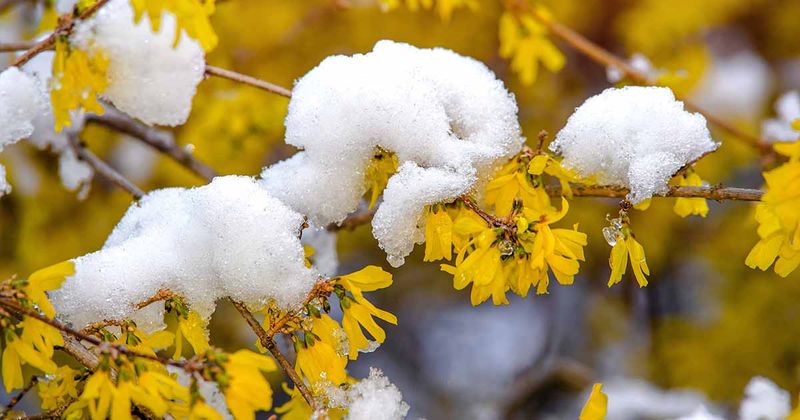
One clear, still night in late October or early November can change everything. Missouri’s average first freeze usually lands from mid-October in the north to early November in the Bootheel. Flowers and soft new leaves have no defense against that cold.
Petals hit by frost turn brown, limp, and papery within a day or two. That part is mostly cosmetic. The bigger concern is any fresh green growth that pushed out alongside the blooms.
New shoots that sprout in fall stay soft and full of water. They have not had time to toughen up for winter. When temperatures drop hard, that tissue can freeze, crack, and turn black at the tips.
You can usually leave frost-damaged flowers alone. They will fall off on their own, and pulling them can tear nearby buds. For damaged shoot tips, wait until late winter or spring, when you can clearly see which wood is healthy before trimming.
Covering a small shrub with an old sheet on a frosty night can save the blooms for a few extra days. Skip plastic, since it touches the plant and transfers cold.
Thirsty Shrubs Need A Good Soak Before The Ground Freezes
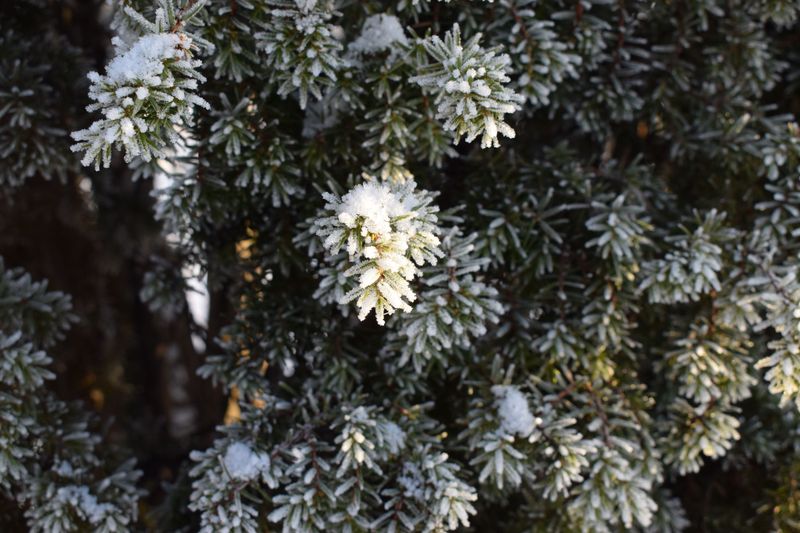
Watering in November sounds odd, but your shrubs will thank you. Many plants that rebloom are already worn out from summer drought. Dry roots going into winter make that stress worse.
Evergreens and newly planted shrubs lose moisture through winter wind and sun. Deciduous shrubs still have active roots for weeks after their leaves drop. University of Missouri Extension suggests watering during dry fall spells until the ground freezes.
Aim for a slow, deep soak instead of a quick sprinkle. A soaker hose or a gently running hose at the base works well. Give each shrub time for water to reach about 12 inches down.
Check the soil first with your finger or a trowel. If it feels damp a few inches below the surface, wait a few days. Soggy clay can be just as rough on roots as dry dirt.
Water on mild days, ideally in late morning, so moisture soaks in before cold nights. Once the ground stays frozen, you can coil the hose and let winter take over.
A well-watered shrub handles freezing temperatures far better than a parched one.
A Blanket Of Mulch Keeps Roots Calm Through Wild Temperature Swings
Missouri winters love to bounce around. A 65 degree afternoon can be followed by single digits two days later. Those swings are hard on roots, especially in shrubs already stressed by summer.
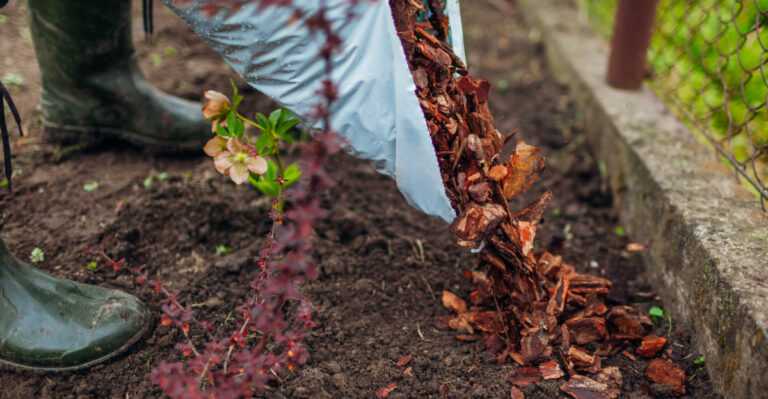
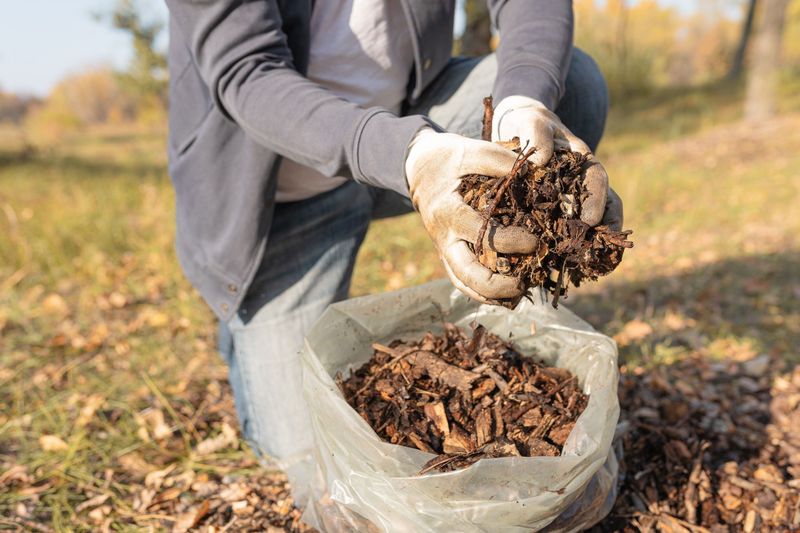
Mulch acts like a cozy quilt. A 2 to 3 inch layer of shredded bark, wood chips, or chopped leaves keeps soil temperatures steadier. It also holds in moisture and reduces the freeze and thaw cycles that can heave shallow roots.
Spread mulch out to the drip line if you can, which is the edge of the branches. Keep it pulled back a few inches from the trunk or stems. Mulch piled against bark traps moisture and invites rot and rodents.
Fallen leaves are free and work great. Run over them with a mower first so they don’t mat into a soggy layer. Maple leaves break down quickly, while oak leaves break down more slowly, so shredding both first helps them settle into a useful layer by spring.
Timing helps too. Adding mulch after the soil cools, often in November, keeps roots from staying too warm too long. Fresh mulch now gives your shrubs a calmer winter and a steadier start in spring.
Asters And Goldenrod Bring Fall Color Without The Trade-Off

Want flowers in fall without borrowing from spring? Native fall bloomers are made for this season. They open right on schedule and cost you nothing next year.
Aromatic aster, New England aster, and smooth blue aster pile on purple and blue blooms into late October. Goldenrod adds bright yellow, and despite its reputation, it rarely causes hay fever. Ragweed, which flowers at the same time, is the usual culprit.
Native sneezeweed and late-blooming boneset also fit nicely in sunny beds. These plants handle Missouri clay, summer heat, and winter cold far better than many fussy imports. Once established, most need little extra water.
Pollinators lean on these flowers heavily. Monarchs passing through on their way to Mexico refuel on asters and goldenrod. Late bumblebees and native bees also gather pollen before winter.
Fall is a fine time to plant many perennials while soil is still warm. Look for Grow Native! labeled plants at local nurseries, a program from the Missouri Prairie Foundation. Skip invasive choices like burning bush and Japanese honeysuckle.
A few clumps of native color give your yard a real autumn show.
Your Spring Shrubs Can Still Put On A Strong Show
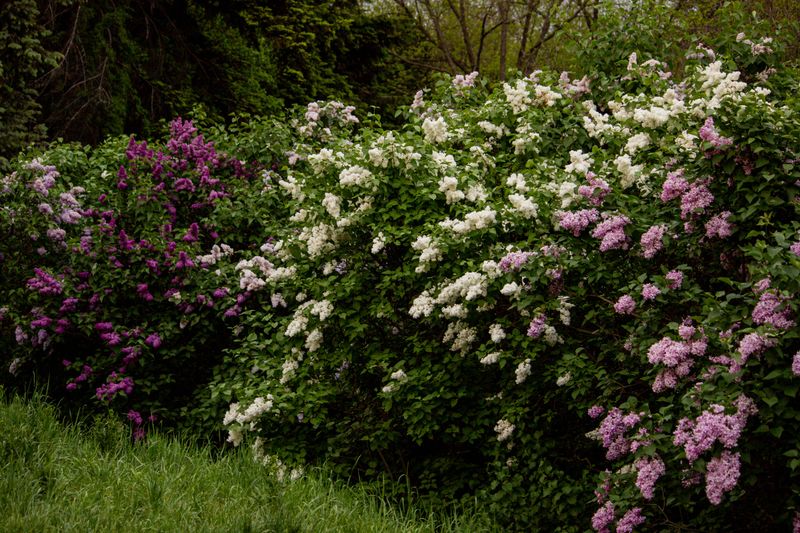
Most reblooming shrubs bounce back just fine. A few fall flowers rarely spoil an entire spring. Healthy roots and steady care make the biggest difference.
Start with a soil test this fall. University of Missouri Extension offices handle samples for a small fee, and results tell you what your soil truly needs. Adding fertilizer now, especially nitrogen, can push even more soft growth right before winter, so hold off.
Write down which shrubs rebloomed and how heavily. Compare that list with their spring flowers next year. Over time you’ll learn which plants react most to dry summers.
Deep watering during summer droughts may reduce fall reblooming in the future. Stressed shrubs are the ones most likely to get confused. A weekly soak during long dry spells keeps them on track.
Remember that warmer winters and longer growing seasons are shifting bloom times in many places. Watching your own yard each year turns you into a sharp observer.
For now, enjoy those surprise flowers with a cup of coffee on the porch. With water, mulch, and patience, your forsythia and lilacs should still bring plenty of color next spring.