Why September Is A Great Time To Add Tall Ironweed To Georgia Gardens
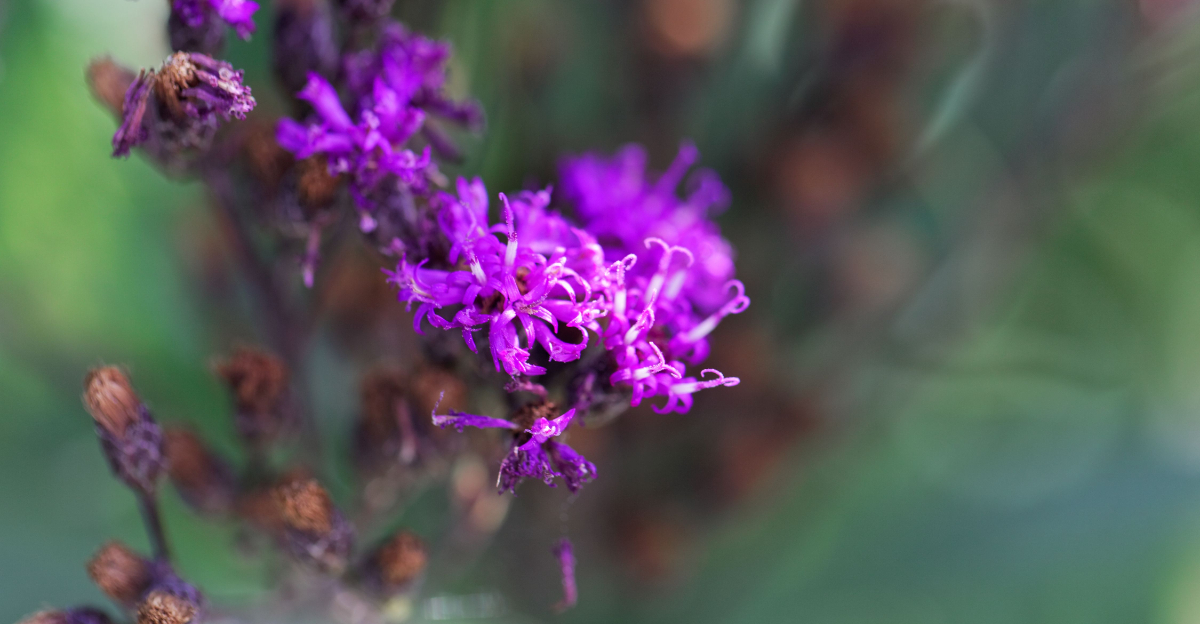
Your September garden does not have to fade quietly into fall. Tall ironweed can bring bold height and rich purple color to the right spot.
Now is a smart time to think beyond the usual seasonal flowers. This native perennial offers something different without feeling out of place.
Give it room to stand tall rather than squeezing it between smaller plants. Its size becomes part of the appeal when placement is planned well.
For Georgia gardeners, September can offer favorable conditions for getting perennials established. Cooler weather also makes garden work far more comfortable.
Still, tall ironweed belongs where its natural growth habit can shine. Choosing the right location will make a noticeable difference later.
See why planting it this month could become one of your smartest fall garden moves.
1. September Gives New Plants Relief From Peak Summer Heat
Planting in brutal heat is one of the fastest ways to stress a new plant before it even gets started. August in the Southeast can feel relentless, with soil temperatures staying high even at night.
September brings a noticeable shift that makes a real difference for new plantings.
Cooler mornings give roots a chance to settle without fighting extreme heat at the same time. Tall Ironweed responds well to that kind of relief.
When temperatures start dropping into the 70s and lower, the plant can focus energy on root growth instead of just surviving.
Rainfall patterns in September also tend to be more consistent than midsummer, which helps newly planted perennials get established without constant hand-watering.
You still need to check soil moisture regularly, but the conditions are much more forgiving than they would be in July or August.
Less heat stress at planting means faster root development overall. A plant that goes in during cooler fall conditions has a better chance of anchoring well before winter.
Tall Ironweed is tough by nature, but even tough plants benefit from a gentler start. September gives you that window without much extra effort on your part.
2. Tall Ironweed Brings Rich Purple Color Into Early Fall
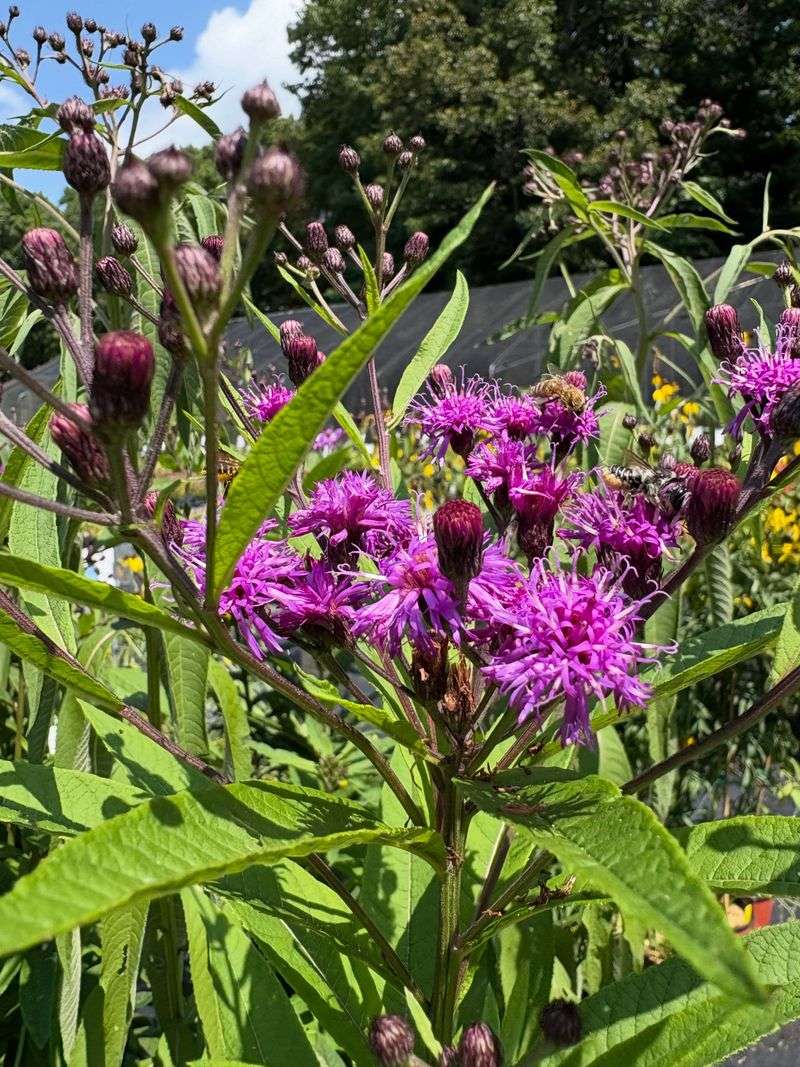
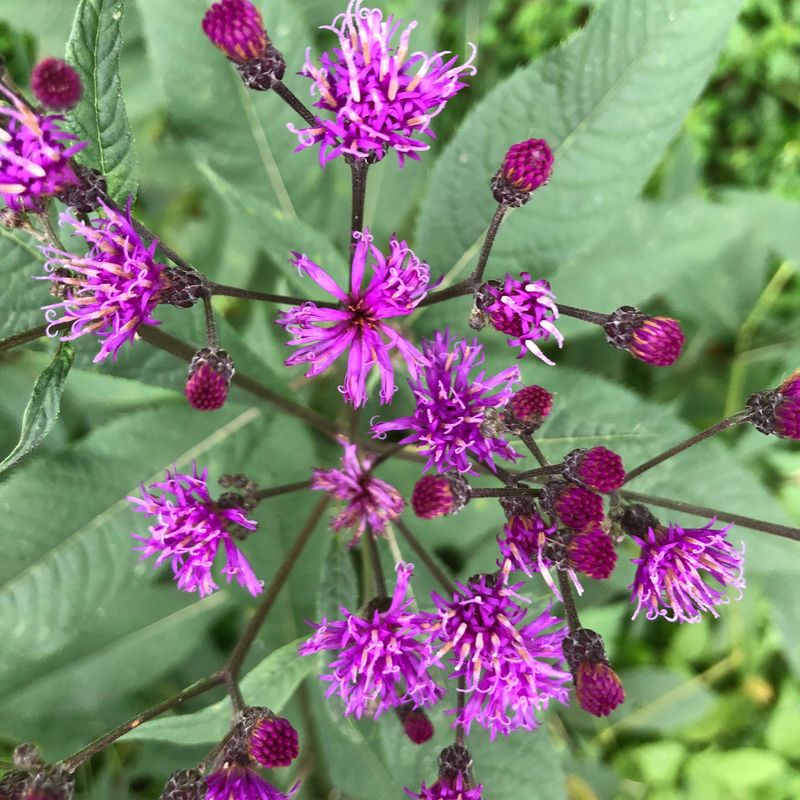
Purple that bold is hard to find in a fall garden. Most late-season plants lean toward gold, orange, or white, so Tall Ironweed stands out in a way few other natives can match.
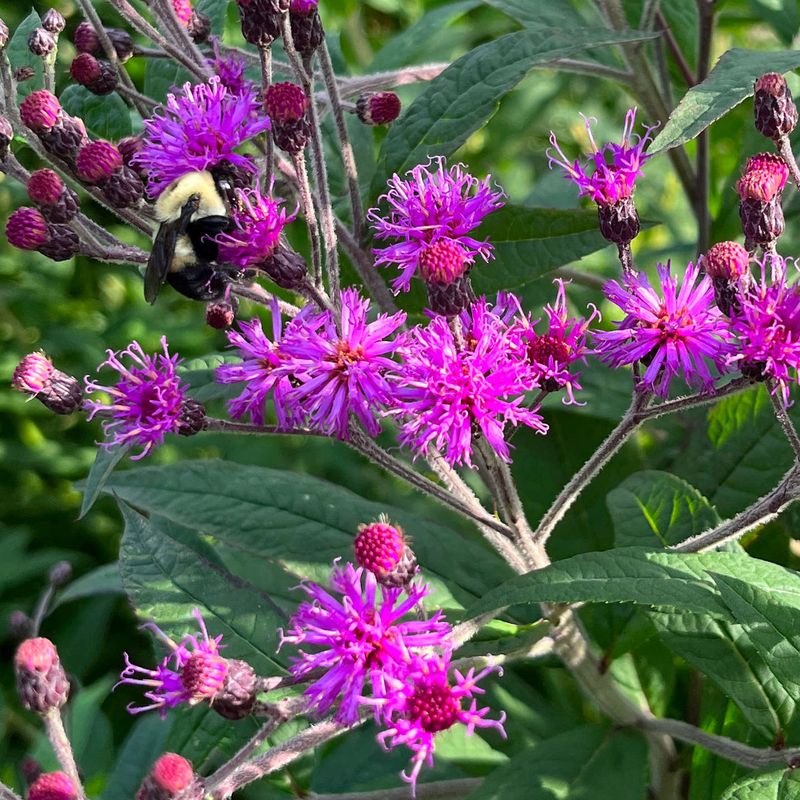
Those deep violet flower clusters sit at the top of tall stems and catch the eye from across a yard.
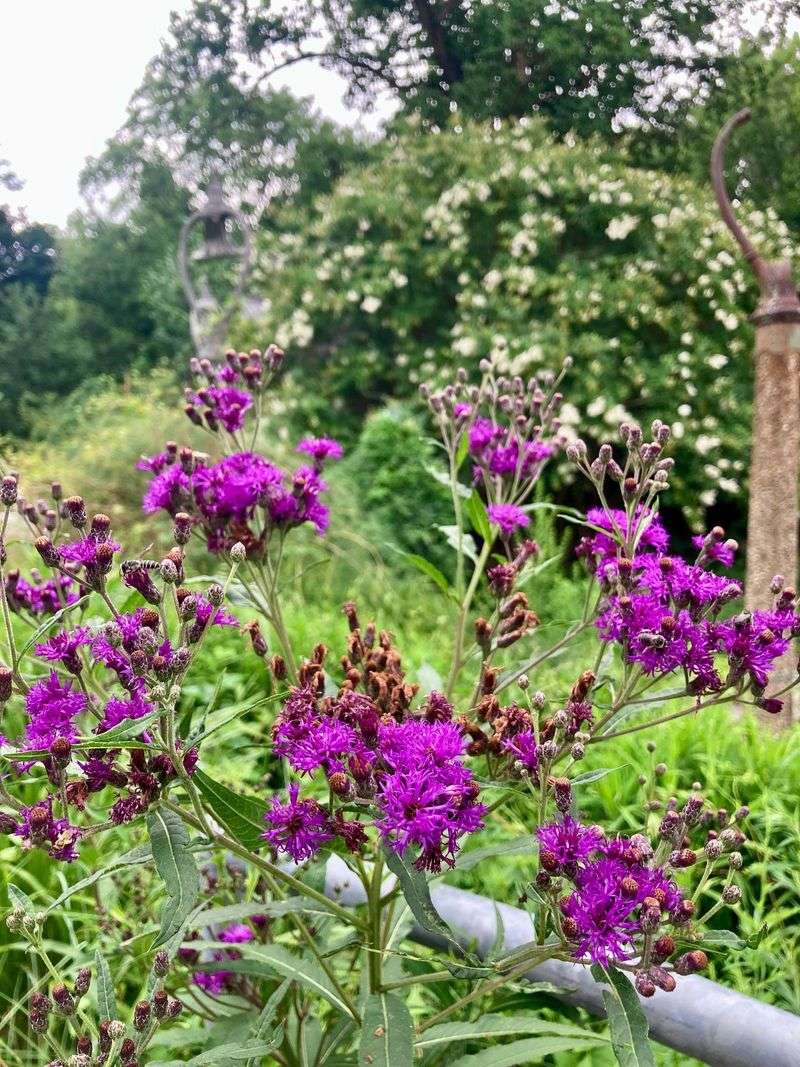
Blooming from late summer into October depending on conditions, Tall Ironweed fills the color gap that appears after summer perennials fade. Paired with goldenrod or black-eyed Susans, the contrast is striking without looking forced or overdone.
Color is not just about looks either. Bright blooms signal pollinators that food is still available, and that matters a lot as fall approaches.
Bees and butterflies actively search for late-season flowers, and that vivid purple is easy for them to spot.
For gardeners who want visual impact without a complicated planting scheme, Tall Ironweed delivers. No special tricks or arrangements needed.
Just place it where it gets good light and let it do what it naturally does. Few plants earn that kind of attention so easily, and even fewer do it with such a rich, saturated color that holds up well through changing fall light.
Your Georgia Garden Changes Every Week. Your Plan Should Too.
Gardening in Georgia changes quickly throughout the season. Every Friday you’ll receive a simple weekly plan showing exactly what to plant, prune, fertilize, harvest, and protect so you never miss the right timing.
3. Native Origins Make This Perennial Well Suited To Local Conditions
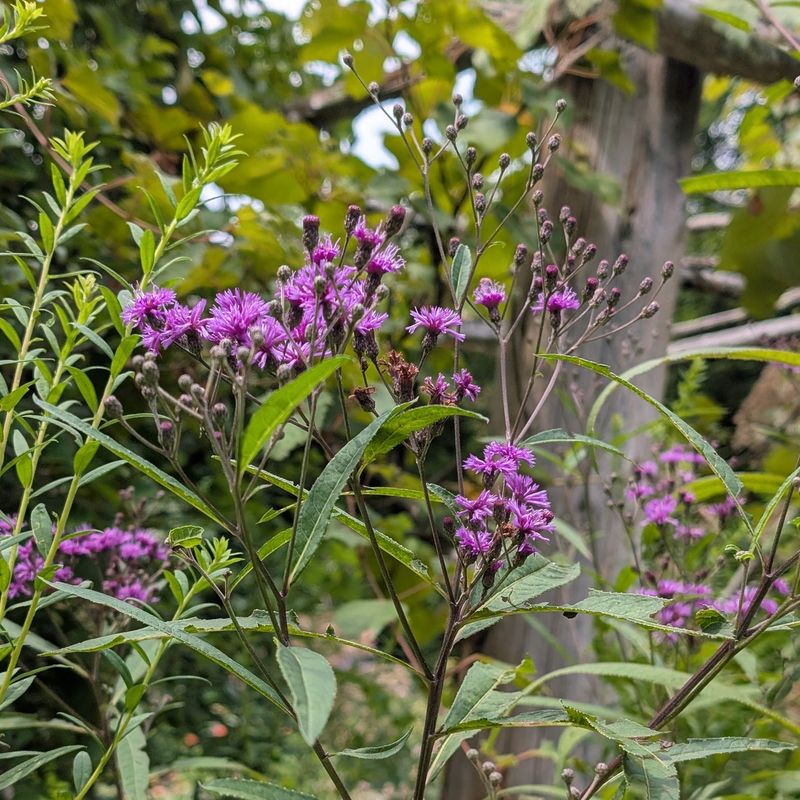
Vernonia gigantea, commonly called Tall Ironweed, is native to much of the eastern and central United States, including Georgia. That native status matters more than most gardeners realize.
A plant that evolved here over thousands of years already knows how to handle local soil, humidity, and rainfall patterns.
Imported ornamentals often need extra care to survive conditions they were not built for. Native plants like Tall Ironweed skip most of that struggle.
They do not need rich amended soil or carefully timed fertilizer schedules to perform reasonably well.
Tall Ironweed can grow in a range of soils, especially where conditions provide adequate moisture and drainage.
It can handle wet spots and periods of dry heat without collapsing, though consistent moisture during establishment does help.
That built-in tolerance makes it a practical choice for low-maintenance gardens.
Local insects and native bees already recognize it. Planting something that wildlife has a natural relationship with creates a more functional garden ecosystem rather than just a pretty display.
Tall Ironweed fits naturally into existing landscapes without looking out of place or requiring constant management to keep it looking reasonable. That ease is a genuine advantage for gardeners who want results without excessive upkeep.
4. Plenty Of Sun Helps Those Tall Stems Grow Strong
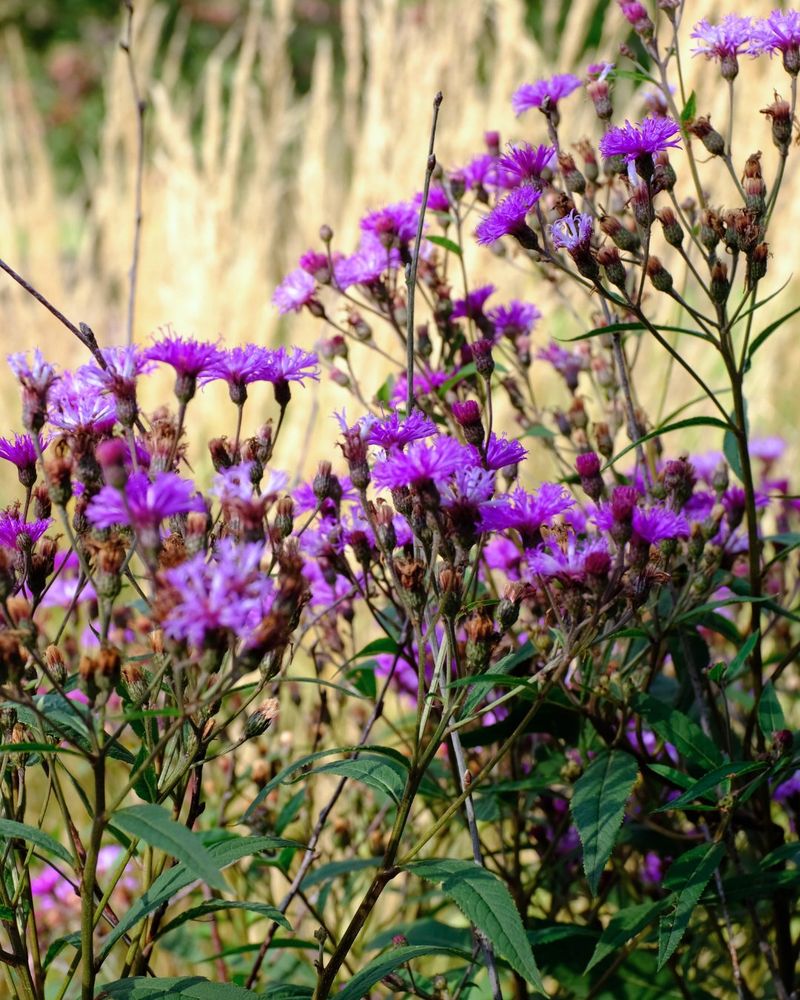
Weak, floppy stems are a common complaint with tall perennials, and Tall Ironweed is no exception when it does not get enough light. Full sun is where this plant performs best.
Six or more hours of direct sunlight each day encourages sturdy, upright growth that can reach six to eight feet tall without needing staking.
Partial shade does not ruin the plant, but stems tend to lean more and may not hold up as well through wind or heavy rain. Choosing a spot with consistent sun exposure from the start prevents a lot of frustration later in the season.
Open garden beds, meadow-style plantings, and sunny borders along fences or property lines all work well. Avoid spots directly under large trees where light is blocked for most of the day.
Even a few extra hours of sun can make a noticeable difference in how upright and full the plant grows.
Soil drainage matters in sunny spots too. Waterlogged roots in a sunny area can cause just as many problems as low light.
Aim for a location where water drains reasonably well after rain. Tall Ironweed handles a range of soil conditions, but standing water for extended periods is harder for it to tolerate.
Good sun with decent drainage is a solid combination for strong plant performance.
5. Late Blooms Provide Valuable Food For Visiting Pollinators
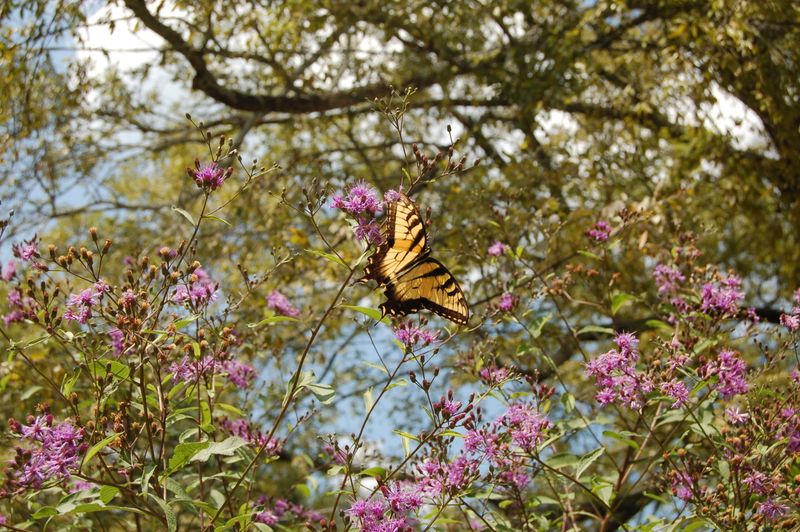
By September, a lot of summer flowers have already wrapped up. Pollinators are still active though, and finding food becomes harder as options shrink.
Tall Ironweed blooms right when that gap starts to widen, making it one of the more useful plants you can add to a fall garden.
Monarch butterflies migrating south in fall are known to visit Tall Ironweed. Native bees, including bumblebees and sweat bees, use the flowers heavily for both nectar and pollen.
Providing late-season resources like this supports pollinators at a critical time in their annual cycle.
Specialized bees in the Vernonia genus depend specifically on ironweed species for pollen. That relationship makes Tall Ironweed more than just a pretty flower.
It plays a functional role in supporting native bee populations that many other garden plants cannot fill.
Adding one or two plants creates a noticeable difference in pollinator activity. A small cluster of three to five plants draws even more traffic and gives insects a reliable food stop during fall migration and foraging periods.
Placing Tall Ironweed near other late bloomers like goldenrod or asters extends the food source across a longer window and makes your garden a more complete resource for local and migrating wildlife throughout autumn.
6. Extra Height Makes Placement Important Before Planting
Six to eight feet is not a small plant. Before you dig a hole, think carefully about where that height fits into your existing garden layout.
Tall Ironweed planted in the wrong spot can shade out shorter neighbors or block sightlines you wanted to keep open.
Back of the border is the classic placement for tall perennials, and Tall Ironweed works well there. Place it behind medium-height plants like coneflowers or black-eyed Susans so the layering looks intentional and nothing gets buried in shade.
Fence lines and property edges are also natural fits.
Wind exposure is worth thinking about too. Open areas with strong wind may cause tall stems to lean or snap during storms, particularly in late summer when plants are at full height.
A sheltered but still sunny spot offers a reasonable compromise between light access and protection.
Spacing matters as much as location. Tall Ironweed spreads slowly by rhizome and can also self-seed, so give each plant at least two to three feet of space.
Crowding plants together from the start creates competition and makes future management harder.
Planting in September gives you a clear view of your garden before winter, making it easier to judge spacing and placement while other plants are still visible and in context.
7. Fall Planting Gives Roots More Time To Become Established
Root development happens even after the soil cools down in fall. Planting in September gives Tall Ironweed several weeks of warm soil to work with before temperatures drop significantly.
That window allows roots to spread and anchor before the plant goes dormant for winter.
A plant with a strong root system heading into its first winter has a much better shot at returning vigorously in spring. Roots that had time to establish are better at drawing moisture and nutrients once warmer weather returns.
Spring growth tends to be noticeably more robust compared to plants that went in late.
Fall planting also reduces the watering demand you would face with spring or summer plantings. Cooler temperatures mean soil stays moist longer between rain events.
You still need to water during dry stretches, but the overall effort is lower and the margin for error is wider.
Across Georgia, fall planting for native perennials is a well-established practice among experienced gardeners. The mild winters in much of the state mean roots rarely face extreme freezing, which further supports fall planting success.
Getting Tall Ironweed in the ground during September sets up a stronger, healthier plant for the following growing season without requiring much more effort than a standard spring planting routine would involve.