The September Garden Crops Florida Squirrels May Get To Before You Do
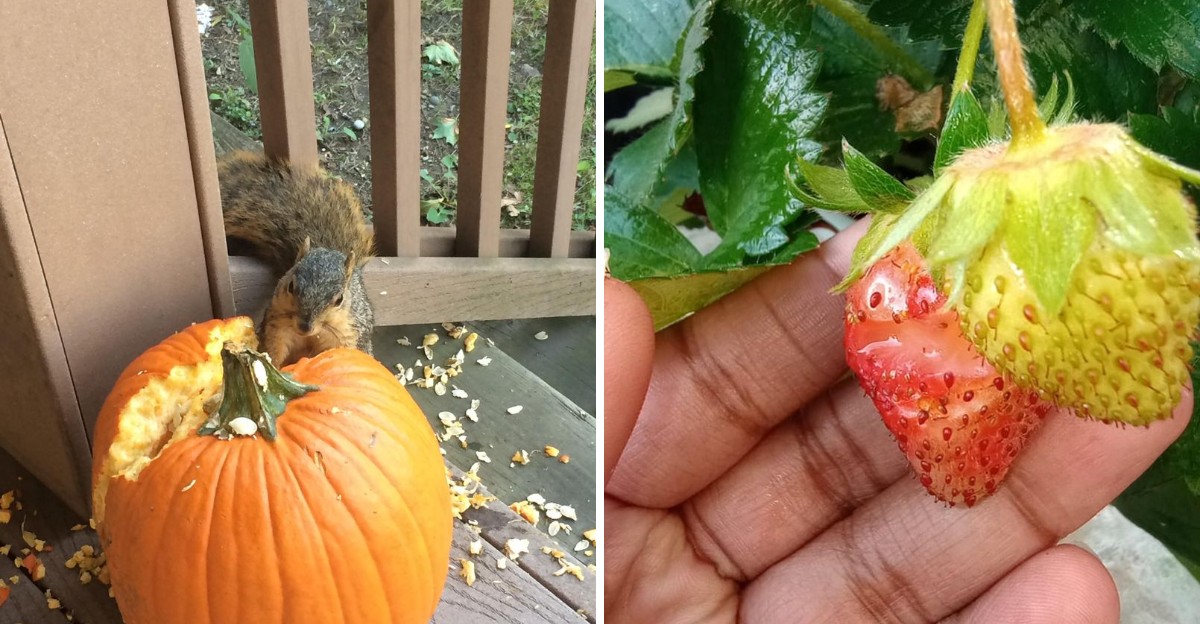
At sunrise, a Florida gardener reaches for a ripe tomato and finds only a hollow red shell hanging on the vine. Something got there first.
September gardens fill up with exactly the kind of ripening reward that draws more than just the person who planted them.
Squirrels notice the same thing gardeners do, often on the very same morning, and they rarely wait for an invitation.
Some crops barely last a day once they start turning. Others hold on a little longer before disappearing bite by bite.
Eight things explain which crops draw the most attention this month, and what actually works to protect them before the damage starts.
Grab your netting. This list might change what you plant near the fence line next year.
1. Tomatoes Rank High On Their List
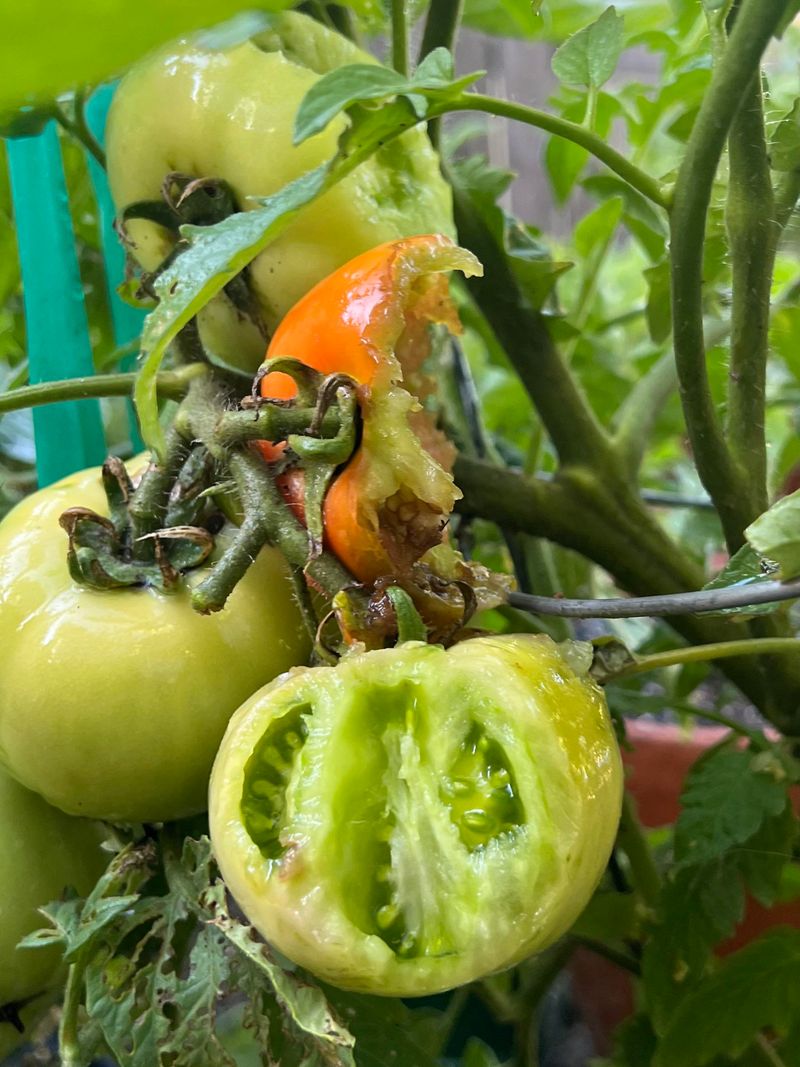
One morning, a perfect red tomato can look like a scooped bowl left behind on the vine.
Squirrels often target tomatoes right as they start blushing, since the fruit holds water and sugar during hot Florida weather that leaves little else quite as appealing nearby.
Damage usually shows up as shallow bites, a hollowed side, or fruit knocked clean off the vine and abandoned on the ground below.
UF IFAS guidance supports netting and quick picking as the most reliable defenses available to home gardeners.
Clip ripening tomatoes early rather than waiting for that perfect deep red color to develop on the plant itself. Finishing the color indoors, on a sunny windowsill or countertop, works just as well and removes the temptation entirely.
Squirrels tend to patrol beds at dawn, checking the same plants day after day once they find a reliable source.
That routine works in a gardener’s favor too, since picking fruit the evening before a squirrel’s morning rounds often beats them to it.
A tomato pulled slightly early and ripened inside rarely tastes noticeably different from one left on the vine the whole way through, especially once it reaches that final blush of color.
For gardeners losing fruit steadily, shifting the whole harvest schedule earlier by even a day or two can make a real difference over the course of a season.
2. Corn Rarely Survives Without Protection
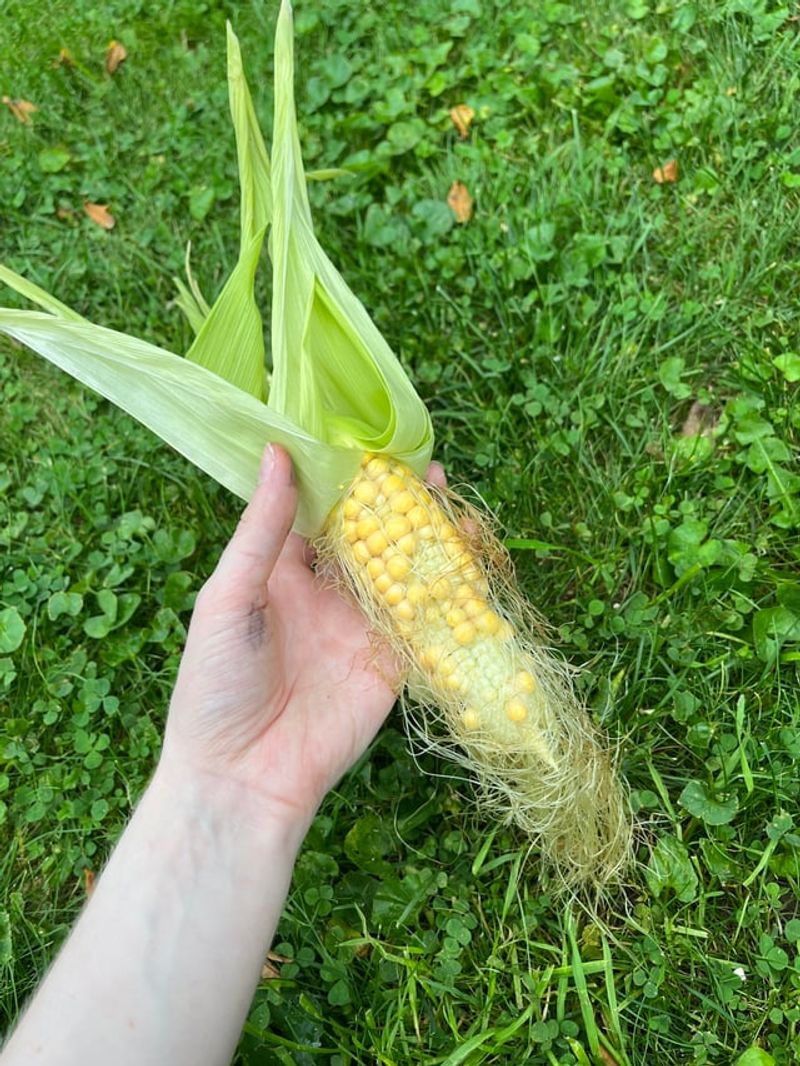
Sweet corn can turn into a squirrel buffet almost overnight, sometimes within a single day of reaching peak ripeness.
As ears fill and kernels sweeten, squirrels may peel back husks, chew into milky kernels, and return day after day until little worthwhile remains on the stalk.
In small Florida gardens, homegrown corn often needs physical protection well before harvest day arrives, not after the first signs of damage appear.
UF IFAS points to barriers as the dependable answer here, rather than relying on scare tactics or repellents that fade fast.
Bagging individual ears works well for smaller plantings, while enclosing entire rows with sturdy netting suits a larger patch better.
Both approaches beat chasing animals away after damage has already started, since a squirrel that has found one good ear will keep coming back to the same row.
Your Florida Garden Changes Every Week. Your Plan Should Too.
Gardening in Florida changes quickly throughout the season. Every Friday you’ll receive a simple weekly plan showing exactly what to plant, prune, fertilize, harvest, and protect so you never miss the right timing.
Timing the barrier matters too. Cover ears once they begin filling out, rather than waiting until kernels have fully sweetened and become obviously attractive.
Corn planted near tree lines or fences tends to see heavier squirrel traffic than rows planted farther from cover, since squirrels prefer short dashes between shelter and food rather than crossing open ground.
Gardeners who protect corn early, before the sweet stage even begins, usually end up harvesting a far higher percentage of their crop than those who wait to react.
3. Winter Squash Tempts Them Early
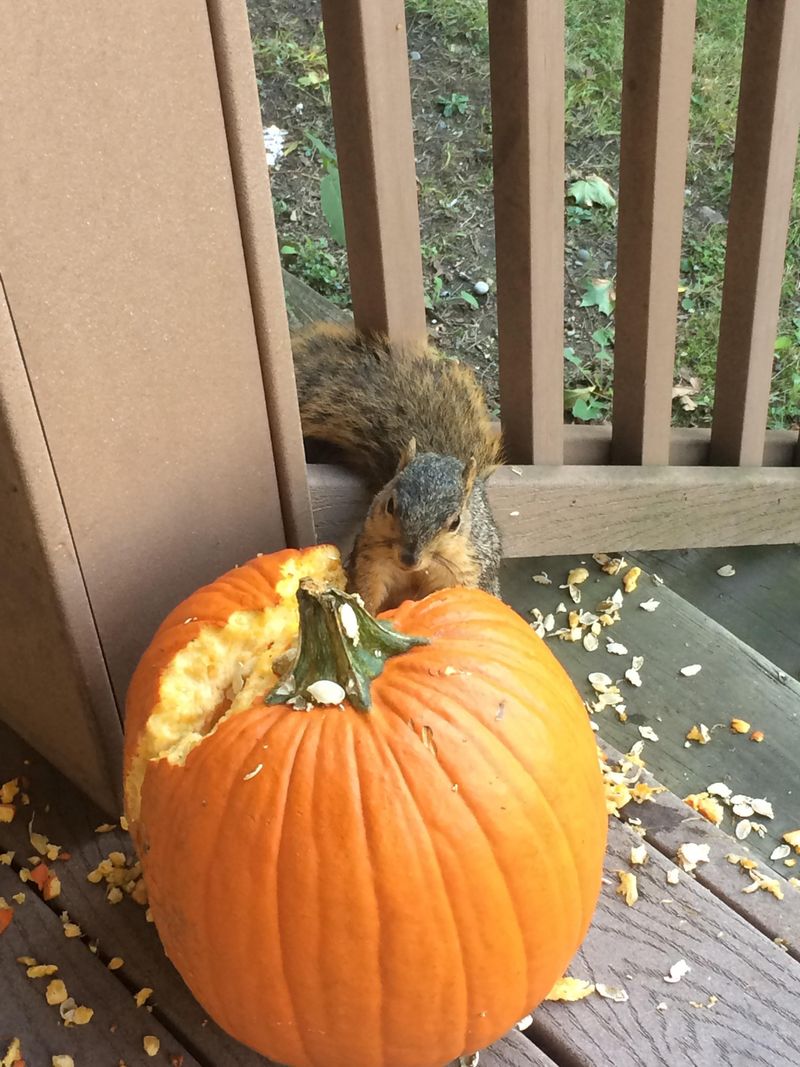
Baby squash may seem too hard and unappealing to interest wildlife, but squirrels still sample them earlier than most gardeners expect.
Gardeners sometimes find neat chew marks on young pumpkins or winter squash long before the rind has fully toughened up for storage.
A few bites can scar the fruit permanently, invite rot to set in, or stunt the squash’s growth entirely if the damage reaches deep enough.
Florida gardens with active squirrel populations benefit most from early, consistent watching rather than waiting for obvious damage to appear.
Netting around young plants offers real protection during this vulnerable early stage, and harvesting mature fruit promptly once it is ready removes the temptation before squirrels return for a second taste.
Repellent sprays tend to underperform here, since Florida’s frequent rain washes them off quickly, often within a day or two of application.
That makes physical barriers a far more dependable choice for anyone serious about protecting a squash patch.
Checking young fruit every few days during the early growth stage helps catch damage before it spreads to other squash on the same vine.
Winter squash left to mature undisturbed eventually develops a rind tough enough to discourage casual sampling, so the real window of vulnerability sits earlier in the season than most gardeners assume, right when the fruit still feels soft to the touch.
4. Citrus Fruit Draws Persistent Visitors
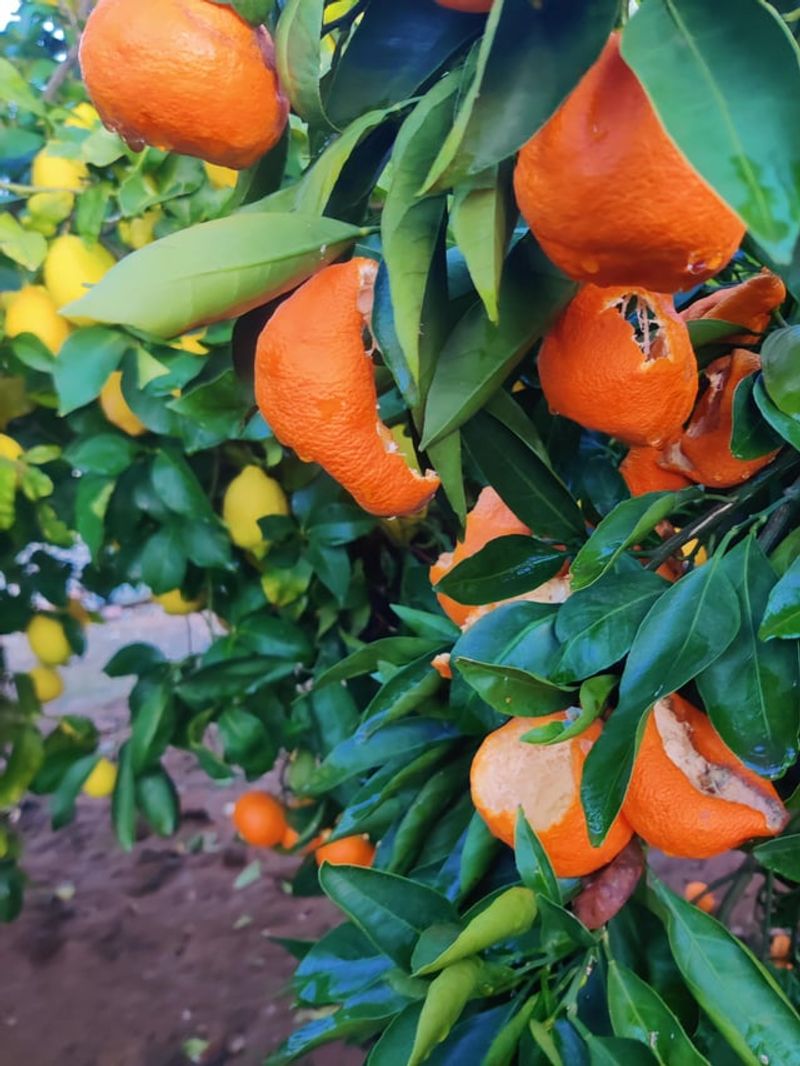
A squirrel working through a citrus tree can act like a picky sampler rather than a hungry forager finishing one piece of fruit.
Instead of finishing one orange or grapefruit completely, a squirrel may chew into several pieces of fruit at once, leaving ragged holes and drying pulp behind on each one.
Florida gardeners often notice this kind of damage while the fruit is still hanging and coloring on the tree, well before anyone planned to harvest.
That scattered pattern makes citrus losses feel especially frustrating, since a single visit can damage far more fruit than it actually consumes.
Picking ripe citrus a bit earlier than usual, before it reaches its absolute peak of sweetness, gives gardeners a realistic way to get ahead of the problem.
Using netting on smaller citrus trees adds another layer of protection, particularly for trees young enough that netting remains practical to install and maintain.
Repellents tend to underperform on citrus for the same reason they struggle elsewhere in a Florida garden. Rain washes them away quickly, often undoing days of effort in a single afternoon storm.
Larger, mature citrus trees present a tougher challenge, since full netting becomes impractical at that size. For those trees, frequent harvesting and accepting some level of loss tends to be the more realistic approach.
5. Strawberries Disappear Almost Overnight
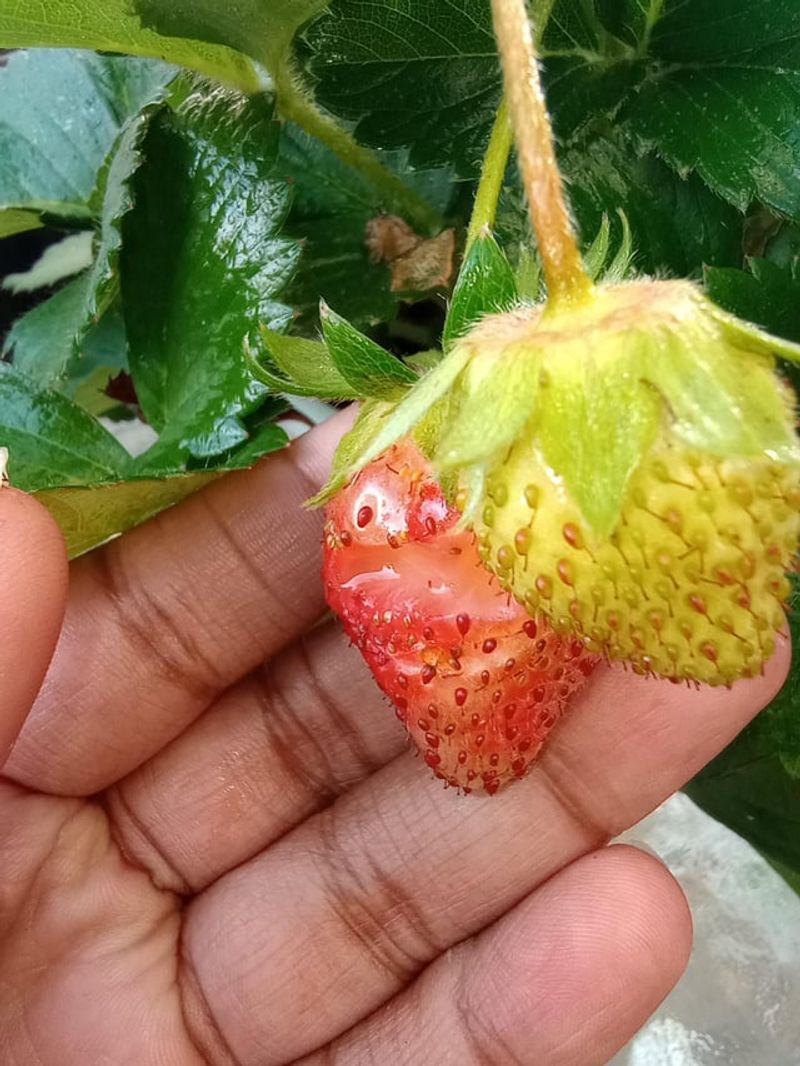
A strawberry bed can look completely intact one evening and noticeably picked over by the next morning, with only a scattering of green caps left behind on the ground.
Squirrels target strawberries at exactly the same stage a gardener does, once the fruit turns fully red and softens just enough to bite through easily.
Unlike some crops that survive a nibble, a strawberry rarely does, since the fruit itself is small enough to disappear in one or two bites.
Low-growing plants make this problem worse, since strawberries sit right at ground level where squirrels can graze through a bed with little effort or risk.
Covering beds with lightweight netting supported on low hoops keeps the fruit out of easy reach while still letting light and water through to the plants underneath.
Raised beds with a mesh cover offer similar protection and make daily checking easier on the back and knees.
Picking strawberries as soon as they turn fully red, rather than waiting an extra day for peak sweetness, cuts down significantly on losses during active squirrel activity.
Mulching around plants with straw or pine needles keeps fruit from resting directly on bare soil, which can also help reduce rot and make ripe berries slightly less visible to foraging animals passing through.
Checking the bed each morning during peak fruiting season remains the simplest habit for catching ripe strawberries before squirrels do, especially in yards where other food sources are already drawing regular squirrel traffic nearby.
6. Blueberries Attract Repeat Visits
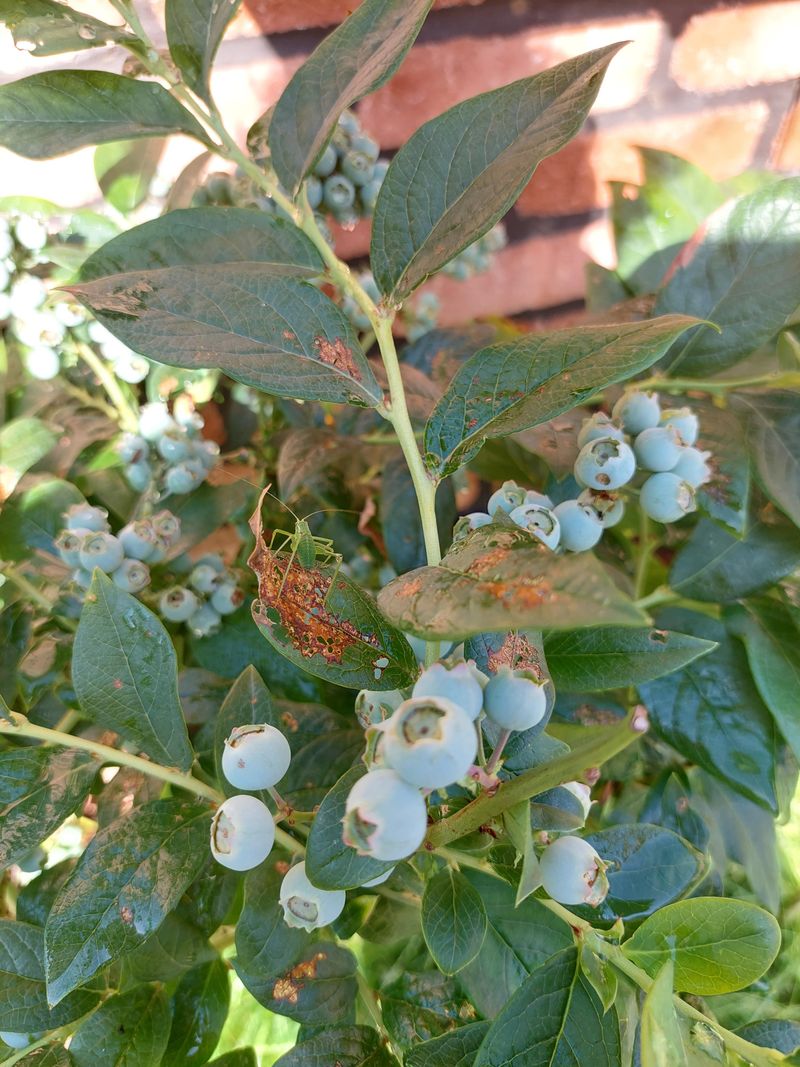
Blueberry bushes loaded with ripening fruit tend to draw the same squirrel back again and again, rather than a single quick visit followed by silence.
Once berries shift from green to that deep blue-purple color, squirrels can strip a surprising number in one sitting, often working methodically down a branch rather than sampling here and there.
Florida gardeners sometimes lose an entire morning’s ripening in the time it takes to have breakfast.
Netting draped over the whole bush, secured tightly at the base, remains one of the more effective barriers for a crop this size and shape.
Because blueberry bushes tend to be shorter and more compact than fruit trees, full coverage is genuinely achievable for most home gardeners, unlike the challenge posed by a mature citrus tree.
Supporting the netting with a simple frame keeps it from resting directly on the fruit, where squirrels could otherwise bite straight through both layers.
Harvesting every day or two during peak ripening, rather than waiting for a big batch to accumulate, reduces the window of opportunity for squirrels considerably.
Picking berries slightly before they reach full, deep color still yields good flavor once they finish ripening at room temperature indoors, a small trade-off that can save a meaningful share of the crop.
Blueberry bushes planted near other squirrel-favored crops, such as sunflowers or corn, may see even heavier pressure, since a yard already drawing regular squirrel visits tends to get thoroughly checked from end to end.
7. Figs Ripen Fast And Vanish Faster
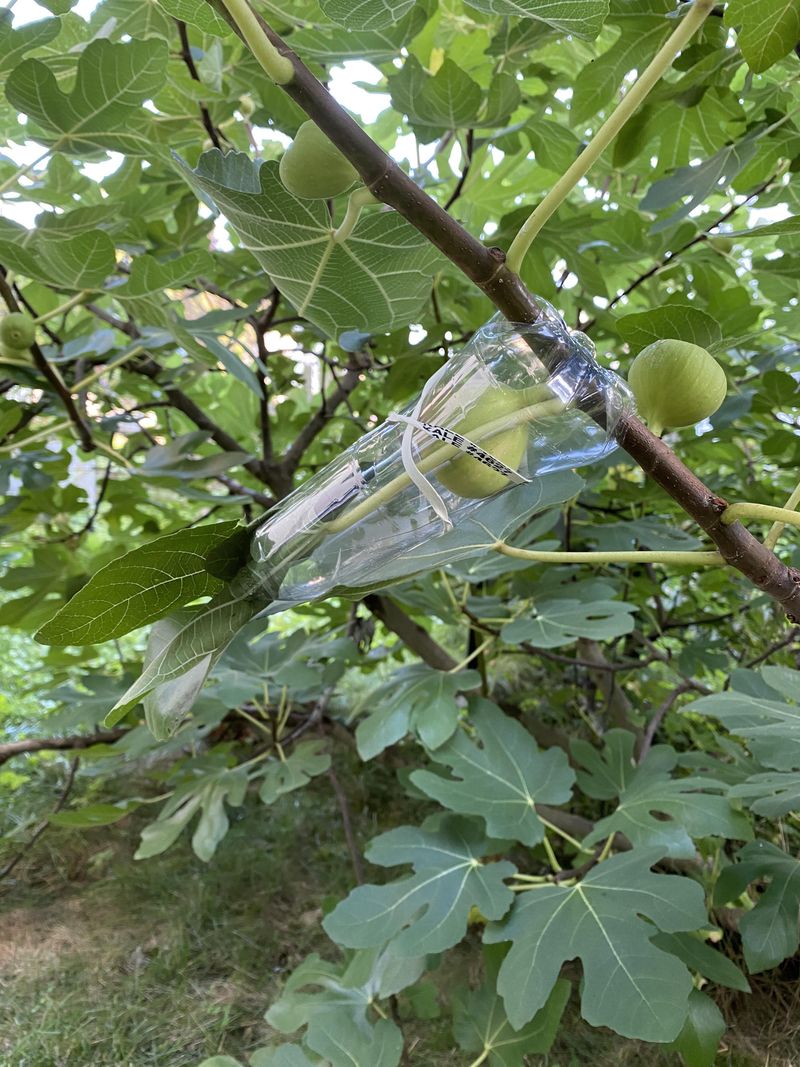
Few fruits test a gardener’s timing quite like figs, since the window between underripe and squirrel-stripped can close in a single day.
Figs soften noticeably as they ripen, and that softness is precisely what makes them so appealing to squirrels working through a Florida yard.
A fig that looks perfect at dawn can be reduced to a torn, half-eaten shell by the time anyone checks again that afternoon.
Because fig trees can grow fairly large, full netting becomes impractical once a tree matures past a certain size, similar to the challenge larger citrus trees present.
Younger, smaller fig trees benefit the most from netting, since covering the whole canopy remains realistic while the tree is still compact.
For larger, established trees, daily harvesting during peak fruiting season becomes the more practical line of defense.
Picking figs as soon as they soften and droop slightly on the stem, rather than waiting for that final peak of ripeness, cuts losses meaningfully without sacrificing much in flavor.
Figs near fence lines, power lines, or overhanging tree branches tend to see more squirrel traffic, since those routes offer an easy, low-risk approach to the fruit from above.
Checking the tree daily, sometimes even twice a day during the height of fig season, remains the most realistic strategy for gardeners hoping to beat squirrels to a fruit that offers almost no warning before it disappears entirely.
8. Peppers Get Sampled More Than Eaten
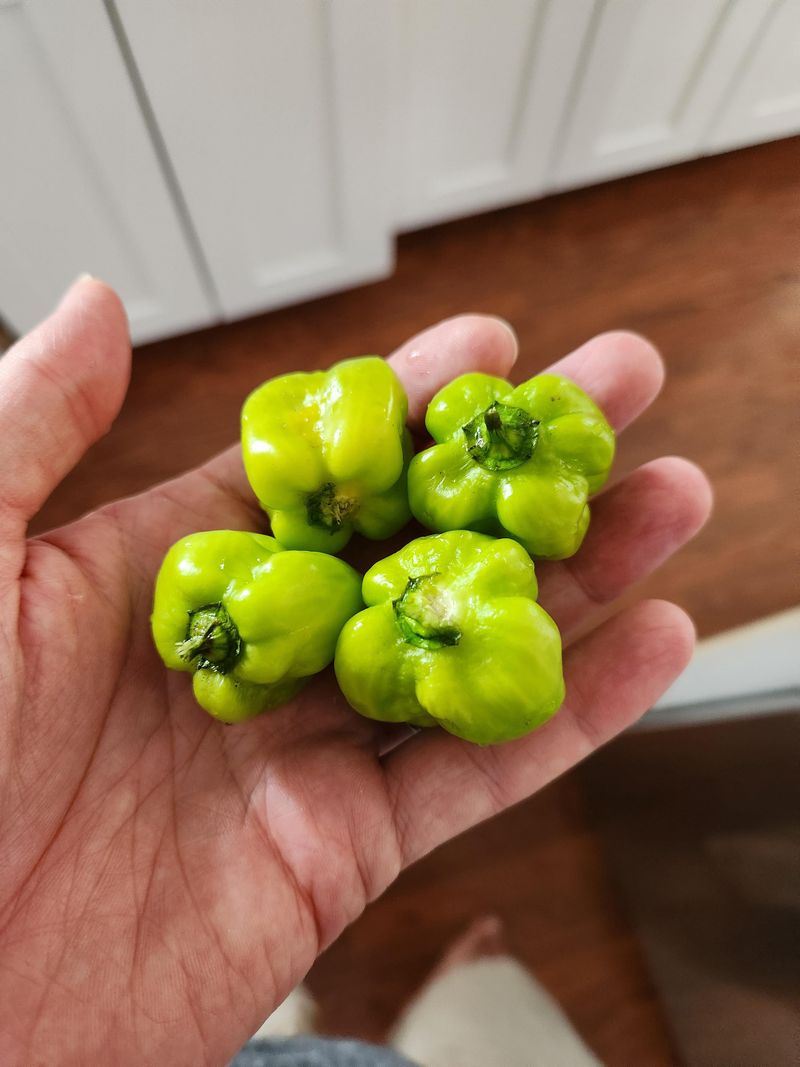
Pepper plants rarely lose their whole crop overnight the way strawberries or figs sometimes do, but squirrels still leave a distinct mark on nearly every plant they visit.
Rather than finishing one pepper completely, a squirrel often takes a single exploratory bite out of several fruits in a row, leaving small punctures or gouges that ruin the pepper for eating even though most of it remains untouched.
Florida gardeners frequently discover this kind of damage on ripening bell peppers and sweeter varieties, since the thinner walls and higher moisture content seem to draw more interest than tougher-skinned hot peppers.
That sampling behavior makes peppers frustrating in a different way than most other crops on this list, since the loss is not one missing fruit but a whole row of partially ruined ones.
Netting draped over individual plants or a full row offers solid protection, and because pepper plants stay relatively compact and low, covering them is generally easier than netting a mature fruit tree.
Picking peppers as soon as they reach full color, rather than leaving them on the plant to continue ripening for extra days, reduces the amount of time each fruit sits exposed and vulnerable.
Hot pepper varieties tend to see noticeably less squirrel damage than sweet bell peppers, so gardeners dealing with persistent losses might consider shifting some bed space toward spicier types the following season.
Checking plants every day or two during peak color change gives gardeners the best chance of harvesting peppers whole, before a curious squirrel decides to test one on its way through the bed.