The September Lawn Mistake That Can Leave Bare Spots Next Spring In Ohio
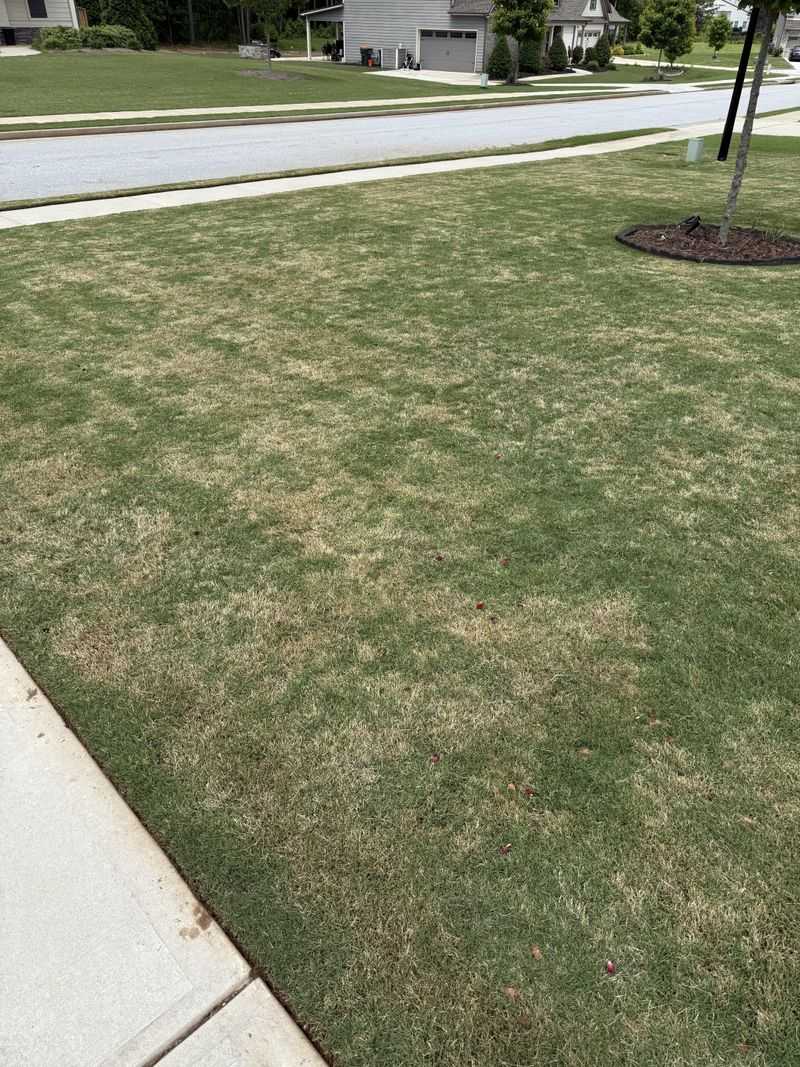
September mornings arrive cool and damp across Ohio, then the afternoon sun warms the yard like late July again. Your lawn finally looks calm and green after surviving a long, thirsty, sprinkler-hogging summer without complaint.
That calm fools people, because what you do to turf this month rarely shows its results this month. The invoice shows up in April instead, and it usually arrives with a smug little attitude.
Plenty of homeowners spend one breezy Saturday doing something that feels tidy, helpful, and thoroughly responsible. Come spring, they squint at thin brown patches and quietly blame the weather, the dog, or bad luck.
Grass keeps score below the surface, filing away every decision you make like a patient little grudge. Turns out your backyard holds a grudge longer than any neighbor on the street.
The Low Cut That Backfires Months Later
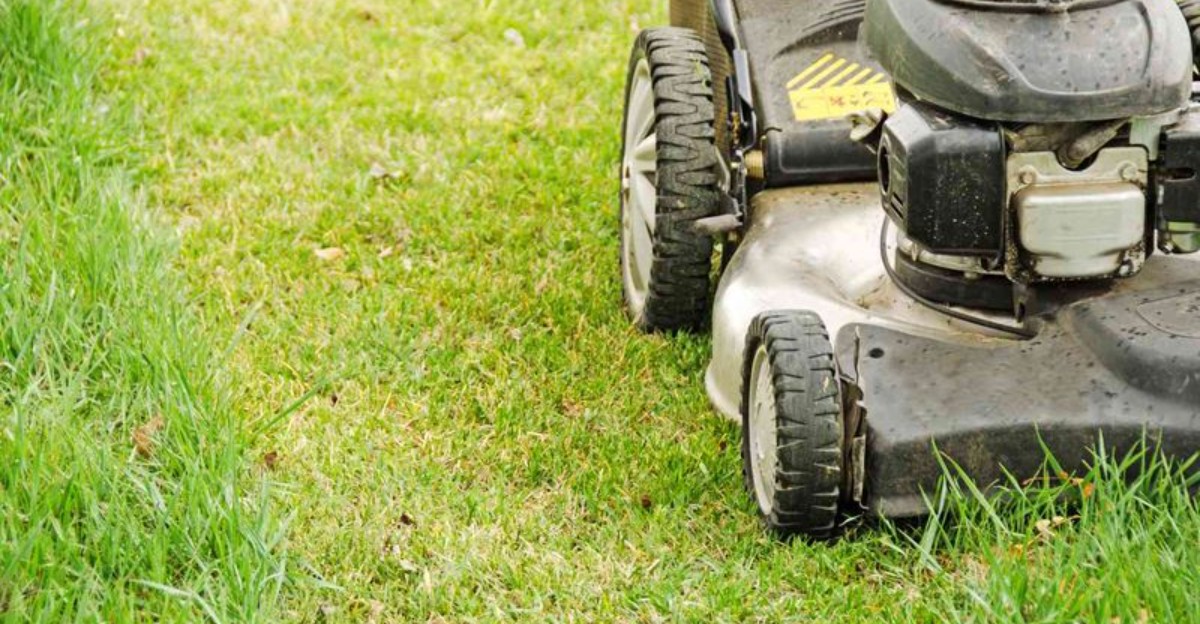
One low pass with the mower feels like a favor to your lawn, neat and finished. Cool-season grass across Ohio reads that same haircut as an emergency it must fix using stored energy.
Grass blades work like solar panels, turning September sunlight into food that travels down to the roots. Cut them to an inch and you shrink that factory right when production matters most.
Think of September mowing as feeding the lawn rather than trimming it into shape. Every extra inch of leaf you leave standing is stored fuel for next year’s green.
Autumn is when fescue, bluegrass, and ryegrass, the backbone of most Ohio lawns, build thick root systems and fatten their crowns. Scalped turf spends the month regrowing leaves instead, so the underground work simply gets skipped.
Short grass also exposes the crown, that pale growing point sitting right at soil level. Bare crowns face cold wind, ice crust, and drying air with almost nothing shielding them.
Nothing looks wrong in October, which is exactly what makes the habit so easy to repeat. The lawn goes brown for winter, everybody stops looking, and the damage stays hidden.
April is the reveal, when healthy turf greens up and the scalped areas stay thin and tan. Those weak patches become open soil, and open soil in spring is an invitation for crabgrass.
Keeping blades taller through fall costs you nothing except one twist of the mower deck. That single adjustment protects roots you cannot see and a spring lawn you have not met.
Root Growth And The September Clock
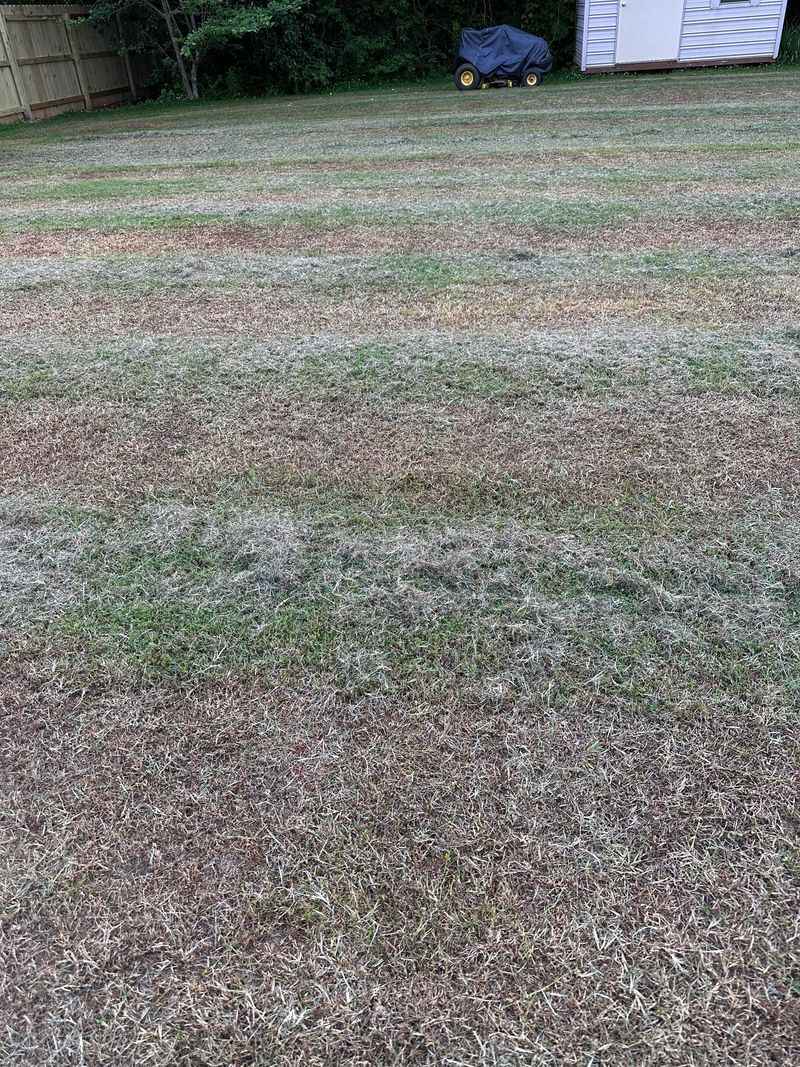
Grass runs on a calendar that has little to do with ours, and September is crunch time for Ohio lawns. Soil temperatures slide into the fifties and sixties, which cool-season roots love most.
While the top growth slows, roots push deeper and thicker, stockpiling sugars for the months ahead. That stored fuel is what pushes green shoots up quickly once March soil warms again.
Every leaf blade you leave standing keeps photosynthesis running during these short, bright autumn days. Remove too much of it and the plant borrows from savings it was supposed to be building.
Your Ohio Garden Changes Every Week. Your Plan Should Too.
Gardening in Ohio changes quickly throughout the season. Every Friday you’ll receive a simple weekly plan showing exactly what to plant, prune, fertilize, harvest, and protect so you never miss the right timing.
Warm-season lawns like bermuda and zoysia follow a different schedule, slowing down as nights cool. They still resent a scalping now, because they have no growing weather left for repair.
Mid-September through mid-October is the window where fall decisions carry the most weight. A lawn treated well during those weeks usually needs less patching, less seed, and less worry later.
Frost timing matters too, since grass stops meaningful growth once soil drops below fifty degrees. Anything cut hard right before that point has no chance to recover before winter.
Regional differences exist, so watch your soil rather than the date printed on a calendar. A cheap soil thermometer tells you more about lawn timing than any gardening app.
Respect the September clock and the rest of your fall lawn routine gets noticeably easier. Ignore it, and April hands you a patchy report card with no appeals process.
Scalped Turf And The Weeds That Follow
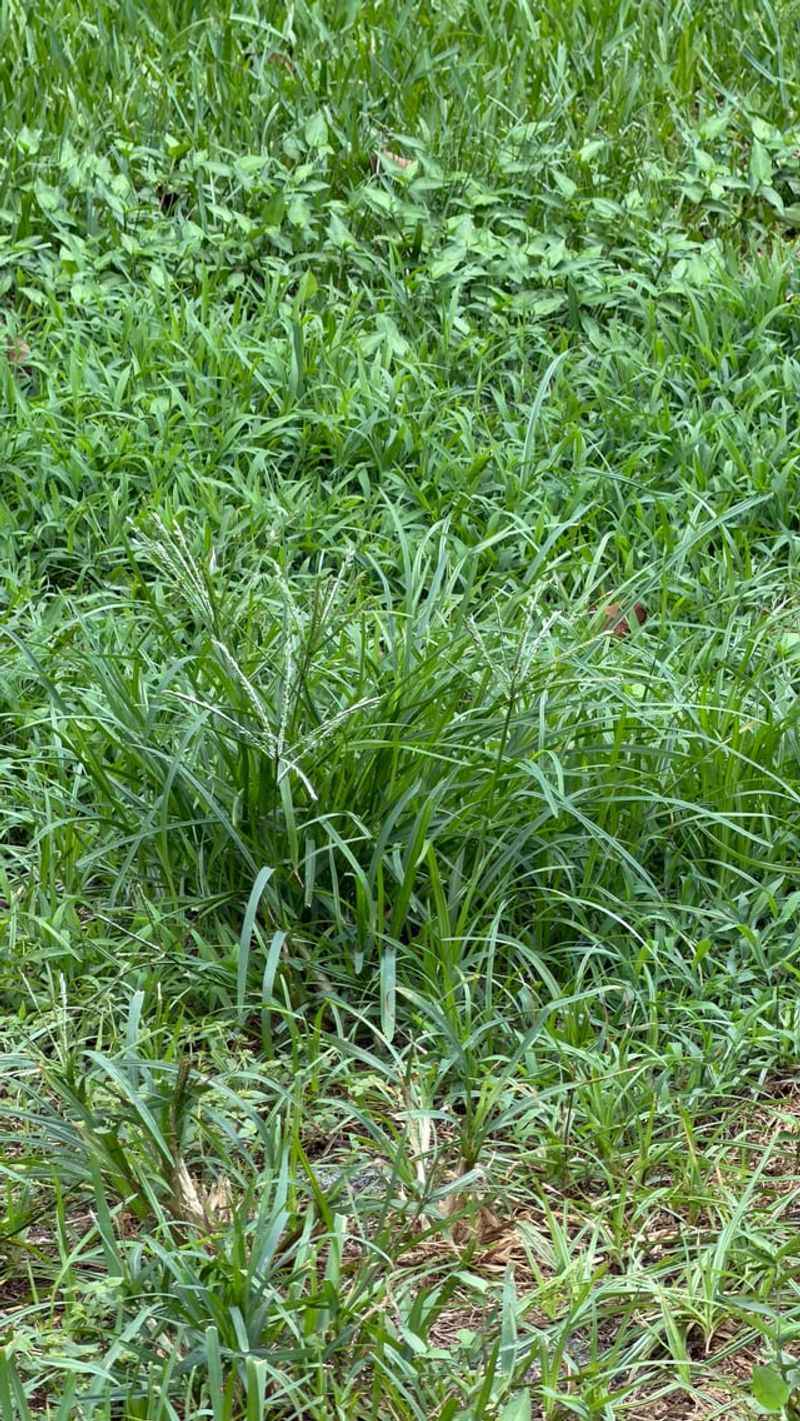
Weed seeds are patient little opportunists, sitting in Ohio soil and waiting for one thing. Sunlight landing on bare dirt is the green light they have been hoping for all year.
Tall grass shades the soil surface and keeps most of those buried seeds in the dark. Cut low, and that shade disappears, letting winter annuals sprout through October and November.
Annual bluegrass, chickweed, and henbit all sprout in cool fall soil while you ignore the yard. By March they are established, flowering, and holding ground your grass badly wanted back.
Crabgrass waits for warmth instead, germinating in those same thin spots once May arrives. One scalped September can hand you two separate weed seasons from a single afternoon of work.
Fungal trouble likes the situation too, especially where mower wounds meet damp fall nights. Stressed, short turf shrugs off less disease pressure than a lawn left an inch taller.
Bare soil also packs down under boots, paws, and heavy rain, turning crusty by spring. Compacted ground blocks the new roots that were supposed to fill those open gaps.
On slopes and along driveways, thin cover lets winter rain carry loose topsoil toward the sidewalk. You end up reseeding the same bare strip that washes out again every single season.
Height is free weed control, which makes it the cheapest tool in the garage. Your mower deck does more good for spring than most bags of product on the shelf.
Mower Height Settings Worth A Second Look
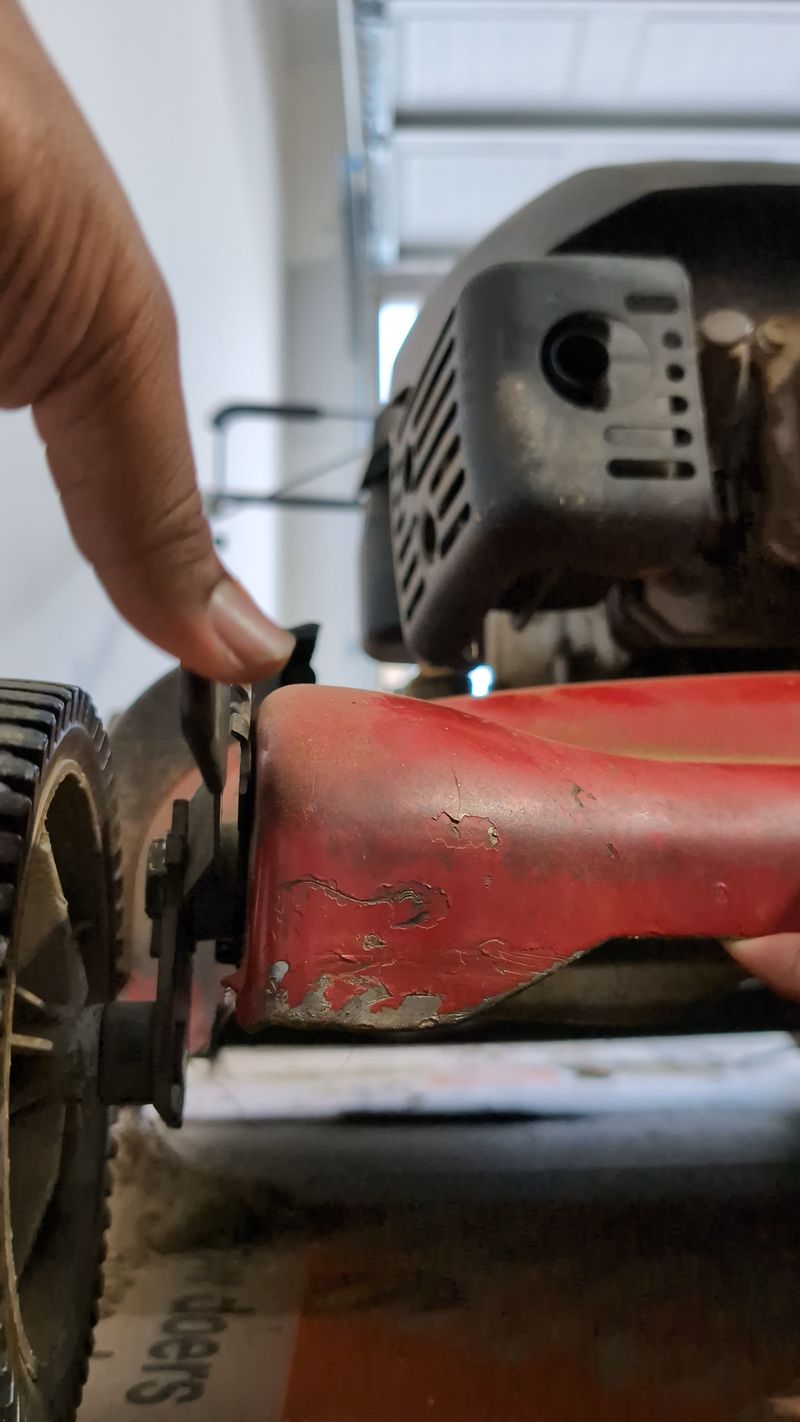
Most mower decks lie a little, so measuring beats trusting the numbers stamped on the lever. Park on the driveway, set your height, then put a ruler against the blade edge.
Tall fescue and bluegrass, the most common lawns across Ohio, do best around three to four inches through September and October. Perennial ryegrass sits happily in that same range, especially where the afternoon sun is strong.
Bermuda and zoysia prefer shorter cuts, roughly one to two inches depending on the variety. Even so, avoid dropping them suddenly once night temperatures start dipping into the fifties.
The one-third rule keeps decisions simple, since removing more than that genuinely shocks the plant. Grass at six inches should come down to four, not straight to a tidy two.
Sharp blades matter as much as height, because dull steel tears leaf tips instead of slicing. Ragged wounds lose moisture and invite fungus during exactly the damp weeks that follow.
A final mow slightly lower, near two and a half inches, helps in snowy regions. Long, matted grass under heavy snow can develop mold, so that last cut earns its place.
Skip mowing when the lawn is soaked, since wheels rut soft ground and clumps smother turf. Mid-afternoon on a dry day treats the grass far better than a damp morning.
Keep clippings on the lawn as free nitrogen unless they pile up in thick rows. One deck adjustment plus a freshly sharpened blade quietly fixes most September mowing regrets.
Repair Work For A Lawn Already Cut Too Low
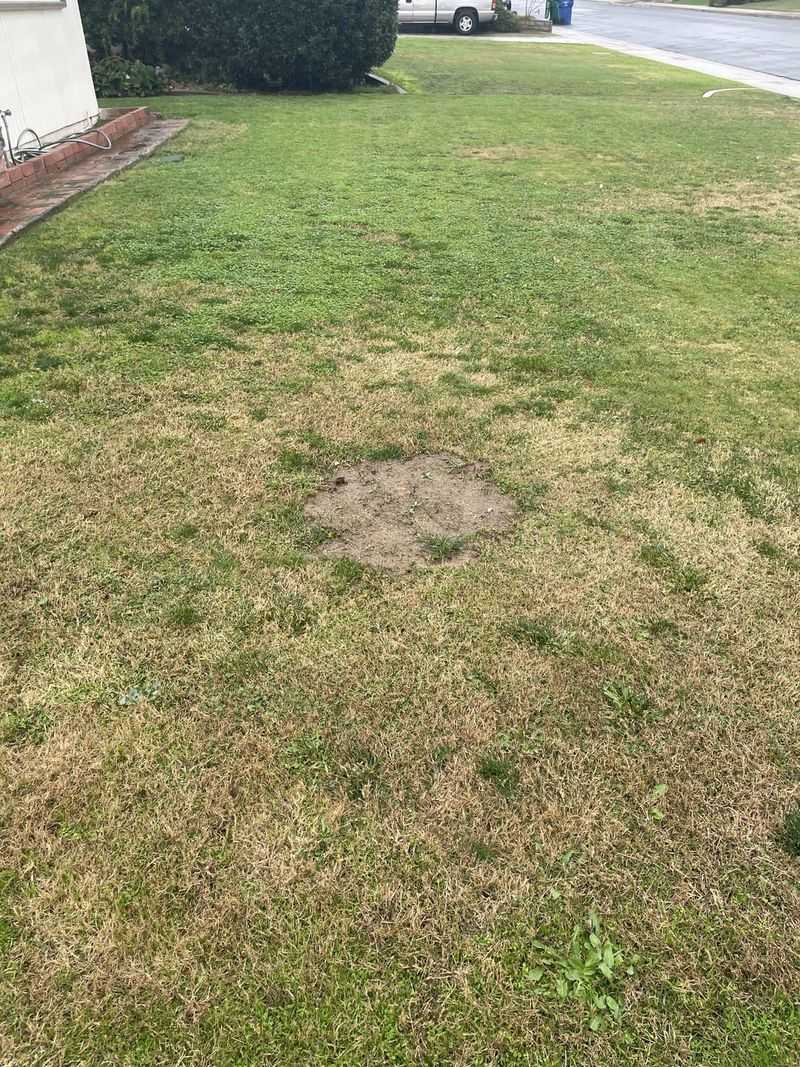
Suppose the scalping already happened, and an Ohio lawn now looks like a bad summer buzz cut. Recovery starts fast, because September soil is still warm enough to repair a lot.
Raise the mower deck right away and leave every following cut taller than the last one. Letting leaf tissue rebuild is the first and cheapest repair step available to you.
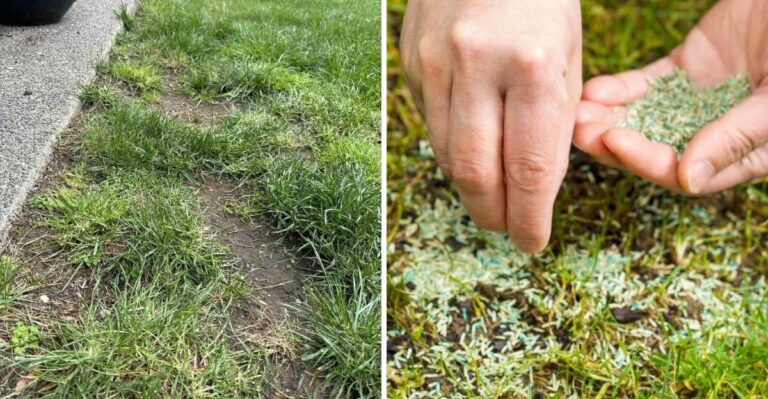
Overseed the thin areas with a blend matched to your existing grass and light levels. Rake lightly, spread seed, then press it into the soil so it meets moisture directly.
A thin layer of compost or topsoil, maybe a quarter inch, holds seed in place. Skip the thick blanket, since buried seed cannot reach sunlight once it starts sprouting.
Water briefly two or three times daily until seedlings appear, then stretch the intervals. Shallow, frequent sips keep the top half inch damp, and that is where germination happens.
Starter fertilizer with phosphorus gives new roots a push during those first three weeks. Hold off on weed control products, because most of them stop young grass from establishing roots.
Seed needs roughly four to six weeks of decent growing weather before your first hard frost. Check your regional frost date, and if the window closed, wait for early spring instead.
Keep fallen leaves raked off the new grass so light reaches those tender blades. Foot traffic can wait, and so can the neighborhood football game on that corner lot.
A Fall Mowing Plan That Protects Spring Green
A plan on paper beats good intentions every autumn in Ohio, especially once football season eats your weekends. Write three dates on the calendar and your lawn will mostly manage itself from there.
Keep mowing while the grass keeps growing, which in many regions means right into November. Letting it get shaggy and then chopping it hard undoes weeks of quiet root progress.
Core aeration in early fall relieves compaction and gives overseeded areas genuine soil contact. Pair it with seeding on that same weekend and the two jobs reinforce each other.
Feed cool-season lawns once in early September and again around mid-October for stronger roots. Nitrogen then goes toward roots and crowns rather than a flush of tender top growth.
Mulch fallen leaves with the mower instead of bagging them, as long as the layers stay thin. Shredded leaves feed the soil life below and vanish within a couple of weeks.
Mark your final mow for the week when growth clearly stops, usually after several frosts. Trim slightly lower just that one time, then clean the deck and park the machine.
Take a quick photo of the lawn in November and another one in April for comparison. Pictures reveal patterns that memory politely rewrites in your favor every single year.
Spring arrives, the turf wakes up thick, and nobody ever notices the work hiding behind it. That quiet, boring, uneventful green is the entire point of a careful September.