The Hidden Pests Affecting Your Illinois Garden
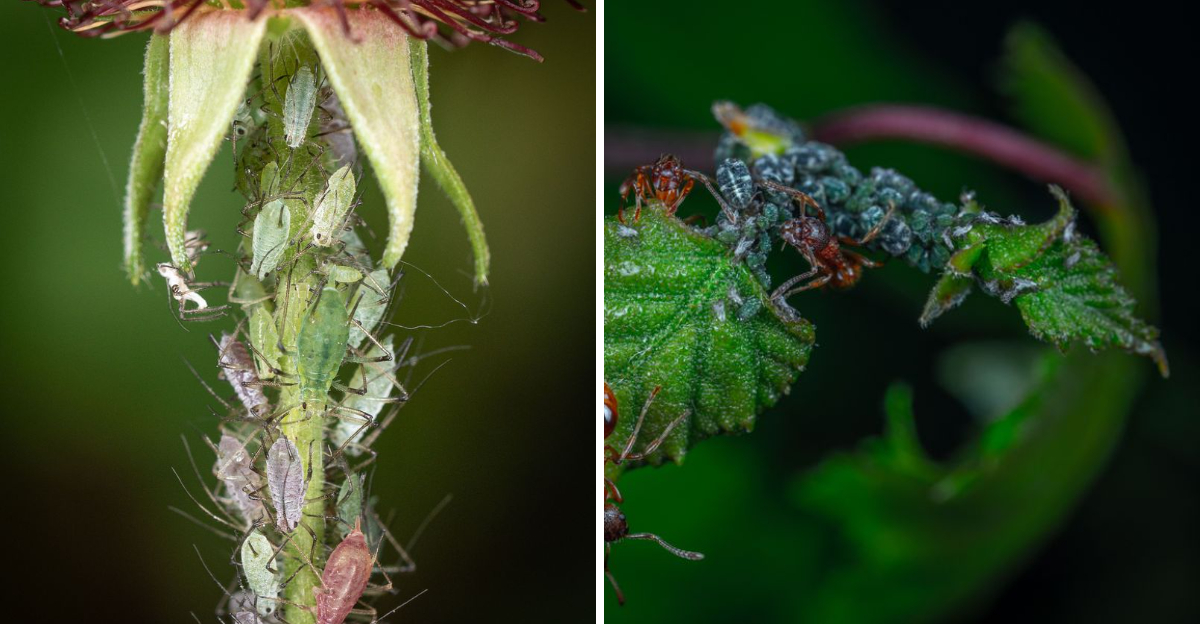
Green leaves in your garden hide a secret you haven’t detected yet. Tiny pests quietly draw nutrients from every stem inside your garden bed. Wilting patches and curled leaf edges often signal an unseen presence nearby.
Sticky film coating your leaves points to a hidden colony. Illinois gardens face this exact pattern every single summer season. Clusters of soft bodied insects gather along your tender stems.
Stems weaken fast while growth slows within a few days. Nobody notices the trouble until the damage becomes hard to ignore. Populations can multiply faster than many gardeners expect.
Every single leaf becomes a target for this persistent pest. Roses, tomatoes, and peppers offer you no real protection here. Weather patterns across Illinois create nearly ideal breeding conditions right now.
Your instincts about something being wrong were probably correct all along. Ignore these warning signs, and your entire garden could struggle within days.
What Aphids Are And Why They Spread Fast
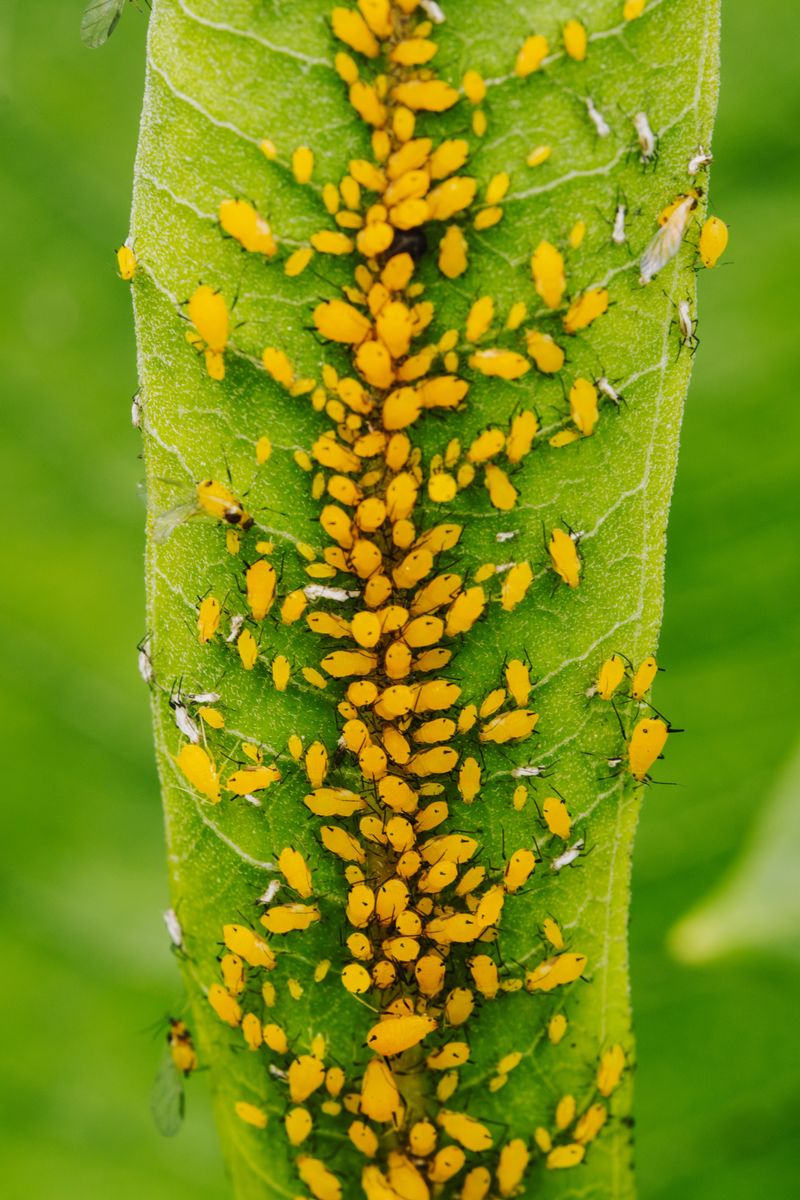
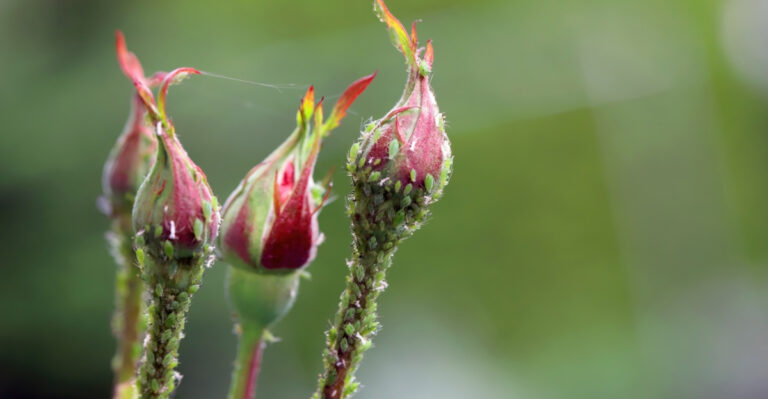
Aphids are sneaky little insects, barely the size of a sesame seed. They come in green, yellow, black, and even pink shades. Most gardeners walk right past them without a second glance.
These pests feed by piercing plant tissue and sucking out sap. That sap is a plant’s lifeblood, carrying nutrients from roots to leaves. Losing it weakens stems and stunts new growth fast.
What makes aphids especially difficult to control is how quickly they reproduce. A single female can produce many offspring in warm months without mating.
In fall, however, many aphid species switch to sexual reproduction and lay eggs to survive winter. Within days, one small colony becomes a significant infestation. Warm weather speeds up their life cycle even more.
By the time you notice curled leaves or sticky residue, many may already be feeding. Aphids also spread plant viruses as they move from one host to another. They hitch rides on wind, clothing, and even visiting insects.
That’s how one infected plant quickly contaminates its neighbors. Understanding what you’re dealing with is the first step toward protecting your garden.
These hidden pests in your Illinois garden thrive on neglect and speed. Knowing their biology helps you act before the damage becomes impossible to reverse.
Signs Your Illinois Garden Has An Aphid Problem
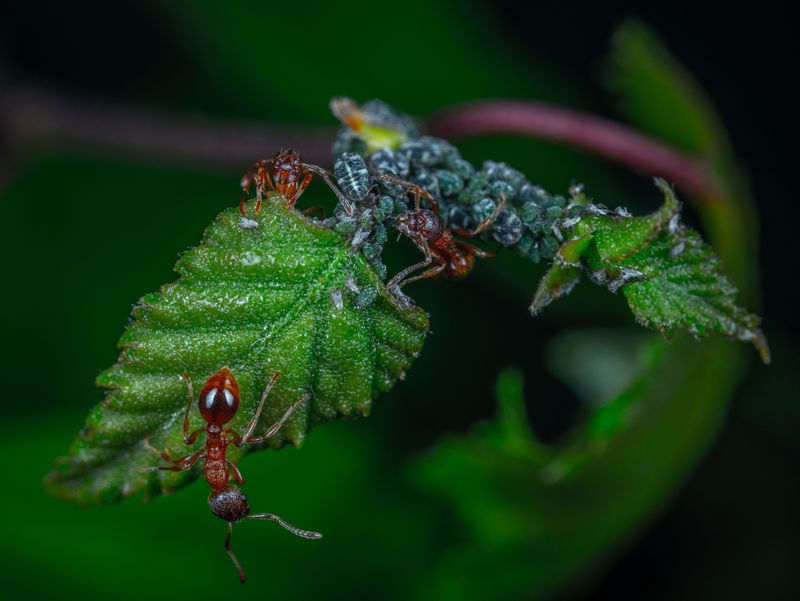
Your plants are trying to tell you something, and curled leaves are a loud warning sign. Aphids cause leaves to curl inward as they feed, protecting the colony underneath. That curling makes it even harder to spot them early.
Another red flag is a shiny, sticky coating on leaves or nearby surfaces. Aphids excrete a sugary waste called honeydew, which coats everything below them. It looks like your plant got drizzled with syrup, and it smells faintly sweet.
Honeydew also invites a black fungal growth called sooty mold. That mold blocks sunlight from reaching leaves, slowing photosynthesis. A plant covered in black patches is dealing with two separate problems.
Watch for plants that look wilted even after watering. Aphid damage disrupts how plants absorb and move moisture through their stems. A well-watered plant that droops is a serious clue worth investigating.
Your Illinois Garden Changes Every Week. Your Plan Should Too.
Gardening in Illinois changes quickly throughout the season. Every Friday you’ll receive a simple weekly plan showing exactly what to plant, prune, fertilize, harvest, and protect so you never miss the right timing.
You might also notice ants marching up and down your plant stems. Ants actually farm aphids, protecting them in exchange for honeydew. If ants are acting suspiciously busy on a plant, look closer at the undersides of leaves.
Stunted growth and distorted new shoots are also telltale signs. Young growth is tender and packed with sap, making it a common feeding site. Catching these warning signs early gives your Illinois garden a real fighting chance.
Where Aphids Hide And Multiply Unnoticed
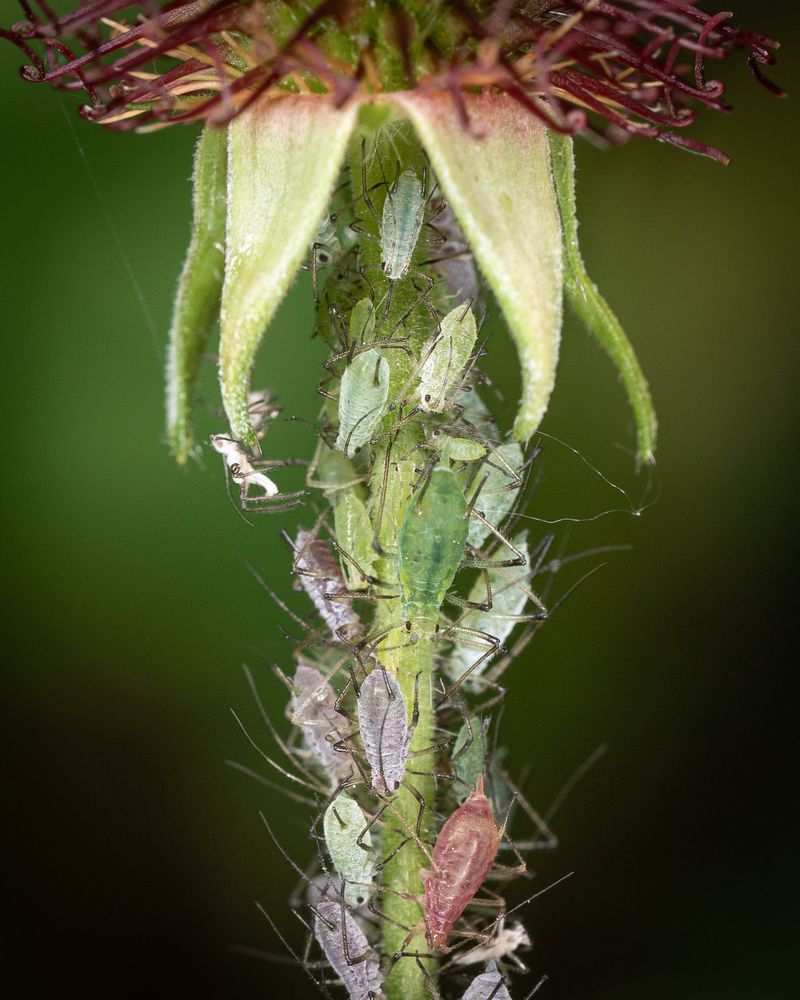
Flip a leaf over and you might get an unpleasant surprise. Aphids love the undersides of leaves because they’re sheltered from wind and rain. That hidden spot also keeps them away from the eyes of most gardeners.
New growth is their favorite real estate in any garden. Tender shoot tips, young flower buds, and fresh stems are loaded with sugary sap. Aphids consistently target these spots as their preferred feeding sites.
Dense plantings create perfect hiding conditions for colonies to grow in size. Plants crowded together create a humid microclimate that aphids absolutely thrive in. Air circulation drops, and natural predators have a harder time reaching them.
Weeds growing near your garden beds also shelter aphid populations between seasons. Many common weeds act as host plants where aphids wait out cold snaps. Clearing weeds isn’t just about looks, it’s about removing their shelter.
Aphids also hide inside curled or folded leaves that they’ve already damaged. Once a leaf curls around a colony, sprays and water can’t reach inside. By the time you unroll that leaf, many may already be feeding in there.
Checking your plants regularly, especially the undersides of leaves, is your best defense. A quick weekly walk-through can catch colonies before they double and triple. Staying observant is the most underrated skill any Illinois gardener can develop.
Why Summer Heat Makes Infestations Worse
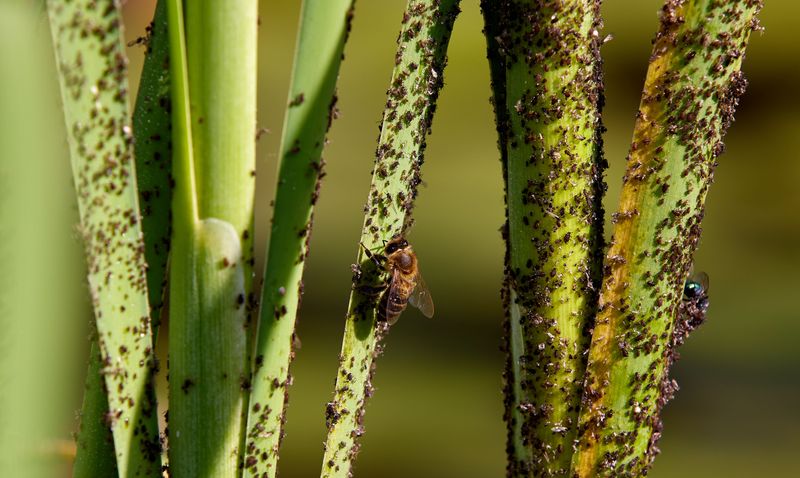
Summer in the Midwest hits hard, and aphids absolutely love it. Warm temperatures generally accelerate their reproductive cycle significantly. What takes a week in spring can happen in just a few days during a July heat wave.
Heat also stresses plants, making them more vulnerable to pest damage. A stressed plant produces weaker cell walls, and aphids can pierce them more easily. This combination can turn a manageable problem into a more serious one quickly.
Drought conditions compound the issue in a serious way. When soil moisture drops, plants concentrate sugars in their sap as a stress response. That sweeter sap attracts aphids from surrounding areas.
Natural predators like ladybugs and lacewings often slow down in extreme heat, seeking shade and reducing activity. That gives aphid colonies a window to grow unchecked during the hottest stretches.
Thunderstorms can knock aphids off plants temporarily, but don’t count on rain for control. Colonies rebound quickly after storms because survivors simply resume feeding and reproducing. A rainstorm may feel like a win, but the problem usually returns within days.
Monitoring your garden more frequently during peak summer months is a smart habit. The hidden pests affecting your Illinois garden work fastest when the sun is blazing. Staying ahead of them in July and August makes fall cleanup far less overwhelming.
Natural Ways To Control Aphids In Your Garden
A strong blast of water from a garden hose is one of the simplest fixes available. Knocking aphids off stems physically removes them from their feeding spots. Most won’t survive the fall or find their way back to the same plant.
Neem oil is a go-to organic treatment that many experienced gardeners swear by. It coats aphids and disrupts their ability to feed and reproduce effectively. Mix it with a little dish soap and water, then spray it directly on affected plants.
Insecticidal soap sprays work on contact and break down quickly in the environment. They’re safe for most garden plants when used as directed on the label. Reapply every few days until you no longer see active colonies on your plants.
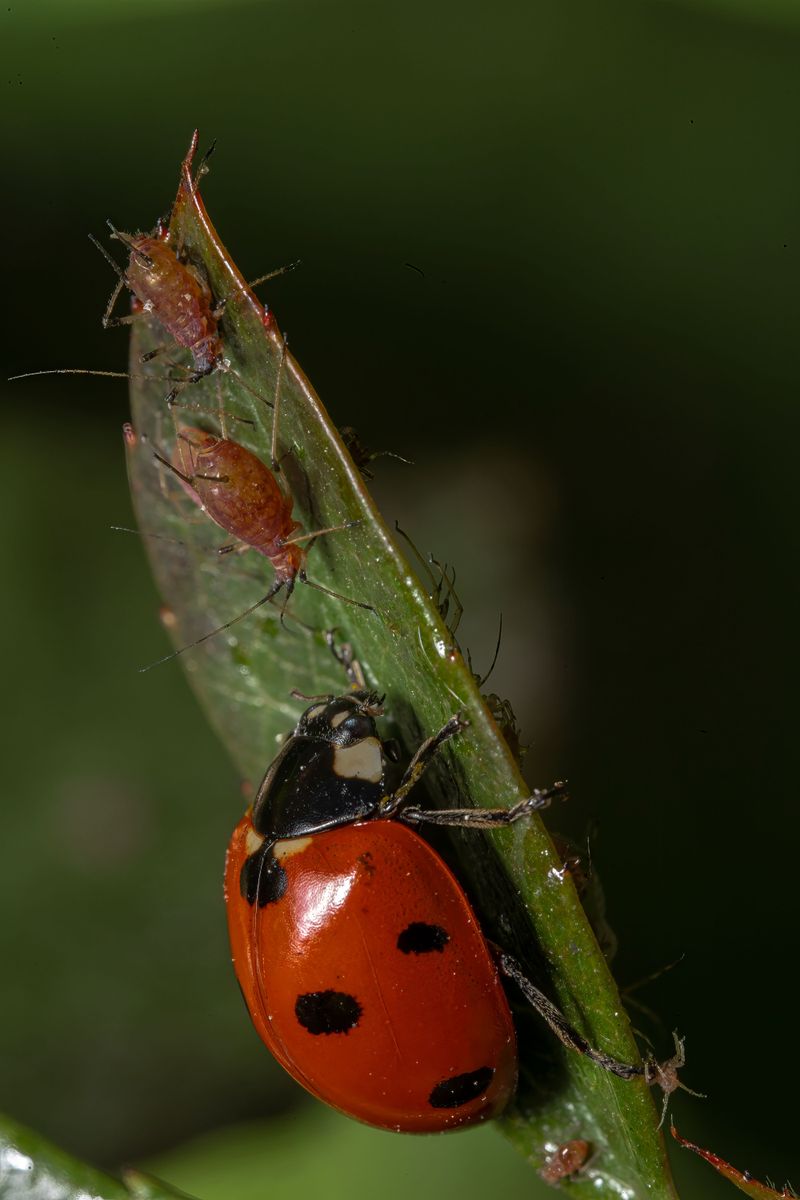
Attracting beneficial insects is a long-term strategy worth investing in. Ladybugs, parasitic wasps, and lacewings all feed on aphids naturally. Planting marigolds, dill, and fennel nearby draws these helpful predators into your garden space.
Garlic spray is an old-fashioned remedy that still gets results in modern gardens. Blend garlic cloves with water, strain the mixture, and apply it to infested areas. The strong scent confuses and repels aphids without harming your plants or the soil.
Natural control methods work best when combined and rotated regularly. No single approach will solve the problem on its own every time.
Mixing strategies keeps aphid populations from adapting and building resistance to your routine.
Preventing Aphids From Returning Next Season
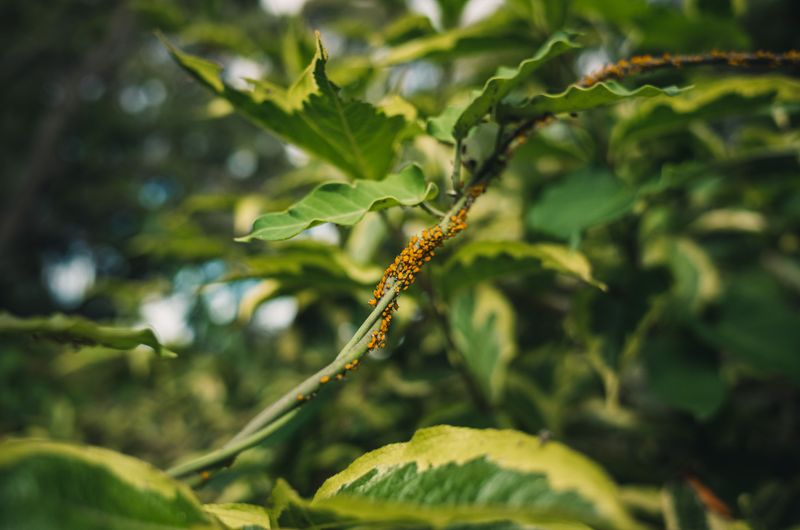
Prevention starts long before you see your first aphid of the season. Fall cleanup is one of the most powerful tools in a gardener’s prevention toolkit. Removing old plant material clears overwintering eggs hiding in your soil and mulch.
Rotating your crops each season disrupts the habitat aphids expect to find. Moving tomatoes, peppers, and squash to different beds breaks their cycle of return. Aphids that hatched near last year’s tomatoes will find nothing familiar waiting for them.
Companion planting is a clever, low-effort prevention strategy worth trying right away. Catnip, garlic, and chives are commonly believed to help repel aphids when planted near vulnerable crops.
Mixing these plants throughout your beds creates a natural barrier without any sprays needed.
Reflective mulch placed around plant bases confuses aphids trying to land. The reflected light disorients them and reduces how many successfully colonize your plants. Silver or metallic plastic mulch works especially well for this purpose in vegetable gardens.
Avoid over-fertilizing with high-nitrogen products, especially in early summer. Excess nitrogen pushes lush, soft new growth that aphids find irresistible and easy to pierce.
A balanced fertilizer schedule keeps growth steady without making your plants an easy target for aphids.
Checking your plants weekly, even when nothing looks wrong, is a habit that pays off. The hidden pests that affect your Illinois garden are far easier to manage when caught early. A few minutes of observation each week can save you weeks of frustration later on.